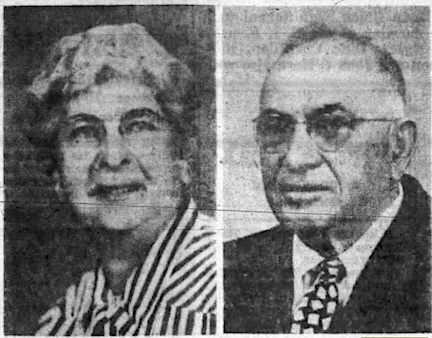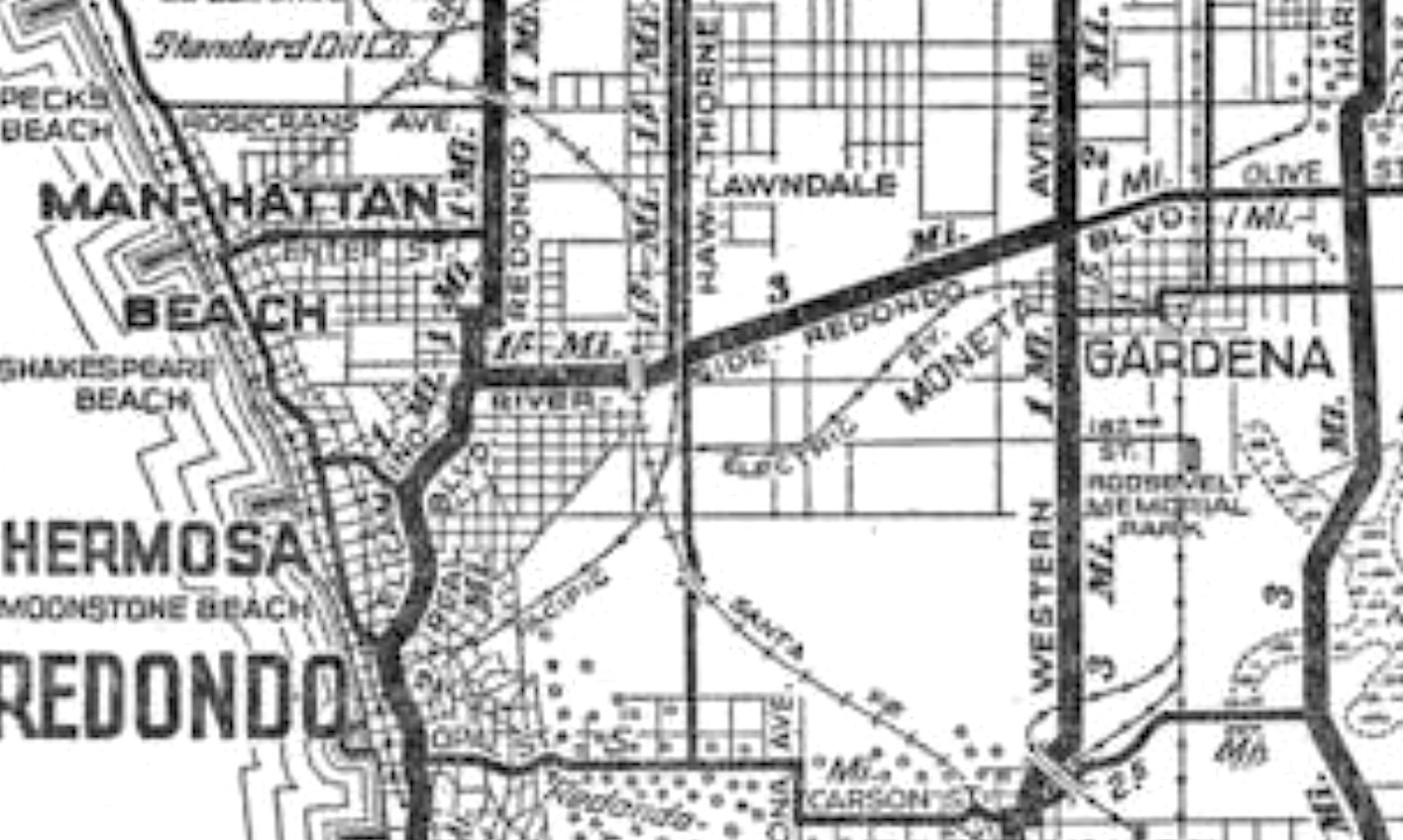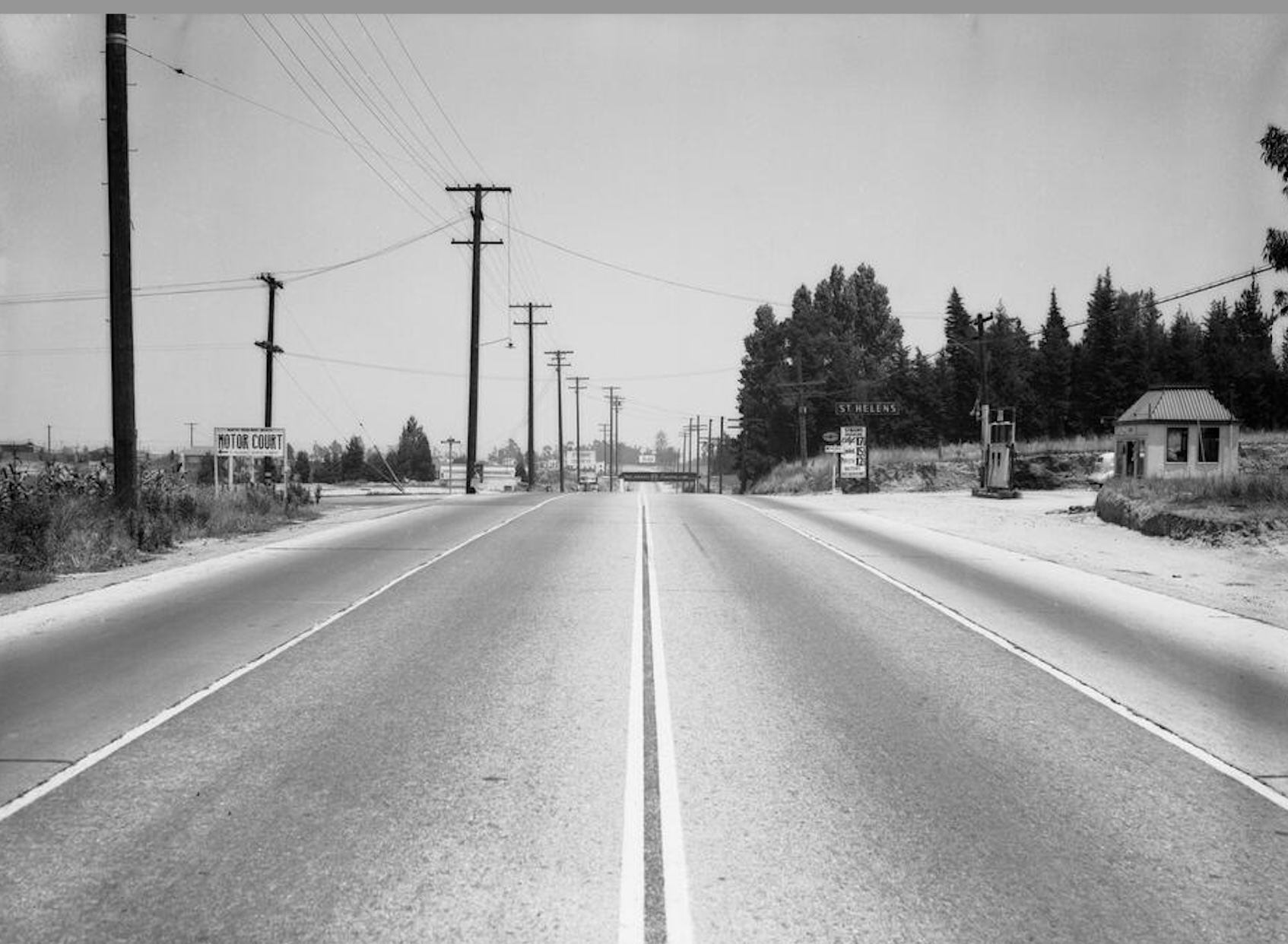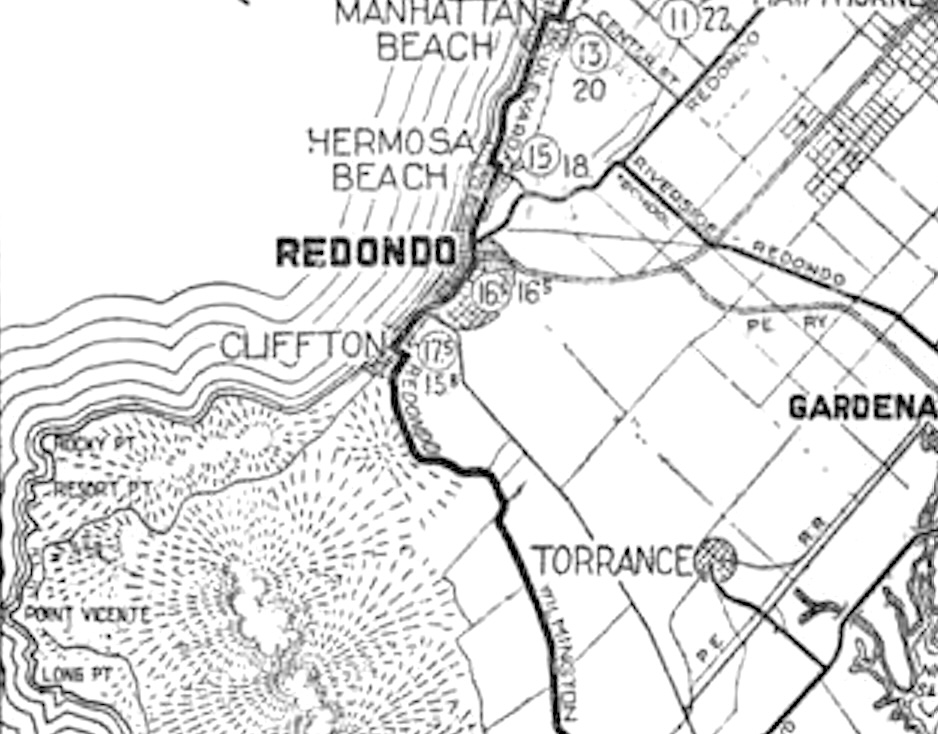
The Kettler Ranch acreage in present-day Southeast Torrance was built on a ranch that once belonged to German immigrant Emil Kettler. Born in 1847, the pioneering farmer and landowner and his wife, Amalie, originally had settled on farmland he bought in Wilmington in 1877.
Two years later, he sold that land in order to purchase 160 acres of land on a series of gently rolling hillocks just south of the Torrance city limits, south of Sepulveda Blvd., between Arlington and Western avenues. He built a ranch and farm there where he raised beans, hay and grain.
He lived on the ranch for 40 years, raising a family with his wife that included four daughters and five sons. He and his family left the ranch after he signed oil leases that resulted in oil derricks springing up on his former farmland during the early 1920s Torrance oil boom. He signed the first such deal in 1922 with Standard Oil.
Kettler moved to a house on Normandie Ave. in the West Adams district of Los Angeles, where he died at the age of 84 on Jan. 17, 1932.
Before his death, he and his family had objected to the City of Torrance’s plan to annex the ranchland, and also objected to a separate, less invasive plan to extend Cabrillo Ave. south through it to Eshelman Ave. in Lomita.

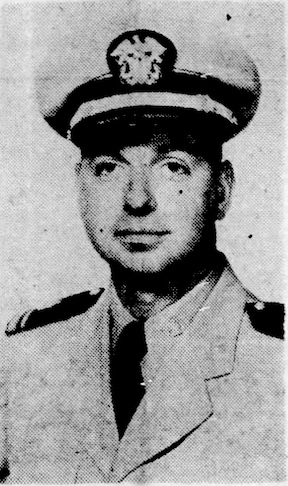
That extension was finally built with the surviving family’s blessing in the late 1940s. By then, it was in their best interest to have the street extension finished. In 1946, Emil Kettler’s nephew, Jack, had announced plans to build a 201-unit housing development on the former ranch site, so the Cabrillo extension became a more advantageous proposition.
Kettler won approval from the FHA for the new $1.5 million development on Oct. 2, 1946, with grading and construction beginning roughly a month afterward. It was built in a series of tracts, eventually numbering six in all.
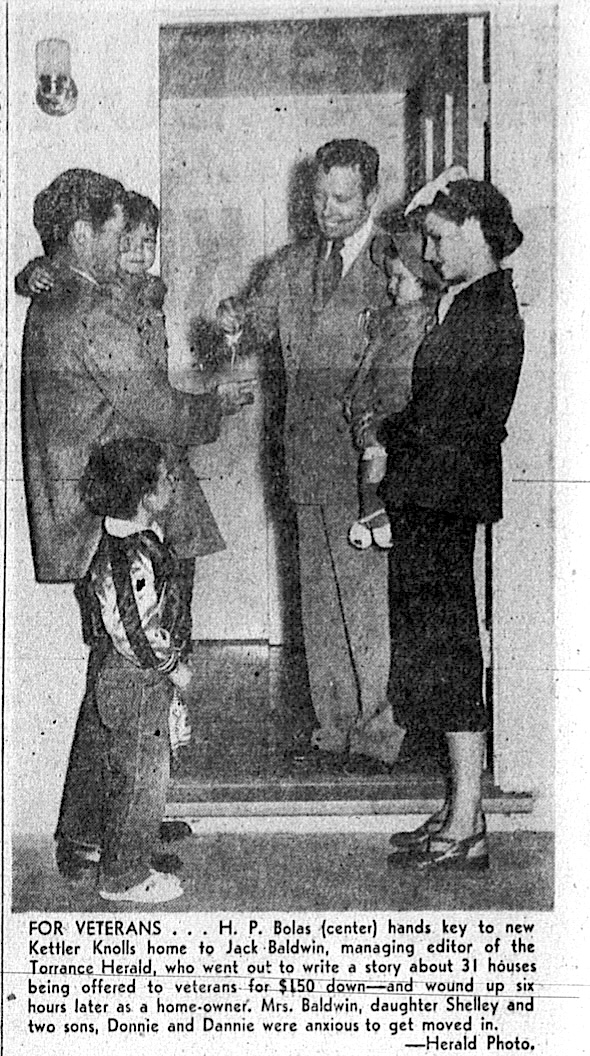
It took little more than one year to complete the 201 new houses in Tract One. They sold rapidly, so quickly that plans to build a special model house were deemed unnecessary. The first 54 homes were sold to war veterans.
At the time the houses were being built and sold, Arlington Ave., the street on its western border, was still known as Narbonne Ave. in honor of pioneer Lomita settler Nathaniel Narbonne. (Lomita lies just south of Torrance.)
For uniformity’s sake within the city, the Torrance City Council finally changed the street’s name to Arlington Ave. in 1951. Arlington’s name now changes to Narbonne Ave. almost a mile further south, where Torrance ends and Lomita begins, to the confusion of everyone concerned to this day.
In June 1948, construction of a shopping center began at Arlington (then still named Narbonne) and Sepulveda to serve the needs of Knolls residents. It consisted of a supermarket, drug store, shoe store, barber and beauty shop, and dry cleaners.
The center was built on the same site as the modern-day Rite Aid drugstore, which closed in 2025 following the parent company’s bankruptcy.
Another shopping center was built on the eastern side of the development, on Western Ave. between 234th and 235th avenues. It contained a smaller food market, and some other specialty shops. Leslie’s pool supplies store has occupied the site at 23401 S. Western since the early 1970s.
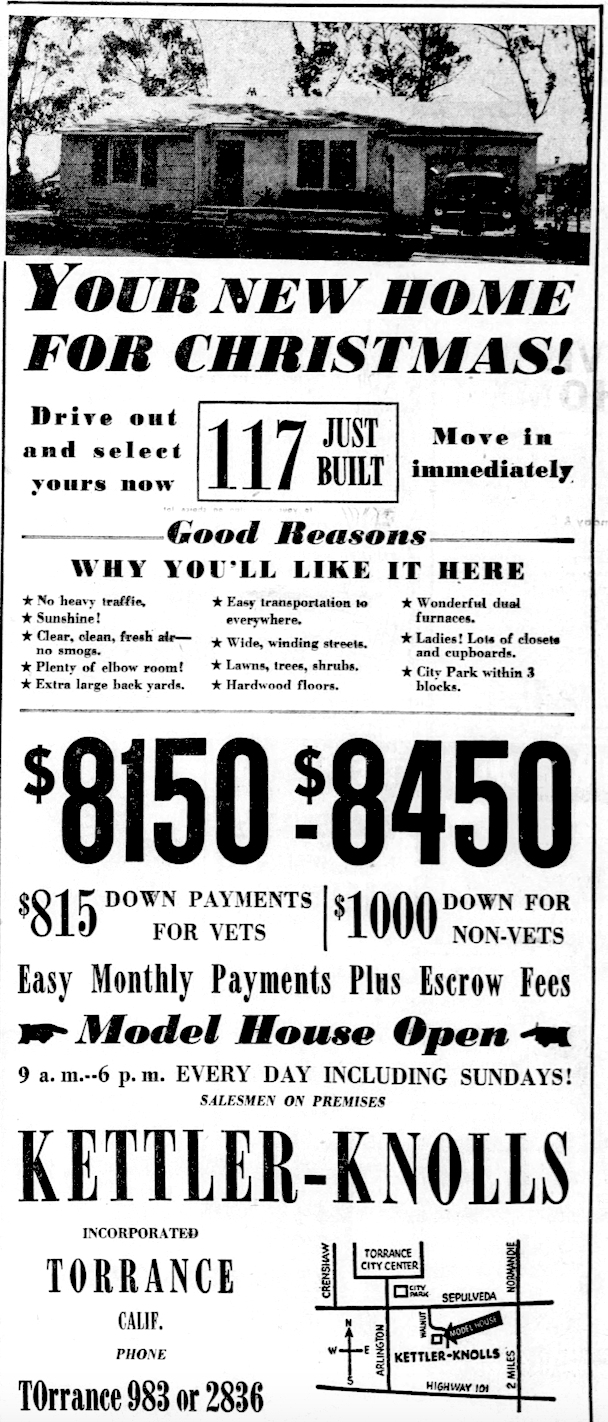
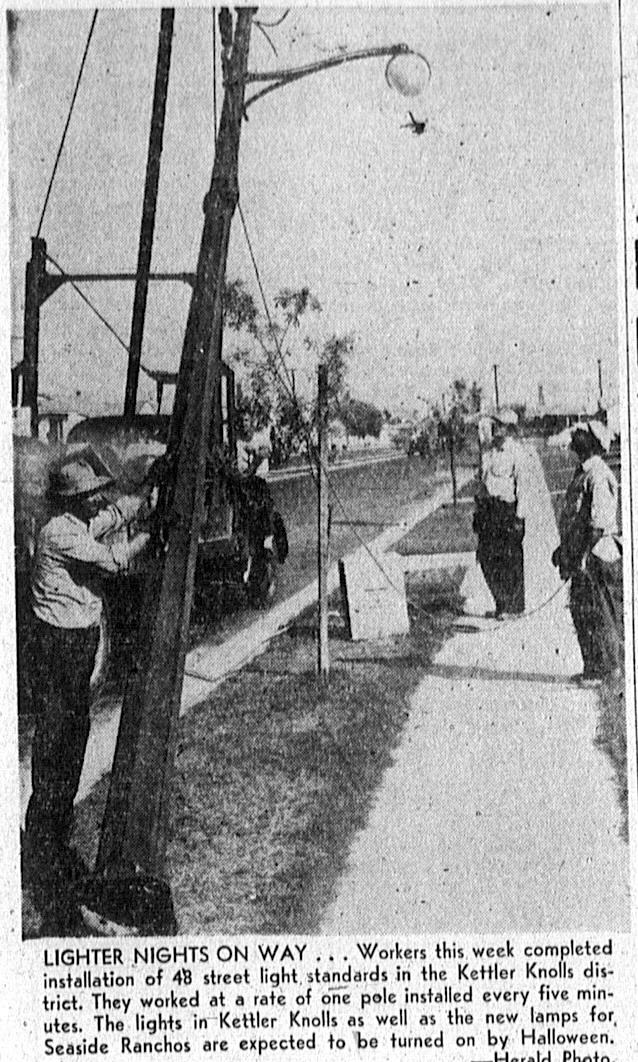
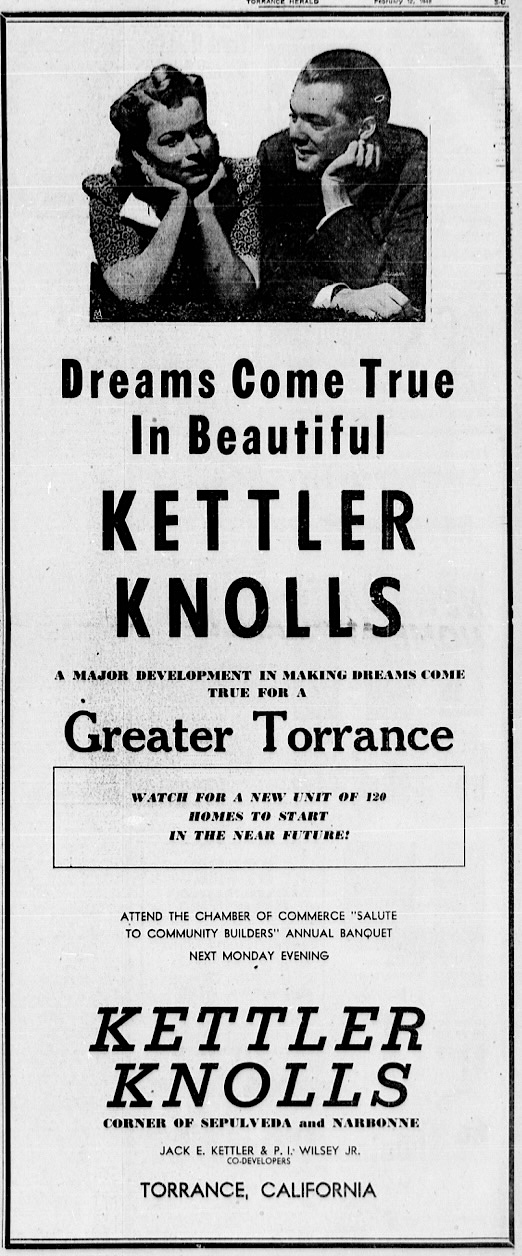
Eventually, more than 700 homes were built in the six tracts making up the Kettler Knolls development. The project was large enough to merit its own weekly column of newsy neighborhood tidbits, “Kettler Kapers,” in the Torrance Herald newspaper.
Special G.I. Bill financing deals were available to home purchasers, and the houses were advertised in December 1948 as selling from $8,150 to $8,450, depending on which of the 14 designs and three floor plans were chosen.
The Torrance Unified School District had to hustle to build new schools to accommodate the influx of families into the area. At first, younger students were sent to Torrance Elementary, which rapidly became overcrowded.
TUSD built two new elementary schools, Howard Wood on 235th St., which opened in January 1954, and John Adams on 238th St., which opened in January 1960.
In addition, Hull Middle School opened in April 1970. (It was torn down to the ground and completely rebuilt on the same site on 231st St. in 2011.) High school students attend Torrance High.
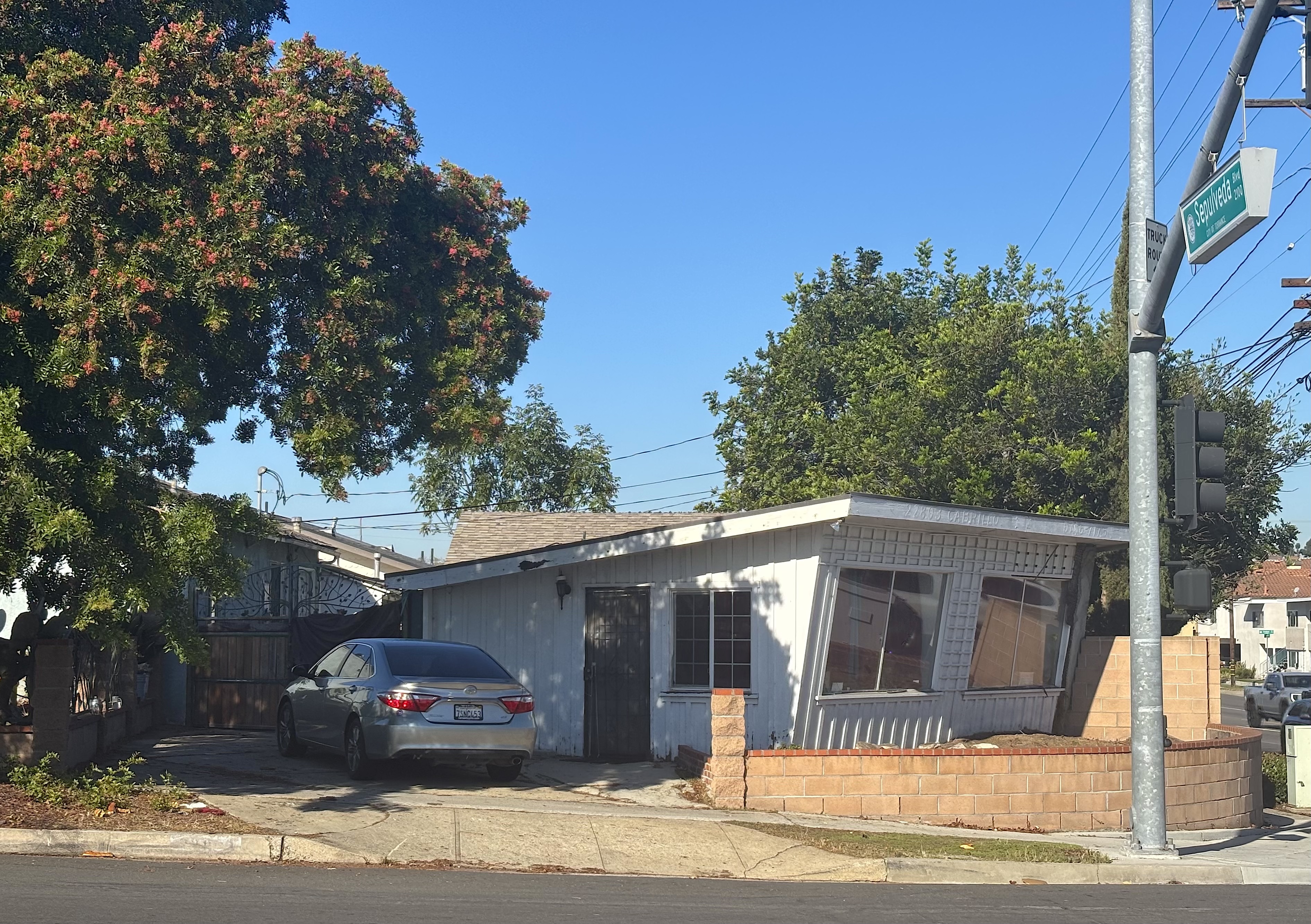
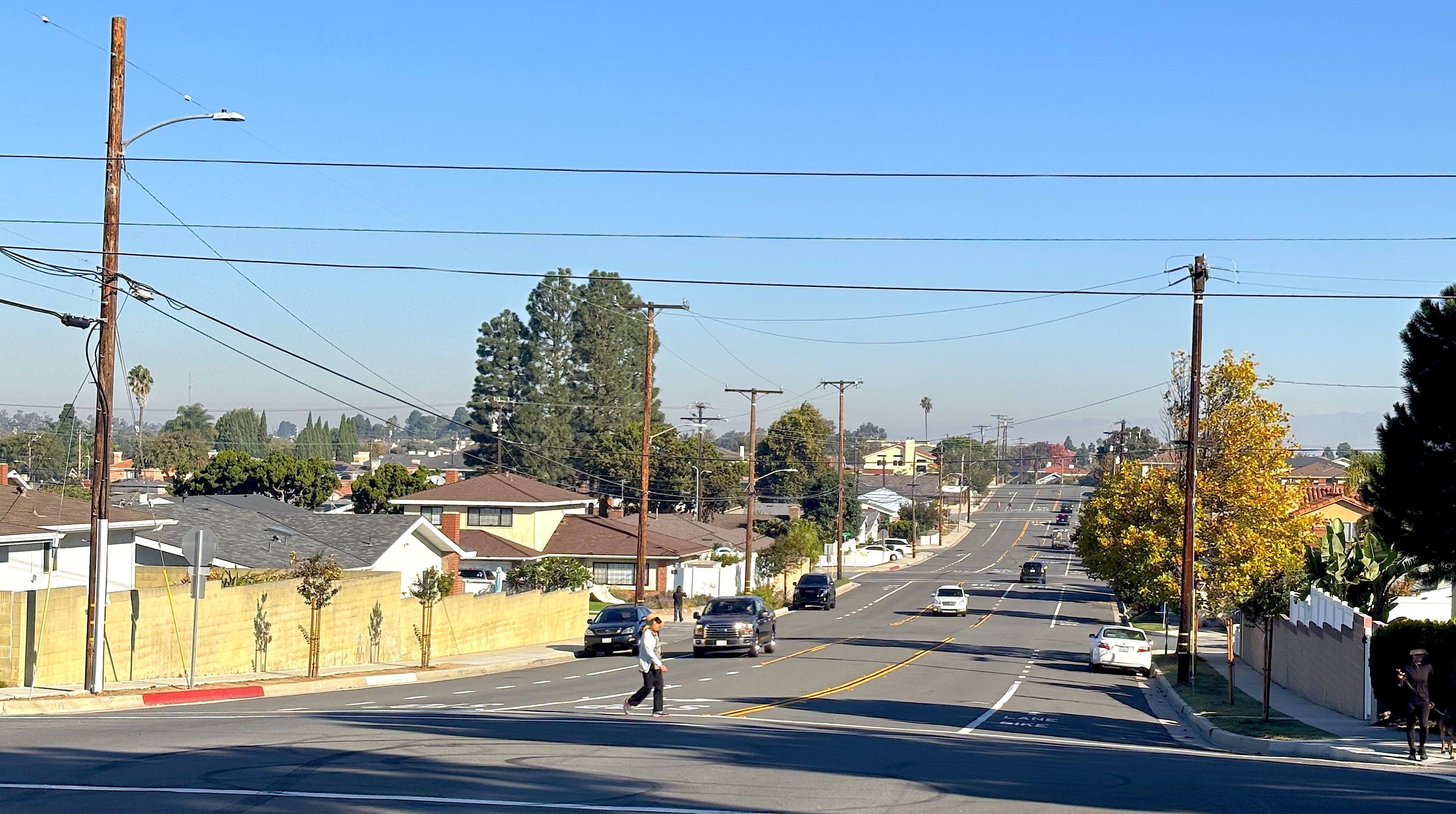
Though many of the Kettler Knolls houses have been remodeled, added on to, or completely rebuilt, they originally were constructed, logically enough, in the mid-century modern style of architecture, which employs simple geometric lines, often with slanted roofs and interior open-beamed ceilings.
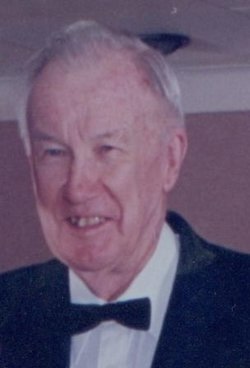
Jack Kettler’s southeast Torrance housing development was a smashing success and remains a thriving suburban neighborhood to this day. He settled in the Lunada Bay area of Palos Verdes Estates, where he lived until his death at 88 on Dec. 27, 2011.
Sources:
Daily Breeze archives.
Find a Grave website.
Los Angeles Times archives.
Torrance Press Herald archives.
Note: Post edited on Oct. 27, 2025, to remove incorrect information about the former Rite-Aid store on Arlington and Sepulveda in Torrance. Thanks to reader Jim Winterroth for the correction.