
Discussions regarding the formation of a Torrance branch of the YMCA began in earnest in 1944, when the San Pedro YMCA appointed a committee tasked with creating it from scratch. At the time, the newly formed branch had no recreational facilities or even a meeting place of its own.
In 1945, the Torrance YMCA was affiliated with the Torrance Community Chest, and was one of six groups meeting in one-room offices at the Torrance Service Center at 1339 Post Ave. downtown. (The Service Center would later move to 1103 Sartori Ave., also downtown.) Ted Meier was named its first executive secretary.
Among its many early activities was the establishment in 1946 of a recreational program for former Japanese-American internees, who were being temporarily housed at the Lomita Flight Strip (now Torrance Municipal Airport) as they awaited resettlement following the end of World War II.
The committee felt strongly that Torrance had a need for more such programs to serve its growing population, and began to lobby for its establishment as a separate independent branch.
On March 26, 1947, the Board of Directors of the Los Angeles YMCA agreed, approving the formation of a separate Torrance YMCA, and defining its boundaries.
In August 1947, the Torrance YMCA cut ties with the Community Chest in a dispute over limits on membership activities, a key to the YMCA’s future growth.
In 1948, the Torrance committee members began actively seeking a permanent home, a search that would take three years.
It continued adding to its scope of activities in 1949, when its free “Learn to Swim” program was held during Easter vacation and its first Good Neighbor Breakfast was held on Nov. 12th at the old Civic Auditorium in downtown Torrance. Its popular mountain summer camp programs and an extracurricular high school recreation program named “Tartar Town” were already in operation.
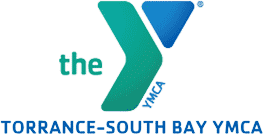
By 1950, the Torrance Y had identified a possible permanent location – the Veterans of Foreign Wars building at 2080 Washington Ave., near Arlington Ave. Although the VFW was no longer an occupant, it still owned the structure, a rectangular tin building that had served as a U.S. Navy mess hall during World War II.
The VFW offered the building at a reasonable price, and the Y’s executive committee purchased it. The new Y location opened on April 5, 1951. It became a busy place during the Y’s explosive growth during the 1950s, but its limitations quickly presented themselves. The rickety, drafty building became informally known as the “tin barn.”
By 1958, the organization had so outgrown the inadequate “tin barn” structure that an active search for an appropriate property was well underway, in addition to plans for a major fundraising drive to pay for it all.
The initial financial goal was $100,000 to purchase the land, with an additional drive planned to pay for the actual construction of the new buildings. And that’s after initial plans to add an indoor gymnasium had to be delayed, as it would have cost an additional $150,000.
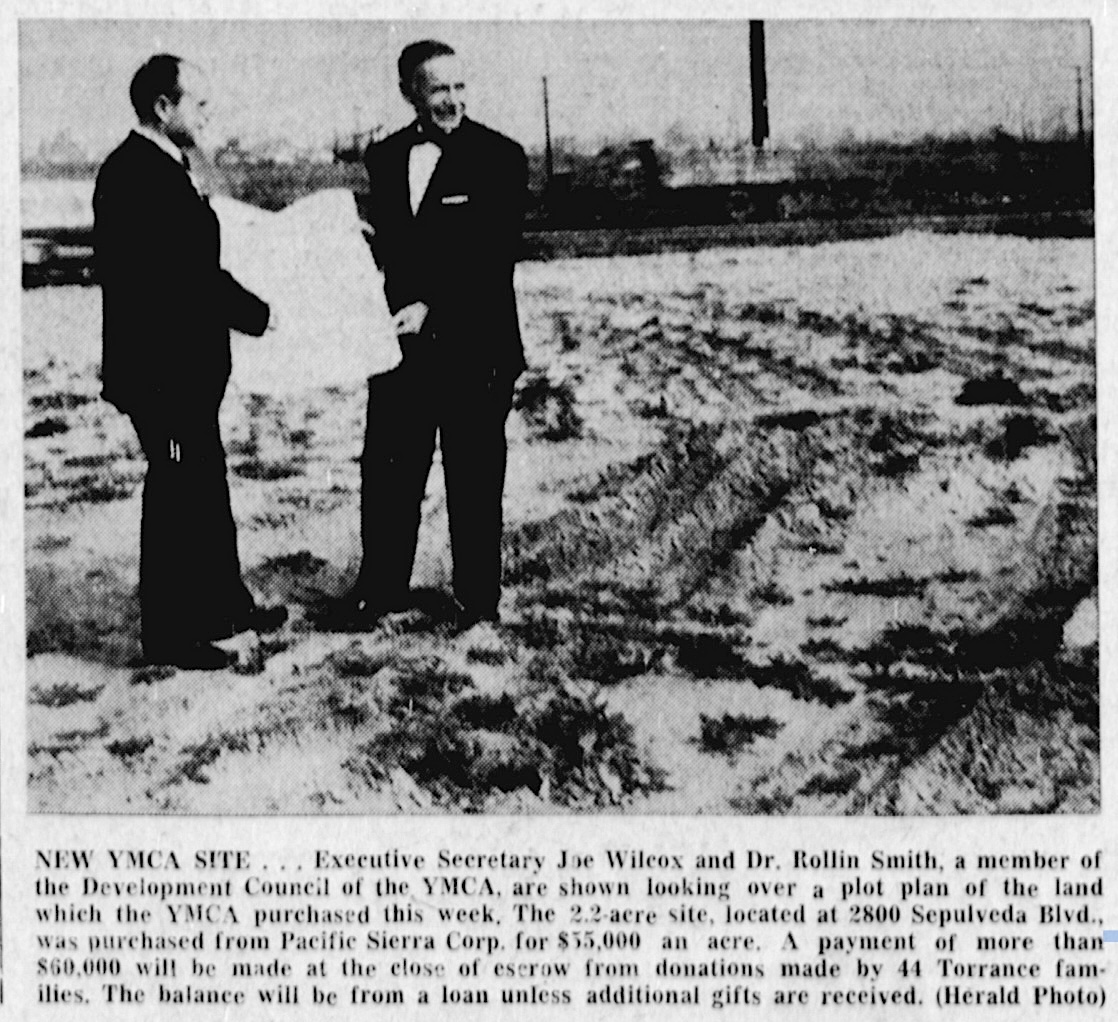
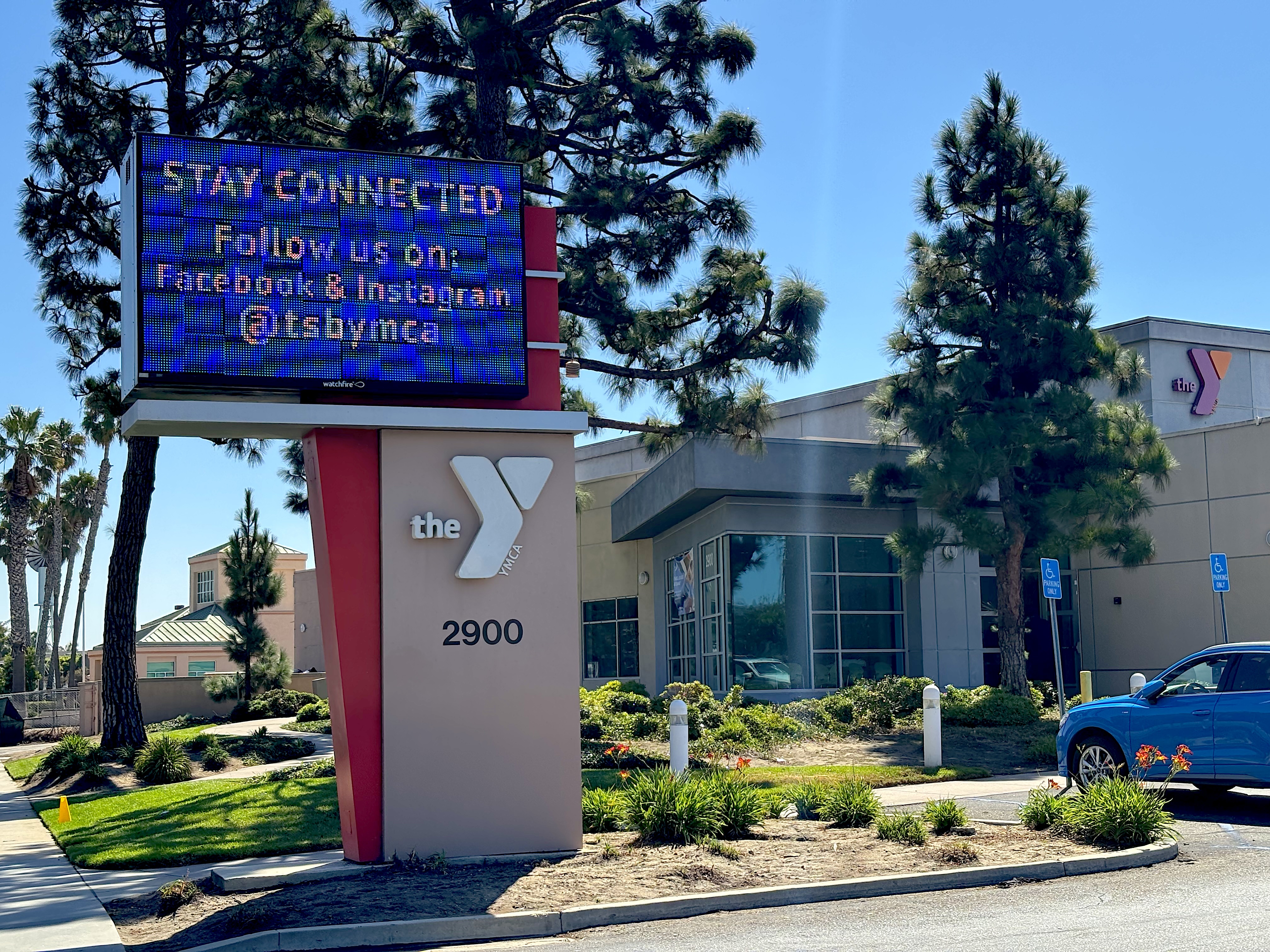
In the five years between 1958 and 1963, the YMCA board of directors considered more than 50 different locations for its new complex. In October 1963, it announced its decision to purchase a 2.2-acre site at 2900 W. Sepulveda Blvd., east of Maple St.
The lot’s central location to different parts of the city was a significant factor in the decision. The purchase price from landowner Pacific Sierra Corp. was $55,000 per acre, for a total cost of $120,000.
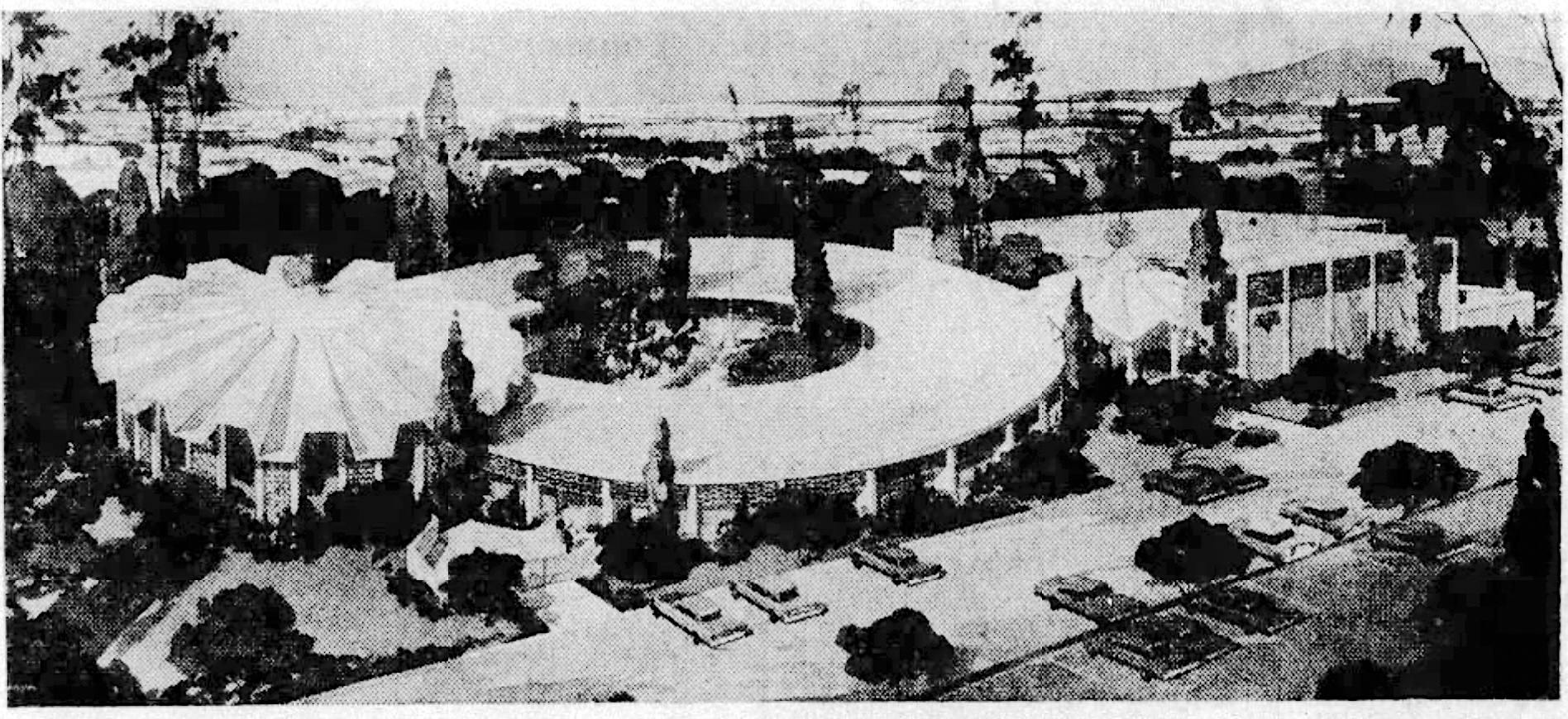
The first building to be constructed contained meeting rooms, a multipurpose hall, a kitchen, game room, and outdoor recreation area. An April 1, 1965 opening date was announced, and a fundraising drive to raise $600,000 in construction costs was set to begin in April 1964.
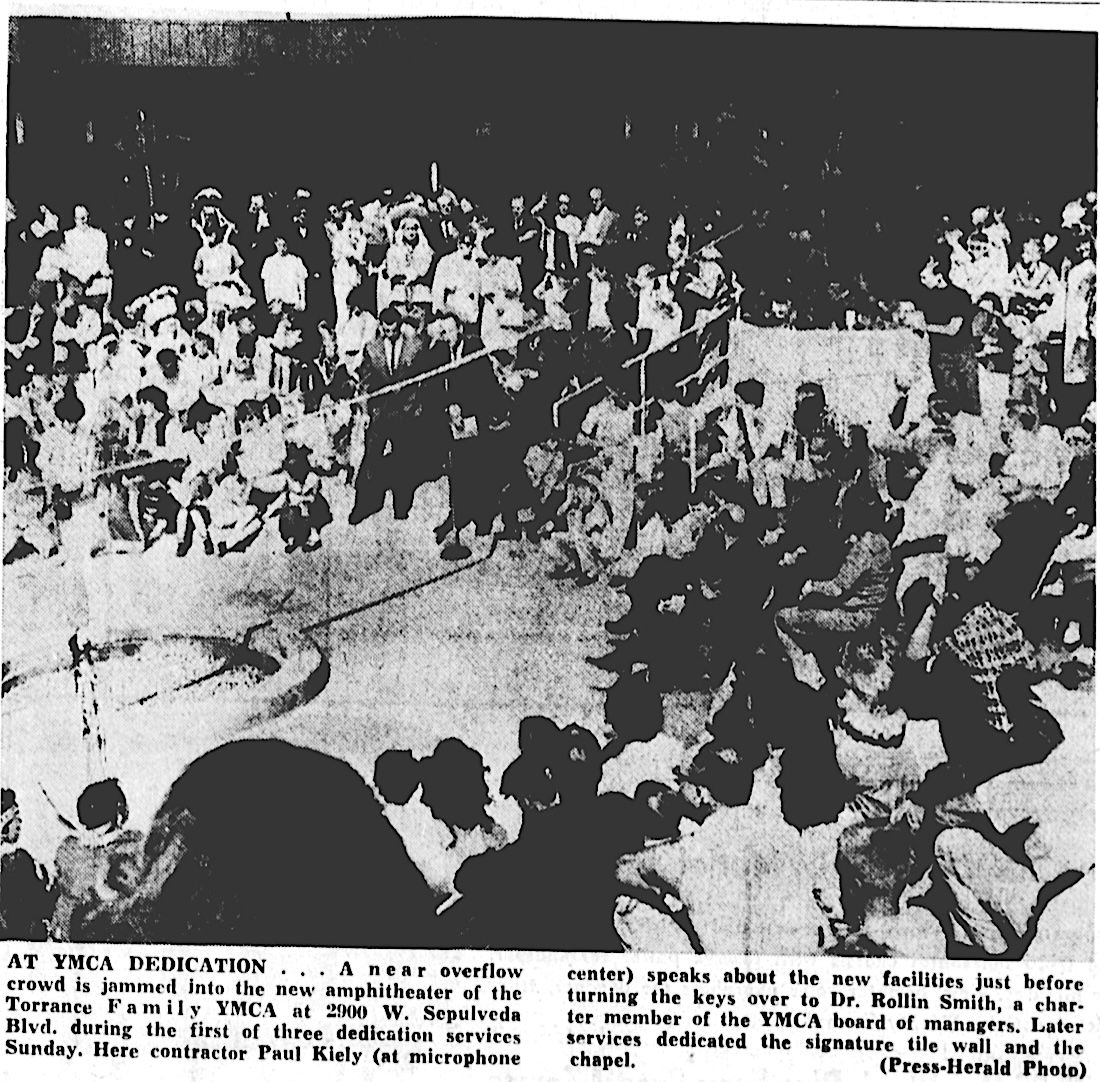
The opening date turned out to be optimistic. Grading the lot, the first step in construction, didn’t begin until July 23, 1965. But construction went smoothly, and the dedication for the completed initial building took place on March 20, 1966. The ceremonies attracted more than 9,000 visitors.
On Sept. 21, 2002, dedication ceremonies were held for a major $6 million renovation program that took 14 months to complete. An earlier $6 million renovation had taken place at the Torrance-South Bay YMCA, as the organization is now officially named, in 1985.
In addition to the gymnasium, the more recent additions to the Y complex have included a rock climbing wall, a new community center building, an indoor swimming pool, an indoor running track, and regular refurbishings of its fitness center equipment.
Torrance’s YMCA has come a long way from its “tin barn” days.
Sources:
Daily Breeze archives.
Torrance Press-Herald archives.
Torrance-South Bay YMCA website.

