Some still lament the loss of Aviation High School in Redondo Beach

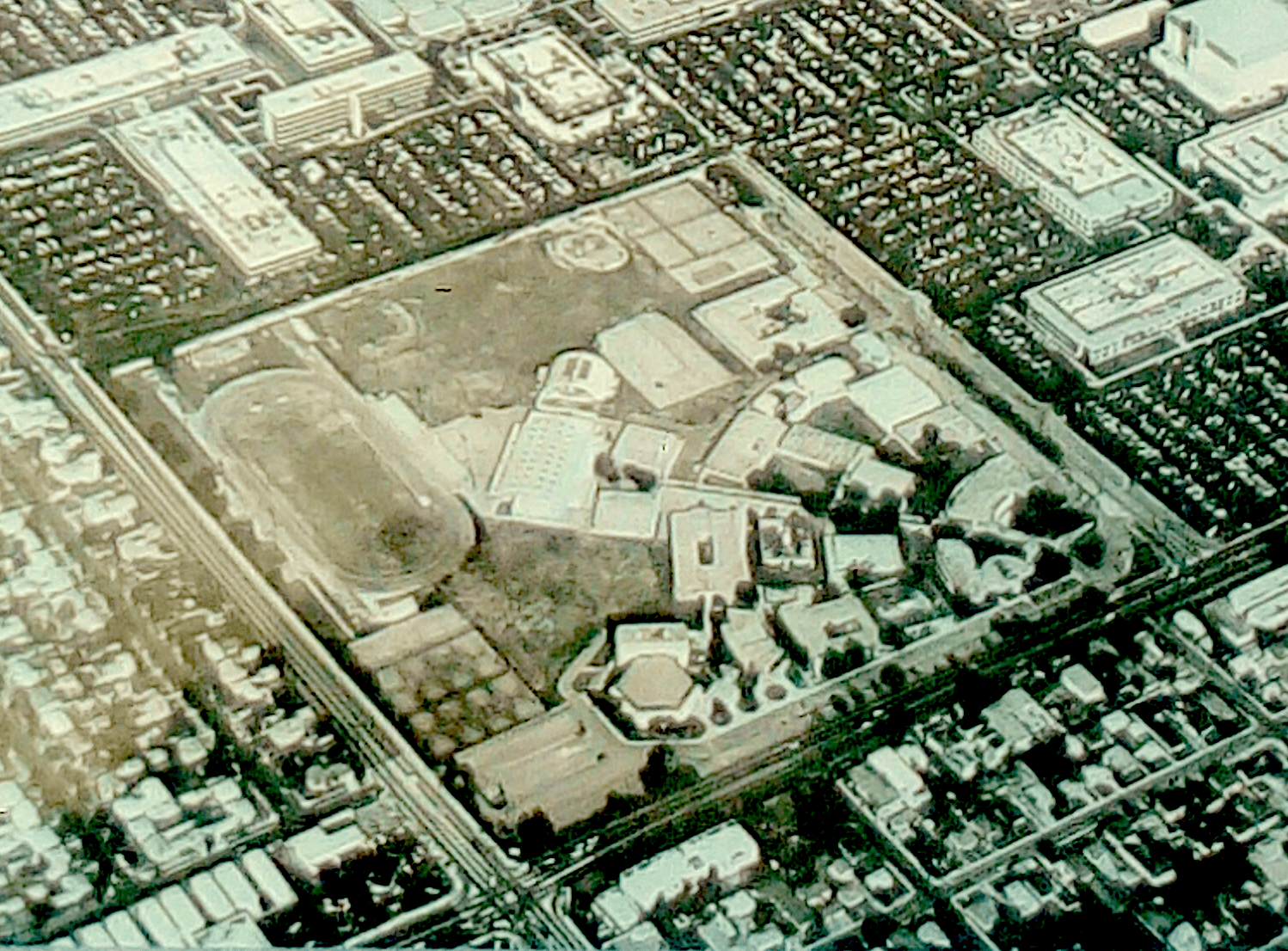
Aviation Blvd. is at left and Manhattan Beach Blvd. at bottom in this undated view of Aviation High School. (Credit: City of Redondo Beach)

The post-World War II population boom in the South Bay, fueled by returning GIs and the rapid rise of the aerospace industry, posed a major challenge to its school systems in the 1950s. How would they accommodate the increasingly large numbers of students pouring through the doors of their schools?

The South Bay Union High School District began to see the writing on the wall in the early 1950s after its officials noted the jump in birth statistics that eventually would swell enrollment at its already crowded two high schools, Redondo Union and Mira Costa in Manhattan Beach. But a 1953 bond measure to approve funds for a third high school was defeated at the polls.

In late 1954, the district decided to try harder, calling more vigorously for an election to approve a $3 million bond issue for the construction of the new school. Voters approved the measure by a three-to-one margin in the special election held on Feb. 18, 1955. (It ended up costing $4 million.)

The district purchased land for the new school on the northeast corner of Aviation and Manhattan Beach boulevards, and opened the bidding for its design and construction. The Pasadena architectural firm of Flewelling & Moody was hired to design its 22 buildings. 
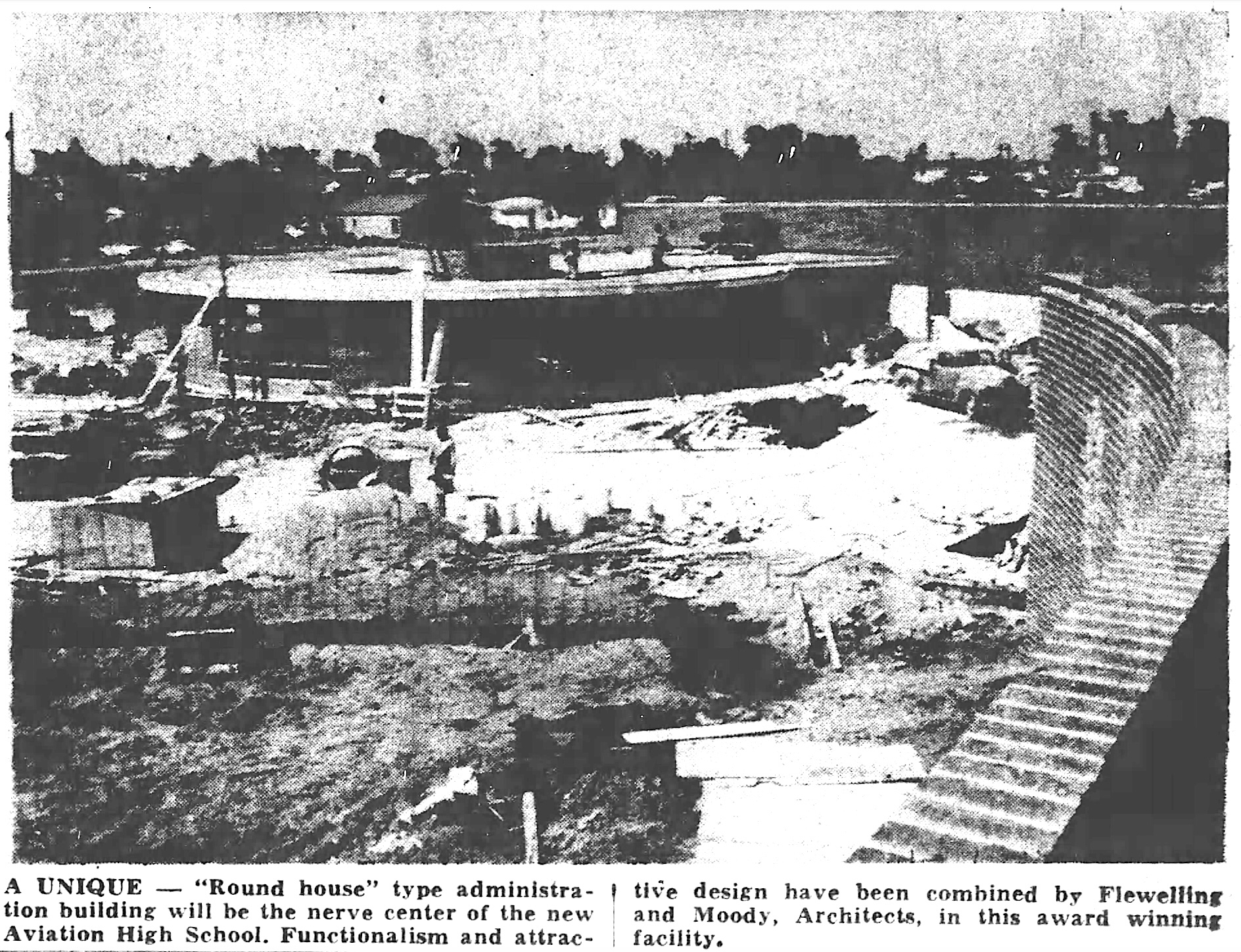
Daily Breeze, June 14, 1957, Page 23. (Credit: Daily Breeze archives)

The firm’s plans, much-praised by architecture experts at the time, called for the first completely round building in a state public school, the administration building. Several of the other buildings were curved, including the school library, and the auditorium was structured more like an actual  theater than a traditional assembly hall.

At its Feb. 1, 1956 meeting, the district named Hobart C. “Hob” Uhls as the school’s first principal. Uhls was then serving as vice principal at Mira Costa, and had been with the district since 1928. He was the first of just three principals in the school’s history. His successors were Ted Gossard and Bob Fish.
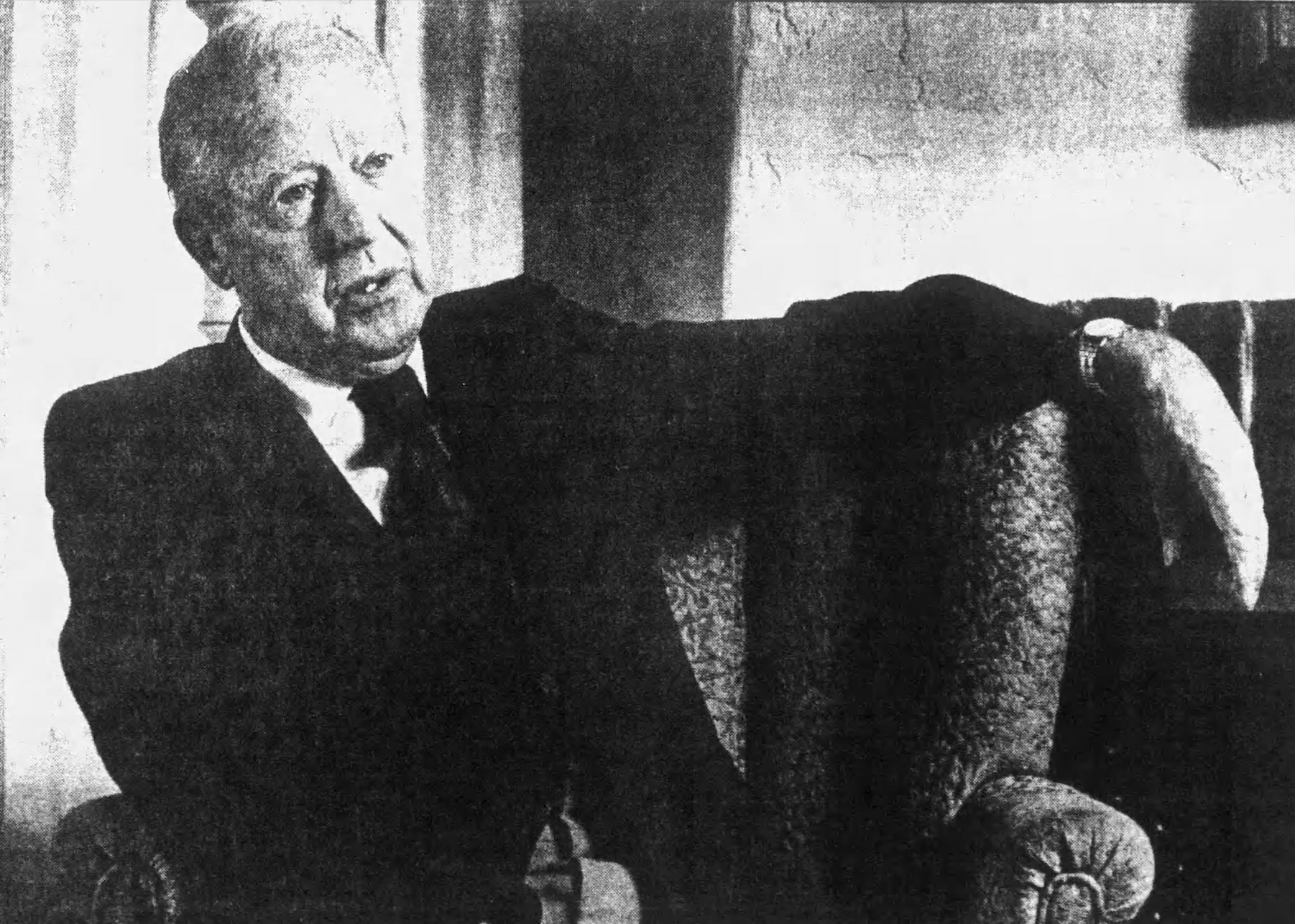
Former Aviation High principal Hob Uhls on Oct. 19, 1982, after the closure of the school. (Daily Breeze staff file photo by Jack Lardomita)

Also in early 1956, the district asked The Daily Breeze to survey readers informally for suggestions for a name for the new school. Initially, Eisenhower was the top vote getter, followed by Redman (combining Redondo and Manhattan), then Aviation. Other proposed names included Aileen S. Hammond, after the longtime Redondo Union principal, Wright Brothers and Kittyhawk. 

At the March 22 meeting, district trustees voted to go with Aviation High School, which ended up being the most popular choice in the Breeze informal poll. The trustees made it clear that the name was based not on the street, but on the burgeoning aviation industry in the area.

The groundbreaking ceremony for Aviation High took place on July 2, and construction began in early September. The district’s goal was to open its doors to students in the fall of 1957. The contract to build it went to general contractor Tom Norcross, who bid $1,327,300 for the job.
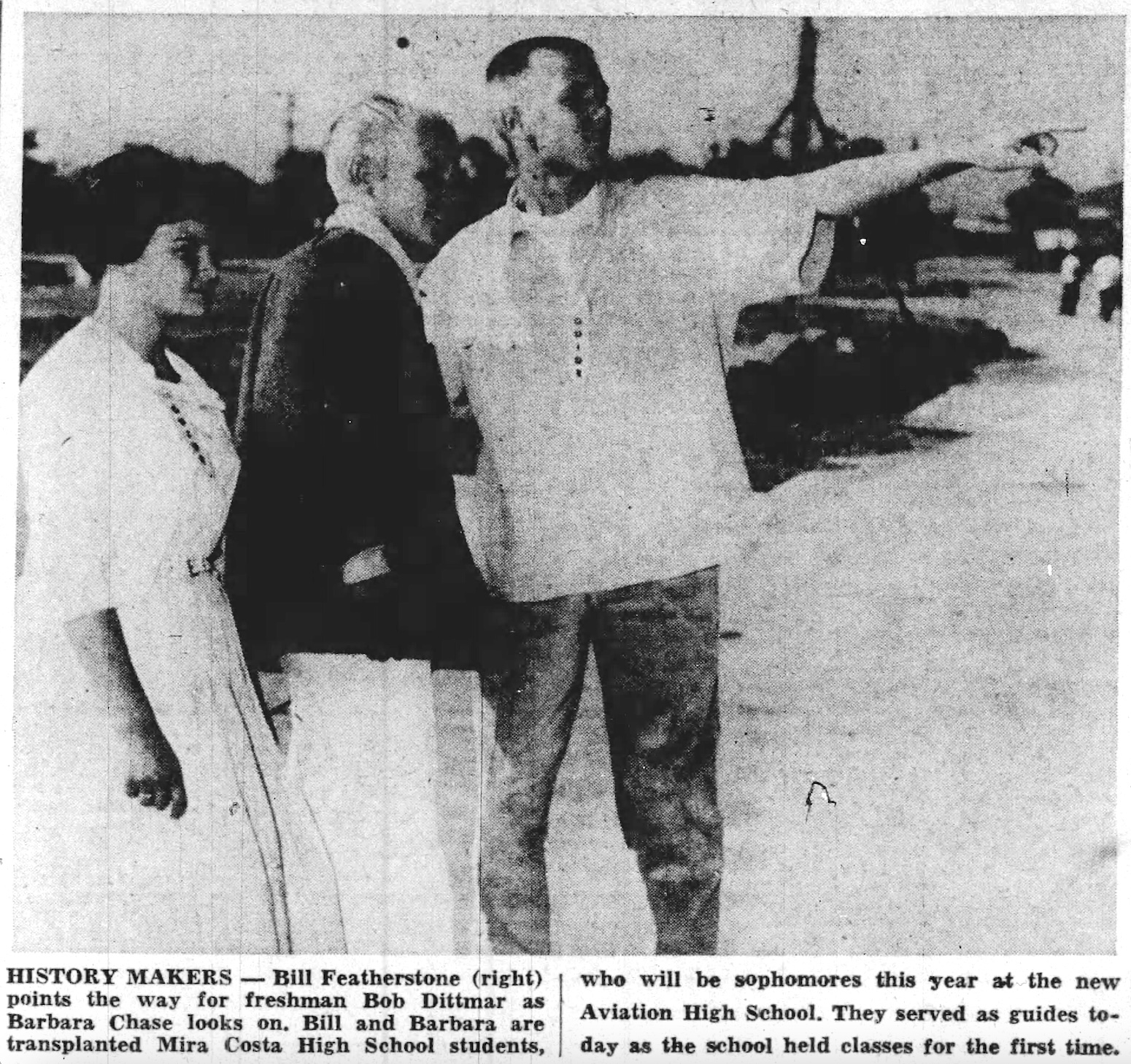
Daily Breeze, Sept. 16, 1957, Page 1. (Credit: Daily Breeze archives)

Construction on the school was completed in time to accept its initial group of 640 students on Sept. 16, 1957. In addition to students from its area, others were transferred from Redondo Union and Mira Costa.

Two days after Aviation opened, contracts were awarded for the second phase of construction, which included a gymnasium, additional classrooms and the outdoor athletic field and running track.

Aviation’s official school colors were orange, black and white, and the school’s mascot name was the Falcons. The football team played on the athletic field where the track was located. The school’s athletic teams were rooted on by the Falconettes cheer squad.

The school’s enrollment grew throughout the 1960s, reaching a peak of 2,300 students in 1974. But a combination of skimpier state revenues following the Proposition 13 property tax measure  and slower population growth began reversing the trend in the late 1970s.

Rumors that the South Bay Union High School District would close Aviation High began to spread after it was announced in December 1980 that the district was leasing three lots bordering the school to TRW.
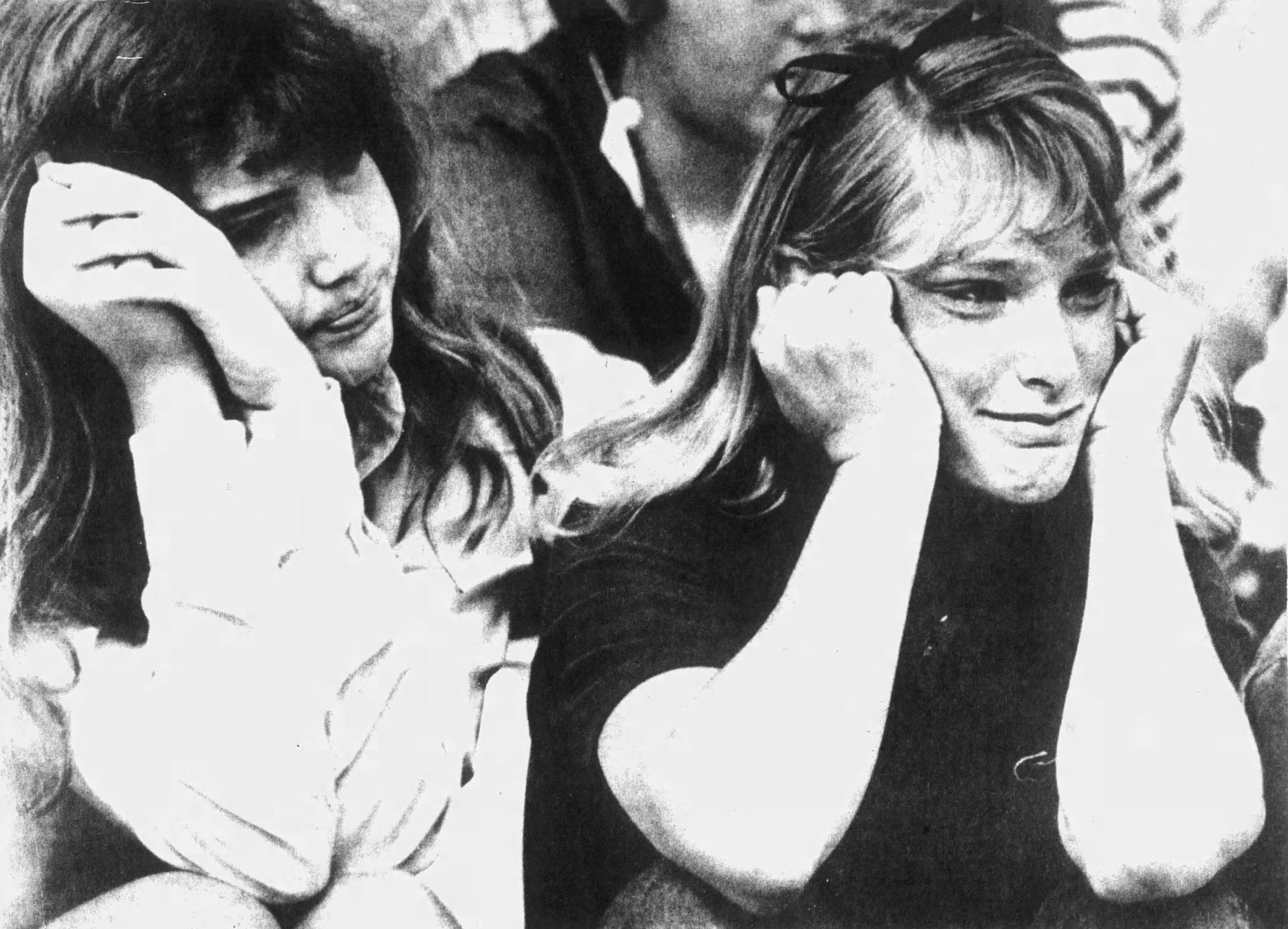
Aviation High students react to the closing of the school on April 15, 1982, the day after it was announced. (Daily Breeze staff file photo by Michael Steinbacher)

The rumors continued to circulate until the night of April 14, 1982, when the district finally voted to close Aviation by a 3-2 vote. Principal Uhls was outraged, and stormed out of the meeting. About 500 students cut classes the next morning and gathered on the football field in a sad but peaceful protest, but the Class of 1982 would be the school’s last.

Principal Uhls boycotted the school’s final graduation ceremony that June. “I want to go. I just don’t like the tears of little girls, they get to me too much,” he told the Daily Breeze beforehand.

A couple of years of debate over the school site’s future followed. One Redondo Beach City Council member, Archie Snow, supported building a new civic center for the city on the site. The city demurred on that idea, deciding in the end to hang on to parts of the former campus and sell or lease the remainder.
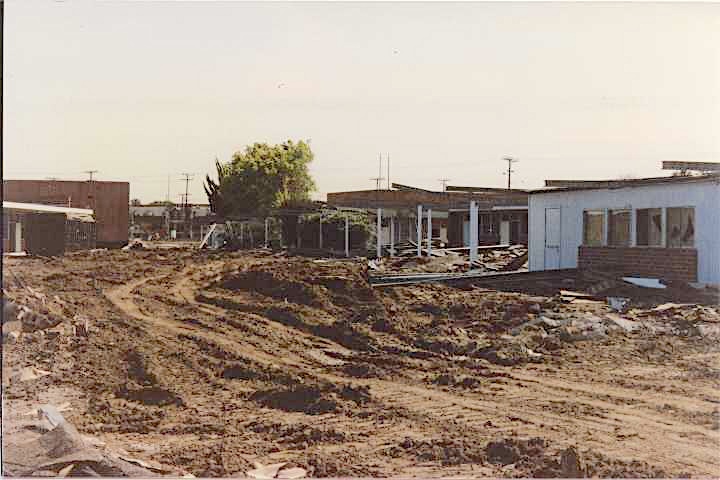
Classrooms being demolished on the former Aviation High School campus in 1985. (Credit: Aviation High School All Class Reunion website. Photos courtesy of Susan Lund.)

Demolition finally began on Feb. 4, 1985, though the auditorium, gymnasium and outdoor athletic facilities were spared. 

In 2003, the aging auditorium reopened after undergoing a major remodel to become the Redondo Beach Performing Arts Center, which currently stages concerts and theater productions.
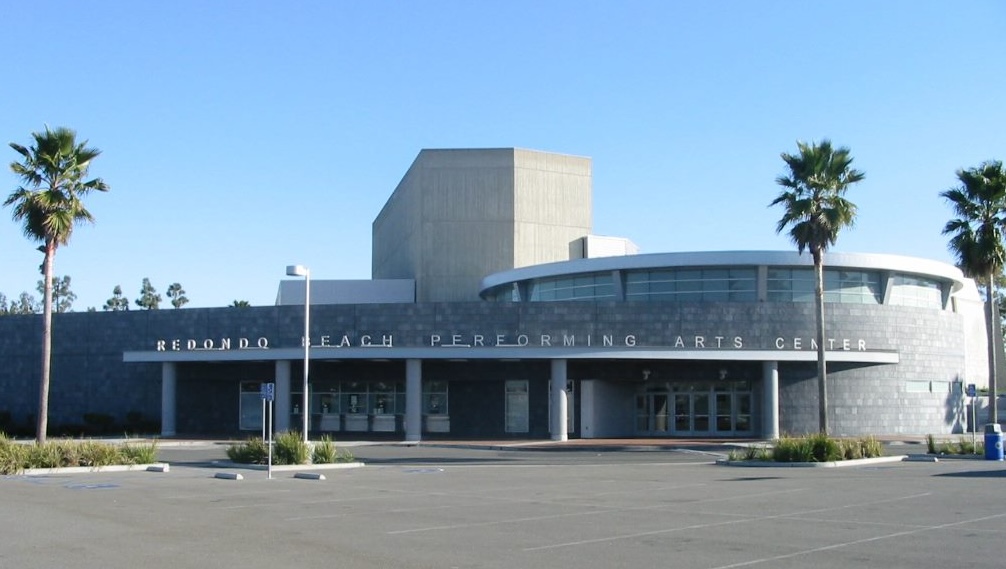
The Aviation High auditorium was completely revamped to create the Redondo Beach Performing Arts Center, which opened in 2003. (Credit: Redondo Beach Performing Arts Center Facebook page)

The city combined the gymnasium and outdoor track and athletic field where  Falcons prep football games once took place into Aviation Park. Its facilities are used currently by city recreation programs as well as members of the public.

After declining enrollments prompted a possible closure of Redondo Union or Mira Costa in 1991, voters passed a measure dissolving the South Bay Union High School District in 1993. Redondo Beach and Manhattan Beach then formed separate Redondo Union and Mira Costa union high school districts, with Hermosa Beach students choosing between the two.

Aviation High alums remain fiercely loyal to their alma mater more than four decades after it closed. An annual All Class Reunion for former students is held annually on the last Friday in July.
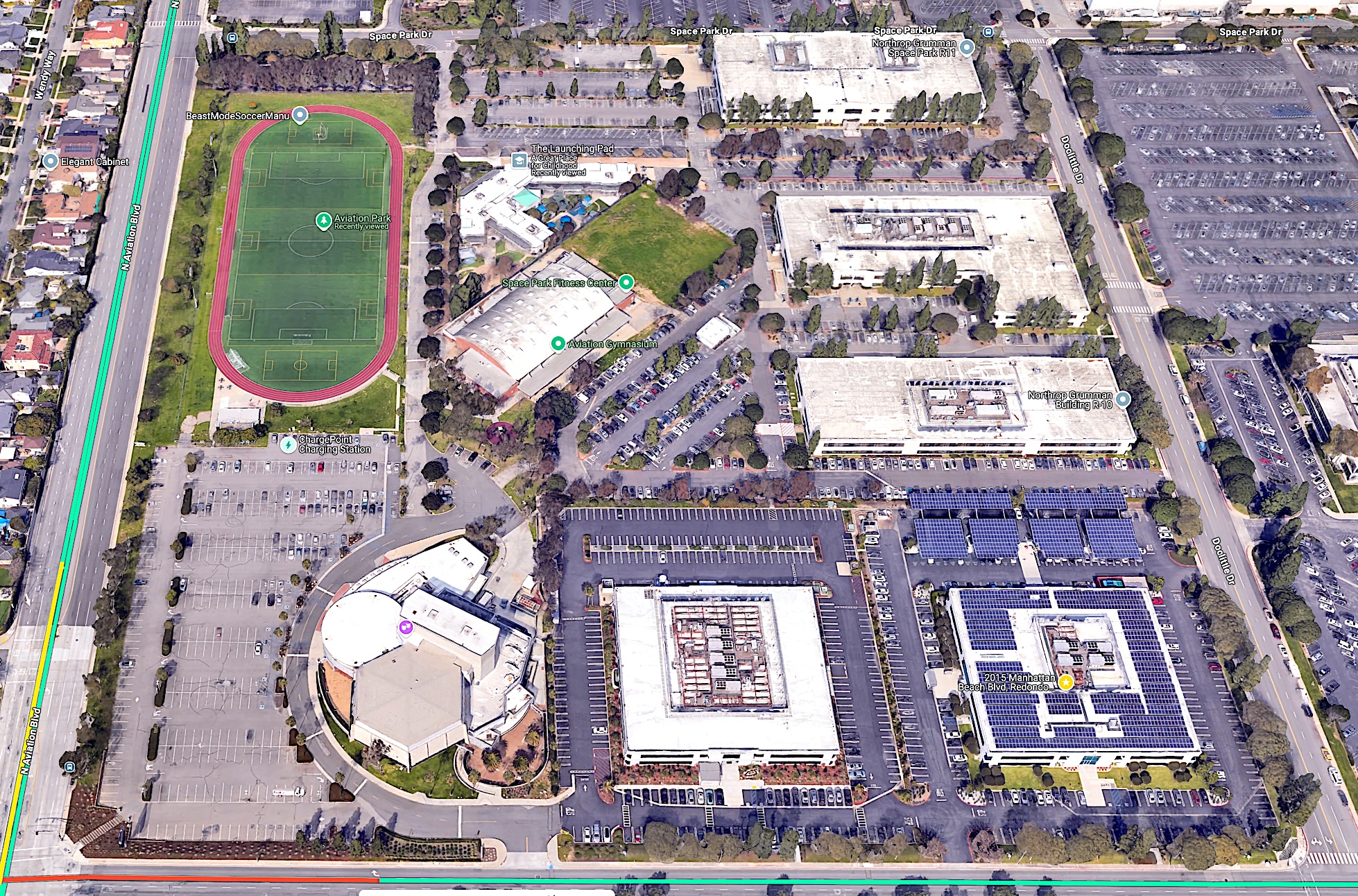
This 2025 view of the former Aviation High School site shows Aviation Park, upper left, which includes the gym and athletic field, and the Redondo Beach Performing Arts Center, bottom left. Corporate buildings fill in the rest of the former school site, right. (Credit: Google Earth)

Note: Special thanks to Aviation High Class of 1978 alum and former Aviation teacher and librarian Shaun Lloyd.

Sources:

City of Redondo Beach website.

Daily Breeze archives.

Los Angeles Times archives.
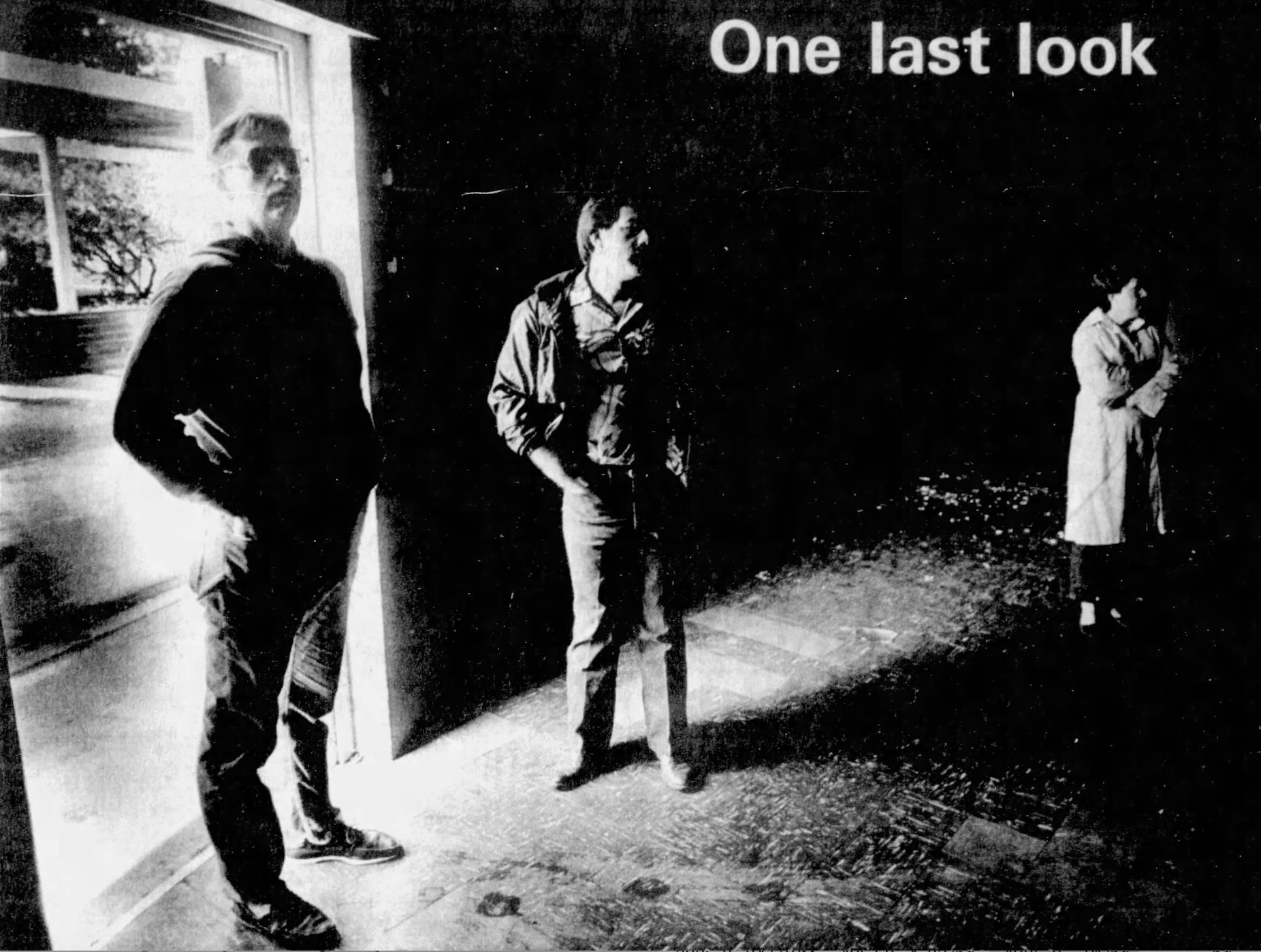
Former students Steven Fletcher, Robe Rochester and Jan Fletcher take a final look at Aviation High School’s soon-to-be-demolished cafeteria on Feb. 2, 1985. (Daily Breeze staff file photo by Davis Barber)

One-time Redondo Beach Mayor Harry Brolaski’s unusually peripatetic life

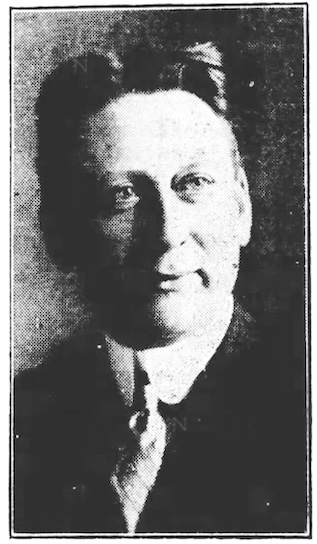
Harry Brolaski. (Credit: Daily Breeze archives)

According to Harry Brolaski, his life changed forever at the age of 18.

The son of a riverboat owner and captain based in St. Louis, Missouri, Brolaski was born in January 1871. Years later, the self-described “green” teenager was on board his father’s docked ship, the Annie P. Silver, one evening when two men approached him and talked him into participating in a crooked gambling scheme at the racetrack.

Brolaski recounts the incident in his 1911 book, Easy Money: Being the Experiences of a Reformed Gambler (Searchlight Press, reprinted as Easy Money: Fishing for Suckers in 2022). The betting scheme he participated in worked improbably in his favor and that first success hooked him on gambling until he finally declared in 1910 that he had quit for good.

Brolaski’s entertaining book details all manner of gambling tricks and schemes used not only in horse racing but also poker playing, pool sharking, casino gaming and just about any other such activity available at the time. By exposing the crookedness in gambling, Brolaski cast himself as something of a reformer.

A year after the book was published, Brolaski moved into a house on Avenue B in the Clifton-By-The-Sea area south of Redondo Beach. Clifton would be annexed by Redondo in 1913.

2022 reprint cover of Harry Brolaski’s 1911 book on gambling.

In April 1912, the Redondo Chamber of Commerce sent him to Washington, D.C. to lobby Congress on behalf of a bill authorizing $5 million to build a breakwater in Redondo.

The city had lost out on becoming the Port of Los Angeles to San Pedro 15 years earlier in 1897, but still wanted to have its own first-class port. By all appearances, Brolaski worked doggedly for this goal, which did not become a reality in his lifetime.

At the same time, the repentant gambler began speaking out to churches and community groups against the proliferation of saloons and pool rooms in Redondo, where illegal gambling was rife.

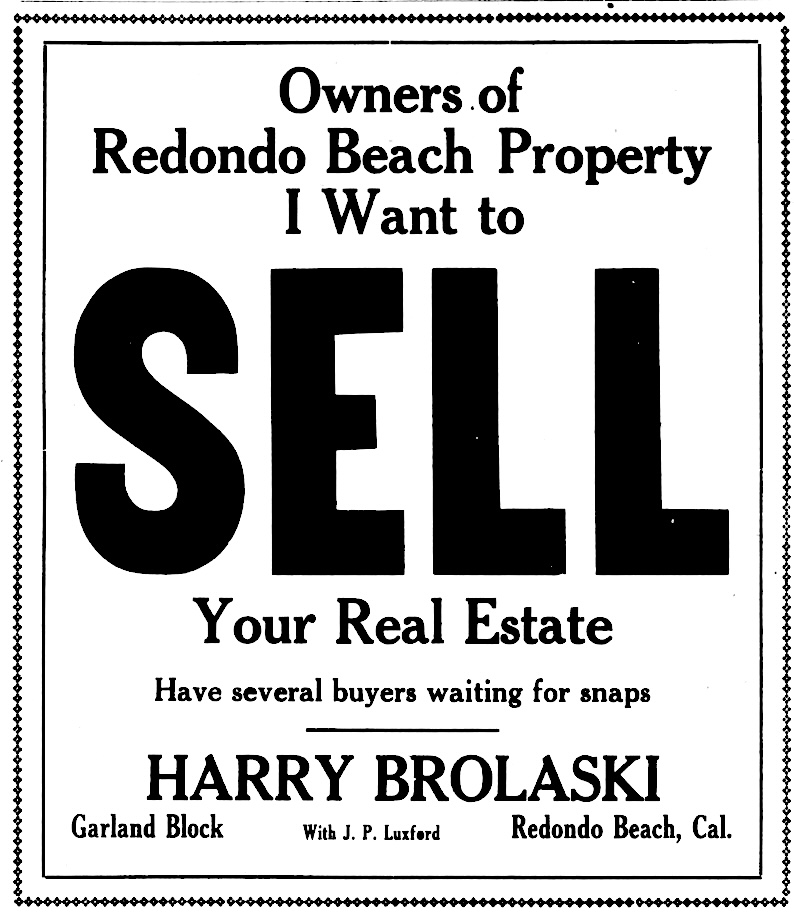
Brolaski seemed wholly committed to Redondo, becoming even more active in local politics. In June 1912, he announced that he was starting a real estate firm in the city, and, a month later, he was appointed to the city’s breakwater committee for his efforts.

Also in July, he was asked to run for the 62nd District California State Assembly seat, but declined. A few days later, Miss Susie Miller, the candidate for the seat, withdrew her name and endorsed Brolaski for the office.

He accepted her gesture, but lost the election. Still, his boosterism continued unabated. In fact, he originated a Redondo Beach boosters’ group and was named its president.

In 1914, he ran for a seat on Redondo’s city board of trustees, essentially its city council, and was elected with just seven votes less than the top vote-getter in the April 14th citywide election.

Redondo Reflex ad, June 21, 1912, Page 8. (Credit: Redondo Reflex archives)

All during these years, brief items in the Daily Breeze and Redondo Reflex referred to Brolaski’s frequent business trips to San Francisco and New York.

In July 1914, the ever-ambitious Brolaski threw his hat in the ring for the California State Senate, 34th District, but he lost in the Aug. 25th primary election.

Despite his frenetic community boosterism, Brolaski made his share of enemies who believed he was ineffective and too often absent from the city. He managed to survive a fairly nasty June 1915 recall election, however.

A lighthearted 1917 New Year’s resolution from Brolaski would prove prophetic. After a recent two-month absence, he vowed never to leave the city because, as the Daily Breeze reported, “affairs are in a fearful state at the city council due to his absence.”

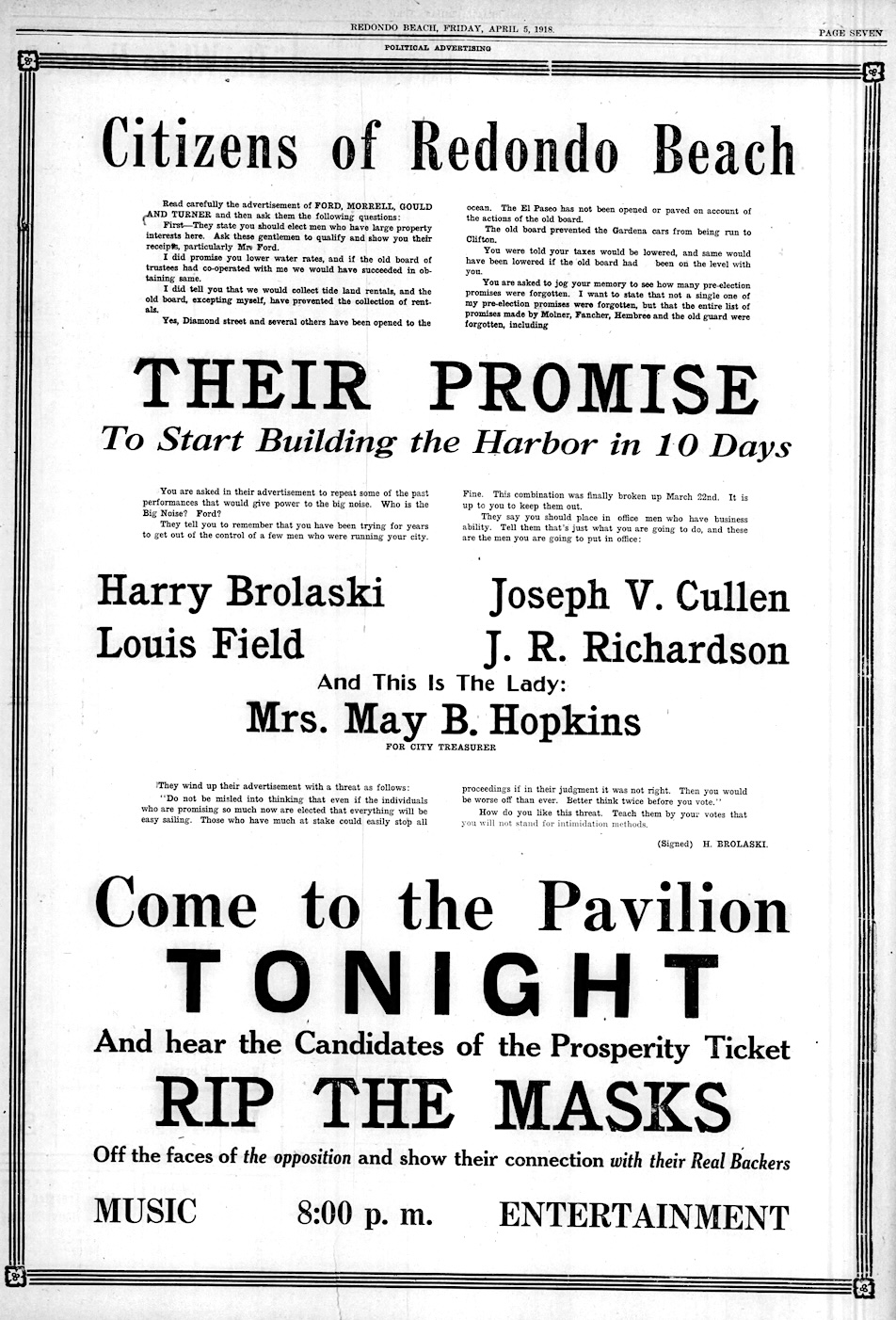
At a contentious trustees meeting on March 22, 2018, Brolaski was named president of the board, making him mayor of Redondo, after the former mayor and three trustees abruptly resigned.

Mayor Brolaski won re-election on April 8, despite having been indicted on stock fraud charges in New York City a week earlier. He would later dodge those charges, but his San Francisco activities would prove to be his undoing.

Daily Breeze, Oct. 15, 1920, Page 1. (Credit: Daily Breeze archives)

On Oct. 9, 1918, Brolaski was ousted from office as mayor and as a city trustee by the Redondo board of trustees due to his frequent and lengthy absences, which the trustees felt was hampering progress in the city. At the time, he’d attended just one trustees meeting in the preceding 90 days.

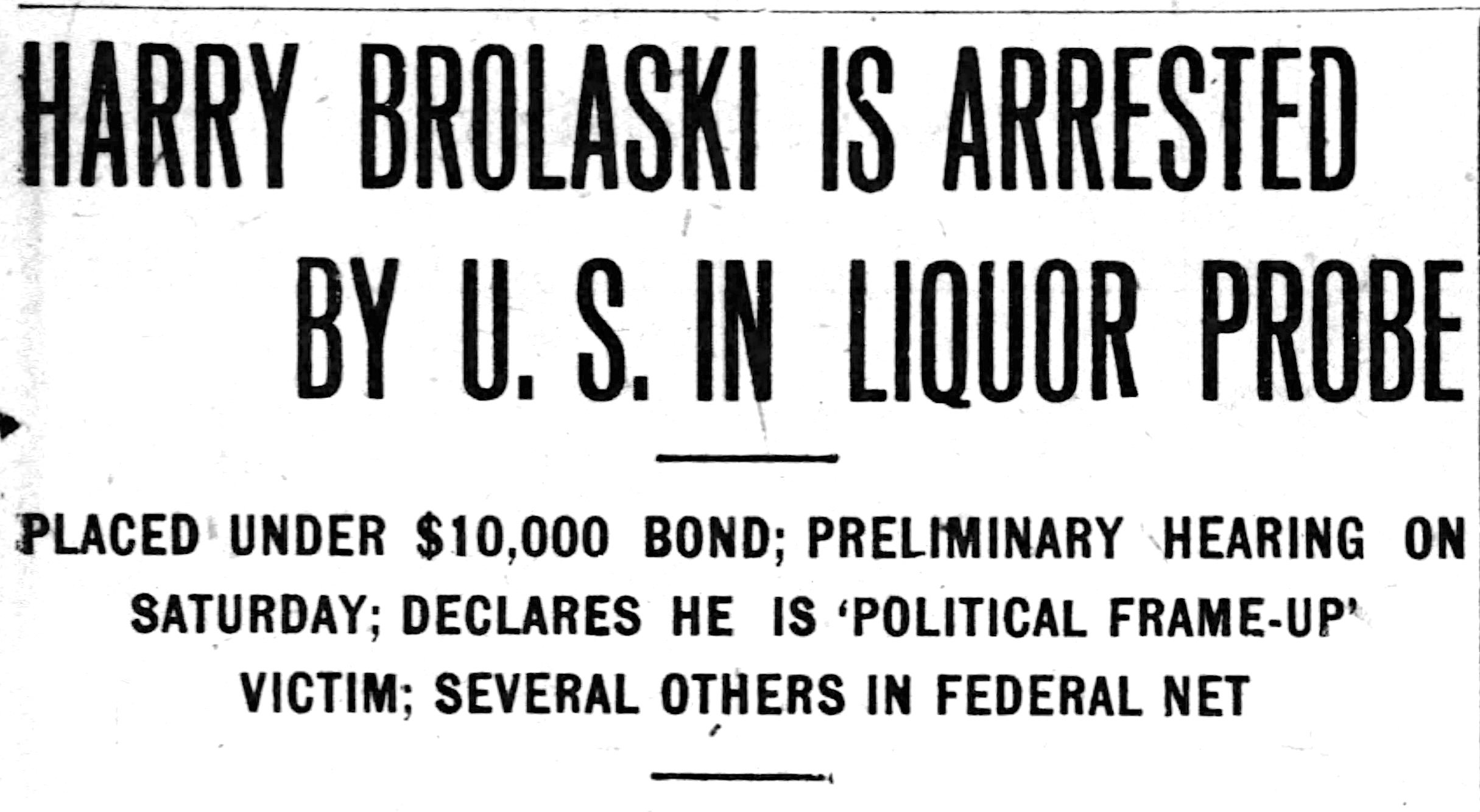
Brolaski moved to San Francisco and became a broker, but, as it turned out, he was brokering hooch. He was arrested on Oct 9, 1920, for his role in a conspiracy to violate the Prohibition law that had gone into effect that January. He was convicted of the bootlegging charges that December. After exhausting his appeals, he began serving his two-year sentence in April 1922.

While in prison, he came down with cancer, and, before finishing his sentence, he was granted  a pardon in March 1923. His condition worsening, he moved to the Alexandria Hotel in Los Angeles, where he died on Jan. 8, 1924. He was 53.

Daily Breeze, Jan. 8, 1924, Page 1. (Credit: Daily Breeze archives)

Sources:

Daily Breeze archives.

Easy Money: Being the Experiences of a Reformed Gambler, by Harry Brolaski, Searchlight Press, 1911.

Find A Grave website.

Los Angeles Times archives.

Redondo Reflex archives.

Daily Breeze, April 5, 1918, Page 7. (Credit: Daily Breeze archives)

Why do they call it Walteria? Origins of some South Bay/Harbor Area place names 

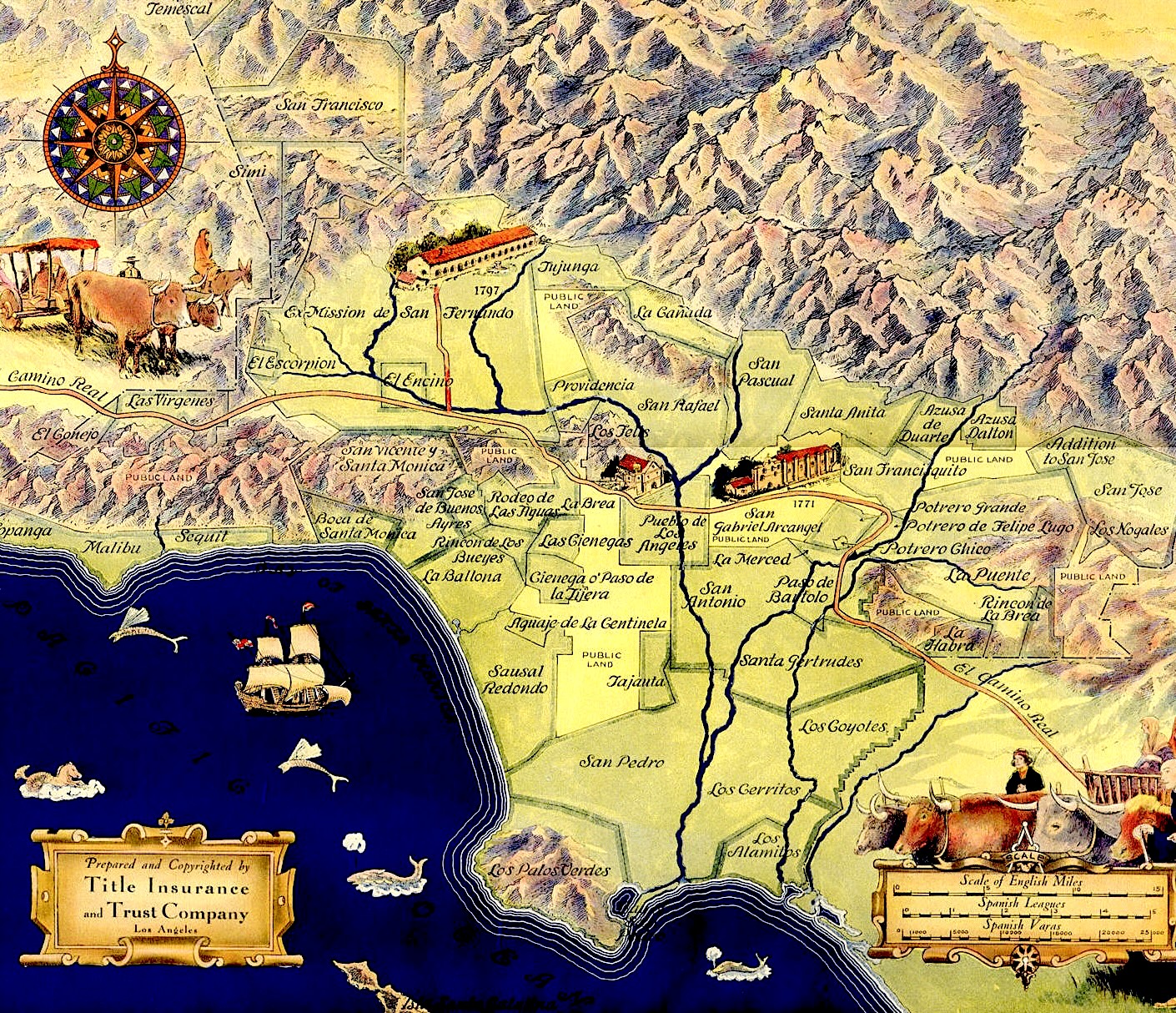
Portion of a 1937 Title Insurance & Trust Co. map shows the original Spanish ranchos in the Los Angeles County area. (Credit: Wikimedia Commons)

Among the many legacies left by the Spanish land grant families who once owned most of Southern California are a plethora of colorful place names, many of which we still use today.

Redondo Beach, for instance, was once part of the Rancho Sausal Redondo land grant. “Redondo” means round in Spanish, and probably refers to the general shape of the parcel. The rancho’s name literally means “round willow grove ranch.”

The many places bearing the Sepulveda and Dominguez names also come from major land grant families in the area.

As for the Walteria area in southwest Torrance, it sure sounds Spanish. But the name actually comes from A. Richard Walters, who built a hotel in the then-desolate area in the late 1800s. Developers later decided that “Walteria” sounded more appealing than “Walters.”

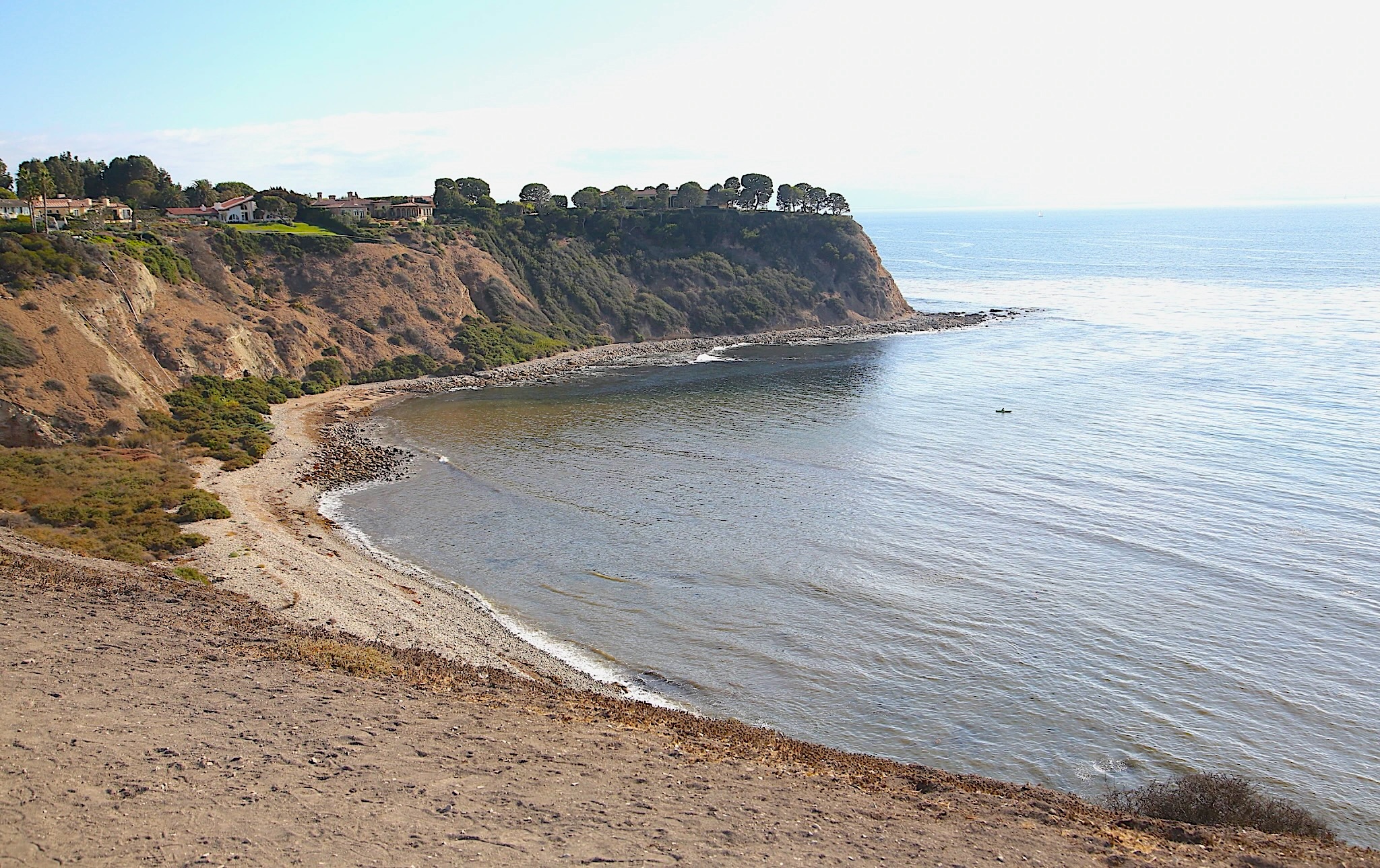
View from the Lunada Bay bluffs looking southward toward Resort Point in 2016. (Credit: Daily Breeze staff file photo)

The practice of coining faux-Spanish names became an art form during the development of the Palos Verdes Peninsula in the 1920s, though developers also used many actual Spanish names. Lunada Bay, for instance, comes from “lunada,” the Spanish word for the crescent-shaped moon, an apt description of the stunning semicircular bay.

Malaga Cove is thought to derive from a distant unidentified Spanish sea captain who hailed from the Spanish coastal city of the same name. The eastern portion of the Peninsula known as Miraleste comes from the phrase, “Mira al este,” which translates “look to the east.”

But name creators also weren’t shy about making up Spanish-sounding place names. The Valmonte area of Palos Verdes Estates combines “val” and “monte” to create a new word meant to signify “where the valley meets the hill.” “Montemalaga” also coins a new word by combining the word for hill with Malaga to denote the hilly area of Malaga Cove.

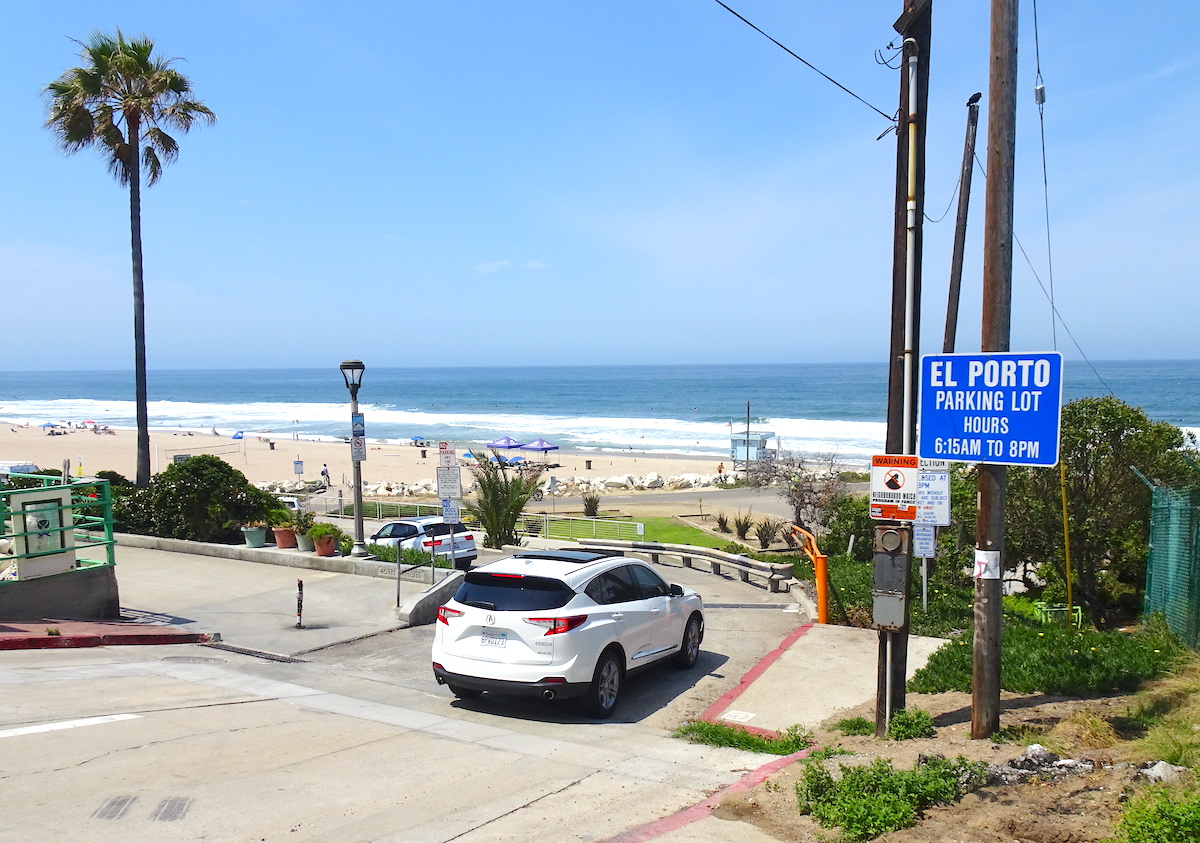
Autos head into the El Porto parking lot from the 45th St. entrance in Manhattan Beach in June 2021. (Photo by Sam Gnerre)

Up the coast in northern Manhattan Beach lies El Porto, first named in 1911. The 30-acre tract was annexed by Manhattan Beach in 1980. But its name doesn’t mean “the port” in Spanish. In that case, the name would have been  “El Puerto.” Porto is the Portuguese word for “port,” but that language doesn’t use “el” as an article. The  derivation is unclear, but developers probably simply thought “porto” meant port in Spanish.

The unincorporated El Nido area on the border of Torrance and Redondo Beach is Spanish for “the nest,” while the similarly unincorporated Del Aire area between Hawthorne and El Segundo means “of the air.”

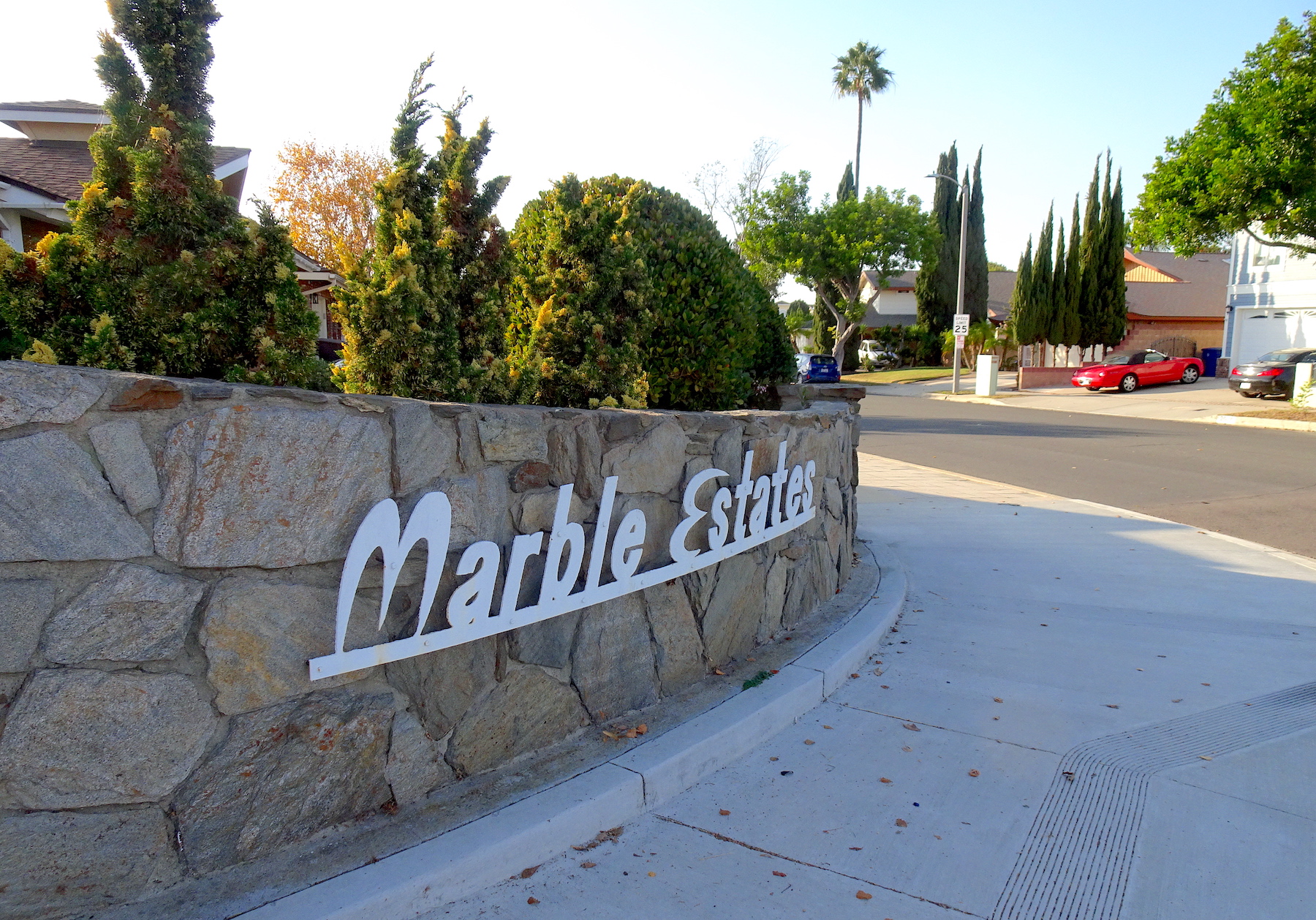
Before writing about the Marble Estates development in Torrance for this blog in 2020, I assumed the name must have referred to marble, the rock; perhaps there’d been a quarry on the site once upon a time.

One of the entrances to Marble Estates development in Torrance at 232nd St. and Crenshaw Blvd. (Nov. 2020 photo by Sam Gnerre)

I learned that Marble Estates took its name from the Marble family, who owned the 200 acres  southwest of the corner of Crenshaw and Sepulveda boulevards known as the Marble Fee property before selling it to Standard Oil during the 1920s oil boom. The company’s derricks eventually were cleared out to make way for the Marble Estates houses built in the mid-1960s.

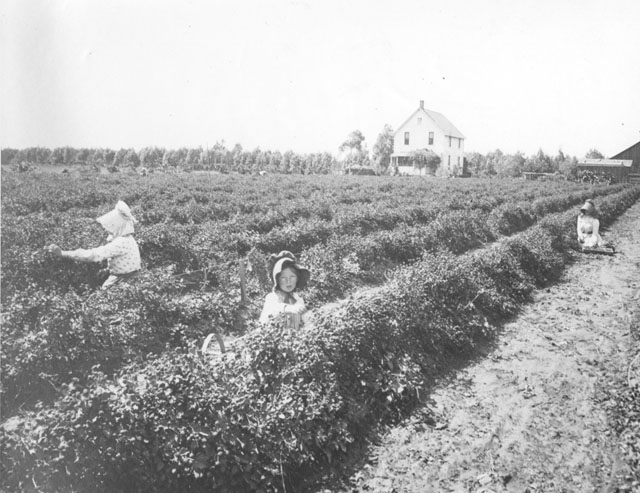
The city of Gardena was created in 1930 with the unification of the communities of Strawberry Park and Moneta. Strawberry Park derived from the acres of berry farms that blanketed the area, mostly farmed by Japanese American workers.

Women and children pick berries on 161st Street in the Gardena area, circa 1900. [Courtesy of the Gardena City Clerk’s Office]

The neighboring Moneta area was named much earlier, in the late 1880s. Its origin is unclear, but it is believed that it was another case of developers merely liking the Spanish sound of the word and not honoring the Roman goddess Juno Moneta.

Shipping magnate Phineas Banning gave the town of Wilmington its name, after the Delaware city where he was born. Nearby Terminal Island got its name when it became the southern terminus of the Los Angeles Terminal Railway line that briefly connected the Harbor Area to Pasadena in the 1880s.

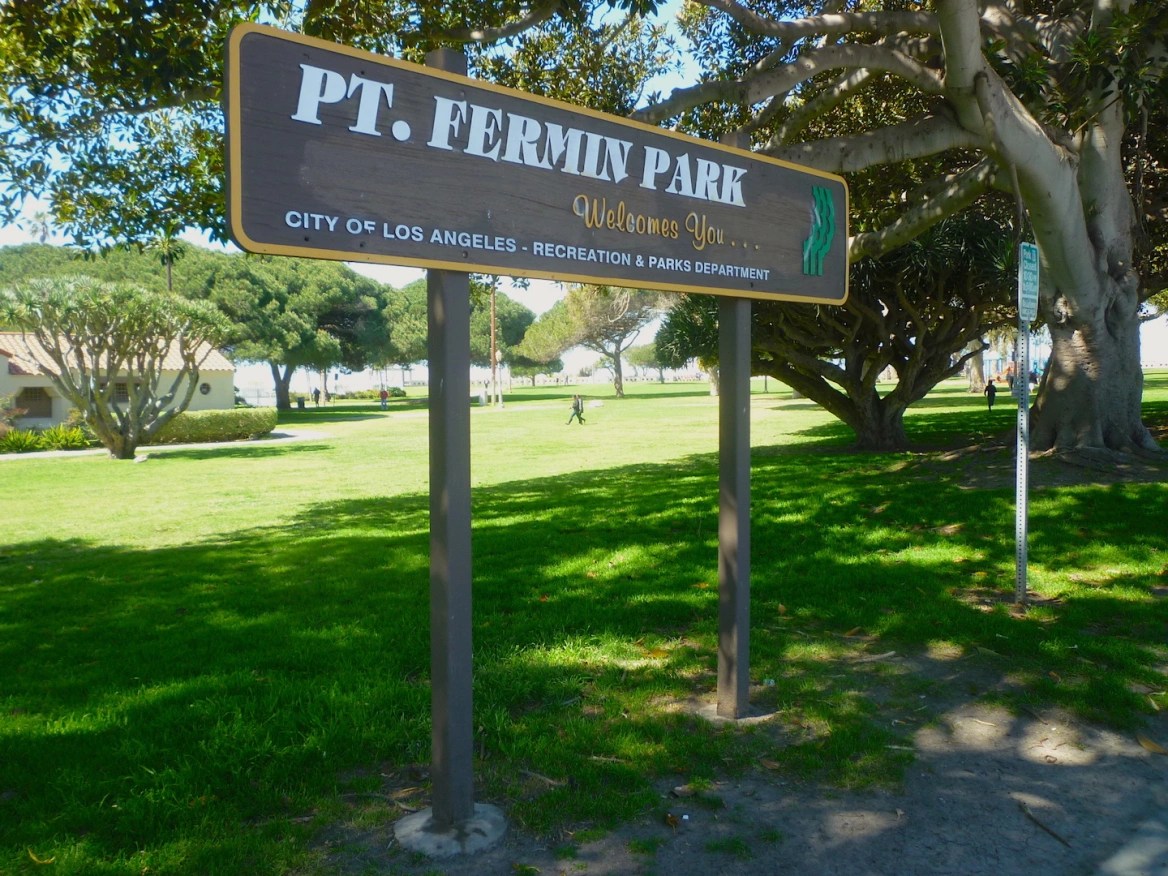
San Pedro’s Point Fermin was given its name by British explorer George Vancouver in 1793. He had just met California missions head Father Fermin Francisco de Lasuen in Carmel in 1792, and decided to name the point after him as he sailed down into San Pedro Bay a year later. (San Pedro’s Fermin Lasuen High School, open 1959-1971, also was named for the padre.)

The city of Los Angeles operates Point Fermin Park in San Pedro. (March 2019 photo by Sam Gnerre)

A bit further west of Point Fermin, Portuguese Bend derived its name from the community of Portuguese whalemen from the Azores led by Jose Machado who fished the area from the 1850s through the 1880s.

What about Terranea, the luxury housing/resort development built on the former Marineland site in Rancho Palos Verdes that opened in 2009? It sounds like a real word, but it was crafted from and is meant to evoke “Mediterranean.”

Oh well, at least Palos Verdes itself really does mean “green hills,” doesn’t it? No, it actually  means “green timber” or “green willows.” Maybe it was just hopeful thinking; the hills appear to be mostly barren in photos from the early 1920s. 

Place naming is an inexact science.

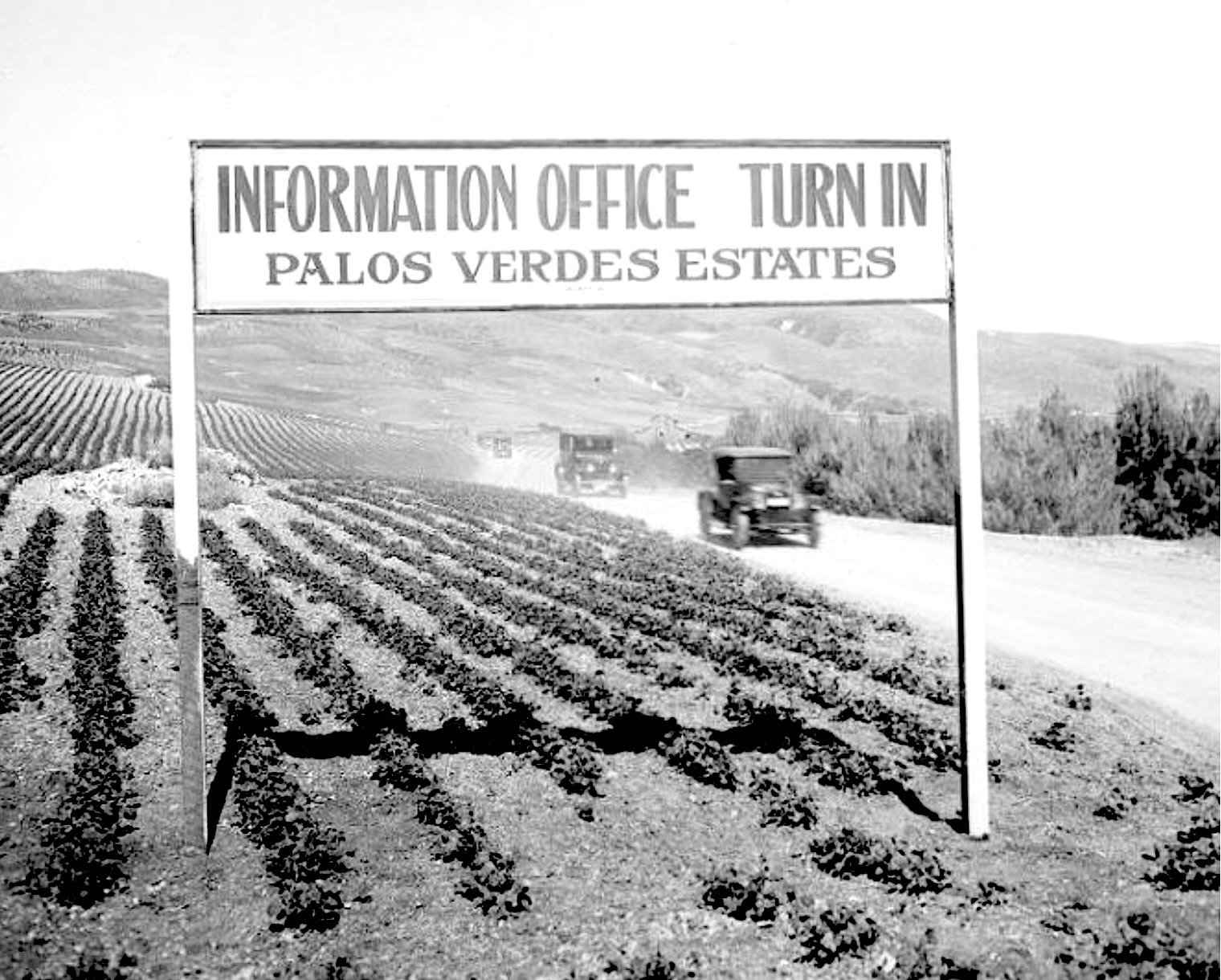
Looking south near the north entrance to Palos Verdes Estates circa 1922. A road with automobiles is visible at right and barren-looking hillsides are visible at rear. (Credit: Palos Verdes Library, Local History Center)

Sources:

Daily Breeze archives.

L.A. Street Names website.

Palos Verdes Peninsula News archives.

The Palos Verdes Story, by Deelane Morgan, Palos Verdes Review, 1982.

Wikipedia.

San Pedro’s South Shores housing development proved popular in the 1950s

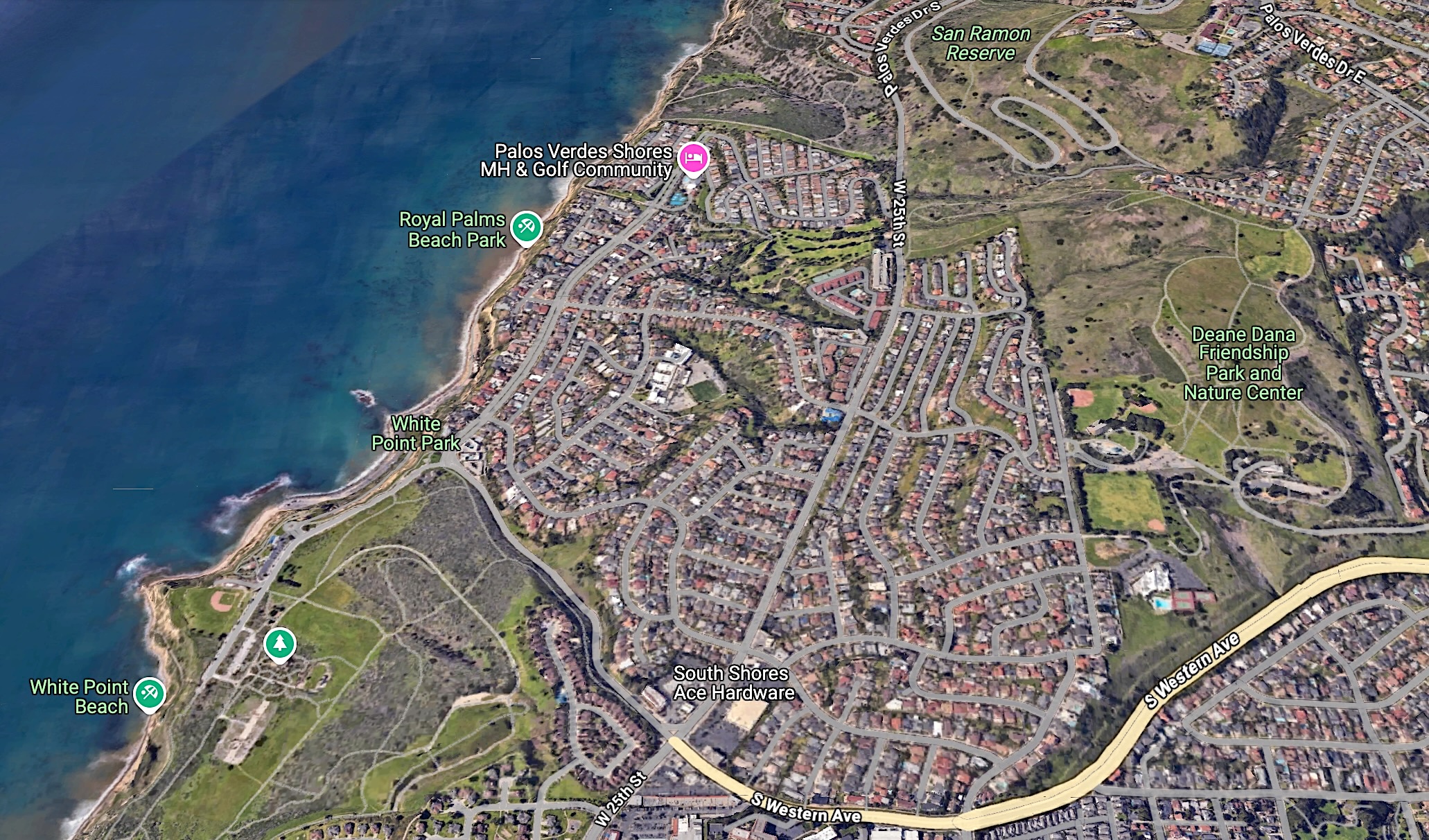
The South Shores development on the western San Pedro border features curved streets and spectacular ocean views. 2025 image. (Credit: Google Earth)

Veteran real estate developer Fred W. Marlow was fresh from launching major home building projects in Westchester and upscale Windsor Hills when he began looking toward the San Pedro coastline for his next project.

By then, he’d established ten real estate brokerage offices in the southwest Los Angeles County area, where the Marlow-Burns Development Co. planned most of its projects.

In the spring of 1952, Marlow’s firm decided that it could overcome impediments to developing a large area of vacant land near White Point just west of the Western Ave. intersection with 25th St. on San Pedro’s western edge.

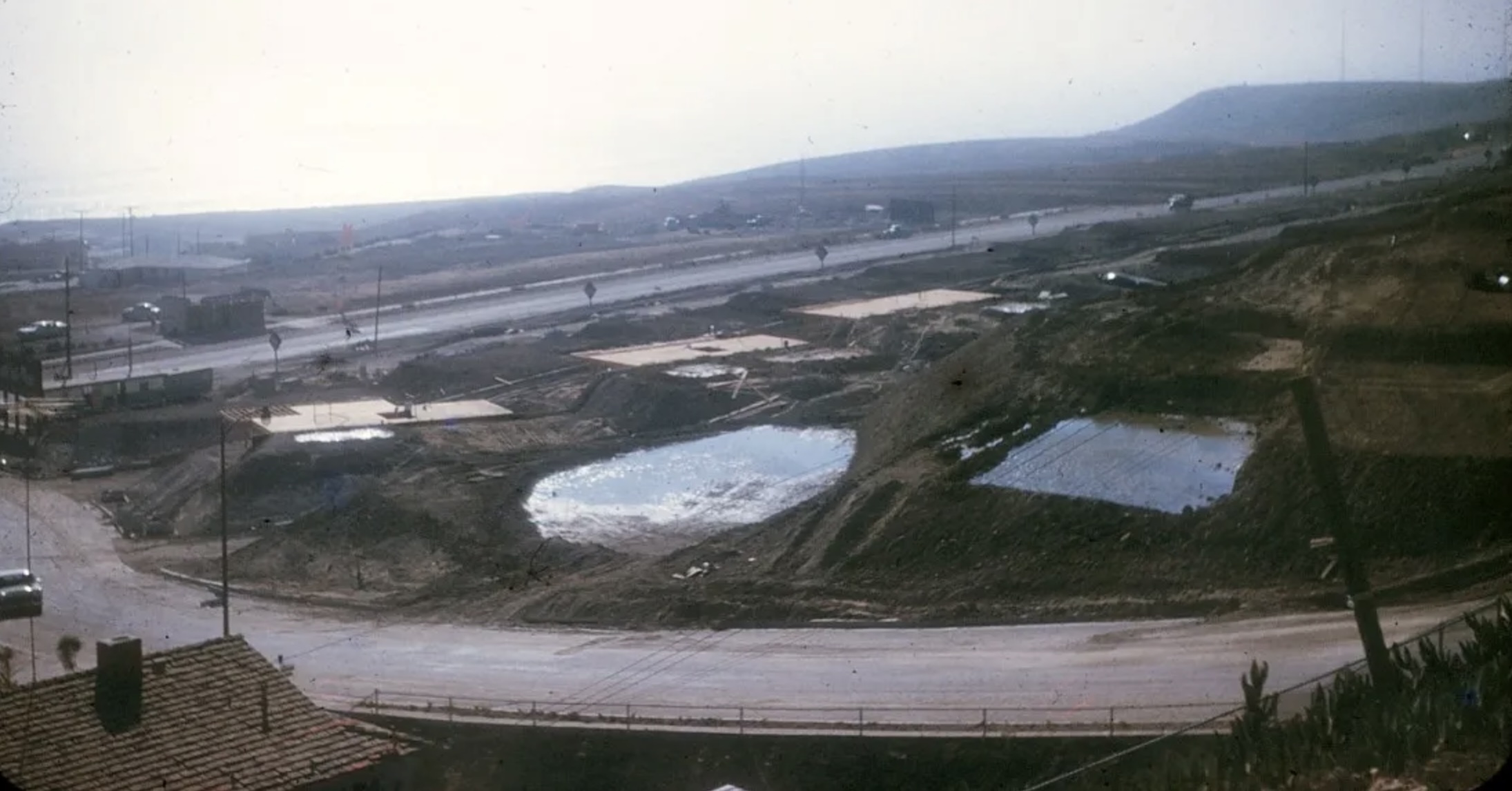
Houses have yet to be built on these lots near Anchovy Ave. in the South Shores development in San Pedro in this 1950s photo.
(Credit: South Shores Community Association website)

The property seemed like a natural to Marlow. It had stunning views of the Catalina Channel and the southern Palos Verdes Peninsula coastline. But its sloping hills would require specially contoured streets, and Marlow also had to provide water supply and sewage service to the area. 

Having conquered those barriers, the one-time U.S. Army Corps of Engineers member Marlow began negotiations with the owners of the Rancho San Pedro land grant on which the property stood, the Sepulveda family.

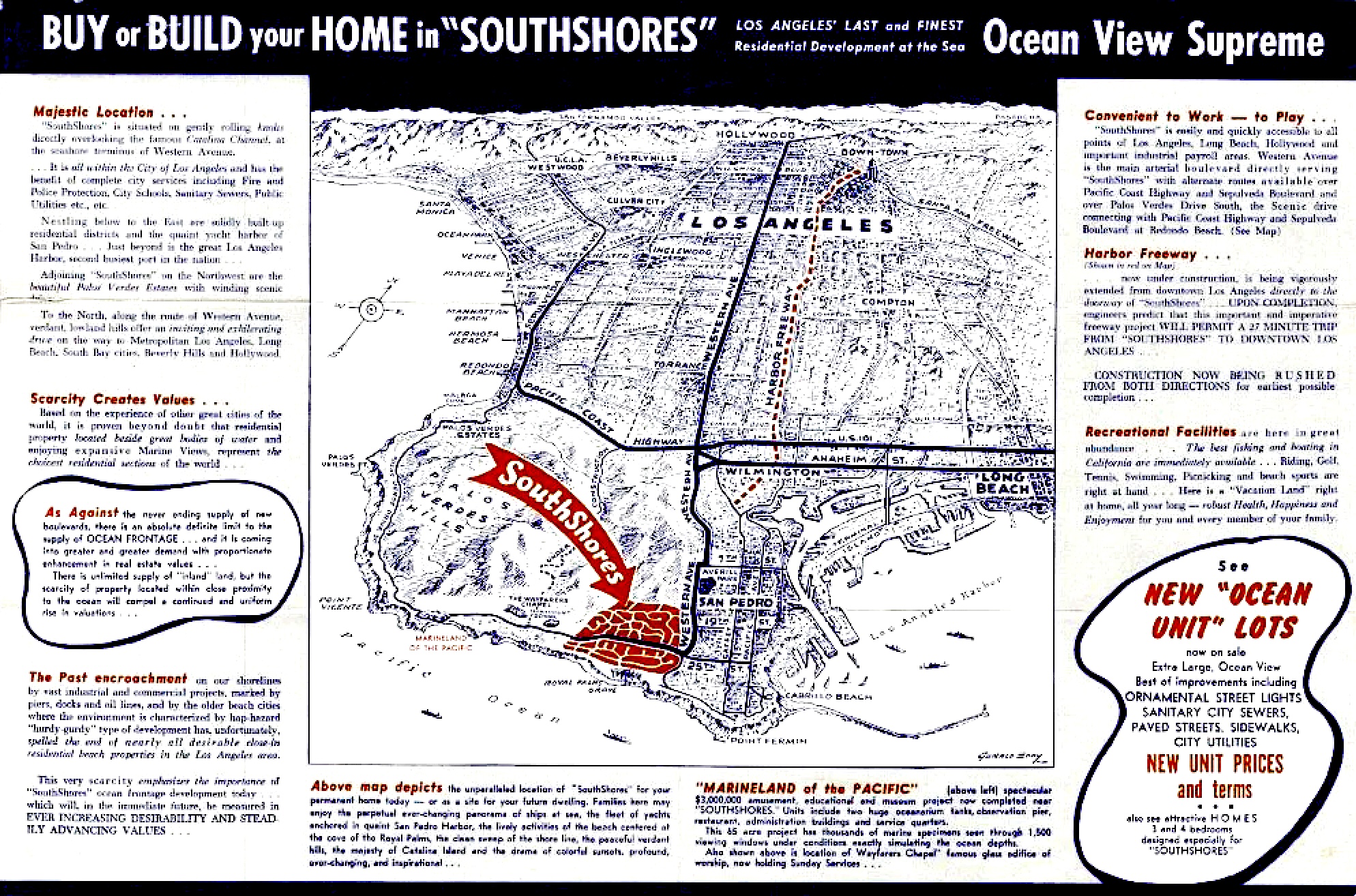
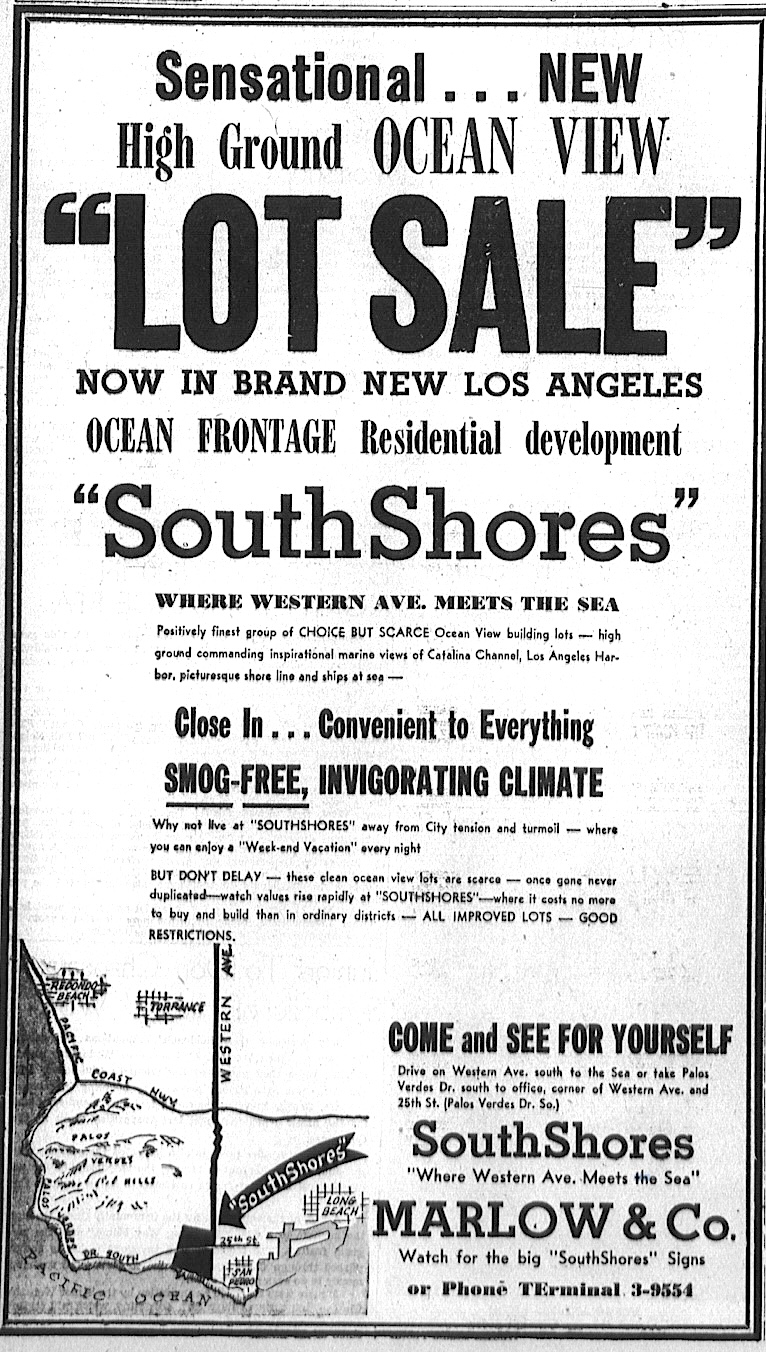
In early 1953, Marlow purchased more than 400 acres of land in the area from the land grant family’s Sepulveda Land Co. and began planning the building of his new development, which he named SouthShores, one word, in some promotional materials.

He asked Los Angeles officials to name the streets in the new development after species of fish in honor of San Pedro’s fishing industry, hence Abalone Ave., Anchovy Ave. and all the rest.

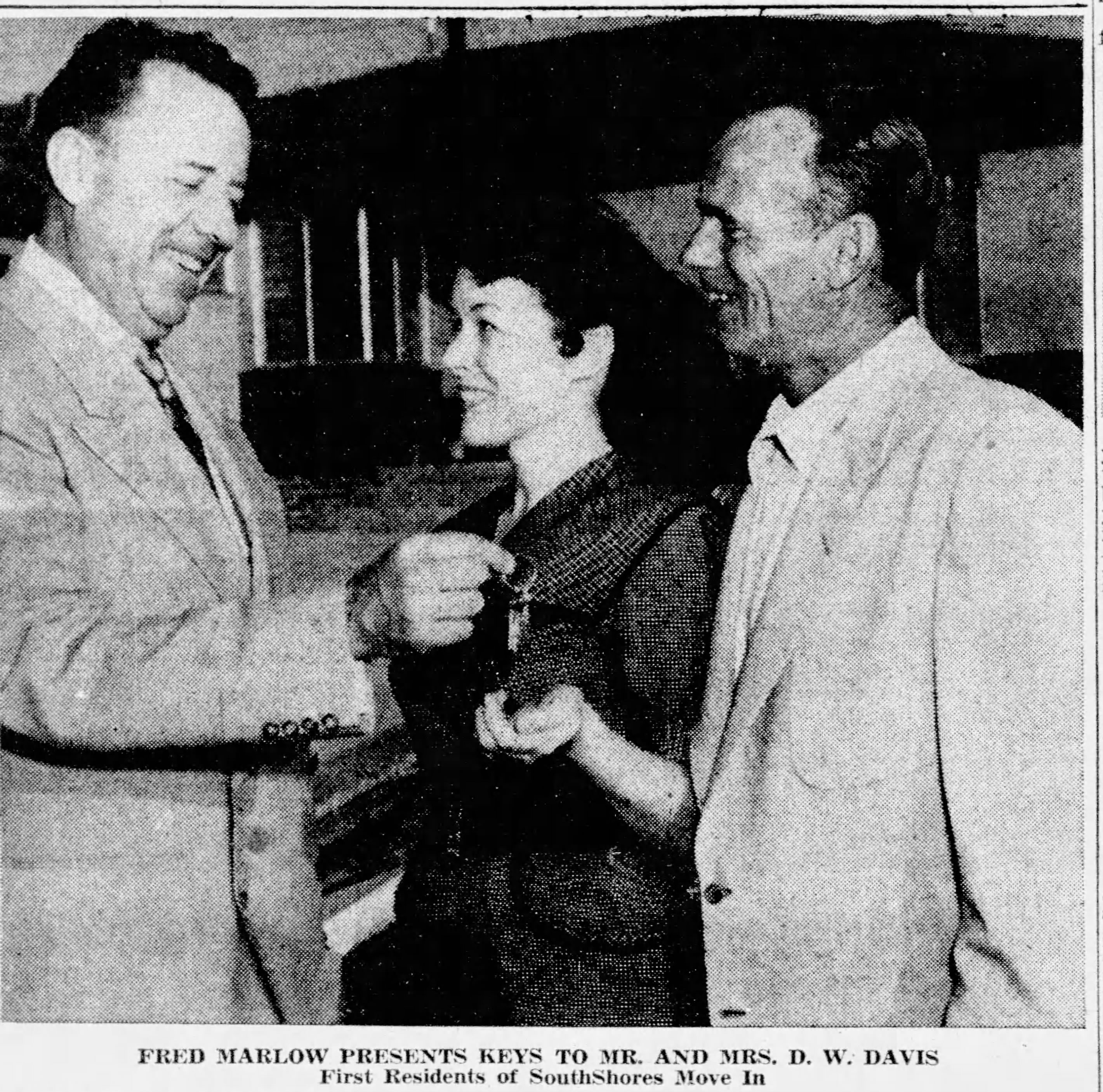
San Pedro News Pilot, Feb. 13, 1954, Page 3. (Credit: San Pedro News Pilot archives)

In early February 1954, he presented the keys to the first house sold in South Shores to Mr. and Mrs. D.W. Davis of San Pedro. (Davis was an employee of the San Pedro Post Office.) It was one of the first 42 houses to be built. By that June, total construction costs on the work-in-progress site had surpassed $1 million.

During 1954, Marlow ramped up advertising for the new development, and opened a model home and sales office, the Southshore House, at 25th St. and Western Ave.

According to 1955 ads in the San Pedro News Pilot, the three and four bedroom houses with two baths were on sale for $16,500 to $23,500, with empty lots available from $3,500 to $5,750. They sold quickly.

San Pedro News Pilot, Feb. 3, 1955, Page 12. (Credit: San Pedro News Pilot archives)

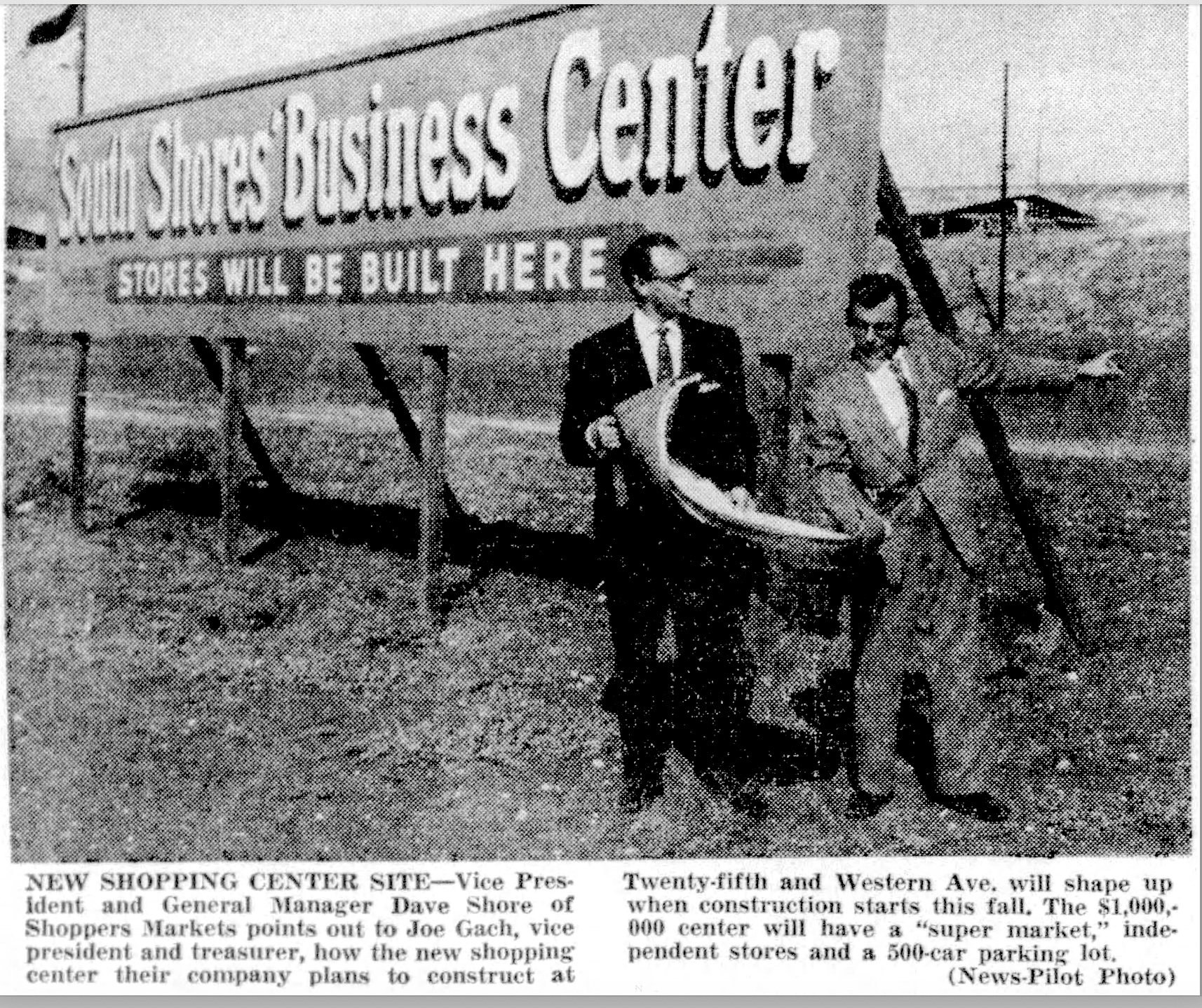
On Feb. 3, 1955, the Los Angeles-based Shoppers Markets grocery chain announced plans to build a $1 million retail outlet on the northwest corner of 25th St. and Western Ave., near Western’s southern terminus.

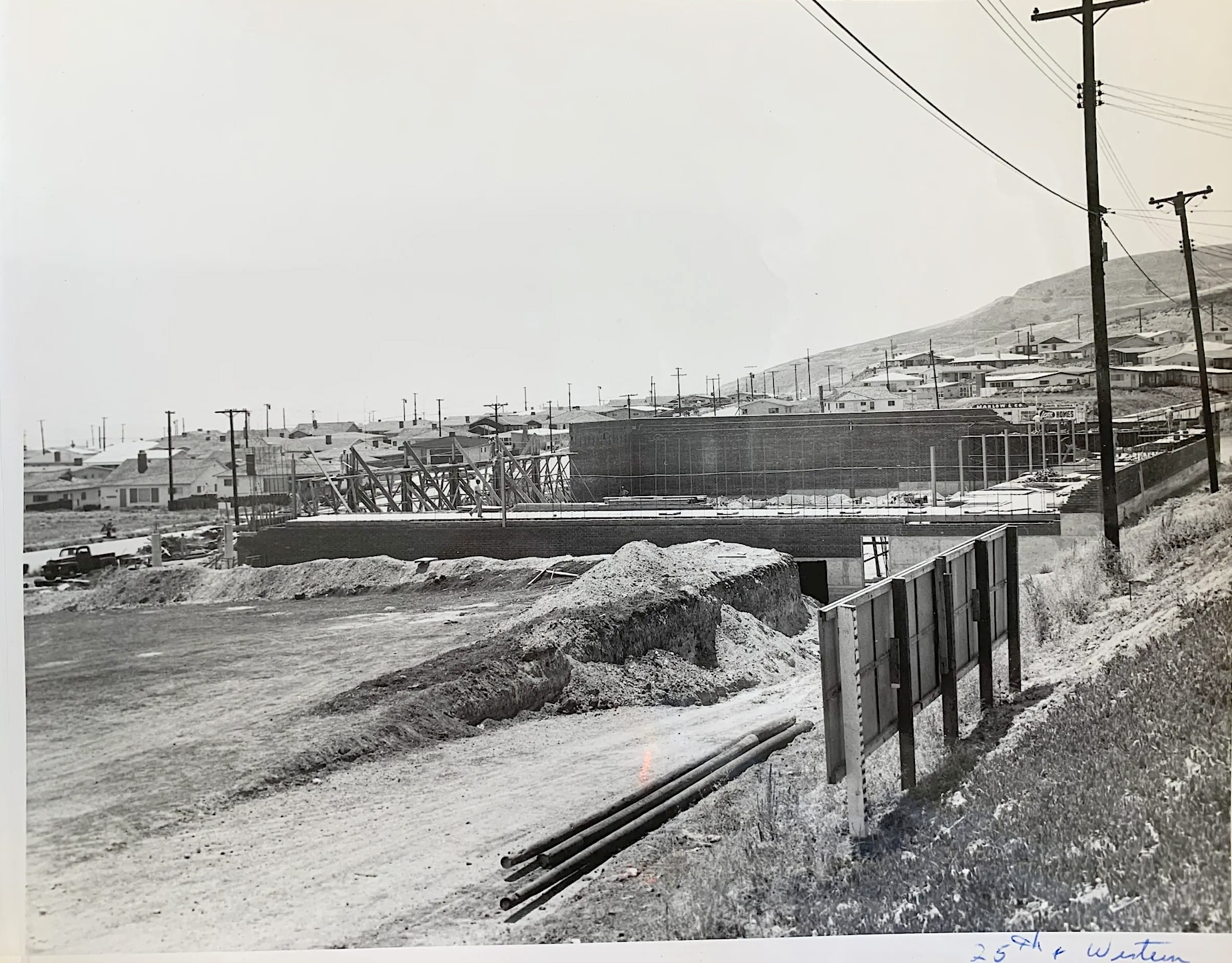
In addition to a 43,000-square-foot Shoppers Markets store that included its own Van De Kamps bakery, the center also was slated to include a number of smaller business spaces for new retail outlets, as well as a 500-space parking lot. (The still-open grocery store has since evolved into a Smart & Final store location.)

Shoppers Market at 25th St. and Western Ave. under construction in 1956. (Credit: South Shores Community Association website)

Groundbreaking for the new shopping center took place on March 2, 1956, and its grand opening took place on Dec. 6, 1956. 

Additional stores, including a liquor mart, beauty salon and laundromat, were added to a smaller parcel of land directly across 25th St. from Shoppers in a $200,000 building opened in late 1957 that still stands. The popular Sirinat Thai restaurant is among the building’s current tenants.

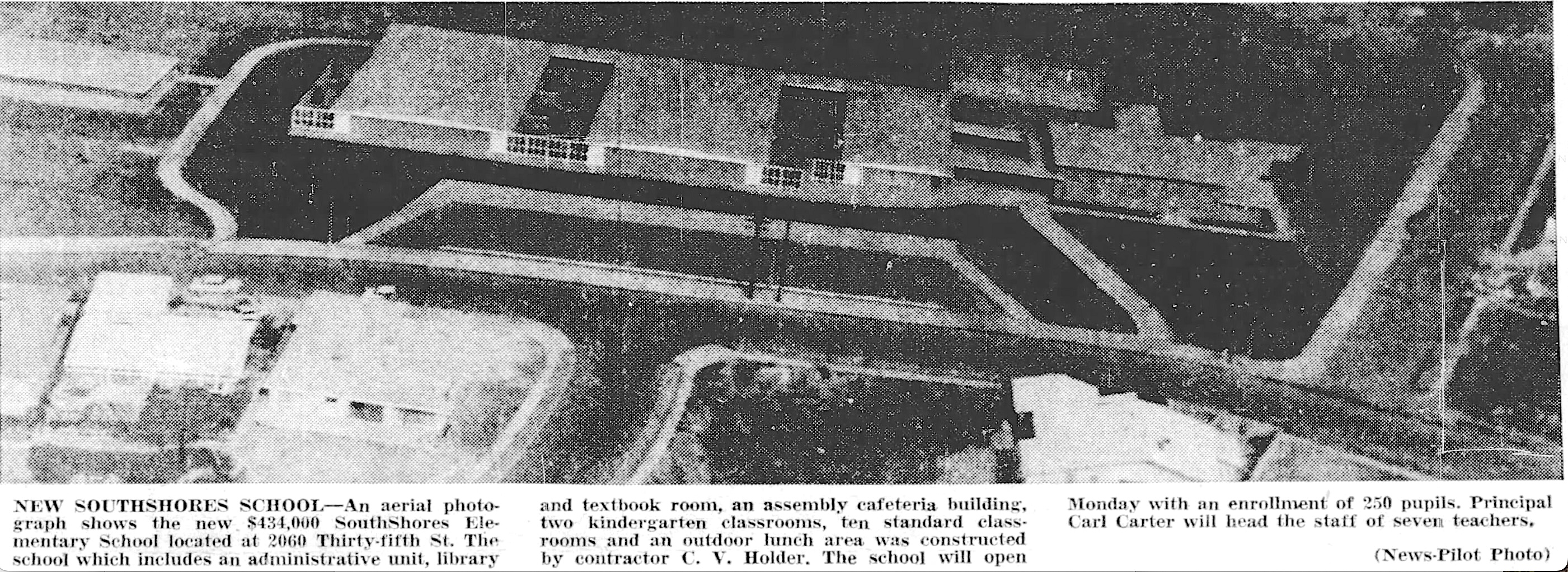
South Shores Elementary School, currently known as South Shores Magnet School for the Visual and Performing Arts, at 2060 35th St. near Abalone Ave., also was on the drawing board at the time. It accepted its first group of 250 students when it opened on Monday, Feb. 2, 1959.

San Pedro News Pilot, Jan. 30, 1959, Page 1. (Credit: San Pedro News Pilot archives)

The South Shores development spelled the end of the Royal Palms Golf Course, once a popular golfing destination among elite Angelenos back in its day. 

The private country club closed in 1933 during the Depression. Under new management, it operated as a public course for the next few years before closing it for good in 1937. It lay fallow for decades. 

Even as late as January 1955, it was hoped that the county government would be able to remodel and reopen the course using state tideland funds. But the plan could not be brought to fruition. In April 1955, the ocean-front course fell under the bulldozers to make room for an additional 199 South Shores homes.

In 1972, the upscale Palos Verdes Shores mobile home park opened on the western edge of South Shores. It includes a private nine-hole executive golf course among its amenities.

With its gorgeous views and picturesque location, South Shores remains a desirable place to live to this day. Fred Marlow’s instincts were on the money.

Page from South Shores promotional brochure. (Credit: South Shores Community Association website)

Sources:

Daily Breeze archives.

L.A. Street Names website.

Los Angeles Times archives.

San Pedro News Pilot archives.

Torrance Press Herald archives.

Torrance Herald ad, Oct. 18, 1953, Page 8. (Credit: Torrance Historical Newspaper and Directories Archive database, Torrance Public Library)

Note: Post corrected to indicate that Smart & Final currently occupies the former Shoppers Market store site. Thanks to alert blog readers Tony Bucci and Mike Harris for pointing out my error.

Major 1953 North American Aviation strike was disruptive, but not that productive

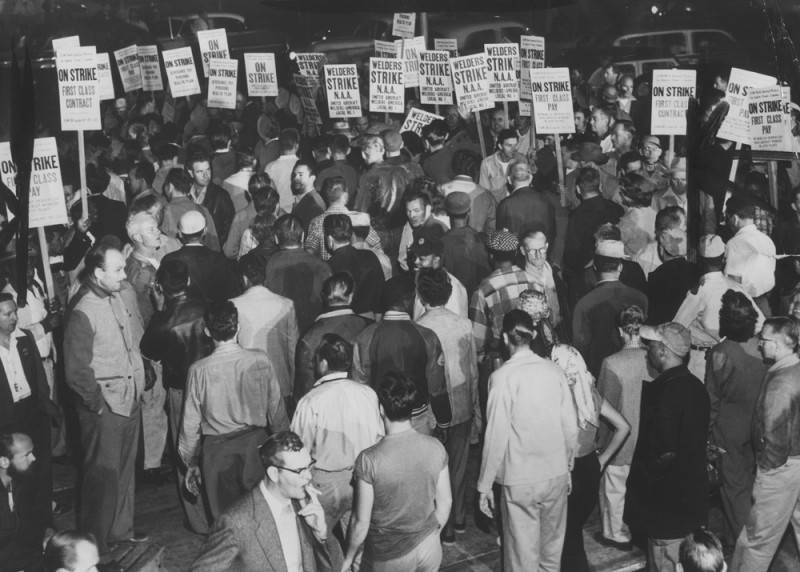
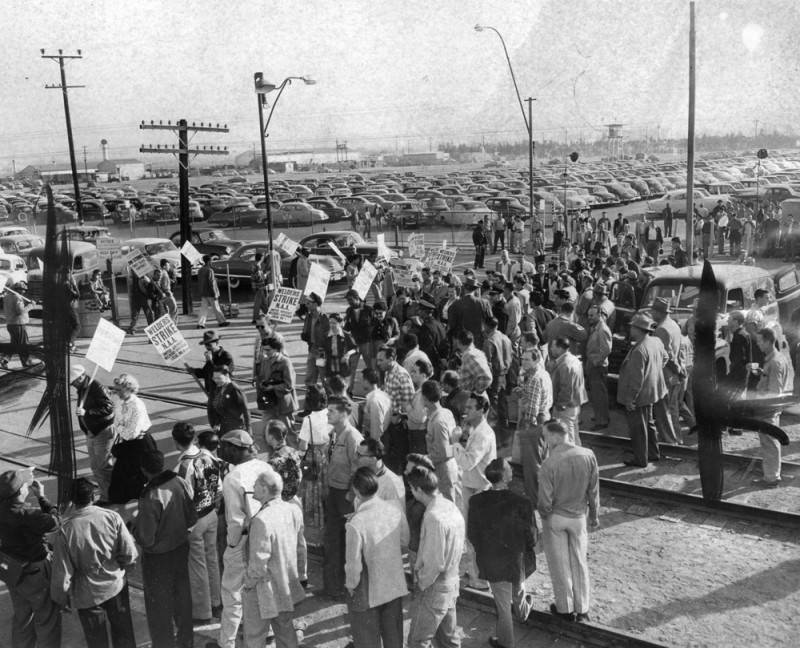
Three North American Aviation plants were hit by a strike as thousands walked off the job. In Los Angeles, picket lines formed after midnight when 5000 UAW members walked out, and later an estimated 21,000 more L.A. union members joined the work stoppage. Oct. 23, 1953 photo. (Credit: Los Angeles Public Library Photo Collection)

When workers at North American Aviation went on strike on June 5, 1941, just months before the Pearl Harbor attack brought the U.S. into World War II, alarm bells went off in Washington, D.C.

The company, founded in 1928 and headquartered at 5701 W. Imperial Blvd. at the southeastern edge of Los Angeles International Airport, already had been producing airplanes for the Allied war effort even though the U.S. had not entered the war officially.

As I described in a 2019 post, President Franklin Delano Roosevelt sent in U.S. Army troops four days after the strike began. They took control of the plant and cleared the strikers off the picket lines. A week after it began, the strike was over and the plant returned to normal operation.

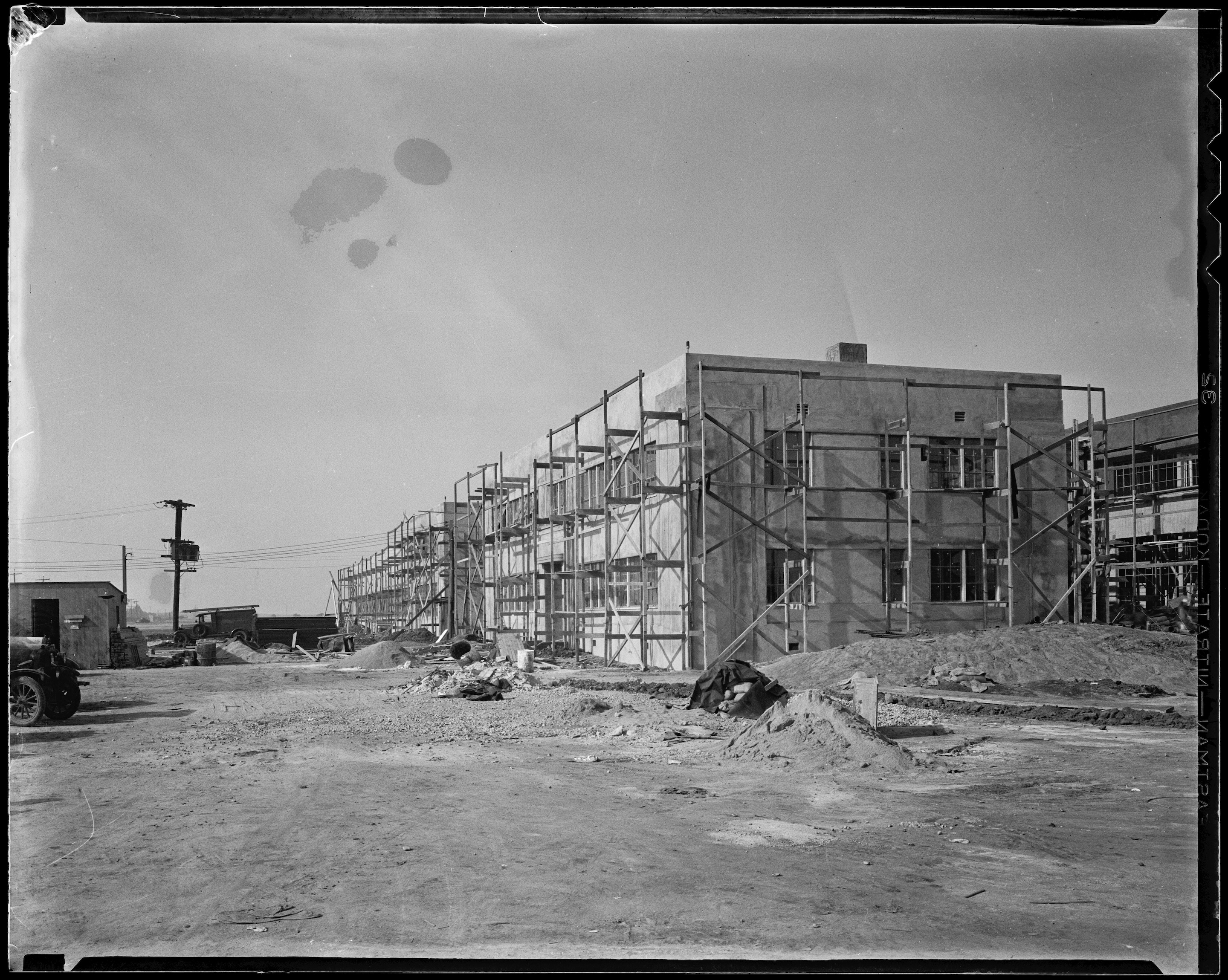
Construction continues on the $1 million North American Aviation manufacturing plant being built at the Los Angeles Municipal Airport on a twenty-acre site at the southeast section of the field. The structure fronts Imperial Highway. Dec. 29, 1935. (Credit: UCLA Library, Dept. of Special Collections)

The 1953 peacetime strike against the company came just a few months after the armistice went into effect that ended the Korean War. Among other aircraft, North American produced the F-86 Sabre Jet fighter plane, a mainstay in the U.S. Air Force’s arsenal at the time.

Members of the main aerospace labor union at the NAA plant, Local 887 of the United Auto Workers – Congress of Industrial Organizations (UAW-CIO) had threatened to strike for higher wages during 1952 while the Korean War was still being fought.

President Harry Truman, anxious to keep those F-86s coming off the assembly line, had intervened in the negotiations and wrangled a 10-cents-an-hour wage increase in September 1952, avoiding the strike.

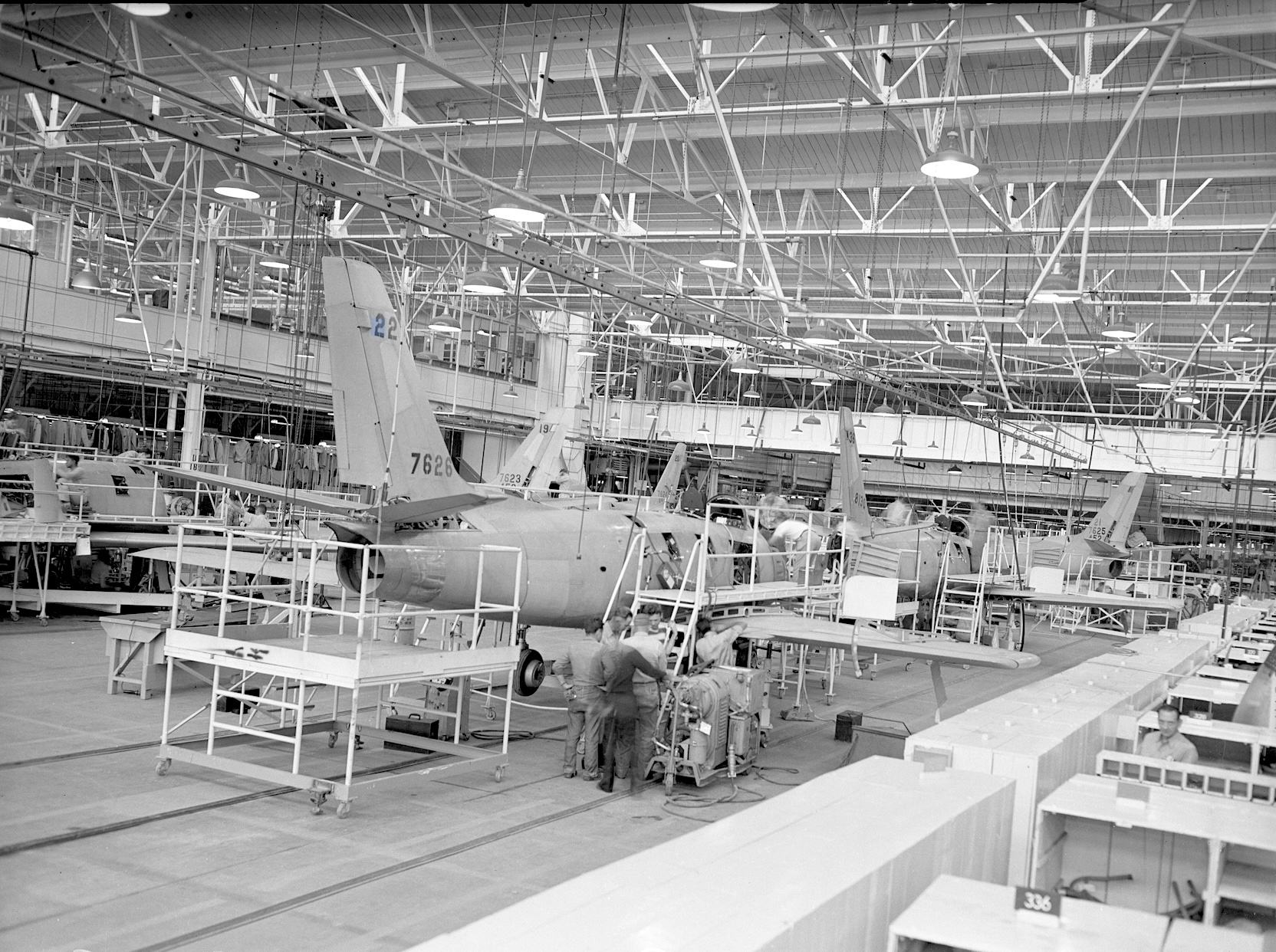
F-86 Sabre jets being assembled at North American Aviation’s Los Angeles plant in 1948. (Credit: UCLA Library, Dept. of Special Collections)

But the issue flared again with the looming expiration of the three-year labor contract on Oct. 22, 1953. The union began negotiations with management on Sept. 1. In addition to boosts in fringe benefits, they were demanding a 23.4-cent hour wage increase. 

At the time, union workers at the company’s plants in Los Angeles, Fresno and Columbus, Ohio, were making between $1.42-$2.32 an hour. Adjusting for inflation, in 2025 that translates to $27.48 per hour.

On Oct. 4, union members voted overwhelmingly in favor of a strike if negotiations with North American management failed to produce an agreement by Oct. 22.

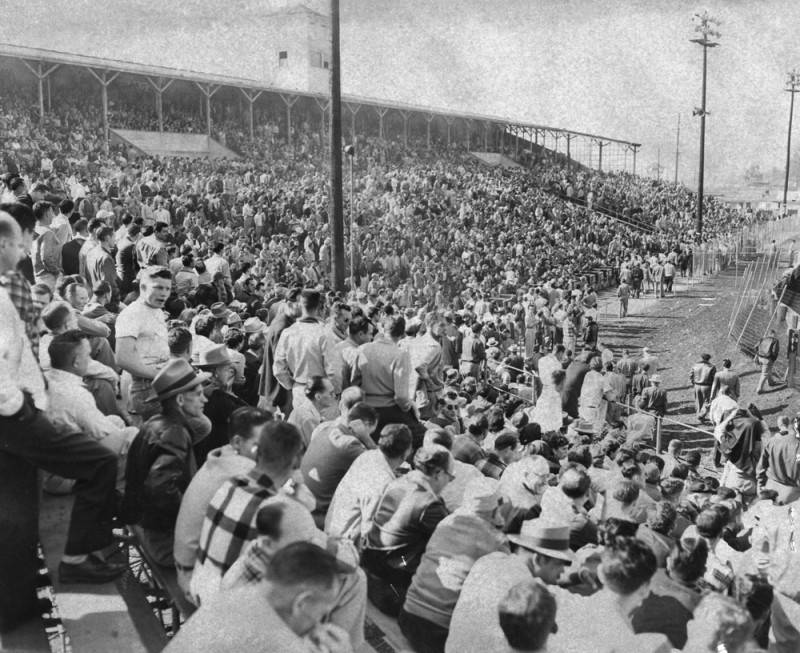
Five hours after the strike began, more than 12,000 UAW union members packed Culver City Stadium to vote on North American Aviation Co.’s “final offer” of a pay raise. They rejected the offer and reaffirmed a previous strike vote. Oct. 23, 1953. (Credit: Los Angeles Public Library Photo Collection)

The two sides met more than 20 times between Sept. 1 and Oct. 22, but negotiations grew testier over time rather than improving. Company spokesman said the union’s request actually amounted to 26.2 cents per hour, while union officials announced the company was offering only 6 to 18 cents per hour in response.

The Oct. 22 deadline came and went without an agreement. On Friday, Oct. 23, 1953, 33,000 union workers at the company’s three plants, including 14,427 in Los Angeles, walked off their jobs and picket lines around the plants were established.

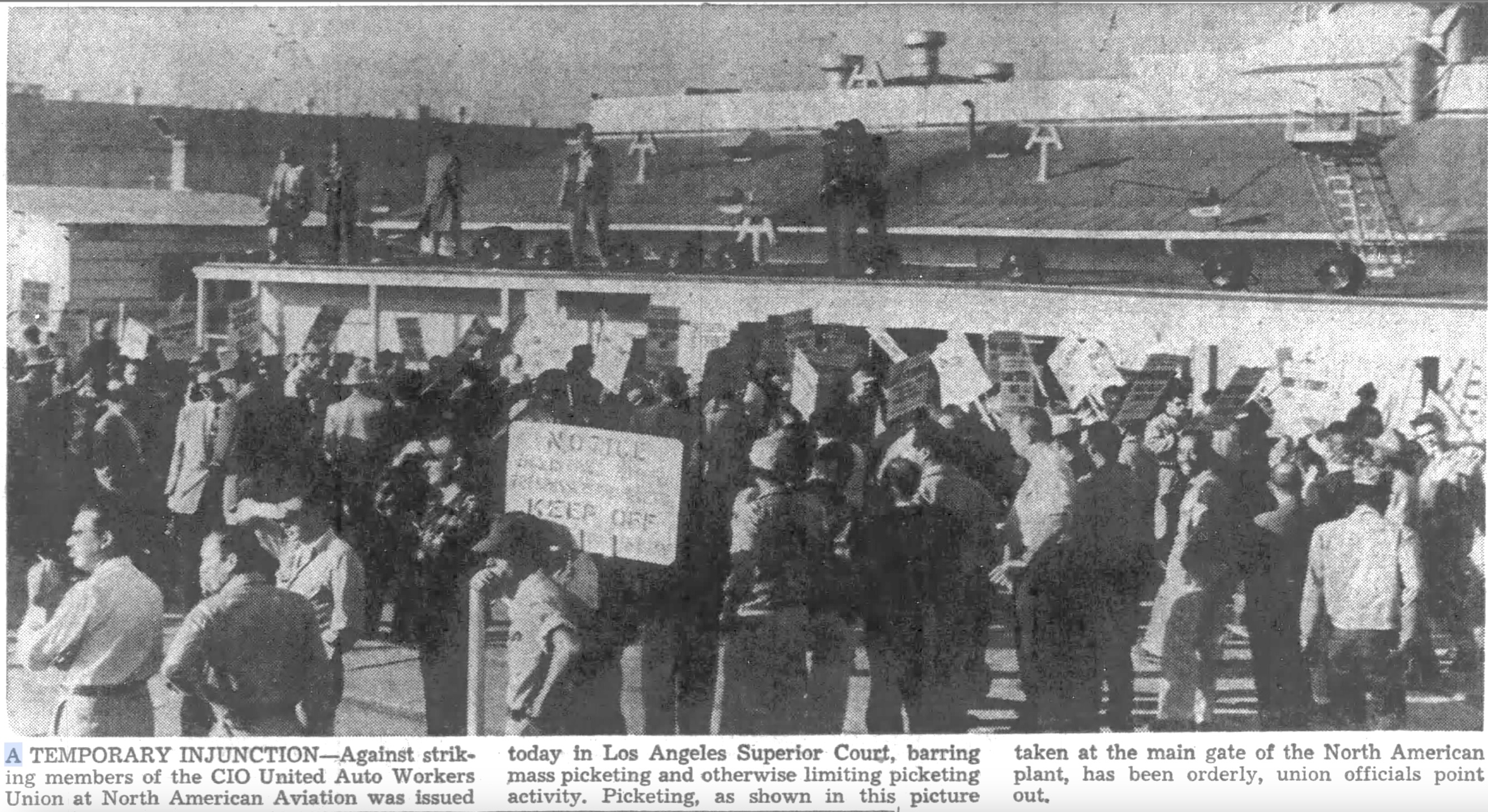
A court order limited the amount of picketers allowed at the Los Angeles plant, and negotiators hunkered down for settlement talks. Both sides were intransigent in their positions, however, and the strike dragged on.

Daily Breeze, Oct. 28, 1953, Page 1. (Credit: Daily Breeze archives)

Recently inaugurated President Dwight D. Eisenhower seemed less concerned over the strike than FDR was in 1941. The government monitored the situation, but avoided direct involvement with the negotiations.

Most  workers who were not Local 887 members continued to show up at the plant, which meant crossing the picket line and exacerbating tensions with the strikers. But generally the confrontations were peaceful.

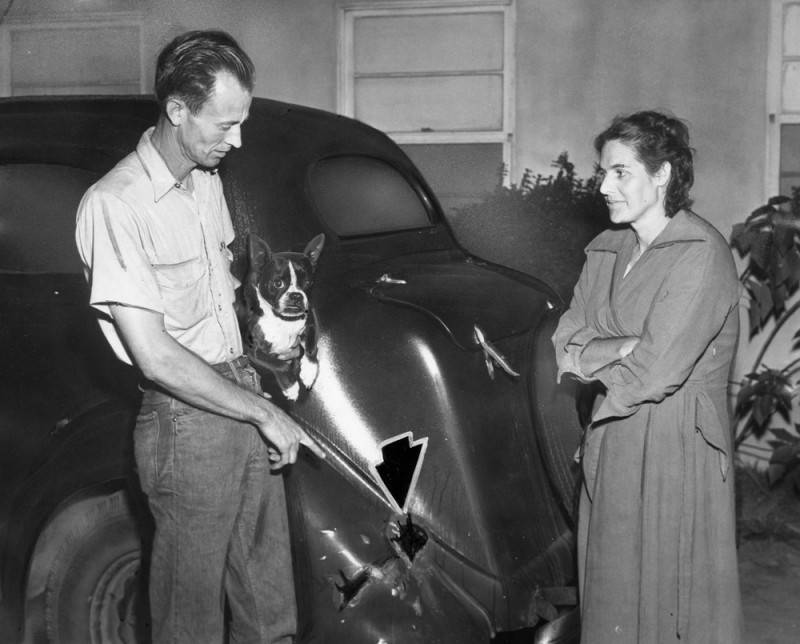
Marley Luster, 38, a leadman at strikebound North American Aviation, and his wife, Margaret, examine damage to his car which was hit by a mysterious explosion.  He had parked it in the alley by his home at 4340 West 170th Street, Lawndale. Investigators said Luster had joined the strike but that he had returned to work a week after the walkout began. Dec. 3, 1953. (Credit: Los Angeles Public Library Photo Collection)

Some employees did report incidents of vandalism at their homes, however. Luster Marley, who lived on 170th St. in Lawndale, reported an explosion in his car while he and his family slept. An incendiary device placed in its gas tank blew up.

Rayfield Norman, who lived on Stanford St. in the Watts area, reported that an oil-filled bottle had been thrown at his house while he was at work. No one was injured in either incident. In both cases, the intended targets had been employees who had returned to work after originally joining the strike.

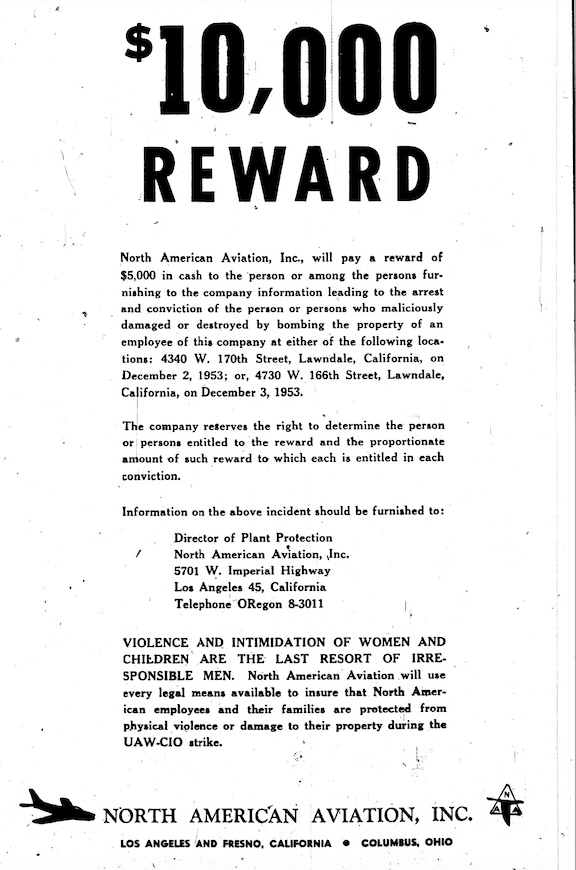
A series of small homemade bombs exploded at workers’ homes in the Columbus, Ohio area as well. North American offered $5,000 rewards for information leading to the arrest and conviction of the perpetrators, but no arrests resulted.

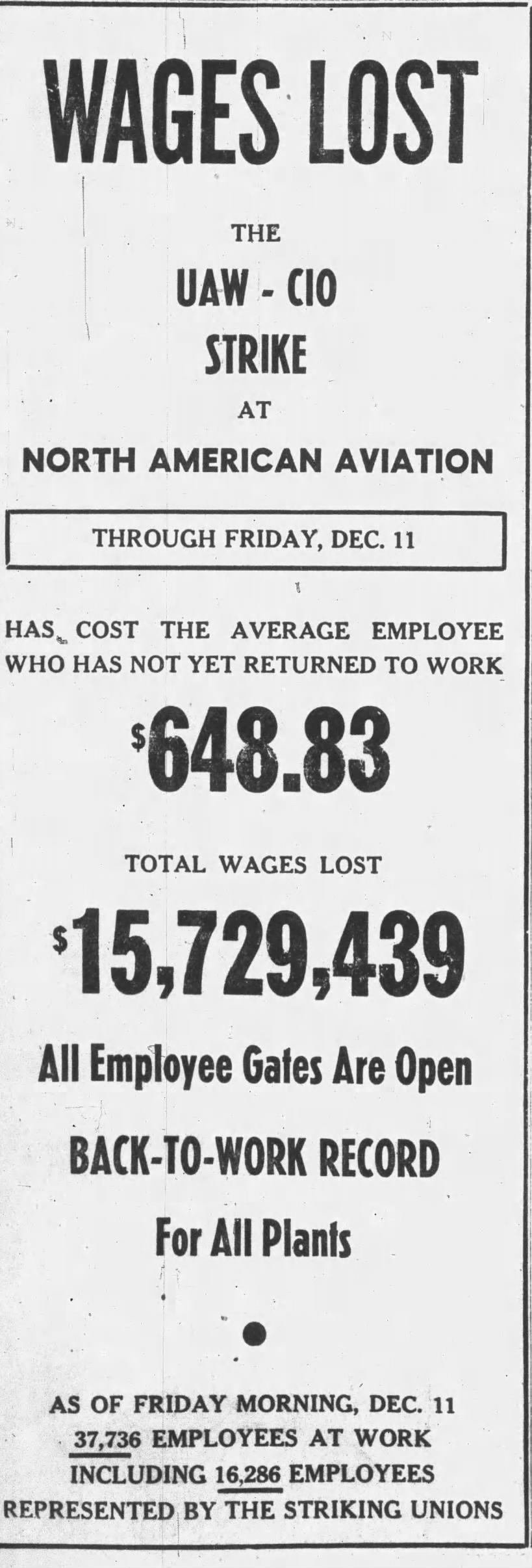
Daily Breeze ad, Dec. 5, 1953, Page 6. (Credit: Daily Breeze archives)

Despite the incidents, many discouraged employees continued to return to work as the strike stretched on with seemingly little hope of a settlement. North American trumpeted these numbers in ads taken out in local newspapers.

Finally, the union threw in the towel and agreed to settle on Dec. 14, 1953, 53 days after the strike began. Workers voted overwhelmingly to accept the new contract the next day, and on Dec. 16, they returned to their jobs.

So what did the union win as a result of the strike? Not much. North American management agreed to raises of hourly pay from 8 to 20 cents, numbers which already had been on the table early in the strike. Management also ended the “closed shop” rule requiring new employees to become union members.

Employees returned to turning out the new F-100 Super Sabre fighter jet, the first production model of which had been officially introduced two days before the strike began.

In September 1967, North American merged with the Rockwell Standard Corp. to become North American Rockwell Corp. In February 1973, the company officially was renamed Rockwell International Corporation. In 1996, it became part of the Boeing Co.

Workers not members of the UAW-CIO union walk past pickets into the strikebound North American Aviation plant at Los Angeles International Airport. About 15,000 workers entered the plant. Oct. 26, 1953. (Credit: Los Angeles Public Library Photo Collection)

Sources:

CPI Inflation Calculator, U.S. Bureau of Labor Statistics website.

Daily Breeze archives.

Los Angeles Times archives.
Strike Home: A Report on the 54-day Strike of 33,000 North American Workers, by Local 887, UAW-CIO, Los Angeles, undated, circa 1954.

North American ad attempts to undermine the 1953 strike. Daily Breeze, Dec. 5, 1953, Page 6. (Credit: Daily Breeze archives)

1979 Torrance Mobil Oil Refinery explosion and fire had tragic consequences

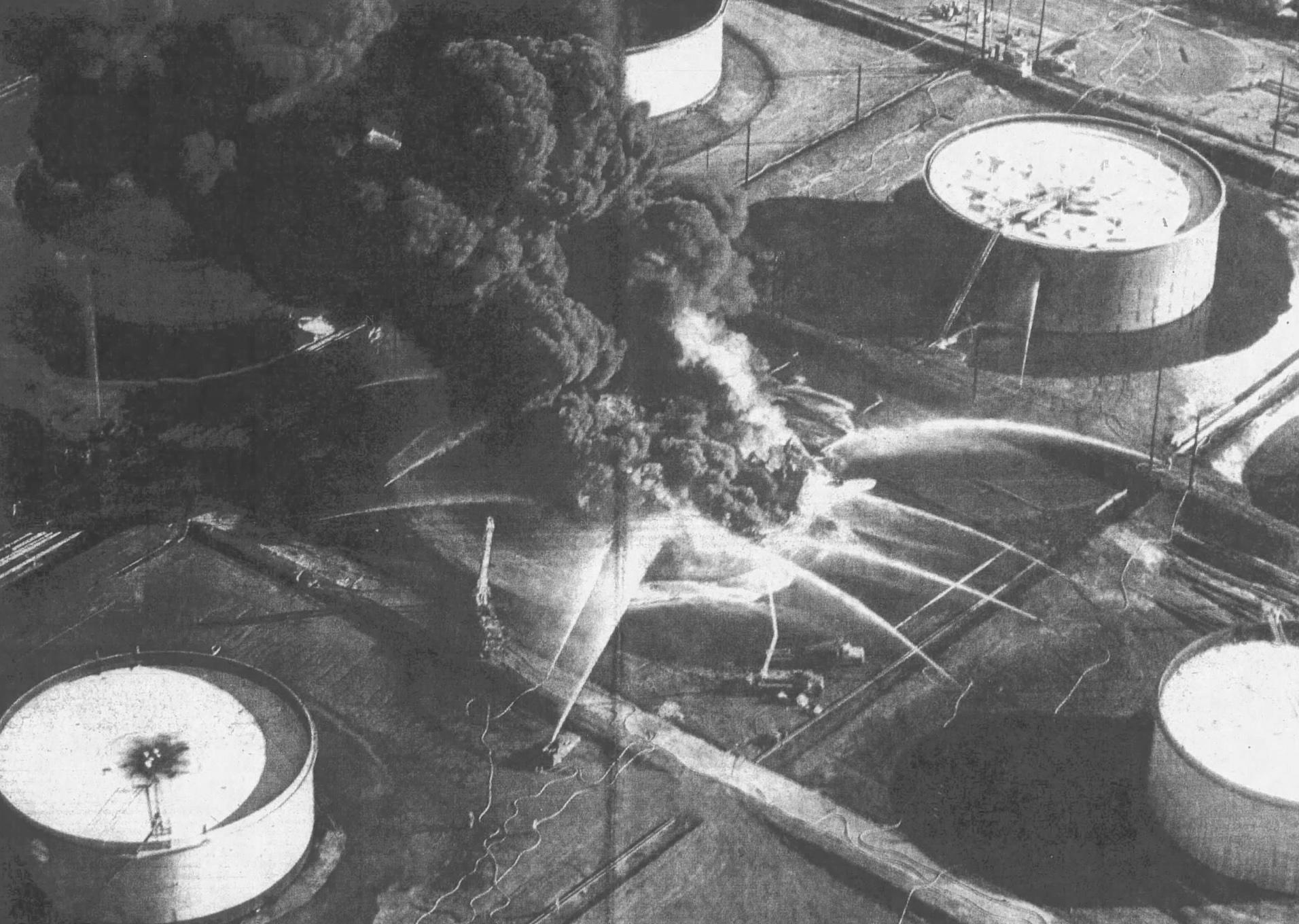
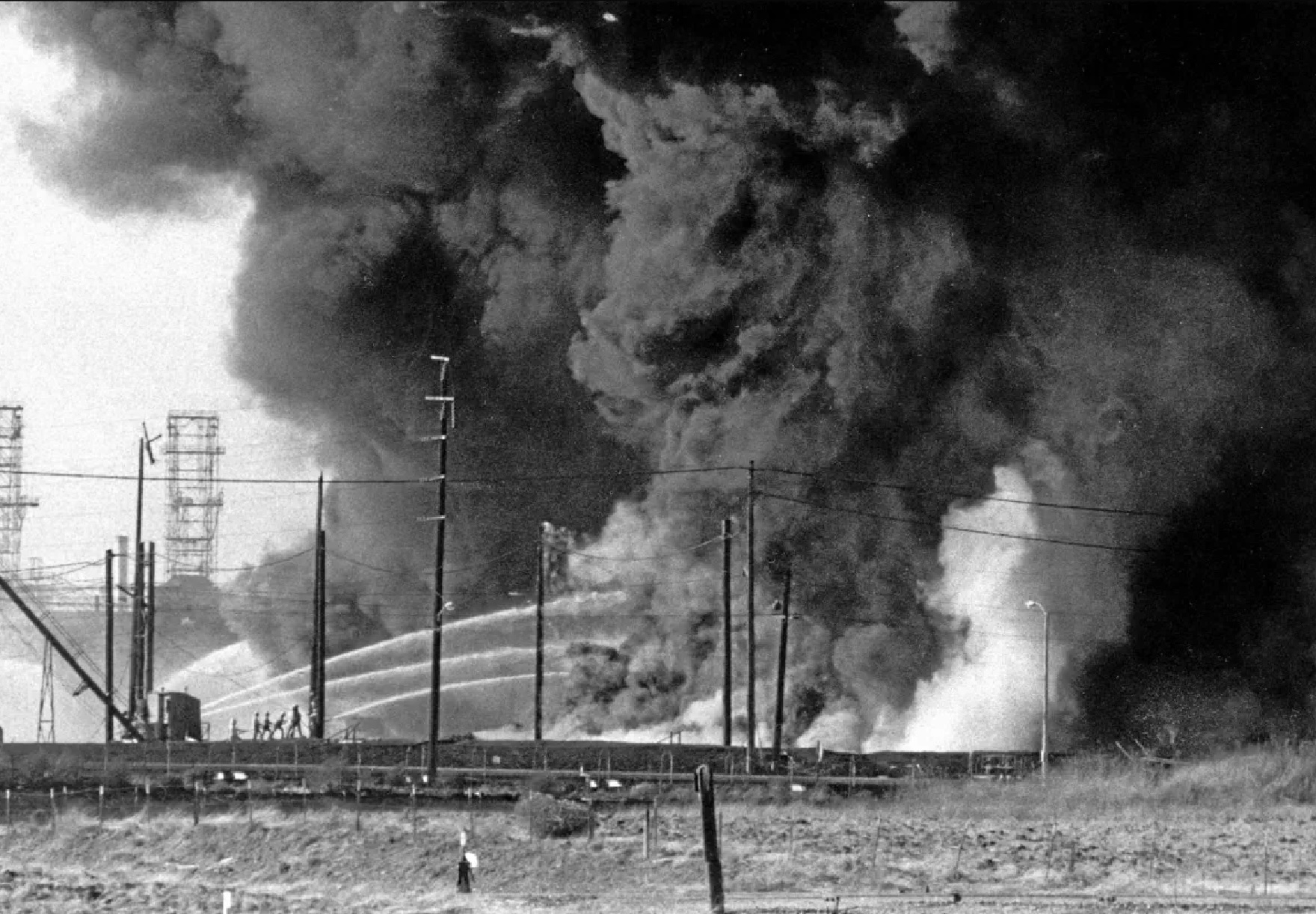
Firefighters battle the blaze at the Mobil Oil Refinery in Torrance from all sides. Dec. 4, 1979. (Credit: Daily Breeze staff file photo by Bill Cameron)

The last major accident to date at the Torrance oil refinery occurred a decade ago in 2015, when it was still being operated by ExxonMobil. Four workers were injured when a massive explosion destroyed the plant’s catalytic cracking unit and covered nearby cars and neighborhoods with ash and dust.

A year later, PBF Energy bought the troubled plant from ExxonMobil and renamed it the Torrance Refining Company. Since then, things have been relatively quiet at 3700 W. 190th St., in contrast to the refinery’s past litany of dangerous incidents.

Perhaps the darkest day in the refinery’s long history came on Monday, Dec. 3, 1979, 50 years after it first opened.

Just before 6 p.m. that evening, 19-year-old Cynthia Elizabeth Moore of Redondo Beach was driving her 1973 Camaro along Van Ness Ave., which borders the eastern edge of the 750-acre refinery property.

Moore, who worked at Gentry Travel Service’s Torrance office, had no way of knowing that  an abnormally large cloud of highly flammable vapor had drifted out across Van Ness from  overheated gas being moved into a fuel storage tank at the refinery.

The heavier-than-air vapors rolled along the ground, causing her car to stall. When she attempted to restart it, the ignition triggered the dense vapors to explode, engulfing her car in flames.

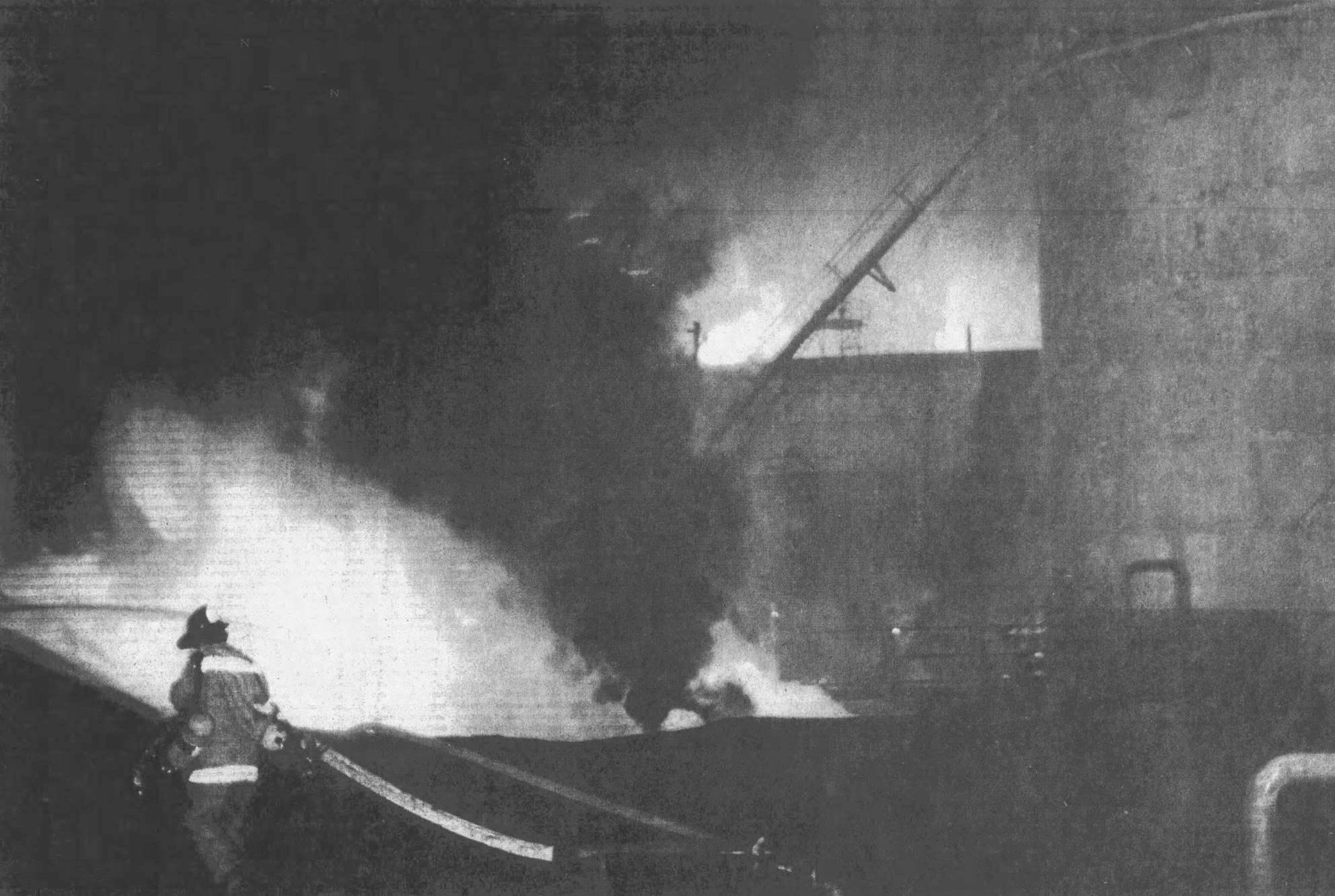
A firefighter positions himself to battle the Torrance Mobil Oil Refinery blaze. Dec. 3, 1979. (Credit: Daily Breeze staff photo by Jack Wyman)

She ran from the burning car and collapsed a short distance from it. An ambulance crew spotted her on the ground and rushed her to Torrance Memorial Hospital Medical Center. Burned on 90 percent of her body, she died there the next day.  

The burning car ignited the vapor cloud, sending a fireball racing back toward the storage tank. 

The tank immediately exploded into flames, killing 57-year-old refinery worker Robert Mackinga of Hawthorne instantly. Mackinga was a World War II veteran who had worked at the refinery for 35 years.

Torrance resident Dick Love, 50, also was taken to Torrance Memorial, where he died the next day from burns received in the blast. 

Mackinga, Love and 22-year-old Charles Stone had gone to the tank to investigate a strong odor emanating from it. Stone, who survived, told the Daily Breeze, “There was a mist on the roof like a fog. That’s when I knew something was wrong.”

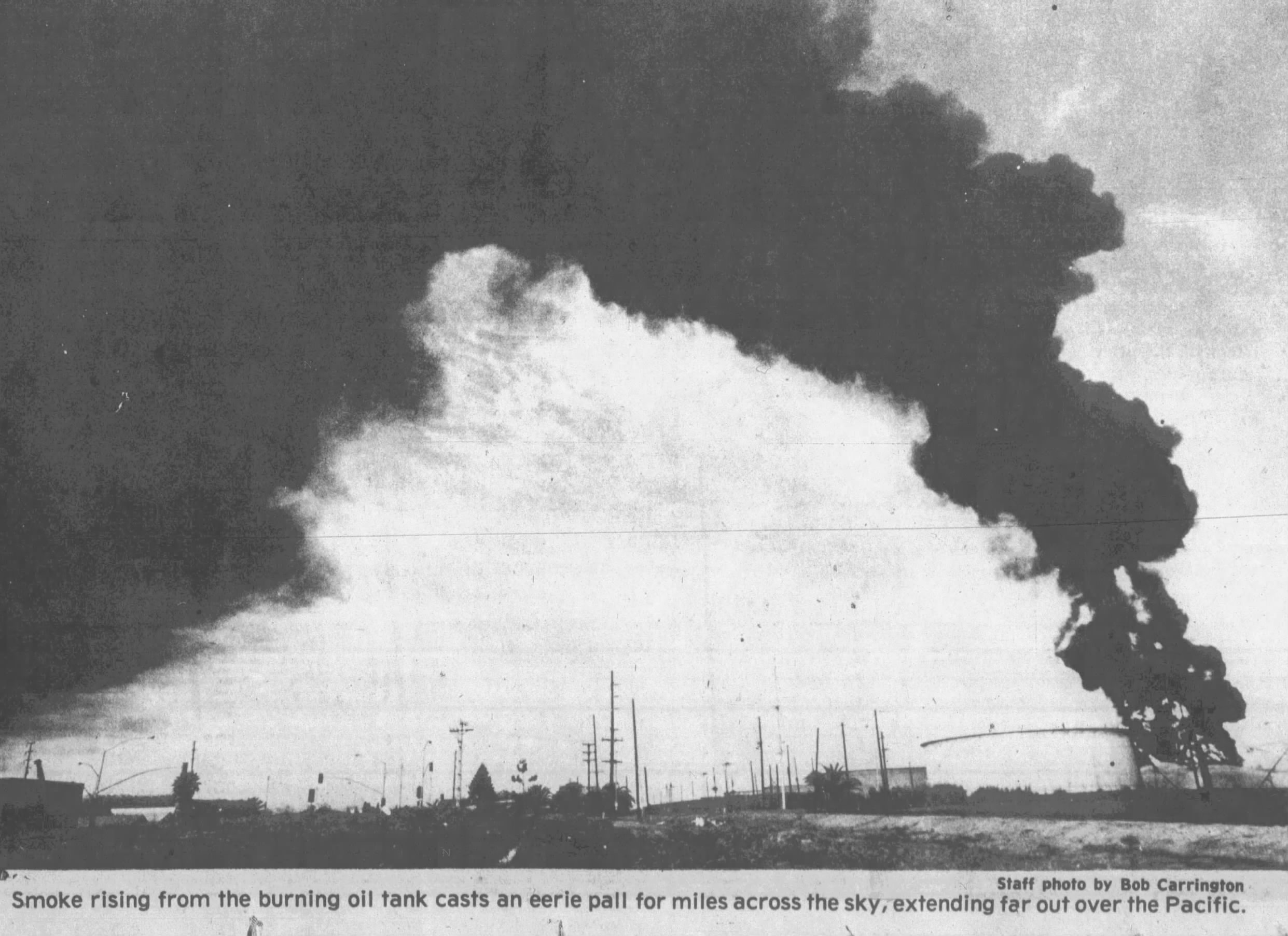
Daily Breeze, Dec. 4, 1975. (Credit: Daily Breeze staff photo by Bob Carrington)

Moments later, they heard what Stone called “a pop” and looked over to see Moore’s car on Van Ness engulfed in flames.

The explosion that followed literally blew the lid off the 50-foot-high tank estimated to be two-thirds full at the time, and the fire quickly spread to nearby tanks, sending flames and thick clouds of black smoke skyward. 

The younger Stone was able to outrun the flames. He was treated for minor burns and smoke inhalation and released.

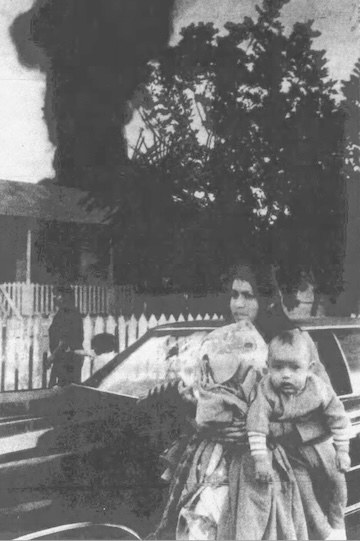
Victoria Ramos and her son return to their Del Amo Blvd. home as smoke from the fire billows skyward in the distance. Dec. 5, 1979. (Credit: Daily Breeze staff photo by Bill Cameron)

More than 200 nearby residents were evacuated, and the column of smoke could be seen from as far away as Hollywood.

More than a hundred firefighters from throughout the South Bay battled the stubborn refinery blaze, which finally burned itself out at about 2:45 p.m. on Wednesday, Dec. 5th. Evacuated residents were allowed to return, though streets in the area remained closed for several days after the blast and fire.

The death of Moore, the stepdaughter of Torrance police lieutenant Larry Robinson, resulted in a 1980 lawsuit against Mobil Oil Corp. The suit was filed by Robinson’s wife, Irma, and her ex-husband and Cynthia’s father, James Moore.

The trial began on Monday, Nov. 28, 1984. Mobil attorney Chris Gilman succeeded in thwarting the plaintiff’s attempts to make the company pay punitive damages, though considerable evidence was heard alleging the company’s negligence leading up to the accident.

Gilman argued that the explosion and blaze was just that, an accident. Judge John Shidler ruled in his favor, and no punitive damages were allowed

On Dec. 6, 1984, the jury voted to award Moore’s parents the sum of $503,400. Both sides expressed dissatisfaction with the outcome. 

After the verdict was read, the trial ended and the courtroom emptied, Irma Moore told Daily Breeze reporter David Hall, “You know, the entire time, no one from Mobil ever said they were sorry.”

Firefighters battle the Mobil Oil Refinery blaze the day after the explosion. Dec. 4, 1975. (Credit: Daily Breeze staff file photo)

Sources:

Daily Breeze archives.

Torrance Refining Company website.

Some ideas for using Alondra Park land didn’t work out, but others did

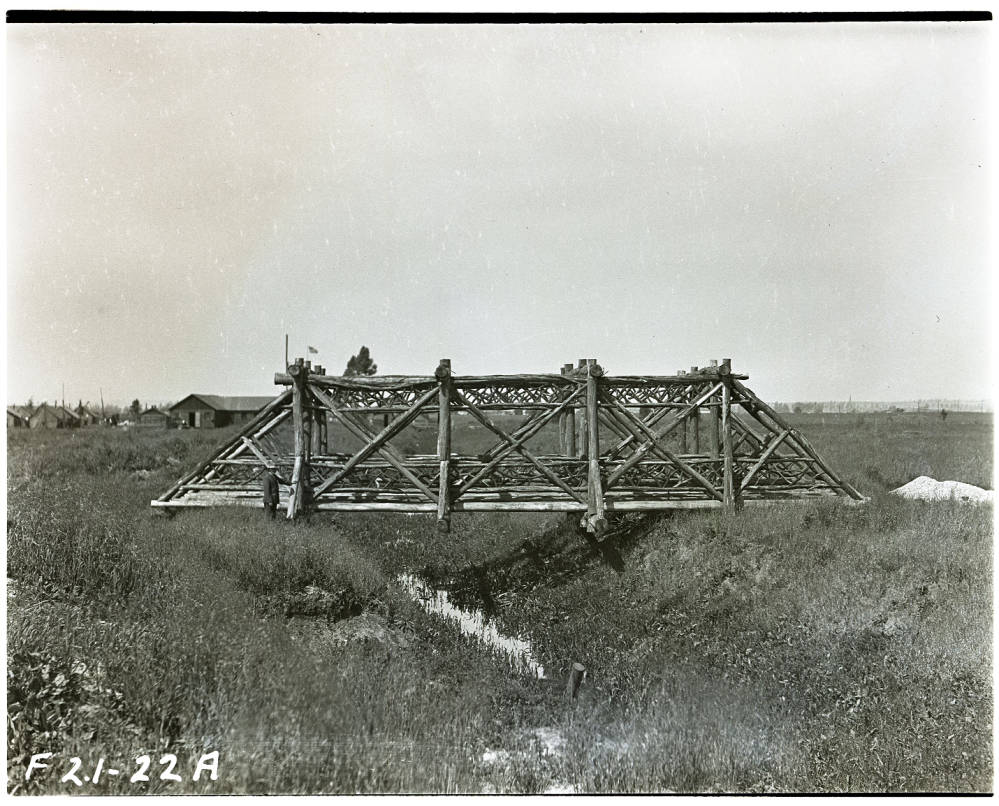
A man stands next to a wooden bridge under construction at the mostly barren Alondra Park in 1935. Worker buildings can be seen at left. (Credit: Los Angeles County Library Digital Collections)

According to the official list kept by the Paris-based Bureau International des Expositions, World’s Fairs in 1938 were held in Berlin, Helsinki and Glasgow. Missing from that list: Alondra Park.

I wrote about the history of the county park ten years ago, but I thought a look at some of the early plans for the large chunk of open space might be of interest.

The 53-acre parcel was part of 320 total acres that Los Angeles County purchased in 1927 for just over $1 million. 

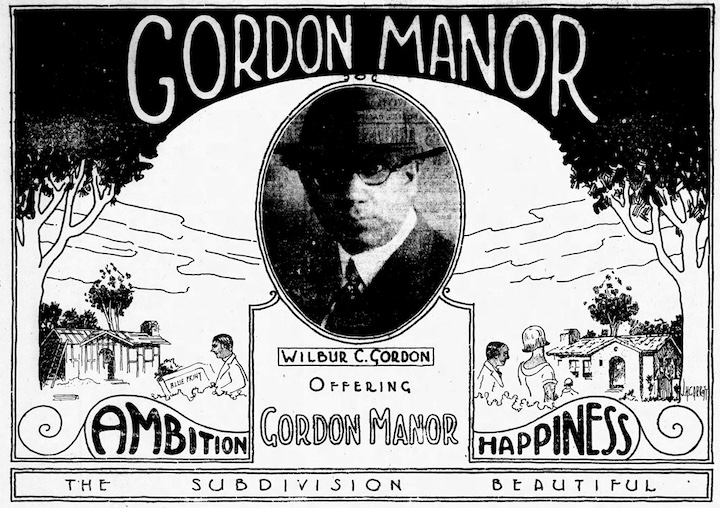
A year previously, the County Board of Supervisors had declared eminent domain on the land, wresting it away from Black developer Wilbur Gordon in 1926. The maneuver permanently quashed Gordon’s plans announced in 1925 to build an upscale Black neighborhood called Gordon Manor on the site.

1926 ad for Gordon Manor. (Credit: L.A. Street Names website)

Shortly after the County’s purchase, the site was mentioned as a possible location for the new Los Angeles municipal airport, but the city decided to go with Mines Field west of Inglewood. Mines Field would later become Los Angeles International Airport.

After that, the County returned to its stated original plan, which was to fashion a regional park from the open fields. By 1929, a detailed plan had been put in place that called for playgrounds, a large lake, a swimming pool and an 18-hole golf course to be built.

The plan had to be put on hold with the arrival of the Great Depression. Though workers were hired under the New Deal to do preliminary work on the site in the 1930s, funds to build the actual park and its structures were limited. 

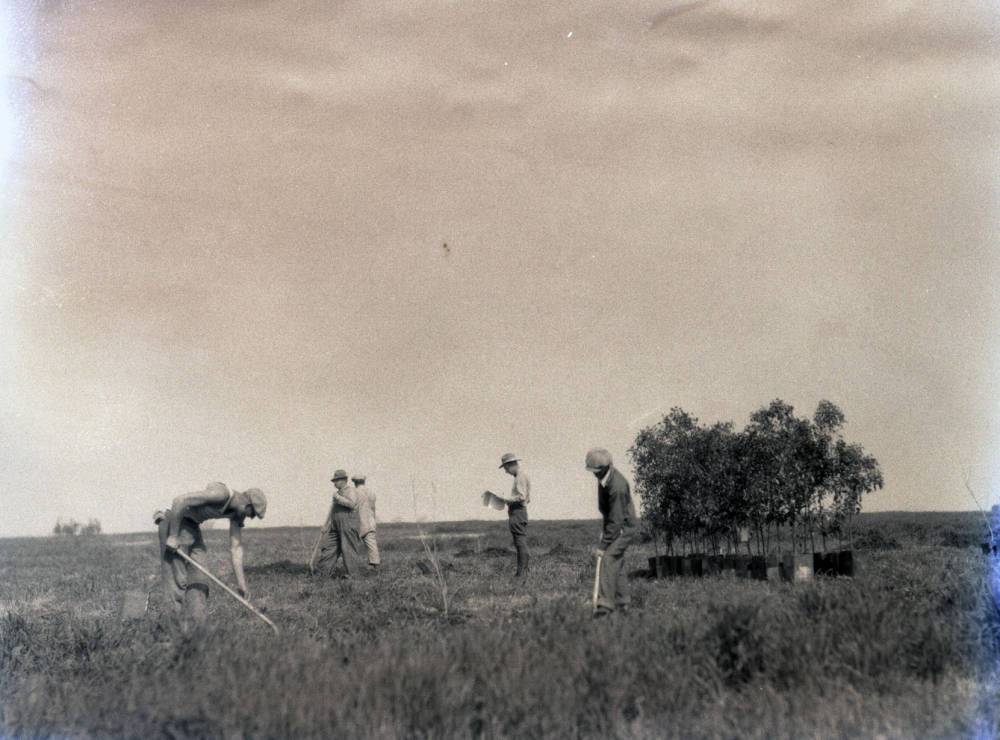
Workers at Alondra Park site plant trees in 1932. (Credit: Los Angeles County Library Digital Collections)

Construction activity at the park had picked up by 1939. More than 3,000 trees had been planted by 300 government employees. But the progress came to an end with the start of World War II, and the parkland remained mostly empty until after the war. It was used by U.S. Army troops for maneuvers during wartime.

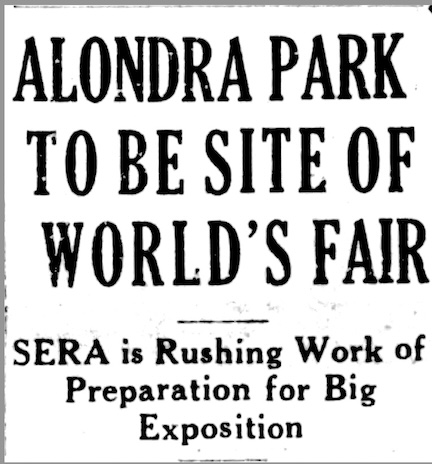
A couple of different schemes were brought forward to take advantage of the mostly empty land. As far back as May 1934, the Daily Breeze reported that George Sanders of the Hawthorne Free Press was promoting the idea of holding the “Pacific Empire Exposition” on the Alondra Park site.

Daily Breeze, May 24, 1935, Page 1. (Credit: Daily Breeze Archives)

By the end of the year, that plan had been subsumed into a group known as the Los Angeles World’s Fair and Exposition Inc., which claimed that a year-long fair on the site would help generate enough income for the county to finish the park. On Dec. 31, 1934, the supervisors agreed to lease the land to the group.

The fair, proposed for 1938, was framed as a civic celebration of the completion of Boulder Dam, the Metropolitan Water Aqueduct and the All-American Canal, the latter project bringing water from the Colorado River to Imperial Valley farms. Positive stories promoting the fair ran in the Breeze throughout 1935.

But, despite some preliminary preparations made on the Alondra property, by 1937, the idea was dead. The Los Angeles World’s Fair group capriciously switched its sights toward holding the city’s first World’s fair in 1942 in Chavez Ravine north of downtown to celebrate the 400th anniversary of Juan Cabrillo’s discovery of California in 1542.

That fair obviously never happened, either, nor did a 1950s attempt to stage a World’s Fair in the South Bay. Though the Los Angeles area has hosted many regional and national fairs over the years, to date it has never hosted a World’s Fair.

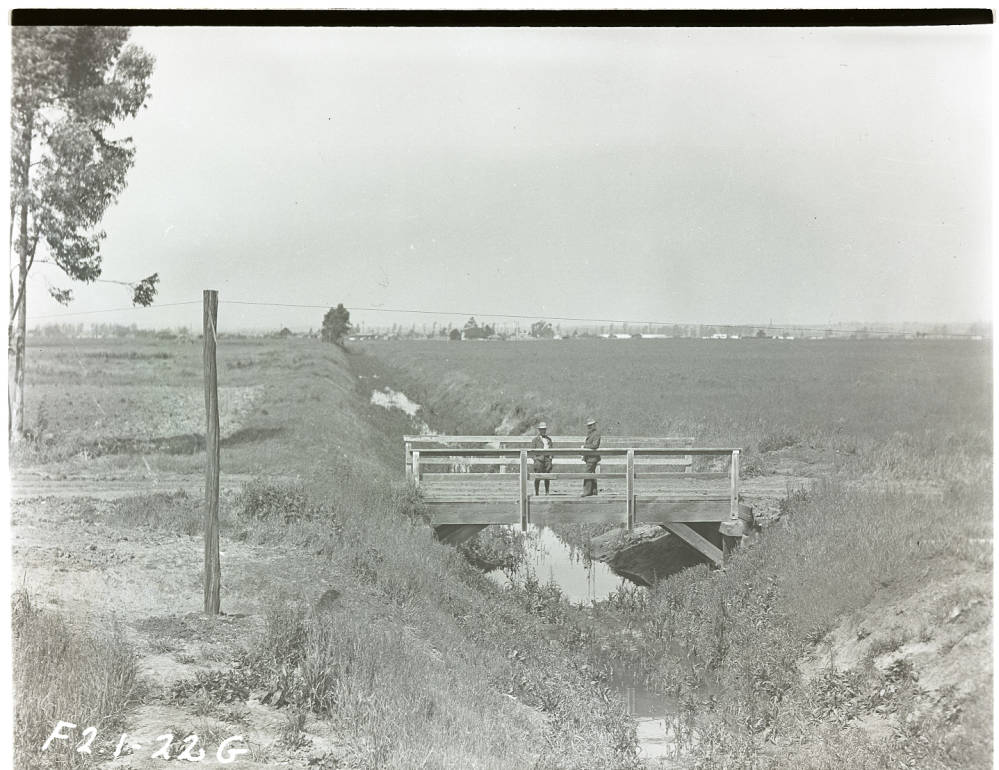
Two men stand at a wooden road bridge at the Alondra Park site in 1935. (Credit: Los Angeles County Library Digital Collections)

A more controversial idea for the site was first floated in the 1930s: oil drilling. In April 1937, the state of California gave the board of supervisors the authority to offer leases to oil companies for drilling on the land. No leases were signed at the time, however.

In 1944, the supervisors entertained the idea again, this time using slant drilling that could be done from outside the park, theoretically without damaging park property. Despite the protests of residents in the surrounding communities, most notably Gardena and Redondo Beach, the slant drilling began in 1946.

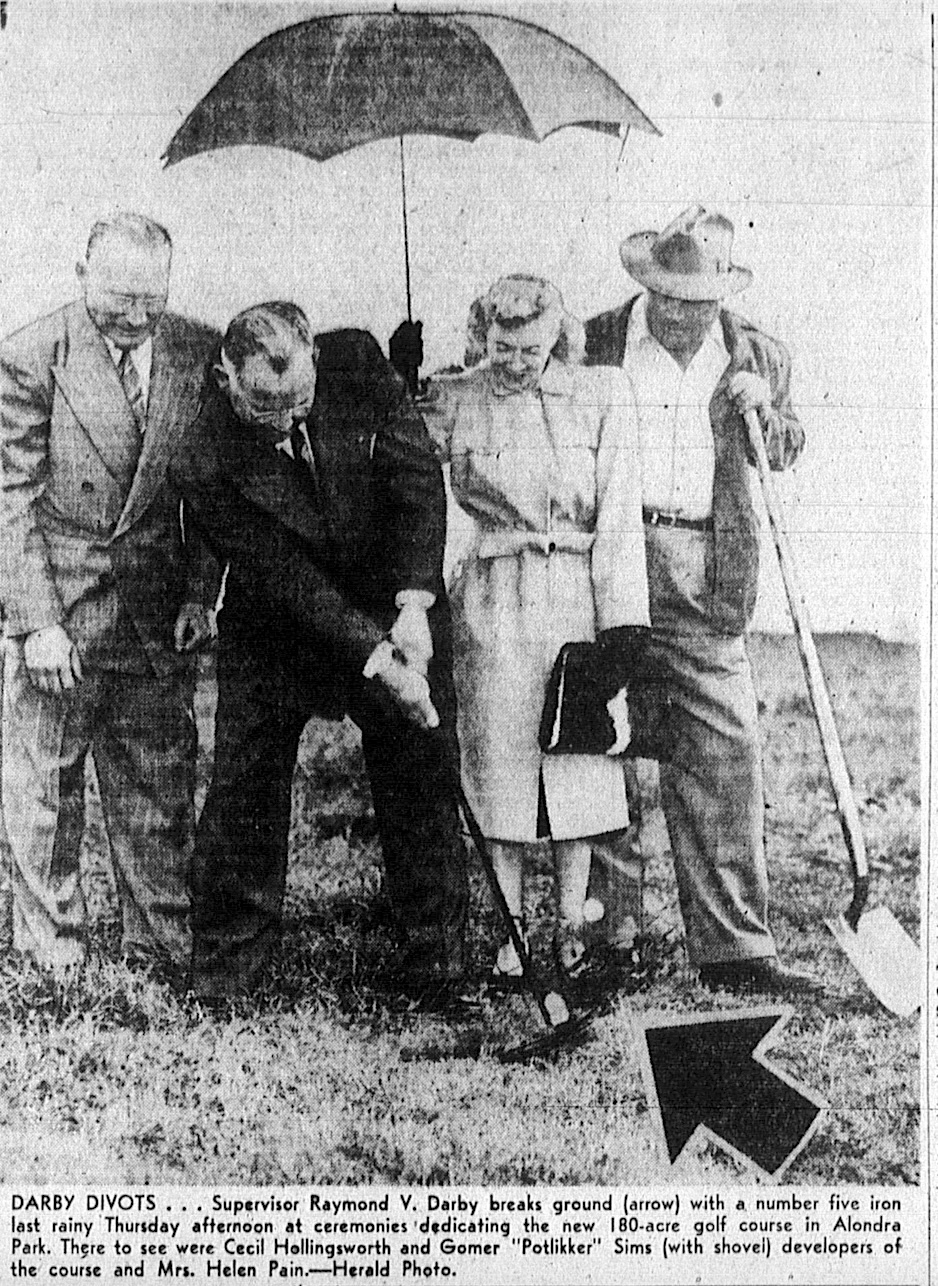
The controversy over the drilling came to a sudden end on Jan. 3, 1947. Raymond Darby, chairman of the county board of supervisors, announced that the British-American Oil Co.’s 9,300-foot-deep slant drilling well had come up empty, and the company was abandoning the project.

Work on finishing the park continued at a fast pace immediately after the war ended. The main park opened to the public in 1946, its ten-acre lake opened in 1947, and the golf course opened in 1950. El Camino College, built on 80 acres of the original Alondra Park land that the county sold for the purpose, opened its doors to students in 1947.

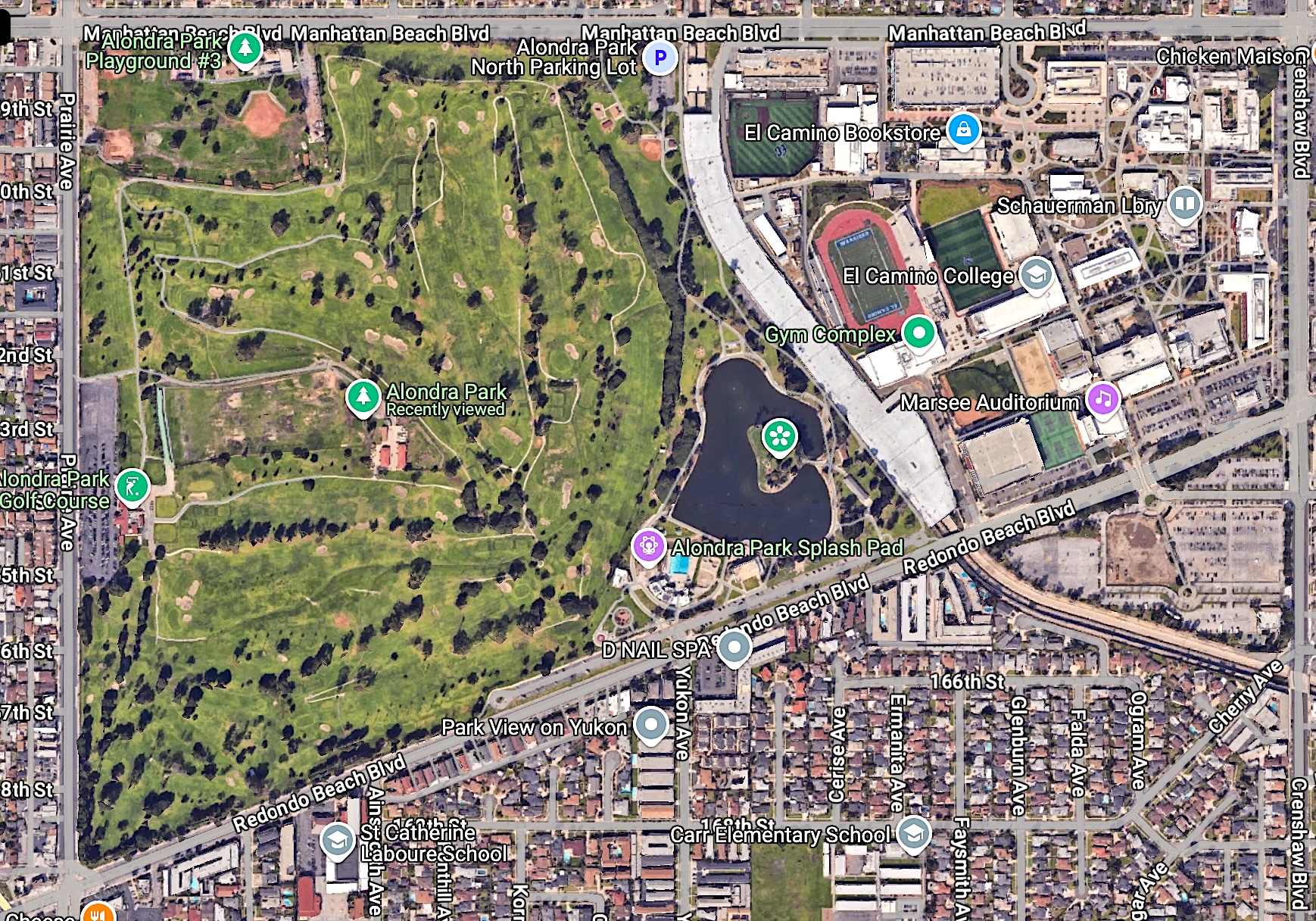
Alondra Park and neighboring El Camino College, right, were once part of a single parcel of land. 2025 image. (Credit: Google Earth)

Once the park opened, another unusual scheme launched by the L.A. county Dept. of Parks and Recreation specifically involving Alondra Lake actually turned out to be very successful. 

Initially, organized motorized model boat races were held on the lake in 1950 and 1951, but they were dominated by adults with high-powered boats.

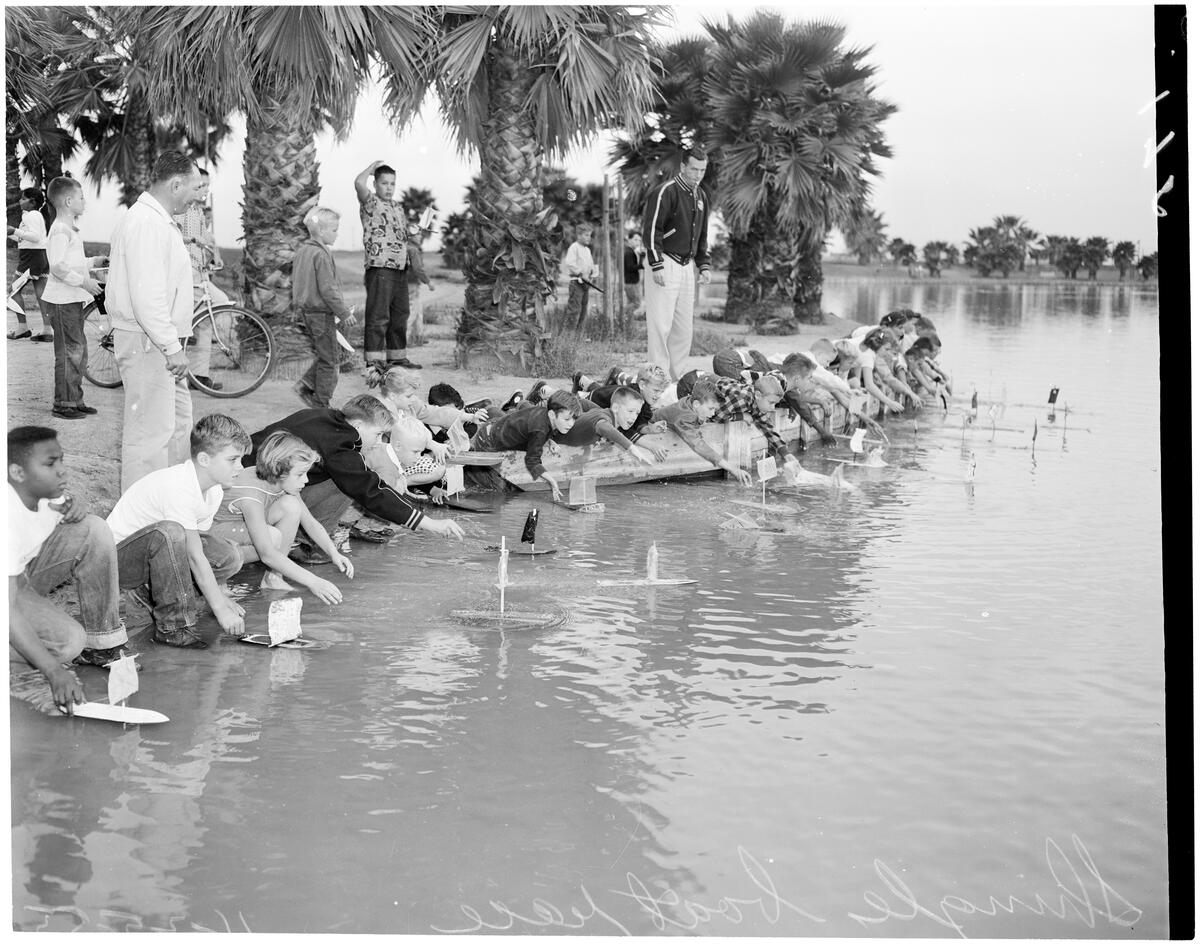
 In 1952, the county parks and recreation department responded by changing the boat racing format, establishing the annual Shingle Boat Regatta. Held every November, the Regatta featured children aged 12 and under racing wind-powered miniature sailboats they’d crafted from wooden roof shingles.

The event attracted hundreds of youthful participants during the next ten years, with the final competition being held in 1962.

Children partiicpate in the 1955 Shingle Boat Regatta at the lake in Alonda Park. (Credit: Los Angeles County Library Digital Collections)

Sources:

Daily Breeze archives.

L.A. Street Names website.

Los Angeles Times archives.

Torrance Press Herald archives.

Torrance Herald, March 31, 1949, Page 5. (Credit: Torrance Historical Newspaper and Directories Archive database, Torrance Public Library)

Comments:

What a great historical article about the park. I enjoyed this unknown history. I grew up in Torrance and participated in many events there as a child. I went to nursery school there at age 4. My sister, my best friend and I were featured in a local paper having a tea party there. I still have the picture. 

I also attended numerous girl scout events there and swam in the pool.

Thanks for the article.

Dolores von Biela

The Big Ben department store may be long gone, but Torrance Towne Center still thrives

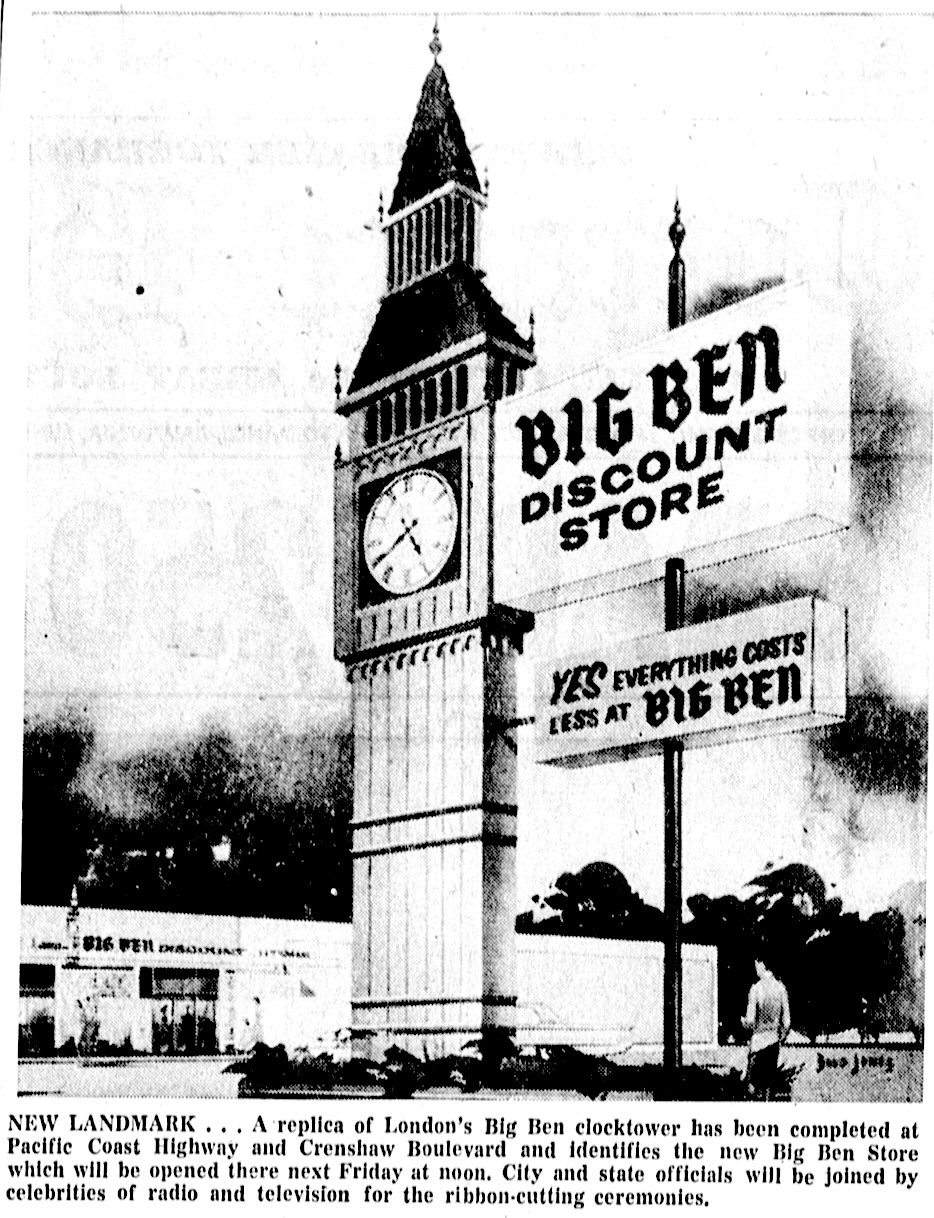
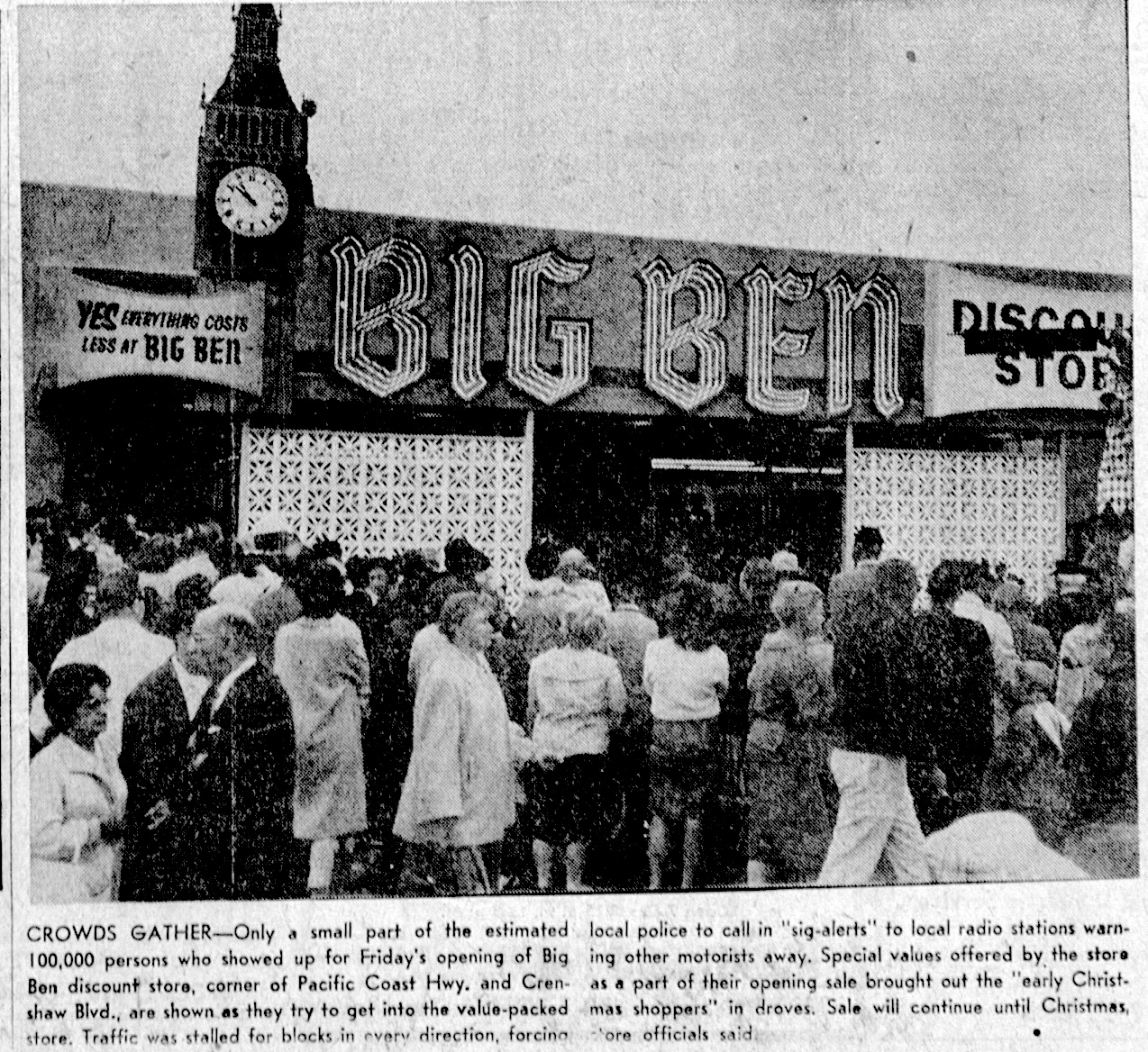
The Big Ben store was the first built at the Airport Plaza in Torrance. It opened in 1961. Torrance Press, Nov. 22, 1961, Page1. (Credit: Torrance Historical Newspaper and Directories Archive database, Torrance Public Library)

The origin of the present-day outdoor shopping center known as Torrance Towne Center can be traced to 1959.

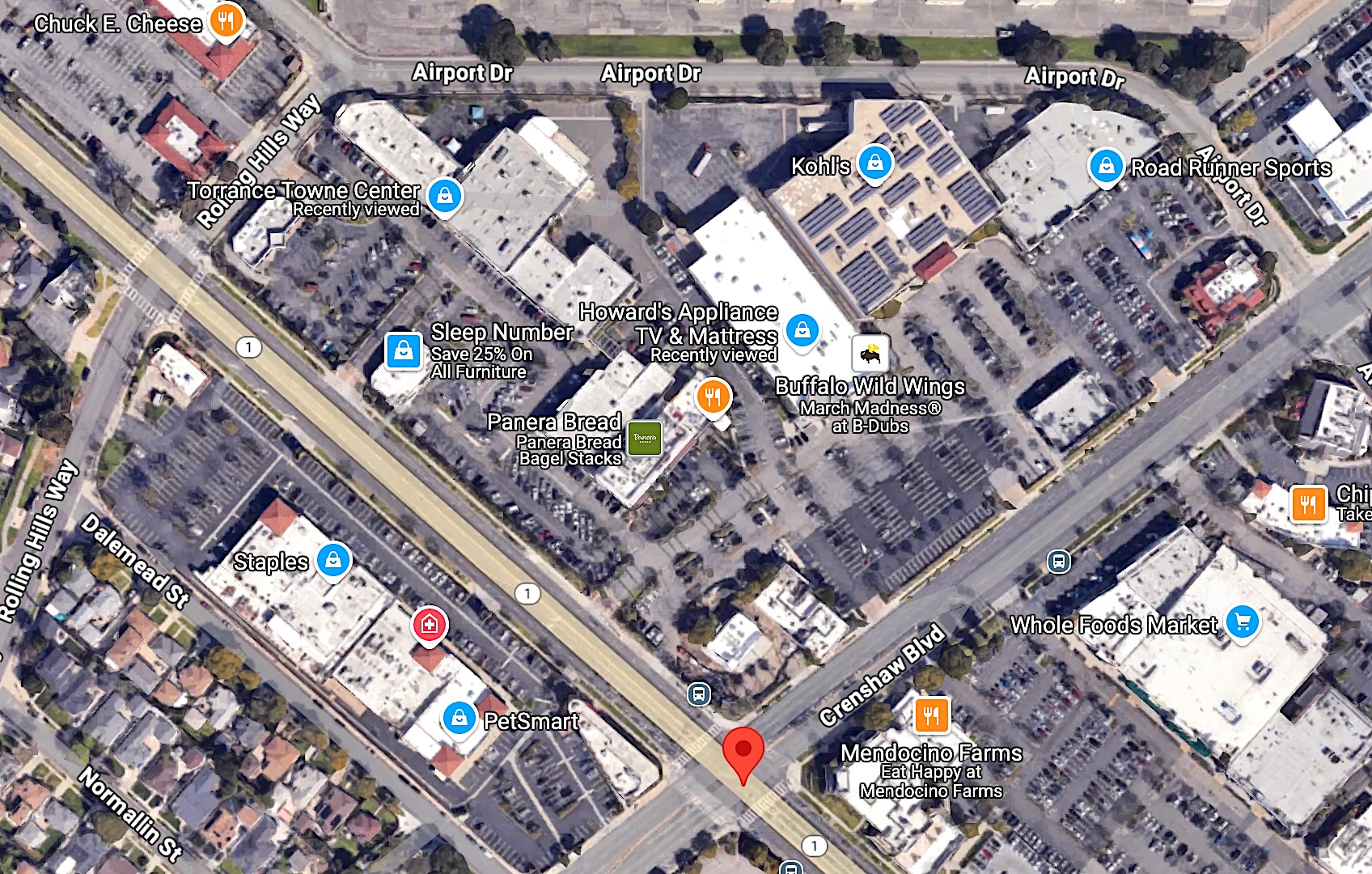
At the Sept. 8, 1959 Torrance City Council meeting, George L. Graziadio, represented Airport Plaza, Inc., a group of developers with combined assets of $8 million. On its behalf, he  presented a proposal calling for the construction of a shopping complex on a triangular 8.4 acres of vacant land on the northwest corner of Crenshaw Blvd. and Pacific Coast Hwy., south of the Torrance Municipal Airport.

Torrance Towne Center is bounded by Pacific Coast Highway (Hwy 1), left, Crenshaw Blvd., right, and Airport Drive, top. 2025 image. (Credit: Google Earth)

The planned Airport Plaza would have 90,000 square feet of building area, and would include a supermarket, department store, drugstore and service station. The group promised that $1 million worth of construction would be undertaken over the next five years, including 270,000 square feet for vehicle parking.

Three months later, the city council, fed up with Graziadio’s perceived backpedaling on financial aspects of the agreement, threatened to tear up the $2,250-a-month lease and find a new firm for the project. “They’re still trying to chisel,” an exasperated Mayor Albert Isen told the Torrance Press.

Relations between Graziadio and the council became even frostier over the next few months. At a June 1960 meeting, his proposal to add a car wash to the plan was nixed by the counci. Its members then proceeded to argue that a “restaurant” proposed by Graziadio was little more than a hamburger stand, according to the Press.

Despite the bickering, the plan eventually moved ahead, with the council in July 1961 okaying plans for a huge 90,000-square-foot department store on the site. Work on it began immediately.

By the time the Big Ben Discount Store was preparing to open that November, the earlier ill will had transformed into civic enthusiasm. Big Ben Stores was a new chain with plans to open a dozen area stores, with Torrance as its first.

Torrance Press, Nov. 26, 1961, Page (Credit: Torrance Historical Newspaper and Directories Archive database, Torrance Public Library)

Its grand opening at noon on Friday, Nov. 24, 1961, the day after Thanksgiving, quickly turned into something akin to a modern-day Black Friday-style shopping frenzy. 

Residents began arriving in the early morning hours. By the time that Mayor Isen presided over  the ceremonial ribbon-cutting, police estimated that around 100,000 people had descended on the area, forcing authorities to issue a Sigalert over the ensuing traffic congestion.

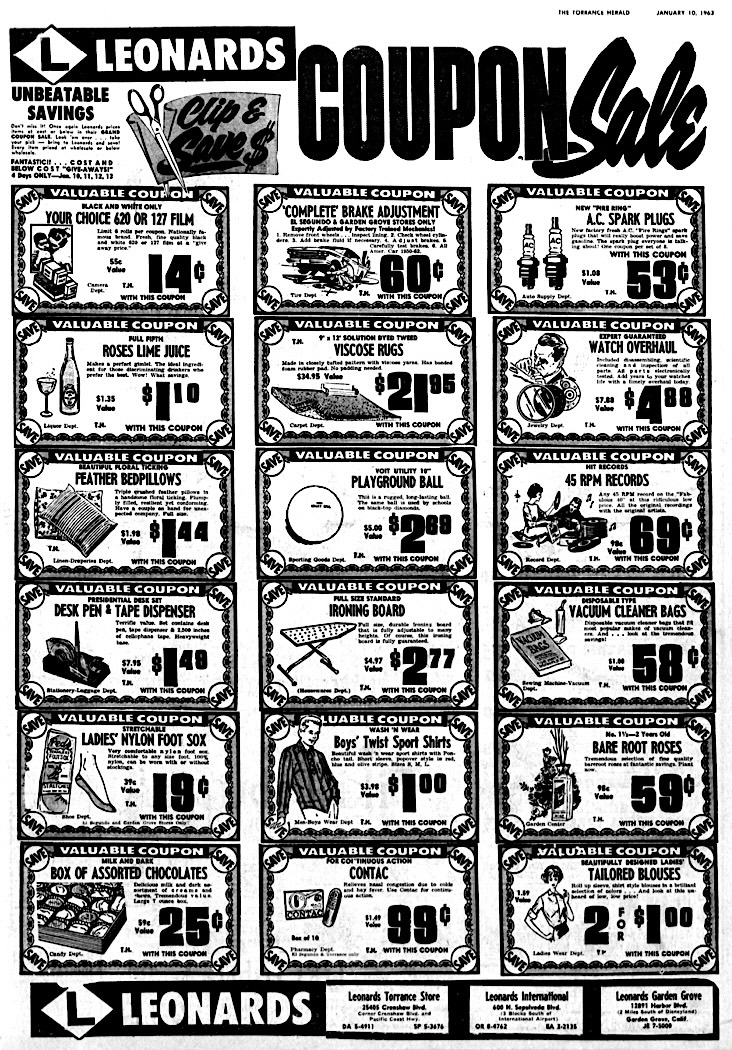
After the initial excitement, Big Ben’s stay in Torrance turned out to be short-lived. The struggling company was bought out by another firm, Leonards Department Stores, in September 1962. The new owners, who already had locations in El Segundo and Garden Grove, changed the Torrance store’s name to Leonards.

The remodeled store held its grand opening celebration on Nov. 1, 1962. The ceremonies included guest appearances by the Beach Boys and local children’s television legend Engineer Bill.

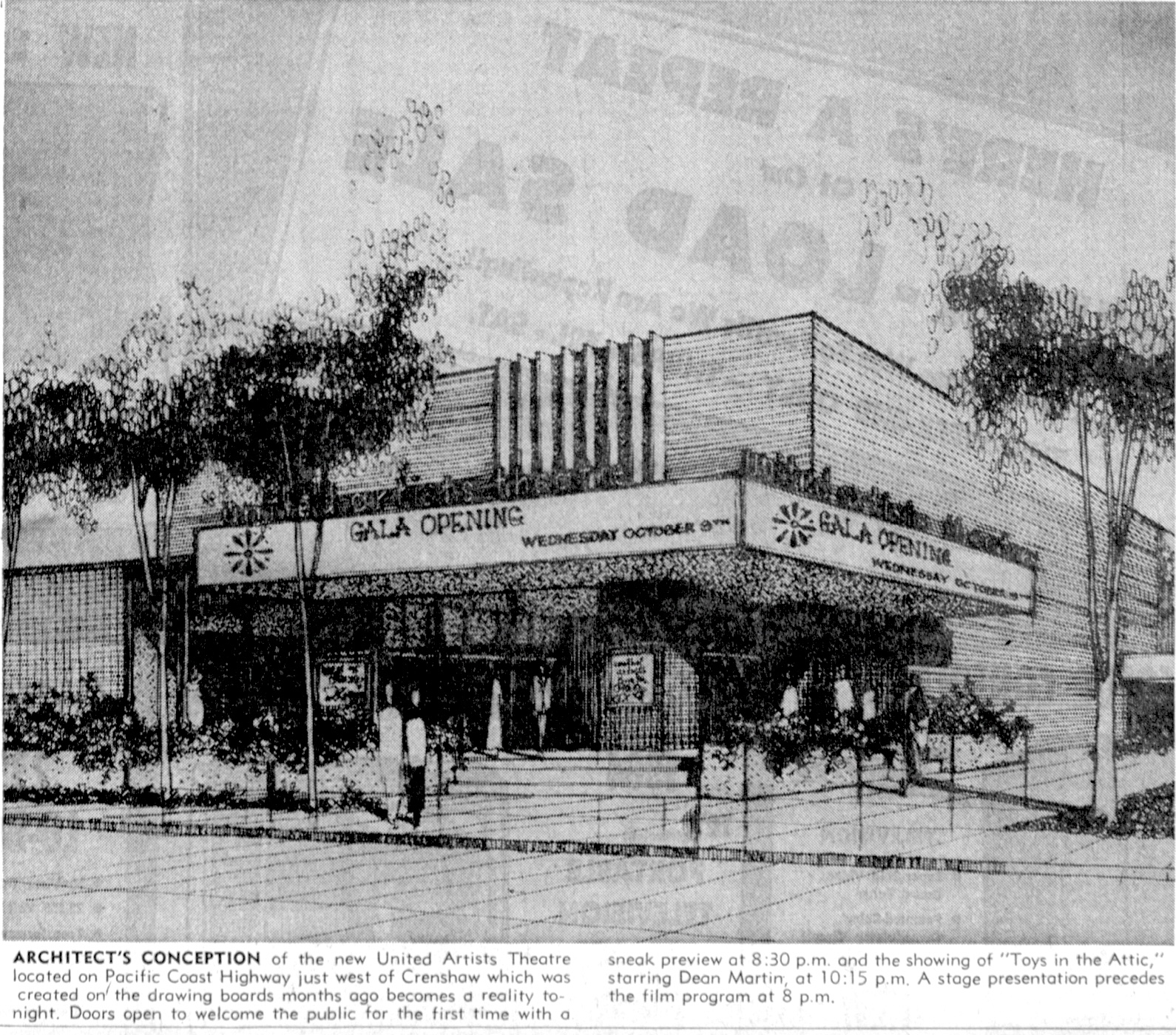
The rest of Airport Plaza began to fill in as well, with a new Bank of America branch and the United Artists Theater among the new additions in 1963.

Torrance Press, Oct. 9, 1963, Page A-13. (Credit: Torrance Historical Newspaper and Directories Archive database, Torrance Public Library

Airport Plaza often was overshadowed over the next few years by its neighbor directly across Crenshaw, the Rolling Hills Plaza Shopping Center, which also opened in 1961.

Leonards Department Store lasted a bit longer than Big Ben, but by April 1975, it had been replaced by a large National Lumber Co. location.

A mid-1980s renovation effort brought in new stores such as Miller’s Outpost, Men’s Clothiers and Big 5 Sporting Goods. But by the late 1990s, the shopping center was looking its age, with its anchor Circuit City store not drawing customers as it once did. (The Circuit City chain filed for bankruptcy in 2008.)

In the early 2000s, Airport Plaza was purchased by La Caze Development, whose owner Norm LaCaze told the Daily Breeze that the center “looks like it needs a bit of help.” LaCaze planned shopping center remodeling as part of his vision to make the Crenshaw-PCH intersection area a major shopping destination.

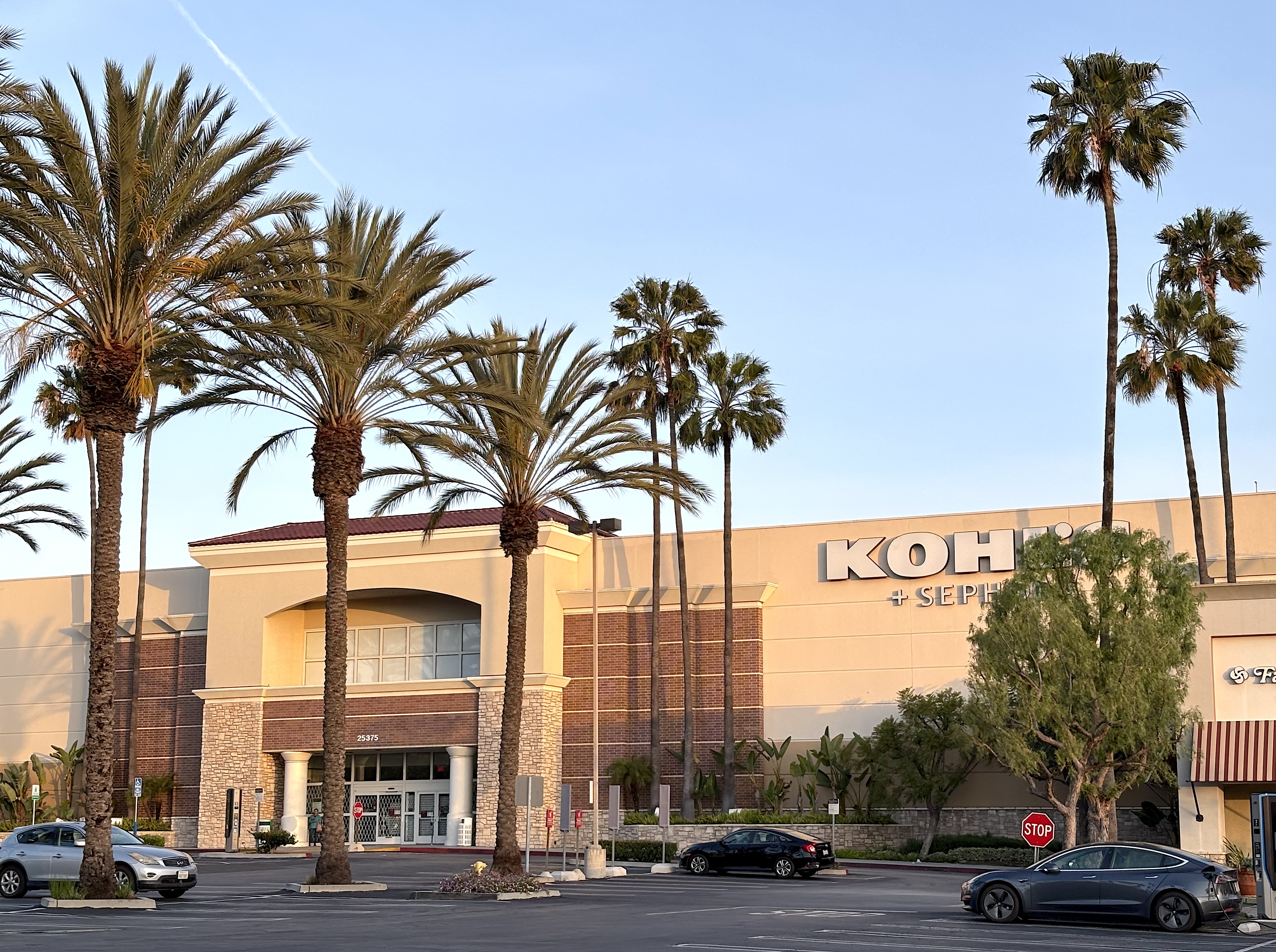
The announcement in March 2002 that the Wisconsin-based retailer Kohl’s would be opening one of its first California stores there gave the center a major boost. A new building was built to house the two-story department store.

Kohl’s opened its store at Torrance Towne Center in 2003. (April 2025 photo by Sam Gnerre)

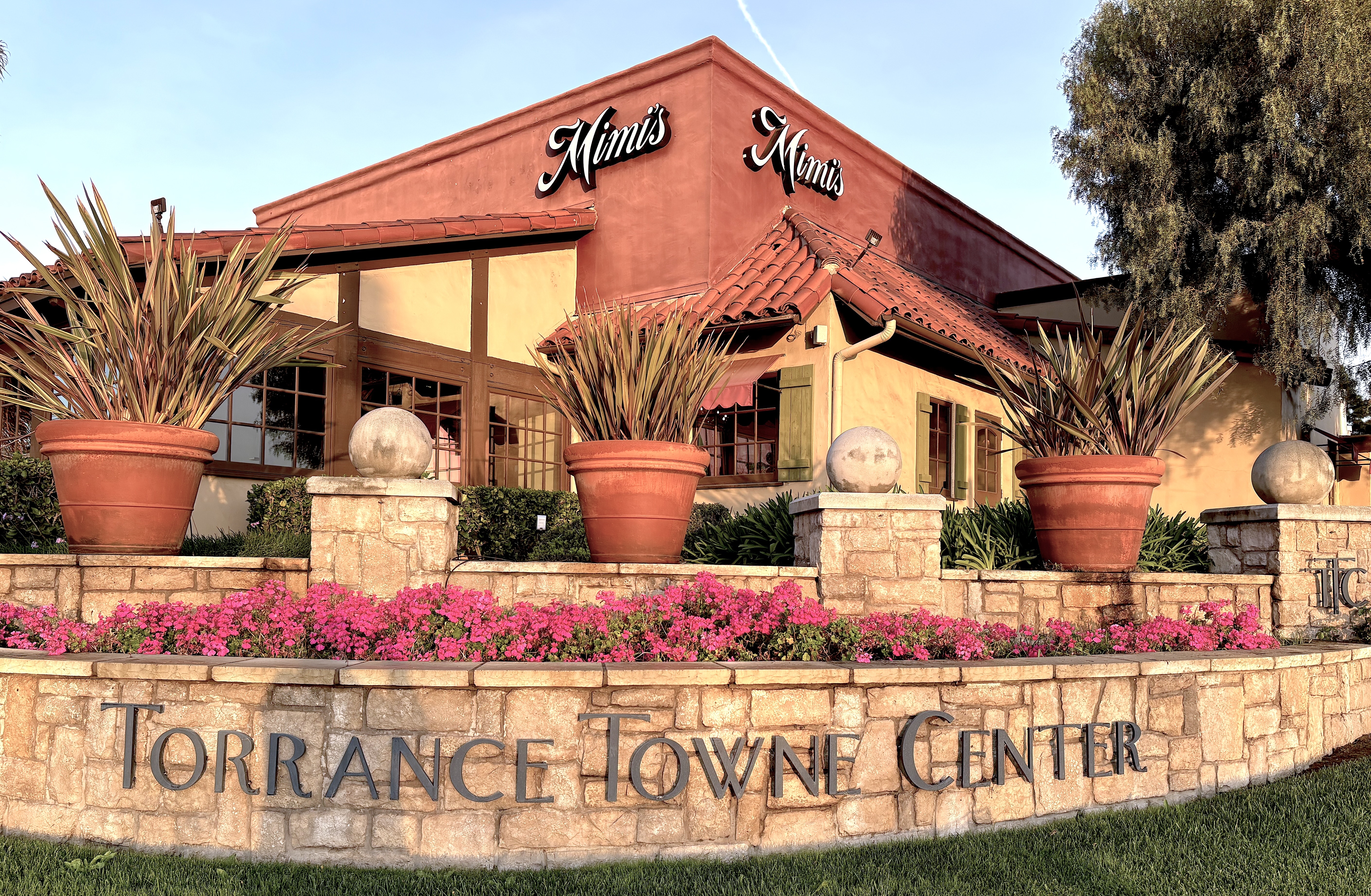
In addition, the whole center was updated and remodeled, and given its new name: Torrance Towne Center.

In recent years, newer stores have joined Kohl’s and Big 5 Sporting Goods there. Among them are a Howard’s Appliance TV & Mattress, a large Goodwill store, Road Runner Sports and a larger location for Smart & Final. Also, a plethora of restaurants have joined longtime eateries Mimi’s Cafe and Gaetano’s, the most recent of which is a new branch of The Habit chain.

Factoring in the addition of retail outlets on the south side of PCH in recent years together with the Torrance Towne Center and Rolling HIlls Plaza, LaCaze’s vision of the area as a retail destination seems to have become a reality.

Welcoming sign to the shopping center at the corner of Airport Drive and Crenshaw Blvd. (April 2025 photo by Sam Gnerre)

Sources:

Daily Breeze archives.

Torrance Press Herald archives.

Leonards full-page store ad, Torrance Herald, Jan. 10, 1963. (Credit: Torrance Historical Newspaper and Directories Archive database, Torrance Public Library)

The Gardena Buddhist church has endured for nearly 100 years despite challenges

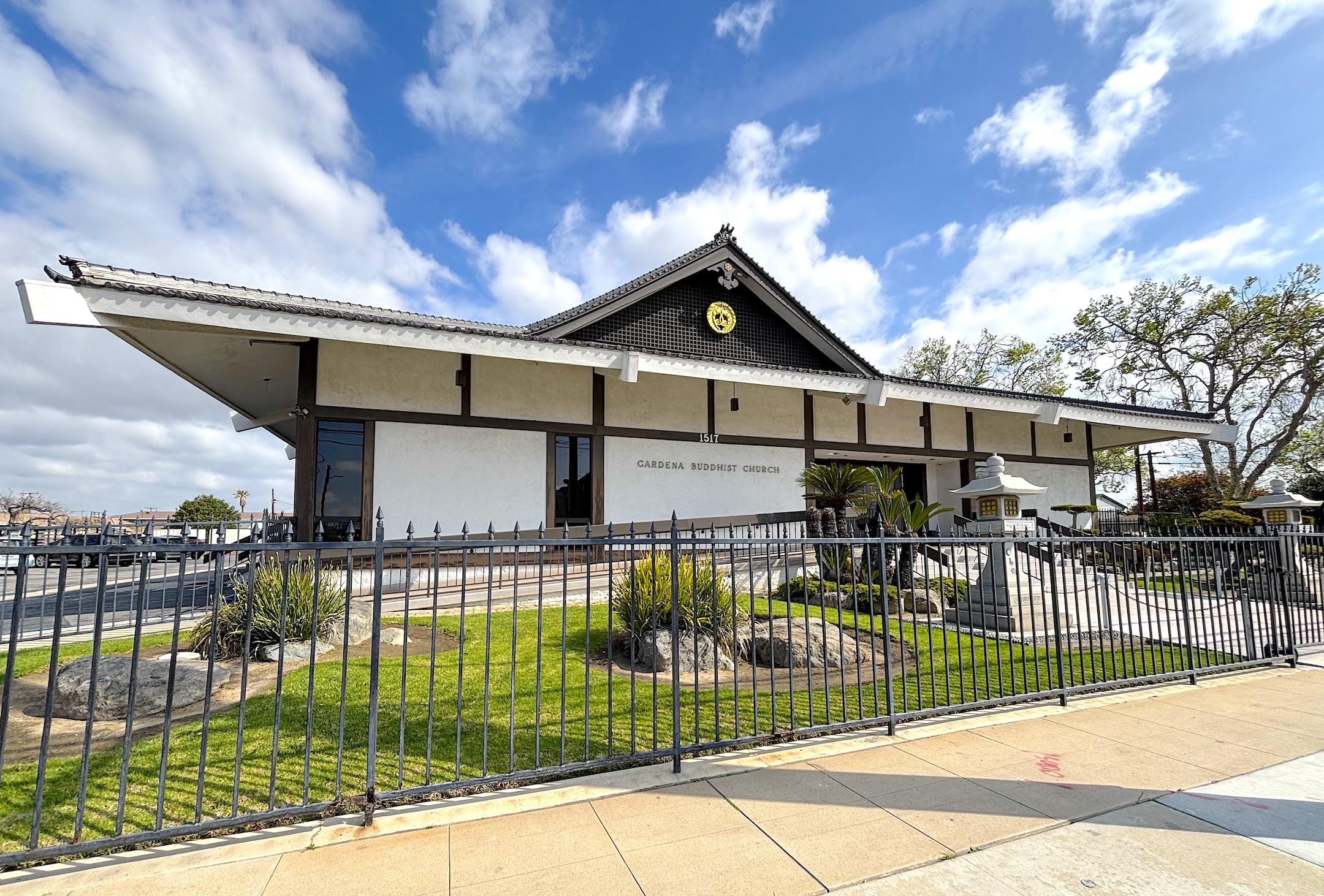
The Gardena Buddhist Church has weathered many storms since its founding 1n 1926. (March 2025 photo by Sam Gnerre)

The first Buddhist churches of any kind in the country were built in the Bay Area in the early 1850s by Chinese migrant workers who had come to the U.S. to work in the mining and railroad industries.

The first Japanese Buddhist church in the U.S. was built in San Francisco much later, in 1899. It was preceded by a sharp rise in Japanese immigration to the U.S. that can be traced to bad economic conditions in their homeland caused by the 1904-05 Russo-Japanese war. 

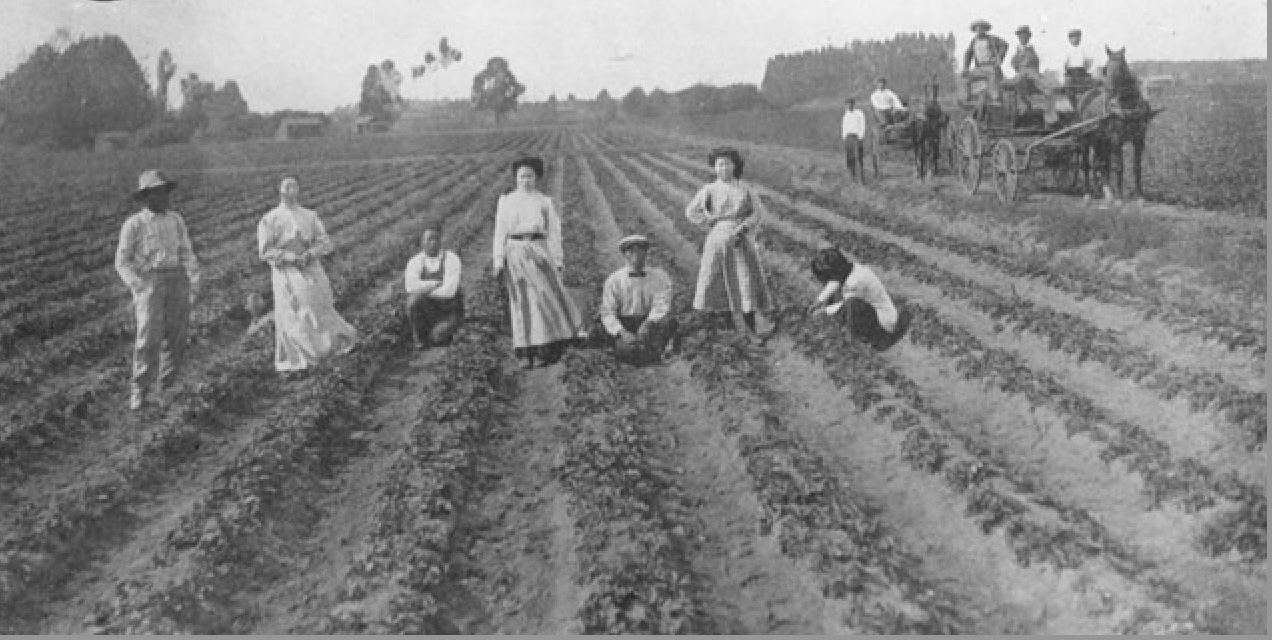
Large numbers of Japanese immigrants came to the West  to work in the agriculture industry. A sizable number settled in the Gardena area, which at that time had so many strawberry farms that it was known informally as “Berryland.”

A Japanese family works in a Gardena strawberry field in 1912. (Credit: Photo courtesy Gardena City Clerk’s Office)

During World War I, many of the farms were repurposed for the war effort and never returned to their pre-war use. Many of the Issei, as the first generation of immigrants were called, worked plots of land they leased back from landowners after the war. (The Alien Land Law of 1913 forbade Asians from owning land.)

The flow of Japanese immigrants stopped cold with the passage of the Immigration Act of 1924, which specifically banned further Asian immigration. Knowing they could never return to the U.S. if they left, the Issei in Southern California began in earnest to build their cultural infrastructure, including religious organizations.

By the 1920s, there were more than enough practicing Buddhists in the Gardena area to support a free-standing church. In May 1926, the very first iteration of the Gardena Buddhist Church was formed in a small $3,500 building on Main St. near Gardena Blvd. 

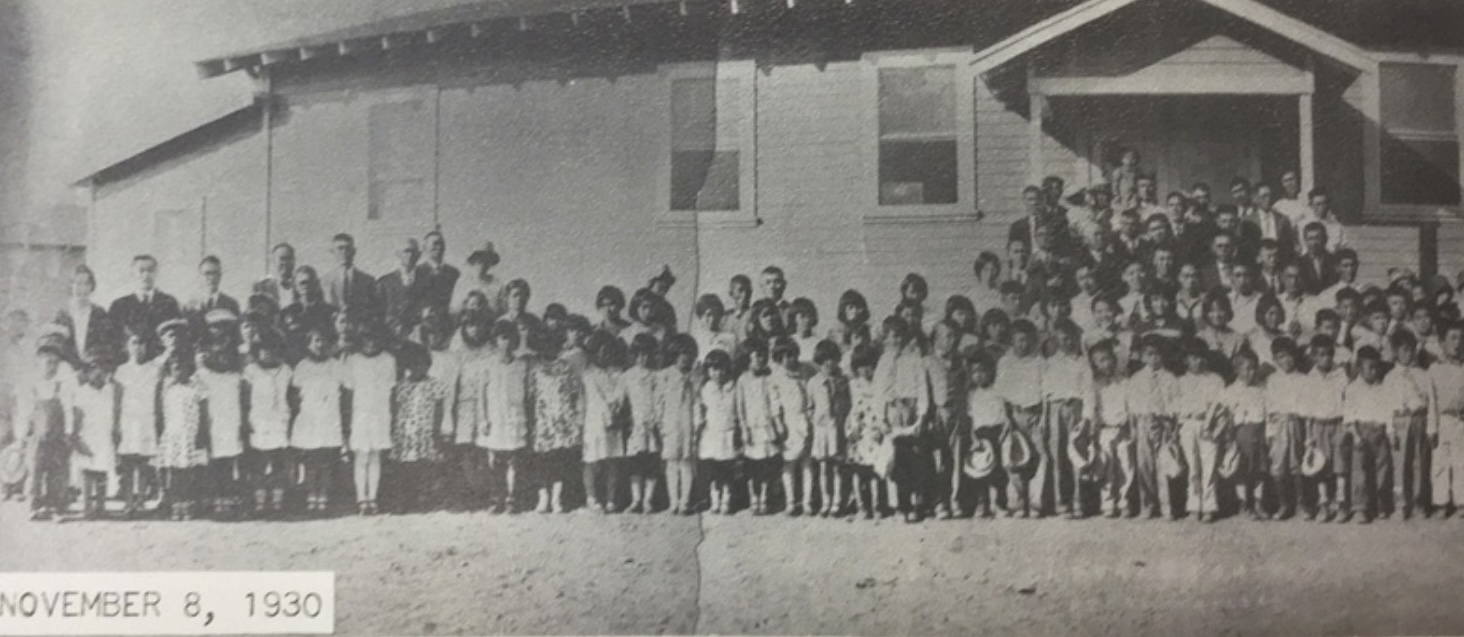
Japanese children pose for a group photo at the Gardena Buddhist Church Japanese Language School in 1930. (Credit: Courtesy of Gardena Buddhist Church)

Two years later, the church opened its school, the Gardena Buddhist Church Japanese Language School. The church’s minister, Rev. Kosei Ogura, performed double duty as principal of the school. He held the posts from 1928 to 1980.

Before World War II, the school’s students were required to be the offspring of church members and practicing Buddhists. These restrictions were removed after the war.

The church itself grew rapidly in its early years. In May 1931, church leaders purchased a larger plot of land at what is now the church’s current location, 1517 166th St. in Gardena. The original church building was moved to the new lot, and an addition was built onto it. It opened in November 1931.

In 1938, a new church building was erected on the west end of church property at a cost of $18,000. The school moved into the former original church building.

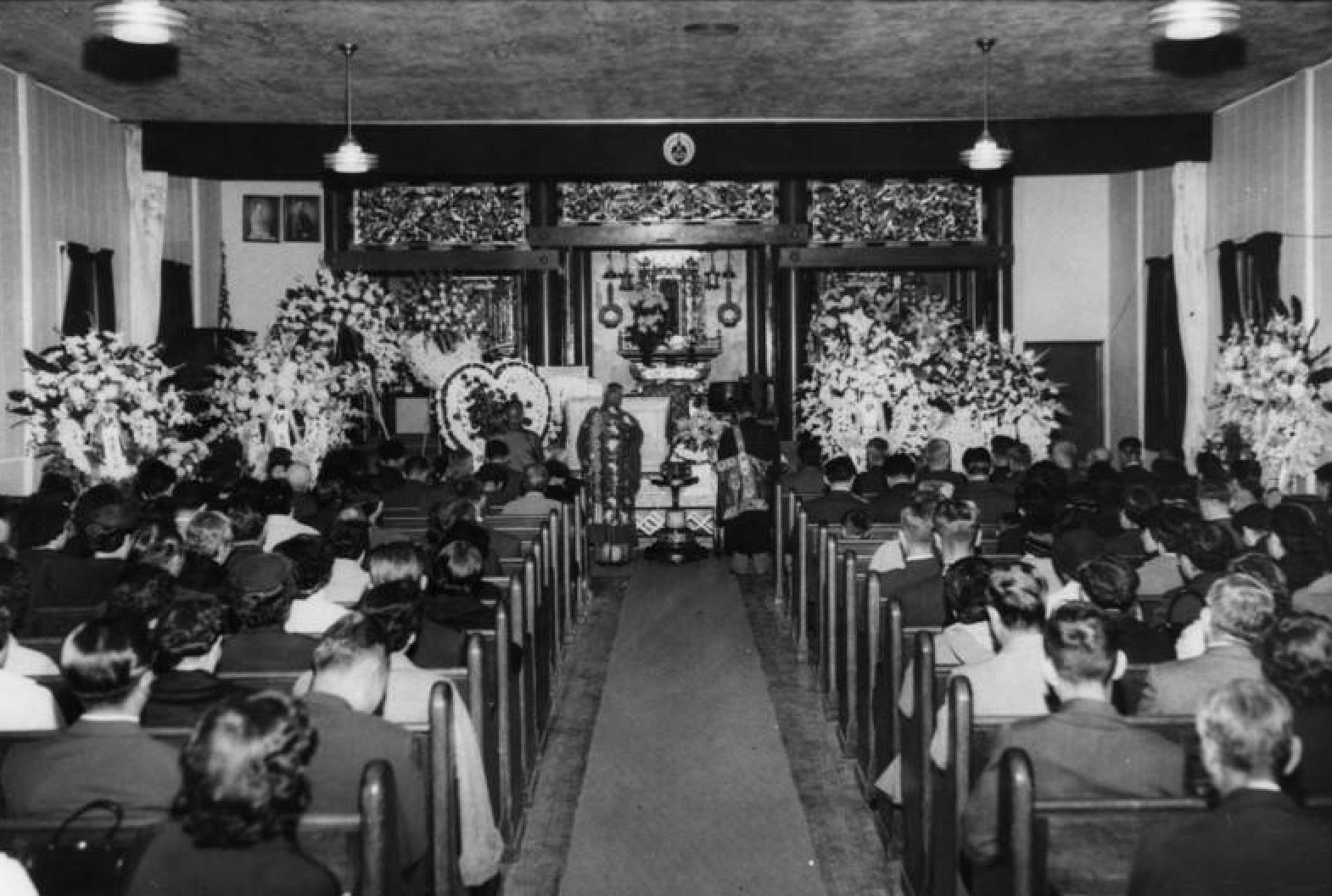
The interior of the church can be seen in this photo from the funeral rites for Saki Tahara at the Gardena Buddhist Church in 1957. (Credit: Los Angeles Public Library Photo Collection)

The Japanese attack at Pearl Harbor and the subsequent relocation of Japanese-Americans into internment camps led to the closure of the church and the school for the duration of the war. The church and school buildings were used to store baggage for internees.

In September 1945, the church reopened, and served as a hostel and community center for returning Japanese internees for the next three years. In October 1948, it was allowed to operate as a fully functioning church again.

In February 1959, the church and its congregation began planning for new church and school buildings to replace the aging structures that were then being used. The old school structure would be transformed into a social hall under the plan.

The needed funds, approximately $300,000 for both church and school, were raised, and ground was broken for the new 14-room school building in June 1962. It opened the following November.

The groundbreaking for the new main church building, the fourth in its history, was held in October 1962, and it was completed in 1963. A gala  two-day dedication for both new buildings was held on Oct. 5-6, 1963.

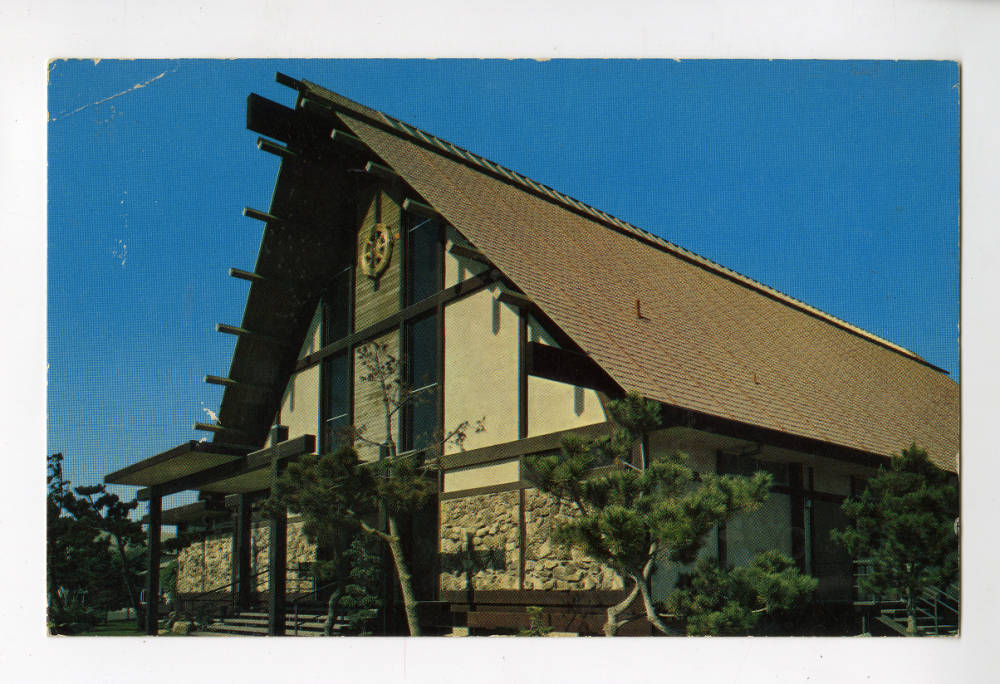
The Gardena Buddhist church as built in 1963, before it was destroyed by fire. Undated postcard circa 1963-1979. (Credit; CSUDH Digital Archives)

At the time, it was considered to be one of the largest Buddhist churches in the country, and it remains the largest in the South Bay and Harbor Area. Its annual Obon Festival honoring the dead draws large crowds every August.

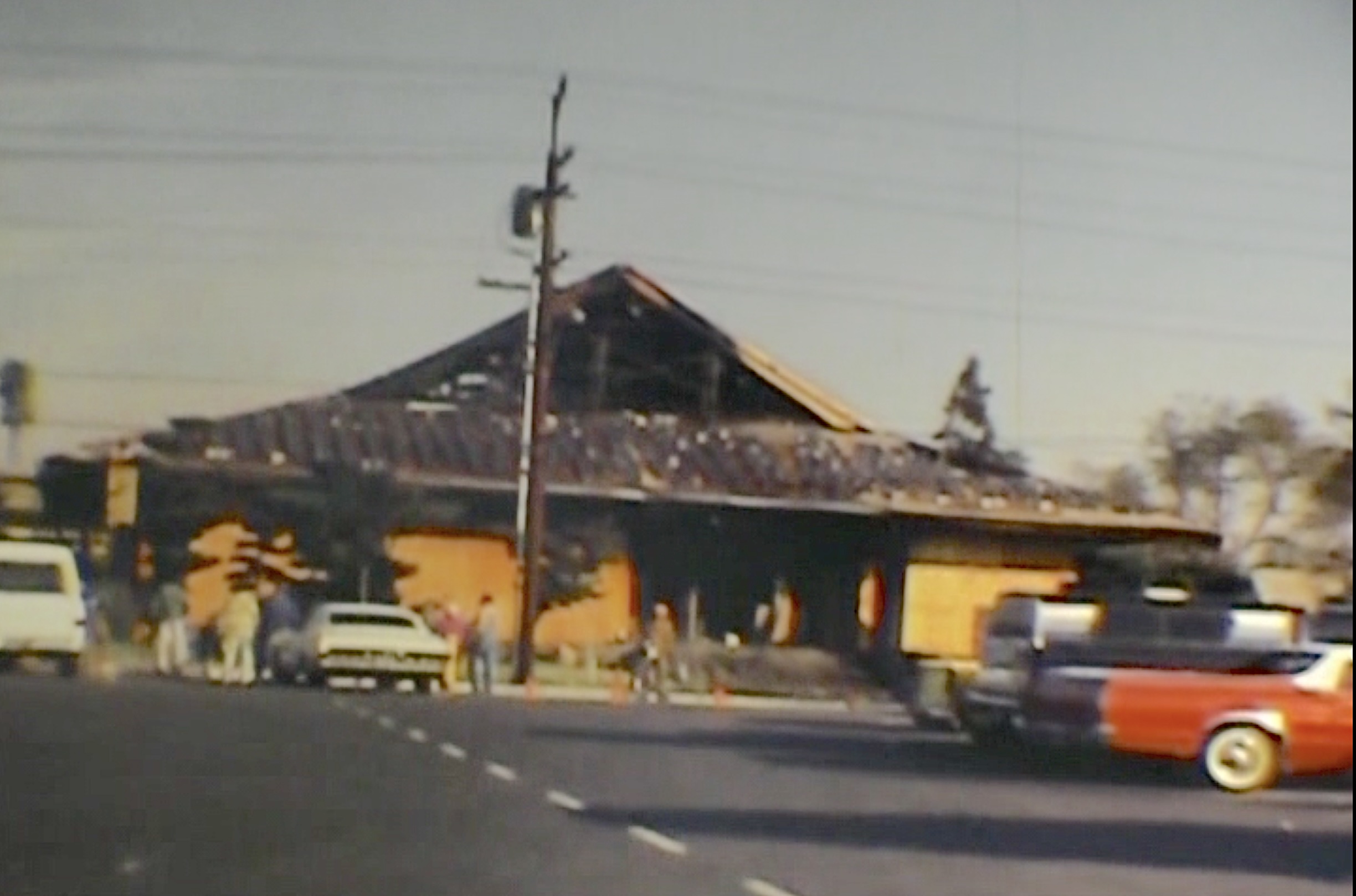
The Gardena Buddhist Church’s story took an unexpected and tragic turn early in the morning on Sunday, July 13, 1980. Starting at about 4 a.m., flames from a fire in the basement ravaged the church buildings, totally gutting everything except the main church’s facade and exterior walls. Damage from the suspected arson was put at $750,000, and many irreplaceable religious artifacts were destroyed.

The church and business communities raised $800,000 in rebuilding funds over the next 16 months. The church’s restoration work was 70 percent complete when a second blaze, also estimated to have been set at 4 a.m., destroyed most of the new construction.

Police arson investigators had been unable to make any arrests in the case. Unbelievably, a third, much smaller fire broke out on Friday, Feb. 12, 1982, again in the church’s basement.

Still from 1981 video shows reconstruction underway at Gardena Buddhist Church following the 1980 fire. (Credit: CSUDH Digital Archives)

Five months later, John Alden Stieber, a 47-year-old handyman with a history of mental illness turned himself in to Gardena police. He was deemed responsible for setting fires at seven South Bay area churches in all between 1980 and 1982.

At his trial, he was convicted of the crimes but judged not guilty by reason of insanity and sent to a mental hospital. Psychiatrists who examined him said he believed that the Catholic church, the Bank of America and the Japanese people were conspiring together to take over the U.S.

The Gardena Buddhist Church was rebuilt once more, this time with a lower, sleeker roof. The church continues to serve its congregation and community as it nears its 100th anniversary in 2026.

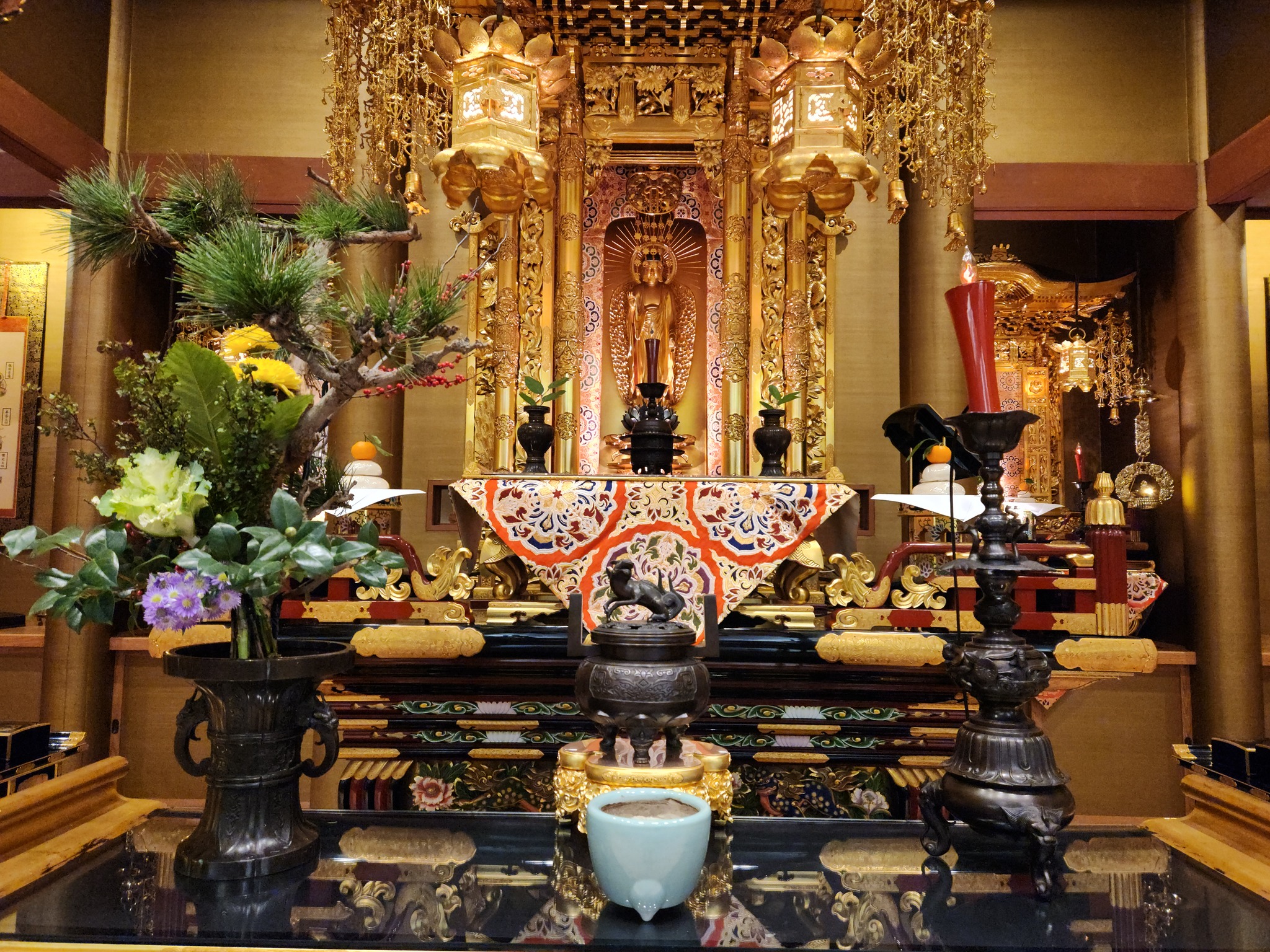
The main altar inside of Gardena Buddhist Church. Jan. 3, 2023. (Credit: Gardena Buddhist Church Facebook page)

Sources:

Daily Breeze archives.

Gardena Buddhist Church and Gardena Buddhist Church Japanese Language School websites.

Gardena Valley News archives.

Los Angeles Times archives.

Wikipedia.

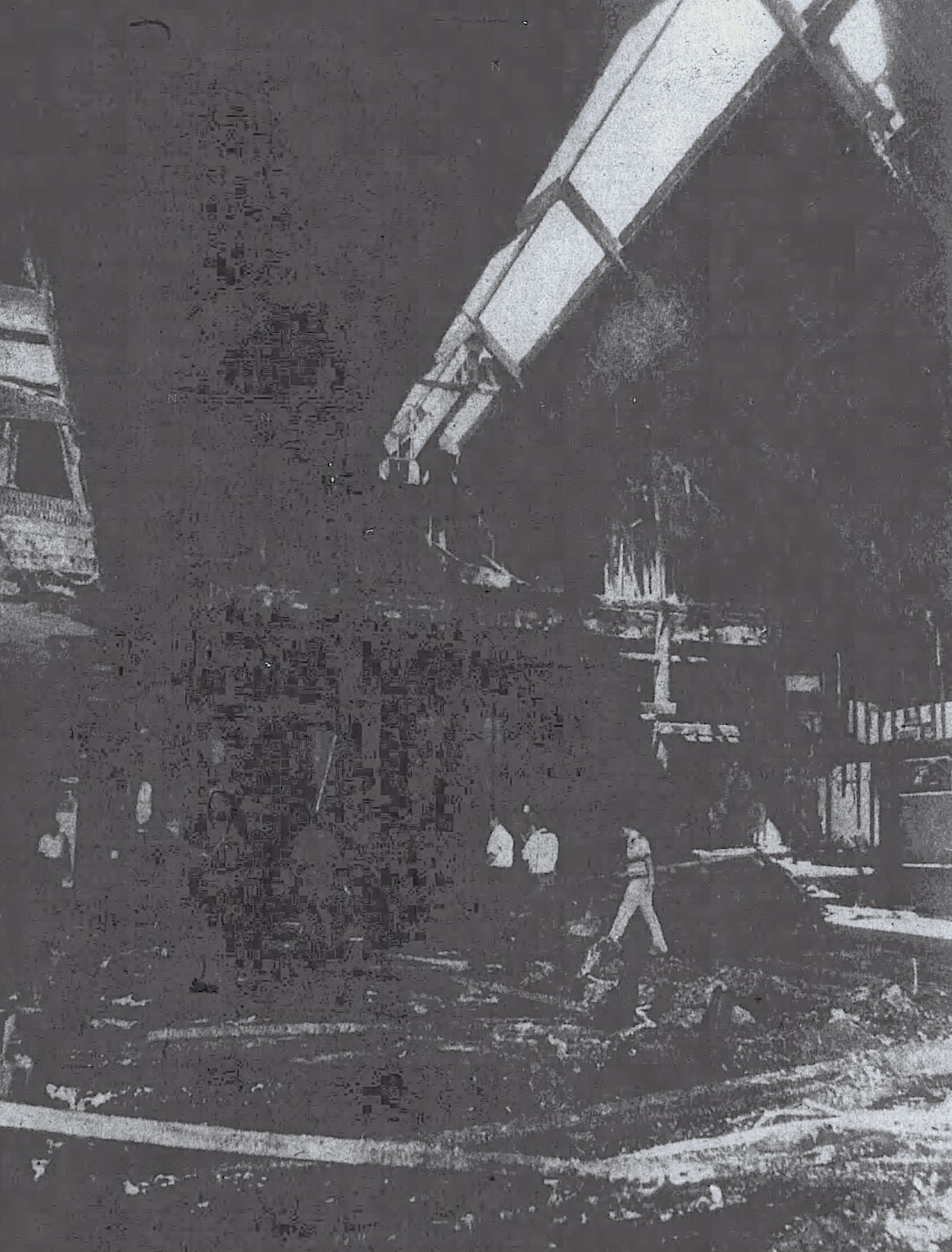
Investigators probe the July 13, 1980 arson fire that destroyed the Gardena Buddhist Church. July 16, 1980. (Credit: Daily Breeze staff file photo by Jack Wyman)

William Howard Taft remains the only U.S. President ever to visit San Pedro

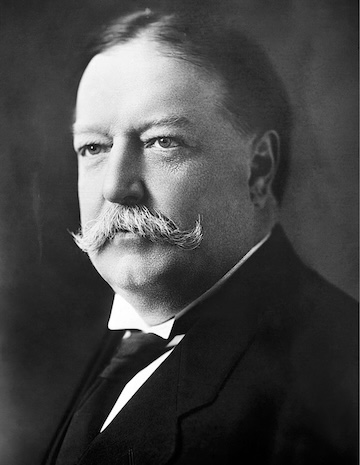
William Howard Taft in 1908. (Credit: Wikimedia Commons)

A little less than a year after being elected the 27th president of the U.S. in 1908, William Howard Taft planned an official trip to Los Angeles that included visits to not only the city itself,  but also to several of its outlying areas. These included the first, and so far, the only visit to San Pedro by a sitting U.S. president.

San Pedro was then the newly minted home of the Port of Los Angeles. The once-independent city had been officially consolidated into the larger metropolis on Aug. 28, 1909.

The San Pedro transformation had been underway for several years. The use of the area as a port was pioneered by shipping magnate Phineas Banning in the latter half of the 1800s.

As for the 52-year-old Taft, he’d already had a long and distinguished career as a lawyer and had been awarded a federal judgeship in 1891. In 1904, President Theodore Roosevelt named him Secretary of War, and he made it clear that Taft would get his endorsement after Teddy finished his second term in 1908.

Taft easily defeated William Jennings Bryan in the November 1908 election, and took office on March 4, 1909. He proposed the Western trip literally days later on March 9. He floated the idea of visiting Alaska on the trip, but that was deemed impractical due to the time and great expense it would demand.

Seven months later, he began his westward cross-country train trip, still no small undertaking in that era. The purpose of the unprecedented journey went beyond just getting a first-hand look at the still-developing West. Taft also wanted to inspect the coast’s military fortifications, which were sparse at the time. 

In addition, he needed to take a look at Western seaports, including the new one in San Pedro, to test their ability to handle increased traffic from the Panama Canal, then under construction. He was a major booster of the Canal, which opened in 1914, two years after he left office.

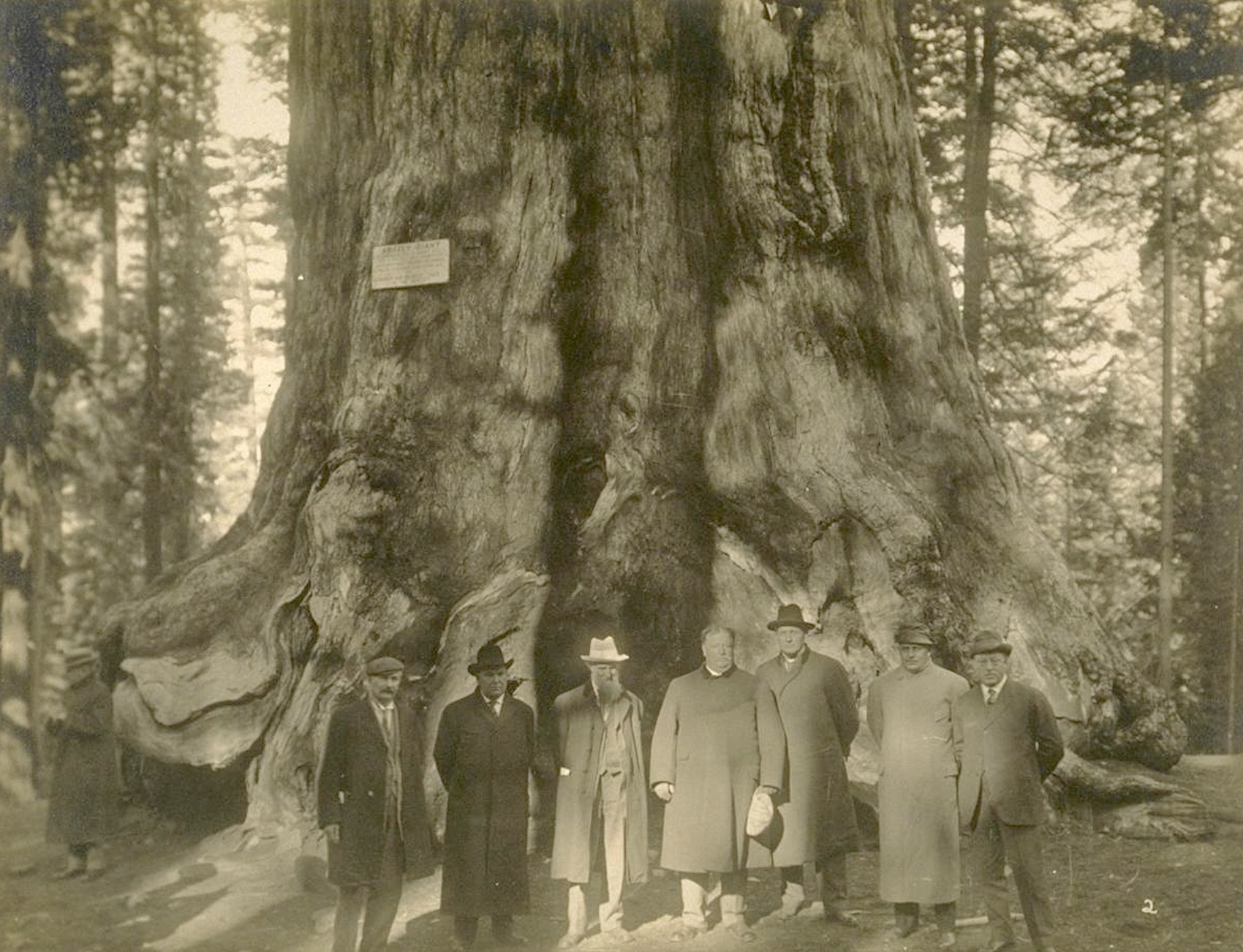
John Muir, center with white hat, and President Taft, right of Muir with no hat, and other dignitaries in front of the Grizzly Giant sequoia tree in the Mariposa Grove in October 1909. (Credit: UC Berkeley Bancroft Library via Online Archive of California) 

The California swing began in San Francisco, where Taft arrived on his custom private railroad car, the Mayflower, on Oct. 8, 1909. From there, he spent two days in Yosemite National Park, with naturalist John Muir as his guide.

The presidential entourage arrived in downtown Los Angeles at the Arcade Depot, Union Station’s predecessor, on the morning of Oct. 11, 1909. After a brief welcome in Los Angeles, Taft got right back on the train for the trip down to San Pedro.

He arrived at the Fifth St. train station San Pedro shortly before 8 a.m. The town had been decorated festively with flags and bunting for the occasion, and the reception by locals was a warm one.

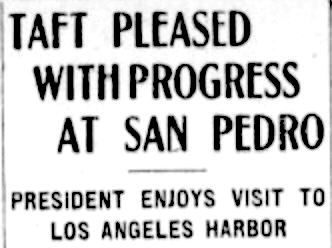
Healdine from Los Angeles Herald, Oct. 12, 1909, Page 5. (Credit: Los Angeles Herald archives)

Dozens of boats joined the procession as it proceeded around the outer harbor. Taft was impressed by the work that had been done on the new harbor so far, and saw its potential. 

From there, Taft boarded the launch Perdito at the dock for a harbor tour. As the boat navigated the waters, boats saluted it by sounding their ship’s whistles and bells. When the Perdito passed the USS McCullough, the sailors onboard sounded a twenty-one gun salute in tribute.

After the harbor tour, he said, “One thing you should do. Complete that breakwater. That will make one of the finest harbors in the world,” according to the Los Angeles Herald. The breakwater, then in the latter stages of its construction, was completed in 1912.

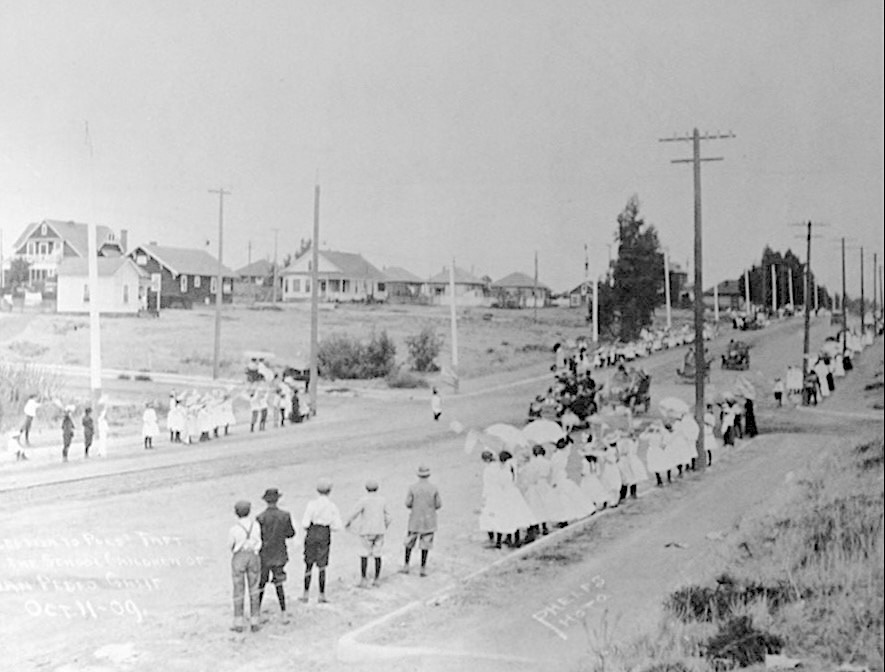
President Taft, in lead car in motorcade, greets San Pedro residents, including many schoolchildren, during his trip down Pacific St. on Oct. 11, 1909. (Credit: Historical Photo Collection of the Department of Water and Power, City of Los Angeles)

Back on land, the procession motored over to the proposed military site, with crowds of schoolchildren and adults greeting the President along the way. 

Upon seeing the future setting of Fort MacArthur, the Herald reported Taft to have said, “You must have fortifications. This is a wonderful site. What a fine base of supplies it will make. I did not believe such a site existed in this neighborhood.” 

Construction of Fort MacArthur began in 1914. For a time, it was the only military fortification on the Southern California coast except for the naval operations in San Diego. After touring the military site, the entourage returned to the Fifth Street train depot, ending their San Pedro stay. 

The train made two very brief stops on its way back up north, one in Wilmington and one in Compton, before returning to Los Angeles for a massive celebratory parade at 1 p.m.

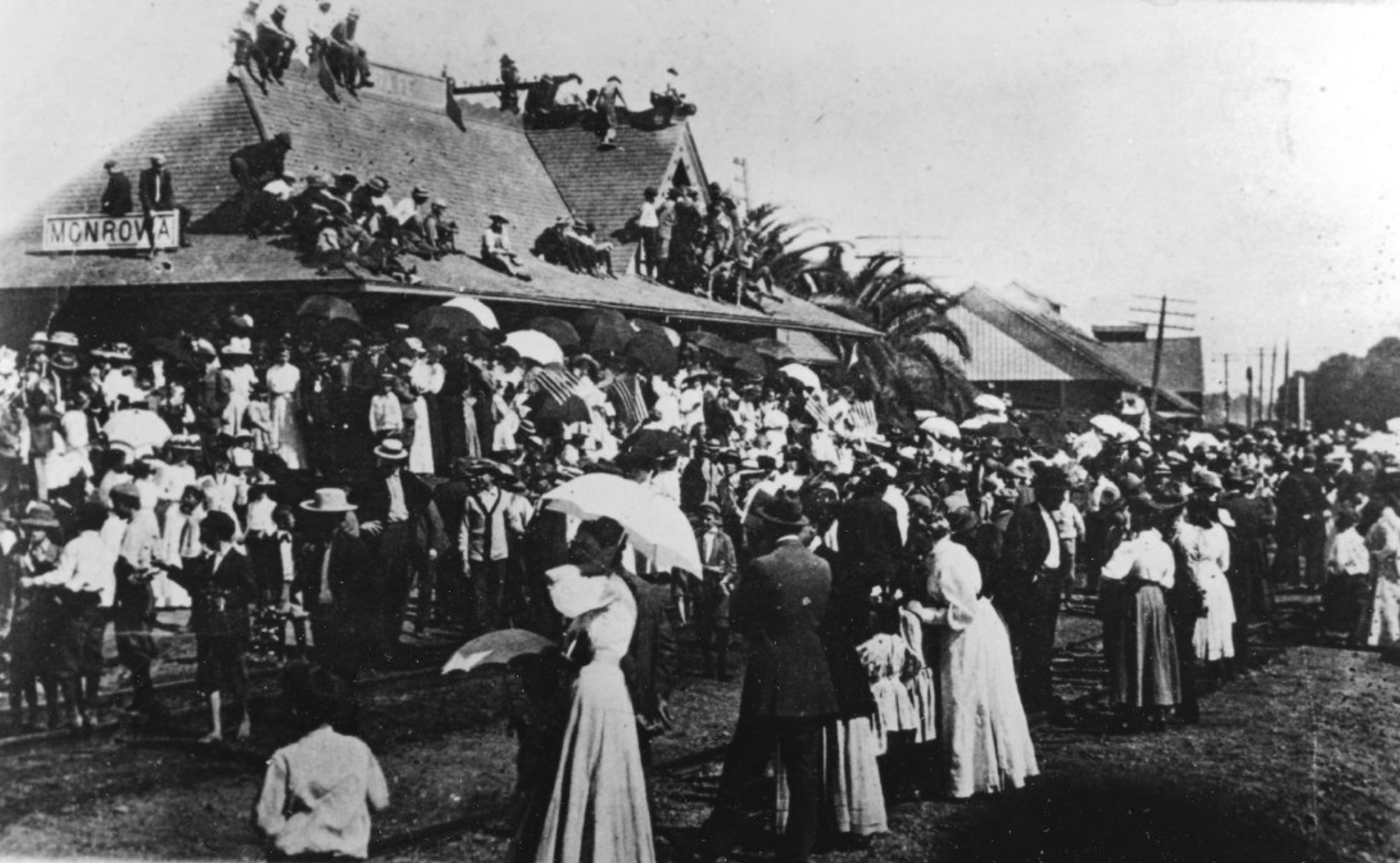
A crowd awaits the arrival of President Taft’s train at the Monrovia Santa Fe depot on Oct. 11, 1909. (Credit: Monrovia Historical Society)

President Taft would go on to visit Pasadena, Monrovia and the Riverside-San Bernardino area the next day before boarding the train for his return trip to Washington, D.C.

President Taft and Teddy Roosevelt would have a political falling out near the end of Taft’s term. Roosevelt decided to form a third party, the Bull Moose Party, in 1912 after losing his bid for the Democratic Party’s nomination.

The move split the Republican vote, and the Democratic Party candidate Woodrow Wilson ended up defeating them both in the 1912 general election. But Taft did finally get his dream job when Wilson’s successor, President Warren Harding, appointed him as Chief Justice of the U.S. Supreme Court in 1921. Taft served in that role until his death at 72 on March 8, 1930, just weeks after retiring from the high court. He remains the only U.S. president also to have served as Chief Justice.

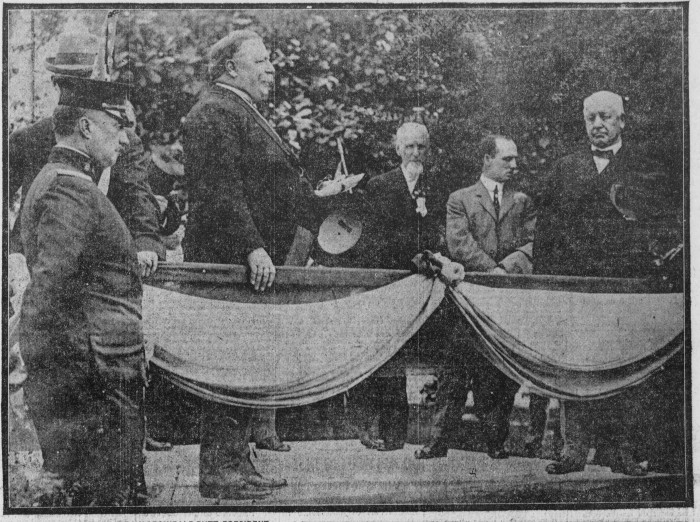
President Taft arrives back in Los Angeles after his San Pedro visit on Oct. 11, 1909. (Credit: Los Angeles Herald archives)

Sources:

Los Angeles Herald archives.

Los Angeles Times archives.
Port of Los Angeles: An Illustrated History From 1850 to 1945, by Ernest Marquez and Veronica De Turenne, Angel City Press, 2007.
Wikipedia.

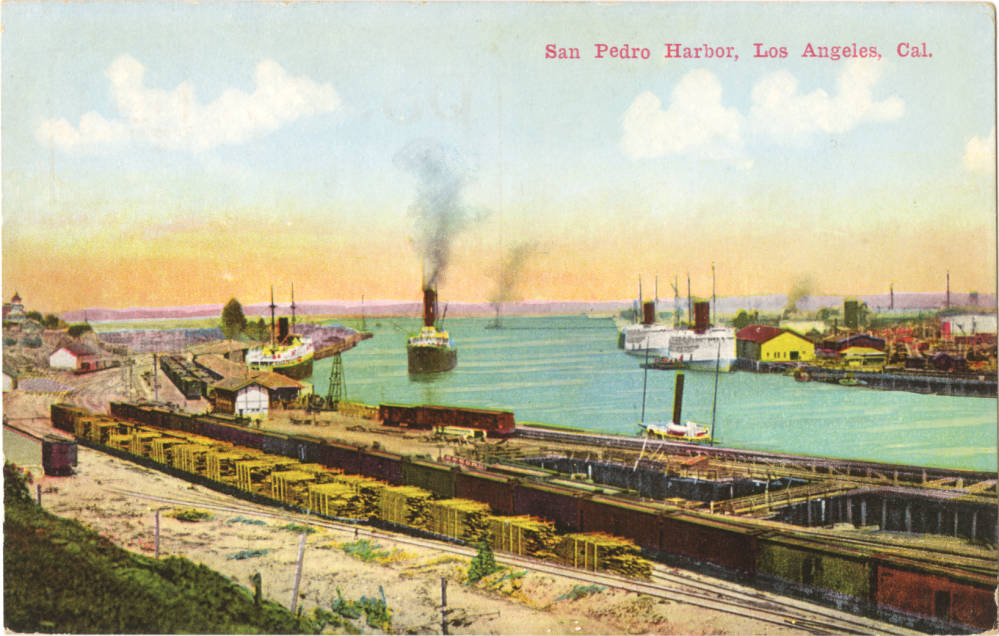
Undated postcard circa 1907-1914 gives us an idea of what San Pedro Harbor probably looked like during President Taft’s 1909 visit. (Credit: CSUDH Digital Archives)

Is this your new site? Log in to activate admin features and dismiss this message
Log In