
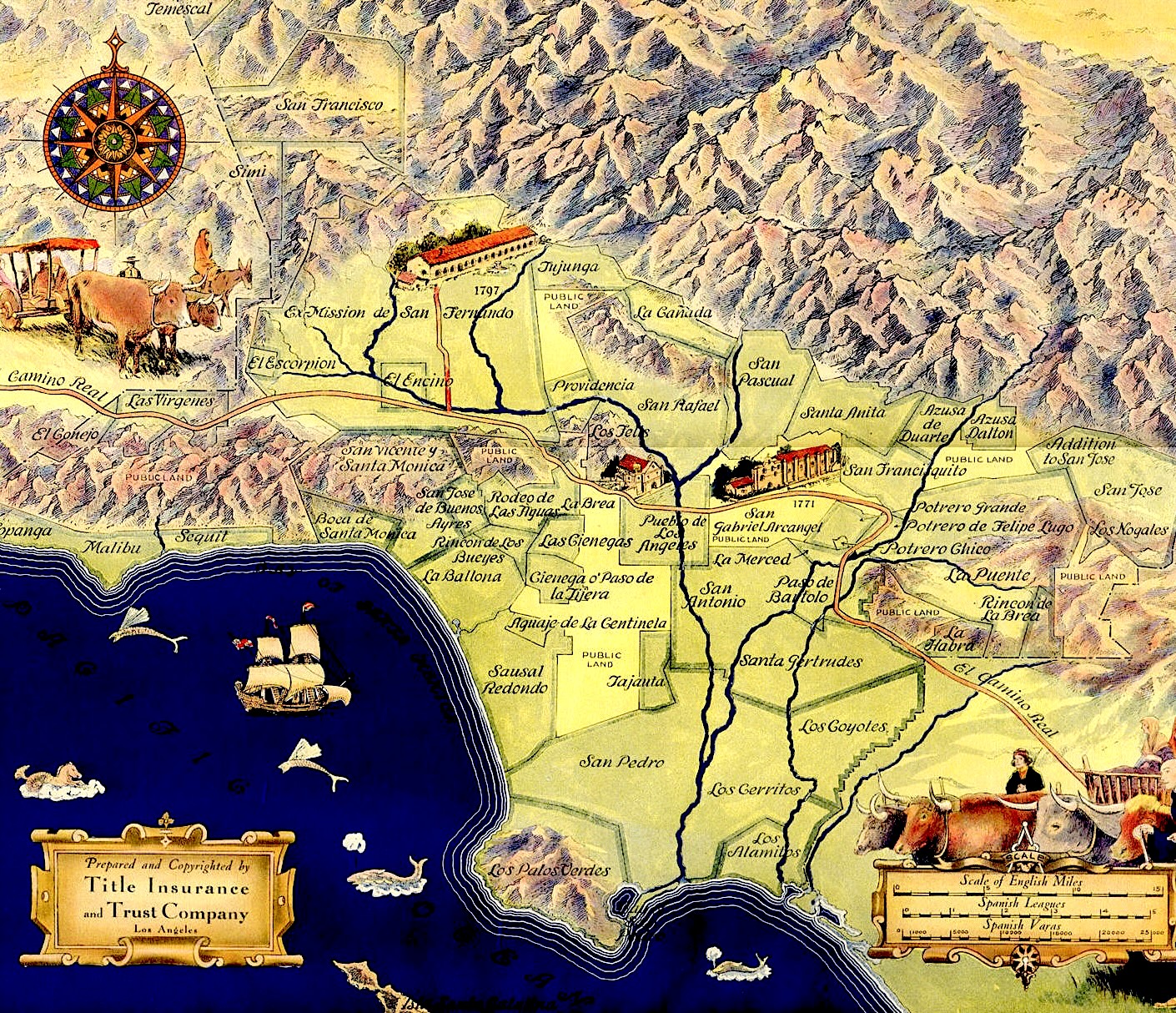
Among the many legacies left by the Spanish land grant families who once owned most of Southern California are a plethora of colorful place names, many of which we still use today.
Redondo Beach, for instance, was once part of the Rancho Sausal Redondo land grant. “Redondo” means round in Spanish, and probably refers to the general shape of the parcel. The rancho’s name literally means “round willow grove ranch.”
The many places bearing the Sepulveda and Dominguez names also come from major land grant families in the area.
As for the Walteria area in southwest Torrance, it sure sounds Spanish. But the name actually comes from A. Richard Walters, who built a hotel in the then-desolate area in the late 1800s. Developers later decided that “Walteria” sounded more appealing than “Walters.”
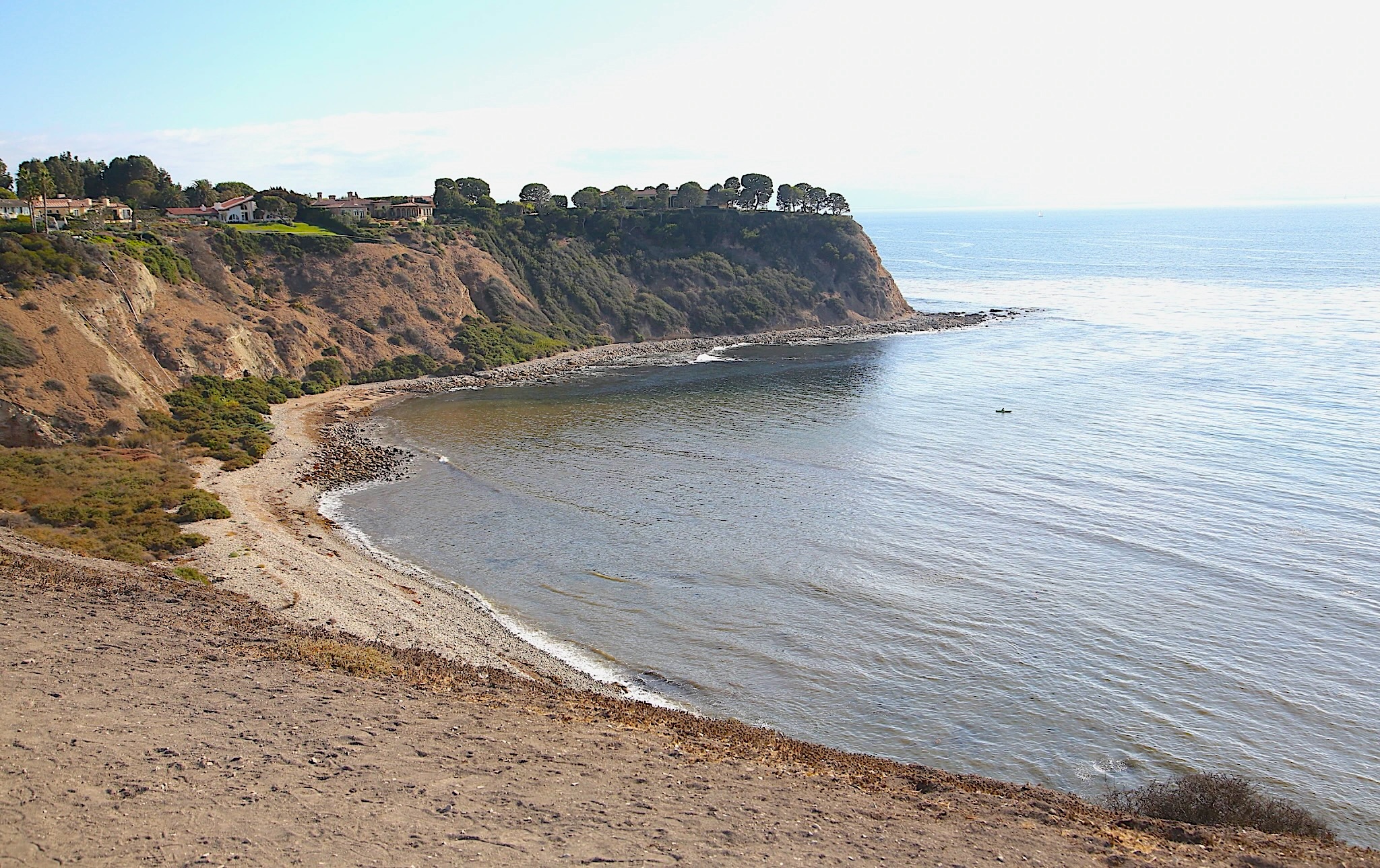
The practice of coining faux-Spanish names became an art form during the development of the Palos Verdes Peninsula in the 1920s, though developers also used many actual Spanish names. Lunada Bay, for instance, comes from “lunada,” the Spanish word for the crescent-shaped moon, an apt description of the stunning semicircular bay.
Malaga Cove is thought to derive from a distant unidentified Spanish sea captain who hailed from the Spanish coastal city of the same name. The eastern portion of the Peninsula known as Miraleste comes from the phrase, “Mira al este,” which translates “look to the east.”
But name creators also weren’t shy about making up Spanish-sounding place names. The Valmonte area of Palos Verdes Estates combines “val” and “monte” to create a new word meant to signify “where the valley meets the hill.” “Montemalaga” also coins a new word by combining the word for hill with Malaga to denote the hilly area of Malaga Cove.
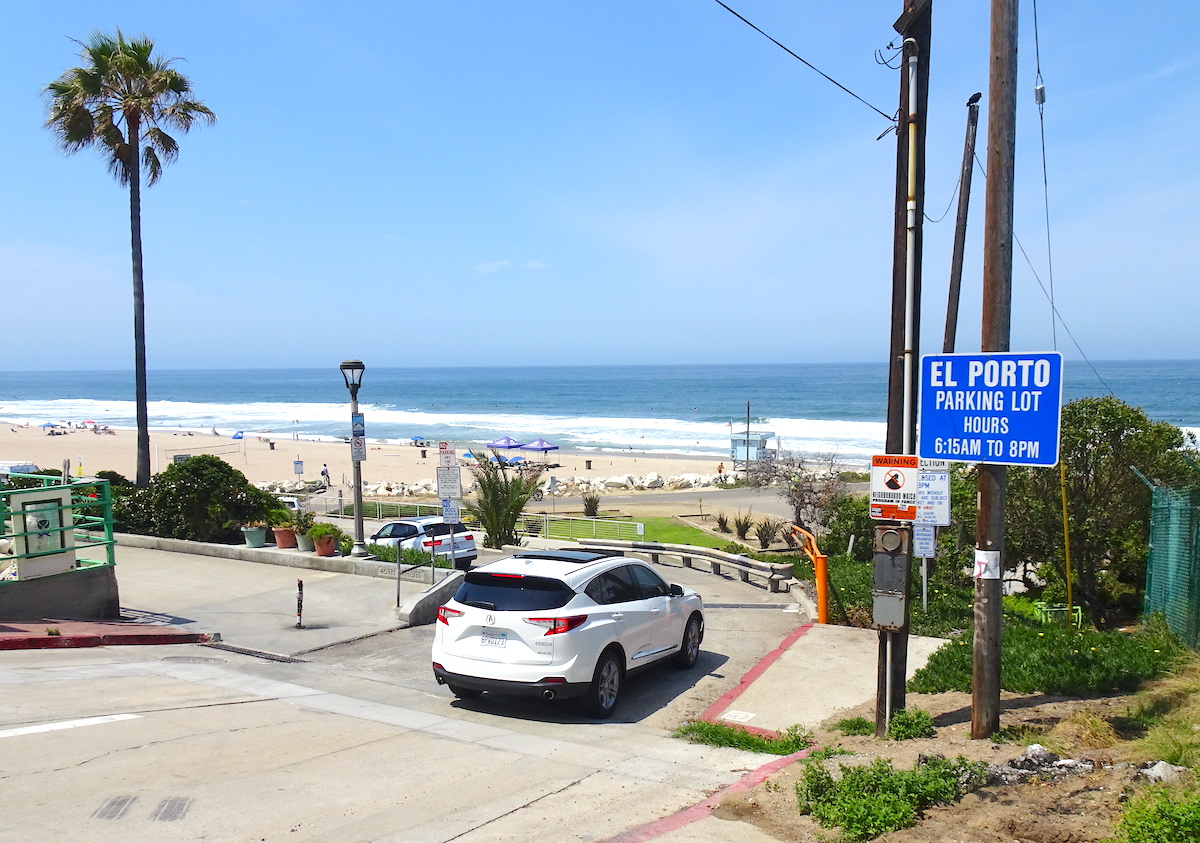
Up the coast in northern Manhattan Beach lies El Porto, first named in 1911. The 30-acre tract was annexed by Manhattan Beach in 1980. But its name doesn’t mean “the port” in Spanish. In that case, the name would have been “El Puerto.” Porto is the Portuguese word for “port,” but that language doesn’t use “el” as an article. The derivation is unclear, but developers probably simply thought “porto” meant port in Spanish.
The unincorporated El Nido area on the border of Torrance and Redondo Beach is Spanish for “the nest,” while the similarly unincorporated Del Aire area between Hawthorne and El Segundo means “of the air.”
Before writing about the Marble Estates development in Torrance for this blog in 2020, I assumed the name must have referred to marble, the rock; perhaps there’d been a quarry on the site once upon a time.
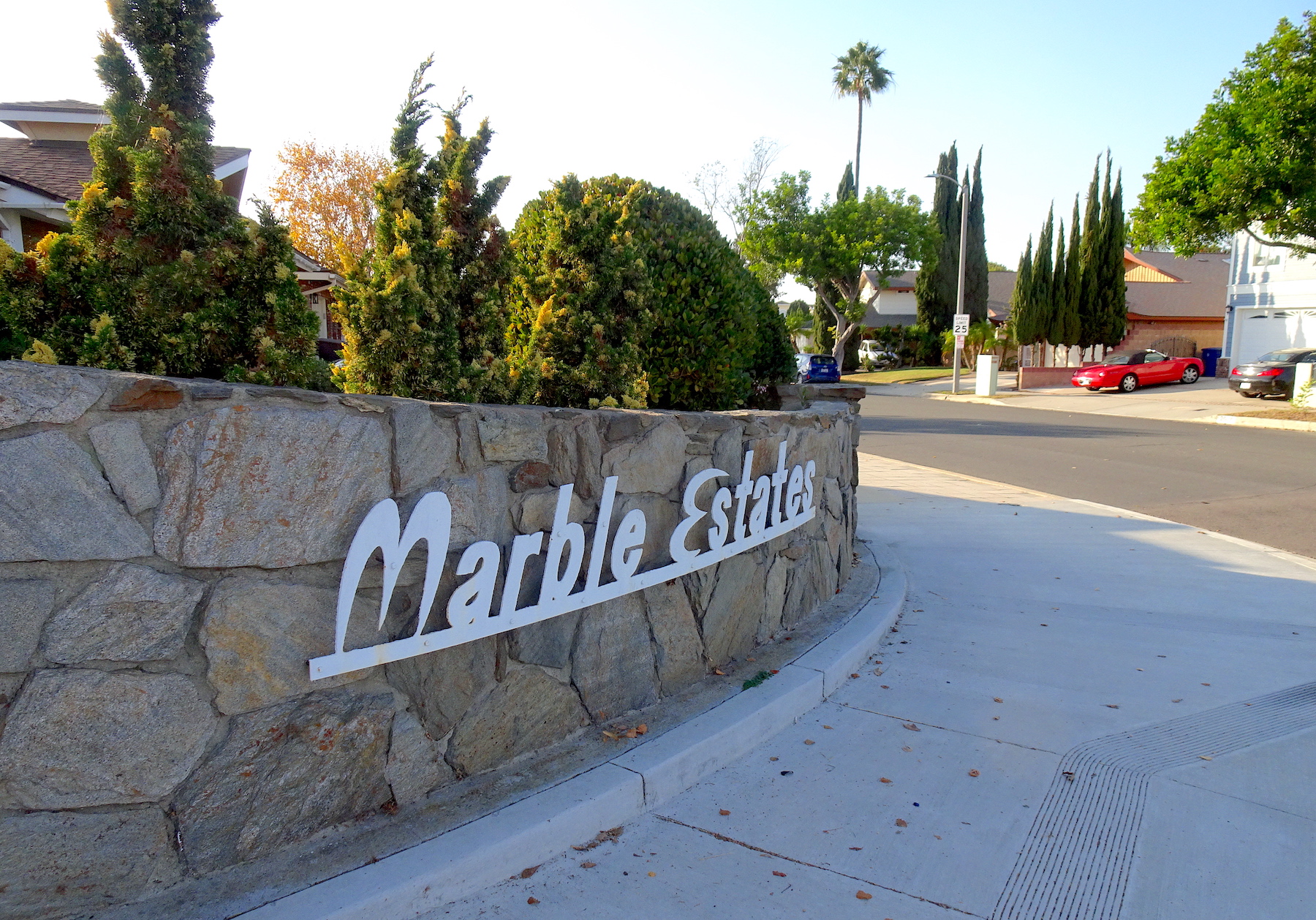
I learned that Marble Estates took its name from the Marble family, who owned the 200 acres southwest of the corner of Crenshaw and Sepulveda boulevards known as the Marble Fee property before selling it to Standard Oil during the 1920s oil boom. The company’s derricks eventually were cleared out to make way for the Marble Estates houses built in the mid-1960s.
The city of Gardena was created in 1930 with the unification of the communities of Strawberry Park and Moneta. Strawberry Park derived from the acres of berry farms that blanketed the area, mostly farmed by Japanese American workers.
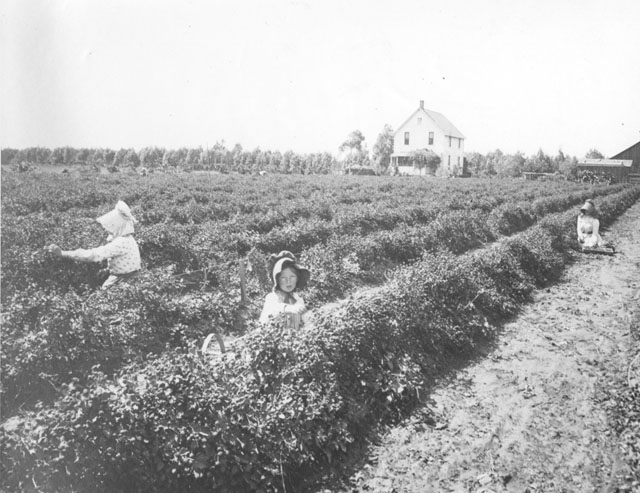
The neighboring Moneta area was named much earlier, in the late 1880s. Its origin is unclear, but it is believed that it was another case of developers merely liking the Spanish sound of the word and not honoring the Roman goddess Juno Moneta.
Shipping magnate Phineas Banning gave the town of Wilmington its name, after the Delaware city where he was born. Nearby Terminal Island got its name when it became the southern terminus of the Los Angeles Terminal Railway line that briefly connected the Harbor Area to Pasadena in the 1880s.
San Pedro’s Point Fermin was given its name by British explorer George Vancouver in 1793. He had just met California missions head Father Fermin Francisco de Lasuen in Carmel in 1792, and decided to name the point after him as he sailed down into San Pedro Bay a year later. (San Pedro’s Fermin Lasuen High School, open 1959-1971, also was named for the padre.)
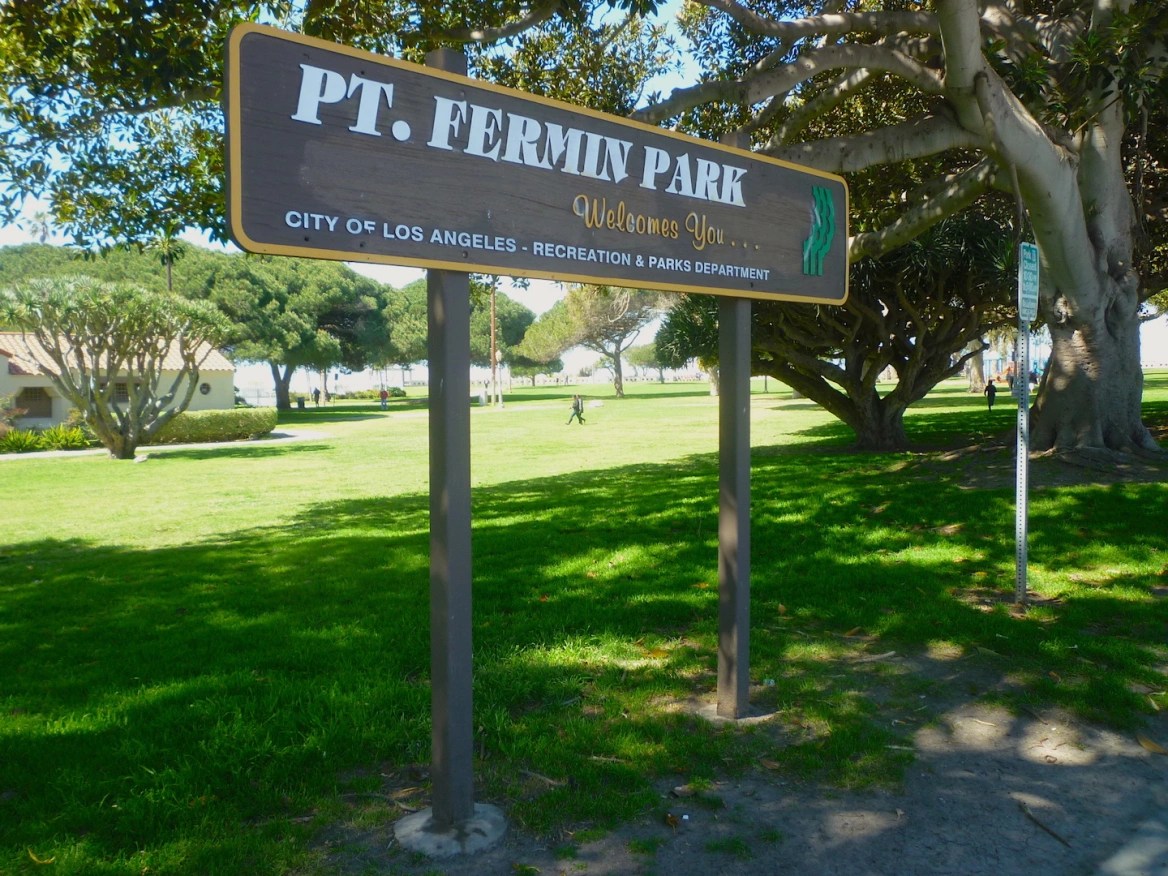
A bit further west of Point Fermin, Portuguese Bend derived its name from the community of Portuguese whalemen from the Azores led by Jose Machado who fished the area from the 1850s through the 1880s.
What about Terranea, the luxury housing/resort development built on the former Marineland site in Rancho Palos Verdes that opened in 2009? It sounds like a real word, but it was crafted from and is meant to evoke “Mediterranean.”
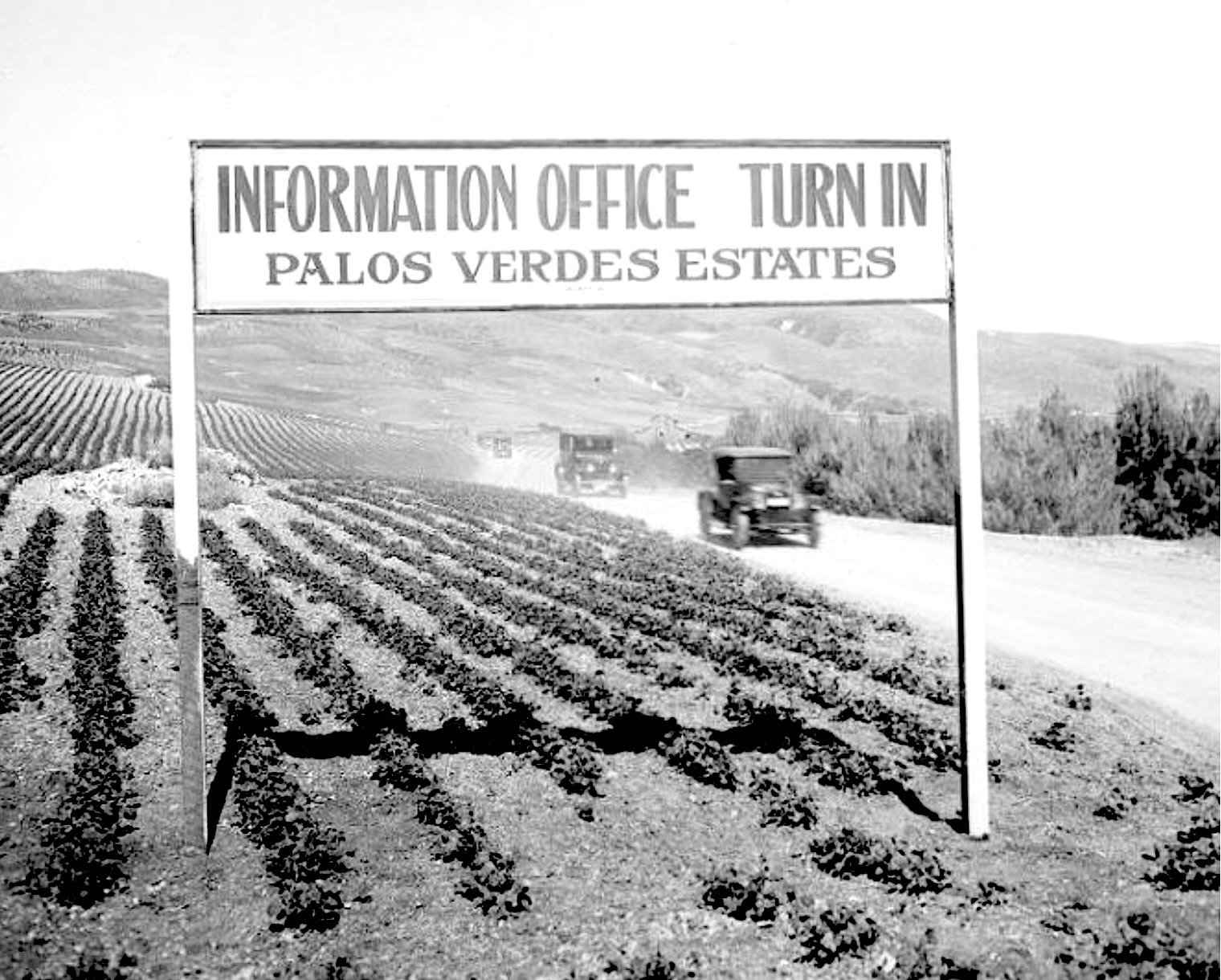
Oh well, at least Palos Verdes itself really does mean “green hills,” doesn’t it? No, it actually means “green timber” or “green willows.” Maybe it was just hopeful thinking; the hills appear to be mostly barren in photos from the early 1920s.
Place naming is an inexact science.
Sources:
Daily Breeze archives.
L.A. Street Names website.
Palos Verdes Peninsula News archives.
The Palos Verdes Story, by Deelane Morgan, Palos Verdes Review, 1982.
Wikipedia.

