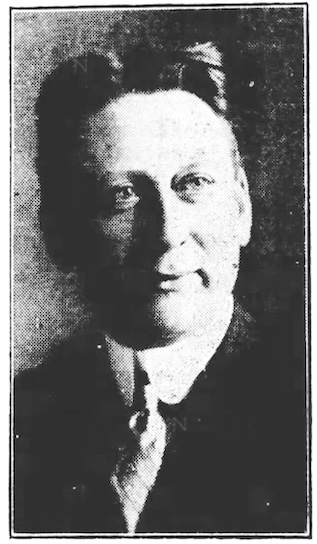
According to Harry Brolaski, his life changed forever at the age of 18.
The son of a riverboat owner and captain based in St. Louis, Missouri, Brolaski was born in January 1871. Years later, the self-described “green” teenager was on board his father’s docked ship, the Annie P. Silver, one evening when two men approached him and talked him into participating in a crooked gambling scheme at the racetrack.
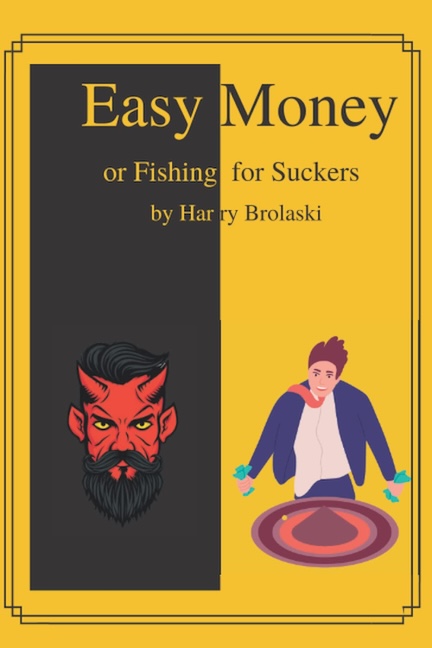
Brolaski recounts the incident in his 1911 book, Easy Money: Being the Experiences of a Reformed Gambler (Searchlight Press, reprinted as Easy Money: Fishing for Suckers in 2022). The betting scheme he participated in worked improbably in his favor and that first success hooked him on gambling until he finally declared in 1910 that he had quit for good.
Brolaski’s entertaining book details all manner of gambling tricks and schemes used not only in horse racing but also poker playing, pool sharking, casino gaming and just about any other such activity available at the time. By exposing the crookedness in gambling, Brolaski cast himself as something of a reformer.
A year after the book was published, Brolaski moved into a house on Avenue B in the Clifton-By-The-Sea area south of Redondo Beach. Clifton would be annexed by Redondo in 1913.
In April 1912, the Redondo Chamber of Commerce sent him to Washington, D.C. to lobby Congress on behalf of a bill authorizing $5 million to build a breakwater in Redondo.
The city had lost out on becoming the Port of Los Angeles to San Pedro 15 years earlier in 1897, but still wanted to have its own first-class port. By all appearances, Brolaski worked doggedly for this goal, which did not become a reality in his lifetime.
At the same time, the repentant gambler began speaking out to churches and community groups against the proliferation of saloons and pool rooms in Redondo, where illegal gambling was rife.
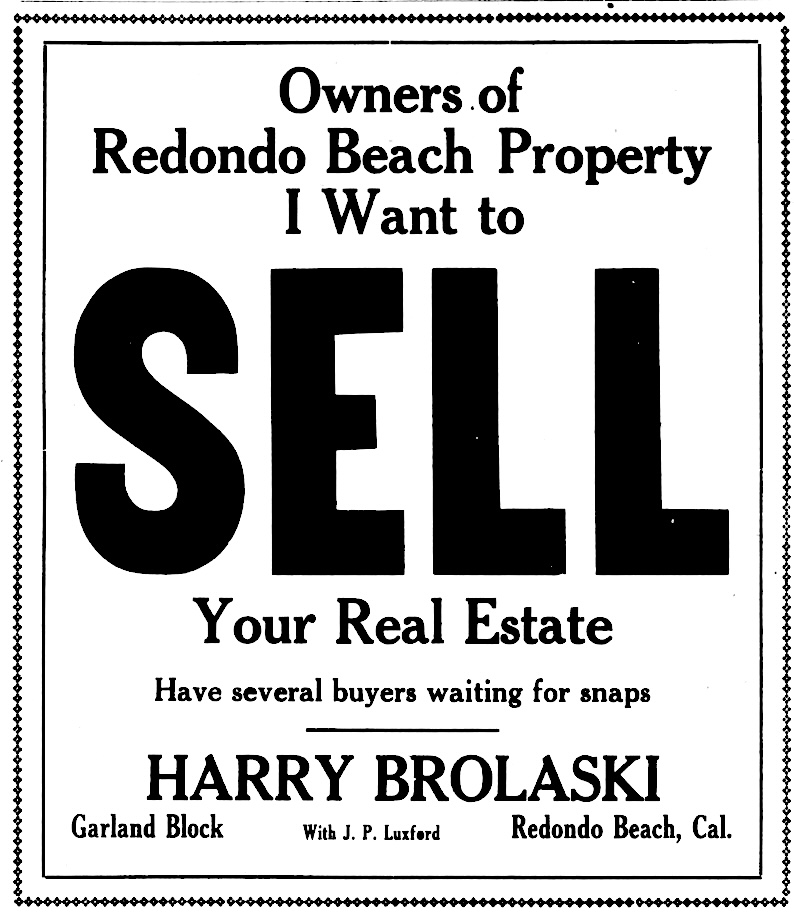
Brolaski seemed wholly committed to Redondo, becoming even more active in local politics. In June 1912, he announced that he was starting a real estate firm in the city, and, a month later, he was appointed to the city’s breakwater committee for his efforts.
Also in July, he was asked to run for the 62nd District California State Assembly seat, but declined. A few days later, Miss Susie Miller, the candidate for the seat, withdrew her name and endorsed Brolaski for the office.
He accepted her gesture, but lost the election. Still, his boosterism continued unabated. In fact, he originated a Redondo Beach boosters’ group and was named its president.
In 1914, he ran for a seat on Redondo’s city board of trustees, essentially its city council, and was elected with just seven votes less than the top vote-getter in the April 14th citywide election.
All during these years, brief items in the Daily Breeze and Redondo Reflex referred to Brolaski’s frequent business trips to San Francisco and New York.
In July 1914, the ever-ambitious Brolaski threw his hat in the ring for the California State Senate, 34th District, but he lost in the Aug. 25th primary election.
Despite his frenetic community boosterism, Brolaski made his share of enemies who believed he was ineffective and too often absent from the city. He managed to survive a fairly nasty June 1915 recall election, however.
A lighthearted 1917 New Year’s resolution from Brolaski would prove prophetic. After a recent two-month absence, he vowed never to leave the city because, as the Daily Breeze reported, “affairs are in a fearful state at the city council due to his absence.”
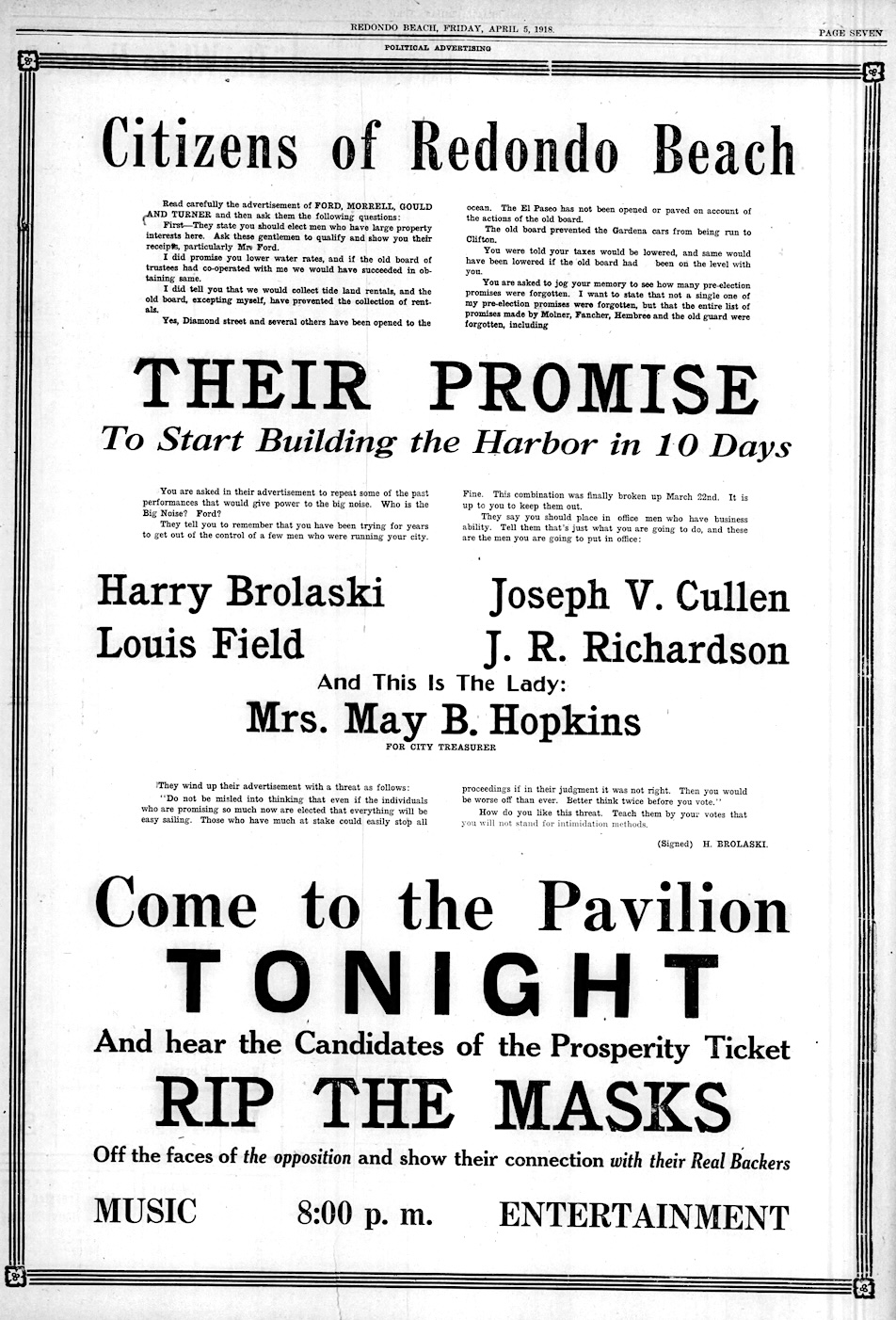
At a contentious trustees meeting on March 22, 2018, Brolaski was named president of the board, making him mayor of Redondo, after the former mayor and three trustees abruptly resigned.
Mayor Brolaski won re-election on April 8, despite having been indicted on stock fraud charges in New York City a week earlier. He would later dodge those charges, but his San Francisco activities would prove to be his undoing.
On Oct. 9, 1918, Brolaski was ousted from office as mayor and as a city trustee by the Redondo board of trustees due to his frequent and lengthy absences, which the trustees felt was hampering progress in the city. At the time, he’d attended just one trustees meeting in the preceding 90 days.
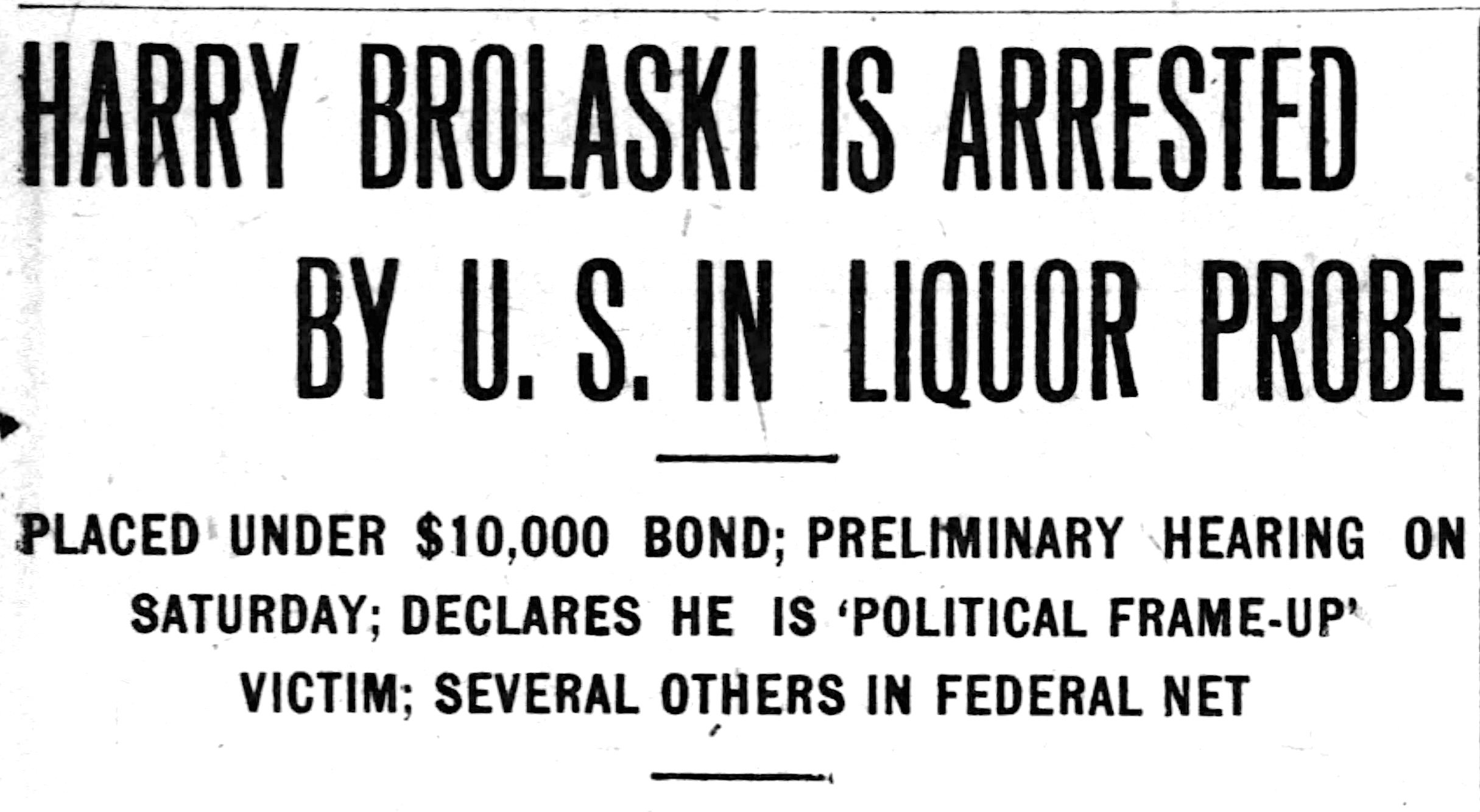
Brolaski moved to San Francisco and became a broker, but, as it turned out, he was brokering hooch. He was arrested on Oct 9, 1920, for his role in a conspiracy to violate the Prohibition law that had gone into effect that January. He was convicted of the bootlegging charges that December. After exhausting his appeals, he began serving his two-year sentence in April 1922.
While in prison, he came down with cancer, and, before finishing his sentence, he was granted a pardon in March 1923. His condition worsening, he moved to the Alexandria Hotel in Los Angeles, where he died on Jan. 8, 1924. He was 53.

Sources:
Daily Breeze archives.
Easy Money: Being the Experiences of a Reformed Gambler, by Harry Brolaski, Searchlight Press, 1911.
Find A Grave website.
Los Angeles Times archives.
Redondo Reflex archives.