Hermosa Beach’s early boom town days included a Redondo annexation offer

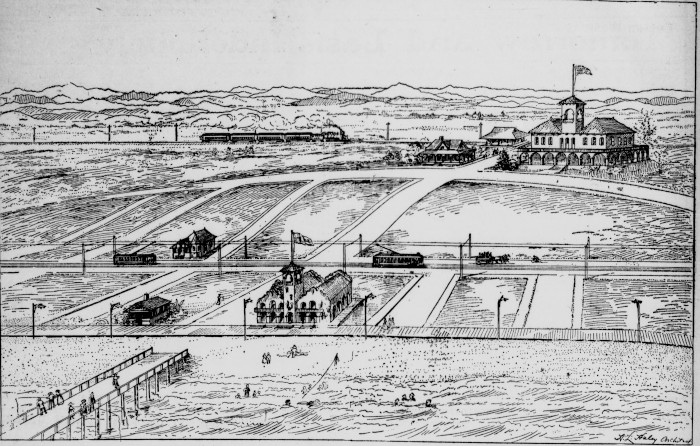
An early plan for Hermosa Beach places the pier, bottom left, bathhouse with wooden boardwalk, bottom center, electric trolley car line behind it, civic building with flag, upper right, with Santa Fe train behind and to its left. Hermosa Ave. runs left to right, top, intersected at an angle by Santa Fe Ave. (later renamed Pier Ave.). Los Angeles Herald, June 30, 1901, Page 2. (Credit: Los Angeles Herald archives)

The South Bay’s three major beach cities, Redondo, Hermosa and Manhattan, all incorporated within 20 years of each other. Redondo came first in 1892, followed by Hermosa in 1907, and Manhattan in 1912. 

Hermosa’s earliest beginnings as a city actually go back to 1900, when Los Angeles businessmen A.L. Burbank and Eugene Baker purchased 1500 acres of empty beachfront land from A.E. Pomeroy for $35 an acre. Pomeroy had acquired the land from the owners of the Sausal Redondo Spanish land grant, whose borders extended from Ballona Creek south to Hermosa, and eastward to include the Inglewood area.
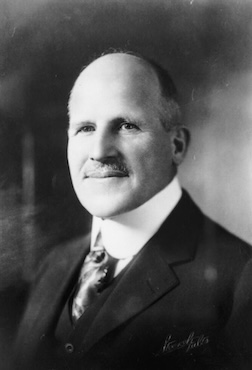
Moses Sherman.. (Credit: USC Digital Library)

The Los Angeles-based Burbank & Baker firm acted on behalf of developers Moses Sherman and Eli Clark, whose wide-ranging business interests included coastal operations in Playa del Rey and Redondo Beach. After the land was acquired, Sherman and Clark formed the Hermosa Beach Land and Water Co. to develop the townsite.

The pair’s intentions were made clear by the first building they erected at the corner of Ocean Front (now The Strand) and Santa Fe (now Pier) avenues: a real estate office selling their lots.

The Los Angeles Herald newspaper became an early booster of the new settlement, running a laudatory article on Feb. 24, 1901, touting its potential both as a beachside resort and a place to live. “Hermosa will be simply a great playground for the people, large and small, with no objectionable features,” its anonymous author raved.

Its non-objectionable positive features included a sparkling beach with shallow water for wading, an underground freshwater aquifer to supply its under-construction homes with pure water and its year-round temperate weather.

The developers already were at work on adding features to the new development in 1901. They made plans to avoid the bane of seaside towns back then, the discharge of sewage into the sea. Instead, they set about building a self-contained sewage system that would not foul the ocean waters, eventually connecting it to the countywide sewer system.
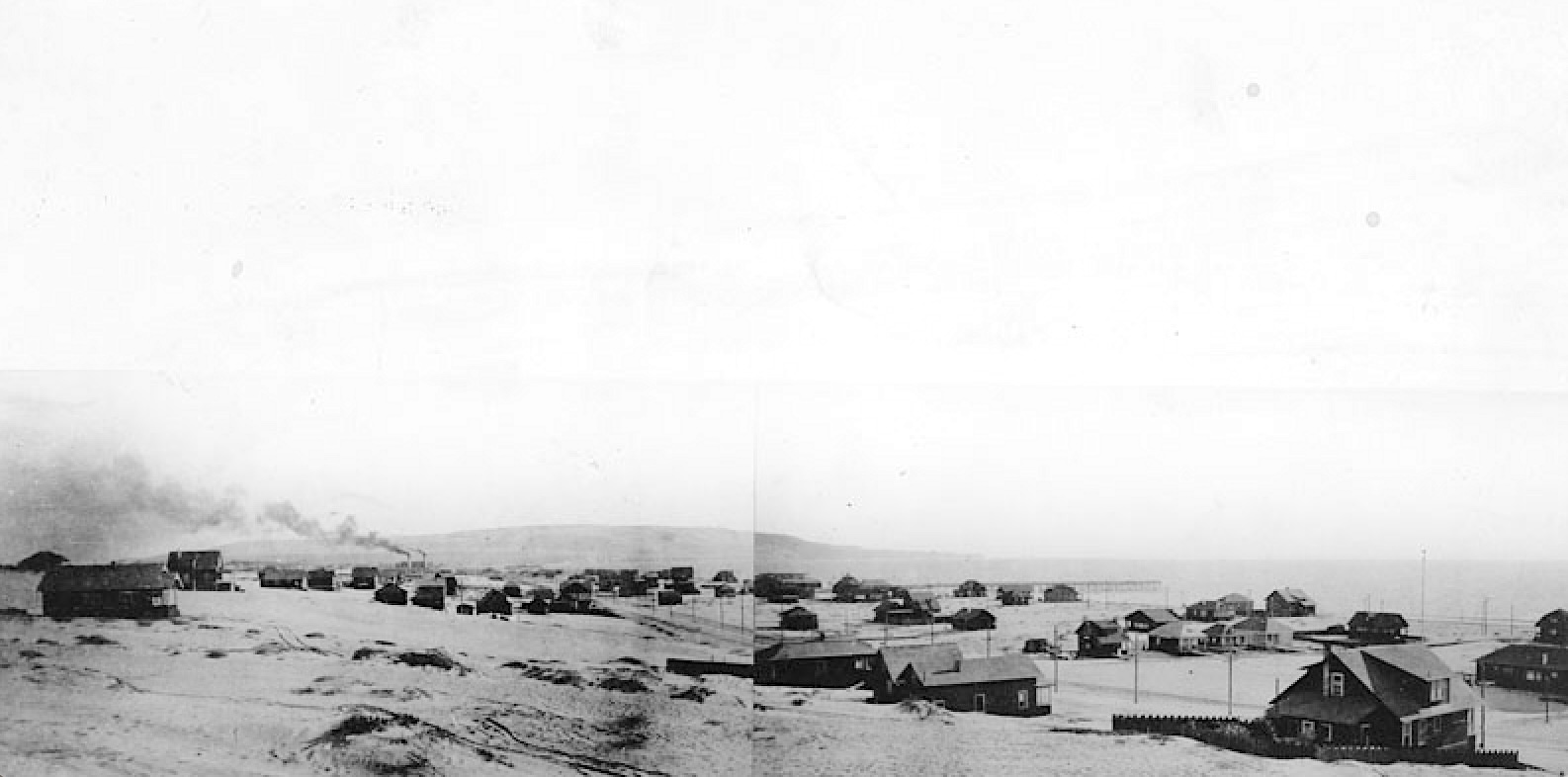
Residential homes start to fill in lots at Hermosa Beach in this south-facing view. Hermosa Beach Pier can be seen at center right, with smoke from the Redondo Beach power plant visible at left. Photo circa 1907-13. (Credit: Los Angeles Department of Water and Power website)

They also put in orders for lumber to construct a 16-foot-wide, 1.5-mile-long wooden plank boardwalk modeled on the famous (and much larger) Atlantic City walkway. And, once an electrical power grid had been established, the boardwalk would be illuminated in the evenings.

One part of the vision for the city seems unlikely from a modern perspective, given Hermosa’s latter-day reputation for nightlife and revelry: the original city fathers called for the outlawing of alcohol and the taverns that served it within the city.

Here’s another early city ordinance whose strictures have been sorely tested in the now densely populated burg: originally, the distance between houses could be no less than ten feet.

Connections to the outside world also were underway. The Santa Fe Railway steam train line already had established a stop in the city on its route down the coast to Redondo Beach, though a permanent station wouldn’t be built until 1926. The Los Angeles-Pacific Railroad Co., precursor to the Pacific Electric Red Car, would bring trolley service to Hermosa in the summer of 1904.
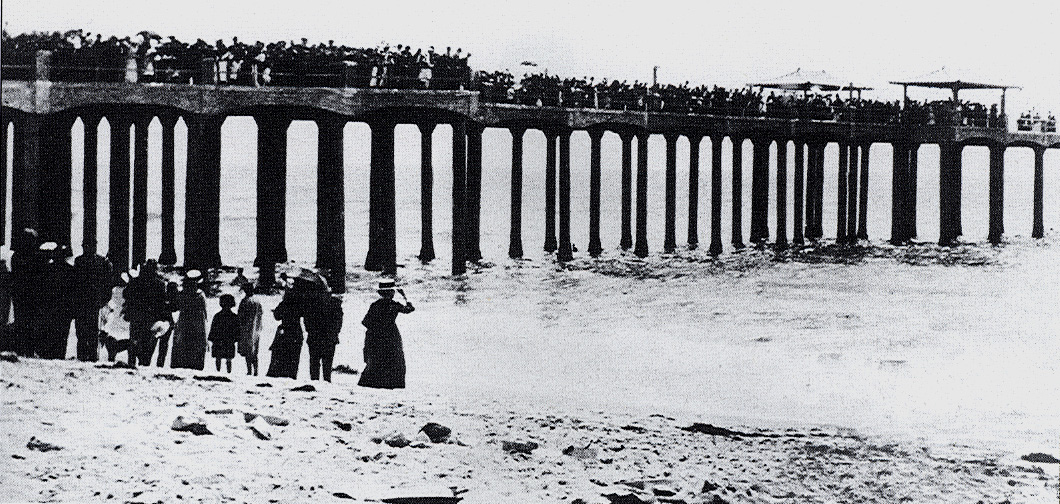
Dedication ceremony for the 1,000-foot concrete Hermosa Pier in 1914, following the destruction of the old wooden pier (smaller photo above) by storms the previous year. (Credit: Photo courtesy of the Hermosa Beach Historical Society)

1904 also marked the construction of the city’s first pier. The 500-foot-long wooden structure couldn’t stand up to storms and high tides, however, and a 1913 storm swept much of it out to sea. It was replaced by a much-ballyhooed cement pier in 1914.

A similar fate befell the original wooden boardwalk. Waves and high tides repeatedly ate away at sections of it. A concrete section replaced part of it in 1914, and the full length of it became concrete in 1926.

But we’re getting ahead of the story of how the nascent town continued to take shape in the early 1900s. By 1904, Hermosa Ave. and Santa Fe Ave. (Pier) had been paved, the St. Cross Parish had been established, and the city’s first school, Ocean View, was under construction following the passage of the new Hermosa Beach School District’s first bond election that June.

An estimated 530 residents lived in the city in August 1906 when the movement toward incorporation began. On Nov. 19, Hermosa officially petitioned the Los Angeles County Board of Supervisors to set up an incorporation election.
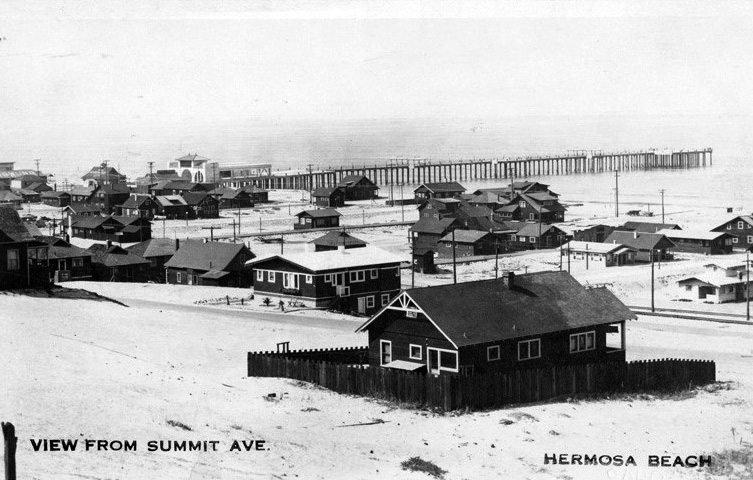
1914 view of Hermosa Beach homes with its new pier in background. (Credit: Los Angeles Department of Water and Power website)

The Supes agreed, and set the voting date for Dec. 24, 1906. A total of 48 ballots were tallied by election officials after the polls closed. One of them was voided for unknown reasons, probably because it was lost or damaged. The final count: 24 votes for incorporation and 23 against! 

Hermosa Beach declared itself an incorporated city when the official papers certifying its status as such arrived from Sacramento on Jan. 14, 1907. On Jan. 23, John Q. Tufts was chosen to be  the city’s first mayor and the other four members of the Board of Trustees were named.

Also, as a result of the election, ownership of Hermosa’s two miles of beach reverted to the new municipality. It remains the only one of the beach cities to own its beach; the others are owned by Los Angeles County.

It didn’t even take a year for neighboring Redondo Beach to send out feelers about incorporating the new city just north of it. Hermosa quickly demurred, and also successfully beat back a 1908 attempt by Redondo to annex the eastern half of the new city. No further attempts have been launched.
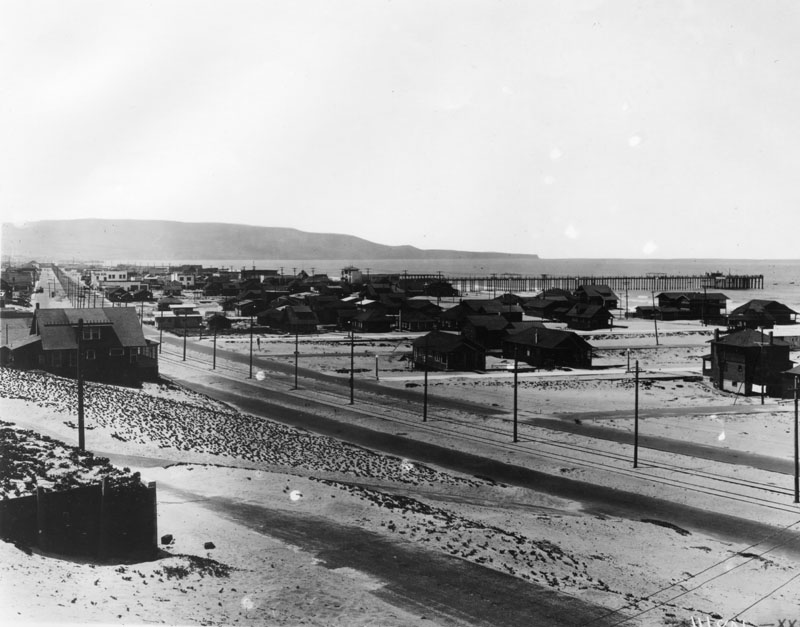
Hermosa Beach as it appeared in 1918 with Palos Verdes Peninsula seen in the distance. Note the tracks and electric trolley lines that run along the beach. (Credit: Los Angeles Department of Water and Power website)

Sources:

Footnotes on the Sand: An Incomplete Compendium, an Arbitrary Selection of Events, Rumor, Speculation, Some Fact and Some Fiction About Hermosa Beach, by Patricia A. Gazin, self-published, 1991.

“History of Hermosa Beach,” Hermosa Beach Museum website.

Los Angeles Herald archives.

Los Angeles Times archives.

Wikipedia.
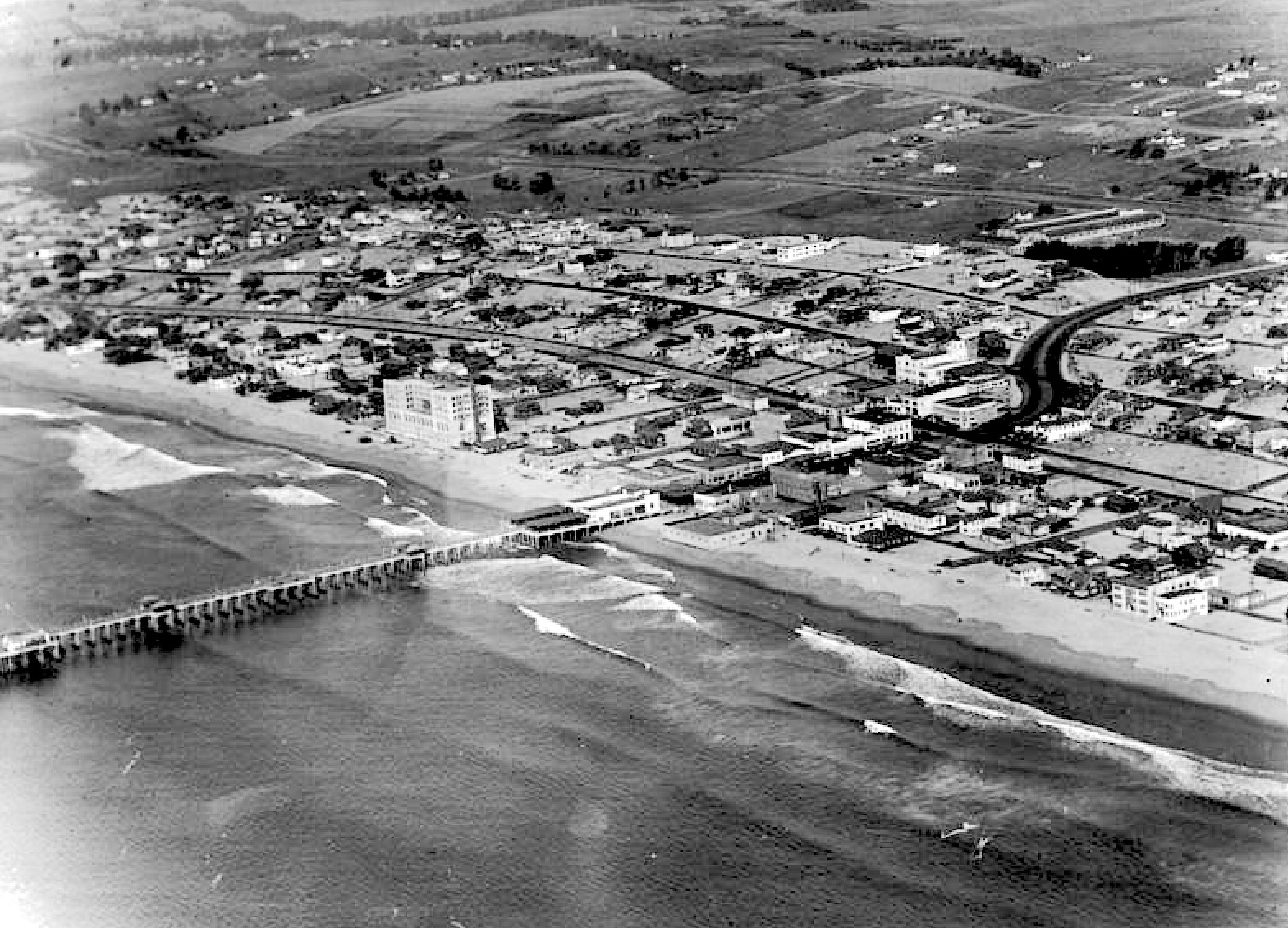
Aerial view of Hermosa Beach looking northeast. The Surf and Sand Club (later the Biltmore Hotel) is the large building left of the pier. 1924 photo.
(Credit: Los Angeles Public Library Photo Collection)
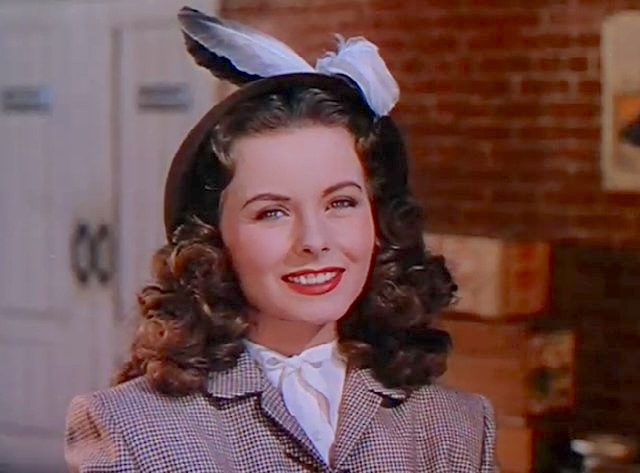
Actress Jeanne Crain went from Inglewood High to Hollywood stardom

Publicity photo of Jeanne Crain from the 1945 film, “Leave Her to Heaven.”

Jeanne Crain’s ascent to movie stardom in the 1940s had all the earmarks of the classic local-girl-becomes-Hollywood-star story.

Her parents, George Crain and Loretta Carr, met while he was a small-town high school principal in Ray, North Dakota in the early 1920s. They married in 1924 and decided to move west in search of a wider variety of employment opportunities.

Jeanne Crain on cover of February 1945 issue.

George got a job as a high school English teacher in the California high desert town of Barstow. Jeanne Elizabeth Crain was the couple’s first child, born in Barstow on May 25, 1925. 

When her father landed a new teaching post at Inglewood High School, the couple moved to a small house on Buckthorne Ave. in Inglewood. Jeanne’s sister, Rita, was born in the city in 1927.

Loretta’s family, the Carrs, had also moved to California, buying a house on Van Ness Ave. on Inglewood’s eastern border. It was fortuitous for Loretta and her daughters that they did, as her marriage to George ended in an acrimonious divorce in 1932, and the women of the family moved in with the Carrs.

Jeanne’s primary school years were spent happily at St. Mary’s Academy, a Catholic all-girls school then located at Slauson Ave. and Crenshaw Blvd. in Los Angeles, just north of Inglewood.

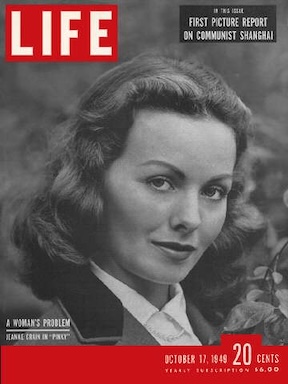
Oct. 17, 1949 issue featuring “Pinky.”

In the eighth grade, one of the nuns encouraged Jeanne to audition for “Scarface,” the school play about an Indian maiden. She surprised herself by winning the lead role, and discovered that she enjoyed playing someone else besides herself.

When it came time for high school, Jeanne wanted to stay at St. Mary’s, but private school tuition didn’t come cheap. Also, her father, who was still teaching at Inglewood High, insisted that Jeanne and her sister attend the public high school.

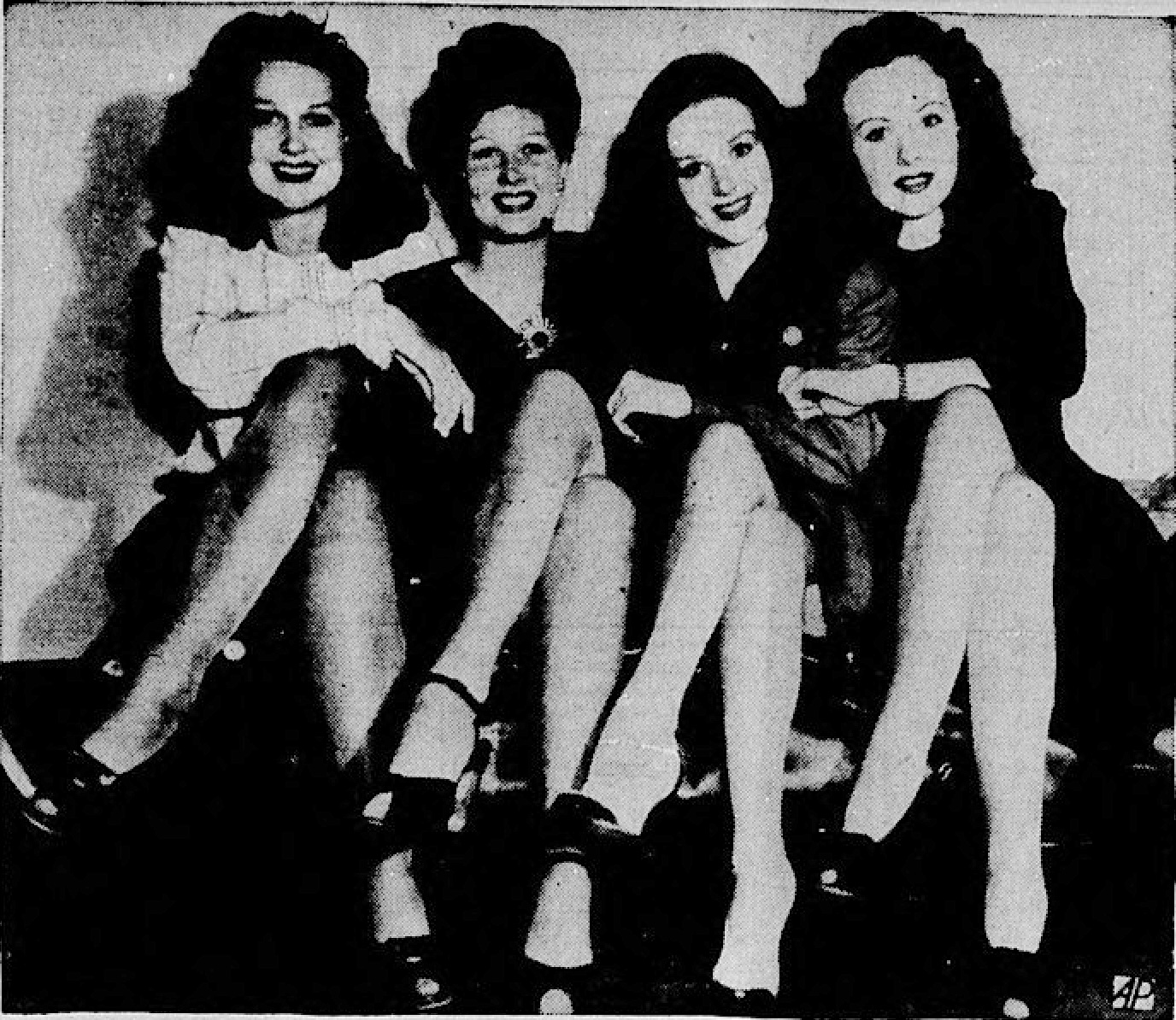
Jeanne found she enjoyed the social life at Inglewood High, and began to grow in confidence along with her natural beauty. In 1941, she entered the Miss California beauty contest as Miss Long Beach. She was 17 years old, and, had she won, would have been too young to participate in the annual Miss America pageant.

She came in third, however, and her picture appeared on the front page of the Los Angeles Times the next day. This attracted the attention of 20th Century Fox studio talent scout Ivan Kahn, who got her her first film screen test. Nothing came of the test, mostly because of Crain’s youth, but she was on Hollywood’s radar.

Jeanne Crain, far right. San Pedro News Pilot, April 19, 1943 Page 8. (Credit: San Pedro News Pilot archives)

Together with her fellow contestants, she was invited to tour the RKO Pictures studio, which had just released the Orson Welles film classic “Citizen Kane.” Welles noticed Crain while the contestants were eating lunch in the commissary, and had her do a screen test for his “Kane” followup, “The Magnificent Ambersons.” He later decided she wasn’t right for the part of Lucy Morgan in the film.

Encouraged by the attention, Jeanne was undaunted. There were more pageants to enter.

Her Inglewood High classmates voted her Grid Queen for the Sentinels’ 1941 football season. She also won the Miss Pan-Pacific beauty pageant held at the Pan-Pacific Auditorium, a major entertainment venue on Beverly Blvd. in Los Angeles at the time. (The then-dilapidated arena burned down in 1989 and is now the site of Pan-Pacific Park.)

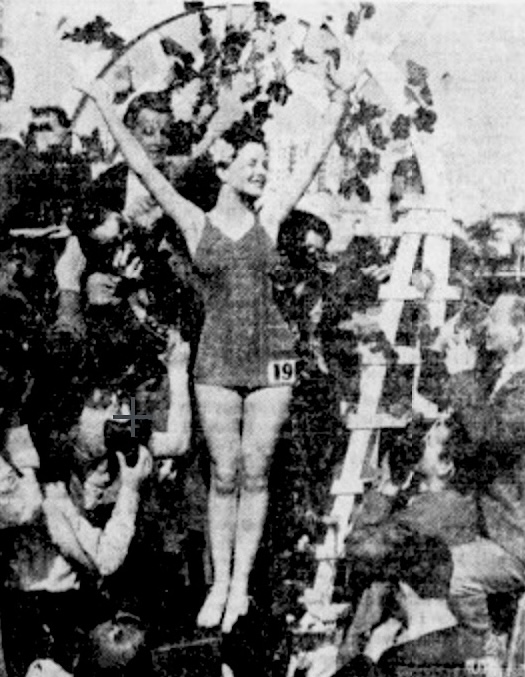
In 1942, her mother encouraged her to enter the “Camera Girl” pageant in Long Beach when Jeanne was a high school senior. She did, winning the title of “Camera Girl of 1942” over 39 other contestants, and her photo once again ran in the Los Angeles Times. The titleholder also appeared in a Movietone newsreel shown at theaters around the country.

Jeanne Crain, “Camera Girl of 1942,” poses for photos after winning the Long Beach competition. Wilmington Press Journal, April 18, 1942, Page 5. (Credit: Wilmington Press Journal archives)

As a result of her win, she worked for a few months in the modeling industry with photographer William Mortensen, one of the contest’s judges. This led to her enrolling in Max Reinhardt’s Hollywood acting school, where agents and casting directors quickly “discovered” her.

In February 1943, she signed her first movie studio contract with 20th Century Fox. Her first role was a blink-and-you’ll-miss-it walk-on part in the Technicolor musical “The Gang’s All Here” (1943). Studio head Darryl Zanuck found her a meatier part as an ingenue in “Home In Indiana” (1944), a light drama that became a surprise hit.

Crain was on her way to a highly successful string of films that included a supporting part in the 1944 war drama “Winged Victory” and a co-starring role with Gene Tierney in the color film noir classic “Leave Her to Heaven” (1945). 

Her biggest success yet came with her appearance in the popular Rodgers & Hammerstein’s musical adaptation of “State Fair” (1945), along co-star Dana Andrews. She also received an Academy Award nomination for her title role as a light-skinned Black woman who passed for white in “Pinky” (1949). For the next few years, she was a full-fledged, very popular movie star.

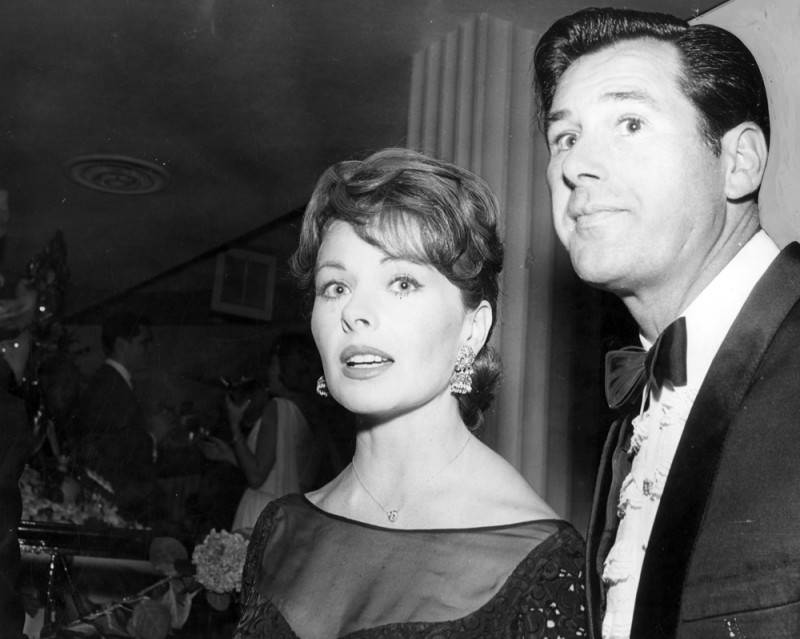
Actress Jeanne Crain with her husband, Paul Brinkman, at a June 8, 1963 Beverly Hills party at an unnamed location. (Credit: Los Angeles Public Library Photo Collection)


The Crains moved to a house on Glencove Ave. in Westwood in 1944. After Jeanne married actor Paul Brinkman in 1945, the couple built their own house in the Hollywood Hills. Despite some rough patches, including the issuance of a divorce decree in 1956, they would go on to have seven children together.

Though she still appeared in films and on television occasionally, Jeanne’s high-profile Hollywood career eventually waned as she turned her attention toward raising her family. 

She died in her Santa Barbara home from a heart attack on Dec. 14, 2003, two months after her husband’s passing. She was 78.

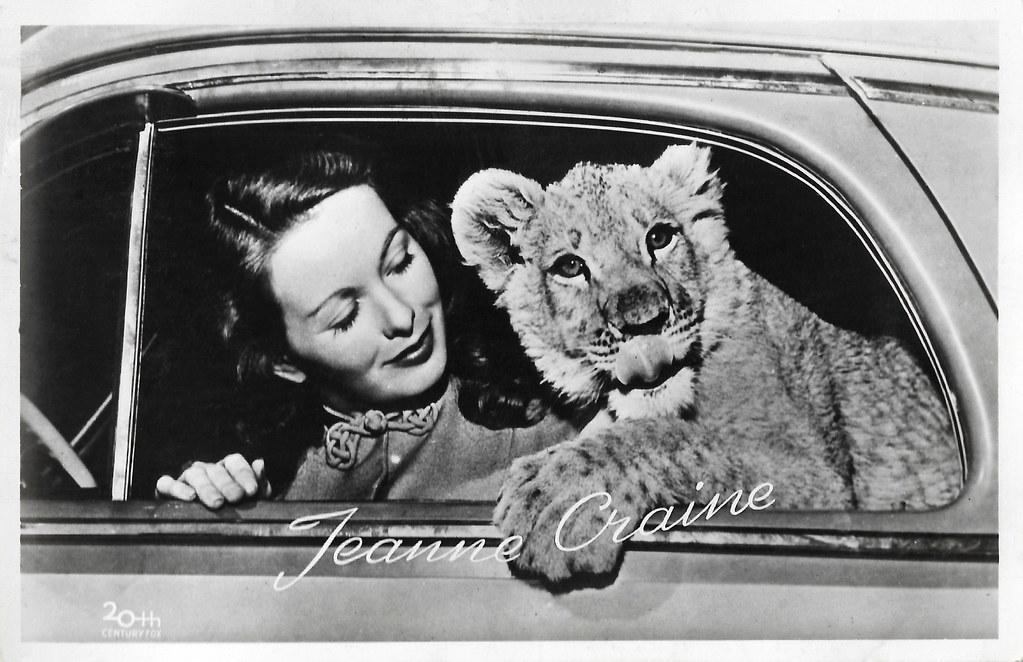
I almost forgot: shortly after they married, Jeanne and Paul adopted a tiger named Shah-Shah. But they failed to get an exotic animal permit. When their Hollywood Hills neighbors complained that Shah-Shah was getting loose and wreaking havoc, they had to give him up to the Griffith Park Zoo.

Jeanne Crain and her pet tiger, Shah-Shah. Undated, circa 1946-47. (Credit: 20th Century Fox publicity photo. Last name misspelled.)

Sources:

Girl Next Door: The Life and Career of Jeanne Crain, by Rupert Alistair, self-published, 2017.

“Jeanne Crain,” Internet Movie Database.

Los Angeles Times archives.

San Pedro News Pilot archives.

Wikipedia.

Glenn Anderson held a variety of public offices, including 12 terms in Congress

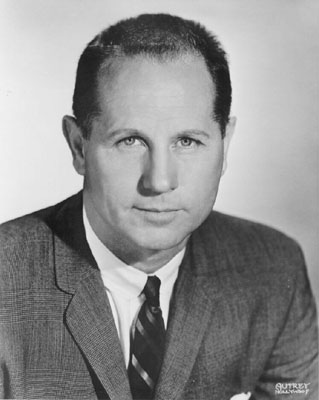
Lt. Gov. Glenn Anderson in 1964. (Credit: San Francisco Public Library Photo Collection)

Judging by the number of public works named for him, it’s readily apparent that former South Bay Congressman Glenn Anderson knew how to get things done.

A large park in Redondo Beach, a giant federal building in Long Beach, the last major freeway to be built in the South Bay, heck, even part of the main shipping channel at the Port of Los Angeles, all bear his name as a result of his role in their creation.

He was born Glenn Malcolm Anderson in Hawthorne on Feb. 21, 1913, nine years before the city officially incorporated. He attended Inglewood High School – Hawthorne High didn’t open until 1951 – and graduated in 1930.

Anderson scuffled like most people did during the Depression years. He worked delivering telegrams in downtown Los Angeles and at one point used a motorcycle to deliver film shot at the 1932 Olympics to Hollywood for processing.

He went to UCLA, receiving his bachelor’s degree in 1936. After graduation, he tried his hand at selling cars and then at real estate investment and development.

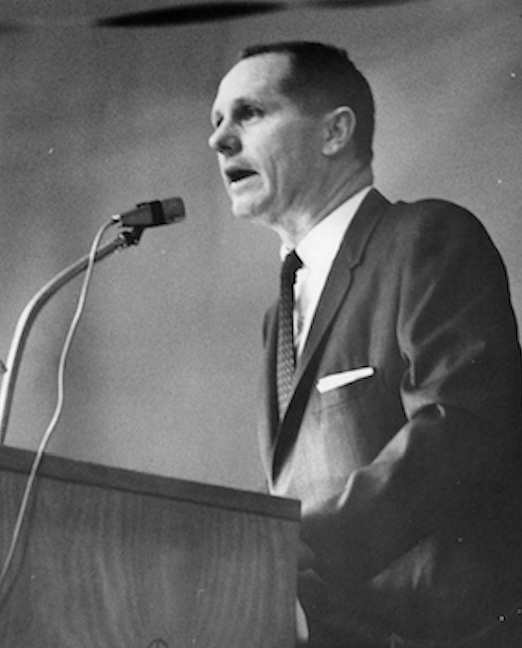
California Lt. Gov. Glenn Anderson speaks out against housing discrimination in Van Nuys in 1964. (Credit: Los Angeles Public Library Photo Collection)
His friends at the Masonic Temple in Hawthorne encouraged him to run for City Council. His first attempt fell short by 18 votes, but he succeeded in winning a seat when ran again in 1940. That same year, his council colleagues voted for him to become mayor. At 27, he was the youngest mayor in the country at that time.

In 1942, he ran for the 46th District seat in the California State Assembly, and won. His service in Sacramento was interrupted by a two-year stint in the U.S. Army, where he served as a sergeant in the infantry.

After the war, he continued his term as a state assemblyman, and showed a knack for winning  funding for public works projects in his district.

He left the Assembly at the end of his second term in 1951. That year, he ran against incumbent Raymond Darby for the Los Angeles County Board of Supervisors, but lost.

He remained active in Democratic politics during the 1950s while working as a real estate developer. In 1959, he successfully ran for lieutenant governor of California, serving under Gov. Edmund G. “Pat” Brown for the next eight years.

Anderson was an effective politician, but rarely a controversial one. But his inaction during a crucial moment during the 1965 Watts Riots brought him the strongest criticism of his career.

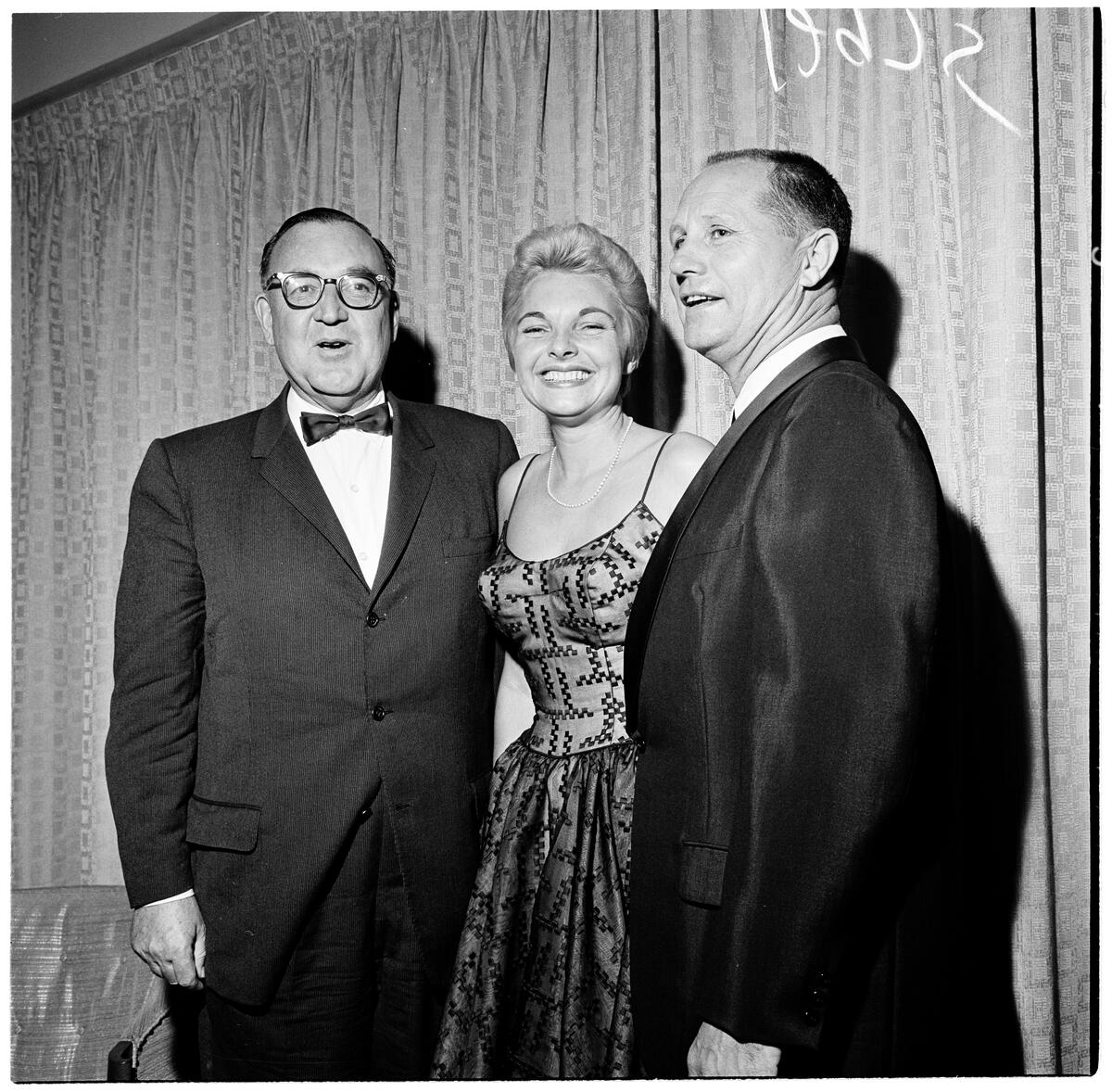
California Gov. Pat Brown, left, poses with Lt. Gov. Glenn M. Anderson, right, and his wife, Lee, at a testimonial dinner for Anderson on June 23, 1961. (Credit: USC Digital Library)

The riots in South Los Angeles had broken out while Gov. Brown was on vacation, leaving Anderson in charge. After overwhelmed Los Angeles police sought help from California National Guard troops, Anderson delayed issuing the order for five hours.

He lost the lieutenant governor’s race in 1966 to Republican candidate Robert Finch, and his lack of action during the riots most probably cost him re-election. 

Undaunted, Anderson began what would become his true life’s work when he was elected to the U.S. Congress in 1968. The district numbers changed from the 17th to the 35th to the 32nd during Anderson’s lengthy tenure. He would ultimately serve 12 two-year terms in Congress.

The list of projects that the public works proponent had a major hand in is long. He was a tireless proponent of the long-delayed Century Freeway project, which had been on the drawing boards since the late 1960s.

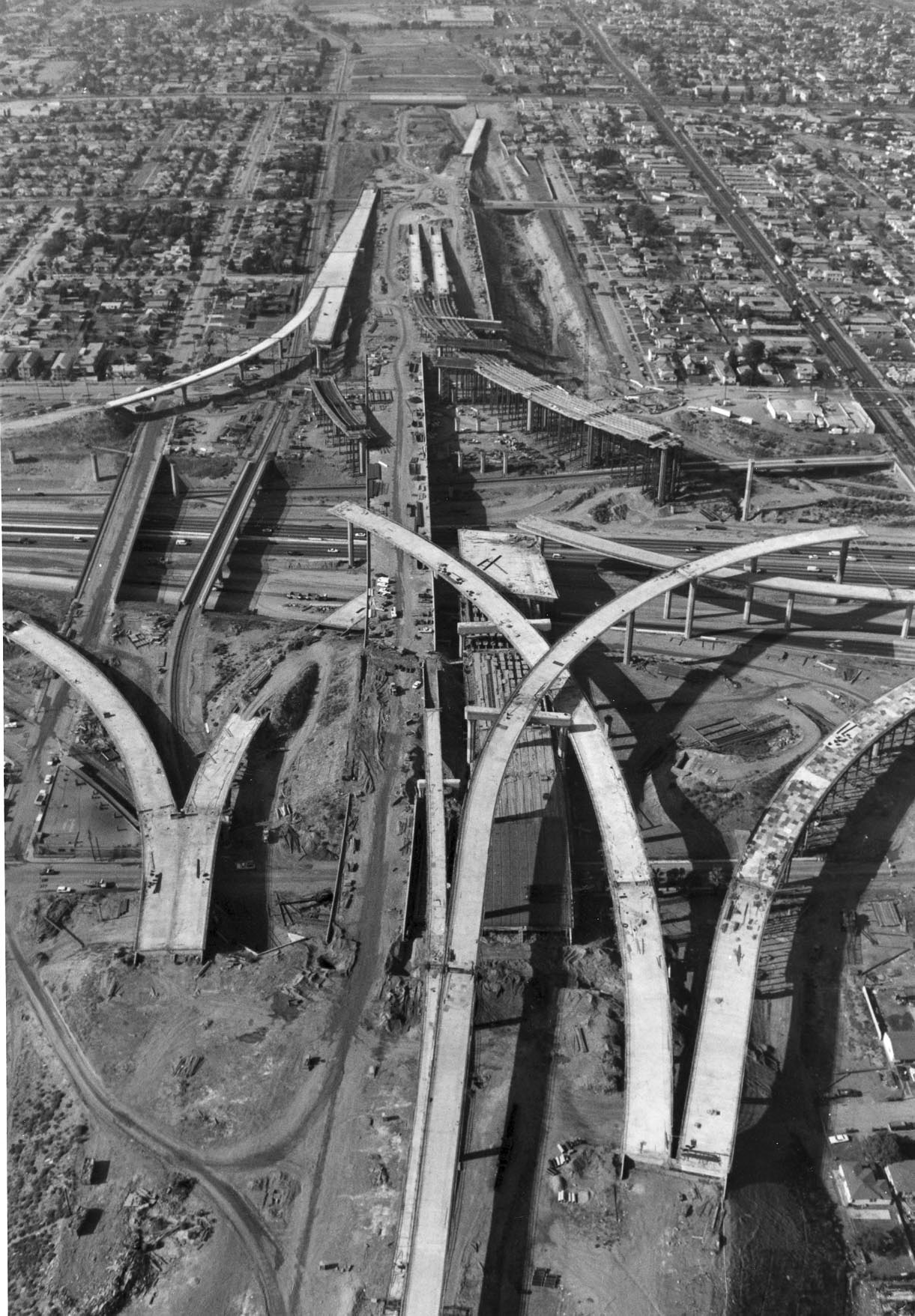
The Century Freeway, later renamed the Glenn M. Anderson Freeway, under construction at its intersection with the Harbor (110) freeway in December 1990. (Credit: Daily Breeze staff file photo)

The 105 Freeway finally was completed in 1993. In 1987, the roadway’s name had been changed to the Glenn M. Anderson Freeway to honor the congressman’s role in its development.

Anderson also championed funding for projects at the Port of Los Angeles. He was determined to expand the cargo-handling capacity at the ports of L.A. and Long Beach. Part of the process was deepening the entrance to the main channel at the Port of Los Angeles from 15 to 50 feet. In gratitude, port officials named the channel the Glenn Anderson Deep Ship Channel.

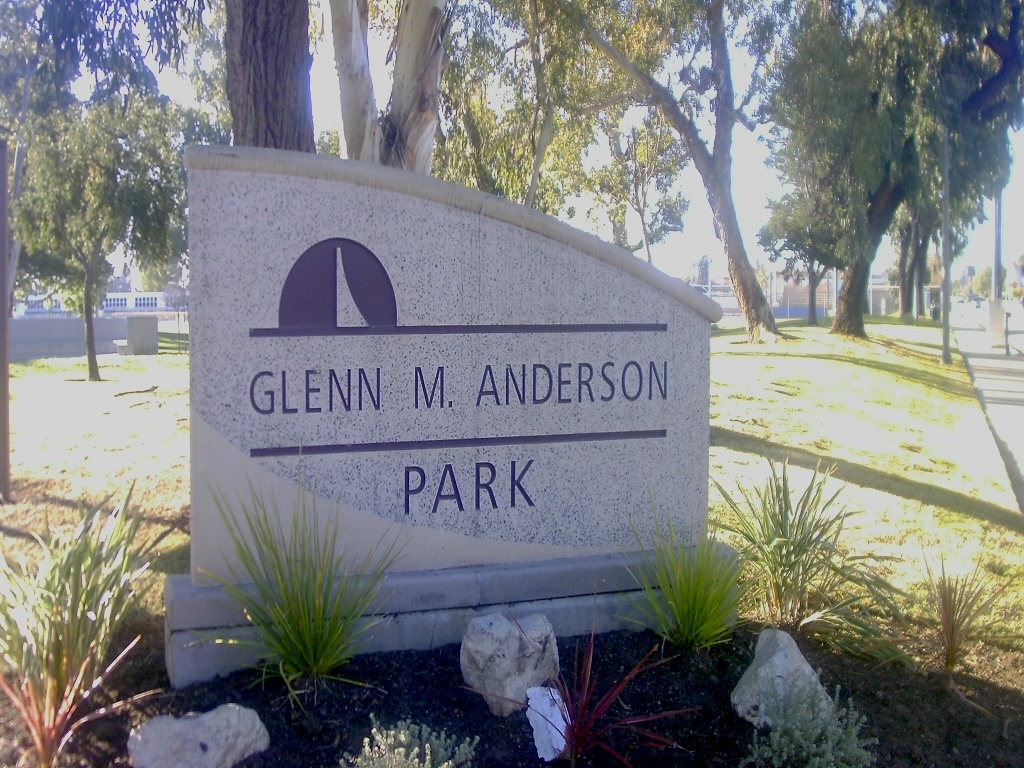
We’ve already mentioned 12-acre Glenn M. Anderson Park in Redondo Beach, and the Glenn M. Anderson Federal Building in Long Beach. The latter was built along with the World Trade Center and Hilton Hotel in order to boost Long Beach’s city center.

Glenn M. Anderson Park in Redondo Beach. 2018 photo. (Credit: City of Redondo Beach)

Anderson also fervently backed the establishment of Los Angeles’ Metro Rail system, and is honored with a plaque at the 7th and Flower St. station downtown noting his contribution.

In addition, he played a major role in the establishment of California State University, Dominguez Hills, advocating for its location in Carson instead of Palos Verdes. CSUDH currently houses a large collection of Anderson’s papers and documents.

Anderson served as chairman of the House Committee on Public Works and Transportation from 1988 until 1991. Sadly, he was forced to give up the post due to his continuing struggle with Alzheimer’s Disease. It took his life on Dec. 13, 1994.

Philanthropist Lee Anderson, his wife for 37 years and his longtime partner in business and politics, died of cancer in 2012. The Andersons are buried in Green Hills Memorial Park in Rancho Palos Verdes.

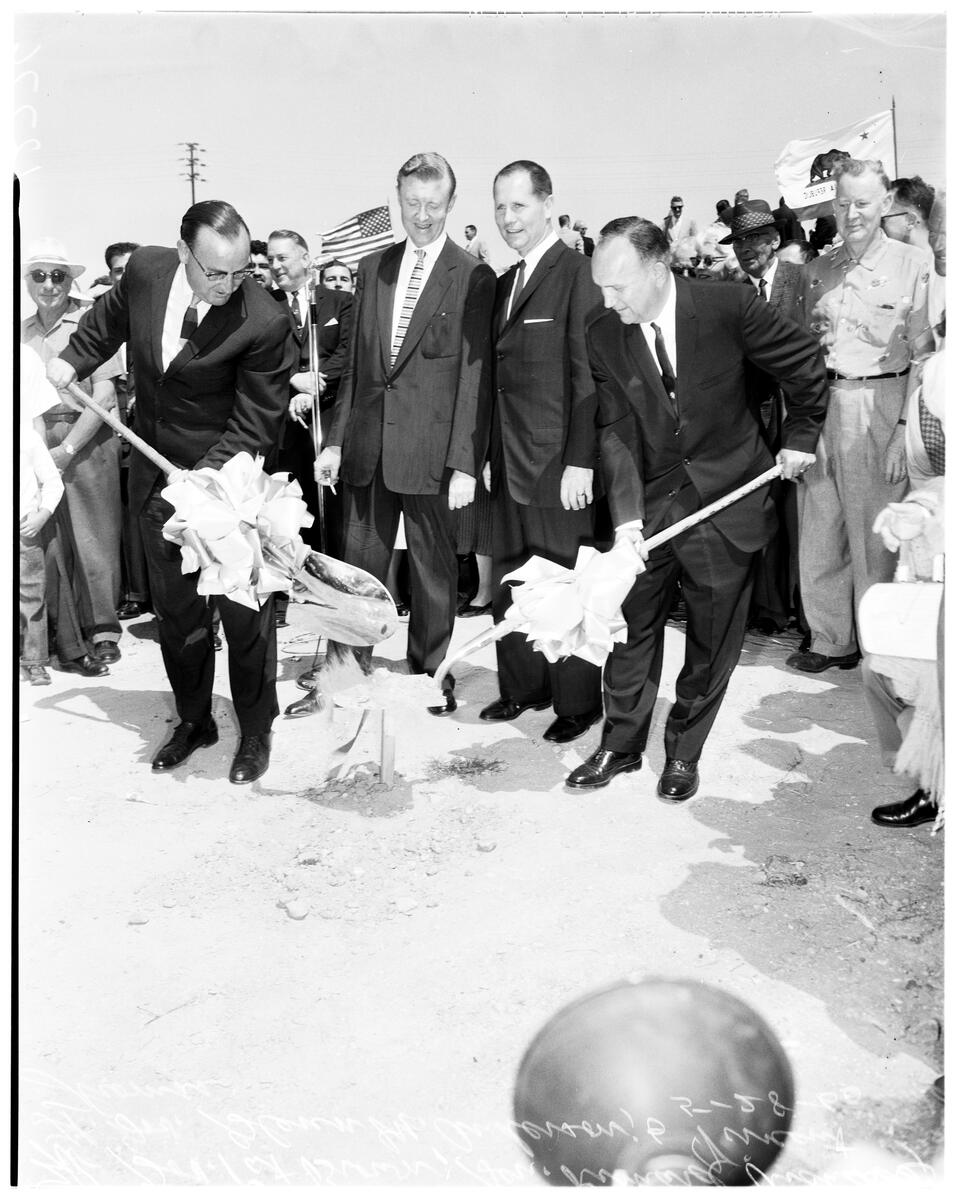
California Gov. Pat Brown, left, and Assemblyman Vincent Thomas, far right, wield shovels at the groundbreaking ceremony for the Vincent Thomas Bridge in San Pedro as State Senator Richard Richards, second from left, and Lt. Gov. Glenn M. Anderson, second from right, look on. May 28, 1960. (Credit: USC Digital Library)

Sources:

Daily Breeze archives.

Find A Grave website.

Los Angeles Times archives.

Torrance Press Herald archives.

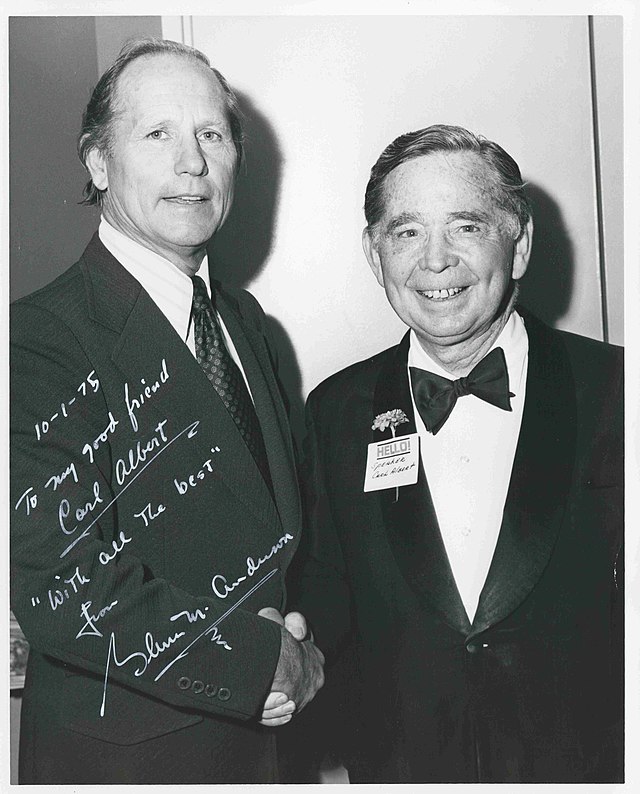
Congressman Glenn M. Anderson with Speaker of the House Carl Albert in October 1975. (Credit: Wikimedia Commons)

How pioneer automaker Henry Ford ended up having a street named for him in Wilmington

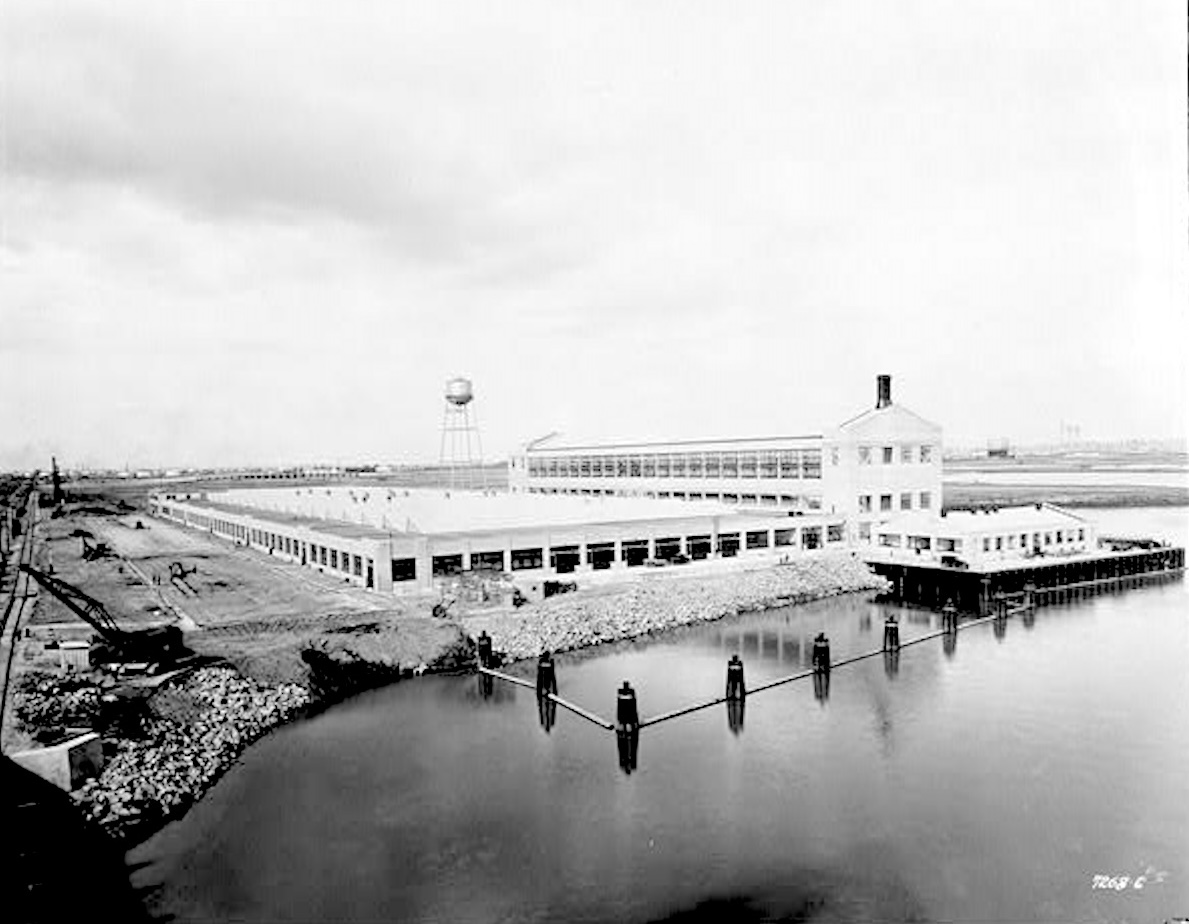
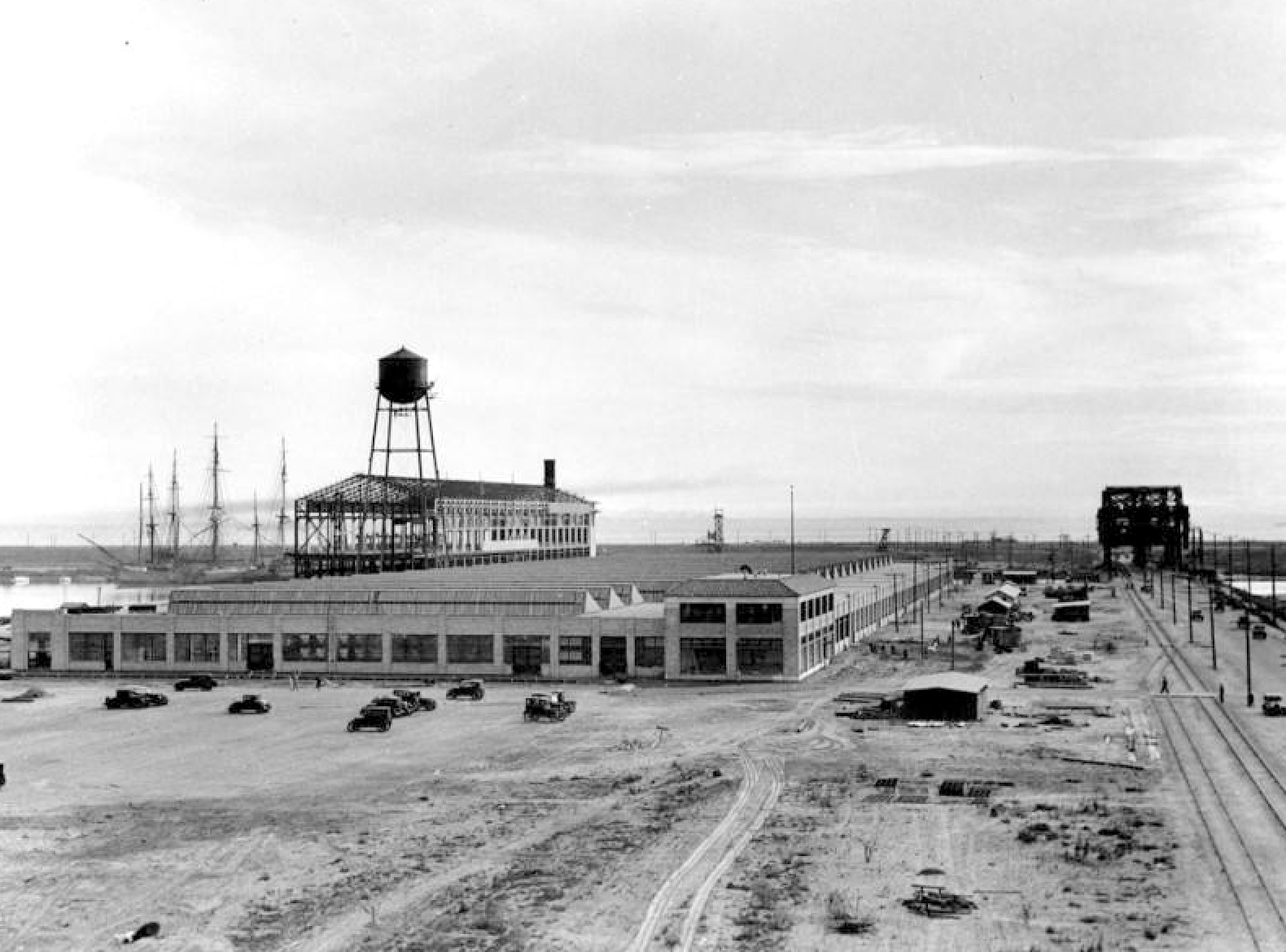
The Ford plant in Wilmington/Long Beach in 1930, as seen looking northeast from the Henry Ford Bridge. The main assembly building is left, and the offices are at right. (Credit: Ford Motor Company History website)

Henry Ford’s Model T revolutionized automobile production when it became the first auto produced using the moving assembly line in 1913. The innovation streamlined the production process at his factory in Highland Park, Michigan.

During the 1920s, Ford looked to expand production greatly, planning for six new factories employing the assembly line process to be built. One site he found particularly attractive was the rapidly growing Los Angeles Harbor area, where a planned factory would replace an earlier plant built in downtown Los Angeles.

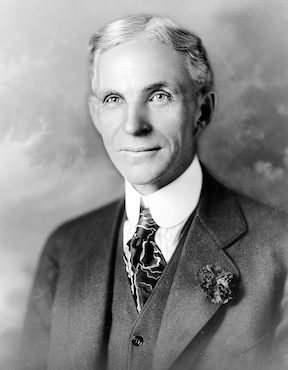
Henry Ford in 1919. (Credit: Library of Congress, Prints and Photographs Division)

Ford liked the idea of a seaside plant. Fabricating materials could be sent from the east via company-owned cargo ships through the Panama Canal, and up the coast to Los Angeles directly to a wharf immediately outside the factory. Finished autos also would be easier to export to various destinations.

His scouts began canvassing the area for suitable sites in 1923. They eventually located the perfect site, about 40 vacant acres on the Cerritos Channel on Badger Avenue just north of Terminal Island. Ford purchased the land from the Union Pacific Railroad for $340,000 in June 1926.

The site straddled the border between Wilmington (technically Los Angeles) and Long Beach. Both cities rushed to claim it as their own. It was just east of the Bascule Bridge railroad crossing into Terminal Island, later replaced by the Henry Ford Bridge. (The adjacent Commodore Schuyler F. Heim Bridge for automobiles was added in 1948.)

Preliminary planning for the new factory was well underway by mid-1928. Initially, its cost was estimated at $10 million; the actual cost would end up being $5 million.

The Clinton Construction Co. of San Francisco won the building contract, and the structures began going up in May 1929, with a completion date of March 1930 set. 

A look at the plans revealed that 68 percent of the factory would be in Wilmington, with the remaining 32 percent on the Long Beach side. This prompted a speculative June 7, 1929, article in the San Pedro News Pilot that asked whether the phones at the plant would have Wilmington or Long Beach extensions. A phone company spokesman suggested they would have both.

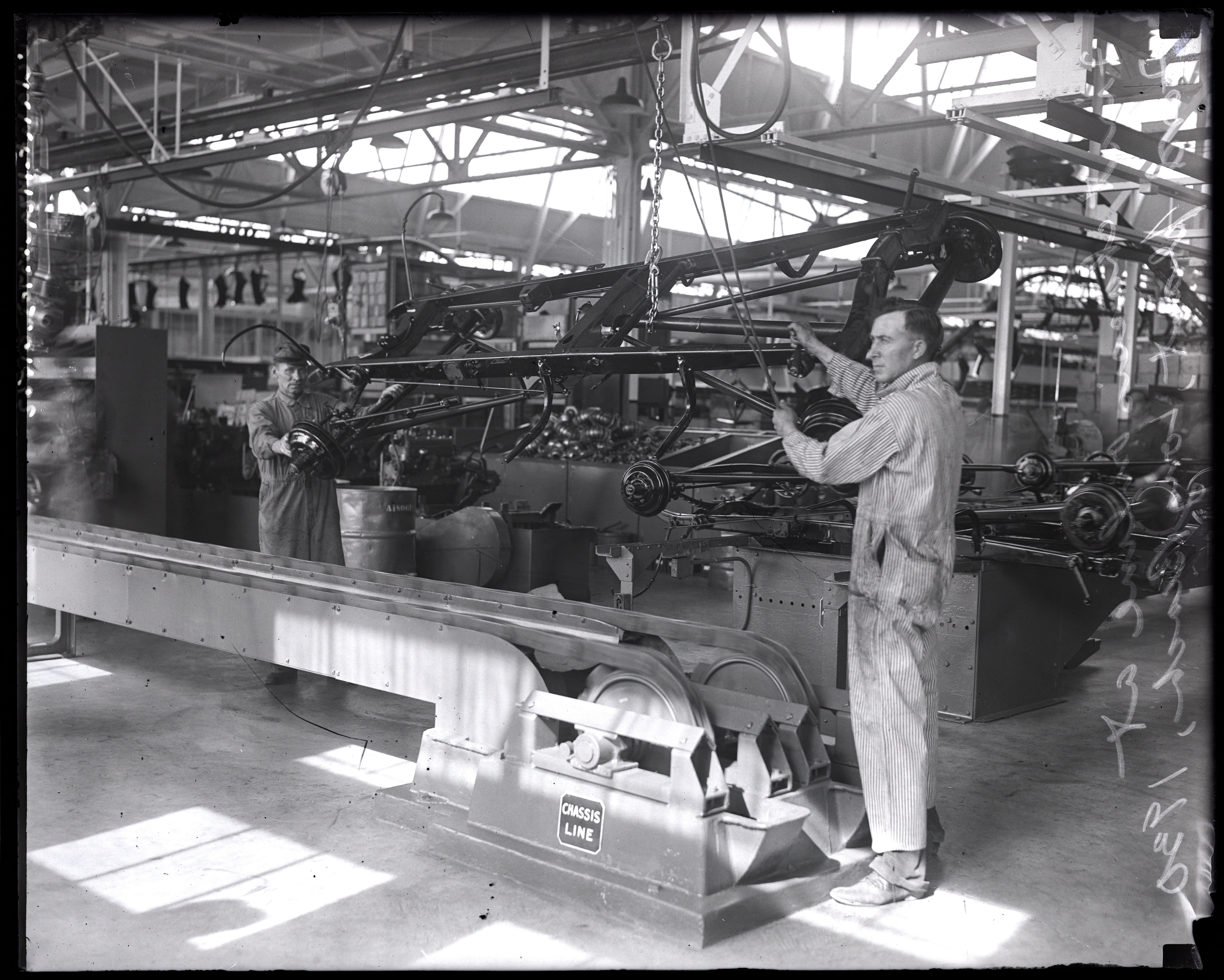
Assembly line workers put the ceremonial first chassis online at the Ford plant on April 21, 1930. (Credit: UCLA Library Special Collections archive)

As the buildings began to rise, so did interest and anticipation. Curious spectators and prospective job-seekers began to turn up on narrow Badger Ave., a 30-foot-wide two-lane road, clogging traffic for construction vehicles. Parking restrictions had to be added and the road eventually widened.

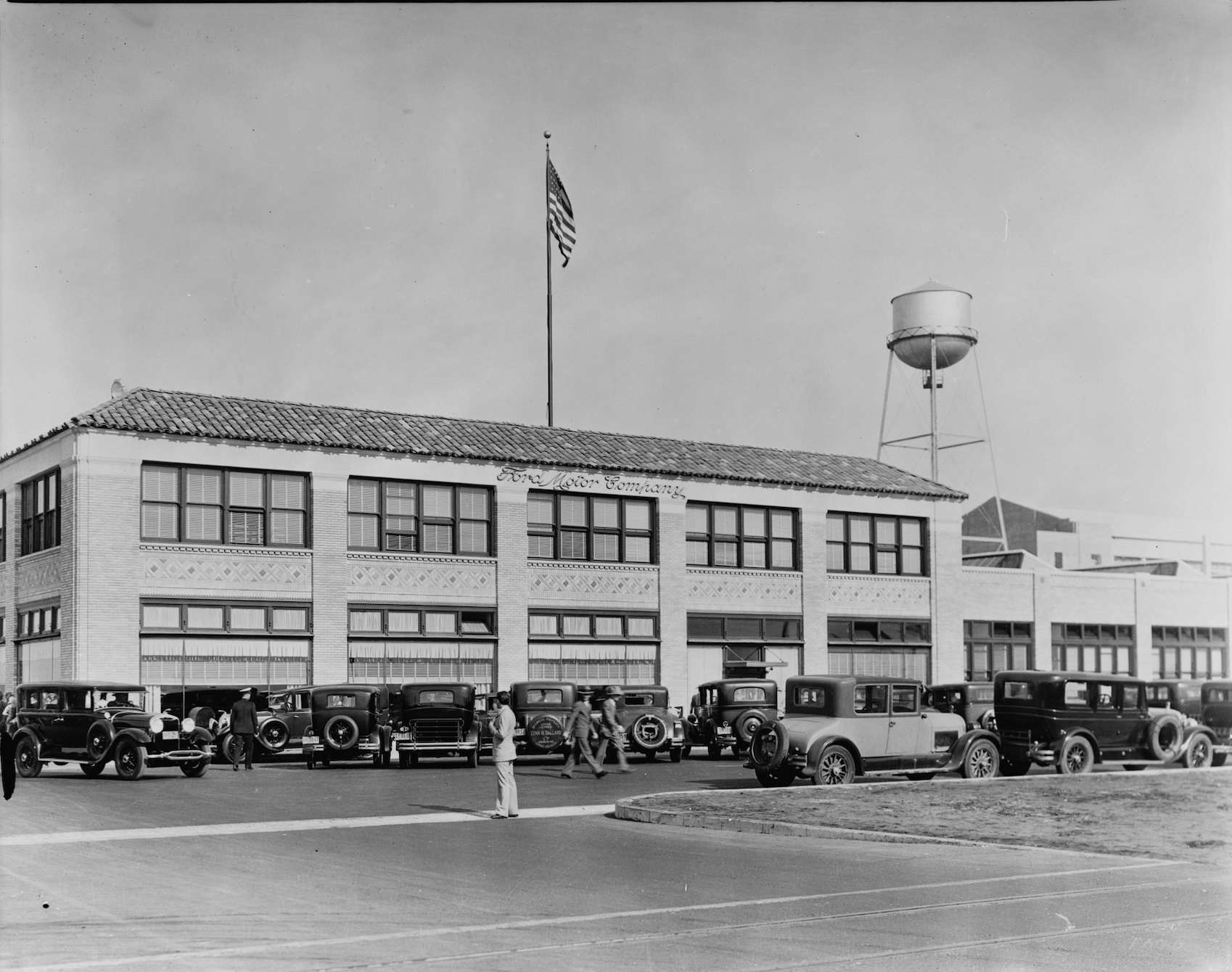
Basic construction of the plant’s initial buildings essentially was completed by March 1930. These included the main assembly building, 301 feet wide and 920 feet long, a two-story brick office building, a large warehouse and a 746-foot-long wharf on the Cerritos Channel.

Plans for a joint community grand opening celebration on April 21, 1930 were made jointly by the Wilmington and Long Beach chambers of commerce, with dignitaries from other neighboring cities including Torrance, San Pedro and Los Angeles attending.

Guests arrive at the opening day celebration at the Ford plant on April 21, 1930. (Credit: Wikimedia Commons)

The new Ford factory actually had begun production two weeks earlier on April 8, 1930, when approximately 200 new cars rolled off the assembly line.

Long Beach officials laid claim to the first “official” Model A to come off the assembly line on Monday, April 21. Ford had introduced the new vehicle superseding the Model T in 1927. 

Dignitaries at the luncheon launching the plant included California Lt. Gov. Herschel Carnahan,  L.A. Mayor John Porter, and, according to the Los Angeles Times account of the event, apparently every chamber of commerce member within a 20-mile radius. During the rest of that week, thousands of public visitors toured the factory. 

By the following September, its 1,800 workers were producing 278 vehicles daily, with a capacity to raise that to 2,000 employees and 400 cars produced daily.

Just months after it opened, Ford announced it would add a complete pressed-steel factory, for stamping out bodies, fenders and other car parts to the plant. The company also bought an additional 35 acres of adjacent land to handle future expansions.

By 1931, the factory had become a fixture in the Harbor. In 1931, the L.A. City Council announced plans to change the name of Badger Ave., which ran from Alameda St. in Wilmington to Terminal Island, to Henry Ford Ave. The Badger Ave. Bridge was also renamed the Henry Ford Bridge.

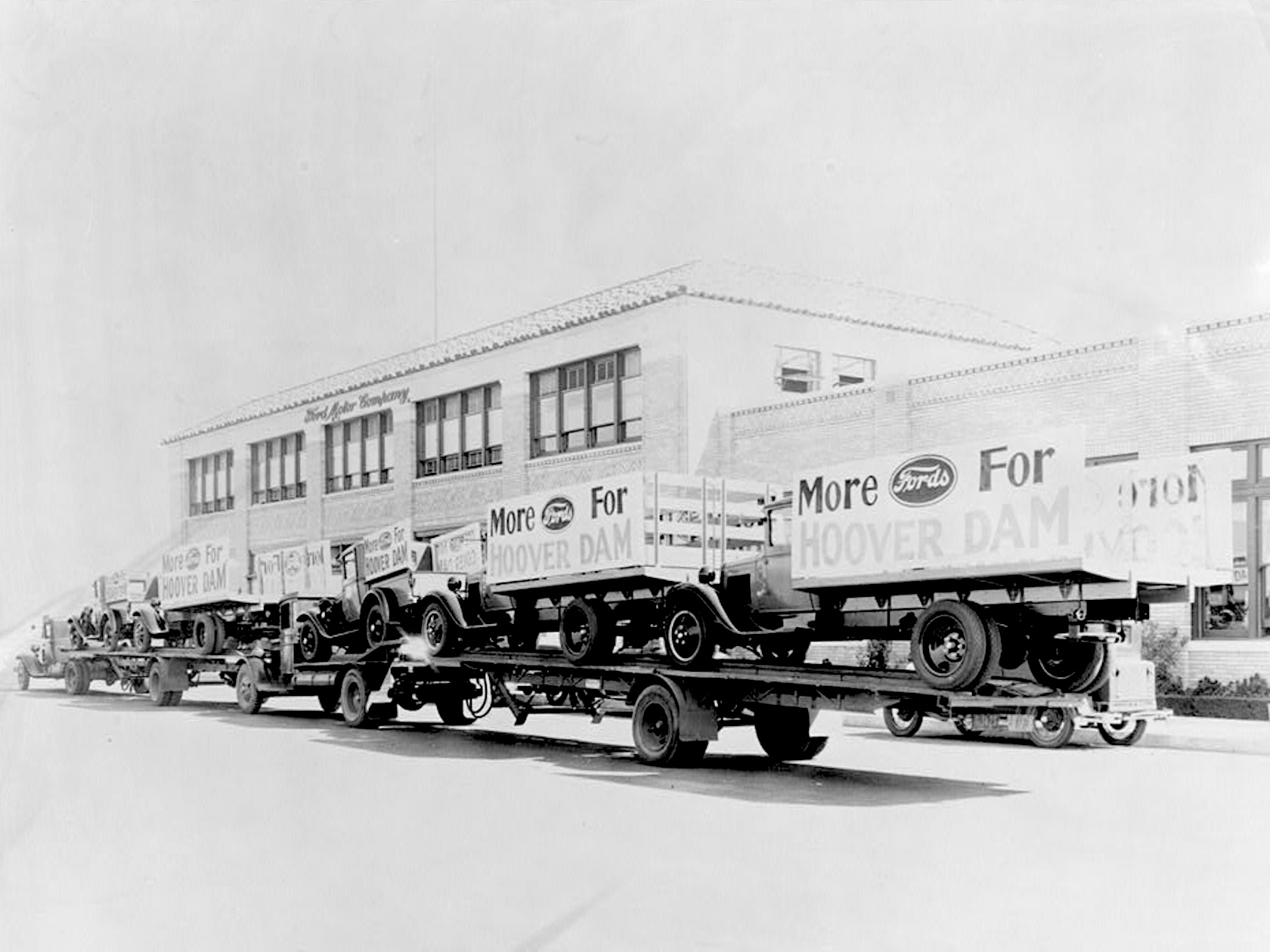
New Ford trucks and trailers headed for the Hoover Dam construction project in front of the Ford plant on Sept. 24, 1931. The dam was completed in 1936. (Credit: Ford Motor Company History website)

Since its wharf was situated wholly in Long Beach Harbor, the facility eventually became officially identified as the Long Beach Ford plant, and its ties to Wilmington have become something of a footnote.

During World War II, the Ford plant served as a supply depot for the U.S. Army Air Force. It returned to commercial production in 1945. Over the years, it had survived various work stoppages and labor strikes and a dangerous 1956 fire, and continued to produce vehicles throughout the 1950s.

Eventually, though, it was undone from below. Oil dredging in the harbor had caused the foundations of the Ford plant and other nearby buildings to sink several feet and weakened their structural stability. By the time the problem began to be rectified in the late 1950s, Ford had decided to move its plant to Pico Rivera. (That plant operated until 1980.)

After the factory shut down for good on March 20, 1959, it stood empty for several years before it was demolished in late 1991. A container storage terminal now stands on the site.

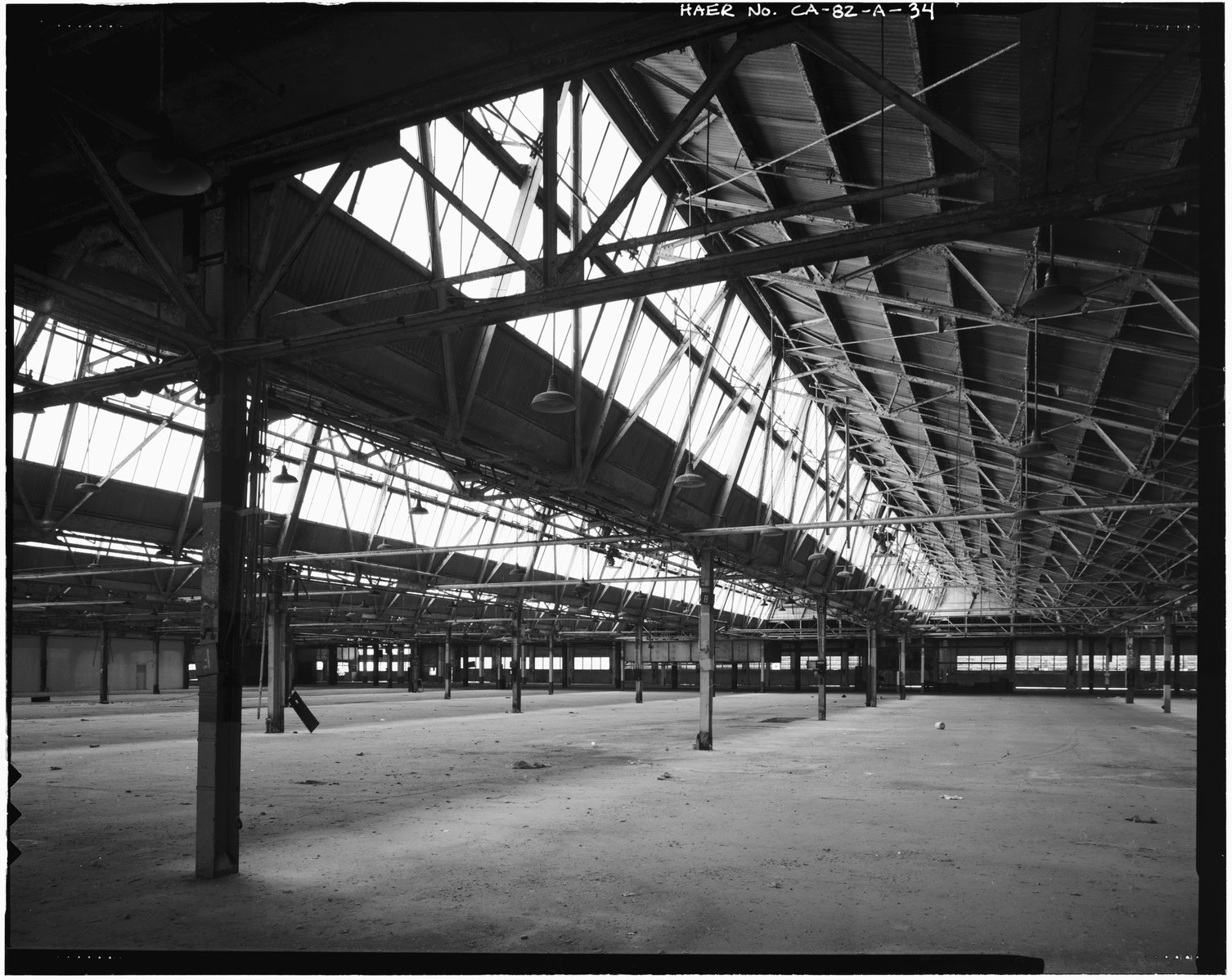
Undated post-1959 photo shows interior of the main assembly building of the Ford plant. (Credit: Library of Congress Prints & Photographs Division)

Sources:

Ford Motor Company History website.

“Ford Motor Company Long Beach Assembly Plant,” Model T Ford Forum, 2012.

Los Angeles Times archives.

“Our History,” Ford Co. website.

San Pedro News PIlot archives.

South-facing view of the Ford plant in 1936. Henry Ford Bridge is at right. (Credit: UCLA Library Special Collections archive)

The Banning mansion showcased the lifestyle of Wilmington’s most prominent citizen

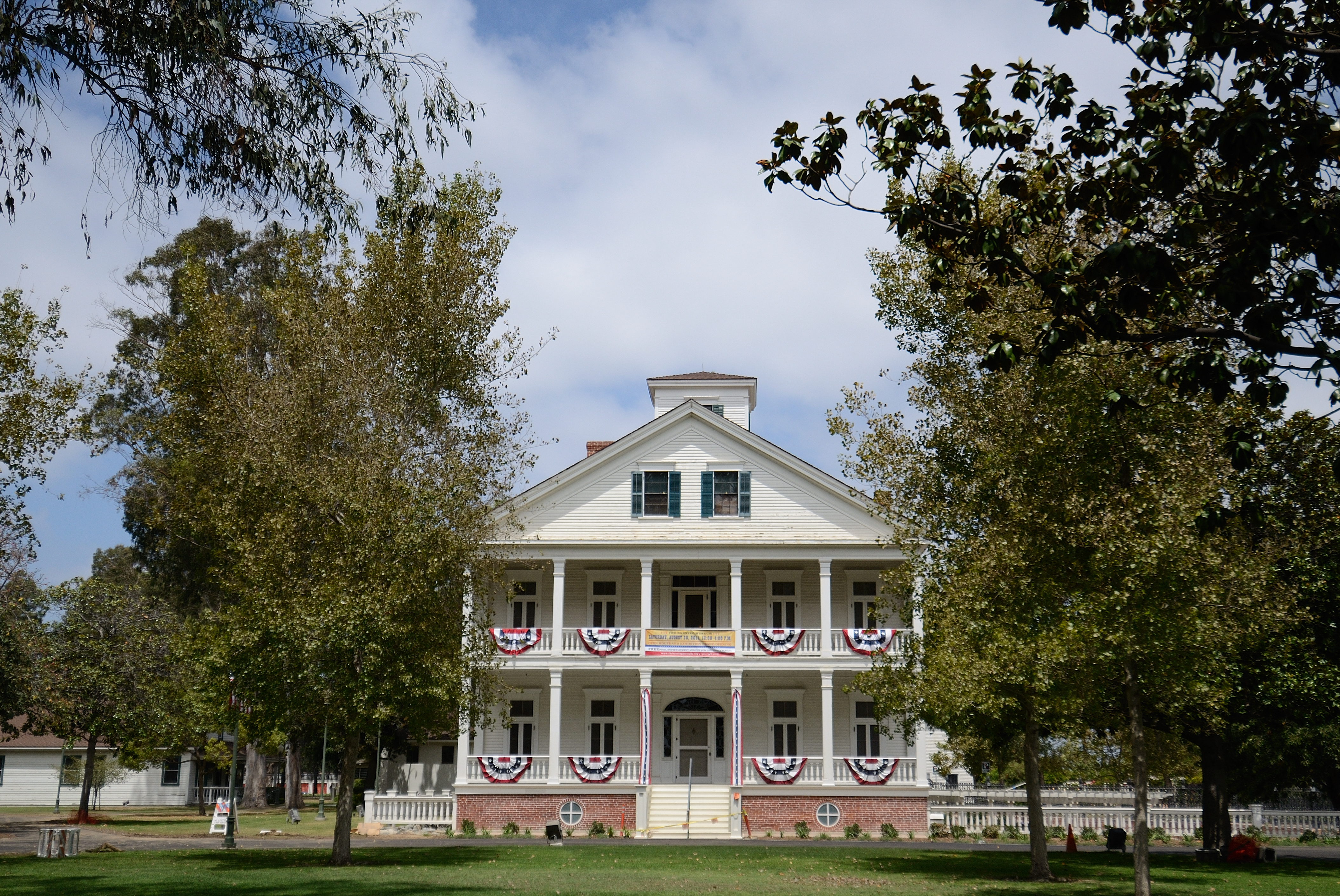
The Banning Museum in Wilmington, Calif. on Aug. 10, 2011. (Daily Breeze staff file photo by Jeff Gritchen)

It’s hard to imagine the Banning Mansion, for years a stunning Wilmington landmark, as anything less than a gleaming historical showplace set in a pristine park.

But its future was clouded by uncertainty following the death of the last family member living there, Hancock Banning, in 1925.

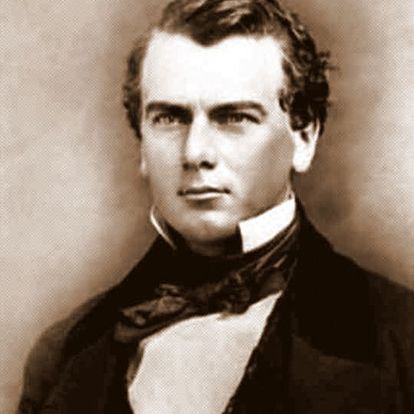
Family patriarch Phineas Banning built the structure in 1864 to replace his first house in Wilmington, a smaller structure on Canal Street (now Avalon Blvd.) not far from Banning’s Landing, the wharf where his ships docked in Los Angeles Harbor. 

Phineas Banning, undated circa 1850s.

Born in Delaware in 1830, Banning came to the San Pedro area as a 21-year-old, one year after California became a state. (He chose the name Wilmington for the 640 acres of land he eventually bought near San Pedro to honor the Delaware capital where he was raised.) A true visionary, he quickly realized that the transportation of goods would be key to the expansion of the rapidly growing Los Angeles area.

He began with stagecoach lines, but soon added shipping, thanks to the proximity of the natural harbor in San Pedro. Later on in 1869, he would open the Los Angeles & San Pedro Railroad, the area’s first, which linked the port to the metropolis 20 miles to the north.

All of these enterprises quickly made Banning a very rich man. He decided that he needed a much larger house not only for his wife, Rebecca, and their three sons, but also for hosting social and political events befitting a man of his growing stature.

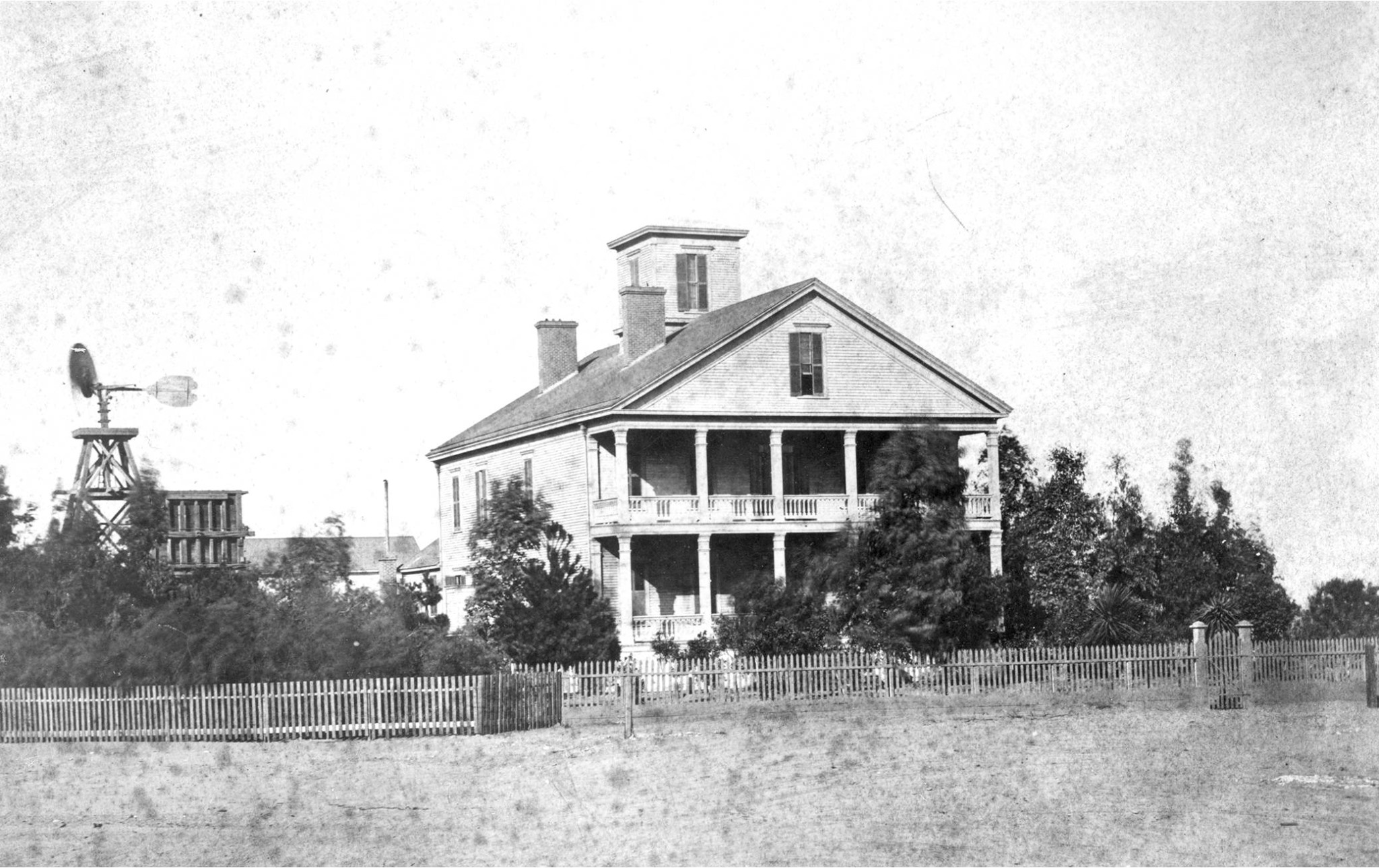
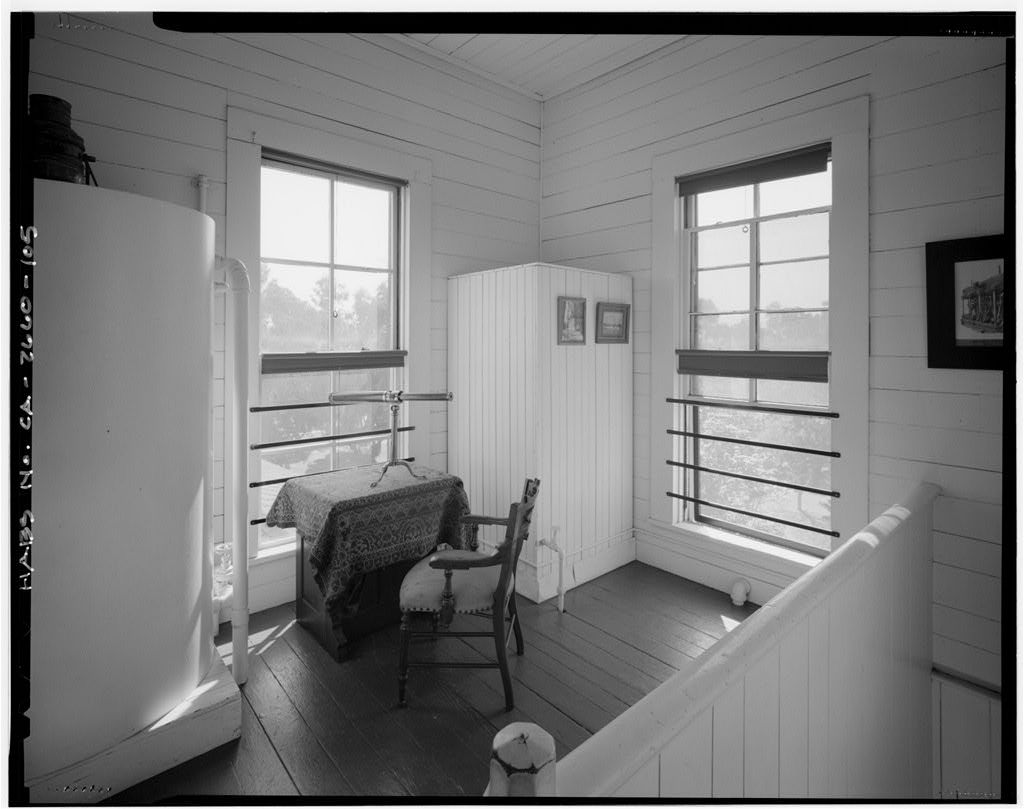
The Banning residence was built in the Greek Revival style, popular among the rich Delaware elite in the early 1800s. The original 30-room home was three stories high, with a prominent second story balcony. A rooftop cupola was added soon after the house was built. From there, Banning could train his telescope on the shipping activity in the harbor.

The earliest known photo of the original Banning residence on M St., taken by William Godfrey in 1873. (Credit: The Banning Museum)

Phineas Banning died at 54 in San Francisco in 1885 after his health began to fail in the early 1880s. 

His sons, William, Joseph and Hancock, made many improvements to the residence at 401 M Street following their father’s death. The house was enlarged and its surrounding grounds embellished. 

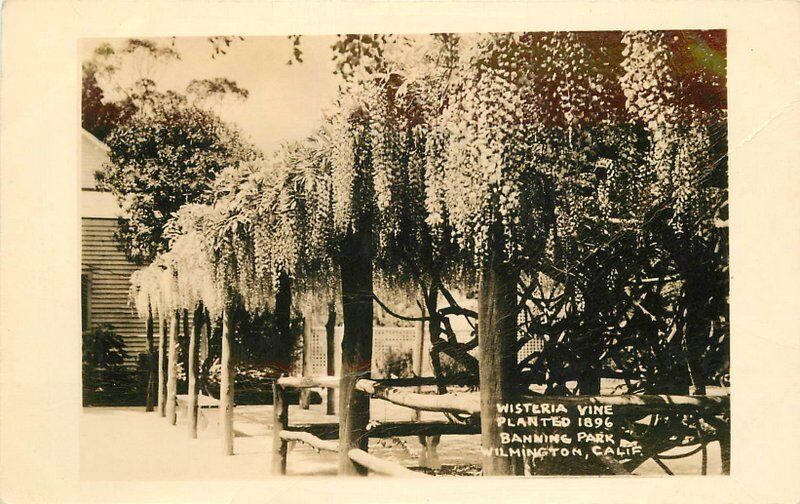
The family’s Chinese cook, Charlie Lim Yong, famously planted a wisteria vine on the property in 1896 that grew massive. Its fame spread as did its tendrils, and an annual wisteria festival was inaugurated on the site in 1931. The event continues today as the Wisteria Regale, the Banning Museum’s annual fundraiser.

1930s-era postcard shows the wisteria vine at Banning Park planted by Charlie Lim Yong in 1896.

Joseph Banning gets credit for adding the mansion’s first indoor bathroom in 1893. Hancock Banning made many changes in the early 1900s, adding a kitchen, a ballroom and a nearby sunken garden by 1911.

Hancock’s wife, Anne, sold the mansion and grounds to the the city of Los Angeles in 1925 to cover estate taxes. This led to a critical moment in the mansion’s history, a March 10, 1927 election among the citizens of Wilmington to determine whether to develop the mansion and its surrounding 20 acres as a public park.

The residents voted overwhelmingly, 1281 for and 55 against, to do so. Banning Park soon became a popular destination for the community. The house itself was in need of sprucing up, however, and the family had removed most of its original furniture.

View inside the cupola atop the Banning mansion shows telescope trained on Los Angeles Harbor. Undated.
(Credit: Library of Congress Prints & Photographs Division)

The city’s plans to develop the property further proceeded slowly, though the home was opened to the public on select occasions in 1931. Approval of the site as a California Historical Landmark was made contingent upon the donation of antiques from other local pioneer families to furnish the mansion.

Finally, in 1936, the city signed an agreement calling for the establishment of the mansion as a permanent historical museum, and it became California State Historical Landmark Number 147. At its official dedication ceremony on June 6, dignitaries abounded and congratulatory remarks from President Franklin Delano Roosevelt were read aloud to those assembled.

Financing for the much-needed refurbishing of the house and grounds continued to be slow in arriving thanks in part to Depression-era economics. Its transformation into a working museum was further stalled by the outbreak of World War II.

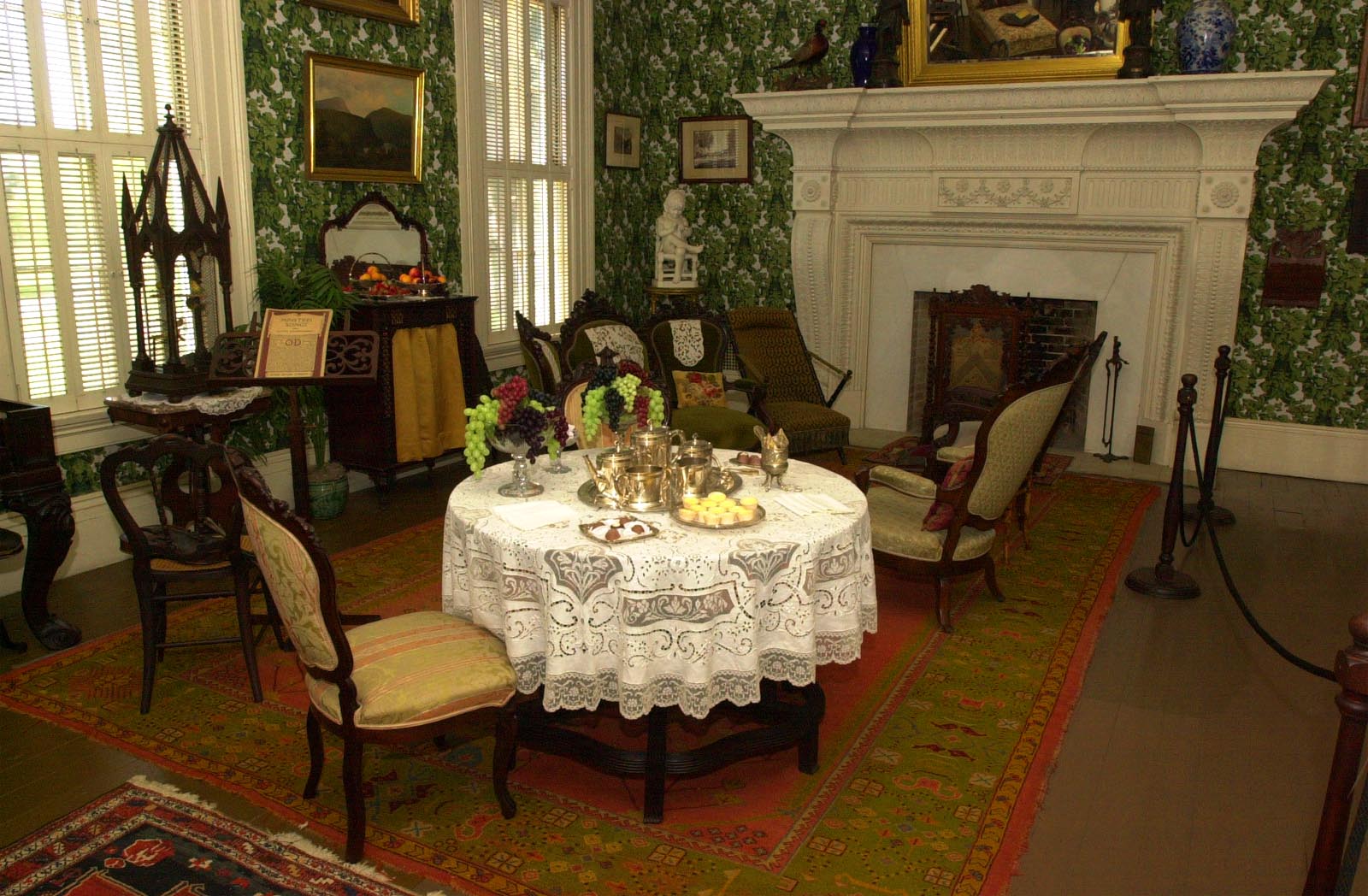
A room at the Banning mansion decorated as it might have looked in 1881. Aug. 4, 2000. (Daily Breeze staff file photo by Robert Casillas)

During the war, the U.S. Army commandeered the site, transforming the mansion into HQ for “Camp Banning.” The army stationed anti-air-craft and other units on the mansion’s grounds, built temporary barracks, and stationed a WAC unit at the park. The mansion’s furniture was put in storage for safekeeping.

The park offered temporary housing for veterans and their families for three years after the war. After that ended, Banning Park was returned to Wilmington’s residents. But first, it had to be rehabilitated.

The restored mansion finally opened its doors to an estimated 2,000 visitors three years later, on March 30, 1952. Since then, the Banning Museum and park has become the area’s crown jewel and an active historical center.

The City of Los Angeles added it as Historic-Cultural Monument 25 in 1963, and it was added to the National Register of Historic Places on May 6, 1971.

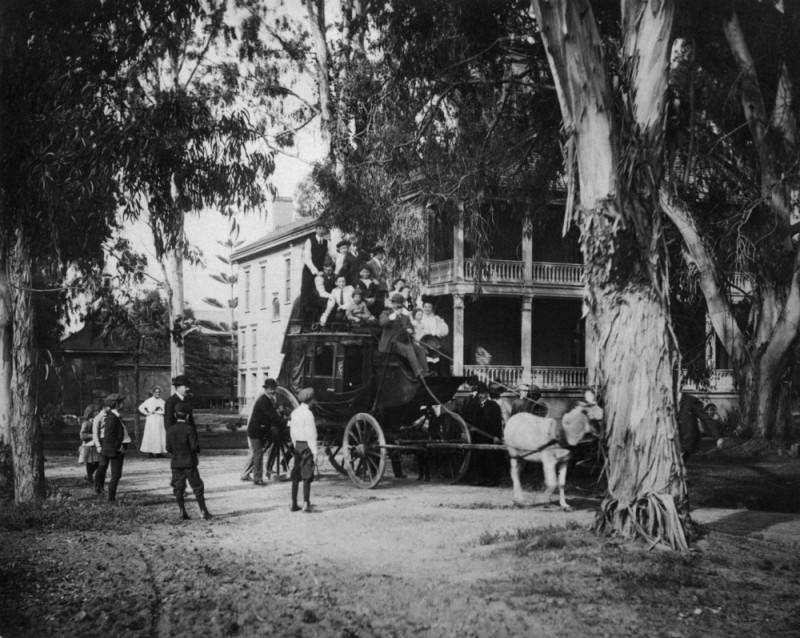
A mule-drawn coach filled with people parks in front of the tree-shaded residence of Phineas Banning in Wilmington, circa 1900. (Credit: Los Angeles Public Library Photo Collection)
Sources:

“About Us,” Banning Museum website.

Daily Breeze archives.

Grand Ventures: The Banning Family and the Shaping of Southern California, by Tom Sitton, Huntington Library, 2010.

“Lecture on the Banning Museum Historic Structure,” video of presentation by Banning Residence Director Michael Sanborn, Dec. 16, 2020.

Los Angeles Times archives.

San Pedro News Pilot archives.

Wilmington Press Journal archives.

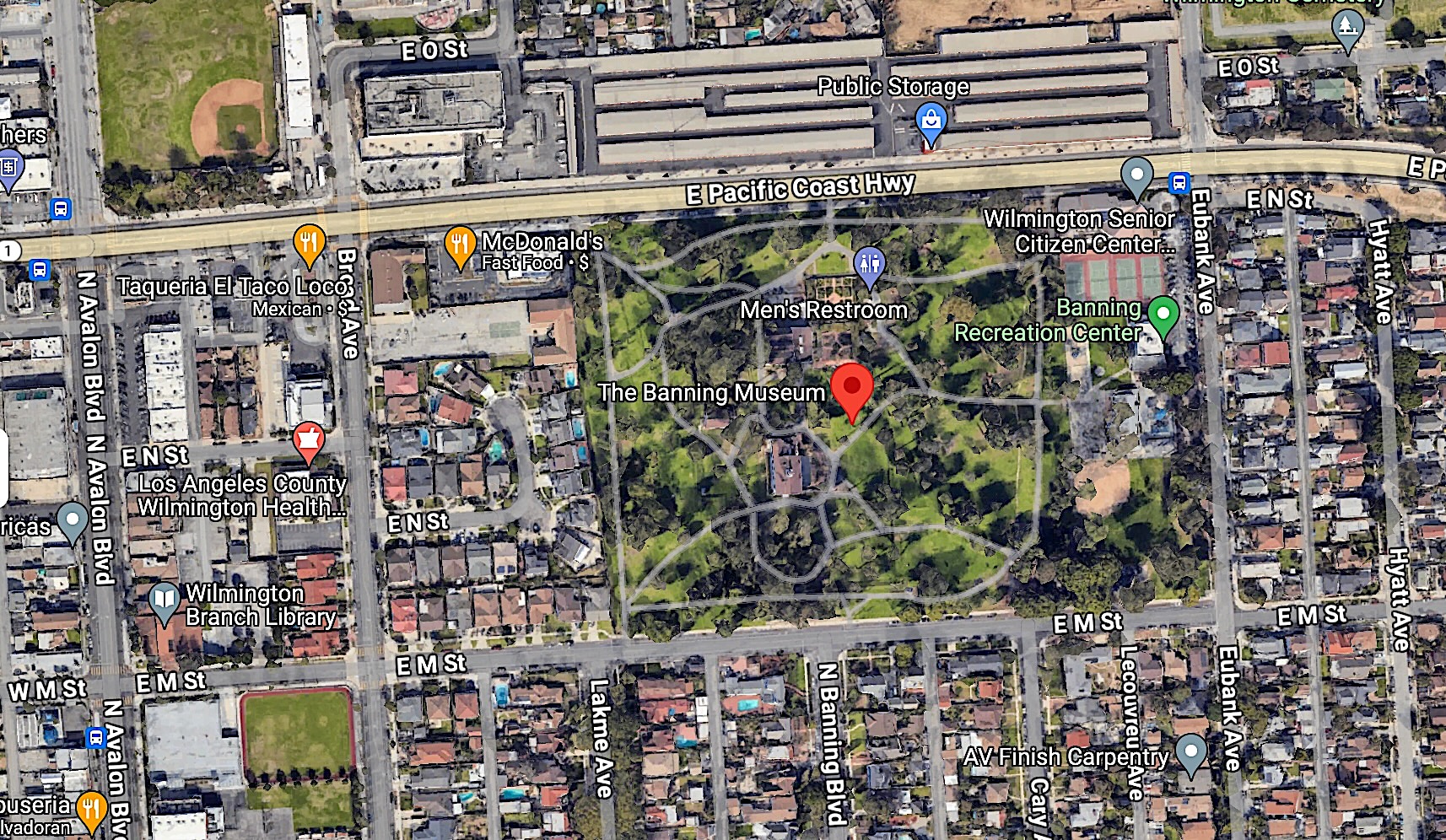
2024 image shows Banning Park and Banning Museum, center. (Credit: Google Earth)

Celebrated pilot Bob Hoover’s famous World War II flight tells only part of his story

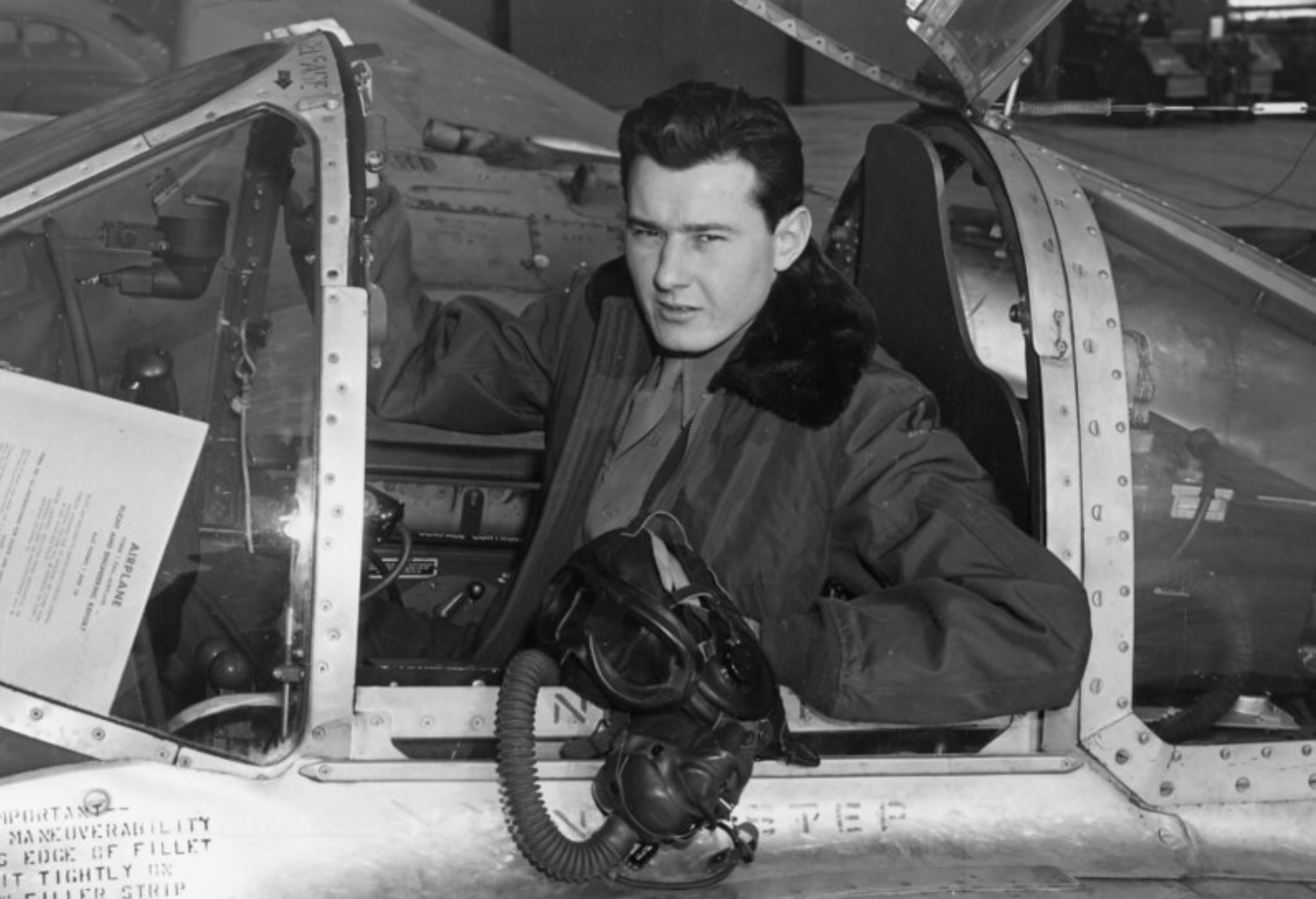
Bob Hoover in his favorite place, the cockpit of a military jet fighter. Undated, circa late 1940s-early 1950s. (Credit: San Diego Air and Space Museum)

Robert Anderson “Bob” Hoover piloted more than 300 different planes during a lifetime dedicated to aviation, but perhaps his most unusual flight took place in a German Focke-Wulf Fw190 airplane in the waning days of World War II in 1945.

On Feb. 9, 1944, the 22-year-old U.S. Army Air Forces pilot was flying a Spitfire Mark V over the south of France on his 59th mission when he ran into German fighters. One of his fellow pilots was shot down. Hoover in turn downed the German pilot who’d attacked his comrade and the chase was on.

He succeeded in eluding the remaining German planes until he ran out of gas over the ocean off Nice on the French coast. He had to ditch his plane in the waters, where he was captured. He spent more than a year in Stalag Luft 1, a German prison camp on the Baltic Sea. After two dozen unsuccessful escape attempts, he tried again during a riot which broke out at the camp.

This time, he managed to clamber over the fence and flee along with two other prisoners. They rode bicycles through the countryside until coming across an airfield filled with damaged and broken-down German planes.

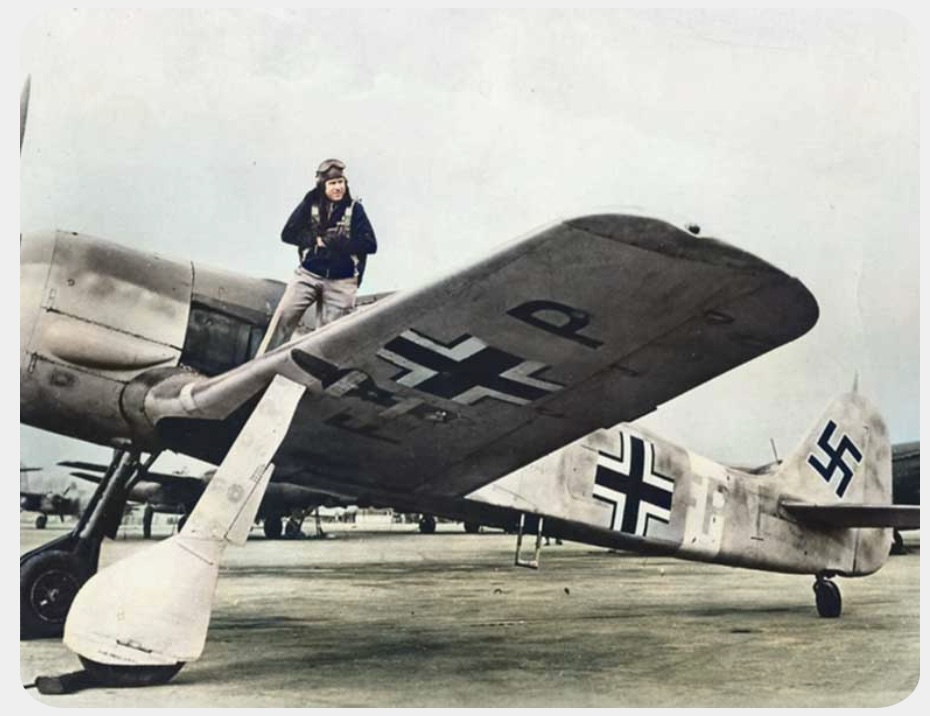
Bob Hoover stands on the wing of the German Fw190 plane he commandeered during his escape from a Nazi prison camp in 1945. (Credit: The Bob Hoover Legacy Foundation website)

Hoover discovered one reconnaissance plane, an Fw190, that, somewhat miraculously, not only had not been damaged but also had a full tank of fuel. He commandeered it, but once in the air, he had no way to notify potential Allied patrol planes that he was an American, not a German.

He also didn’t have navigational information. He decided to fly west and look for the windmills and tulip fields of Holland before landing. He found them, but his troubles didn’t end after he touched down. A group of Dutch farmers immediately surrounded him, thinking they’d captured a German pilot. Fortunately, Hoover was able to convince them he was part of the Allied forces.

Hoover, who lived in Palos Verdes Estates for more than 40 years, was born in Nashville, Tennessee, on Jan. 24, 1922. From his earliest days, he was enamored with flying airplanes, paying for flight lessons at nearby Berry Field as a teenager with money earned working at the local A&P grocery store. 

In 1938, at his earliest opportunity, he joined the Tennessee Air National Guard, which was called into service at the beginning of World War II. Hoover remained in the military following the end of the war, continuing to test-fly planes for the Army Air Forces, which became the U.S. Air Force in 1947.

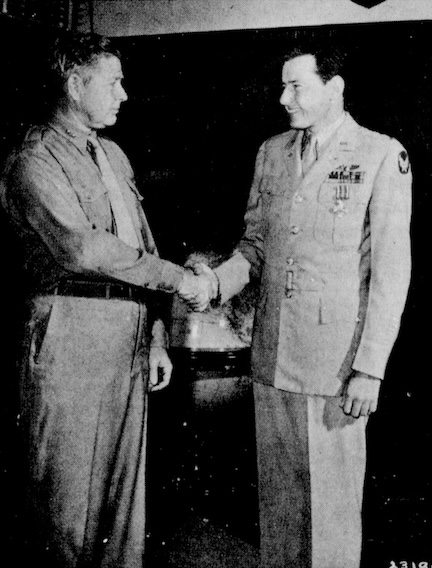
Bob Hoover, right, receives the DFC medal from an Air Force official at Wright-Patterson Air Force Base in 1945. (Credit: Palos Verdes Peninsula News archives)

He was party to another famous flight on Oct. 14, 1947, when he flew the chase plane for his friend Chuck Yeager during the first-ever supersonic flight of the Bell X-1. Hoover also served as back-up pilot for Yeager during the Mojave Desert test flights.

While stationed at Wilbur Wright Field near Dayton, Ohio, following the war’s end, Hoover met and married his wife, Colleen. Their marriage would last 68 years until her death in 2016. He left the Air Force in 1948, and was awarded the Distinguished Flying Cross for his valor upon his discharge.

The couple moved to California, settling in a house on Via del Monte in PVE where they would raise their two children, Anita and Robert. In 1950, Hoover took a job with North American Aviation in El Segundo, which would later become Rockwell International. He would go on to work for Rockwell for 36 years.

Hoover continued his work as a test pilot, immediately turning his attention to North American’s F-86 Sabrejet fighter. The plane would become a mainstay of the Air Force during the Korean War. Because of his civilian status, Hoover was barred from flying missions during the war, but he still managed to finagle his way into several bombing missions and other military actions during the conflict.

The F-86 flights were only the beginning. He continued to test military aircraft of all types during his tenure at Rockwell, traveling the country to explain and demonstrate the workings of dozens of planes to Air Force pilots.

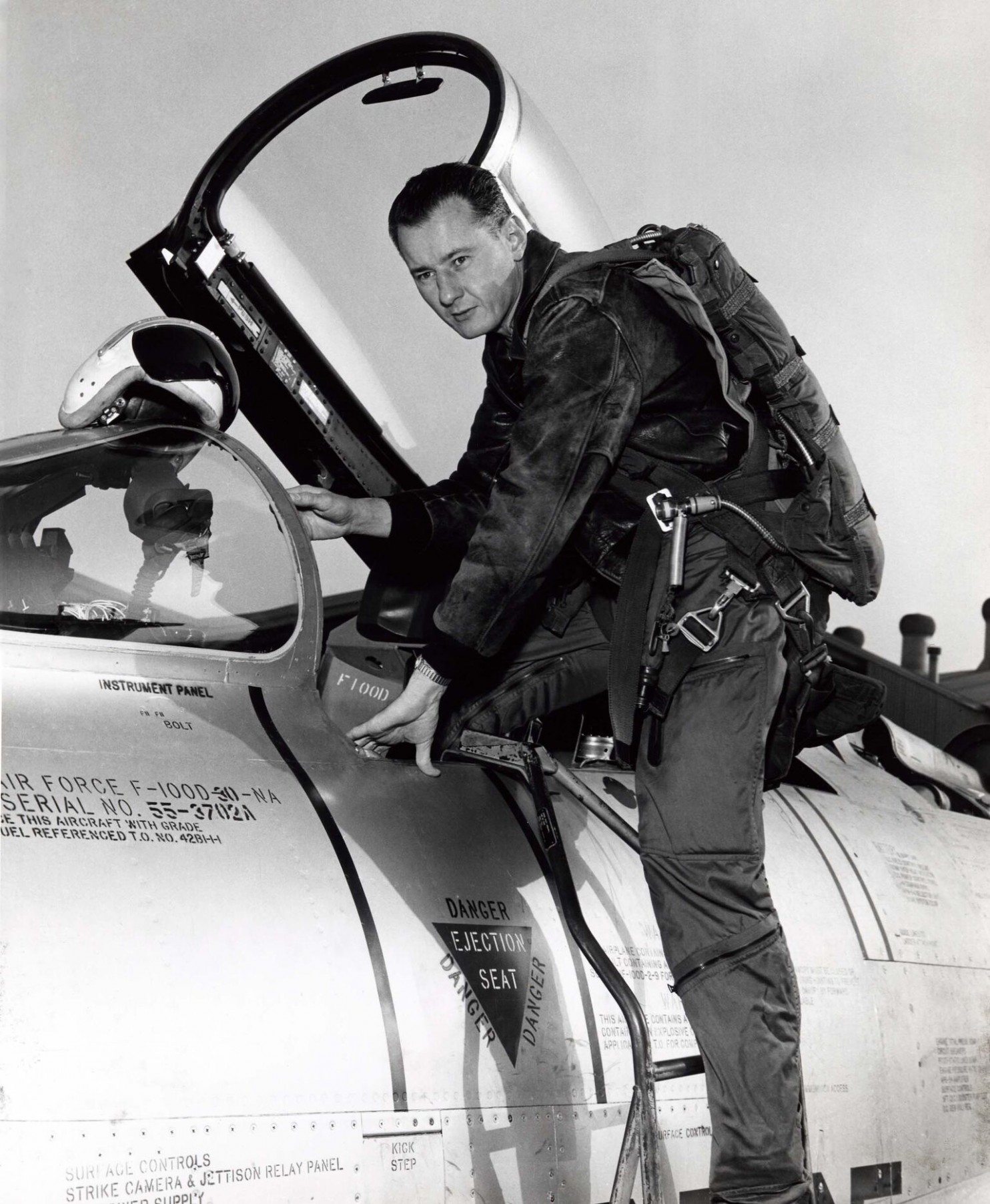
Bob Hoover climbs into the cockpit of an F-100D Super Sabre jet fighter, which went into service in 1956. Undated. (Credit: San Diego Air and Space Museum)

During the peacetime years that followed, Hoover would further enhance his reputation – Gen. Jimmy Doolittle once called him “the greatest stick-and-rudder man who ever lived” – in a new forum: as a stunt pilot at air shows.

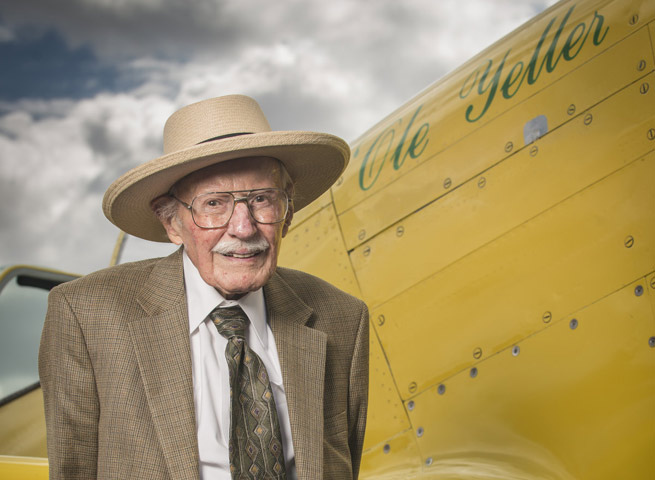
Unlike most such pilots who wore military fatigues and flight suits on the tarmac, Hoover always dressed nattily in a coat and tie for his demonstration flights. He flew either his vintage bright yellow P-51 Mustang nicknamed “Ole Yeller,” or his Shrike Commander, a twin-engine business  aviation plane manufactured by North American Rockwell.

His breathtaking aerial routines included loops, stalls, barrel rolls and other maneuvers, often concluded with a dead-stick landing. He performed the routines at air shows for 50 years, even surviving an attempt by the Federal Aviation Administration to pull his license following a failed medical exam in the early 1990s.

Hoover fought the FAA’s decision and won, performing for several more years before retiring from the air show circuit in 1999. He died at 94 from heart failure at Torrance Memorial Medical Center on Oct. 25, 2016.

In addition to the DFC, Hoover also was awarded the Soldier’s Medal for Valor, Air Medal with Clusters, Purple Heart and the French Croix de Guerre during his career. He was inducted into National Aviation Hall of Fame in 1988 and was made an honorary member of the U.S. Navy’s Blue Angels and the Air Force’s Thunderbirds aerobatic teams, among his many other honors.

Bob Hoover stands next to his P-51 stunt plane “Ole Yeller.” Undated photo circa early 2000s. (Credit: Find A Grave website, contributed by Nathan Wilburn)

Sources:

“Five Pilots That Reached Aviation Immortality: Bob Hoover,” by W. David Pond, Plane and Pilot magazine website, Oct. 27, 2022.

Daily Breeze archives.

Find A Grave website.

Los Angeles Times archives.

Palos Verdes Peninsula Press archives.

Wikipedia.

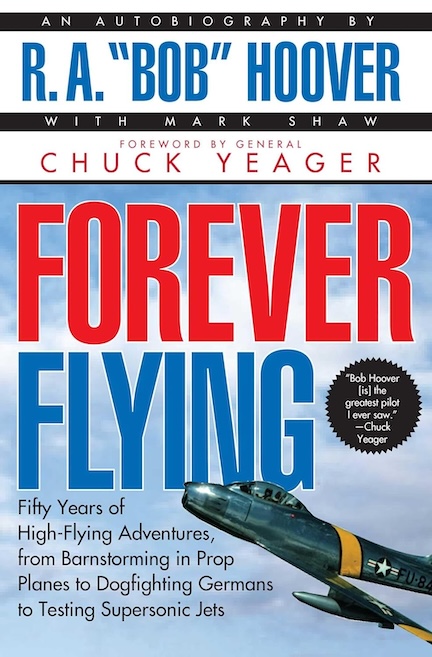
Further reading: Forever Flying: Fifty Years of High-Flying Adventures, From Barnstorming in Prop Planes to Dogfighting Germans to Testing Supersonic Jets, By R. A. “Bob” Hoover, Atria Books, 1997.

Love affair ended tragically for Japanese American couple in the 1930s

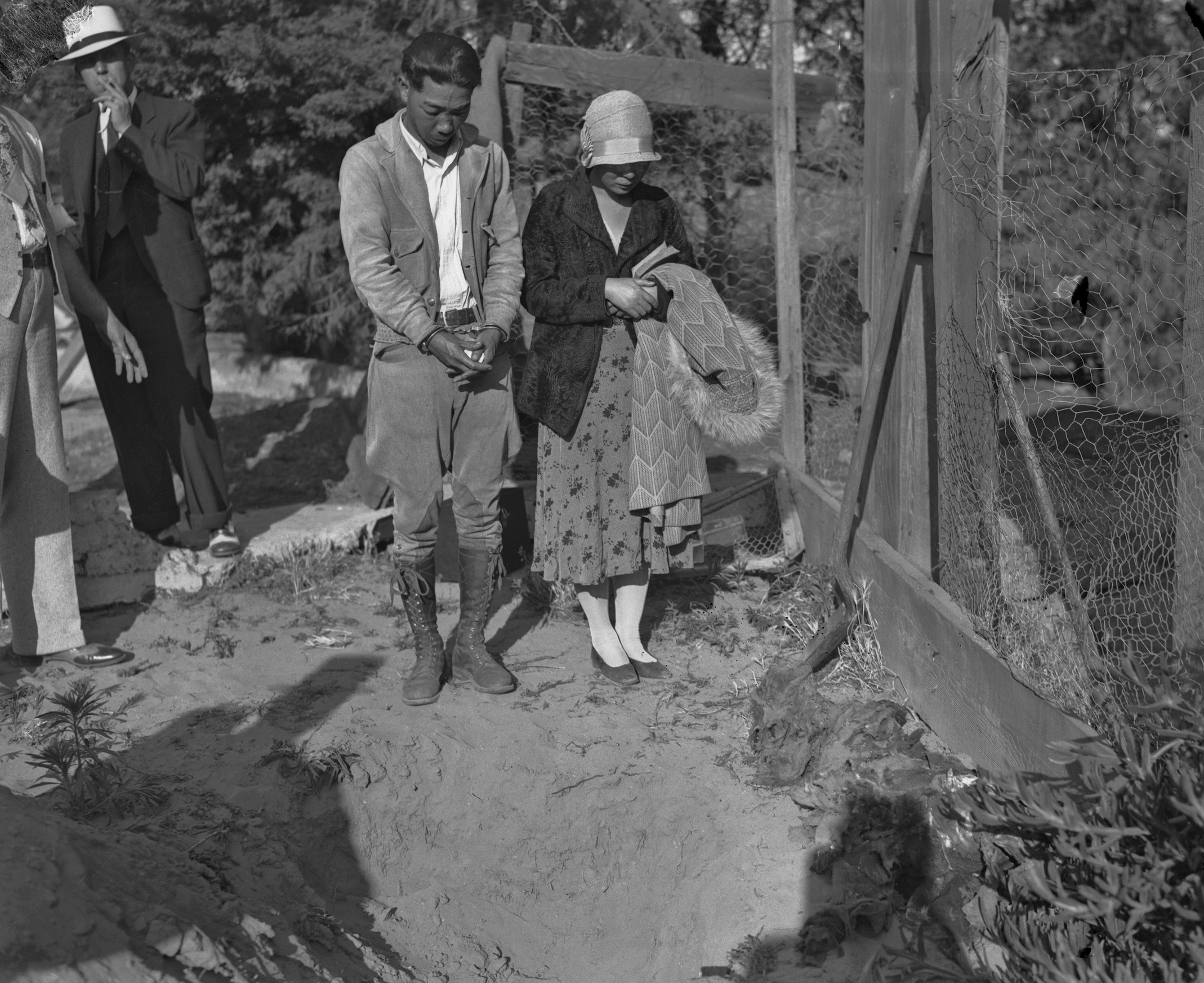
Koji Hatamoto and Ayako Kanda stand over the gravesite of 3-year-old Molly Kanda on June 6, 1932. (Credit: UCLA Library, Dept. of Special Collections)

The death of three-year-old Molly Kanda on Dec. 13, 1931, can only be perceived as a ruthlessly senseless killing when viewed from the Western perspective.

But a further examination of the circumstances surrounding her demise only make it more tragic.

Molly was born to married couple Rinzaburo Kanda, a businessman, and his wife, born Ayako Hagikawa, in 1928. The family lived in West Los Angeles.

Koji Hatamoto in custody during trial. Aug. 31, 1932. (Credit: UCLA Library, Dept. of Special Collections)

Unhappy in her marriage, Ayako Kanda, 30, began a secret affair with Koji Hatamoto, 36. She decided to leave her husband on Dec. 11, 1931, taking her daughter with her. 

She eloped with Hatamoto to Torrance, where the couple moved into a small cottage on a ranch located on Emerald St. near Earl Ave. in West Torrance, just north of the present-day Providence Little Company of Mary Medical Center. (At the time, the area was part of the Victor Tract in unincorporated Los Angeles County; Torrance would annex the tract in 1956.)

Her husband Rinzaburo immediately knew his wife and daughter were gone upon arriving home from work, but was unable to locate her for six months. He enlisted the help of his brother, Takato, who located the couple in the Torrance area on June 6, 1932. But Molly was nowhere to be found.

When Rinzaburo confronted the couple over the child’s whereabouts, they at first told him that she had disappeared during a shopping outing in San Pedro. Ayako said she didn’t report it because she couldn’t risk having her illicit affair discovered.

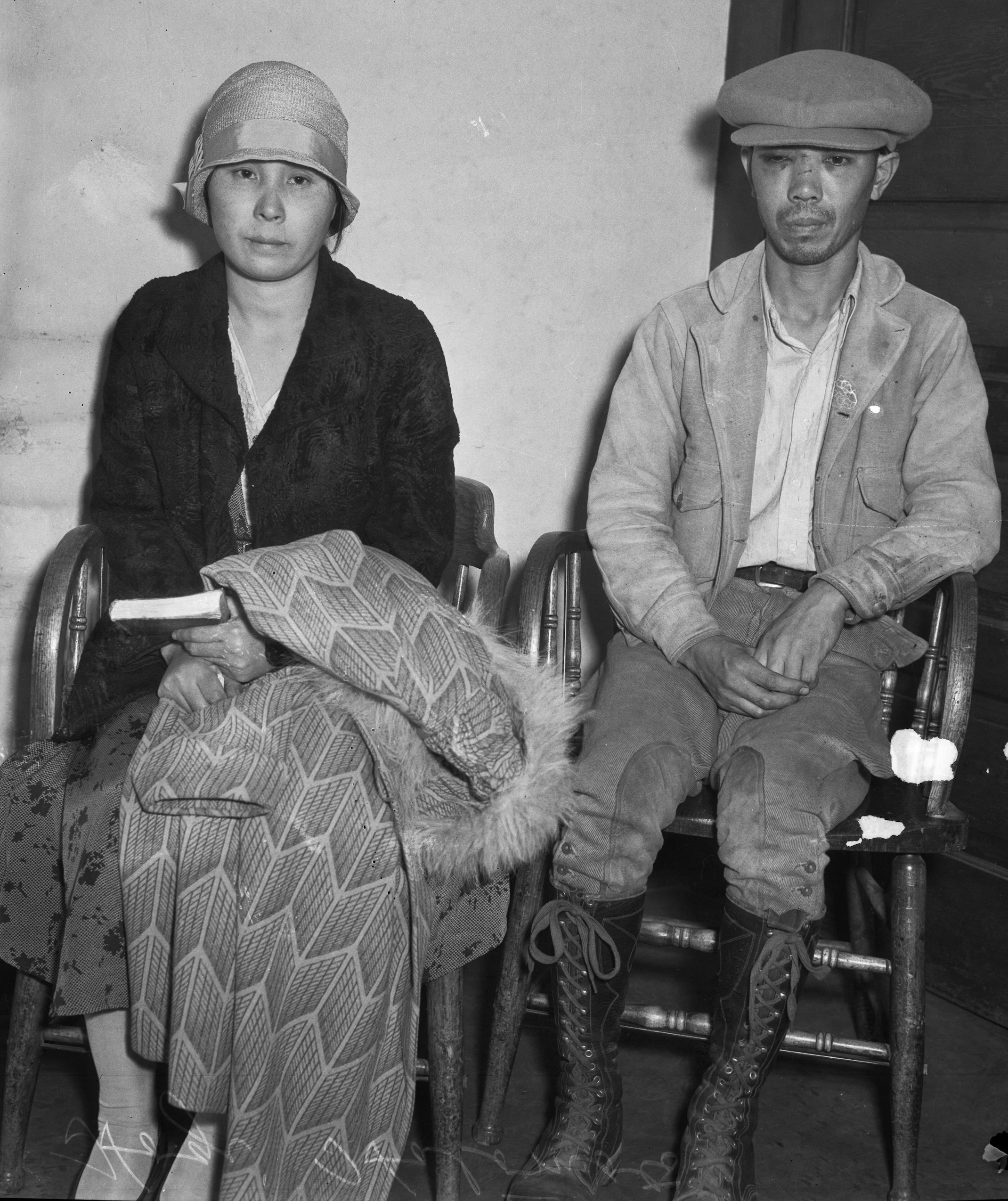
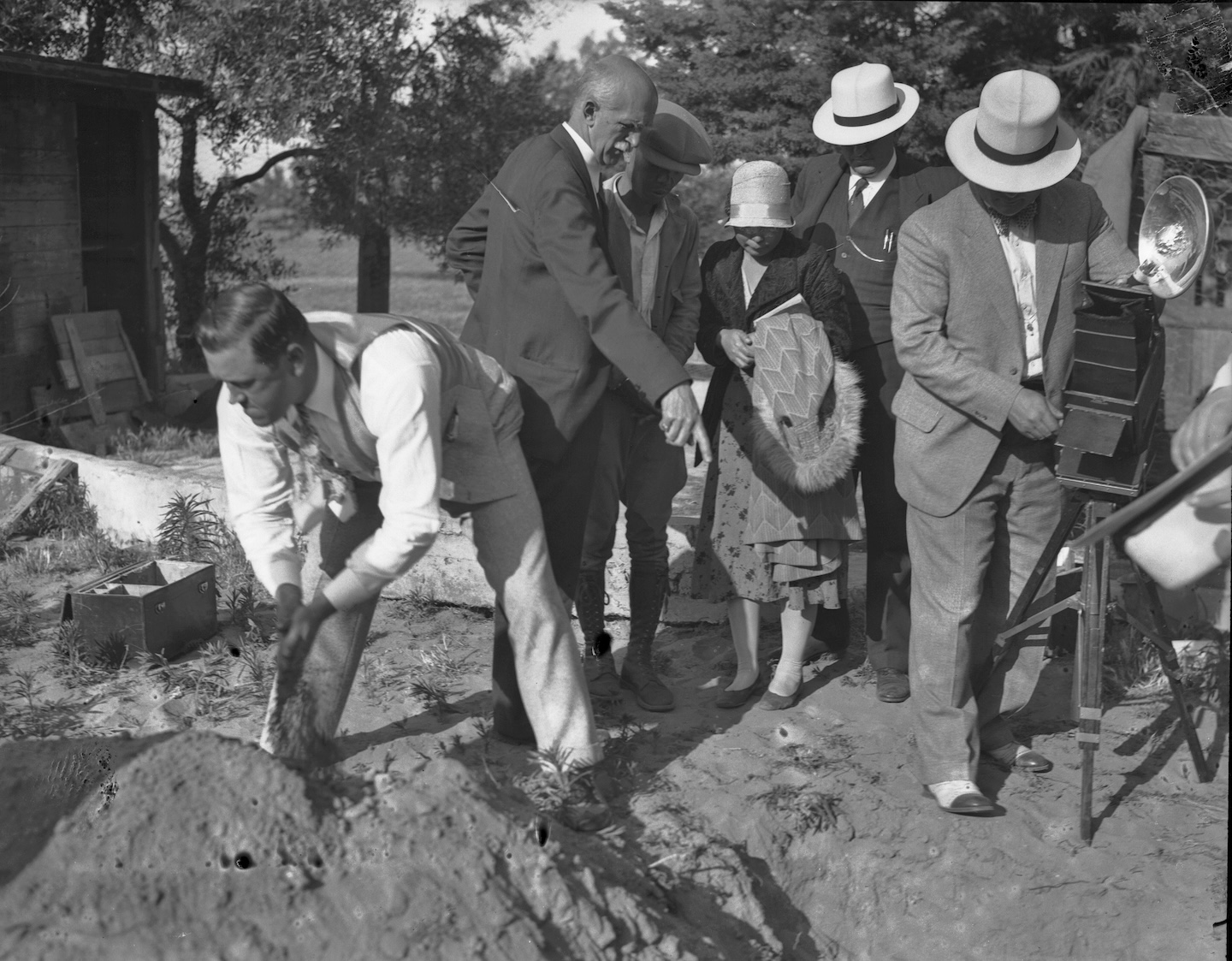
Los Angeles County sheriffs were called after Rinzaburo physically attacked Hatamoto over the child’s disappearance. Under further questioning, the couple admitted that Molly had died the previous December. “We buried her there!” Ayako burst out, pointing to an area of ground in the chicken yard outside the cottage.

Koji Hatamoto and Ayako Kanda, center, look on as a sheriff’s detective digs at the burial site of Molly Kanda. June 6, 1932. (Credit: UCLA Library, Dept. of Special Collections)

Deputies dug up the soft ground and found Molly’s body buried three feet down. The next story from the couple was that they had attempted to carry out a family suicide pact by turning on the gas in the house. The adults had lost their nerve and turned the gas off, but not before Molly died.

Group suicide has less of a stigma attached to it under Japanese Buddhist beliefs, where it’s thought that families are reunited happily in the afterlife following the taking of their own lives together.

But medical examinations alarmed the authorities when they revealed that Molly actually had died from two bullets to the head.

During the trial that unfolded in the Los Angeles Superior Court under Judge Schmidt in late August, 1932, the truth eventually came out.

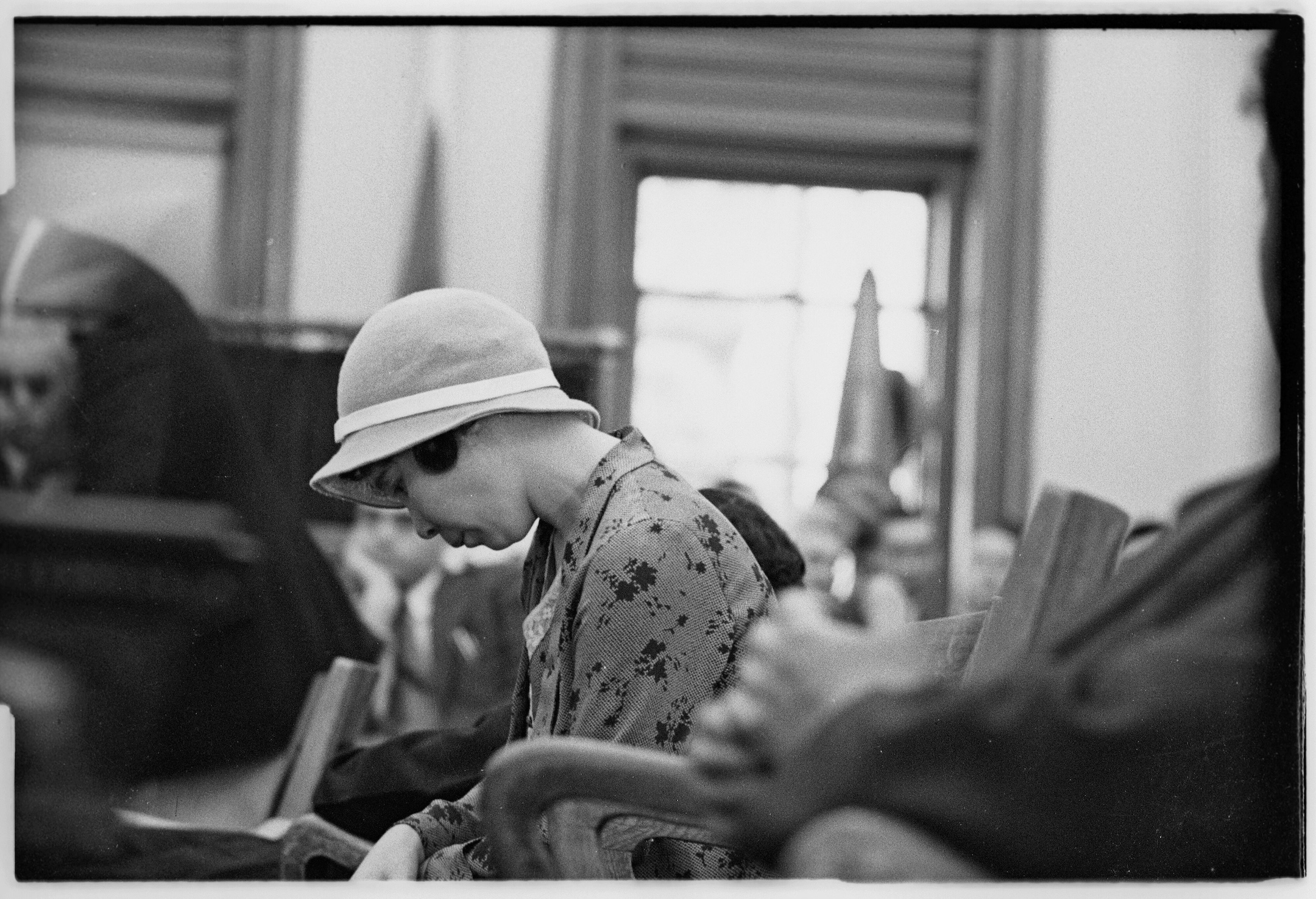
Ayako Kanda slumps in court as she is sentenced to life in prison for her role in the murder of her daughter. Sept. 1, 1932. (Credit: UCLA Library, Dept. of Special Collections)

The lovers had indeed agreed to a family suicide pact, having “mutually agreed to never stop loving each other until death do us part,” according to Hatamoto. Ayako asked that her paramour kill both her and Molly in the cottage while she held the tot in her arms. Hatamoto refused to do so, so she told him to take the child outside.

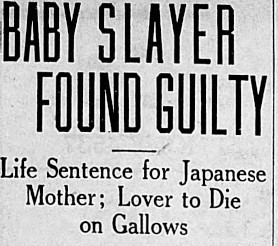
San Pedro News Pilot, Sept.2, 1932, Page 3. (Credit: San Pedro News Pilot archives)

Hatamoto complied, shooting the child twice with a rifle. They intended to kill themselves next, but could not bring themselves to do it.

According to Ayako’s testimony as told through an interpreter, they wrapped Molly’s body in a coat and kept her in a closet for three days before burying her in the yard.

Ayako also announced during her testimony that it was her wish that she and Hatamoto both receive the death penalty and die together.

At the conclusion of his trial, Judge Schmidt agreed that Hatamoto was guilty, and sentenced him to death. Because she failed to protest Molly’s killing or express remorse for it, Ayako Konda received a sentence of life in prison the following day.

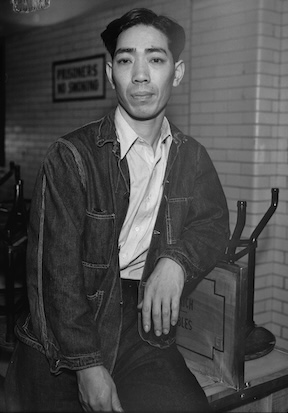
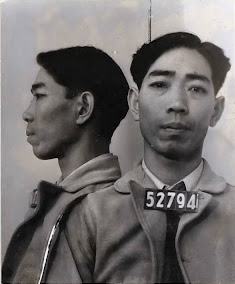
Koji Hatamoto. San Quentin Prison photo, Oct. 3, 1932. (Credit: Criminal Genealogy blog)
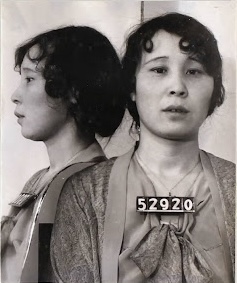
Ayako Kanda, San Quentin Prison photo, Sept. 9, 1932. (Credit: Criminal Genealogy blog)

After a last-second conversion to Christianity, Hatamoto, carrying a photo of Molly, the child he had killed, was executed by hanging at San Quentin Prison on May 19, 1933. He was 38.

At the time, hanging was the method of execution in California. A 1937 state law replaced hanging with the gas chamber as the state’s method of capital punishment.

Ayako’s husband, Rinzaburo Kanda, later was sent to the Granada internment camp in Colorado during World War II. He died in California in 1965.

Ayako Kanda was sent first to San Quentin Prison and later transferred to the state prison in Tehachapi. The last record of her shows her as having been released and deported to Japan in 1940.

Ayako Kanda (left) and Koji Hatamoto sitting in a police station after Hatamoto was assaulted by Kanda’s husband, Rinzaburo Kanda. June 6, 1932. (Credit: UCLA Library, Dept. of Special Collections)

Sources:

“Ayako Kagikawa-Kanda: Murder 1st Degree,” by Gwen Kubberness, Criminal Genealogy blog, July 31, 2020.

Los Angeles Times archives.

San Pedro News Pilot archives.

Torrance Press-Herald archives.

Aircraft firm based at Torrance Airport created an innovative crop duster in the 1950s

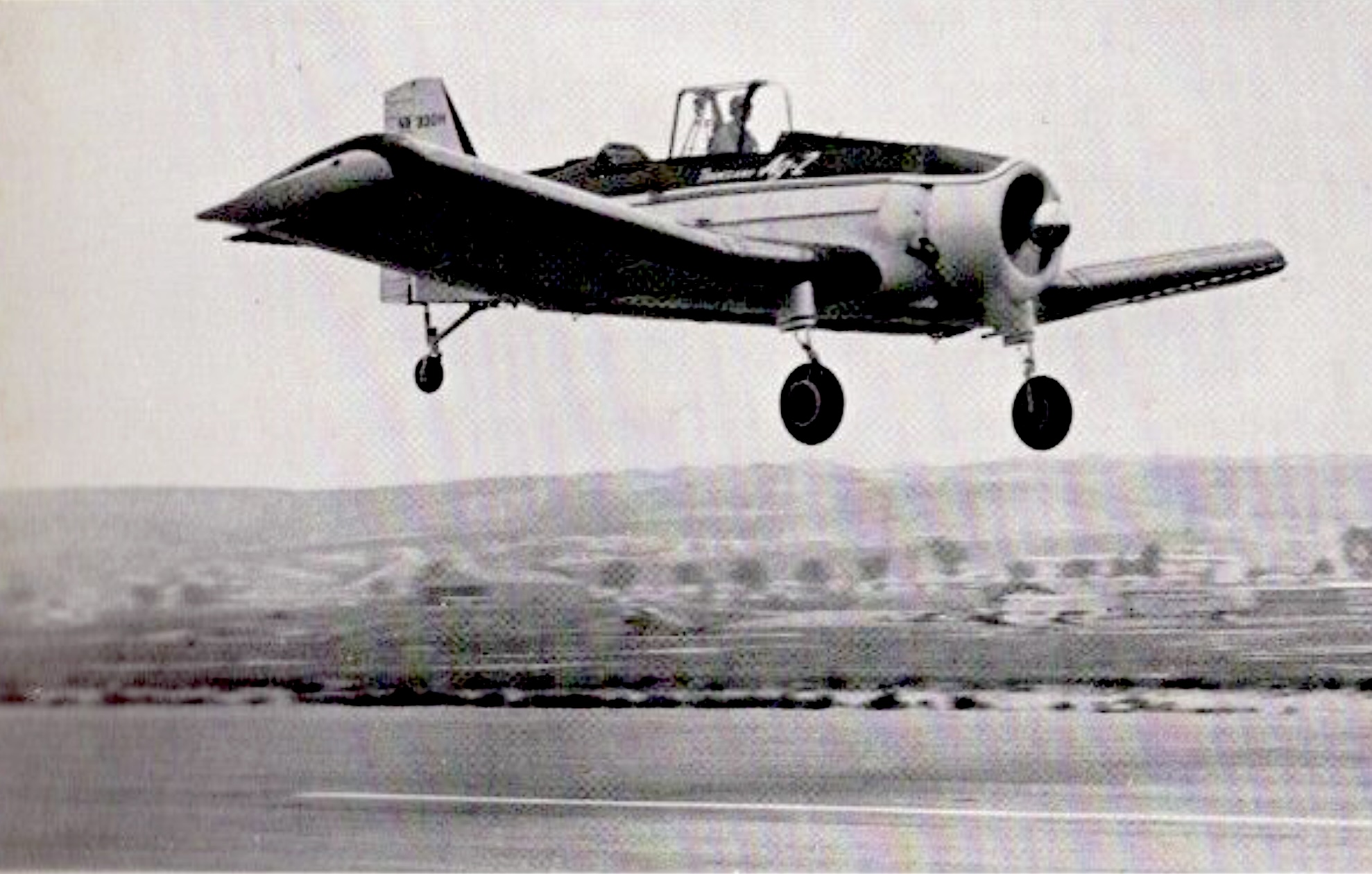
The Transland AG-2 makes its maiden flight at Torrance Municipal Airport on Oct. 11, 1956. The plane performed several maneuvers during its one-hour flight. (Credit: The Development of Agricultural Aviation and the Transland AG-2 Airplane, Transland Aircraft, 1959 publication)

Until I heard from Carlos Gomez, I hadn’t given much thought to agricultural aviation, more commonly known as crop dusting, and its relation to the South Bay.

Gomez mentioned that his father Antulio once worked as an engineer for Transland, a company based at the Torrance Airport that built the AG-2, one of the first airplanes specifically designed for crop dusting.

Before we get to that, a little background on agricultural aviation. Its origin can be traced back to a specific date and place: Aug. 3, 1921, in Ohio. On that day, John Macready and Etienne Dormoy became the Wilbur and Orville Wright of crop dusting.

The idea came from Charles R. Nellie, an entomologist with the Ohio Dept. of Agriculture. He found a possible answer to the inefficiencies of applying agricultural chemicals to crops by hand by dropping the necessary chemicals from airplanes outfitted for the job.

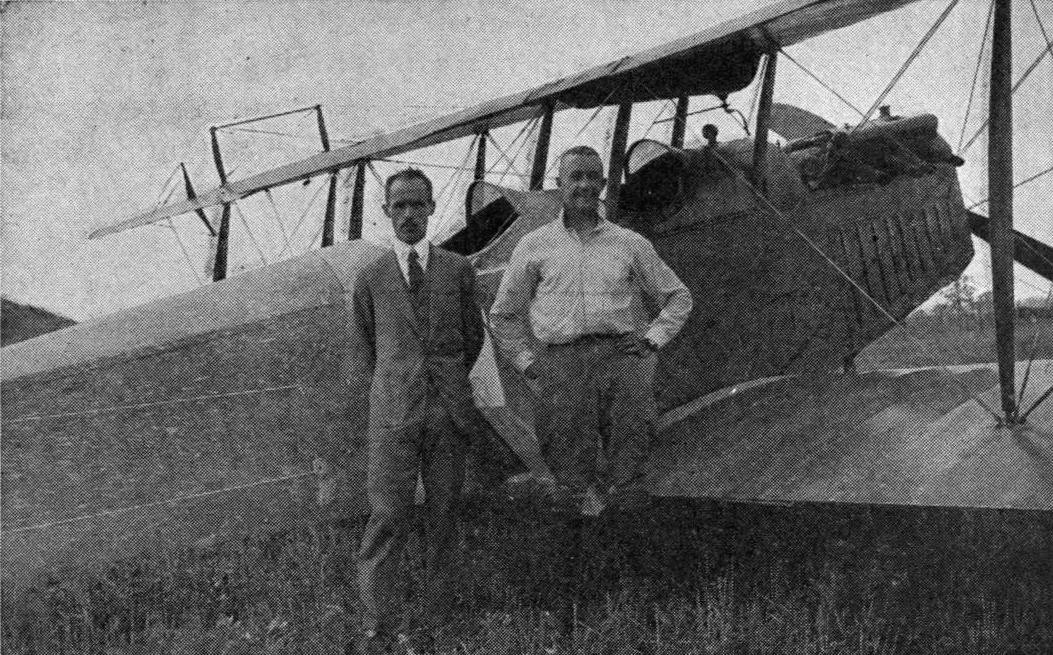
Etienne Dormoy (left) designed the hopper and operated it, while Lt. J.A. Macready (right) piloted the Curtiss JN-6 airplane in the first recorded crop dusting flight on Aug. 3, 1921, the date this photo was taken. (Credit: Wikimedia Commons)

Airplanes had just played a major role in World War I, and surplus models were plentiful as a result. Dormoy got a hold of a Curtiss JN-6 “Jenny” training biplane used by the Army. (An earlier model Jenny famously flew upside down in the error version of a 1918 U.S. postage stamp.)

Dormoy, an engineer for the U.S. Army Signal Corps got together with Macready, an Army test pilot who had flown fighter planes during the war. First, they bolted a metal hopper to the side of the plane. Next, a hand crank in the cockpit released chemicals as the plane flew over a grove of catalpa trees near Troy, Ohio that was threatened by an invasion of sphinx moths.

The flight was a success, and agricultural aviation was born. The relatively slow-flying WWI  biplanes were a good fit for the job, and for the next couple of decades, retrofitted versions were used widely for crop dusting. Stearman trainers were used most commonly during this era.

Though modifying the aircraft had its own inefficiencies – the planes could only carry a relatively  small amount of chemicals – not much thought went into designing and manufacturing airplanes specifically for use in crop dusting until after World War

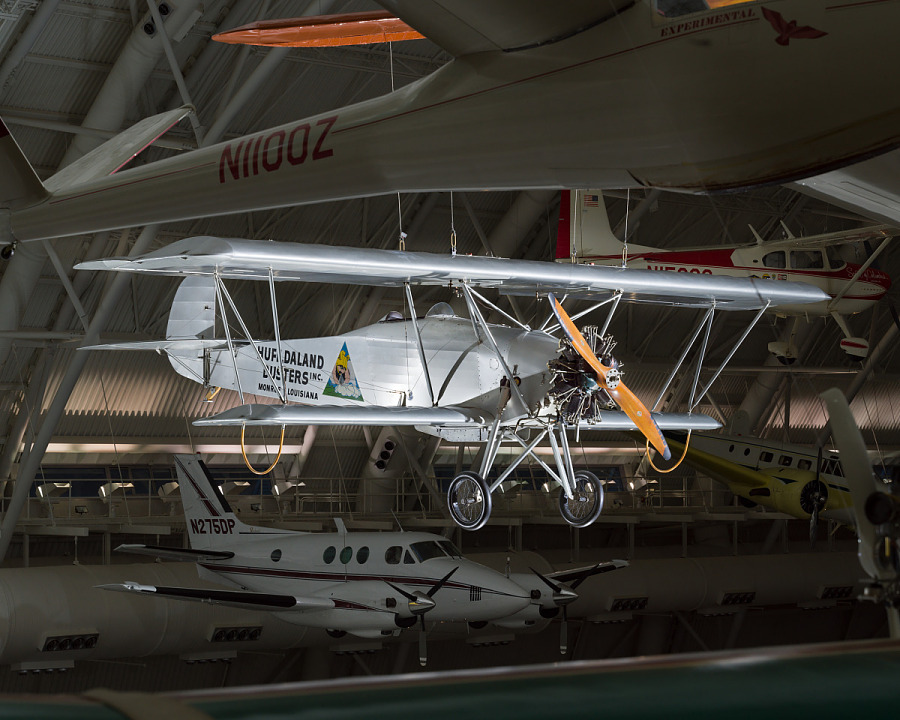
A Huff-Daland Duster on permanent display at the National Air and Space Museum in Washington, D.C. Undated photo By Eric Long. (Credit: Smithsonian National Air and Space Museum)

One exception: the 18 Dusters built specifically for crop dusting by the Huff-Daland airplane manufacturing company in New York in 1925. Huff-Daland would eventually evolve into Delta Air Lines in 1945.

In the late 1940s, the idea of creating an airplane specifically geared toward the agricultural market began to grow. The first such plane, the AG-1, was built at the Texas A&M Aircraft Research Center by Fred Weick. Its maiden flight took place on Dec. 1, 1950.

The AG-1 never went into full production, as it was intended more as a template for further research. In fact, only one was built, but many of its features were incorporated into later commercial models.

Other such planes included Leland Snow’s S-1, and a smaller aircraft built by Piper, the PA-18A Super Cub. The latter had detachable tanks for holding chemicals for spraying.

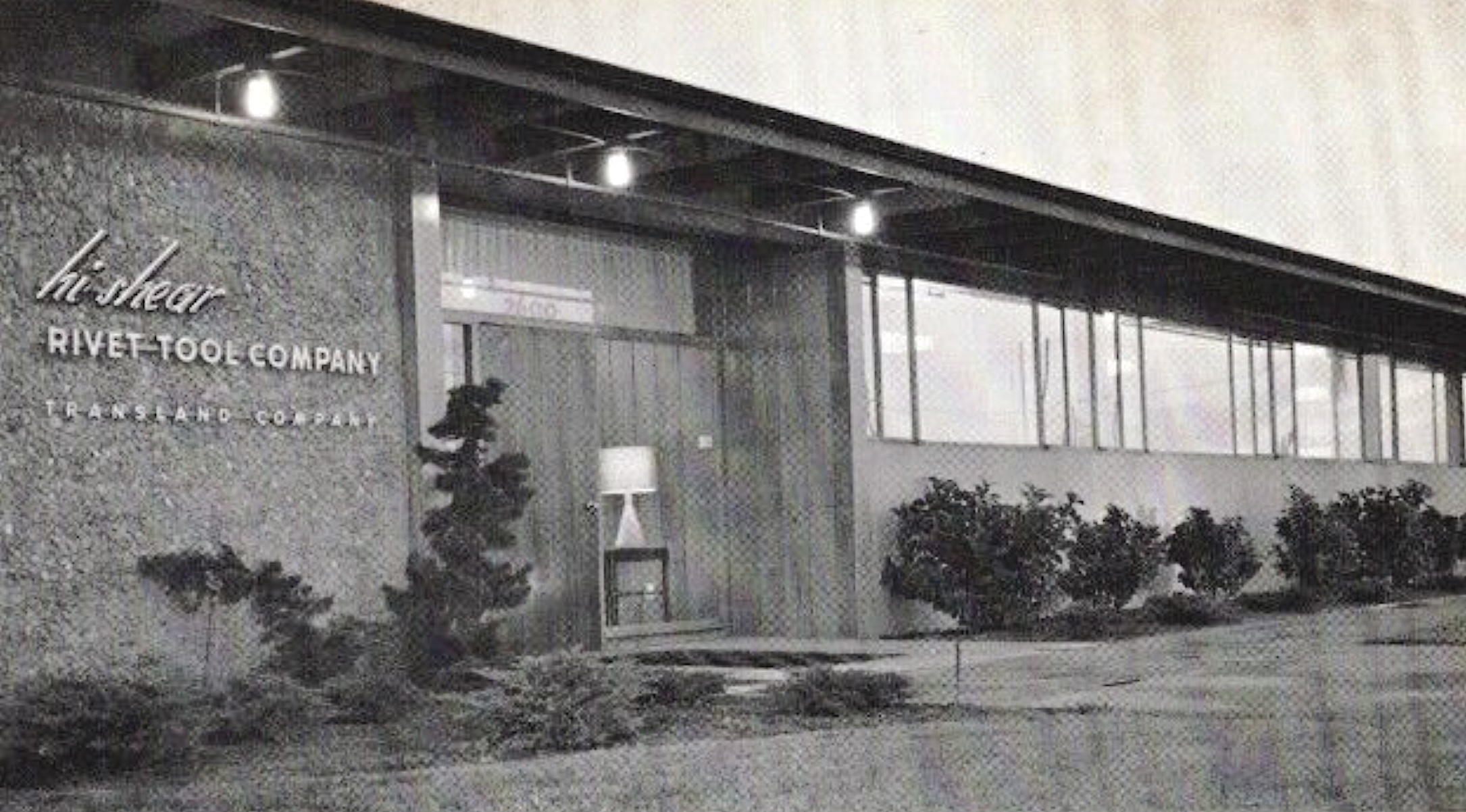
The Transland headquarters building at Torrance Municipal Airport in 1959. (Credit: The Development of Agricultural Aviation and the Transland AG-2 Airplane, Transland Aircraft, 1959 publication)

Enter the Hi-Shear Rivet Tool Company. The aerospace equipment manufacturing firm had been founded in Hermosa Beach in 1943. Looking for new markets following the end of the war, its president, George Wing, thought the agricultural application showed promise.

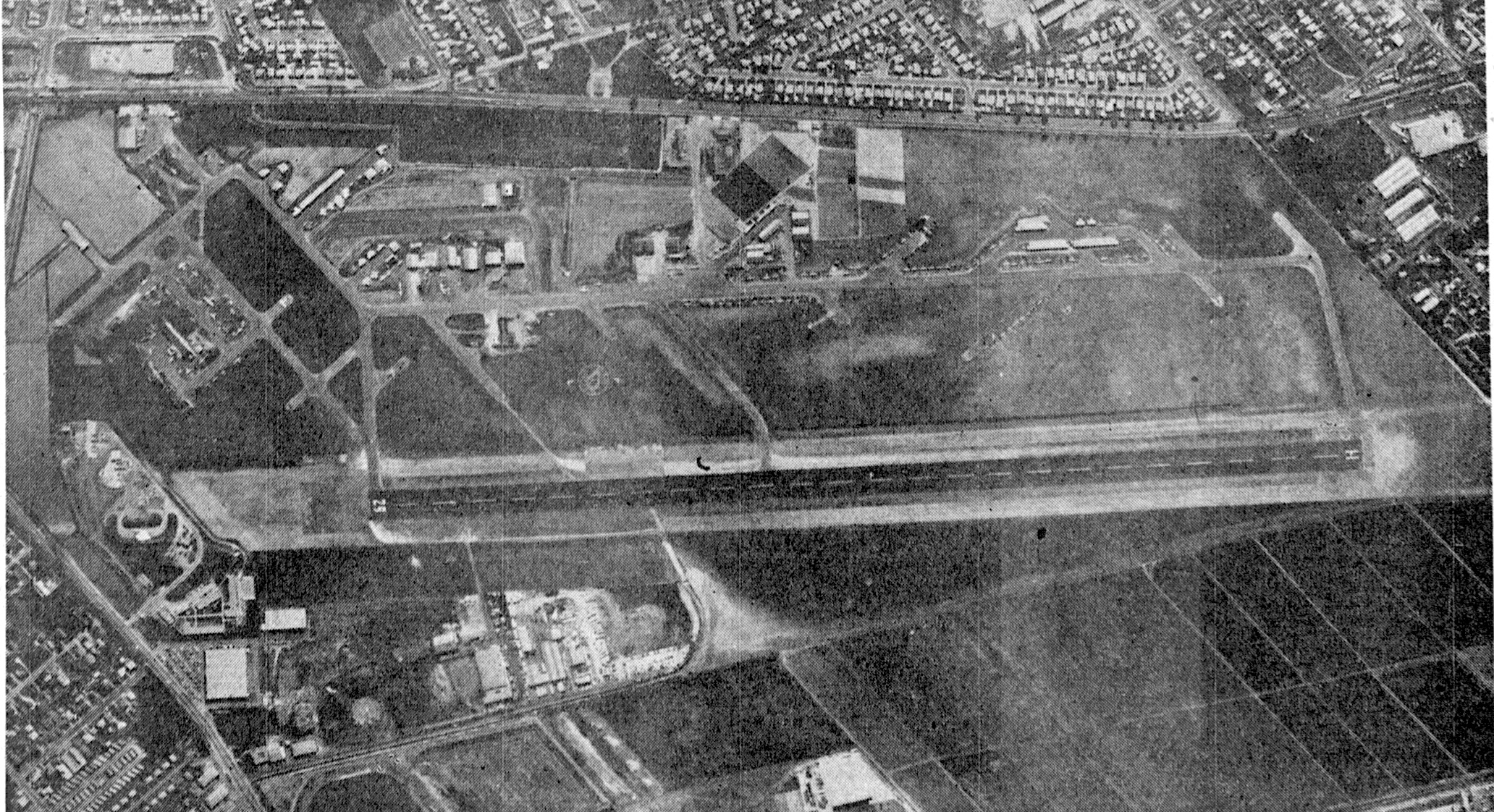
He established the company’s Transland division in 1946. It was located next to Hi-Shear’s plant on a 14-acre site on the north side of Torrance Municipal Airport at 2600 W. 247th St. At first, Transland produced equipment for agricultural aircraft. (That segment of 247th St. was later redesigned and renamed Skypark Drive; the 2600 address is the current home of the LISI Aerospace Hi-Shear plant.)

Torrance Municipal Airport in 1961. The Transland and Hi-Shear buildings are at bottom left. Torrance Press, Feb. 26, 1961, Page A-7. (Credit: Torrance Historical Newspaper and Directories Archive database, Torrance Public Library)

Later, the company geared up to produce aircraft. Starting in 1952, the company worked with George Weick at Texas A&M to develop a successor to the AG-1.

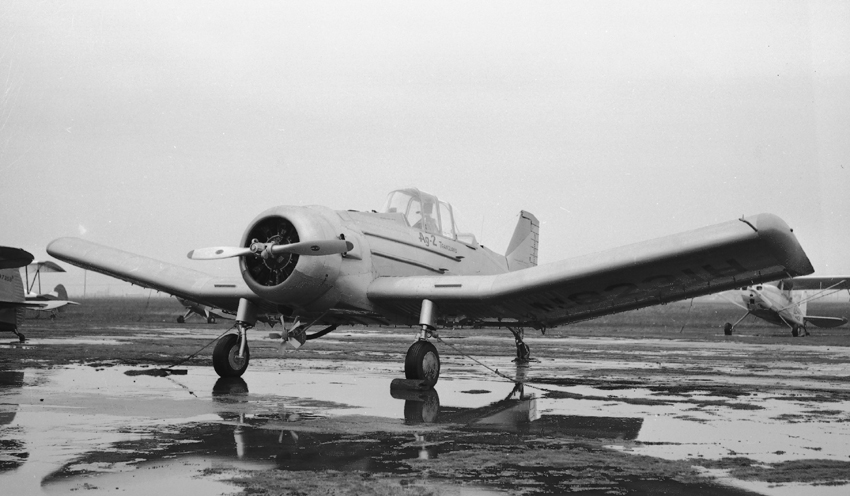
The new plane, the single-wing, single-seat AG-2, sported many improvements, including a 53-cubic-foot hopper, twice the size of the AG-1’s hopper. Its tank for liquids was considerably larger as well. Unlike most designs to that point, Transland’s plane had permanent tanks installed onboard.

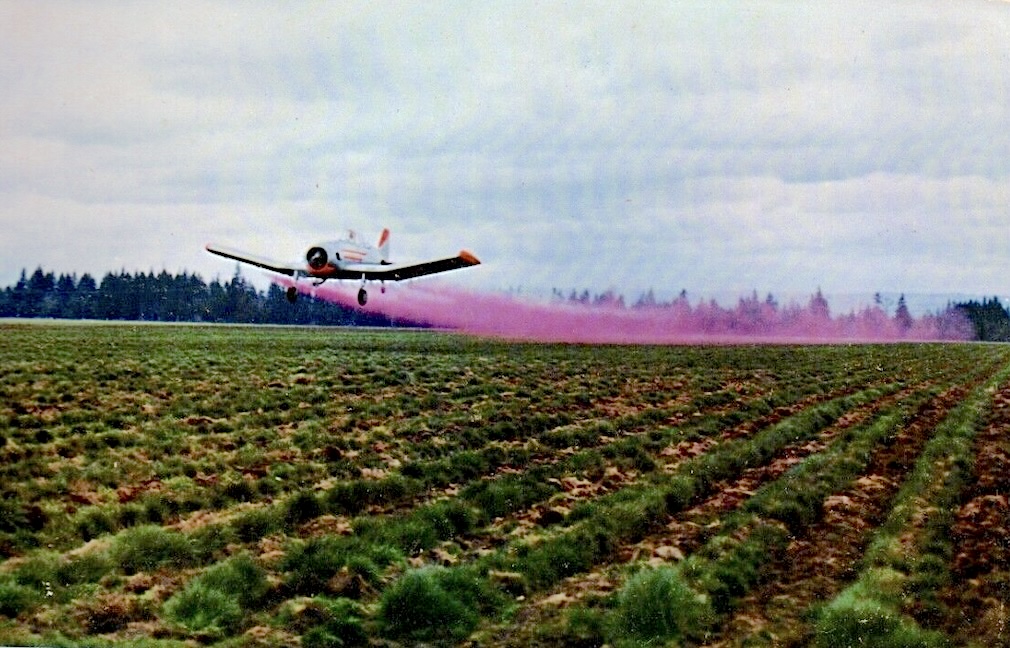
In addition to crop dusting, Transland promoted the AG-2 as a potential firefighting plane. Fighting wildfires using air drops from planes had first been used in 1955. These improvements and additions required a more powerful engine.

In 1956, Wing’s company changed its name to Transland Aircraft. On Oct. 11 of that year, the AG-2 made its first flight, taking off from Torrance Airport. The Civil Aeronautics Administration, precursor of the FAA, certified the plane on June 24, 1958.

The Transland AG-2 in Sacramento in 1959. Photo by Bill Larkins. (Credit: Wikimedia Commons)

Transland worked hard to promote the AG-2, taking it on cross-country and international demonstration tours. Potential buyers were impressed, but the additional features and larger engine meant a higher price tag that proved to be a deal breaker. Estimates ranged from $25,000 to $40,000 per plane, and as a result, the AG-2 never went into full production. Only three prototypes were ever built.

Many of the plane’s features were adopted by lower-priced versions produced by Grumman, Cessna, Piper and Snow that entered the market in the years following the introduction of the AG-2.

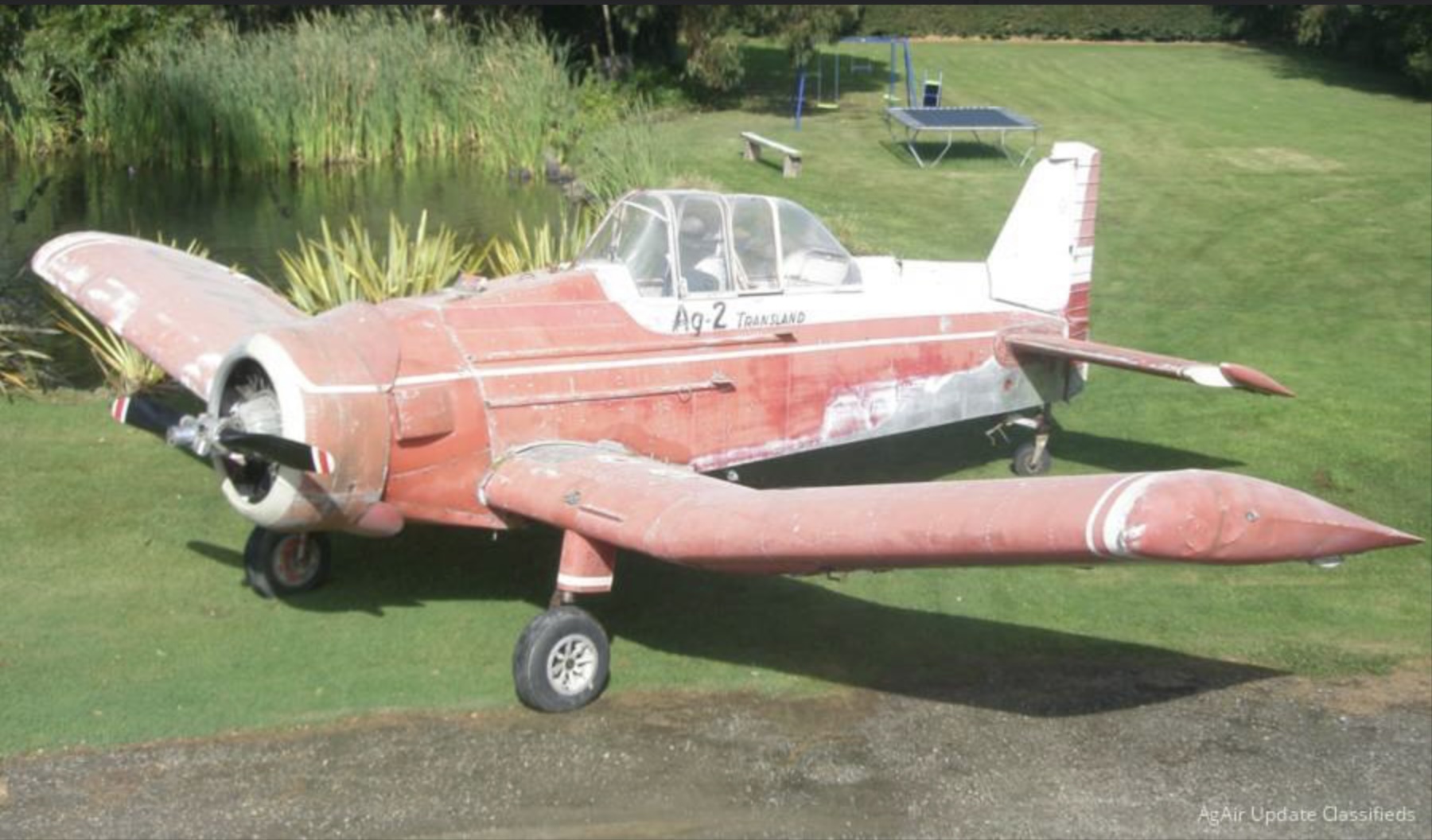
But its place in agricultural aviation history remains secure. The only surviving prototype ended up in New Zealand, where it is part of a display of historic agricultural aircraft.

The surviving AG-2 prototype in New Zealand. 2009 photo. (Credit Ag-Cat pilot via Flickr)

Sources:

“Ag Aviation’s Legacy: A Tour Through the Decades,” National Agricultural Aviation Association, 2021.

The Development of Agricultural Aviation and the Transland AG-2 Airplane, Transland Aircraft, 1959 (promotional booklet).

“History of Agricultural Aviation Reveals a Series of Turning Points,” by Jonathan Welsh, Flying magazine, Oct. 31, 2022.

“100 Years of Aerial Crop Dusting,” by FAA Historian Terry Kraus, Federal Aviation Administration, 2021.

“Texas/Transland/Weick Ag-1 to Ag-3 series (forerunners of the Piper Pawnee),” Secret Projects website, March 20, 2015.

Torrance Press-Herald archives.

The Wings Over New Zealand Aviation Forum.

Note: For further information, a 37-minute interview with Antulio Gomez can be seen here.

The Transland AG-2 in action circa 1959. Location unknown. (Credit: The Development of Agricultural Aviation and the Transland AG-2 Airplane, Transland Aircraft, 1959 publication)

Albert Halfhill: The man who transformed once-lowly tuna into the “Chicken of the Sea”

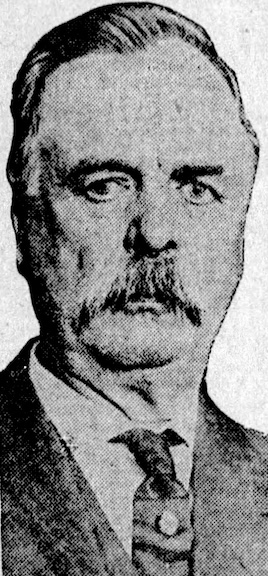
Alfred P. Halfhill. From Los Angeles Times, July 26, 1914, Page II3. (Credit: Los Angeles Times archival database)

This may sound hard to believe, but before 1903, no Americans wanted anything to do with eating tuna. Anglers loved to catch the feisty sportfish, but its flesh tasted gamey and unpleasant.

Alfred Powers Halfhill turned that all around.

He was born in Morrow County, Ohio, near Columbus, on Nov. 25, 1847. He worked as a clerk in a dry goods store and later supported his wife, Sarah, and their two children by becoming a partner in a Minnesota wholesale grocery business.

Sarah’s poor health caused the family to move to Los Angeles in 1892. There Alfred met up with a partner, Richard Wade, and despite having no experience in the fish canning business, the pair decided to buy canning equipment from a San Francisco firm, the Golden Gate Packing Co.

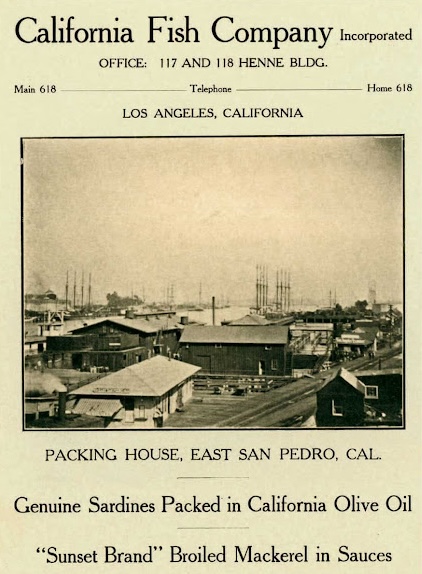
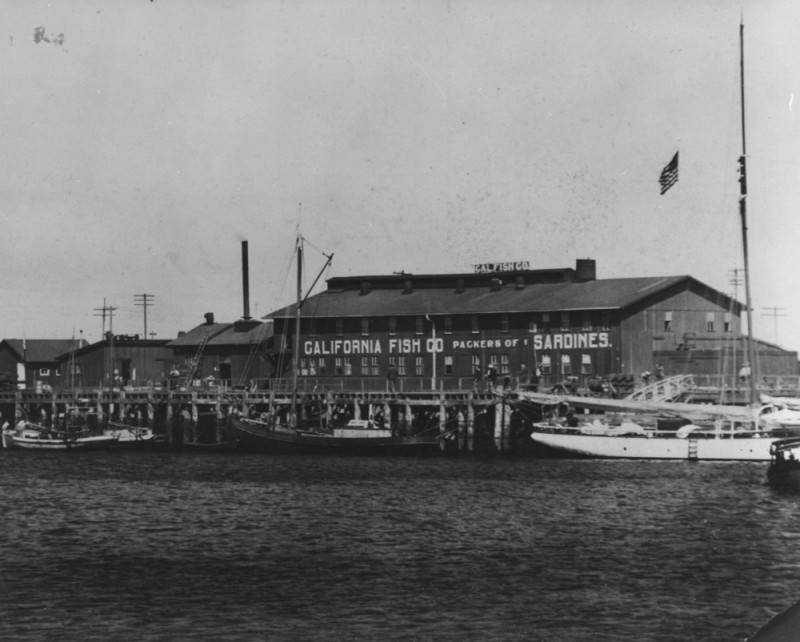
They relocated the operation to Terminal Island in San Pedro, opening the California Fish Co. in February 1893 in what was known then as East San Pedro. The facility, located on the harbor’s main channel from just across from 1st St. in San Pedro, was the first fish cannery established in Los Angeles Harbor.

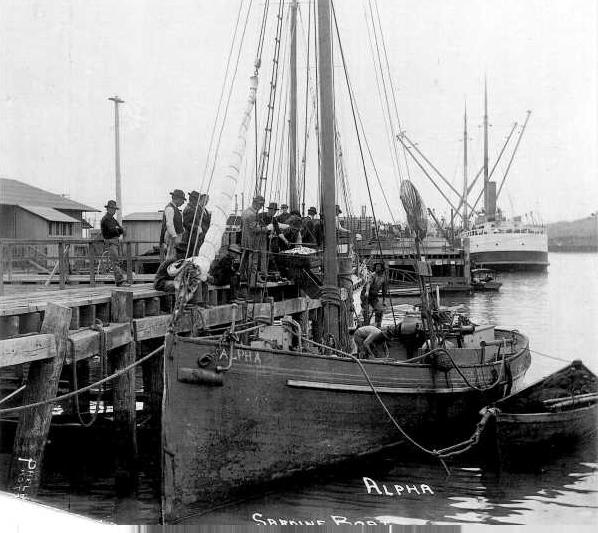
The company’s business centered on sardines and mackerel, and it operated its own fishing boat, the Alpha. The sardines found in San Pedro Bay were considered the equal of those canned in Europe. They were packed in olive oil and sold under the Sunset brand.

When the sardines and mackerel were plentiful, business was good. But both fishes were prone to fallow periods. During one such down season in 1903, Halfhill started exploring other options. He tried rock cod and halibut before concentrating on albacore tuna.

1910 postcard shows the Alpha, the fishing boat operated by the California Fish Co. (Credit: University of California, San Diego)

Tuna seemed to be plentiful in the local waters, and it seemed to be going to waste since few people were eating it. Halfhill began looking for ways to make it more palatable. His experiments began with salting and smoking the tuna, which didn’t help much. But steaming the meat turned it white and more tender, like chicken. Adding olive oil was the final step.

The Van Camp cannery later would brand its tuna product “Chicken of the Sea” in 1930, but the exact origin of the phrase is murky. It was being used in newspaper stories about the industry much earlier than that. 

1905 ad, pre-tuna, for the California Fish Co. (Credit: My San Pedro blog)

Halfhill gets credit for being the first tuna processor to use the phrase in advertising when he first began taking his product to the marketplace in 1908. He had canned his first tuna products in 1907, but not in large quantities.

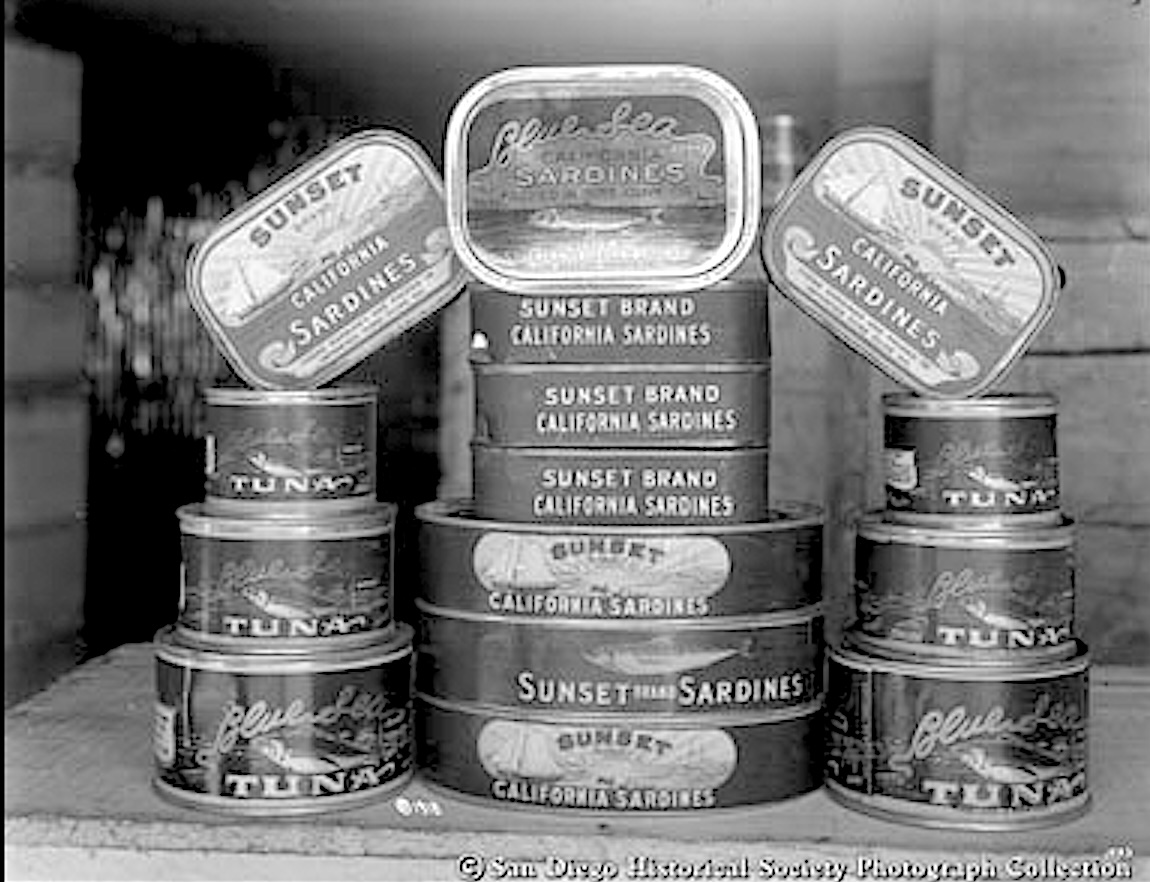
Halfhill’s reimagined tuna quickly grew in popularity. He marketed it under the Blue Sea brand name and began trying to convince grocers of its appeal and convenience. Most Los Angeles area wholesalers were unimpressed at first, but the cases Halfhill shipped to New York caused something of a sensation in retail food circles.

In 1910, the company shipped 6,000 cases of Blue Sea tuna. By 1912, it had changed its name to Southern California Fish Co. and expanded its fleet of fishing boats to seven. Canned tuna had become a sensation and other canneries quickly sprung up on Terminal Island in the area that later would become known as Fish Harbor.

These firms produced canned tuna under such familiar names of Bumble Bee, Chicken of the Sea and Starkist. (StarKist was founded by local San Pedro businessman Martin Bogdanovich in 1918.) 

The tuna industry gradually became a mainstay of the local economy. By 1914, more than 200,000 cases of tuna were packed by the companies operating on Terminal Island.

Sunset brand sardines and Blue Sea canned tuna sold by the Southern California Fish Co. 1918 photo. (Credit: UC San Diego Library Digital Collections)

On Oct. 25, 1914, high winds spread a fire thought to have originated in Standard Oil’s nearby warehouse into the Southern California Fish Co. cannery, which ended up a near-total loss. The large amount of oil present in the cannery received blame for the quick spread of the flames.

The San Pedro News Pilot reported the next day that a series of pops and explosions had alarmed firefighters at the blaze, who assumed it came from ammunition being stored in the area. It turned out to have come from thousands of exploding vacuum-packed tuna cans, many of which were found floating in the nearby channel after the blaze.

In the aftermath of the blaze, Halfhill announced in early 1915 that he had cut all ties with the Southern California Fish Co. He had decided to open a new concern with his sons Harry and Charles. 

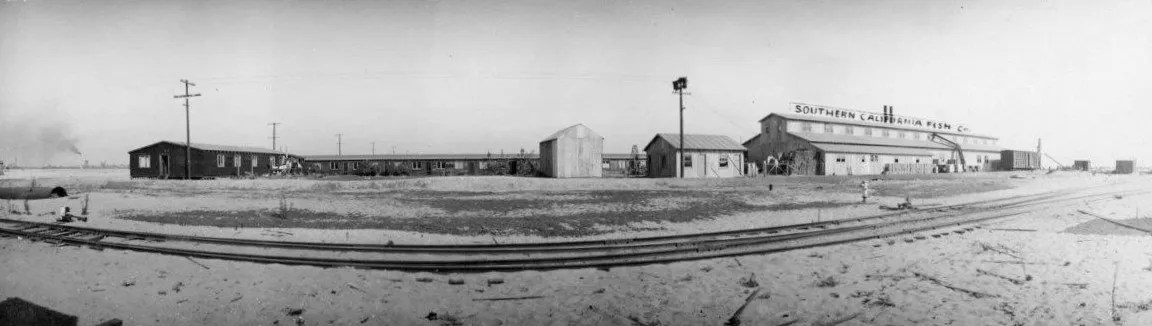
The Southern California Fish Co. on Terminal Island. The identification on the building in this 1926 photo. does not reflect the firm’s name change. (Credit: Los Angeles Public Library Photo Collection)

The Halfhill Tuna Packing Co., was built on the site of the former National Tuna and Fish Co. in nearby Long Beach Harbor. Halfhill used funds from the sale of his stock in SCFC to finance the new plant.

The successful company was renamed the Halfhill Packing Corp. in 1919. In December 1920, It too was damaged by a large fire, but the cannery carried on, rebuilding the plant thanks to fire insurance.

Halfhill retired from the business in 1922, turning over its operation to his sons. After a brief illness, he died at 76 at his longtime Los Angeles home on May 7, 1924. He was buried at Inglewood Park Cemetery.

At the time of his death, 36 tuna canneries were producing canned tuna along the West Coast. 

As of 2023, the U.S. canned tuna market had an estimated valuation of $3 billion. Americans eat an estimated 1 billion pounds of it annually.

Panoramic view of the Southern California Fish Co. on Terminal Island in San Pedro. Undated photo. (Credit: The Homestead Blog)

Sources:

Los Angeles Herald archives.

Los Angeles Times archives.

Precedence Research website.

San Pedro News Pilot archives.

“Through the Viewfinder: Panoramic Photos of the Southern California Fish Company, Terminal Island, Ca. 1912-1914,” by Paul R. Spitzzeri, Homestead Museum blog, April 26, 2011.

“Tuna Facts,” National Fisheries Institute website.

Wikipedia.

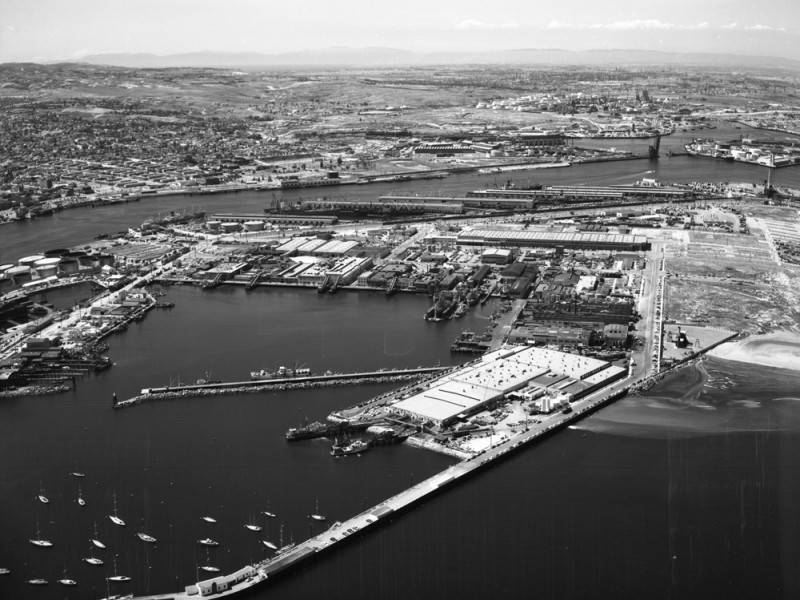
Fish Harbor on Terminal Island, left center, is in full bloom in this May 7, 1956 photo. (Credit: Los Angeles Public Library Photo Collection)
A radical rebranding helped save Westchester High School from closure

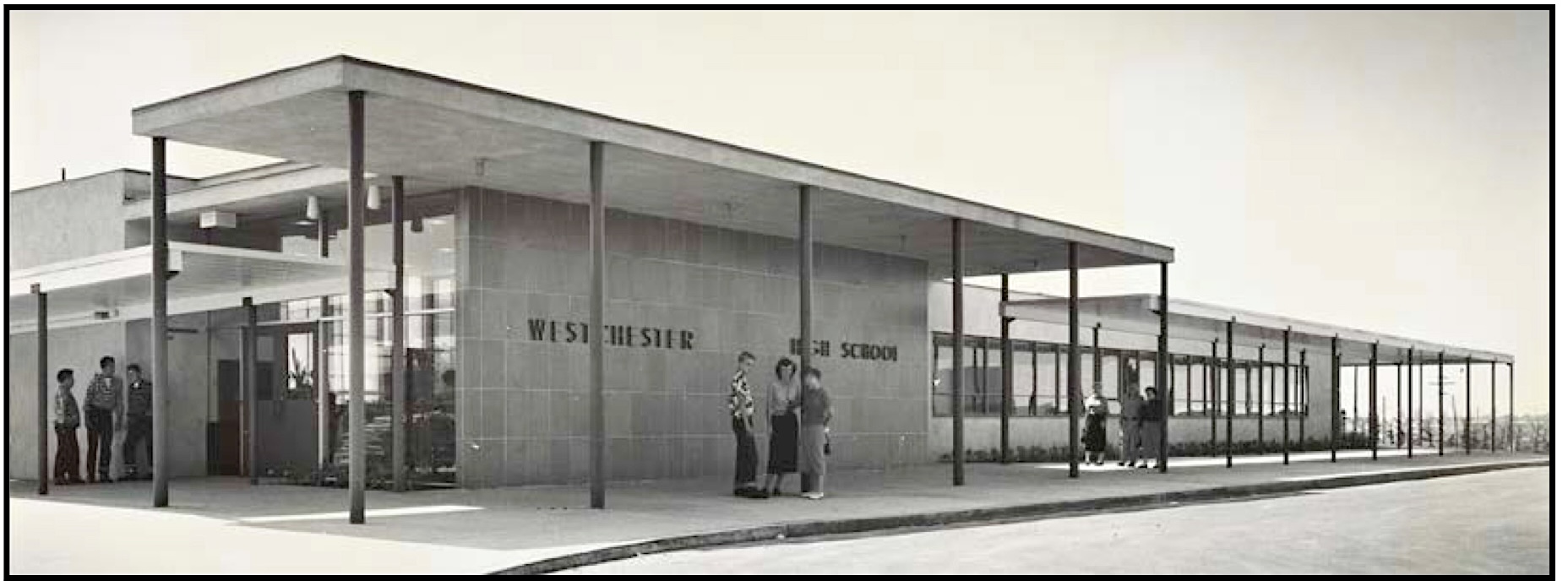
The entrance to the original Westchester High School Undated, circa late 1940s/early 1950s. (Credit: Getty Research Institute, Julius Shulman Archive)

The Los Angeles Unified School District, then operating as the Los Angeles City School District, knew it was headed for a crisis as soldiers began returning from World War II and settling down in housing tracts that were rapidly being built to accommodate their families.

The crisis: the district had nowhere near enough schools and classrooms to handle what was shaping up to be a baby boom for the ages. It wasn’t alone. The newly independent Torrance school district had one high school in 1954; by 1962, it had four.

The city school district presciently got a $75 million bond issue passed in 1946 that provided for the building of 66 new schools. The measure called for the funding to build a new high school in the Westchester area of the city.

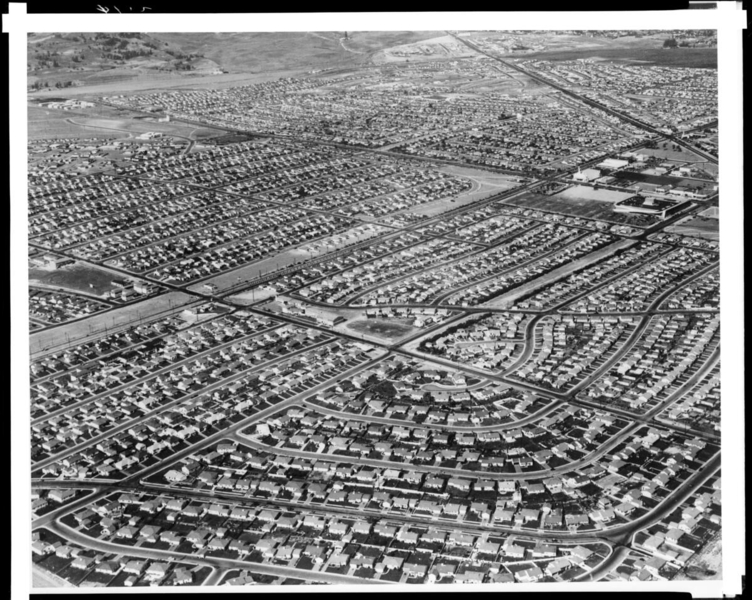
View looking northeast over the original sub-divisions of Westchester on Sept. 12, 1949. The intersection of Sepulveda and Manchester boulevards, center, is surrounded by hundreds of residences arranged within suburban sub-divisions. Each block appears to be almost a mirror image of the one next to it. (Credit: USC Digital Archives)

The need for schools in the Westchester area was especially acute. Workers in nearby aerospace plants were moving into suburban houses as fast as they could be thrown up, and there were few schools nearby for their children to attend.

The school district adopted a novel two-for-one plan for the high school’s construction. It would start by building a school at 6550 W. 80th St. that would be called Westchester High School, but would also include junior high school students.

There wasn’t enough money to build the kind of full-scale high school needed, so in the meantime, students would share the facility. When funding became available for the permanent  high school, its students would move there and the 80th St. school would become strictly a junior high school.

The school was built in 1948, and 500 students attended the new combined Westchester high/junior high school when it opened that September. The arrangement would continue for the next eight years.

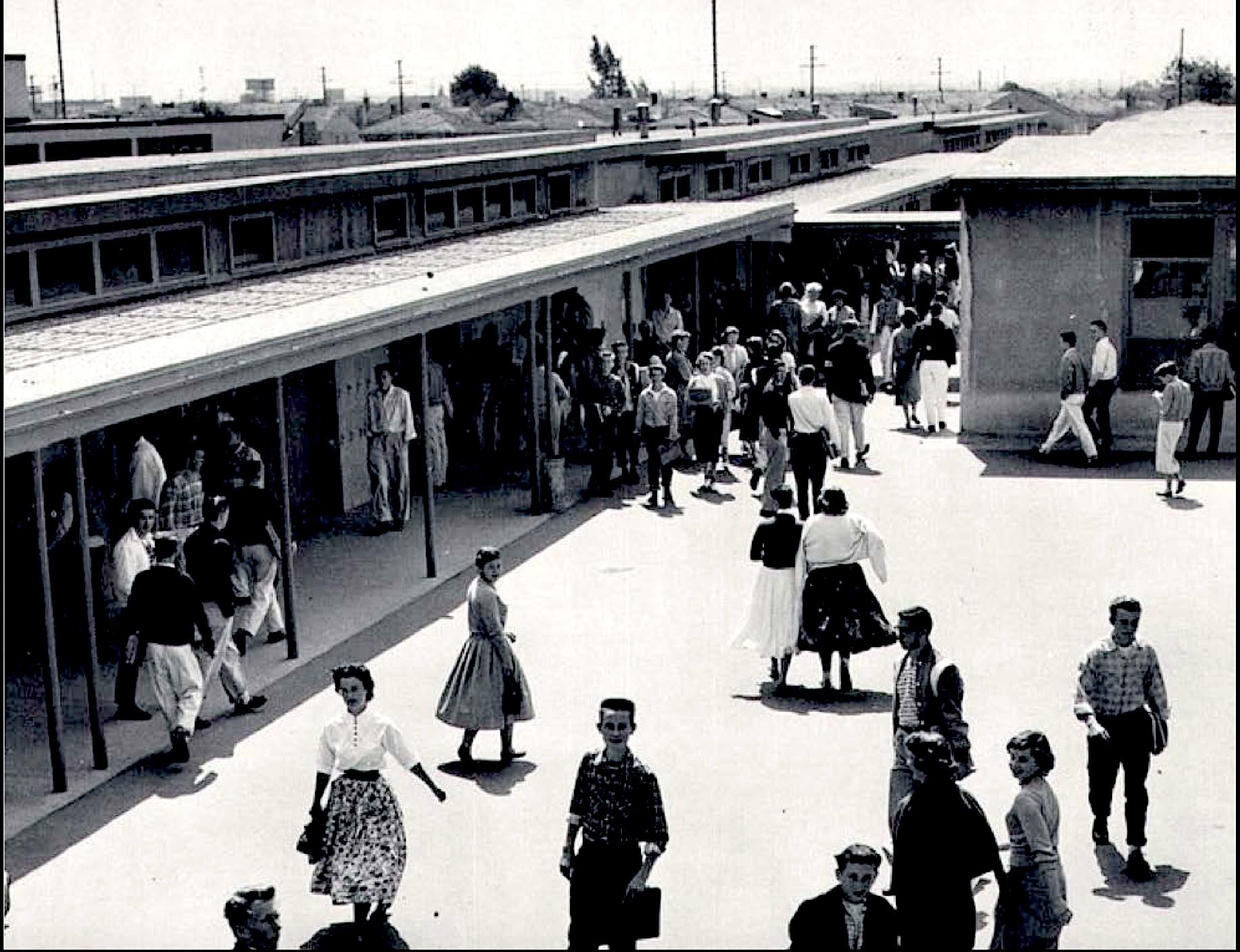
Students change classes at the original Westchester High School during its last year there in 1956. (Credit: 1956 Westchester High School yearbook)

In late 1949, the district announced that it would erect additional buildings onsite that would be solely for high schoolers at a cost of $1.34 million. A groundbreaking ceremony took place in January 1950.

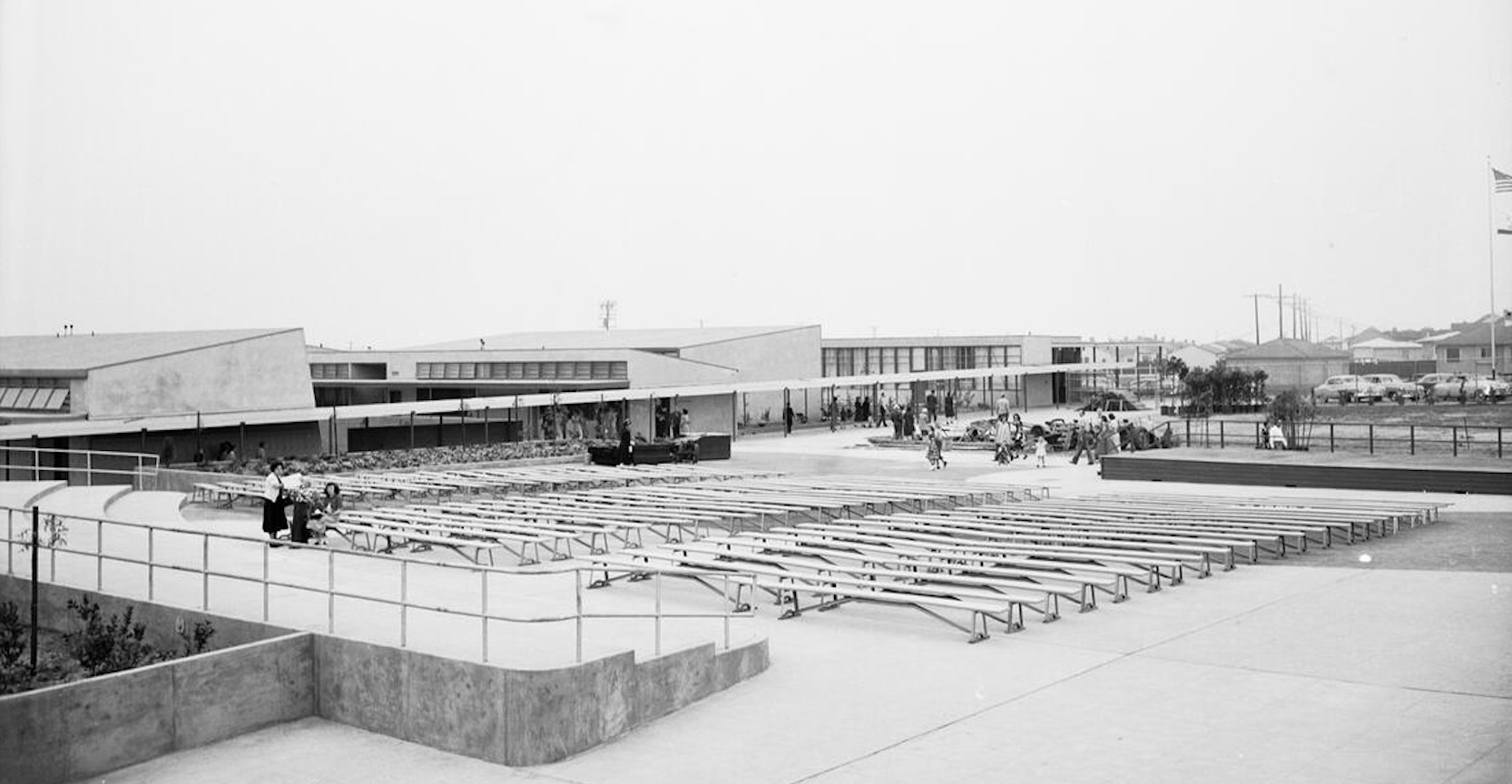
The plans also called for a swimming pool and an auditorium, but a lack of funds delayed those structures. The pool was built in 1954, thanks in no small part to a community funding drive that raised much of the money. The auditorium followed in 1955 at a cost of $448,000, and the high school portion of the campus was complete.

This outdoor assembly area at Westchester High School was used before the auditorium was built in 1955. 1951 photo. (Credit: USC Digital Archives)

A 1952 bond issue provided funding for three new free-standing high schools, in Reseda, Gardena – and Westchester. Planning thus began for its construction on a 37.1-acre plot of land at 7400 W. Manchester Blvd.

The Board of Education awarded the $4.2-million contract for the construction of Westchester High on Oct. 7, 1954. At that time, it was the largest single contract ever awarded by the district. Construction costs for the school, built to accommodate 2,500 students, eventually would top $5 million.

The school was scheduled to open in the spring of 1956, but a shortage of construction materials forced a delay. Westchester High finally opened to students that September, and its official dedication took place on Nov. 4, 1956.

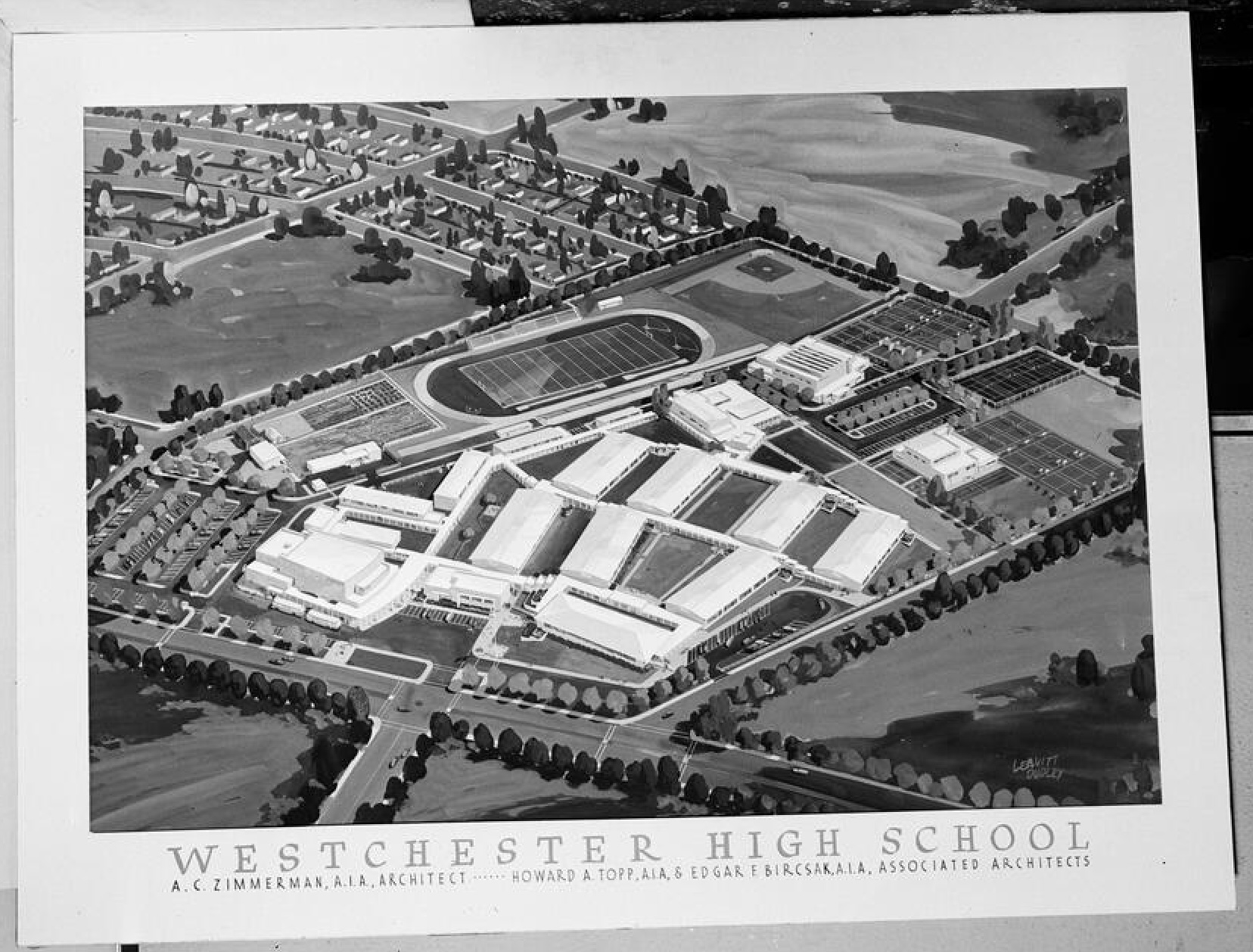
Architect’s rendering from 1954 shows the layout for the permanent Westchester High School. (Credit: USC Digital Archives)

Back on 80th St., the district announced in June 1956 that the original school would now become Orville Wright Junior High School which officially opened in Sept. 1956. (The city’s junior high schools, grades 7-8 or 7-9, would later become middle schools, grades 6-8.) 

The school has since been transformed into Wright Middle School STEAM Magnet and Gifted Magnet. (STEAM stands for Science, Technology, Engineering, Arts and Mathematics.)

Westchester High turned out several famous graduates over the following years. In addition to gifted Comets athletes such as NBA players Trevor Ariza, Hassan Adams and Amir Johnson, the late comic actor Phil Hartman, actresses Nia Long and Regina King, and several members of the 1960s band The Turtles also attended the school.

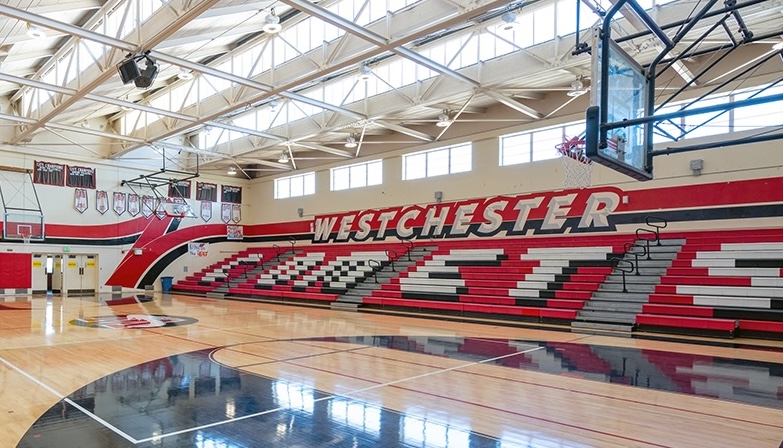
The Westchester High School gymnasium. Undated photo. (Credit: Westchester Enriched Science Magnets website)

A combination of factors led to declining enrollments and slipping academic achievement standards in recent decades. Expansion at nearby Los Angeles International Airport dislocated thousands of residents, leading to lower enrollments. By 1989, enrollment had dipped from 3,000 students to 1,550.

In order to boost enrollment, the school attendance area was widened to allow minority students from outside of Westchester to attend. This alienated white parents, who began sending their children to private schools instead. The school then had to counter community perceptions that it had become a violent and dangerous place for students.

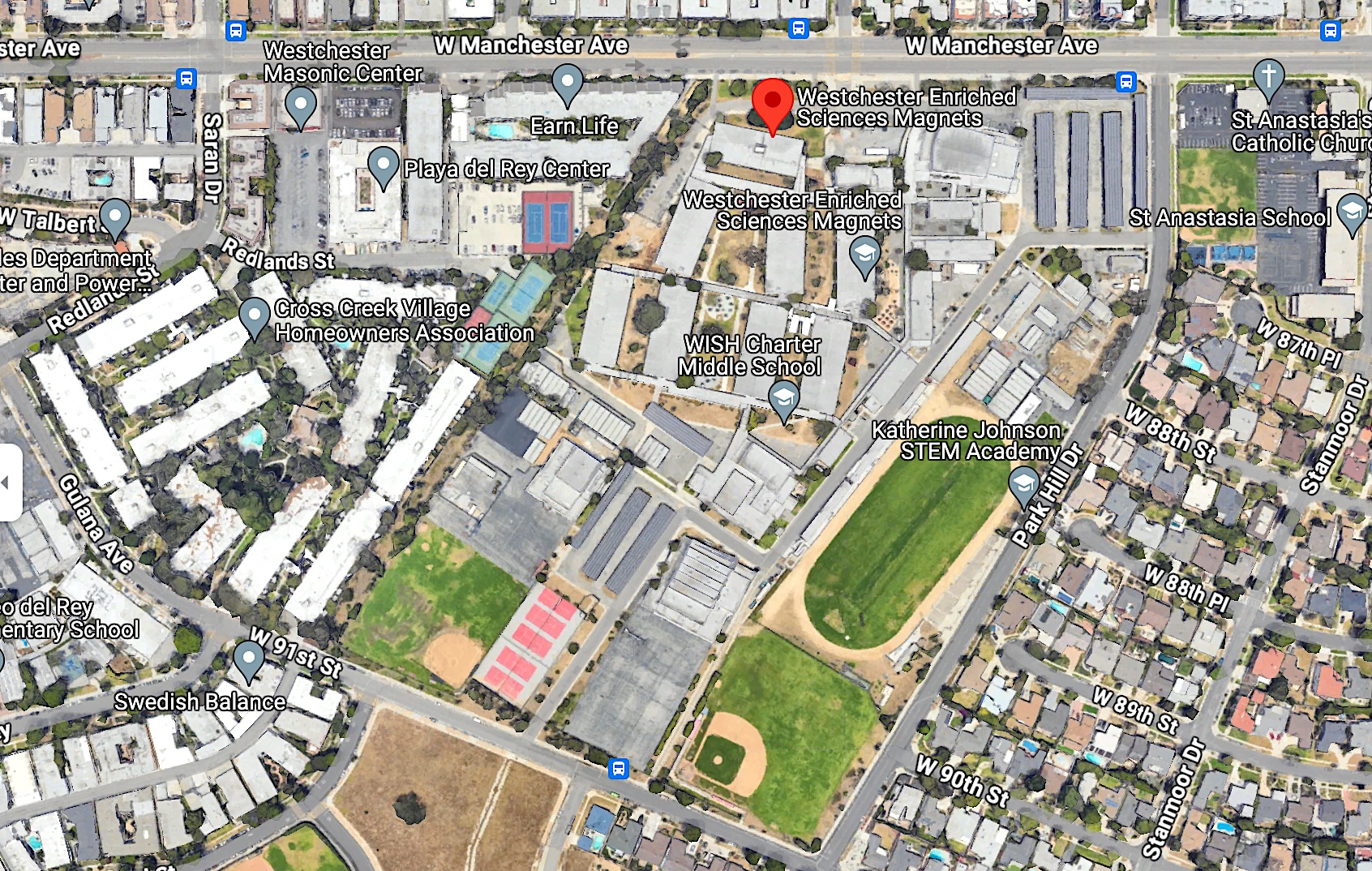
Westchester Enriched Science Magnets at 7400 W. Manchester Ave. 2024 image. (Credit: Google Earth)

The downward spiral continued through the early 2000s, when talk of converting it into a magnet school began to gain traction. The alternative, closing the school altogether, was a much less attractive option.

After the school’s attendance continued to bottom out, Principal Bobby Canosa-Carr decided the time had come to convert Westchester from a conventional high school into a full science magnet. The conversion began in the fall of 2011. The move has proven generally successful, removing the threat of closure.

Westchester High now operates under a new name, Westchester Enriched Science Magnets (WESM). It offers three courses of study: the Gifted & High Ability STEAM Magnet, the Environmental & Natural Science Magnet, and the Health & Sports Medicine Magnet.

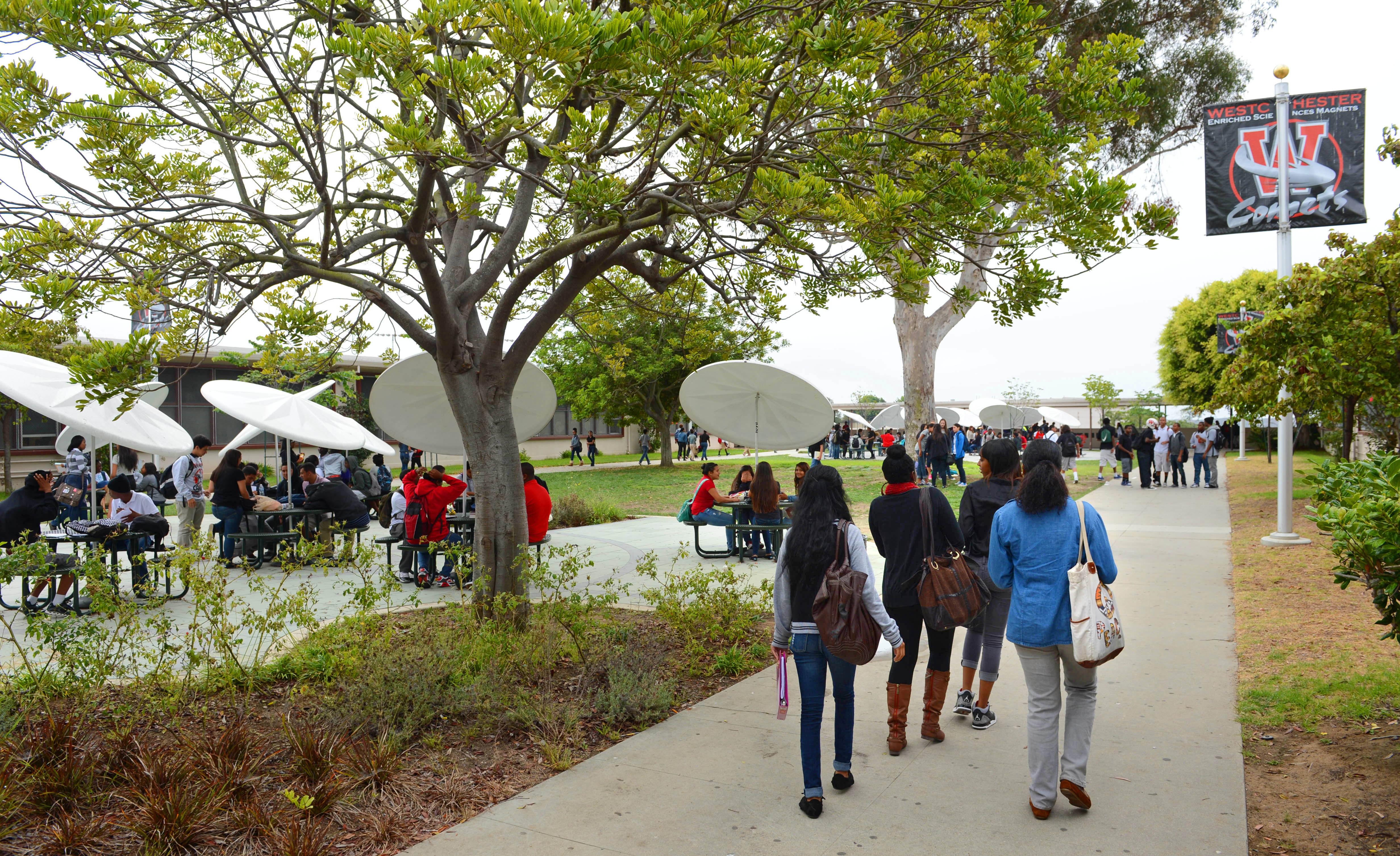
Students at the Westchester Enriched Sciences Magnets campus on Aug. 24, 2012. (Daily Breeze staff file photo by Brad Graverson)
Sources:

Daily Breeze archives. 

Los Angeles Times archives.

Los Angeles Unified School District: Historic Context Statement, 1870-1969, prepared by Sapphos Environmental for the Los Angeles Unified School District Office of Environmental Health and Safety, March 2014.

Westchester Enriched Science Magnets website.

Wikipedia.

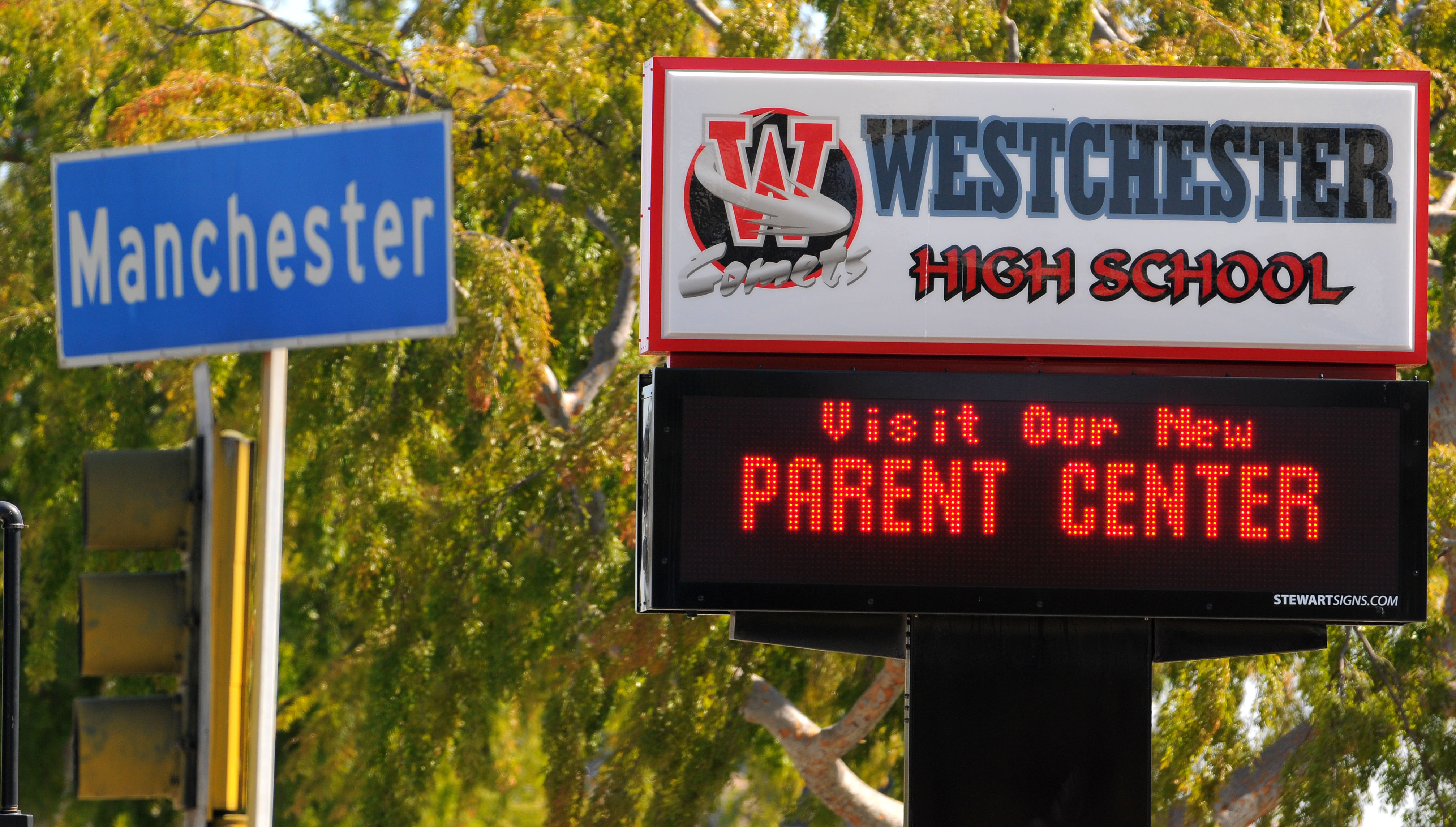
Westchester High School sign in 2010, a year before the school’s name and curriculum changed. (Daily Breeze staff file photo by Scott Farley)
Note: Longtime Westchester basketball coach Ed Azzam will be the subject of a future post.

Is this your new site? Log in to activate admin features and dismiss this message
Log In