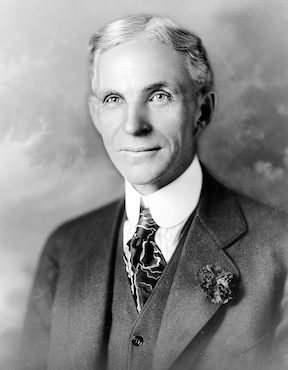
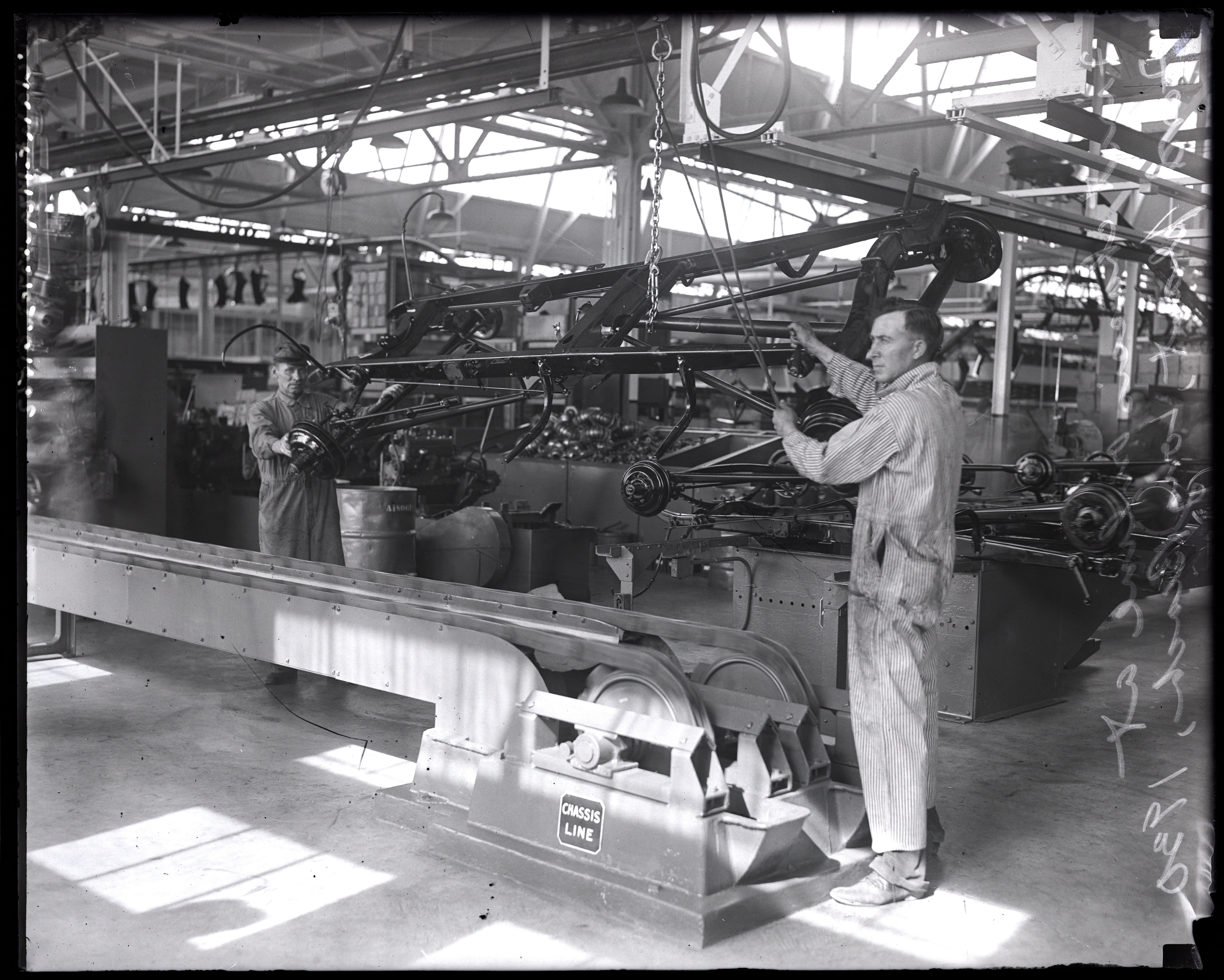
Henry Ford’s Model T revolutionized automobile production when it became the first auto produced using the moving assembly line in 1913. The innovation streamlined the production process at his factory in Highland Park, Michigan.
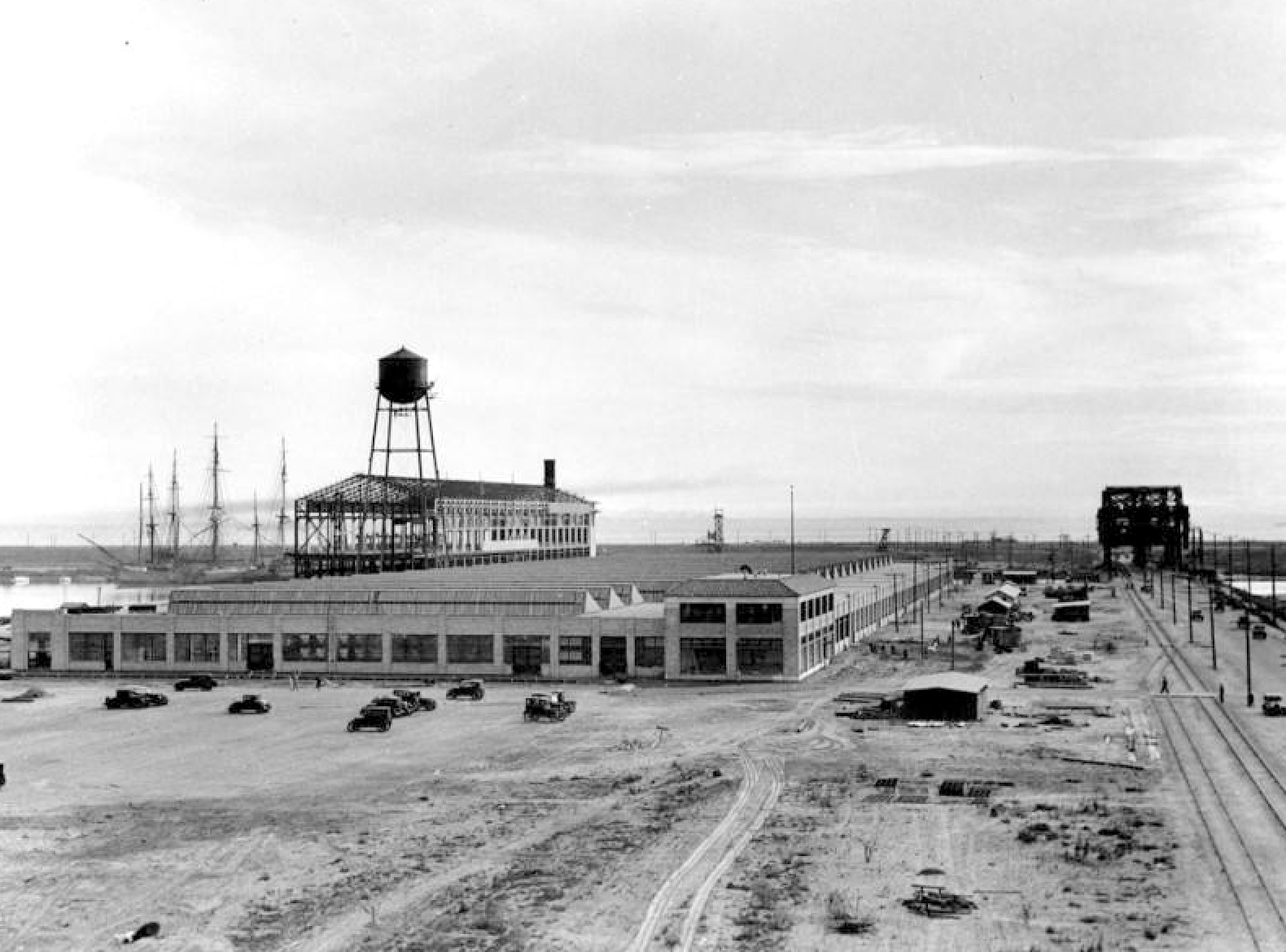
During the 1920s, Ford looked to expand production greatly, planning for six new factories employing the assembly line process to be built. One site he found particularly attractive was the rapidly growing Los Angeles Harbor area, where a planned factory would replace an earlier plant built in downtown Los Angeles.
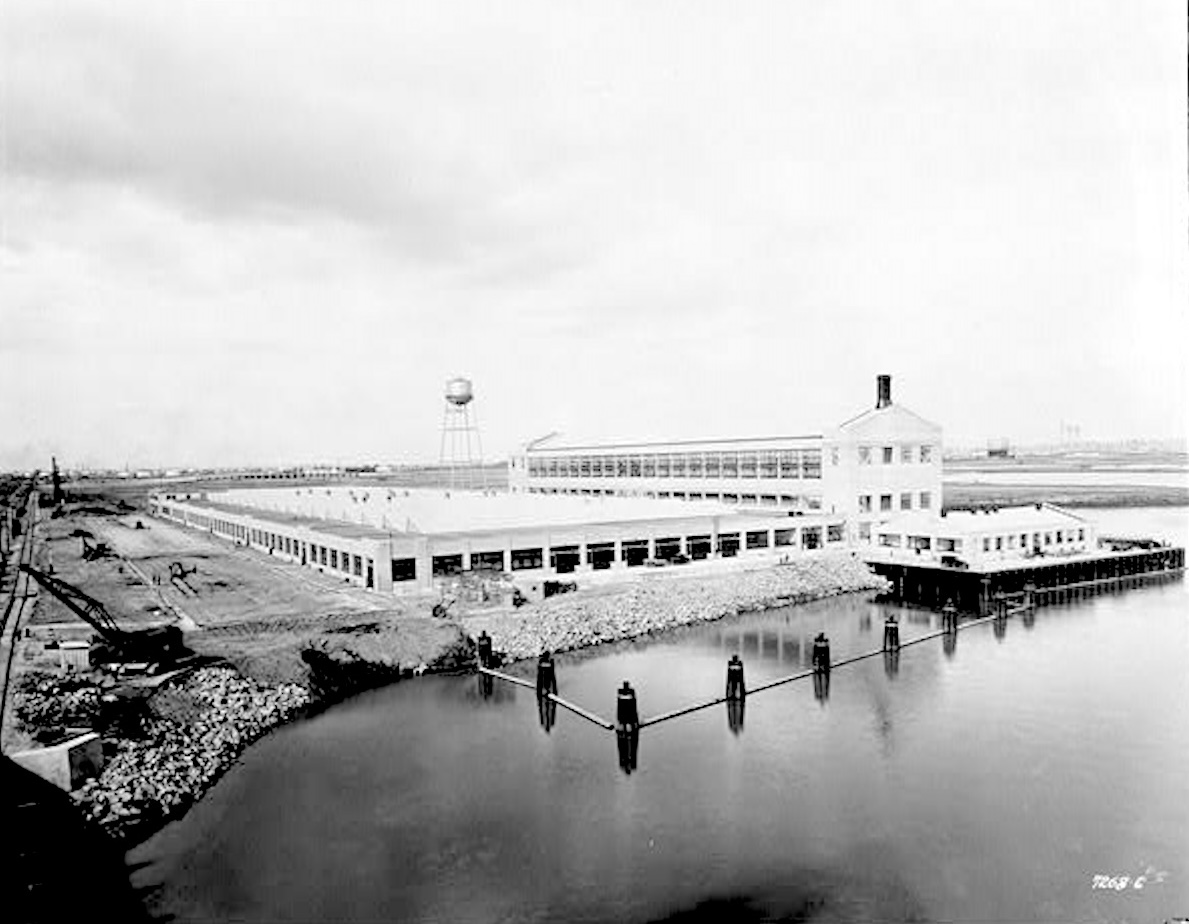
Ford liked the idea of a seaside plant. Fabricating materials could be sent from the east via company-owned cargo ships through the Panama Canal, and up the coast to Los Angeles directly to a wharf immediately outside the factory. Finished autos also would be easier to export to various destinations.
His scouts began canvassing the area for suitable sites in 1923. They eventually located the perfect site, about 40 vacant acres on the Cerritos Channel on Badger Avenue just north of Terminal Island. Ford purchased the land from the Union Pacific Railroad for $340,000 in June 1926.
The site straddled the border between Wilmington (technically Los Angeles) and Long Beach. Both cities rushed to claim it as their own. It was just east of the Bascule Bridge railroad crossing into Terminal Island, later replaced by the Henry Ford Bridge. (The adjacent Commodore Schuyler F. Heim Bridge for automobiles was added in 1948.)
Preliminary planning for the new factory was well underway by mid-1928. Initially, its cost was estimated at $10 million; the actual cost would end up being $5 million.
The Clinton Construction Co. of San Francisco won the building contract, and the structures began going up in May 1929, with a completion date of March 1930 set.
A look at the plans revealed that 68 percent of the factory would be in Wilmington, with the remaining 32 percent on the Long Beach side. This prompted a speculative June 7, 1929, article in the San Pedro News Pilot that asked whether the phones at the plant would have Wilmington or Long Beach extensions. A phone company spokesman suggested they would have both.
As the buildings began to rise, so did interest and anticipation. Curious spectators and prospective job-seekers began to turn up on narrow Badger Ave., a 30-foot-wide two-lane road, clogging traffic for construction vehicles. Parking restrictions had to be added and the road eventually widened.
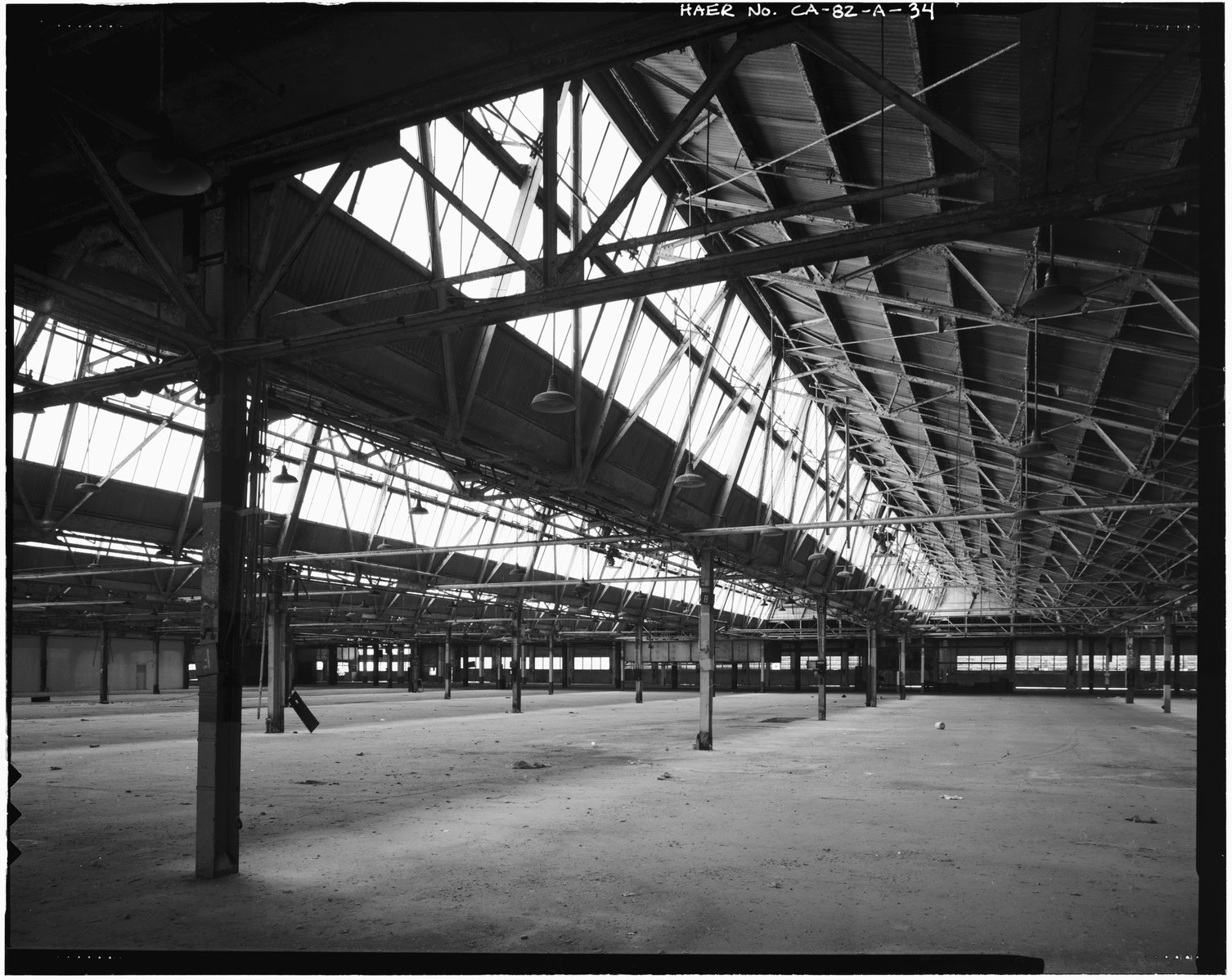
Basic construction of the plant’s initial buildings essentially was completed by March 1930. These included the main assembly building, 301 feet wide and 920 feet long, a two-story brick office building, a large warehouse and a 746-foot-long wharf on the Cerritos Channel.
Plans for a joint community grand opening celebration on April 21, 1930 were made jointly by the Wilmington and Long Beach chambers of commerce, with dignitaries from other neighboring cities including Torrance, San Pedro and Los Angeles attending.
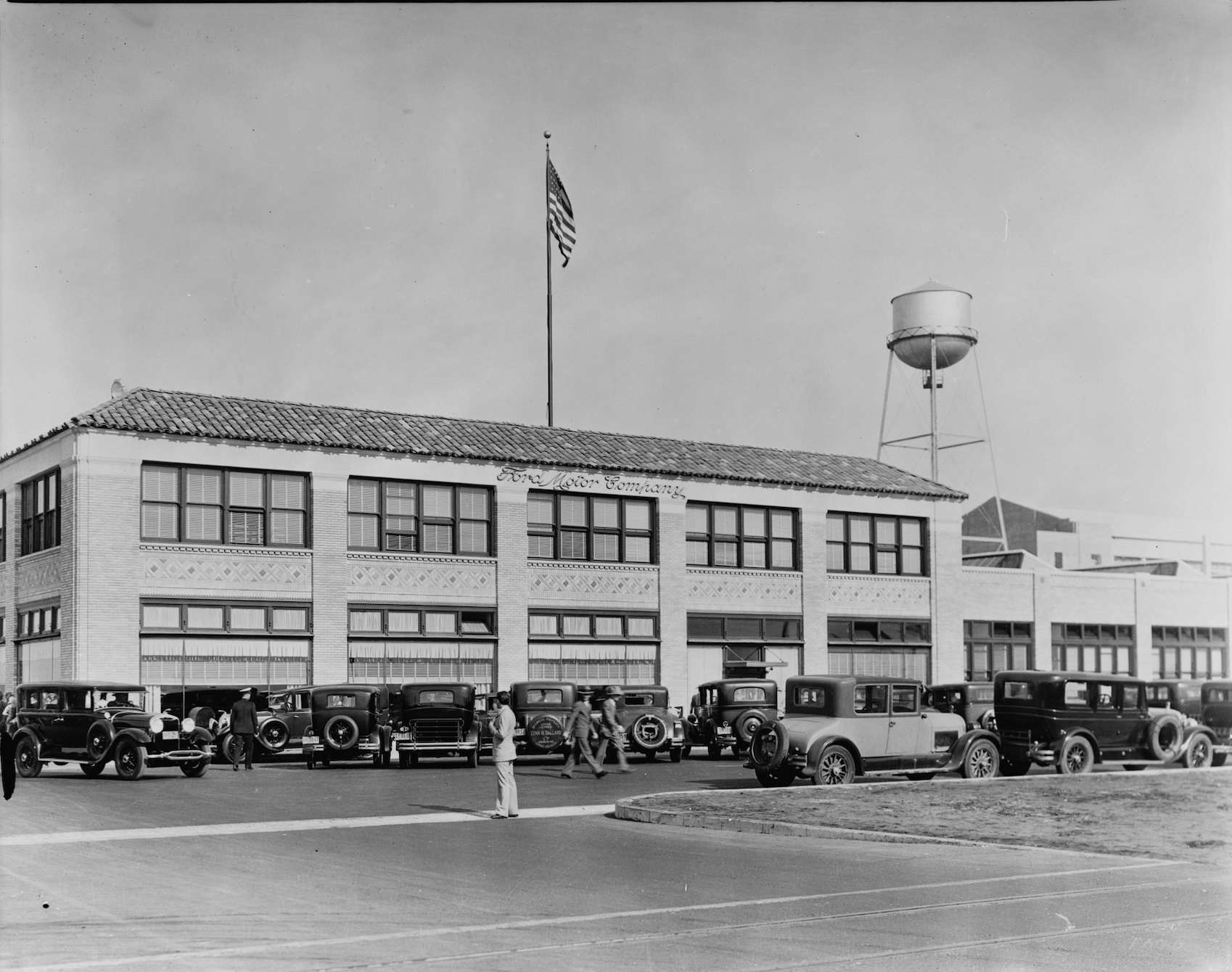
The new Ford factory actually had begun production two weeks earlier on April 8, 1930, when approximately 200 new cars rolled off the assembly line.
Long Beach officials laid claim to the first “official” Model A to come off the assembly line on Monday, April 21. Ford had introduced the new vehicle superseding the Model T in 1927.
Dignitaries at the luncheon launching the plant included California Lt. Gov. Herschel Carnahan, L.A. Mayor John Porter, and, according to the Los Angeles Times account of the event, apparently every chamber of commerce member within a 20-mile radius. During the rest of that week, thousands of public visitors toured the factory.
By the following September, its 1,800 workers were producing 278 vehicles daily, with a capacity to raise that to 2,000 employees and 400 cars produced daily.
Just months after it opened, Ford announced it would add a complete pressed-steel factory, for stamping out bodies, fenders and other car parts to the plant. The company also bought an additional 35 acres of adjacent land to handle future expansions.
By 1931, the factory had become a fixture in the Harbor. In 1931, the L.A. City Council announced plans to change the name of Badger Ave., which ran from Alameda St. in Wilmington to Terminal Island, to Henry Ford Ave. The Badger Ave. Bridge was also renamed the Henry Ford Bridge.
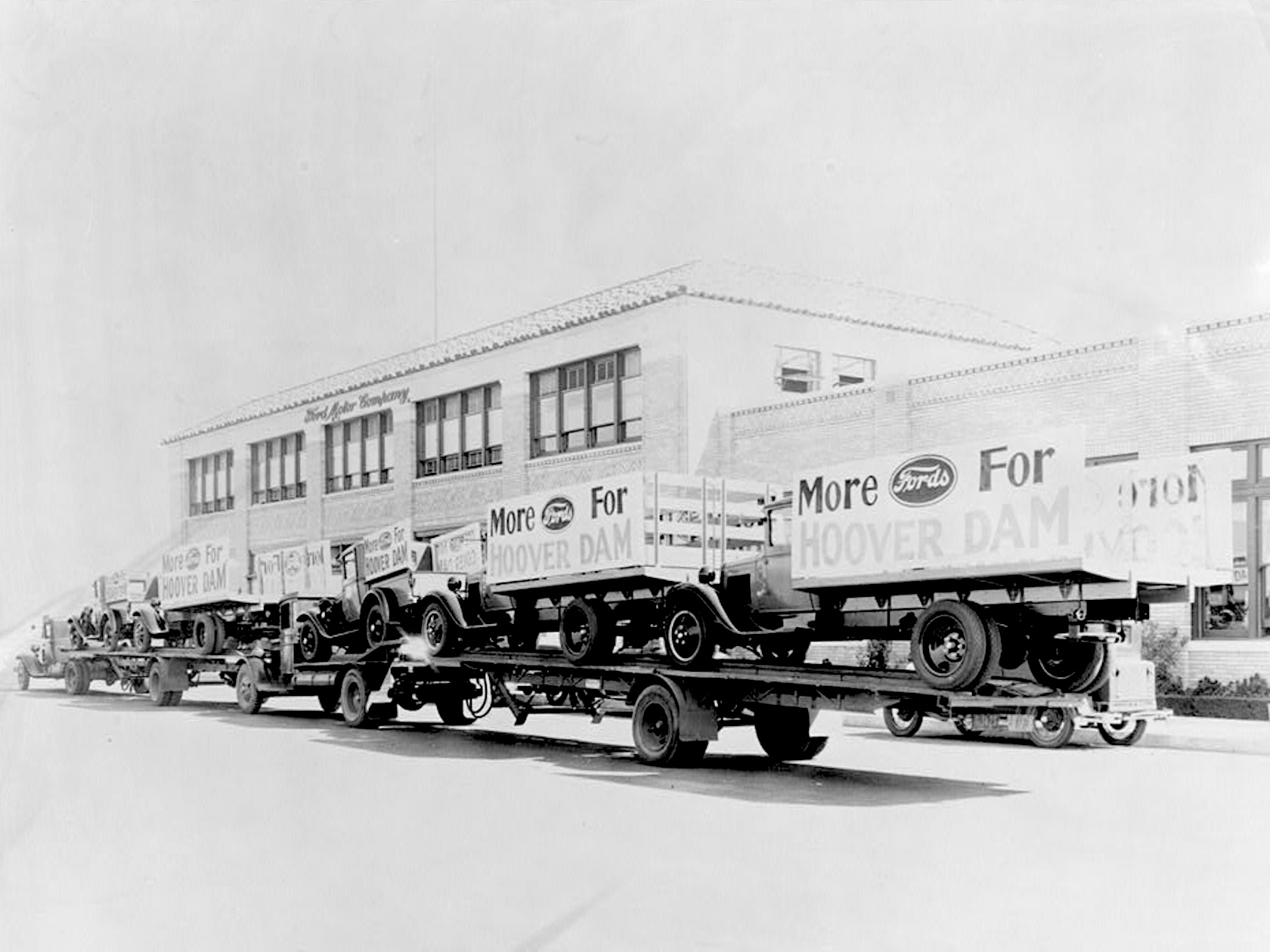
Since its wharf was situated wholly in Long Beach Harbor, the facility eventually became officially identified as the Long Beach Ford plant, and its ties to Wilmington have become something of a footnote.
During World War II, the Ford plant served as a supply depot for the U.S. Army Air Force. It returned to commercial production in 1945. Over the years, it had survived various work stoppages and labor strikes and a dangerous 1956 fire, and continued to produce vehicles throughout the 1950s.
Eventually, though, it was undone from below. Oil dredging in the harbor had caused the foundations of the Ford plant and other nearby buildings to sink several feet and weakened their structural stability. By the time the problem began to be rectified in the late 1950s, Ford had decided to move its plant to Pico Rivera. (That plant operated until 1980.)
After the factory shut down for good on March 20, 1959, it stood empty for several years before it was demolished in late 1991. A container storage terminal now stands on the site.
Sources:
Ford Motor Company History website.
“Ford Motor Company Long Beach Assembly Plant,” Model T Ford Forum, 2012.
Los Angeles Times archives.
“Our History,” Ford Co. website.
San Pedro News PIlot archives.