
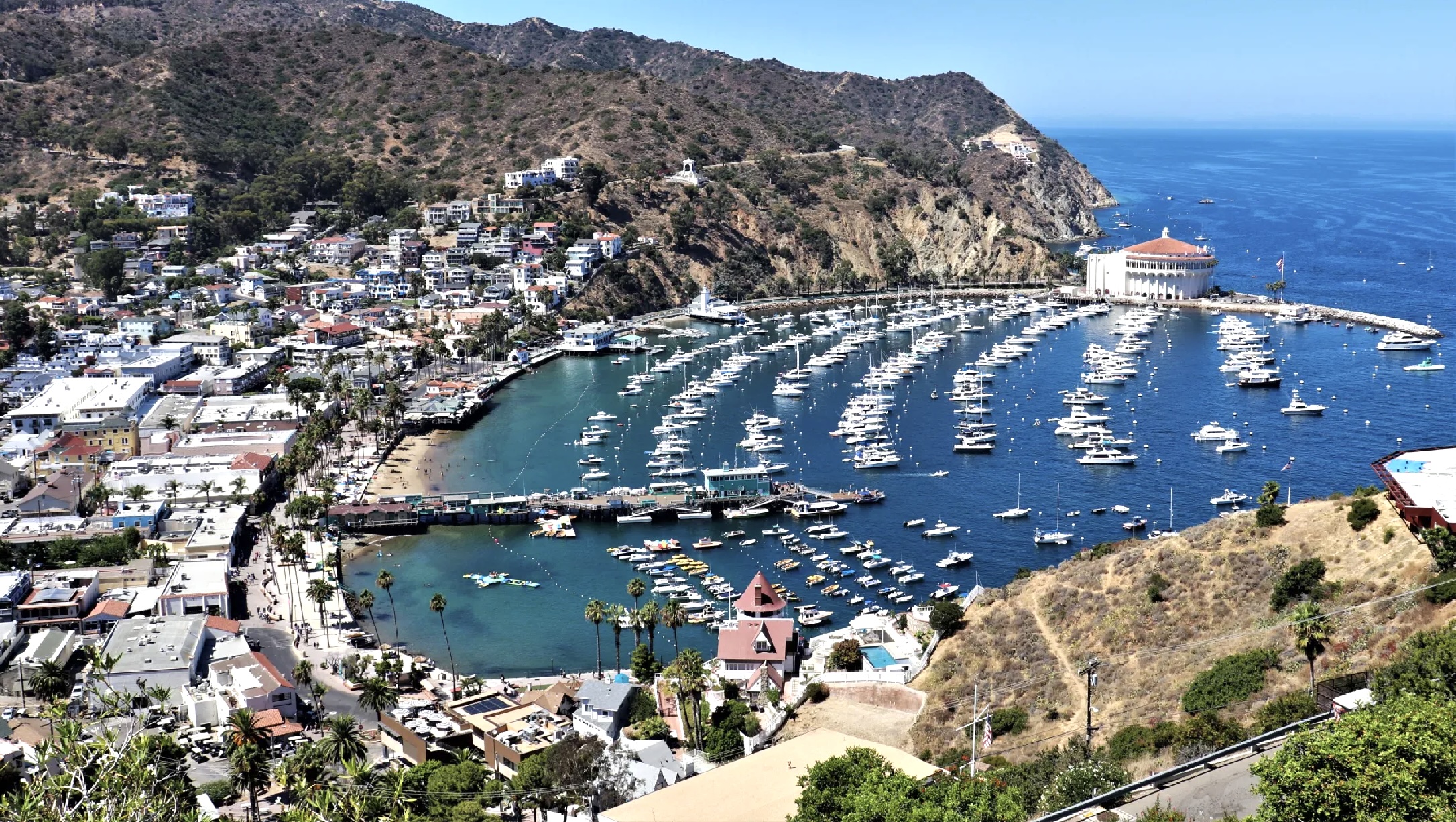
Santa Catalina Island passed through many hands after first being claimed for Spain by Juan Rodriguez Cabrillo in 1542.
Its 76 square miles of land was used mostly for farming and ranching until the late 19th century. When George Shatto purchased it in 1887, he became the first owner to see the value of transforming the island into a resort mecca. He built the landmark Hotel Metropole in 1887, and laid out plans for the city of Avalon.
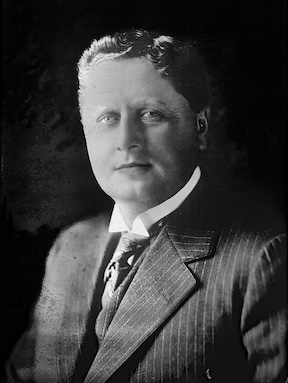
Shatto sold the island to the Banning family in 1891. Over the years, the Bannings continued developing Avalon, but were set back by the disastrous fire which swept through the city in 1915. It dealt a major blow to the family’s fortunes, enough so for them to have to sell it to chewing gum magnate William Wrigley Jr. in 1919.
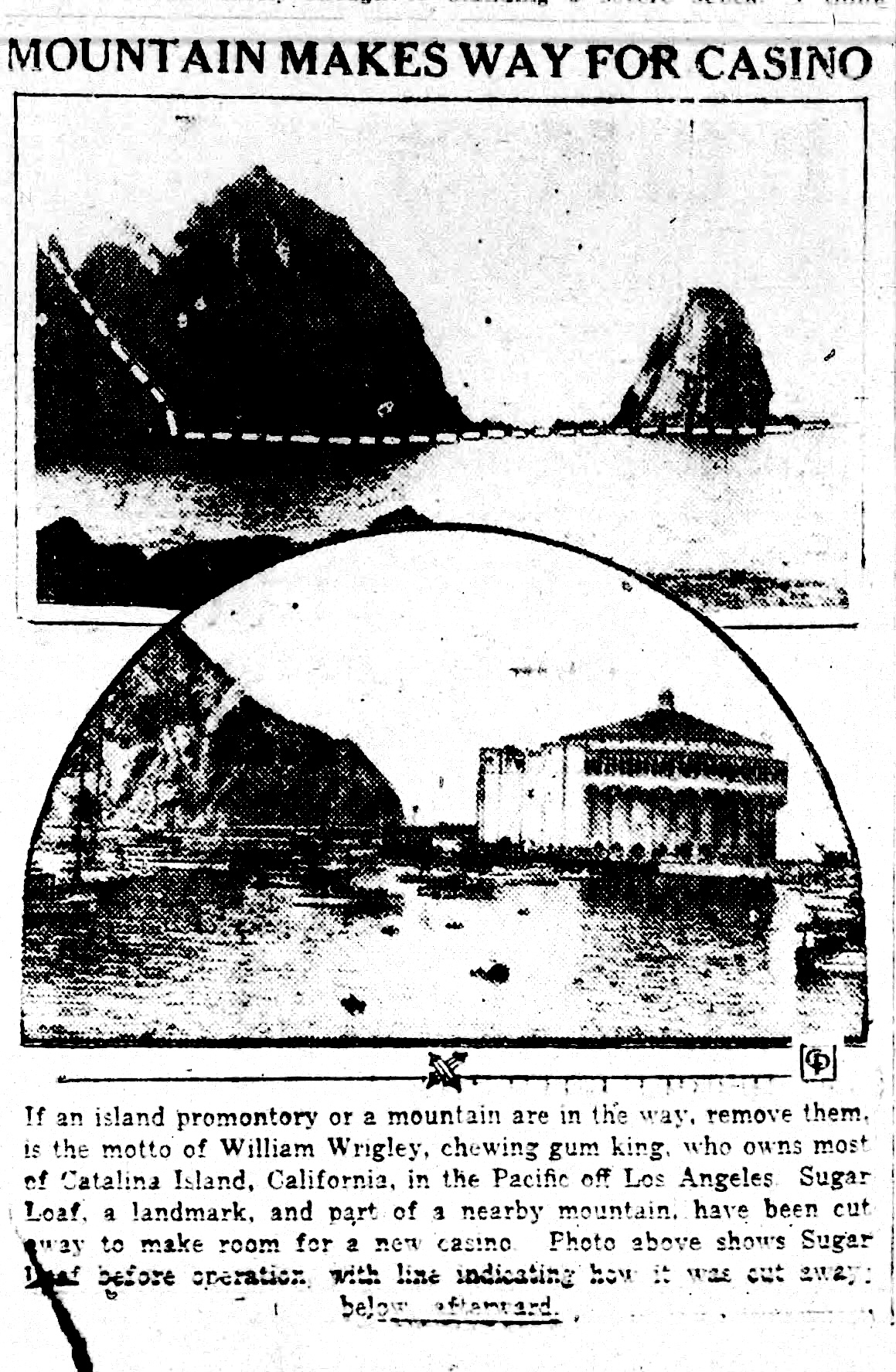
Wrigley was even more committed than the Bannings into turning the island into a major resort area, and immediately set about to rebuild and reconfigure Avalon according to his vision. One of his first projects: to build a casino and dance hall on a promontory of Avalon Bay known as Sugar Loaf Point.
Sugar Loaf Point had long been a landmark for sailing ships, marking the northern end to Avalon Harbor. Its main features were two large rock formations, Big Sugar Loaf and Little Sugar Loaf. Crude wooden stepladder planks were built on LIttle Sugar Loaf in 1896 to allow tourists to climb to the top of it and take in the spectacular views.
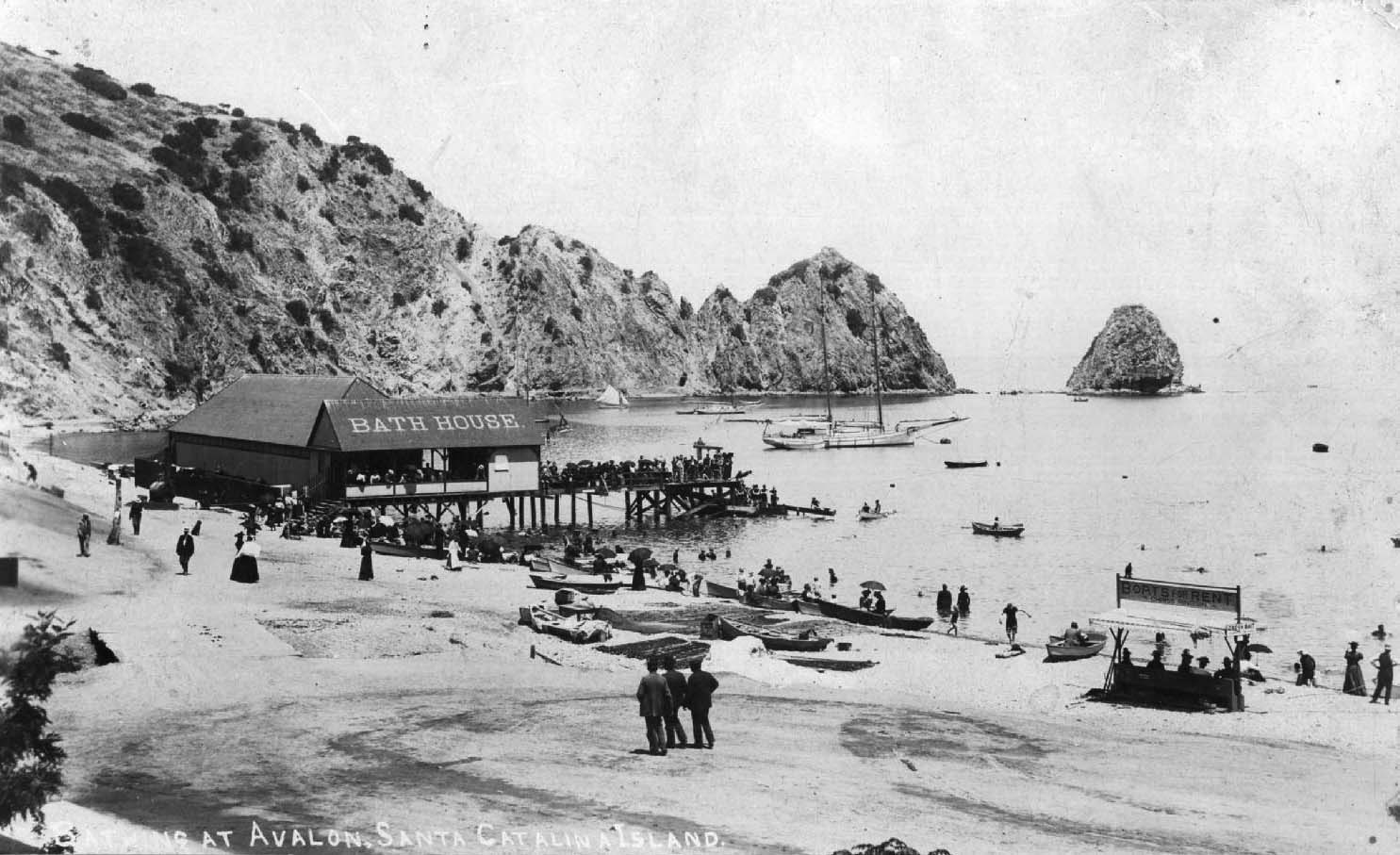
Wrigley decided that Sugar Loaf Point would make the perfect location for his casino. He dynamited Big Sugarloaf rock to the ground to make room for the octagonal building, leaving Little Sugar Loaf standing on the very end of the Point. Construction was completed in 1921.
Neither the original casino building nor its successor ever offered gambling of any kind. In naming the building, Wrigley was using the more general Italian meaning of the word, seeing this casino as a social gathering place. As such, the first casino hosted entertainments including dancing and silent movie screenings during the 1920s.
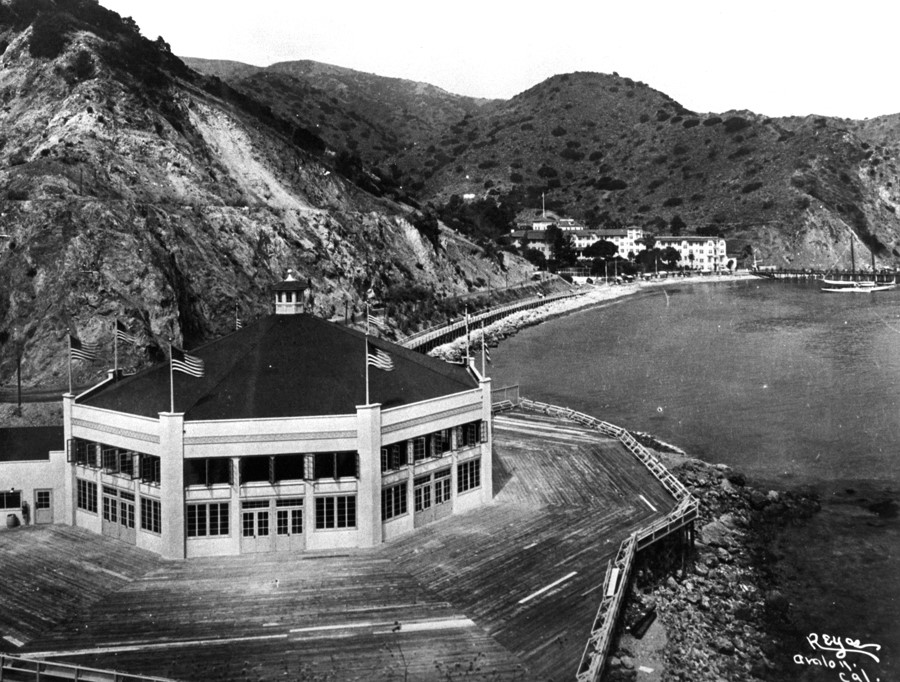
Wrigley eventually decided that the casino just wasn’t large or splendid enough to attract throngs of visitors. He had it demolished in February 1928. He saved the octagonal metal framework of the building, and transported it inland in pieces for reuse in the construction of the main aviary of the Catalina Island Bird Park complex, which opened in 1929.
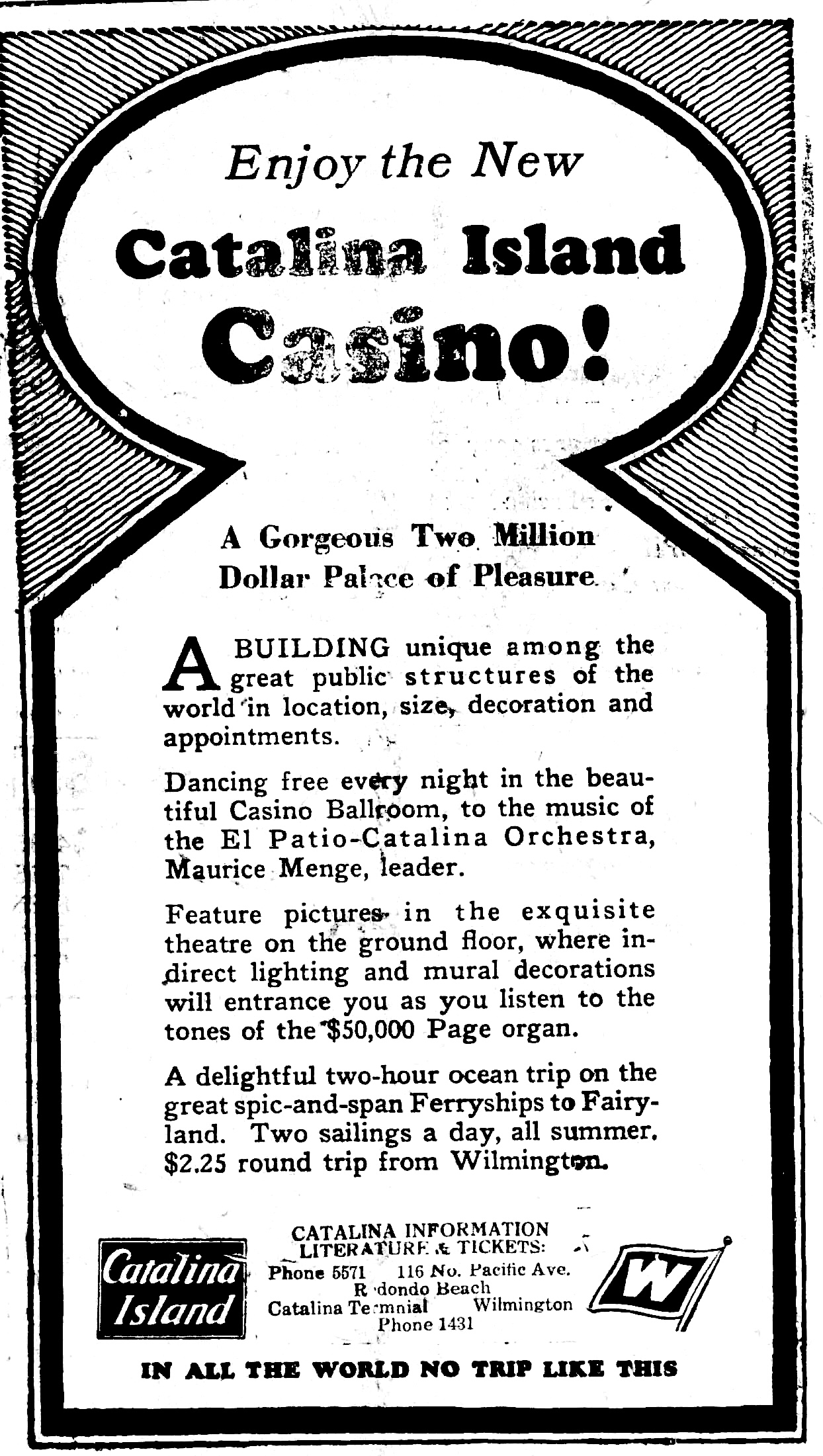
A much bigger ballyhoo ensued that same year with the opening of the new Casino building, which cost $2 million to build.
Wrigley had already blasted away Big Sugar Loaf rock to build the earlier casino. For a time it was thought that Little Sugar Loaf rock would remain on the end of the promontory, but Wrigley decided to dynamite it away in March 1929 to give his new edifice more visibility to incoming ships and provide visitors unobstructed views from its terraces.
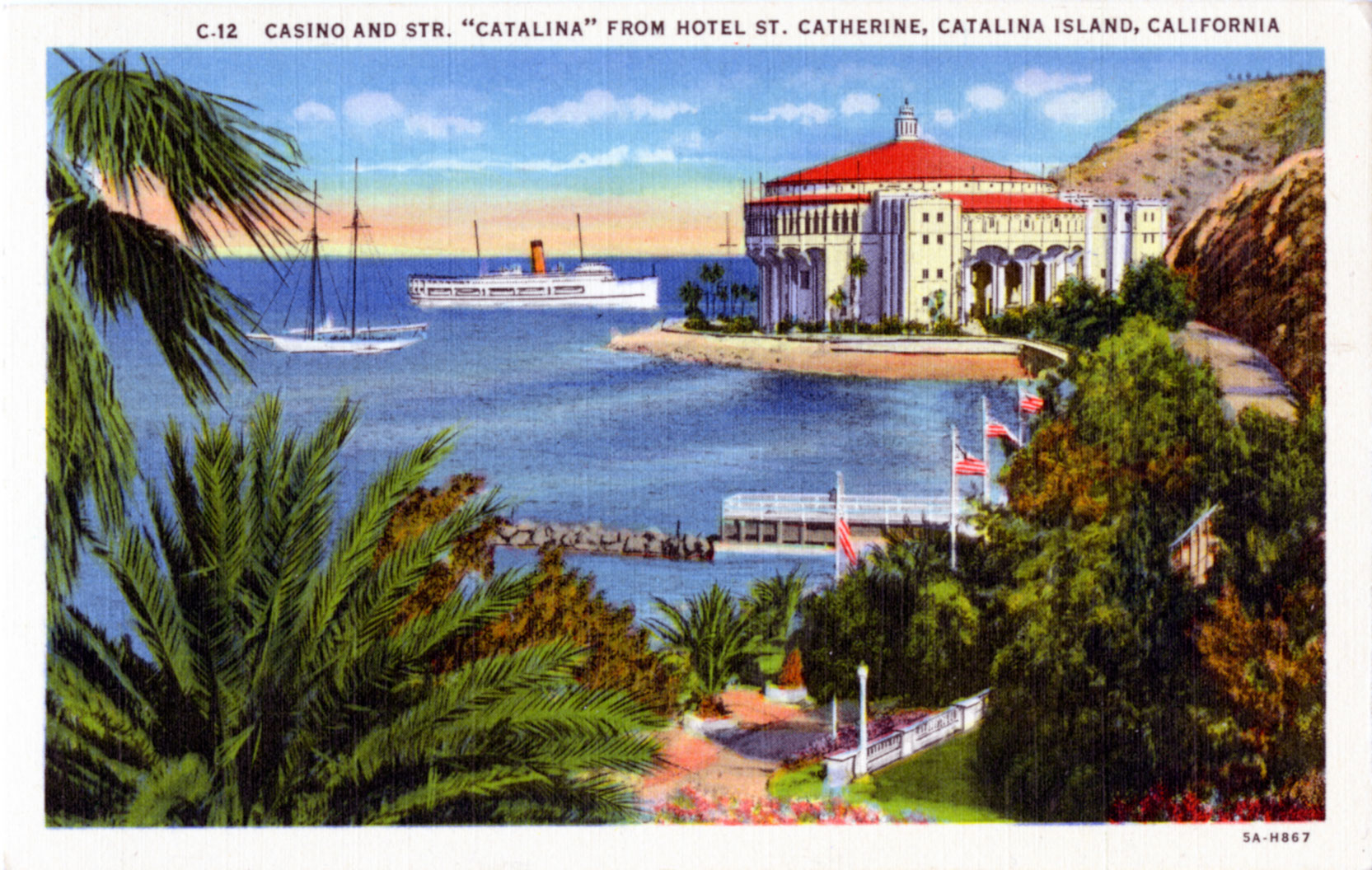
The new casino opened on May 29, 1929, and it was, and still is, a marvel. The round building stood the equivalent of 12 stories high, though it only had two levels.
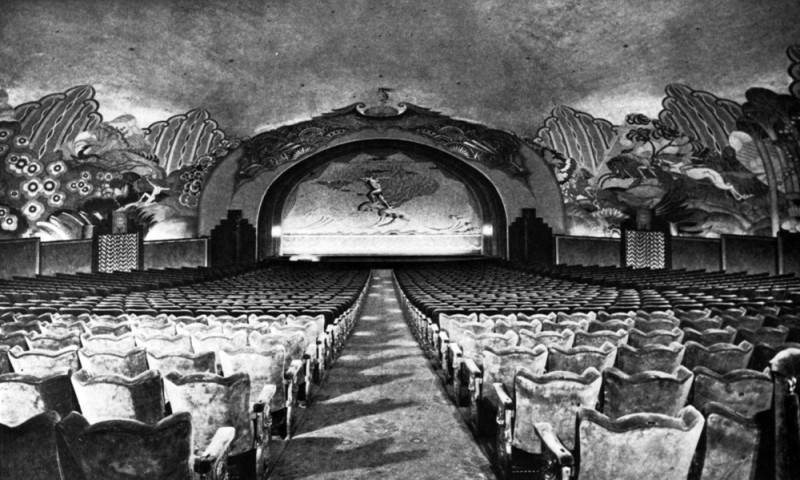
The bottom level consisted of a state-of-the-art movie theater with seating for 1,184 customers. It was fully outfitted with the very latest equipment capable of screening the new “talking pictures” then coming out of Hollywood in increasing numbers.
The elegant ballroom on the top level, at the time the largest round ballroom in the world, was capable of accommodating 2,000 dancing couples.
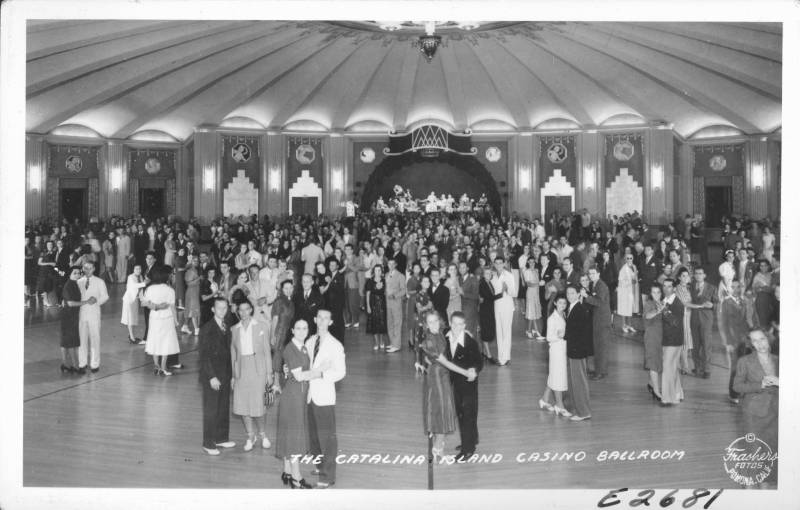
The casino’s designers, Sumner A. Spaulding and William A. Webber, called for installing ramps instead of stairs to connect to the upper level in order to account for the faster movement of large numbers of people. The idea came from Wrigley’s ballpark in Chicago, Wrigley Field.
The building’s exterior was designed in the Moorish Alhambra style. Its interior furnishings and fixtures were done in the then-popular Art Deco mode.
The ballroom soon became one of the island’s premier attractions. Just about every major big band enthralled dancers there, including orchestras led by Benny Goodman, Jimmy Dorsey, Kay Kyser (and his Kollege of Musical Knowledge), Harry James, Glen Miller, Artie Shaw, the Count Basie Orchestra, and many others.
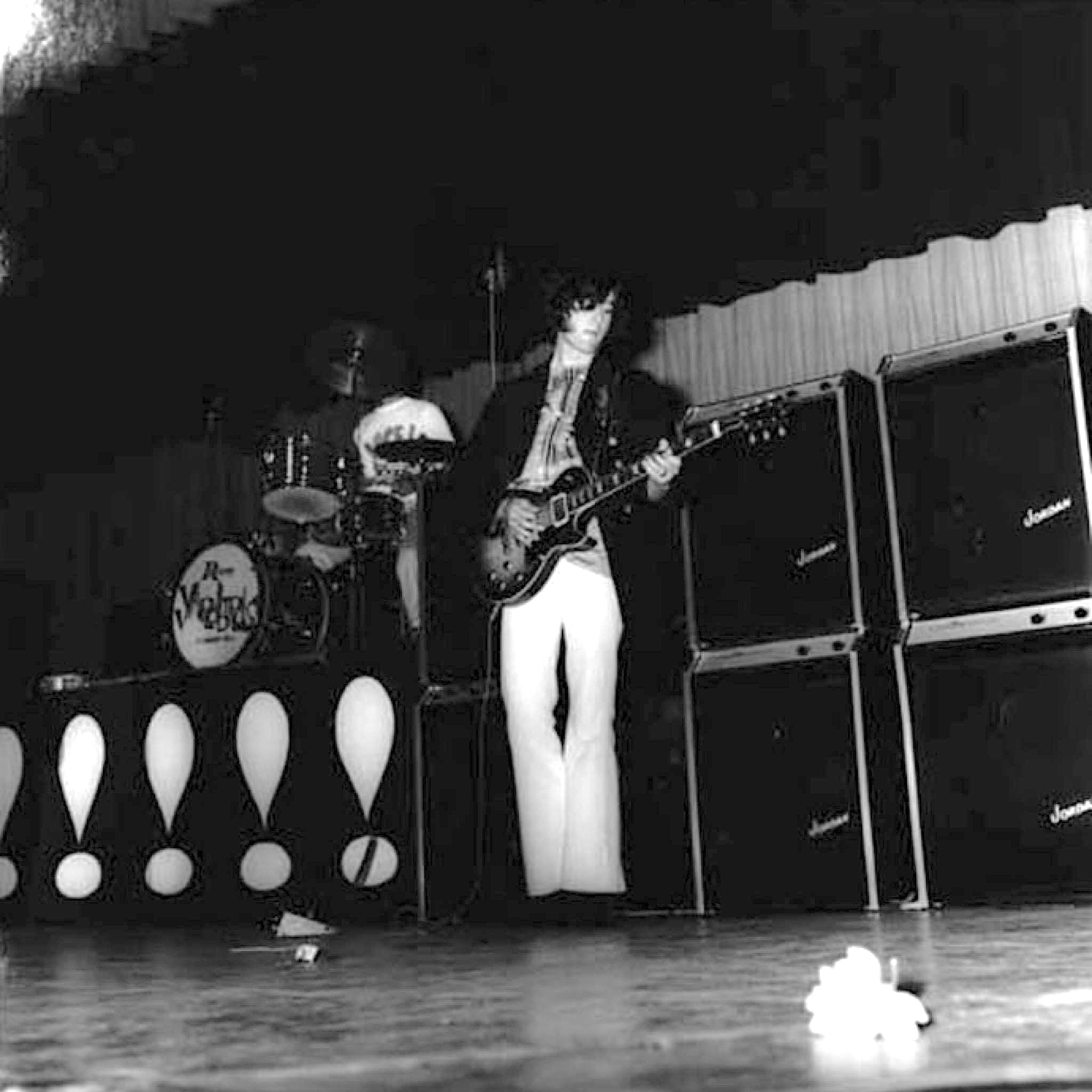
Pop musicians also played the Casino’s ballroom during the 1960s. British rock legends The Yardbirds played there on Aug. 23, 1966, during the short time that ace guitarists Jeff Beck and Jimmy Page were both still in the band. Page recalls on his Facebook page arriving at the island via seaplane and having to use unfamiliar amps rented for the gig.
Hard rock band Blue Oyster Cult played there on Aug 21, 2006, and rock revivalists Rival Sons played a live-streamed event there in 2021 during the pandemic.
After 90 years of operation, the movie theater closed for regular screenings in 2019 due to low attendance. It still hosts film festivals and special events.
The Casino itself, still the largest building on the island, remains open for visitors for touring, and also holds holiday events and other celebrations.
Sources:
“Avalon Theatre Owner Blames Streaming Services for ‘Upside-Down’ Attendance,” by Rebecca Rubin, Variety, Dec. 12, 2019.
The Catalina Story, by Alma Overholt, Catalina Island Museum Society, Inc., 1962.
Daily Breeze archives.
Los Angeles Times archives.
Islapedia website.
Redondo Reflex archives.
“The Sad Story of Sugar Loaf Rock,” by Eleanor McCrackin, Postcard History website, Aug. 26, 2021.
Wikipedia.


I always enjoy your stories. My wife and I were just on Catalina a couple months ago and had the same view fas in one of your photos. I also learned a few things about Catalina that I didn’t know by reading your article.
Keep up the great work!!
Take care,
Paul Hill
>
LikeLike