
Before the arrival of the Spanish land grant owners in the latter part of the 1700s, the Tongva branch of the indigenous Gabrielino tribe inhabited the area that later became Gardena.
They farmed its fertile soil, enriched by natural irrigation arising from its location at the northern end of Dominguez Slough, a body of water named for land grant owner Juan Jose Dominguez. He received the grant from Spain in 1781 as part of the large Rancho San Pedro tract.
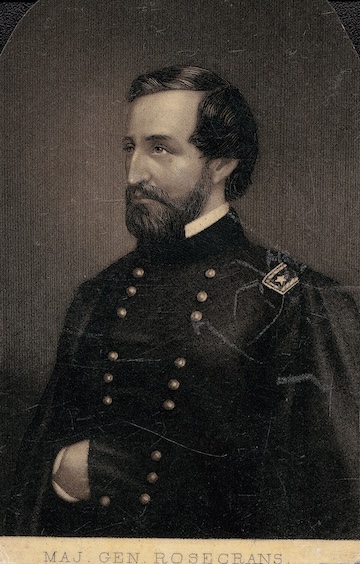
The next major player in the region, former Union Army Gen. William Starke Rosecrans, bought 16,000 acres of land in the area for $2.50 an acre in 1869, and eponymously named it Rosecrans. Its borders were Crenshaw Boulevard on the west and Central Avenue on the east, and Florence Avenue on the north and roughly Artesia Boulevard on the south.
He lived there for several years, in a home he built near the present-day intersection of Vermont and Rosecrans avenues. After serving as a U.S. congressman in the early 1880s, he turned his energies toward developing his land into a city.
In 1887, he subdivided the land and began selling some 3,000 house-sized lots for $50 a piece.
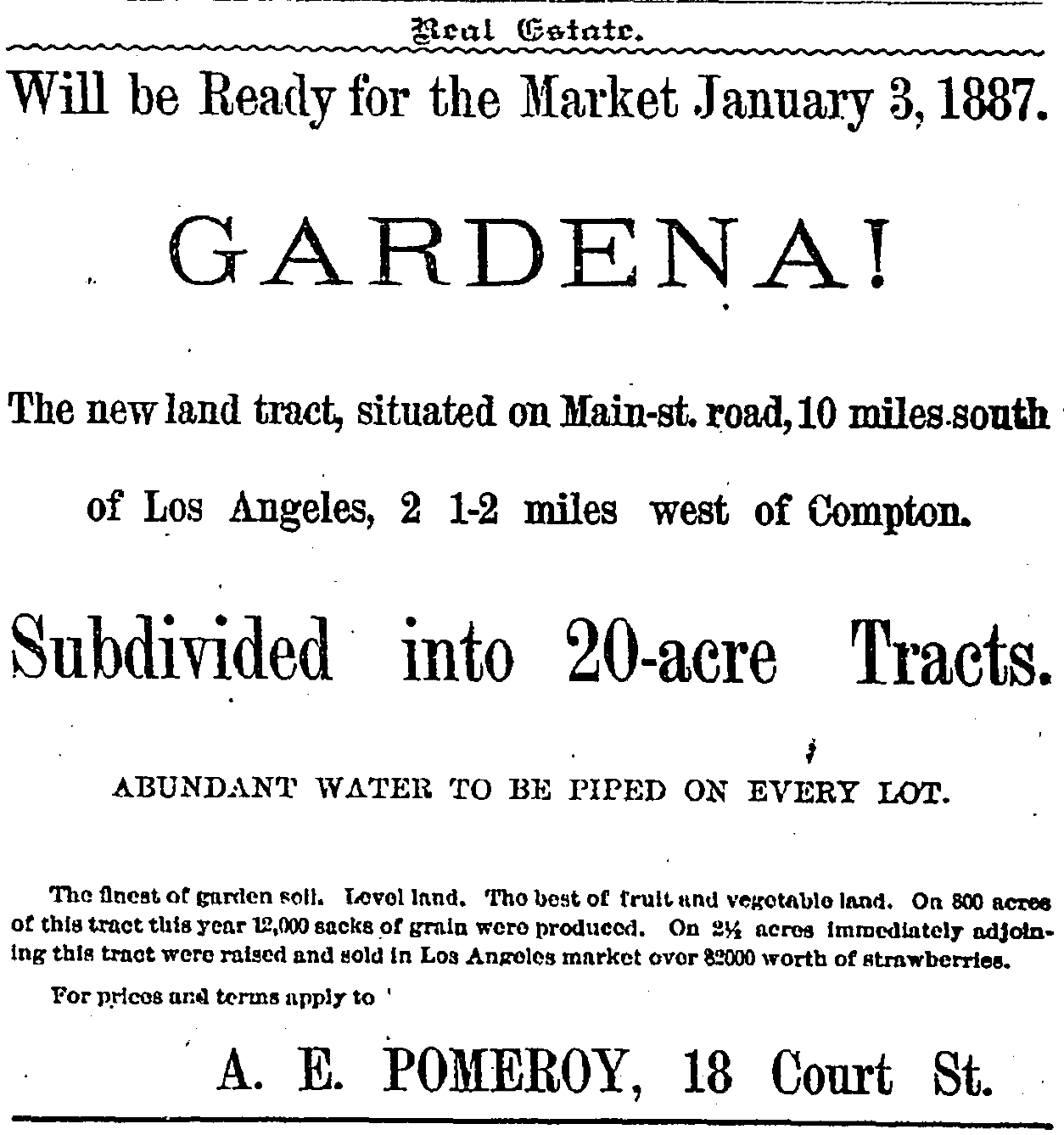
Other developers also began selling parcels in the area in 1887, including Abram Pomeroy and Spencer R. Thorpe. Both men have been credited with playing a major role in bringing settlers to the nascent city.
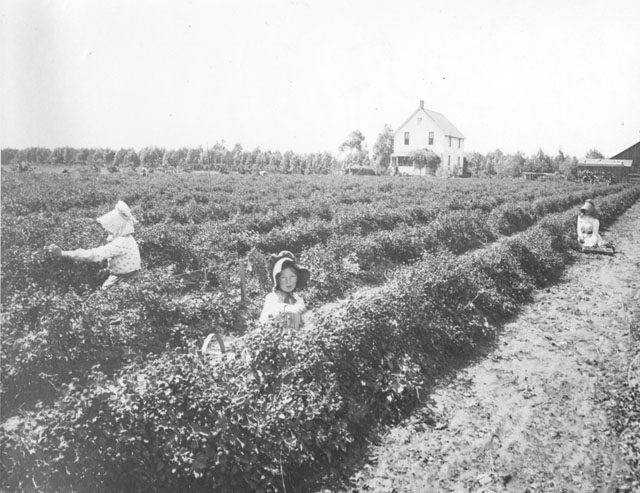
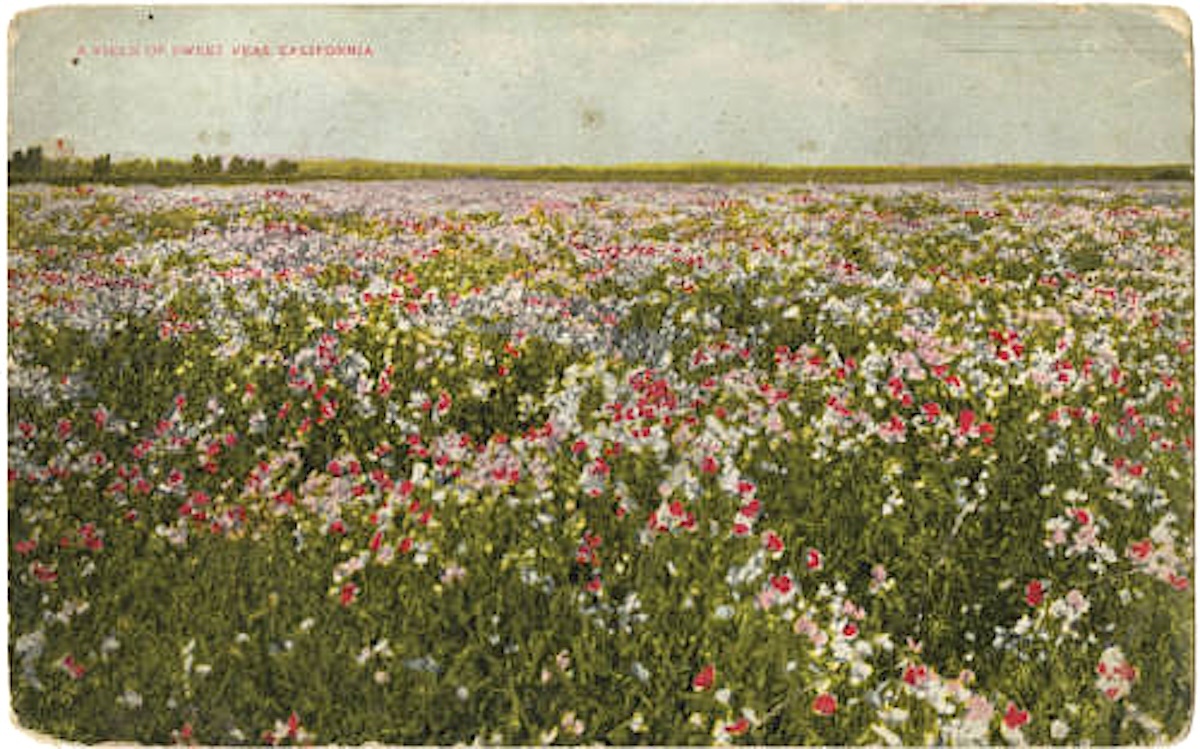
The real estate market in the entire Los Angeles region was booming in the late 1880s, and Gardena was no different. Farms and ranches began springing up in the area. Its fertile soil was particularly suited to raising ground crops such as flowers and berries.
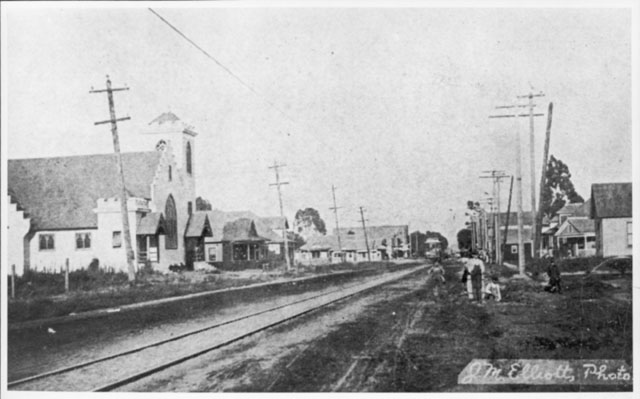
Businesses catering to the needs of the farmers followed, and a small downtown area began forming around the intersection of Figueroa and 161st streets. It shifted west to Vermont Ave. with the completion in 1890 of the Redondo Railway Company’s new line connecting Redondo Beach to Los Angeles.
Anti-Chinese sentiments, aimed at the influx of laborers from China starting in the 1860s, led to the passage of the Chinese Exclusion Act in 1882. This led to the recruitment of Japanese immigrants to take their place working in the railroad, mining and agriculture industries.
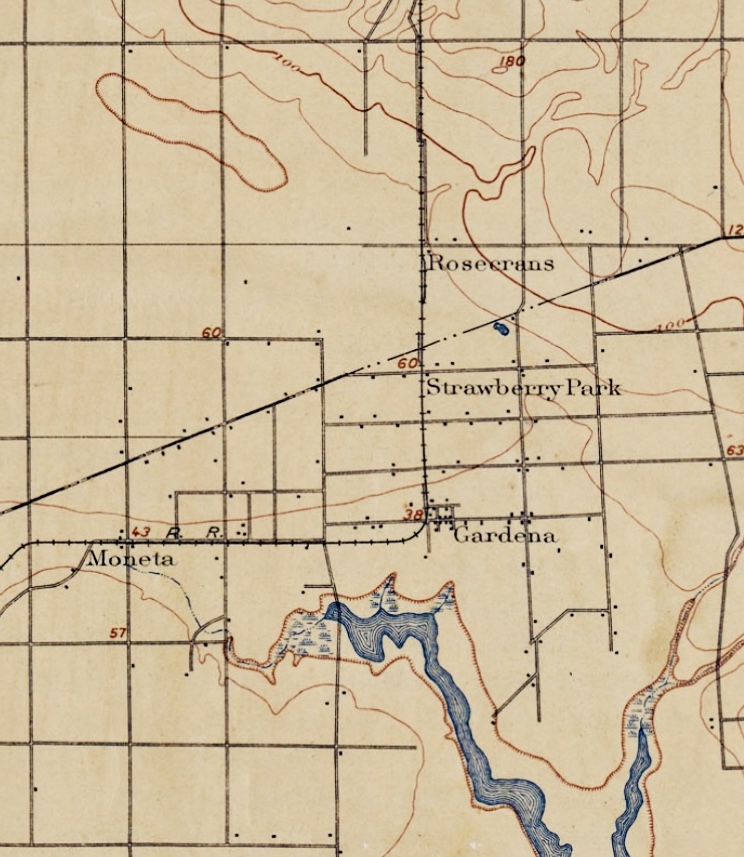
The Gardena Valley’s rich farmland attracted the Japanese newcomers, who worked raising flowers and berries on the area’s farms. The whole area came to be known as Berryland, with a smaller segment named Strawberry Park.
The origins of Gardena’s name itself are hazy, but most likely it came from the area’s reputation as a “garden spot” amid the then mostly dry and dusty territory surrounding it.
By the early 1900s, agriculture in the region was booming and its residential population also had increased. With nearly 1,000 people living in the area by 1904, the decision was made to build Gardena High School, which opened in 1908.
Agriculture still was the dominant industry, but the growing residential development began reducing the size and number of the berry farms. The annual Strawberry Day Festival and Parade was still being held every May, however.
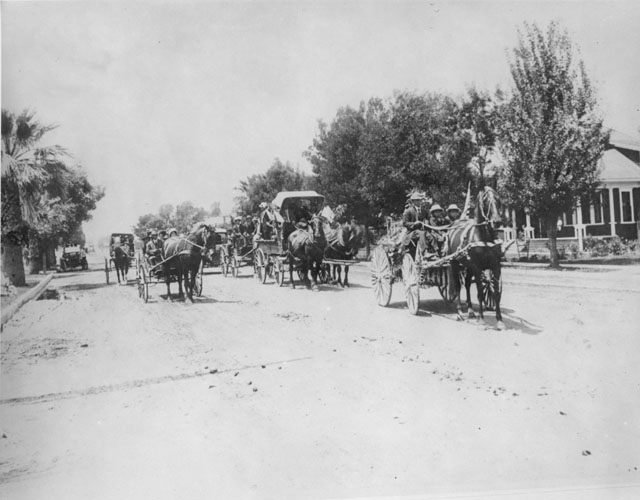
The emphasis on raising berries also was reduced by the onset of World War I, when the farms shifted to other food crops more critical to the war effort.
A series of events in the 1920s led to the eventual incorporation of the city of Gardena. First, ambitious plans to build a scenic highway, the Hollywood Palos Verdes Parkway, were introduced in 1924.
The 225-foot wide roadway would run from the Palos Verdes Peninsula through Redondo Beach, Torrance, Gardena and Inglewood before meeting up with the southern edge of Los Angeles. The highway would be costly, with residents of cities along its route facing hefty tax assessments to pay for it.
Second, Los Angeles County purchased 320 acres of land on Gardena’s western border from the Bank of Italy for just over $1 million in 1927 with the intent of turning it into a regional park.
Alondra Park wouldn’t become a reality until the 1940s, but the project also raised the possibility of increased taxes to pay for it as well.
For these reasons and others, residents of the communities of Gardena, Moneta and Strawberry Park felt a pressing need to incorporate, especially after the nearby incorporated cities pulled out of the Alondra Park deal once they realized the tax burden it would create.
That would have left residents of the unincorporated Gardena to bear the financial brunt of the project. An incorporation election was held on Aug. 5, 1930. Residents voted to incorporate by a vote of 502 for to 242 against. Gardena’s cityhood became official on Sept. 11, 1930.
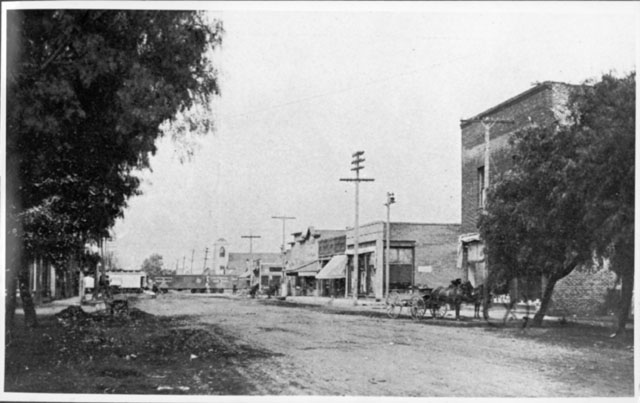
At the time of incorporation, the three communities that made up Gardena had a combined population of about 20,000 people and encompassed roughly four square miles. The 2020 U.S. Census put Gardena’s population at 61,027.
Footnotes: Only a small, scaled-down portion of the Hollywood Palos Verdes Parkway was ever built, and Alondra Park opened to the public in 1946.
Sources:
Daily Breeze archives.
“Gardena,” Los Angeles County Library website.
Gardena Valley News archives.
“The History of a Diverse Community,” City of Gardena website.
Images of America: Gardena, by the Gardena Heritage Committee, Arcadia Publishing, 2006.
Los Angeles Times archives.
Wikipedia.

