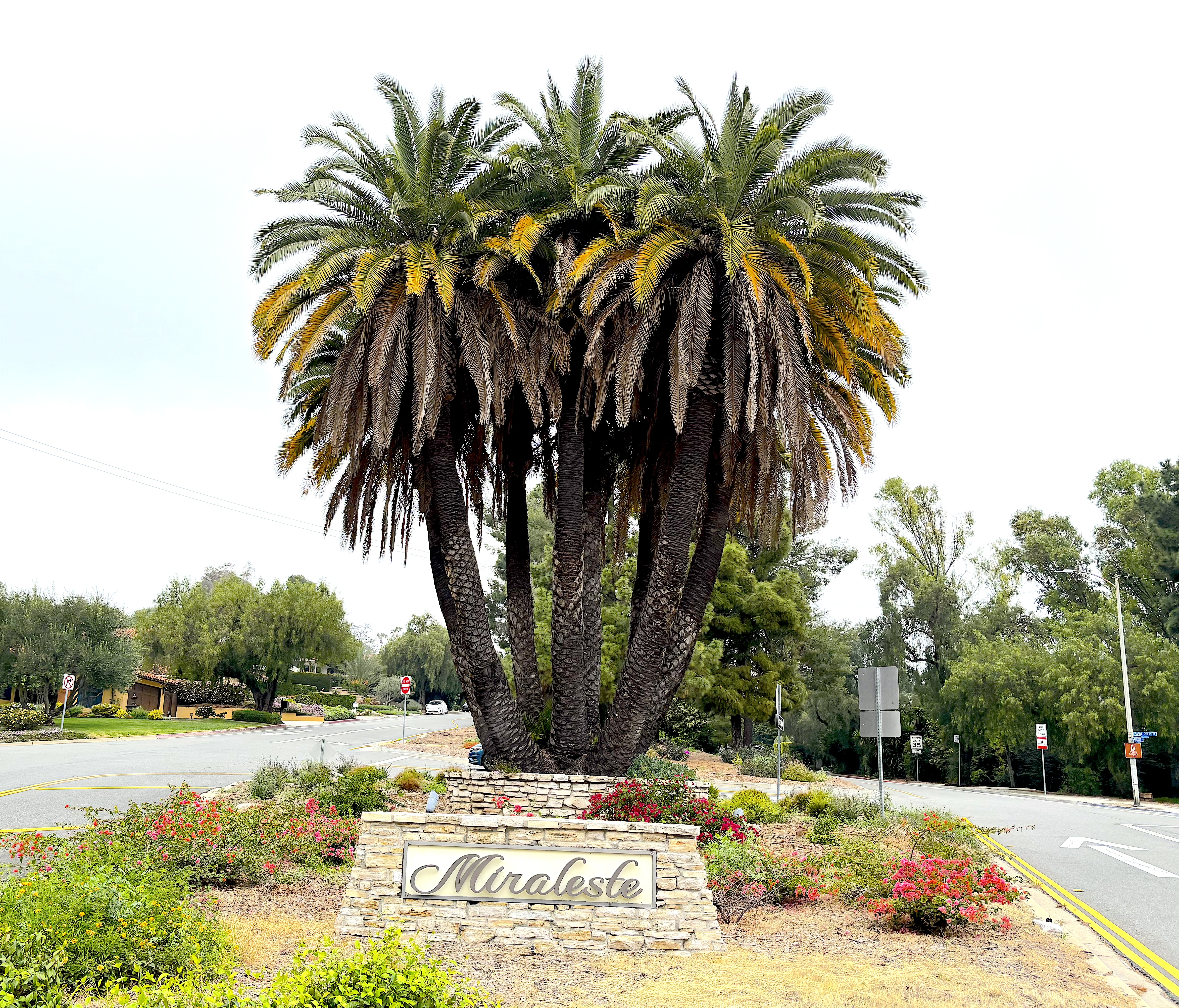
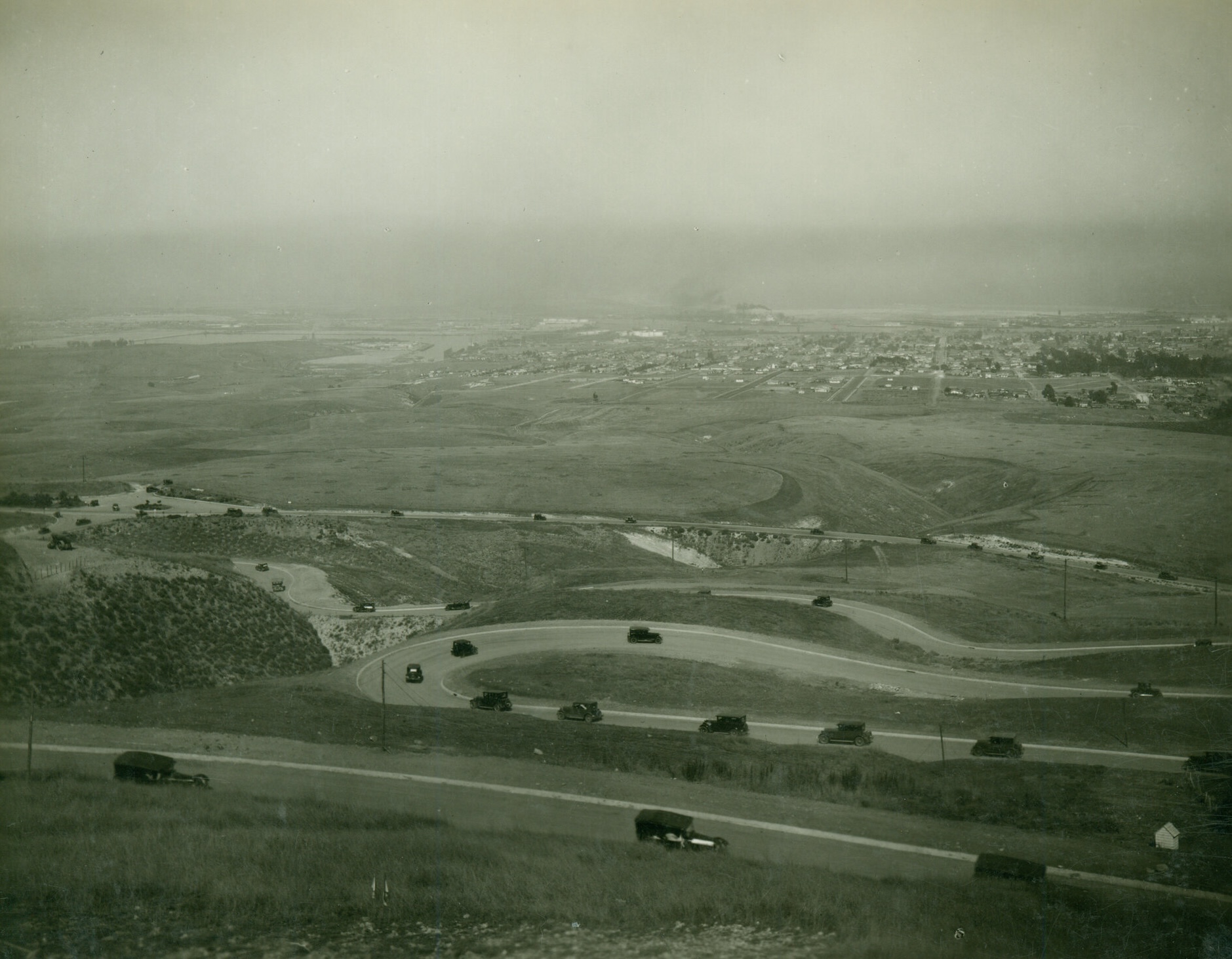
When Palos Verdes Peninsula landowner Frank Vanderlip and his associates drew up the detailed master plan for their Palos Verdes Project in 1923, it consisted of four distinct areas to be developed: Malaga Cove, Lunada Bay, Valmonte and Miraleste.
The first three were connected areas on the west side of the Palos Verdes Hills. Miraleste was a free-standing area on the east side of the hills near San Pedro.
Even with these identified areas under development, large chunks of the Peninsula remained unincorporated Los Angeles County land for years. I recently wrote about one such area, the once-unincorporated Eastview section of Rancho Palos Verdes and its contentious history.
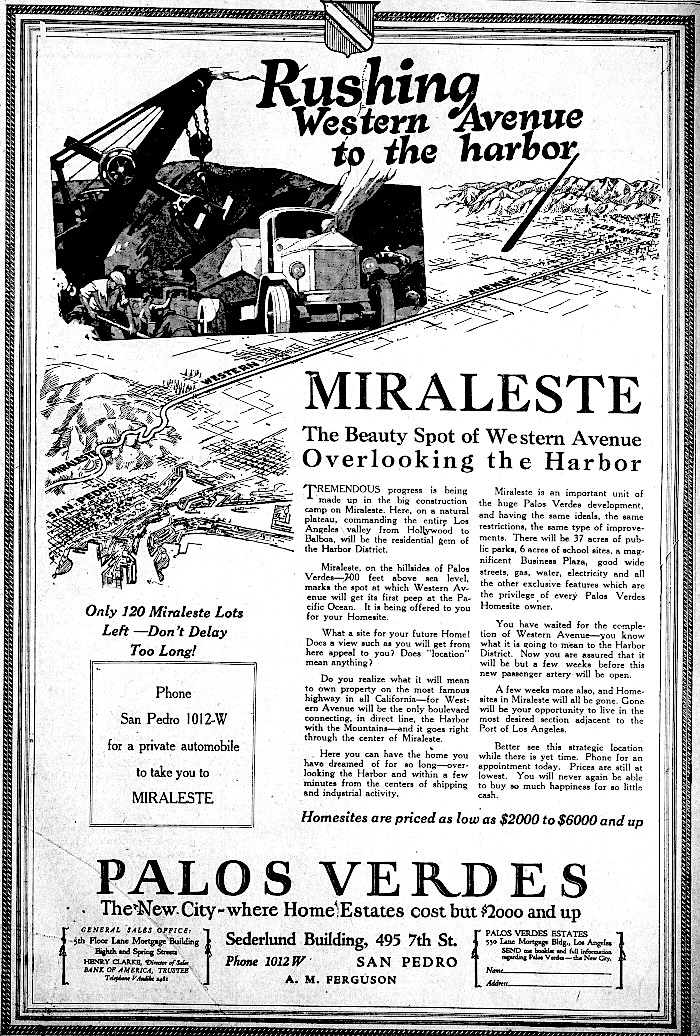
Miraleste lies just west of Eastview and just east of the city of Rolling Hills, the latter of which was incorporated in 1957. Western Avenue once formed part of its southern border until it was re-routed to the east in the 1930s.
So why didn’t Miraleste become part of Palos Verdes Estates when that city was formed in 1939? Because it was not contiguous, sharing no borders with PVE, even though it was planned at the same time in the 1920s. The rules set down by Palos Verdes Art Jury, which dictated which types of structures and layouts were acceptable, were applicable to Miraleste as well.
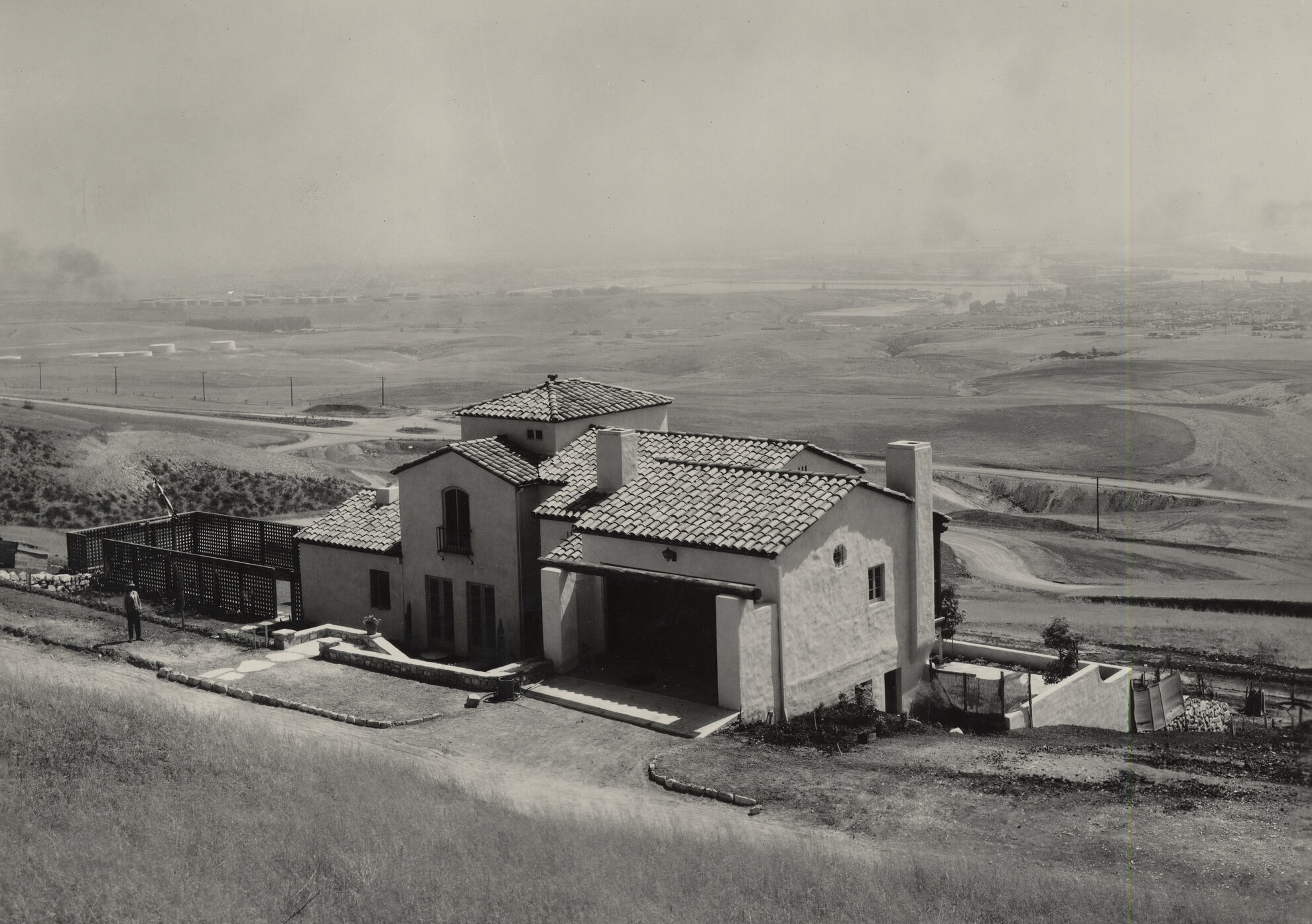
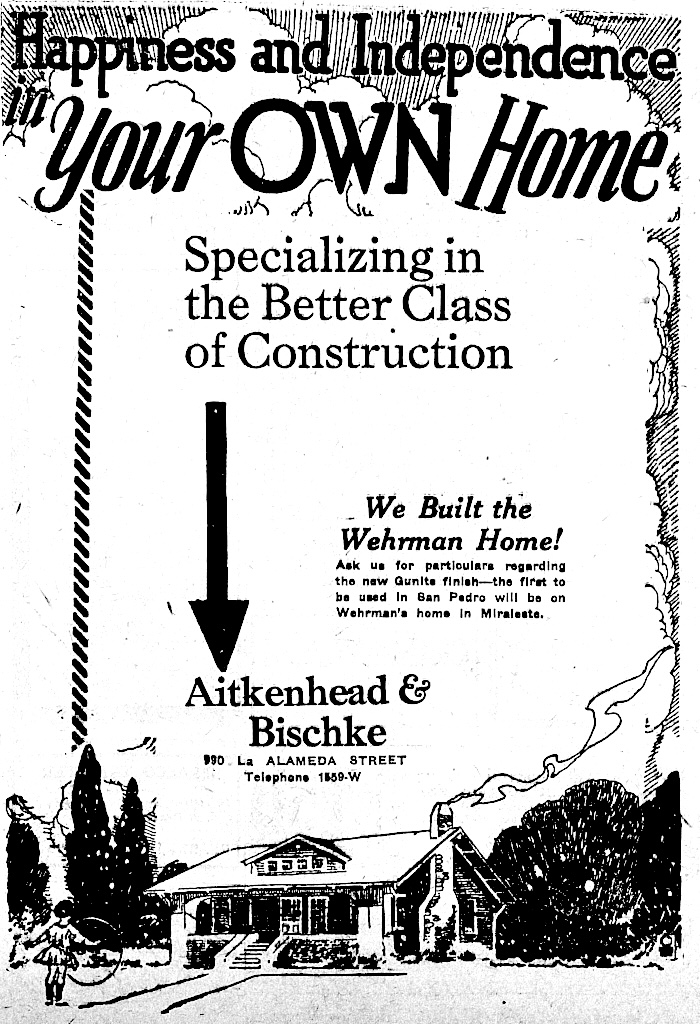
The first house to be built in the Miraleste district was finished in 1924. John Wehrman paid $18,000 for the house at 6325 Via Colinita, then a dirt road with no other structures nearby. (The house still stands.)
Those empty spaces filled in soon enough, but public services were slower to arrive. Miraleste Elementary, the area’s first public school, opened in 1929 at 6245 Via Canada.
Residents formed the Miraleste Homes Association in 1938, and one of its first accomplishments was to establish the Miraleste Parks & Recreation District in 1940 to preserve its parks and natural features.
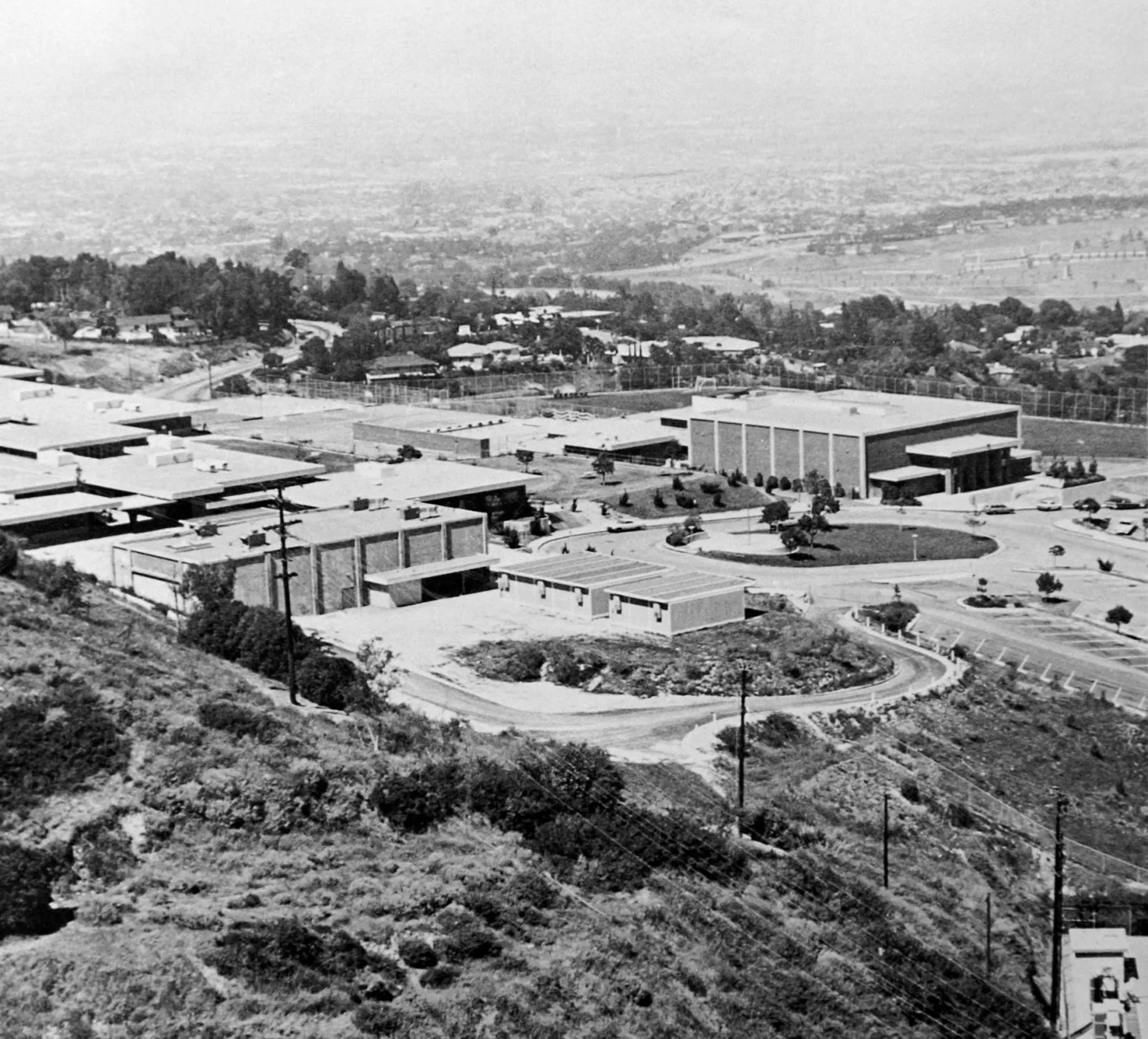
The Miraleste Fire Station was built in 1947. After years of groundwork, Miraleste High School accepted its first students in September 1968. In 1970, the Miraleste branch of the Palos Verdes Public Library opened its doors.
The years 1970-1973 saw Miraleste debating whether to become part of what was called “the fourth city,” to be called Rancho Palos Verdes. (Palos Verdes Estates, Rolling Hills and Rolling Hills Estates are the other three.)
Some residents favored forming their own city, though the region lacked a large tax base of retail and industrial businesses. Others felt it made more sense to become part of the larger Rancho Palos Verdes. On Aug. 28, 1973, an election was held to determine the area’s fate.
In addition to the incorporation issue, voters also had to select the first five council members for the new city should the outcome favor incorporation.
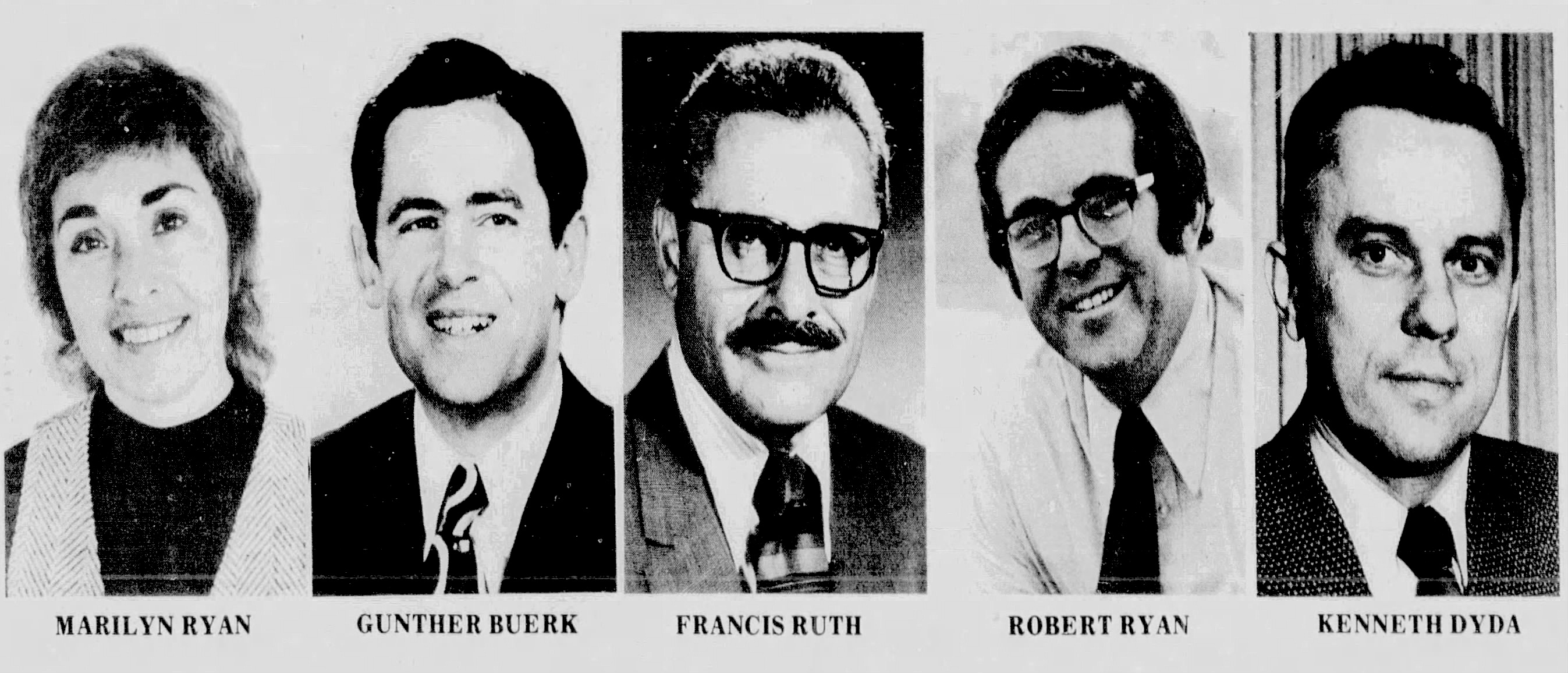
The results overwhelmingly favored incorporation, which garnered 82 percent of the vote. The only area showing even a modicum of no votes was Miraleste, where it still passed handily.
The next issue to roil Miraleste residents was sparked by intimations from the Palos Verdes Peninsula School District that falling enrollments and rising costs might be leading to the closure of Miraleste and Palos Verdes high schools. Students would be then folded into one high school, Peninsula High (formerly Rolling Hills High).
The reaction was swift. Many parents and students decried the move, which was passed by the board on Oct. 31, 1987. The opponents filed a lawsuit, which succeeded in overturning the district’s plan in 1988.
But the numbers didn’t lie. Faced with a $2.1 million deficit, the district voted in December 1990 to make the closures and consolidation final, effective June 1991.
Its students never forgot Miraleste High, though. In July 2023, an all-years high school reunion for former Miraleste attendees held at Miraleste Intermediate School, the school’s former location, drew more than 1,000 former Marauders to celebrate their former school. A second such celebration, now titled “Miraleste Fest,” was held in July 2025.
According to the City-Data.com website, the 3.697-square-mile Miraleste area had an estimated 12,703 residents in 2023. More than a century after its founding, it still adheres to the Palos Verdes Art Jury rules set down in 1923.
Sources:
City-Data.com website.
Daily Breeze archives.
Miraleste Homes Association website.
Palos Verdes Peninsula News archives.
The Palos Verdes Story, by Delane Morgan, The Palos Verdes Review, 1982.
San Pedro News Pilot archives.