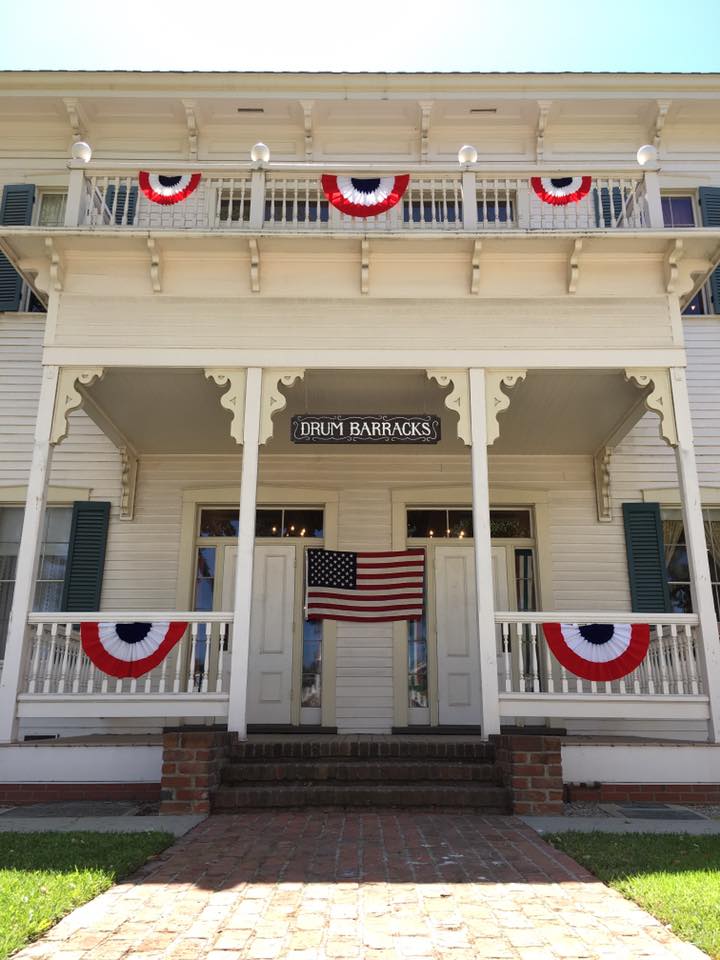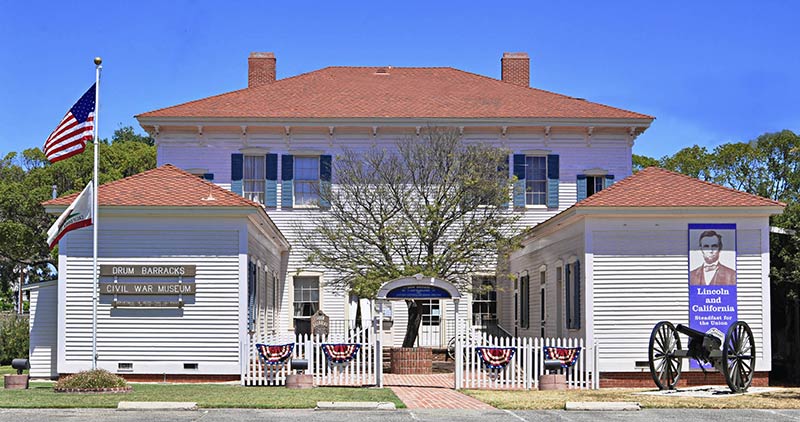
The Drum Barracks in Wilmington was the first U.S. military base to be built in Los Angeles County. It takes its name not from the percussion instrument, but from Lt. Col. Richard Coulter Drum, the Adjutant General then based in San Francisco who commanded California’s militia forces.
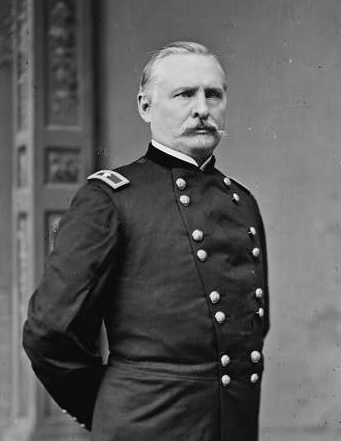
Drum played a key role in the creation of the U.S. Army camp established north of San Pedro in 1861. Its first location was in an area then called “New San Pedro” in present-day Wilmington.
The dry, sandy soil proved to be unsuitable for a military outpost, especially during a particularly rainy season that year that turned the whole grounds into a muddy mess.
Shipping magnate Phineas Banning operated his burgeoning empire from the area, and favored having troops nearby to protect it. In late 1861, he and fellow landowner Benjamin Wilson offered 59.4 acres for the government to use.
Construction of what originally was called Camp Drum began in February 1862. The Camp Drum name was then changed to the Drum Barracks; Banning had changed the name New San Pedro to Wilmington a few months earlier.
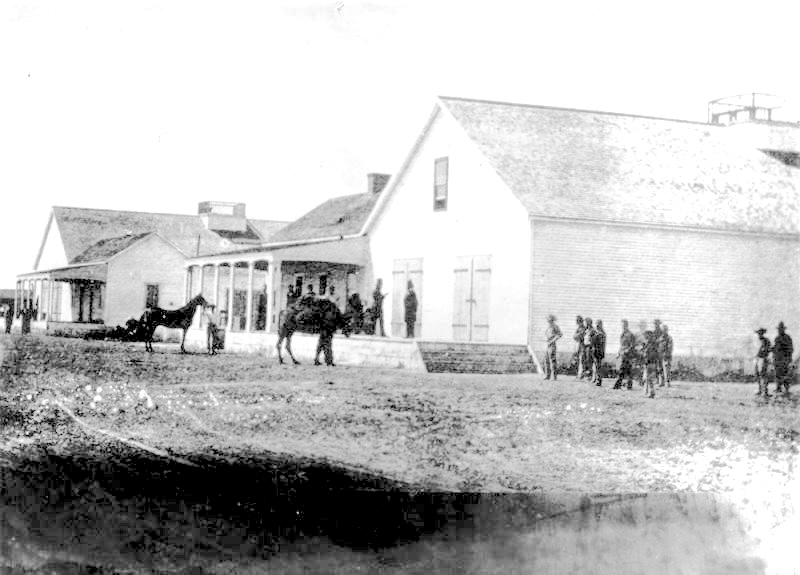
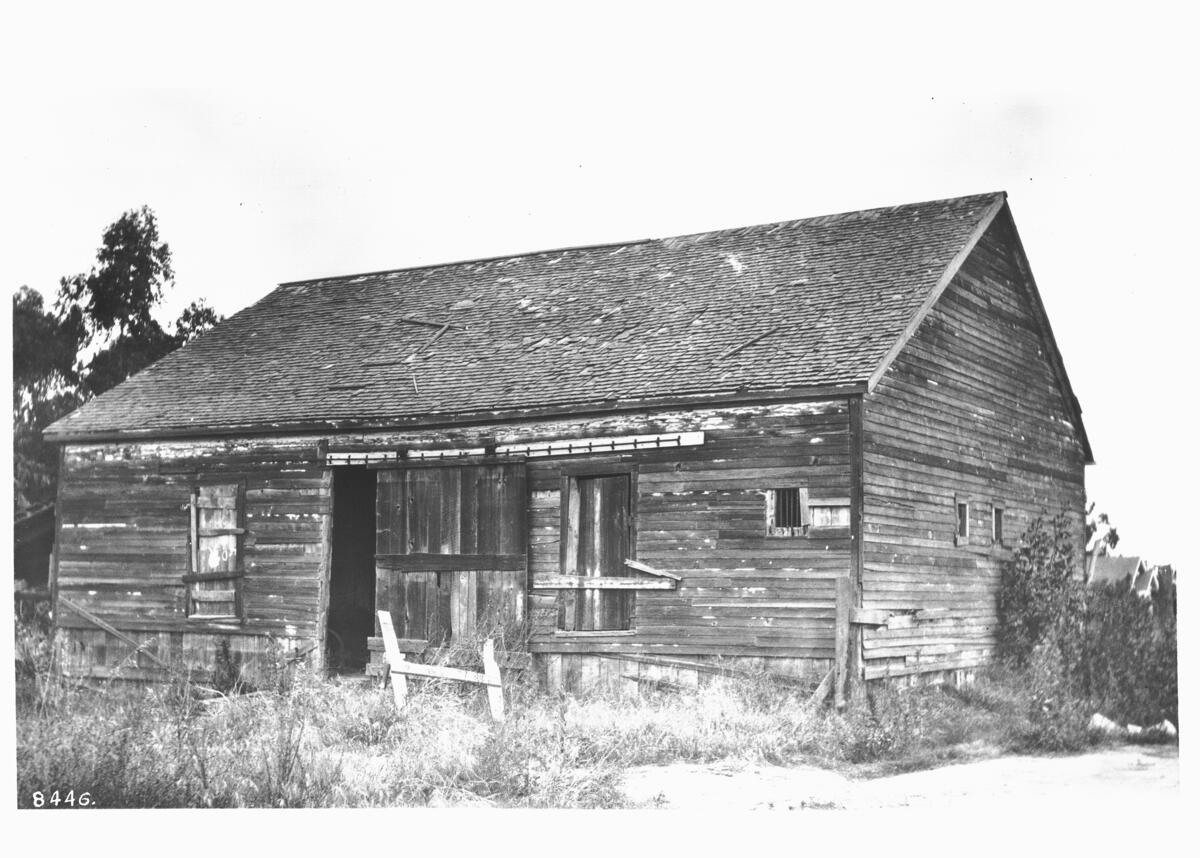
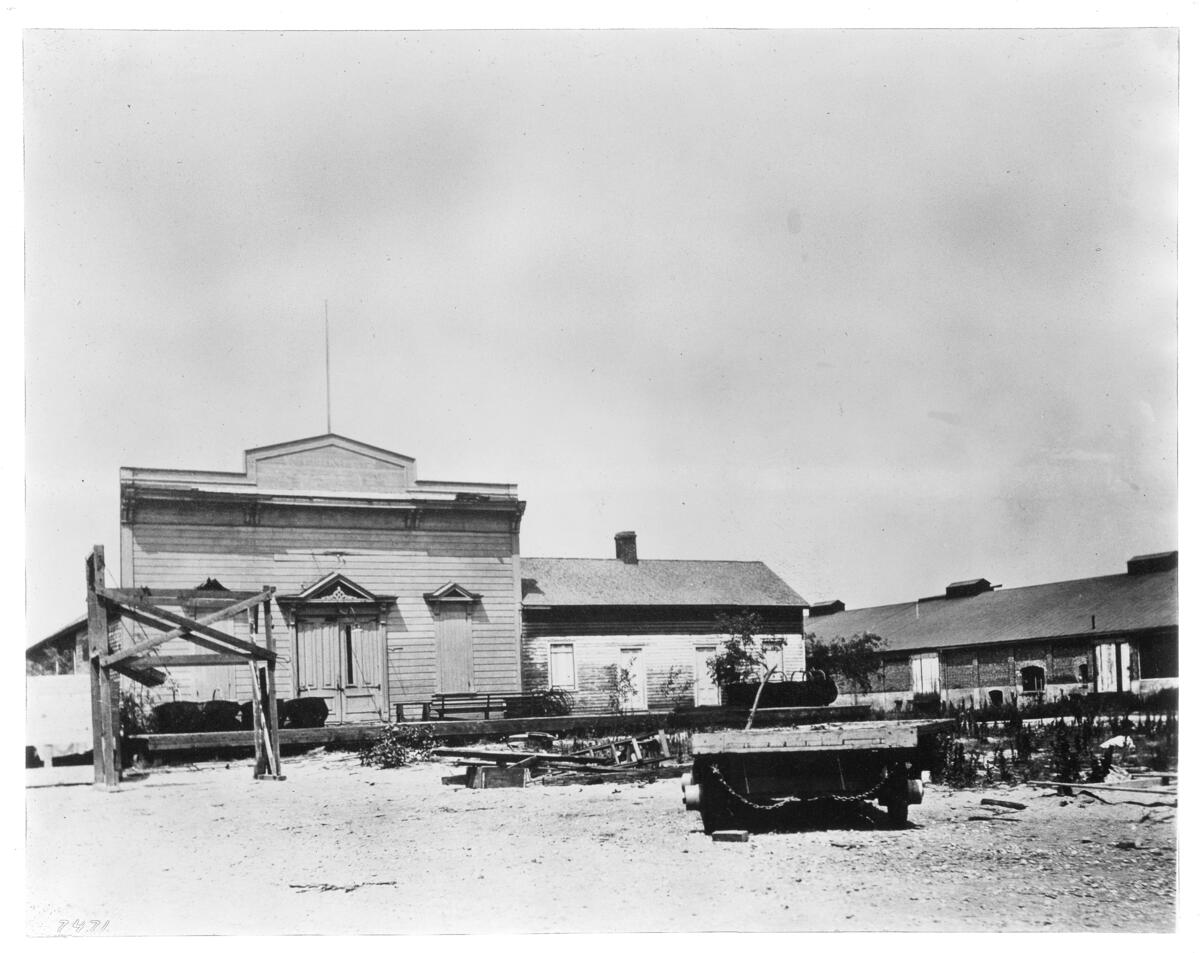
Building materials were shipped by boat from the East Coast around South America’s Cape Horn. By September 1863, its 22 permanent buildings had been completed. These included separate quarters for officers and enlisted men, a hospital, a commissary, a blacksmith shop, stables and various storage buildings.
Those stables briefly included camels. They were part of an Army experiment using the desert beasts that had begun in 1856. Though the animals could go long periods without water, Army officials decided that their temperament and irascibility made them unusable. The Drum Barracks camels were sold off in 1863.
Why was all this military activity necessary? Because of the perceived threat that Confederate forces would take control of California. Rebel troops were assembling in the Southwest and had proclaimed parts of New Mexico and Arizona as Confederate territory.
Union forces worried that the Rebs could successfully take over the state, or at least its southern settlements.
During the early years of the Civil War, California settlers from Southern states who supported the Confederacy outnumbered Union supporters by an estimated three-to-one margin. (Northern California had a majority of Union supporters.) So it was felt that, without a military force to oppose them, Confederate troops could achieve their goal without much resistance.
One of the first military missions undertaken from this new base of operations occurred on April 15, 1862. A detachment of 2,350 Union troops, known informally as the “California Column,” traveled from Camp Drum to confront a small force of Confederate troops based at Picacho Pass near Tucson, Arizona.
Three Union soldiers were killed in the 90-minute skirmish. Without reinforcements, the Confederate soldiers ultimately had to withdraw from the area. Skirmishes with the Rebs later occurred in Arizona, but the Confederates made no inroads further into the West. The Battle of Picacho Pass is considered to be the westernmost battle of the Civil War.
Federal troops also used the Barracks as a base for conducting operations against Apache and other Native American tribes.
At its peak, the Drum Barracks housed 7,000 Union troops. It operated until November 1871, by which time all of its men and most of its equipment had been removed. The property was returned to Banning and Wilson.
After it was abandoned, the former Drum Barracks site deteriorated, and faced being demolished on several occasions. In 1913, plans to raze it were halted when Thomas P. Kaveney purchased the property.
Fifty-two years later, Kaveney, frustrated by the inability to transform the property into a museum, filed papers in early 1965 to demolish it for development.
That never came to pass. A group of citizens interested in its preservation worked to save the site, persuading the state of California to purchase it in 1967.
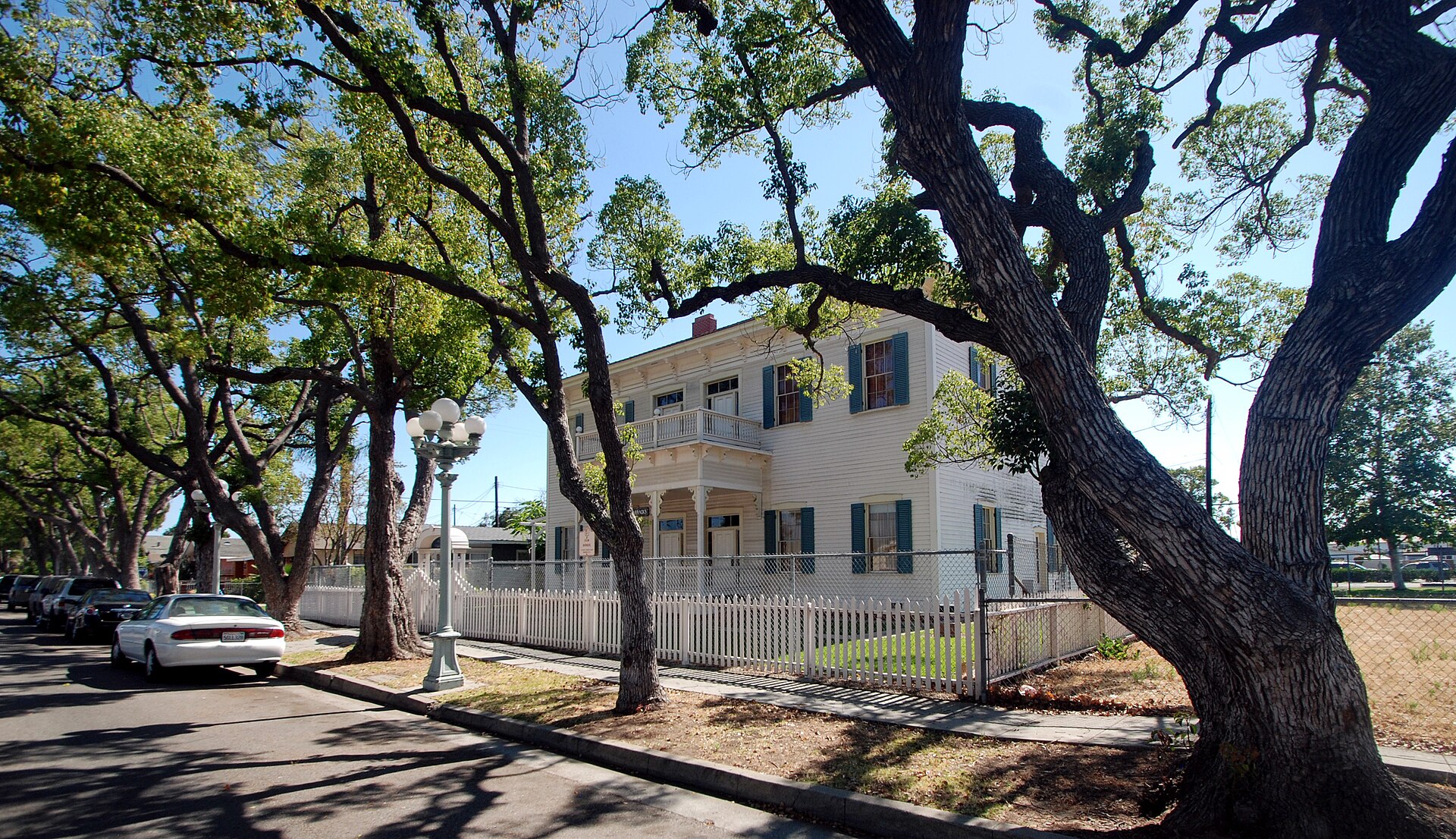
Only two of its original buildings still stand. One, the two-story former junior officers living quarters, now houses the Drum Barracks Civil War Museum. Preservationists worked tirelessly in order to open the museum at 1052 N. Banning Blvd in 1987.
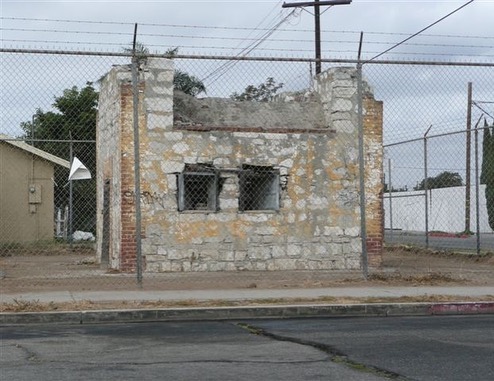
The other structure, a small stone gunpowder magazine, is located three blocks away from the museum at the corner of East Opp St. and Eubank Ave.
The Drum Barracks has been recognized officially as California Historical Landmark #169 (1935) and Los Angeles Historic-Cultural Monument #21 (1963) and has also been placed on the National Register of Historic Places (1971). The gunpowder magazine is Los Angeles Historic-Cultural Monument #249 (1982).
Sources:
The Beat of the Drum: The History, Events and People of Drum Barracks, Wilmington, California, by Don McDowell, Drum Barracks Civil War Museum, Graphic: Publishers, 1993.
Daily Breeze archives.
Los Angeles Times archives.
“Military Installations in Los Angeles County, Past and Present,” Los Angeles Almanac website.
San Pedro News Pilot archives.
Wikipedia.