
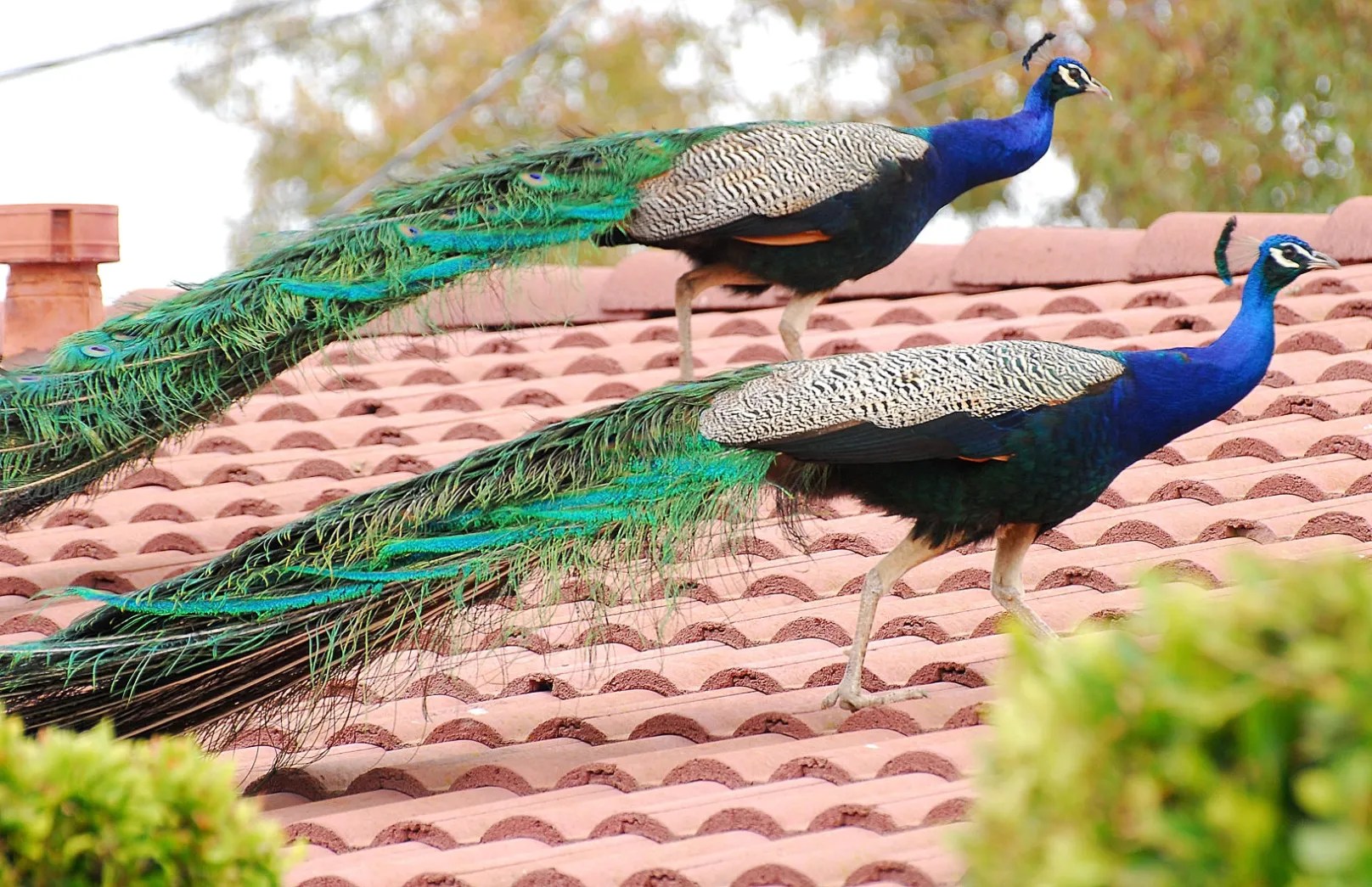
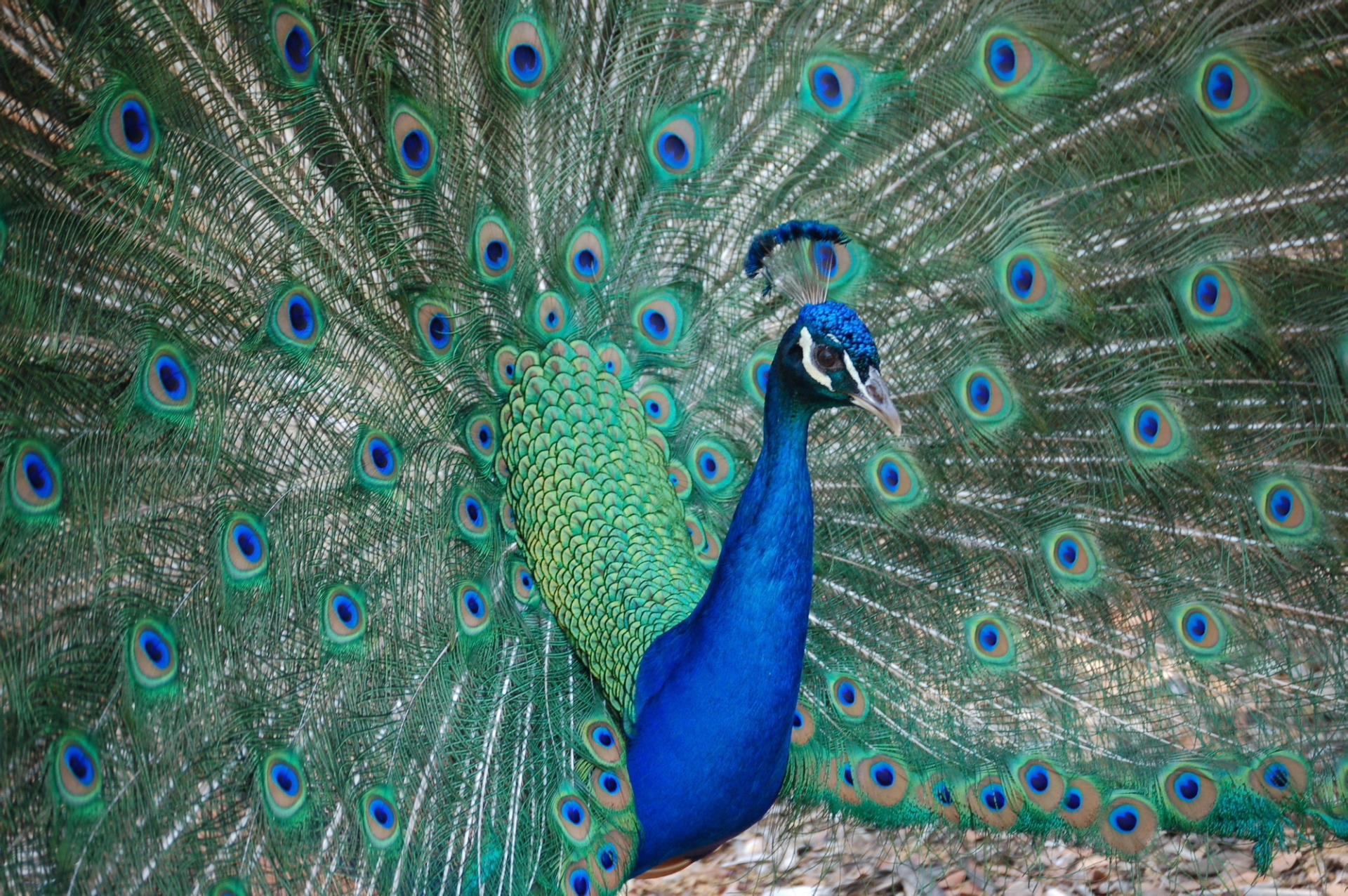
Several theories have been put forth regarding the origin of the peafowl population on the Palos Verdes Peninsula. The term peafowl refers to both the male (peacock) and female (peahen) of the species.
It’s safe to credit investment banker Frank Vanderlip, who bought the Peninsula in 1913, with bringing the birds to his new estate.
A bird fancier, Vanderlip had built an aviary on his property and stocked it with various avian species, including peafowl. The question is, where did he get them?
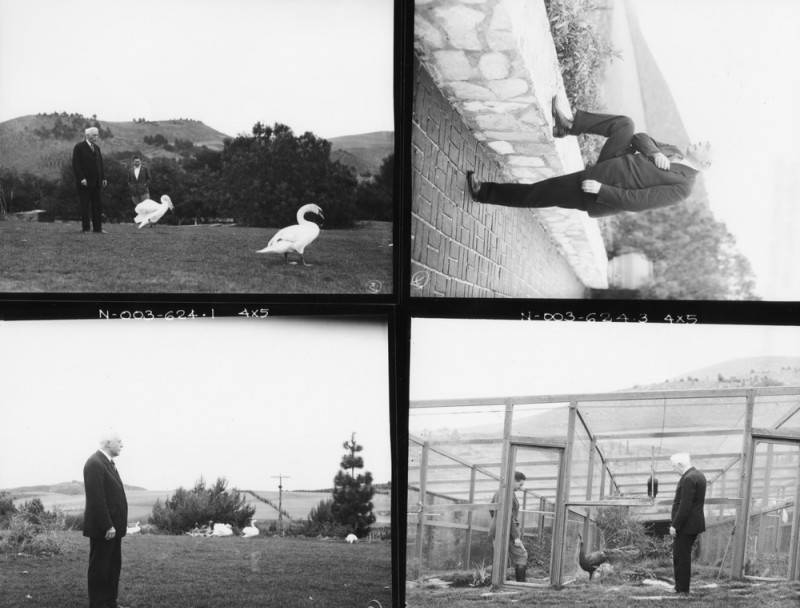
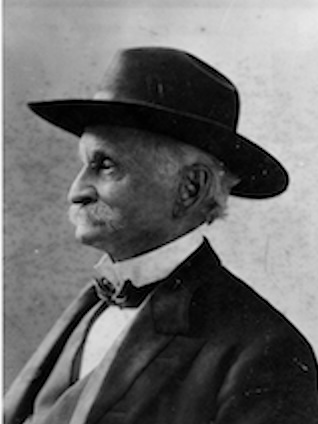
Here’s one theory. Eccentric Arcadia-area landowner Lucky Baldwin is credited with importing some of the colorful but notoriously noisy birds from India years earlier. So perhaps Baldwin gifted his fellow landowner Vanderlip with a few pairs of the birds.
The problem with that theory? Baldwin died at age 80 in 1909, four years before Vanderlip bought the Peninsula and seven years before he built his mansion there.
A more credible theory is that Baldwin’s daughter, Anita, gave the birds to Vanderlip after her father’s death.
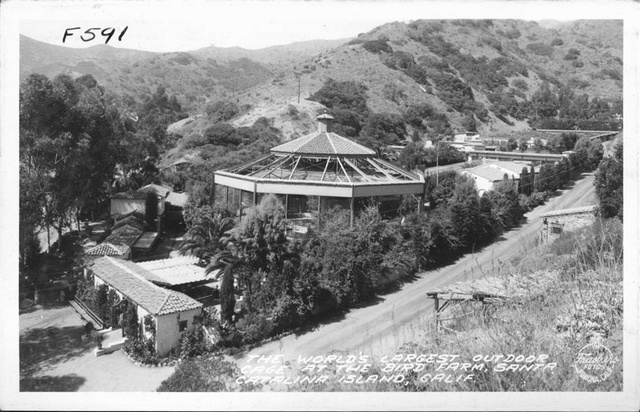
Others suggest that the birds actually were a gift from the daughter of chewing gum magnate Phillip Wrigley, taken from the family’s large bird farm on Catalina Island.
.However they got there, the exotic birds soon became a fixture on the Vanderlip estate.
According to the Palos Verdes Peninsula News, Vanderlip’s aviary was closed down in the late 1920s, and the birds were rounded up and packed off to Wrigley’s larger Catalina aviary. In the process, some birds escaped capture.
The City of Palos Verdes Estates website suggests that the birds were released following Vanderlip’s death in 1937.
At that time, they had freedom of movement and a variety of natural nesting and feeding places. Most residents seemed to find the peacocks a tolerable and beautiful novelty during this era.
During the 1950s, however, real estate and commercial developers rapidly began filling in those empty spaces with new developments. As a result, the number of natural habitats for peafowl began to be reduced greatly.
So the birds instead began to settle in the neighborhoods, finding the often lush foliage in backyards in Palos Verdes Estates and Rancho Palos Verdes very much to their liking. Since they had no natural predators to speak of, their numbers also increased.
In the late 1950s, the first negative-tinged news stories appeared in the Peninsula News and the Los Angeles Times indicating that not all residents were happy about the presence of peafowl roosting in their backyard gardens. The Times headline from Aug. 25, 1958: “Spreading Peacocks Ruffle Palos Verdes.”
Many residents loved the peafowl, but others were turned off by their loud squawking at all hours and the destructive activities the birds wreaked on their property. The birds left droppings indiscriminately and seemed to enjoy perching on top of cars and poking holes in roofs and hot tub covers.
By July 1971, the peafowl problem had become pervasive enough to reach the Palos Verdes Estates City Council, which considered various options and chose contacting the Humane Society for possible solutions.
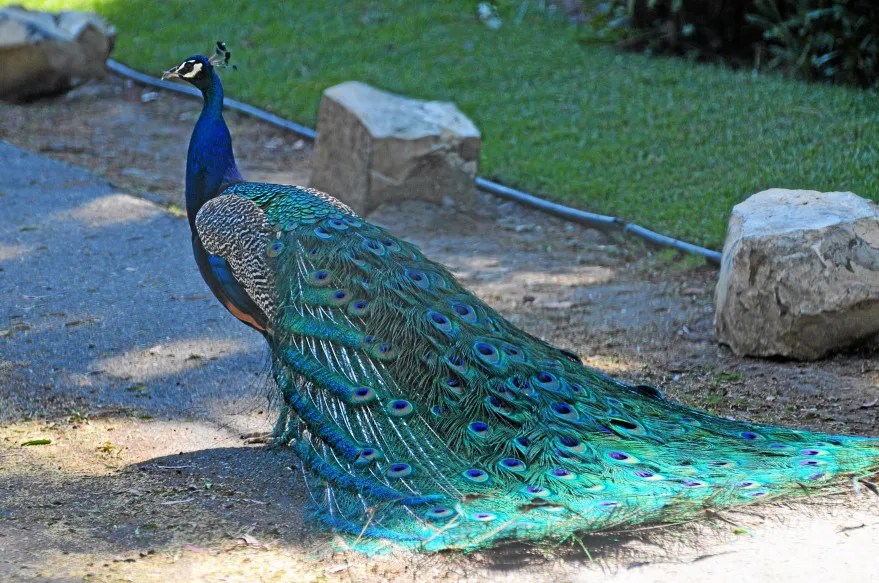
The debate only intensified over the next couple of decades, with angry face-offs between wildlife lovers and peafowl haters becoming regular occurrences at council meetings in the Peninsula cities.
Though trapping or killing the birds by private citizens is illegal, that didn’t prevent outbreaks of peafowl killings as the debates over the birds grew more heated and bitter.
In November 1985, at least eight peafowl in Palos Verdes Estates were found by the Southern California Humane Society to have died from arsenic poisoning. Five birds died of poisoning by the insecticide diazinon in the city in 2005.
A larger spate of poisonings beginning in 2012 in Rolling HIlls Estates had claimed 47 victims by May 2014. Eleven of the deaths were from unknown causes. Of the remainder, one was shot by an arrow, five were poisoned, 15 were run over vehicles, and the remainder had been shot either by BBs or pellets.
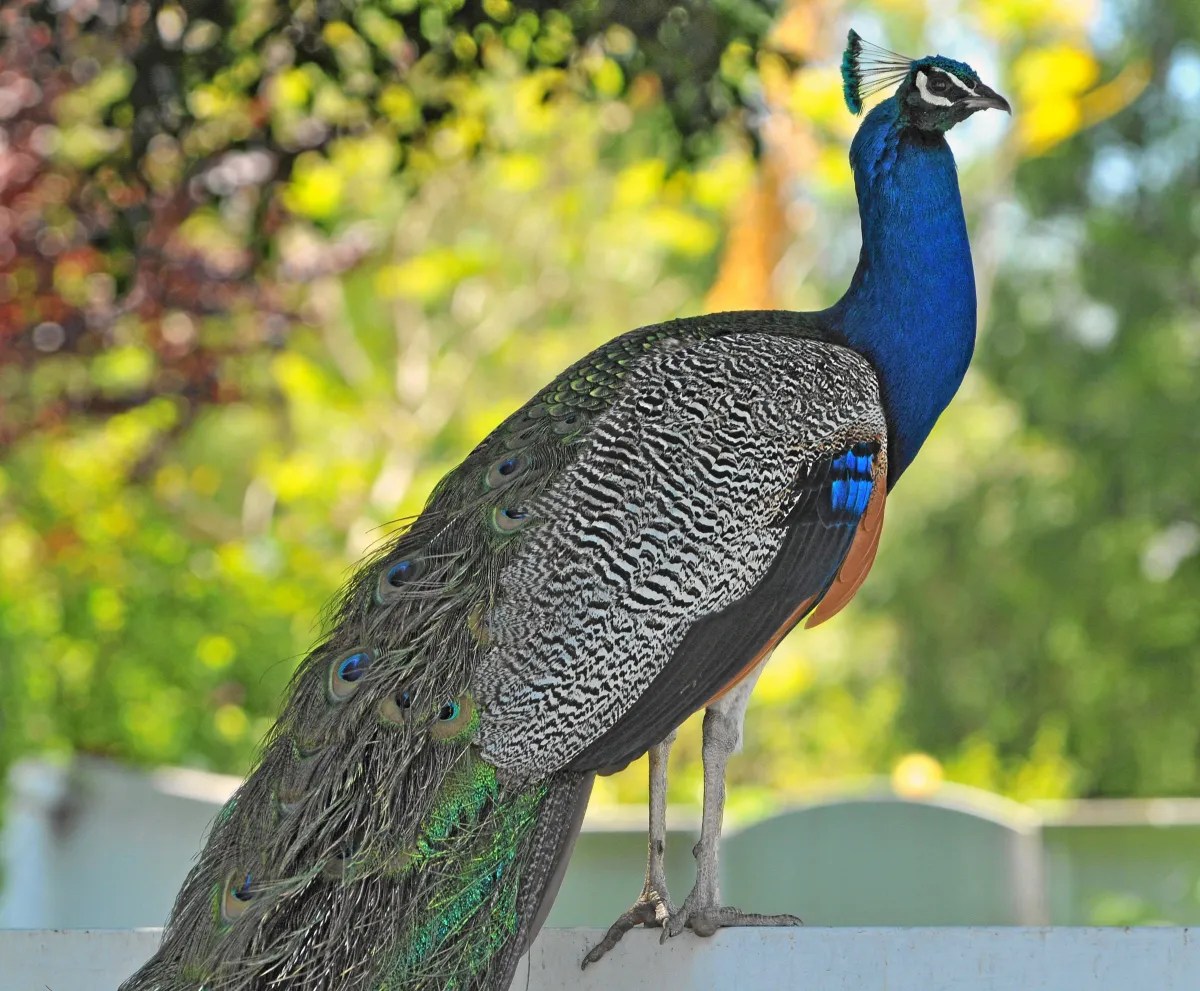
Over the years, city officials struggled to come up with solutions caused by the burgeoning peafowl population. Most involved attempting to remove excess birds when the population becomes too large. The Peafowl Management Plan adopted by Rancho Palos Verdes in 2015 seems to have worked reasonably well.
The PMP involves taking regular counts of the peafowl population that are measured against a predetermined baseline level, 134 birds in RPV’s case. When the number exceeds the standard, the excess birds are humanely trapped and exported to a different location.
In May 2025, RPV announced it would begin trimming the peafowl population again on Sept. 1.
Sources:
City of Palos Verdes Estates website.
City of Rancho Palos Verdes website.
Daily Breeze archives.
“Here’s Who’s Really to Thank/Blame for L.A.’s Peacocks,” by Ben Sanders, Los Angeles Magazine, Dec. 21, 2015.
Los Angeles Times archives.
Palos Verdes Peninsula News archives.
“The Peacocks,” by Bruce and Maureen Megowan, Palos Verdes Magazine, April 23, 2021.
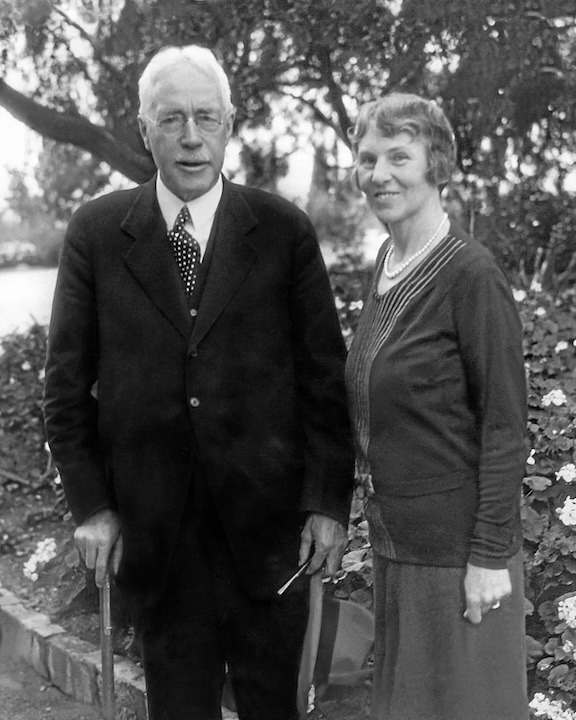
Note: Thanks to a sharp-eyed reader named Russell who noticed that a photo from the Los Angeles Public Library collection that originally ran with this blog post that purported to be an aerial view of the Vanderlip estate on the Palos Verdes Peninsula actually was a photo of the Pacific Military Academy near Culver City. It has been replaced with the 1931 portrait of Frank Vanderlip and his wife Narcissa at the estate.

