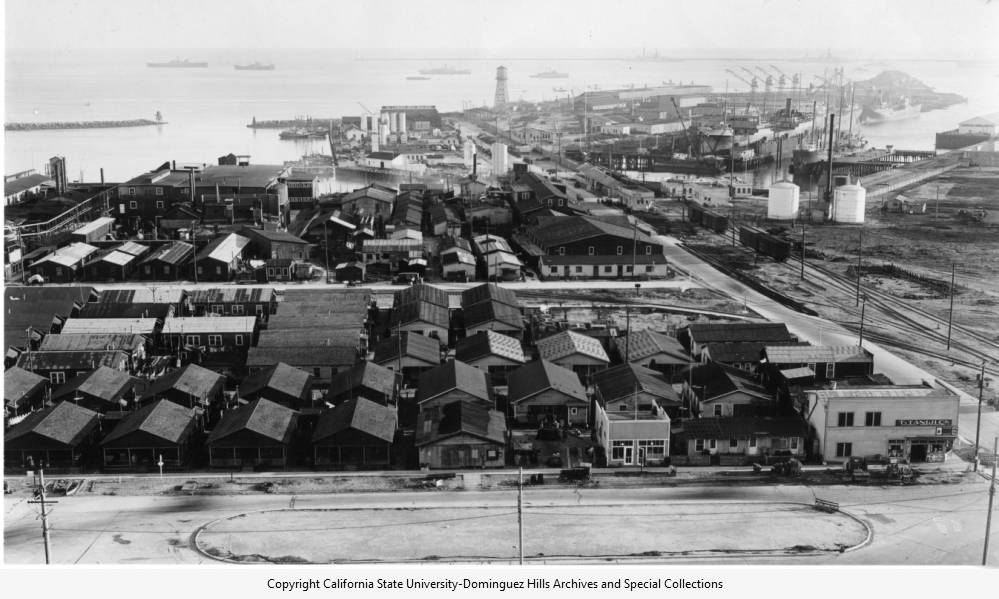
Imagine an educator who meant so much to her students and their community that they renamed the school in her honor just five years after her death.
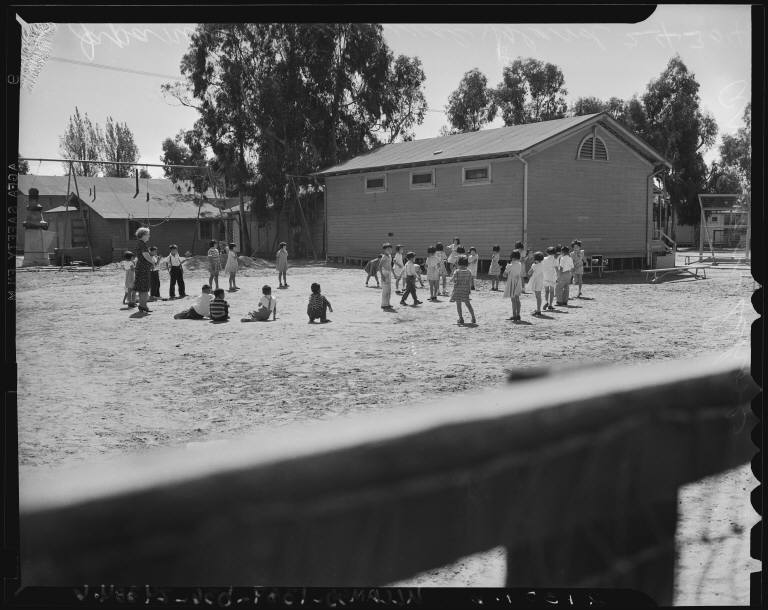
Meet Mildred Walizer, who taught and later became principal at East San Pedro School on Terminal Island in the years before World War II.
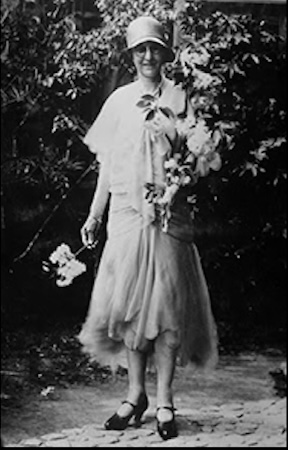
She was born Mildred J. Obarr on July 14, 1874, in the small town of Booneville, near Ukiah in northern California. Her parents arrived in the frontier town in 1850 after making the cross-country trek in an oxcart.
She trained as a kindergarten teacher in San Francisco, getting her first job in Sacramento. She moved to San Pedro in 1918 with her husband, Charles, an insurance agent. She then landed a job with East San Pedro School, then a one-room Los Angeles City elementary school serving the rapidly growing Japanese population on Terminal Island.
Walizer previously had trained in what was then called the “Americanization” of foreign students, helping them to adjust to their new surroundings and culture.
The small school’s setting, Terminal Island, was transitioning at the time from a fading attempt at being a tourist resort to becoming home for a thriving new community of Japanese fishermen. (The island got its name from the Los Angeles Terminal Railway, which completed a rail line there in 1900.)
Albert Halfhill’s California Fish Co. had introduced tuna into mainstream food stores in 1908. The company soon discovered that local Japanese fishermen were expert at hauling in large albacore catches. It built a settlement of simple wooden houses for them near its plant at what would come to be known as Fish Harbor.
The Japanese fishermen and their families who lived in those houses soon made the area into a self-sufficient cultural enclave. Their word for it: Furusato, which translates roughly into “old village.” Its residents included “Issei,” first-generation immigrants, and “Nissei,” their American-born children.
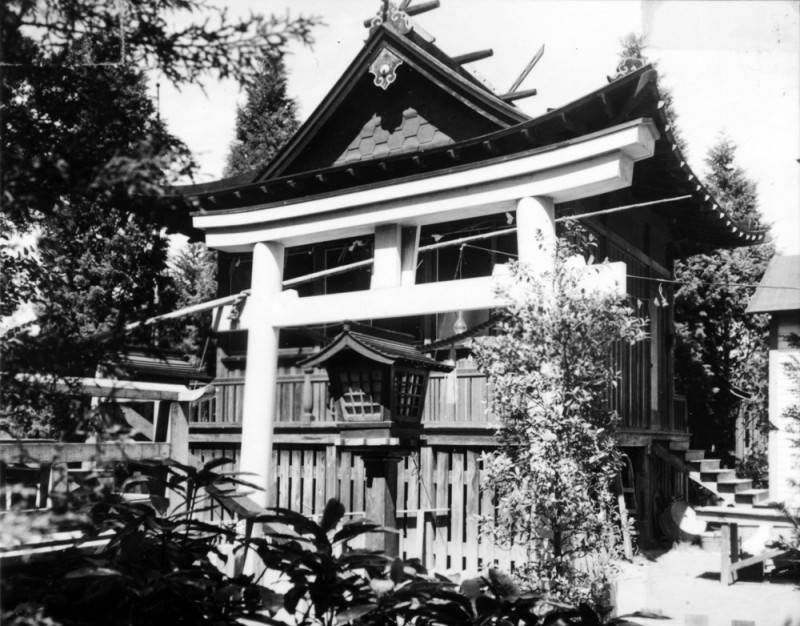
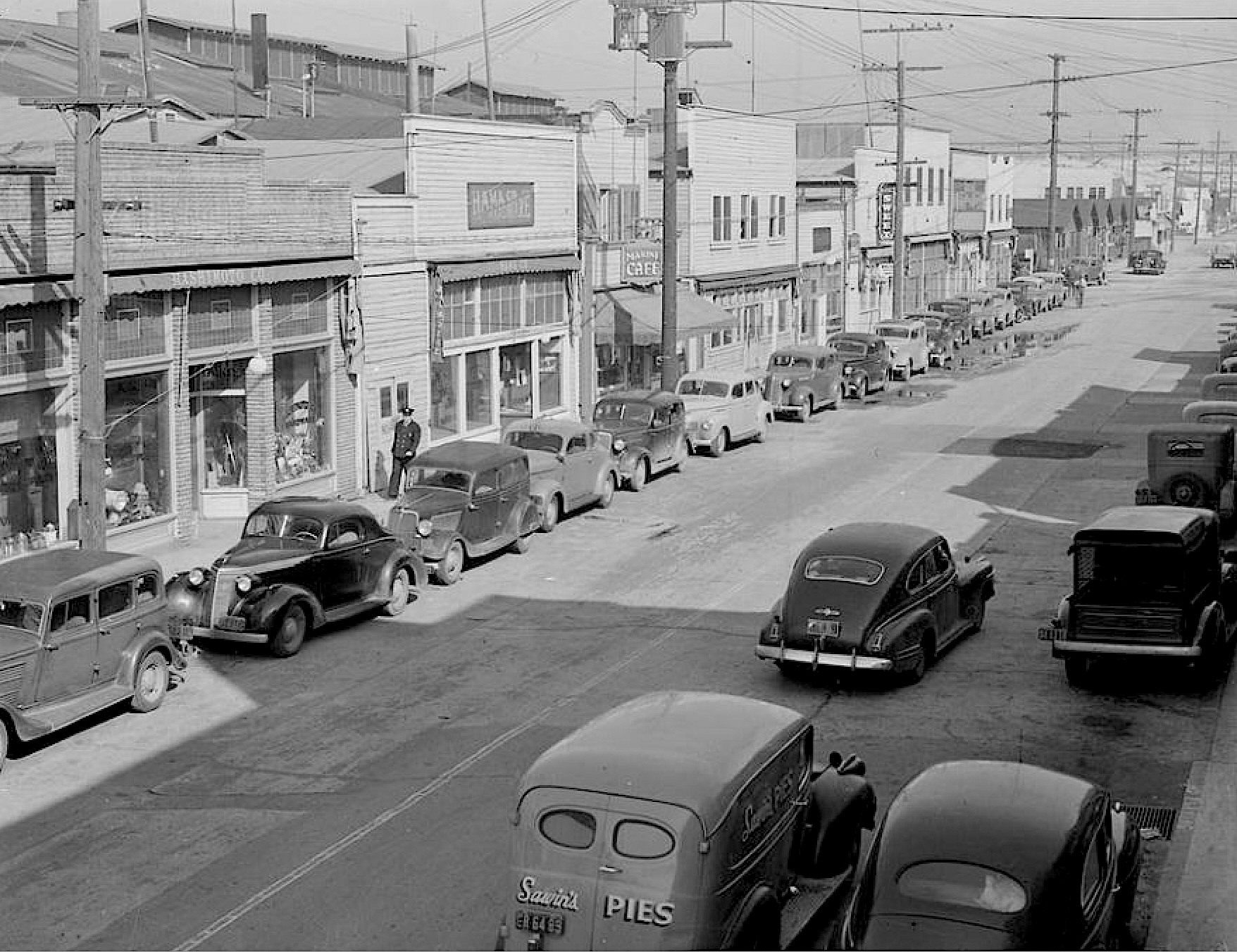
Tuna Street was its main commercial area, with restaurants, stores and other businesses. The village also included a Shinto shrine, Buddhist and Baptist churches, a bank, an assembly hall, a lush garden and an iconic red footbridge.
Walizer fully committed herself to the small community. She went beyond being a mere teacher, devoting hours of extra time to her students. She often visited the homes of students to get to know their families and help them with learning to cope with life in America.
She organized fairs and special events involving community and students, including a very popular annual doll festival that attracted hundreds of visitors. When particularly busy, she would spend the night at the school instead of returning to her home in San Pedro.
After just a few years, she was named as the first principal of East San Pedro in 1922, a post she held for roughly ten years. During her tenure, many improvements were made to the school, including the addition of several new buildings.The staff grew to 14 teachers.
Walizer was so revered by the community that its appreciative residents decided to take up a collection for the purpose of financing a months-long trip to the Far East for her. They raised about $4,000, a small fortune, in order to give her a chance to experience Japanese culture first-hand.
Walizer was given time off from her school duties, and left on March 26, 1930, for what would be a three-and-a-half month trip. (She traveled by herself, as her husband Charles had died in 1928.) Hundreds of people saw her off as she boarded the then-new ocean liner the Asama Maru at its Terminal Island berth.
The experience turned out to be life-changing for Walizer. She visited rural areas as well as cities, and spent a full three weeks in the city of Wakayama, where many of the Terminal Island families had come from originally. There, she met with the families of former students.
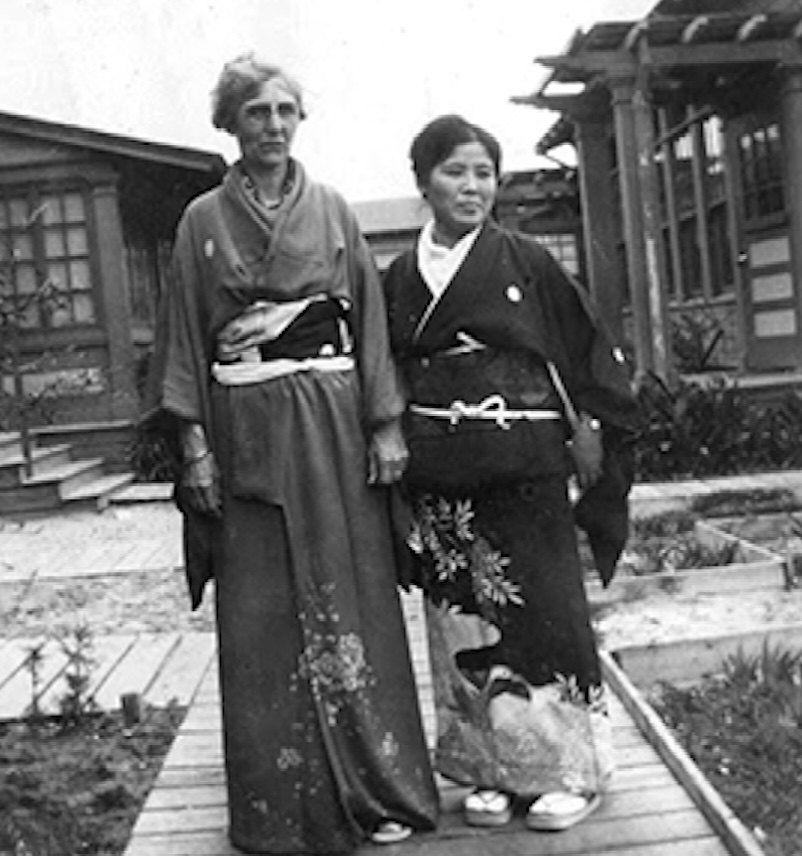
Upon her return in July, Walizer immediately began describing her overseas experiences at civic functions, service club meetings, and community gatherings of all types. Her presentations stressed the beauty and unique features of the country and its people, illustrated by photographs she’d taken there.
Sadly, she took ill a few months after returning from her trip, and never recovered. After a yearlong illness during which she had to give up her job as principal, she died from cancer at her San Pedro home on Jan. 19, 1933.
The San Pedro News Pilot estimated that more than 1,000 people attended Walizer’s funeral in East San Pedro, including some 500 of her former students.
In March 1938, as part of the annual doll festival begun by Walizer, a ceremony was held during which East San Pedro was renamed the Mildred O. Walizer Grammar School.
The ever-popular doll festival continued to draw large crowds even as late as the March 1941 event. It would be the last one ever held.
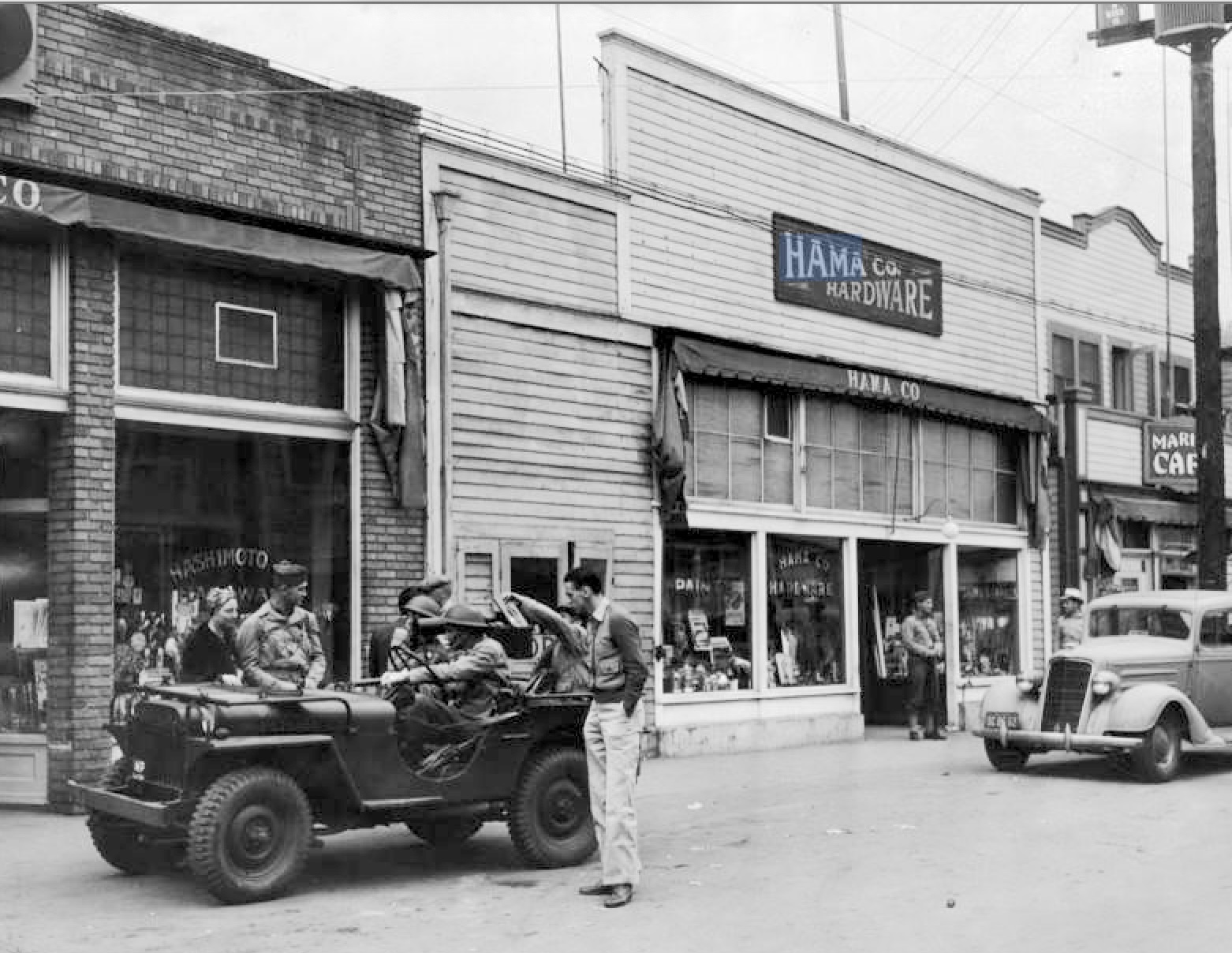
The Japanese attack on Pearl Harbor that December changed everything. For security reasons, authorities began rounding up many of the 3,000-plus Japanese residents living on Terminal Island immediately.
Then, on Feb. 19, 1942, President Franklin Delano Roosevelt signed Executive Order 9066. It required that all people of Japanese descent on the West Coast be sent to relocation camps. The island village’s residents all were rounded up and moved out.
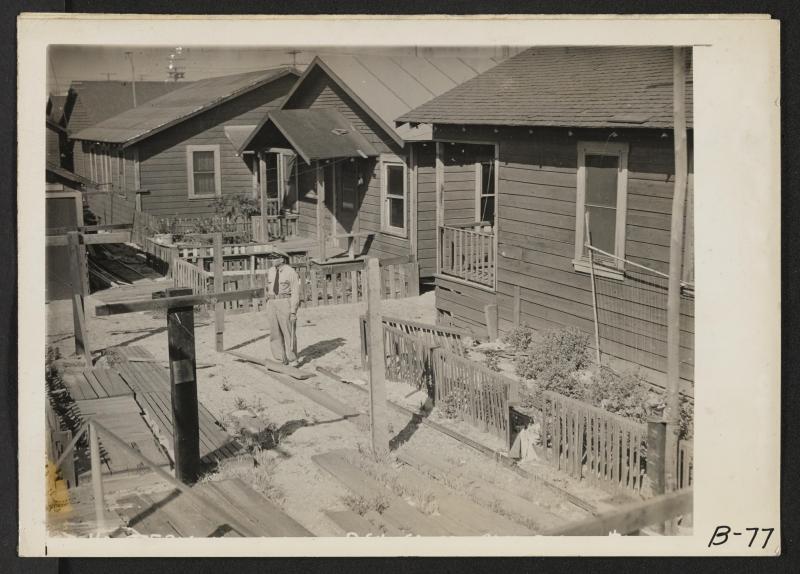
By then, the school had been closed and would soon be bulldozed along with the rest of the fishermen’s village. The entire settlement was razed to the ground following its evacuation.
Sources:
“Japanese-American History at Terminal Island,” Los Angeles Conservancy website.
Los Angeles Times archives.
San Pedro News PIlot archives.
“Terminal Education: A Junior High School Yearbook and a Lost Community,” by Nicholas Beyelia, LAPL Blog, Los Angeles Public Library, Jan. 10, 2019.
Terminal Island: Lost Communities of Los Angeles Harbor, by Naomi Hirahara and Geraldine Knatz, Angel City Press, 2015.
Terminal Island – San Pedro, CA. website.