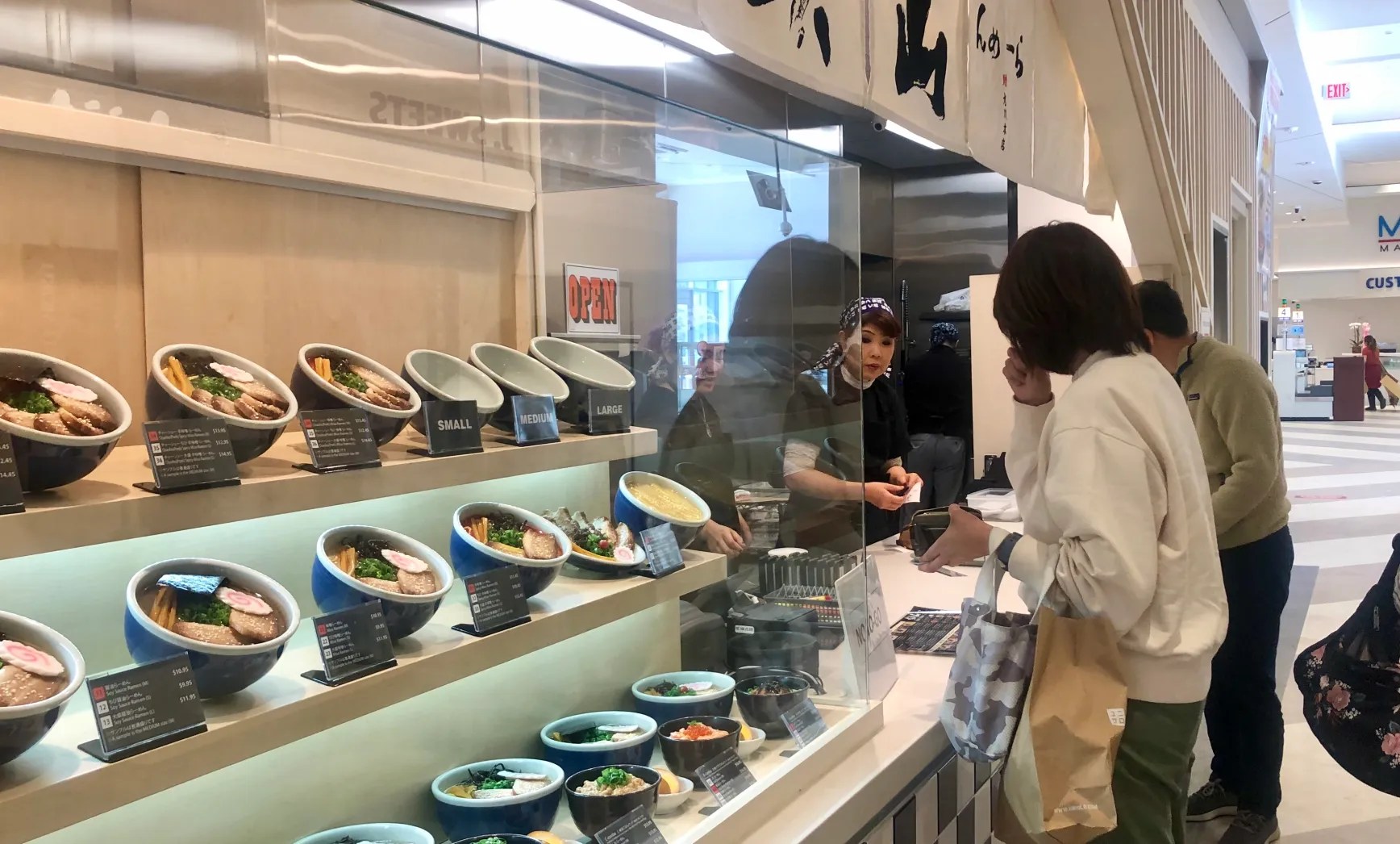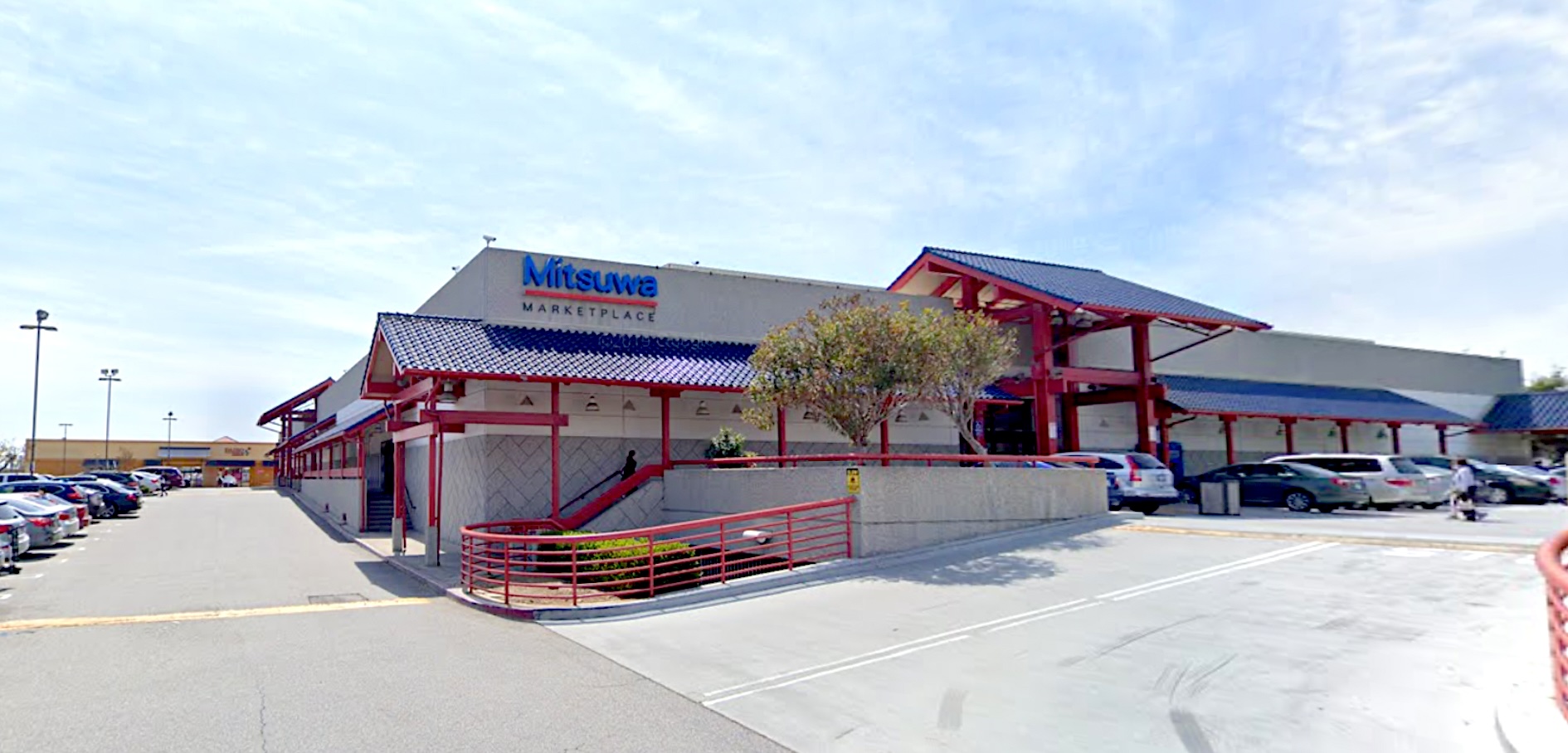
Mitsuwa Marketplace isn’t the only Japanese supermarket in the South Bay, but it has grown into one of the most successful and visible such businesses in the area.
Its origin can be traced back to its corporate predecessor, Yaohan Supermarket. Yaohan originated as a mom and pop grocery store opened by Ryohei Wada and his wife Katsu in 1930 in Atami, Japan, a suburb of Tokyo famous for its hot springs and resort.
Their son, Kazuo Wada, took over the growing business from his parents during the 1950s, becoming company president of Yaohan in 1962. He was a firm believer in international expansion, beginning with the opening of the first overseas Yaohan store in Sao Paulo, Brazil in 1971.
Wada’s expansion plans also included the U.S. The company opened its first store in America in Fresno in 1979, and opened its Torrance store in 1983.
In addition to Japanese food products formerly unavailable in the U.S., the store also began to offer ready-made foods, including the then-exotic sushi, as well as the hard-to-find varieties of produce used in Japanese dishes.
Yaohan’s Torrance store was highly successful, attracting a Japanese clientele that made up 70 percent of its customer base. Its popularity led to its move in 1992 to a new, much larger location on the eastern edge of the city.
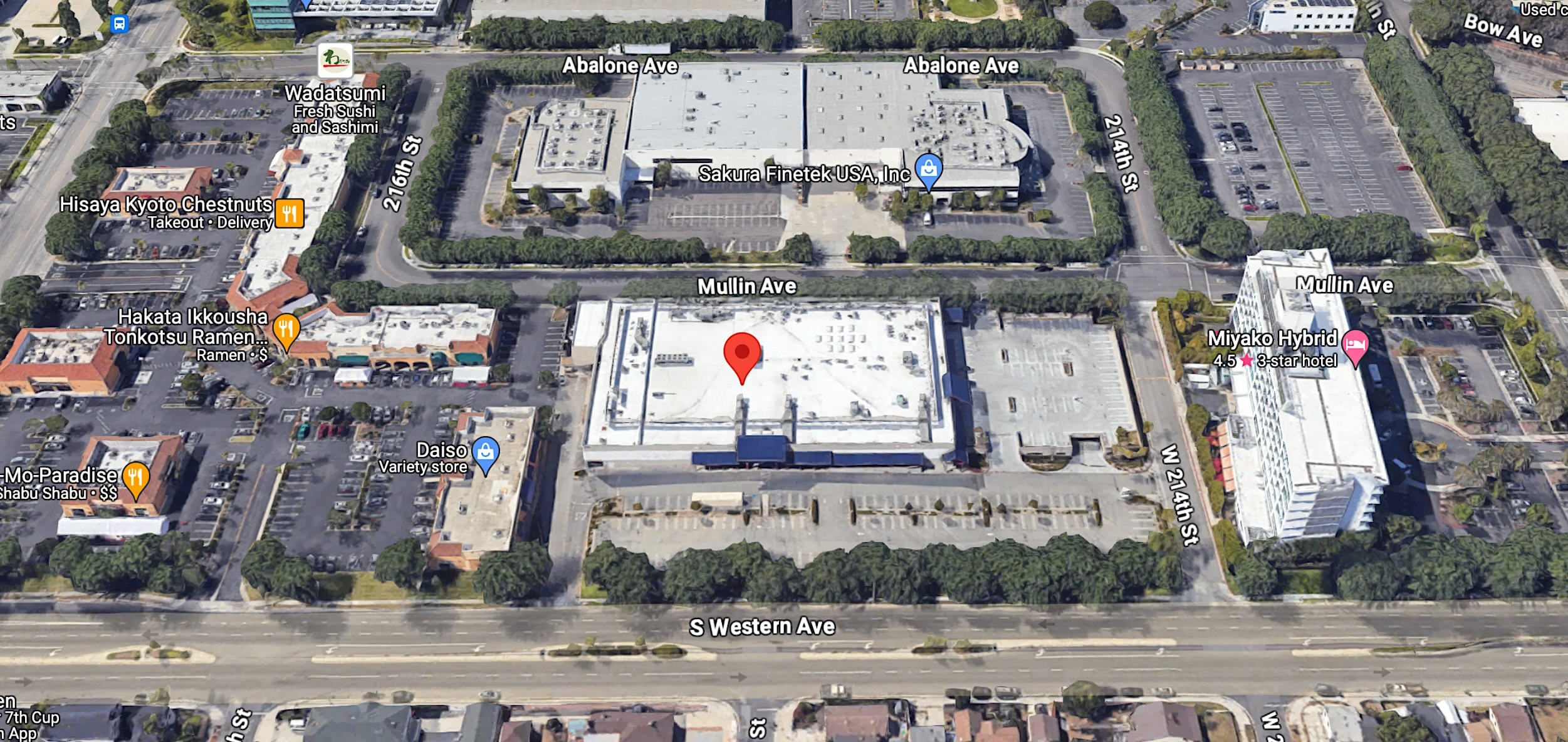
Daily Breeze restaurant critic Merrill Shindler later described the imposing edifice at 21515 S. Western Ave. north of Carson St. as “a fortress of a building that looks as if it could withstand an attack by Genghis Khan and his hordes.”
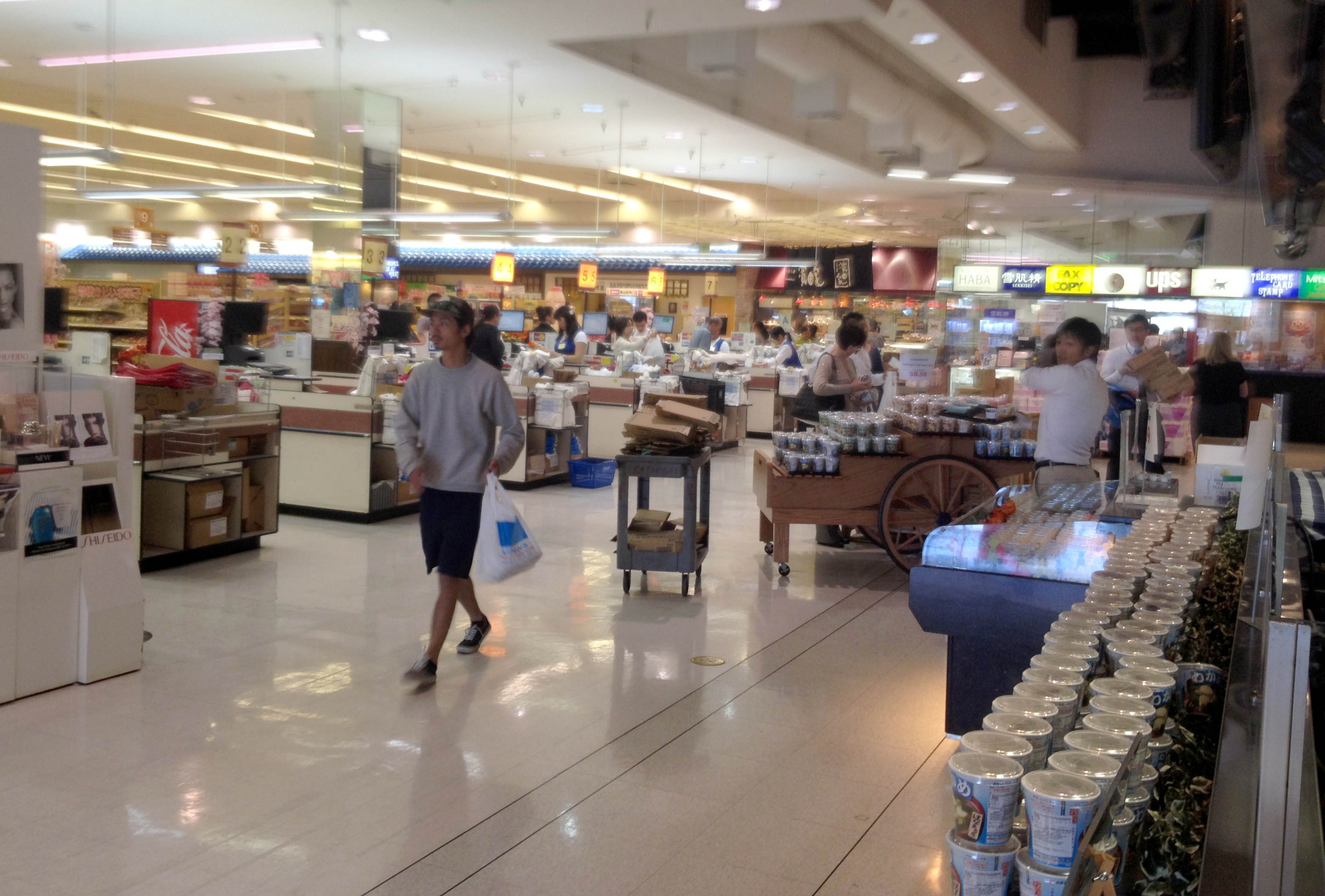
The large new supermarket space soon was filled not only with Japanese groceries, but also an expanded roster of restaurants in its food court and many smaller stores selling everything from gifts to clothing, Japanese-language books (including a large selection of manga titles), music and videos.
The Torrance location benefited from the South Bay’s large Asian population. Its eateries were popular lunchtime stops for employees from large firms nearby such as the American headquarters of Toyota, Nissan and Honda.
But the store also began attracting more non-Japanese shoppers due to the growing acceptance of Asian cuisine into mainstream American diets and the rising influence of Japanese popular culture via video games, anime and pop music.
Yaohan continued to thrive at its Western Ave. location throughout the 1990s. Unfortunately, its headquarters company had overextended itself financially, and it was forced to declare bankruptcy in September 1997.
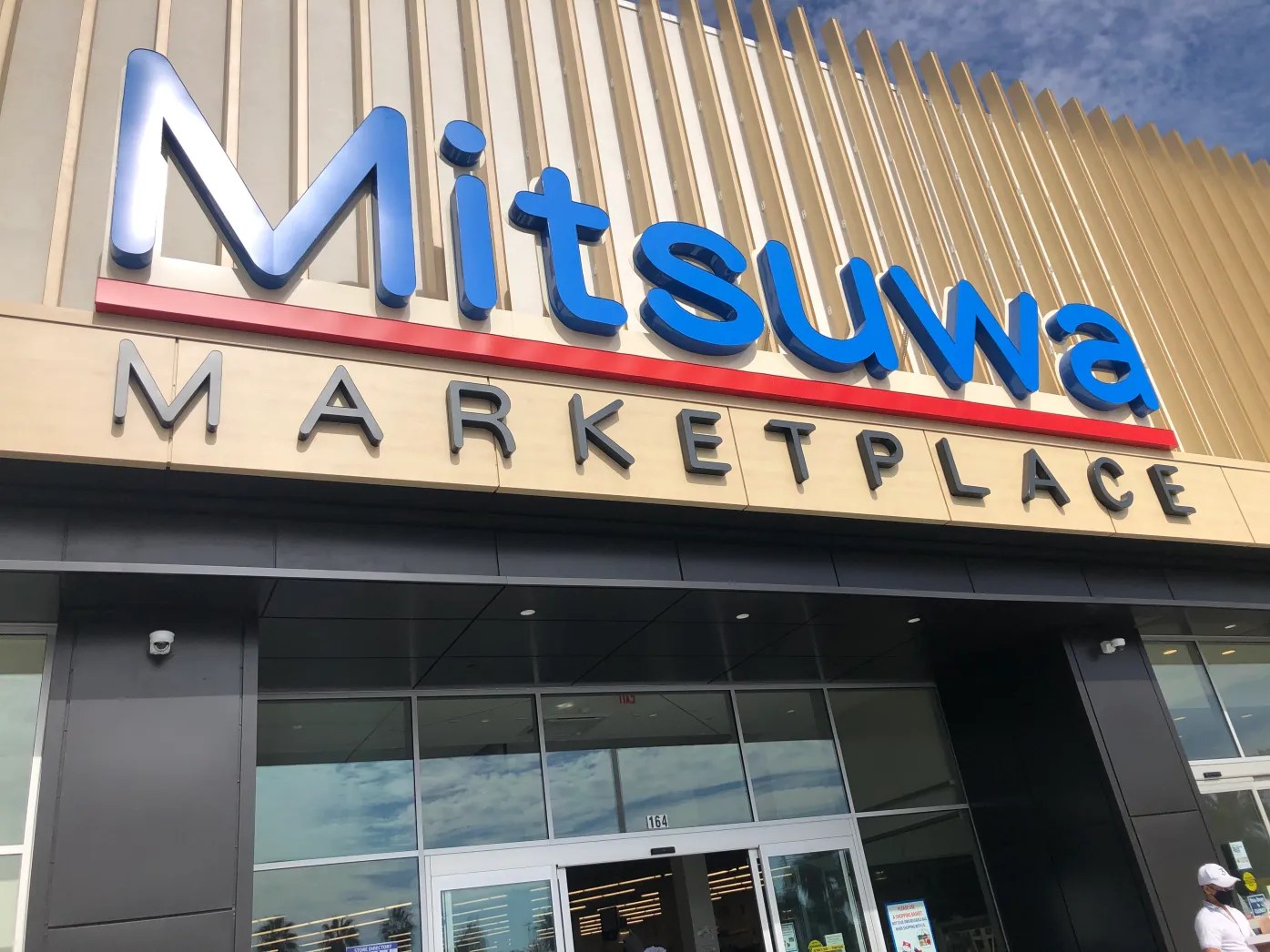
The company’s stateside management – by this time, it had established several American locations – formed the Torrance-based Wanoba Group in 1998, which rebranded the former Yaohan shopping locations under the Mitsuwa Marketplace name.
The Torrance location anchored a growing area of Japanese-American commerce on Western. To its south, the Eastgate Plaza outdoor shopping center, including eateries and the Daiso low-cost variety store, continued to thrive.
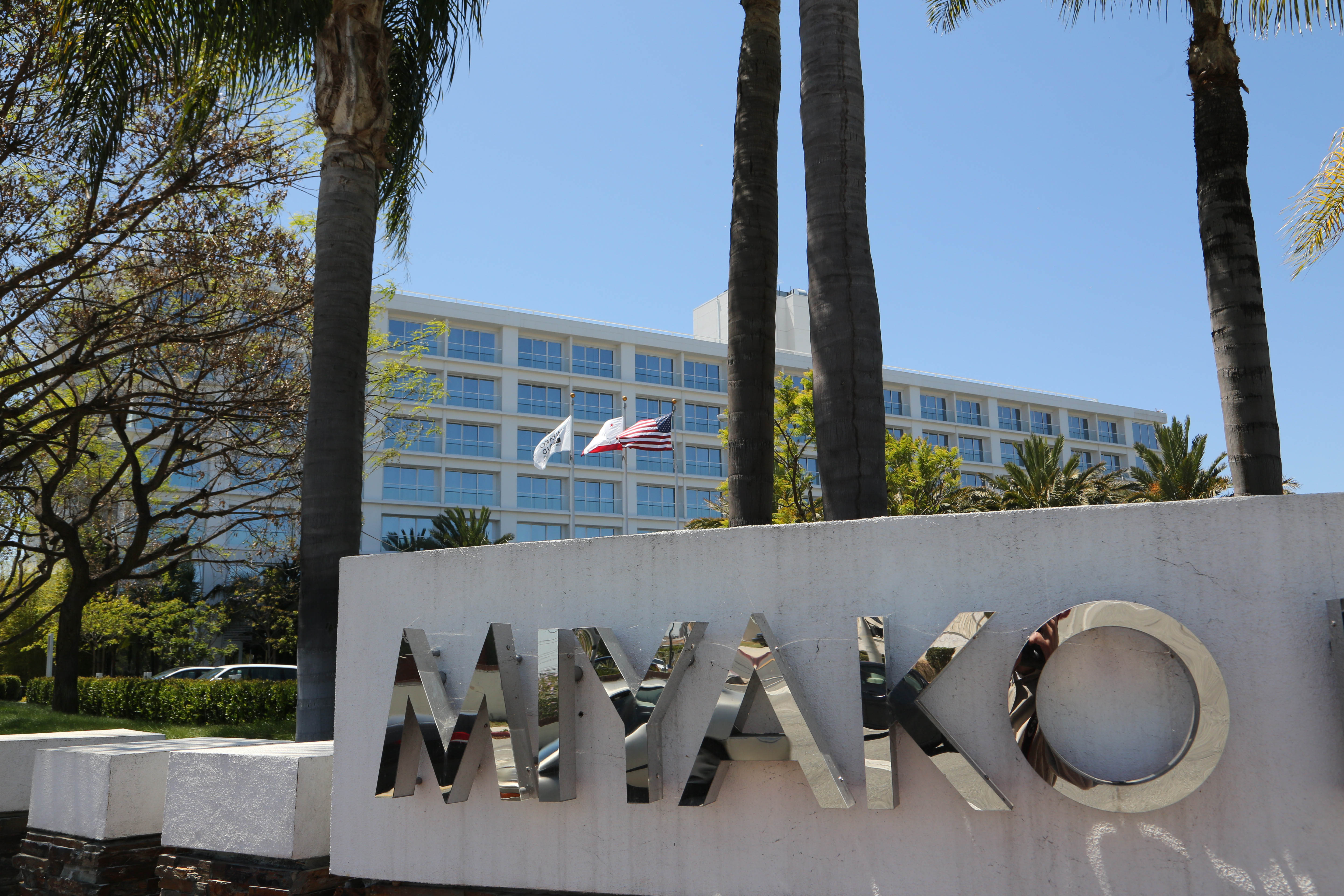
Adjacent to its north end, the Miyako Hybrid Hotel, a seven-story, eco-friendly hotel aimed chiefly at traveling businessmen, opened for business in December 2009.
In January 2013, Mitsuwa announced that it had been acquired by the Japanese food and gasoline retailer Kamei Corp. Kamei’s executives assured Mitsuwa that it had no plans to make major changes to the company, its first acquisition in the U.S.
Another major Mitsuwa announcement came in 2020: the market would be closing its Western Ave. location on Jan. 31, 2020 and moving to a more highly visible spot at the Del Amo Fashion Center.
The revamped Mitsuwa Marketplace and related businesses opened in the 40,000-square-foot former Marshall’s store in Del Amo on Feb. 28, 2020. By this time, Mitsuwa had grown to 12 locations nationwide, including one it opened in Plano, Texas in 2017, not long after Toyota moved its U.S. headquarters there.
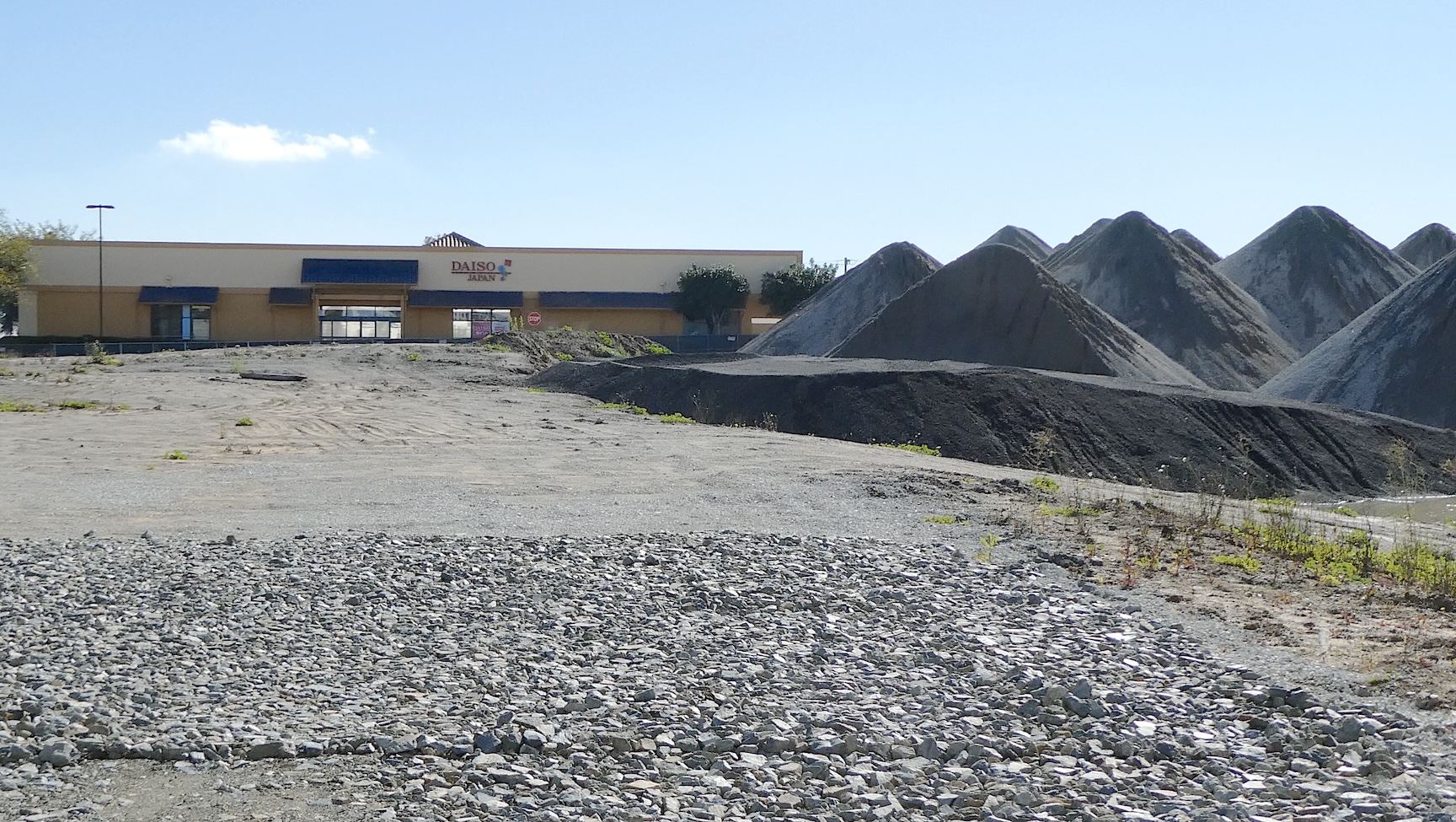
As for the Western Ave. location, it remained empty and abandoned until 2023, when it became the center of controversy. On March 1, the Torrance Planning Commission approved a proposal from the firm Rexford Industrial Realty to build an 84,000-square-foot warehouse on the site.
Some local residents formed the South Bay Environmental Quality Association to protest the project, claiming that it would bring noise and other pollution to the surrounding neighborhood. They also felt that commissioners should not have allowed it to be exempt from the California Environmental Quality Act.
The former Mitsuwa building was razed for the new project in 2023, and the empty site awaits further developments.
Sources:
Daily Breeze archives.
Los Angeles Times archives.
Rafu Shimpo archives.
Wikipedia.