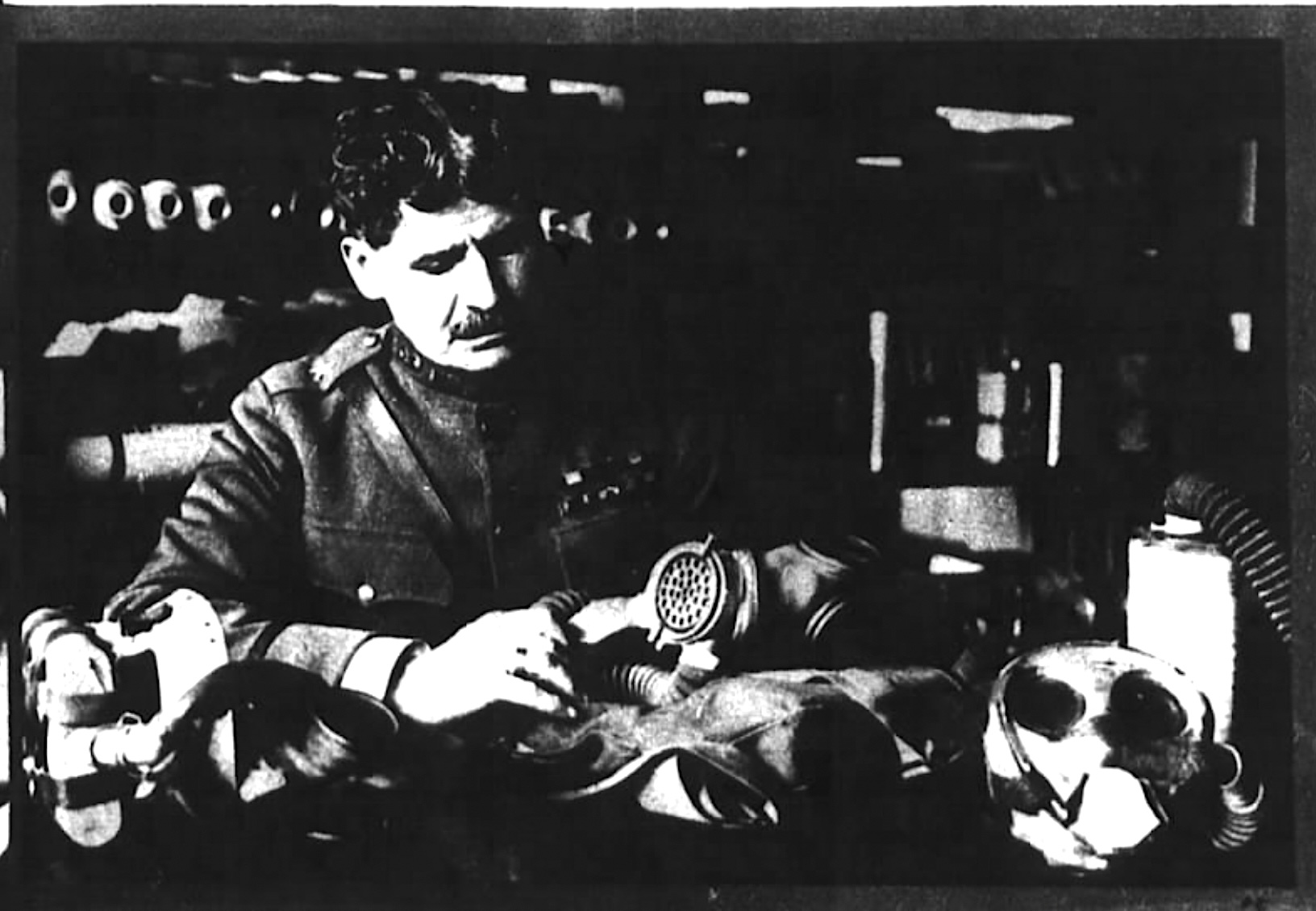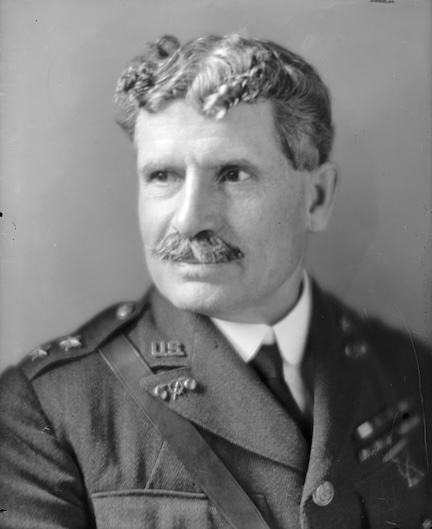
Amos Alfred Fries (pronounced “freeze”) was career Army all the way.
He was born in Viroqua, Wisconsin, on March 17, 1873. The family moved around a bit when he was young, first to Missouri and then to Oregon.
Fries was living in Oregon when he applied and was accepted to the U.S. Military Academy in 1894. He graduated from West Point in 1898, and joined the Army Corps of Engineers.
He served in the Philippines during the Philippine-American War in 1899 under the command of Captain John J. Pershing, who later commanded the American Expeditionary Forces (AEF) during World War I.
In 1906, the Corps of Engineers assigned Fries, now a captain, to replace Capt. Charles McKinstry as chief engineer of the Los Angeles district. His chief duty was to plan and help execute further development of the nascent Los Angeles Harbor, later to be known as the Port of Los Angeles.
It was no easy task. In these early days of the new harbor, conflict had arisen over who would govern it, public agencies or private interests. The debate raged over the “harbor lines,” the shape and design of the Harbor.
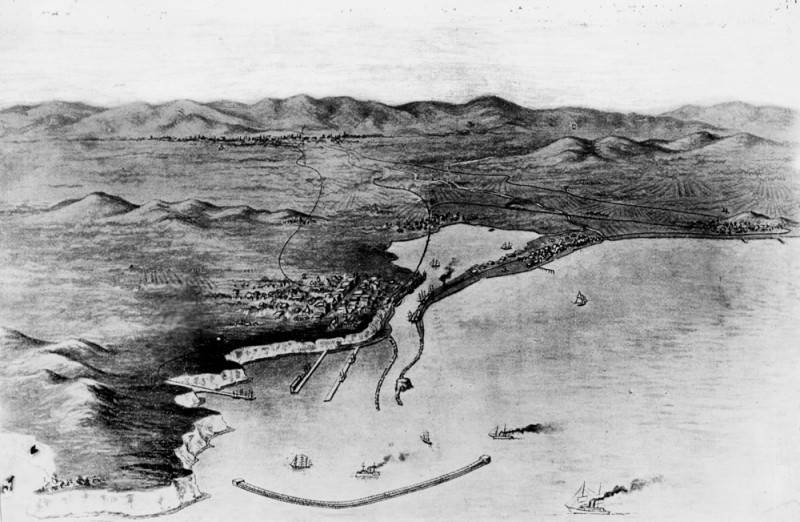
The outer harbor caused little controversy. Construction of a breakwater to protect it had begun in 1899, and would be finished in 1912.
Private shippers owned much of the property in the inner harbor, and were loathe to turn control of their facilities and land over to the government. They bickered constantly with the Corps of Engineers’ Harbor Lines Board, which had been established in 1903 in an attempt to quell the debate.
Into this tangle stepped Capt. Fries, and he wasted no time in coming up with a plan to bring public improvements to the inner harbor over the objections of the shipping firms. His efforts to create the framework for what would become a modern port helped clear the way for its success.
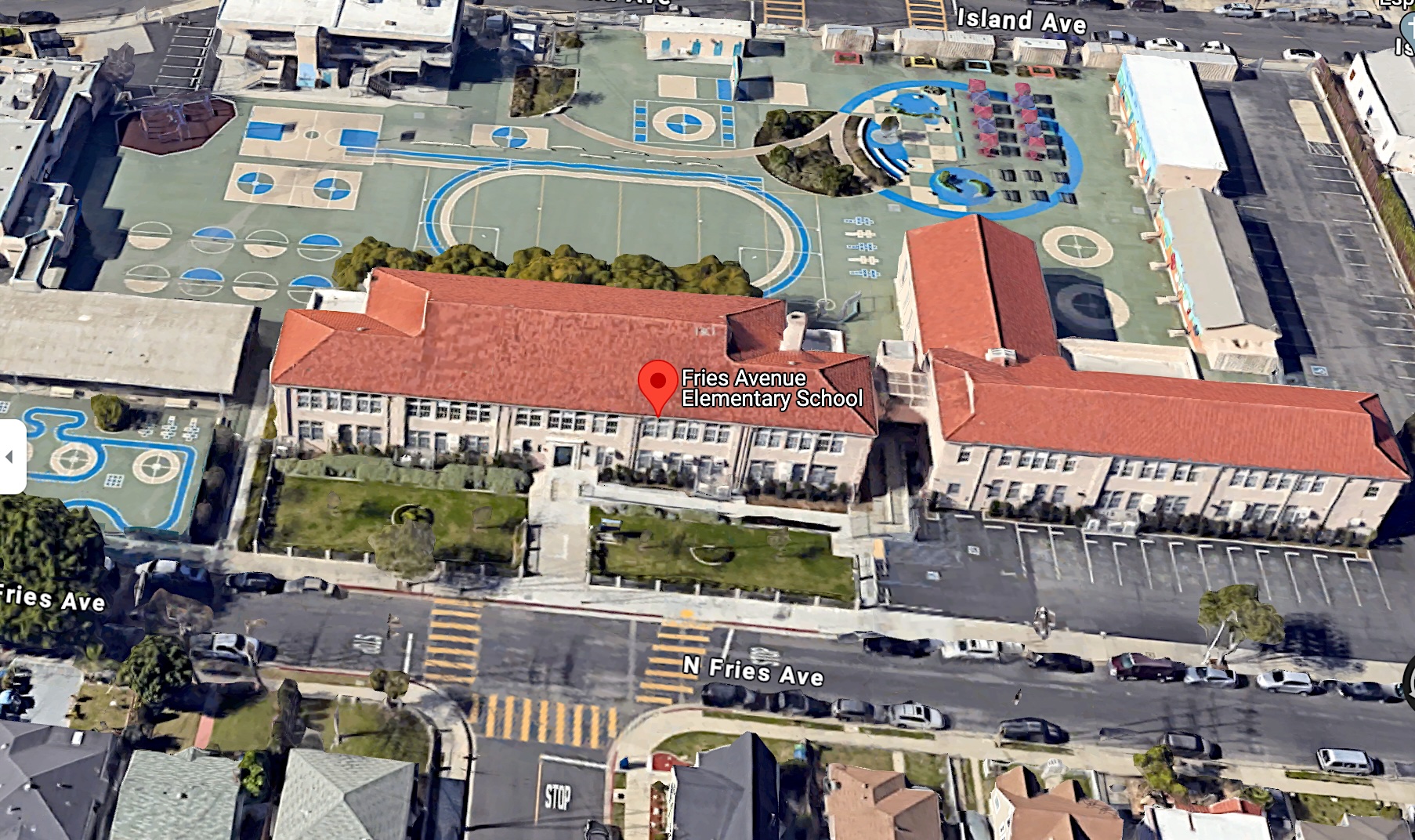
The city of Wilmington thought so, at least. On March 29, 1909, it renamed what was then an earlier version of C Street in honor of Fries. Fries Avenue it remains today, stretching from the Mormon Island docks north through the city. Fries Avenue Elementary School opened near Fries Ave. and M St. in 1923.
Fries also began to feel that many of the painful birth pangs of the Port resulted from the provincial decisions made by local politicians in San Pedro and Wilmington.
He offered increasing support to the notion of ceding complete control of the harbor to the City of Los Angeles, believing that its operation could be better managed by the larger government to the north.
His way of thinking added momentum to the plan to consolidate Wilmington and San Pedro into the City of Los Angeles, bringing them and the harbor under the larger city’s control.
This was achieved by convincing those cities to disincorporate and be reincorporated as part of Los Angeles in 1909. In order to conform to state law, Los Angeles had to connect the annexed areas physically to itself. In order to do that, the city purchased parcels to form a thin 16-mile strip of land stretching from its southern border down to the two small cities.
While prescient in hindsight, the views Fries expressed in the charged political atmosphere at the time did not endear him to all. He was summarily relieved of his duties in Los Angeles and transferred to a new position as head of the Army’s engineering school in August 1909.
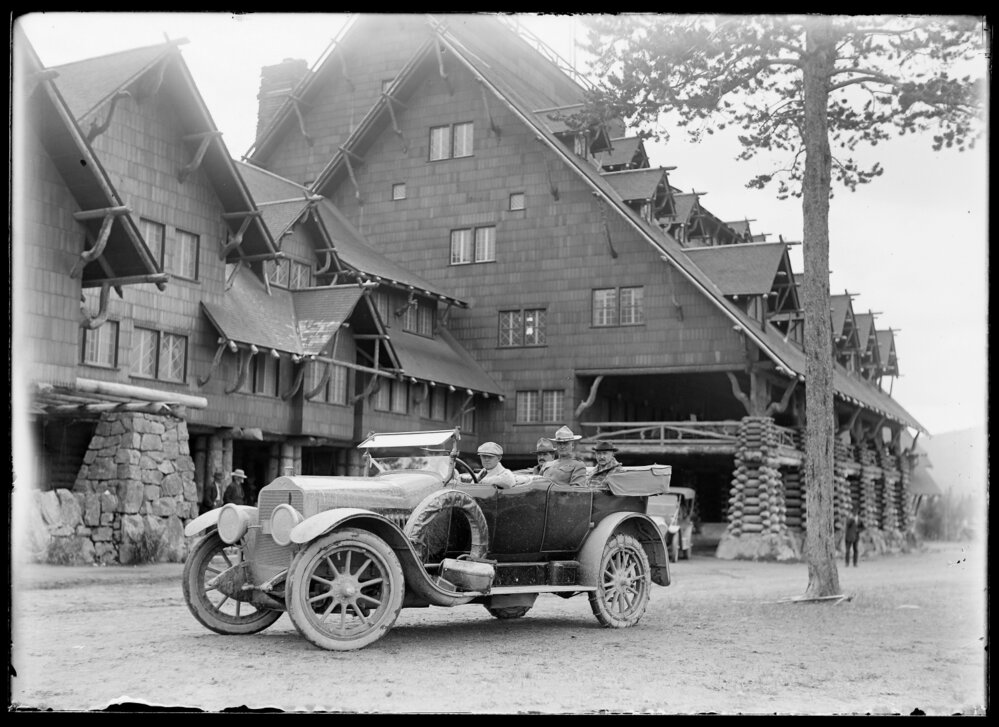
In 1914, he was given a new post as chief engineer at Yellowstone National Park, where he supervised the revision of its infrastructure, adding and modernizing roads, bridges and other manmade features in the park.
With the U.S. entry into World War I in 1917, Fries returned to combat duty. He fully expected to be assigned to an engineering post, but instead found himself heading the newly minted Gas Service Section of the AEF, a military unit formed in response to the growing use of chemical warfare on European battlefields.
The war ended in 1918, but the Army’s concern over chemical warfare didn’t. The Chemical Warfare Department became a permanent part of the Army in 1920, and Fries, now a brigadier general, was named its first head.
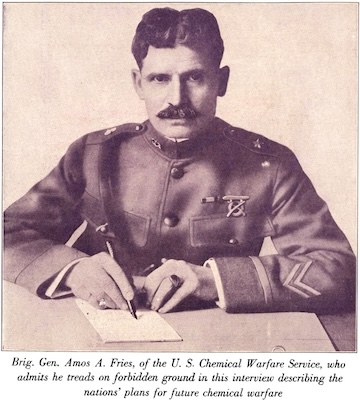
He served in that capacity until his retirement from the Army in 1929. He was promoted to the rank of Major General in 1925, and was awarded the Distinguished Service Medal for his efforts in the chemical weapons field. These included co-authoring the 1921 book, Chemical Warfare, with Clarence J. West (McGraw-Hill, 1921).
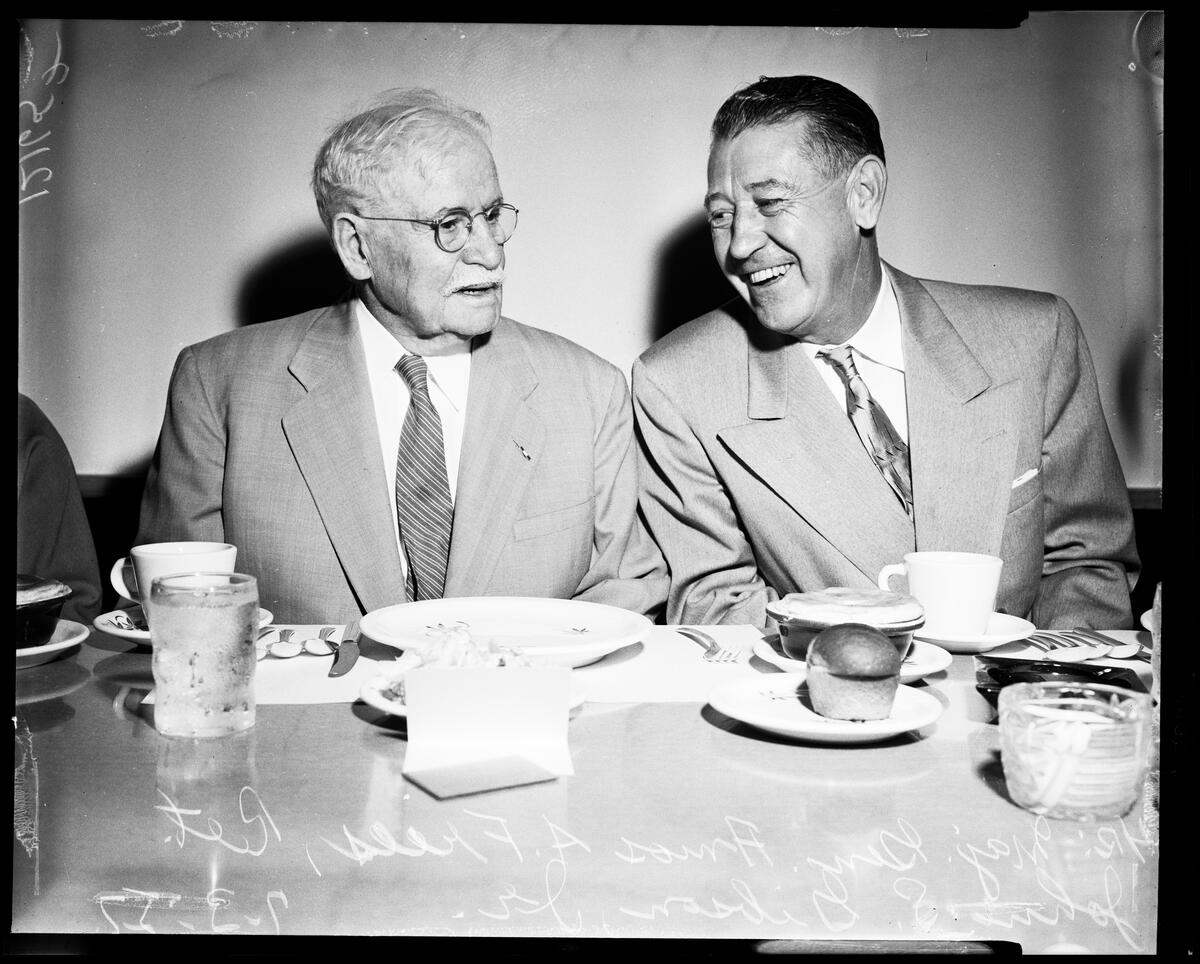
After his retirement, he moved to Gardena, where he built a home on land he had purchased during his days as chief engineer at the Port of Los Angeles.
During his retirement years, Fries became an avid anti-Communist, writing two self-published books on the subject, Sugar Coating Communism: A Plea for God and Country, Home and Family (1930) and Communism Unmasked (1937).
He grew increasingly suspicious of women’s societies and church groups, including the National PTA and the Daughters of the American Revolution (DAR), believing that they had links to radical groups and Communist leadership.
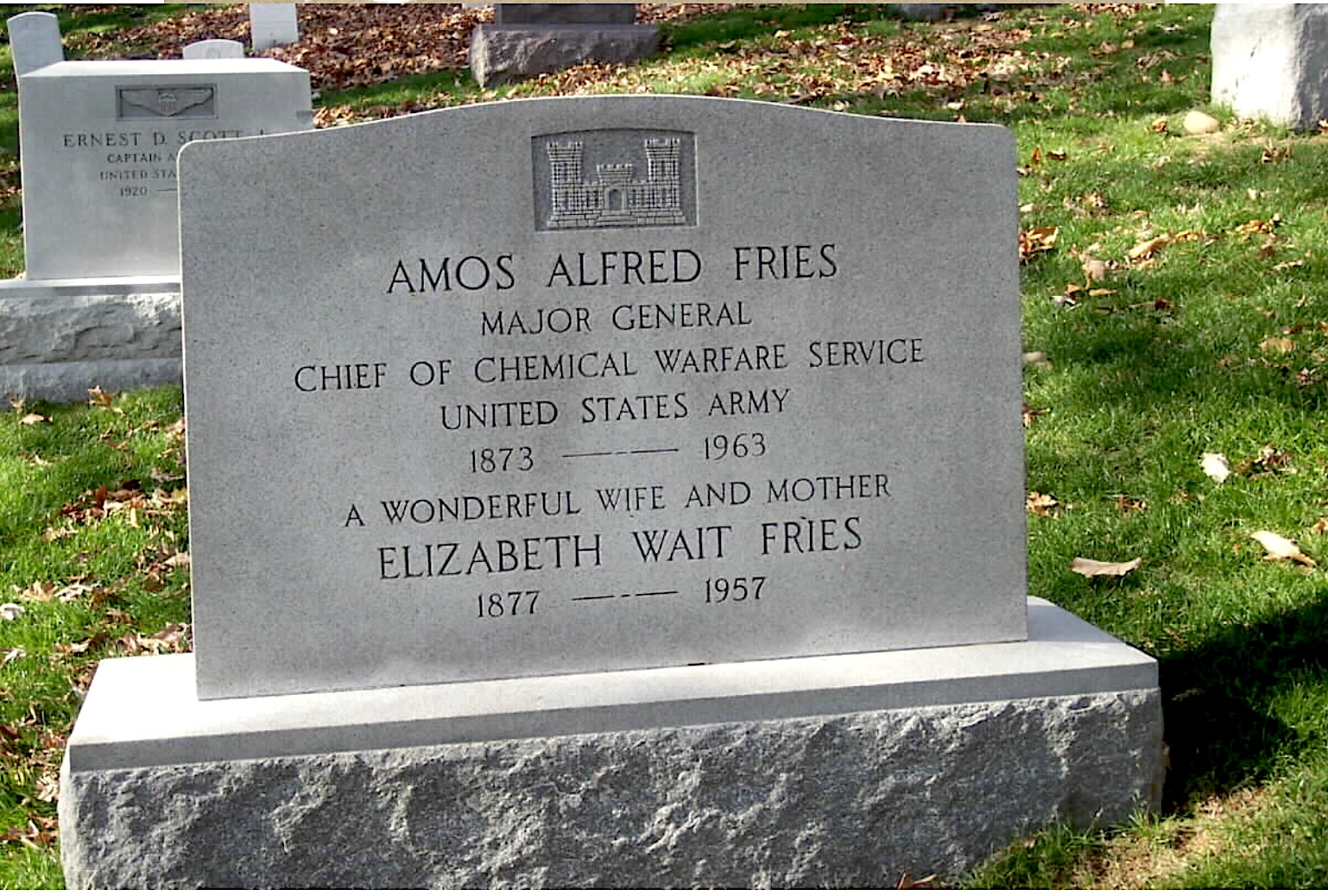
Amos Fries died at 90 on Dec. 30, 1963. He was buried at Arlington National Cemetery in Virginia.
Sources:
Find A Grave website.
“Fries Avenue,” L.A. Streets website.
Los Angeles Times archives.
Port of Los Angeles: Conflict, Commerce and the Fight for Control, by Geraldine Knatz, Angel City Press and Huntington-USC Institute on California & the West, 2019.
San Pedro News Pilot archives.
Wikipedia.