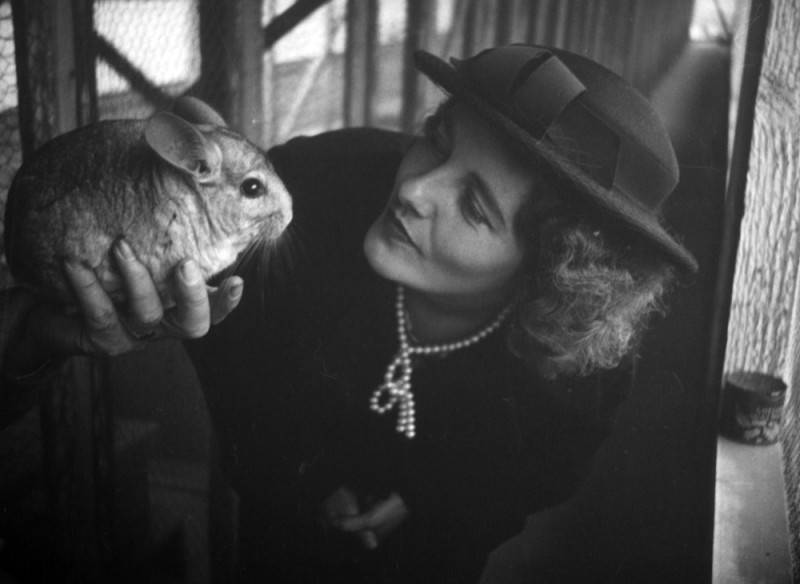
The Chincha native tribe lived high in the Andes Mountains in South America. When Spanish explorers came upon them in the 1500s, they were intrigued by the robes they wore, which had been crafted from the skins of small furry animals found only high up in the mountains of Chile, Bolivia, Peru and Argentina.
The Spaniards named the animals, who were slightly larger than chipmunks, “chinchillas” (little Chinchas). They quickly realized the potential value of their pelts, which became highly desired once garments made from chinchillas were introduced into European high society.
Unfortunately for the chinchillas, it took as many as 150 of them to fashion a coat. As the demand for the expensive fur increased, the supply of animals began to be depleted. By the late 1800s, the animals hovered on the brink of extinction.
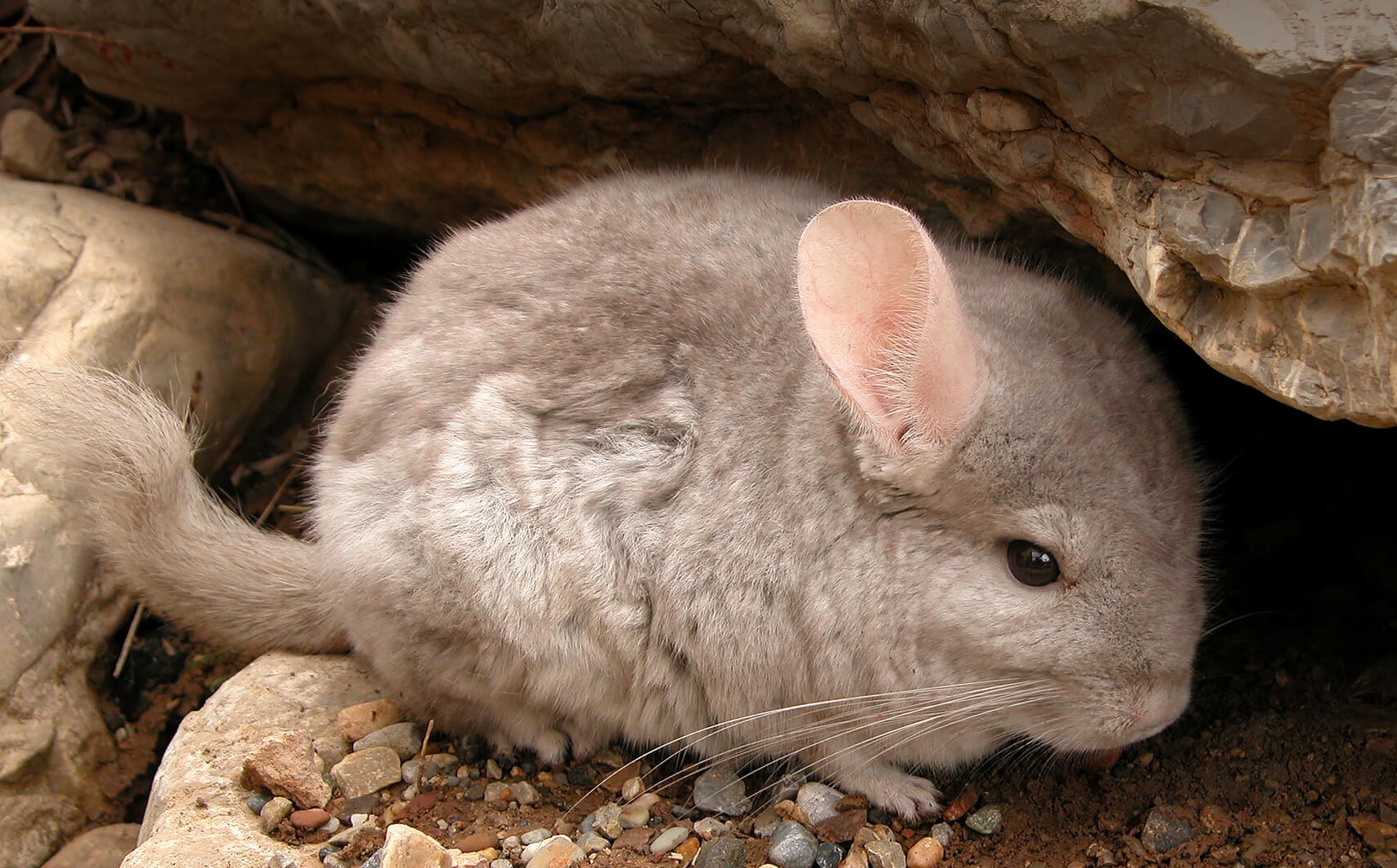
Chile, Peru and Bolivia finally signed a treaty banning the trapping of chinchillas and the exporting of their pelts in 1910, but by then, the cute little rodents had mostly disappeared from their native habitats.
In 1918, an American mining engineer, Mathias F. Chapman, traveled to Chile while working for the Anaconda Copper Co. While staying in a mountain camp, he purchased one of the now-rare animals from a Chilean man who had captured it.
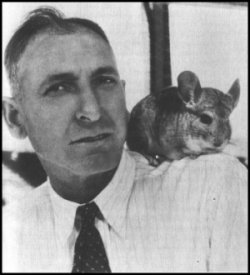
Chapman was immediately taken by the chinchilla, and the idea of raising a herd of them to sell as pets appealed to him. Others had tried to get permission to take some of the animals out of Chile and failed, but Chapman was persistent and the Chilean government eventually allowed him to do so.
He formed a hunting party and went up high into the Andes in search of chinchillas for the next three years. He was able to keep 11 of them alive, eight males and three females. He’d studied other unsuccessful attempts to transport the animals, and determined that they had been removed too quickly from their high-altitude habitat.
Instead, he brought them down from the mountains gradually, allowing them to adapt to lower and lower locations before finally taking them onboard a steamship for transport. During the trip, one chinchilla died and two were born. Chapman and the 12 chinchillas landed in San Pedro harbor on Feb. 21, 1923, the first colony of the animals to be brought into the United States.
He initially brought them to Los Angeles, where they stayed while a farm was being prepared in Tehachapi, where he thought they might thrive. However, conditions in Tehachapi turned out not to be ideal; among other problems, thieves stole half the new herd there, so he sought a new farm site back in Los Angeles.
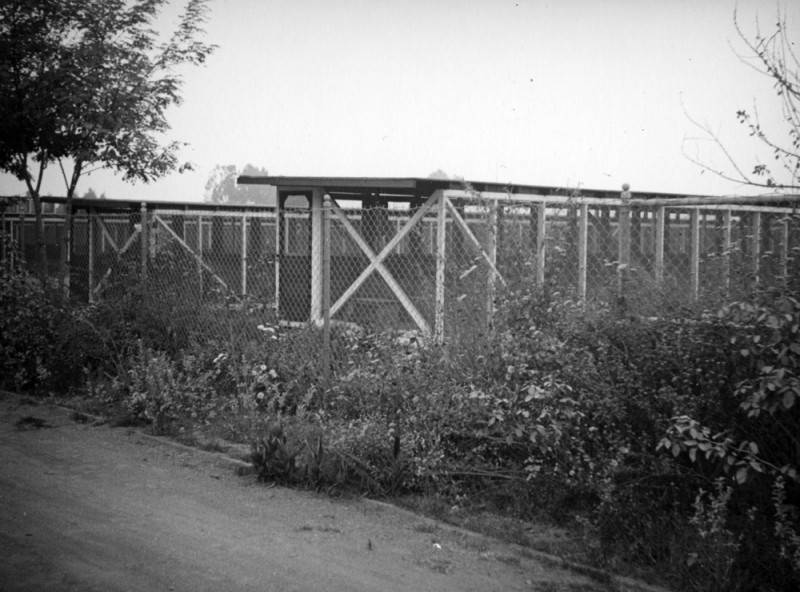
He built the farm on Los Angeles County land just southwest of the Inglewood city limits in the unincorporated area now known as Lennox, at 4957 W. 104th St. He custom-built their cages, experimenting with their type and size in order to find their most suitable living conditions.
His efforts were successful, and the farm thrived. The chinchilla population began growing fairly rapidly in size. Some of the animals were sold as pets, generally for around $100 each, but many were sold to breeders who were raising them for the production of the very profitable chinchilla fur products.
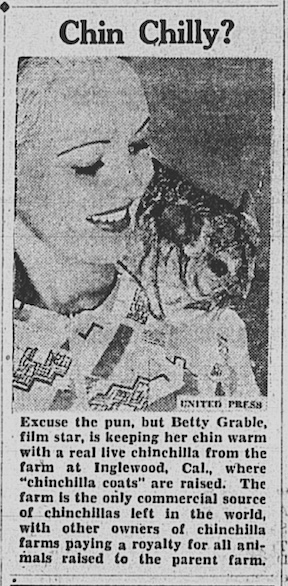
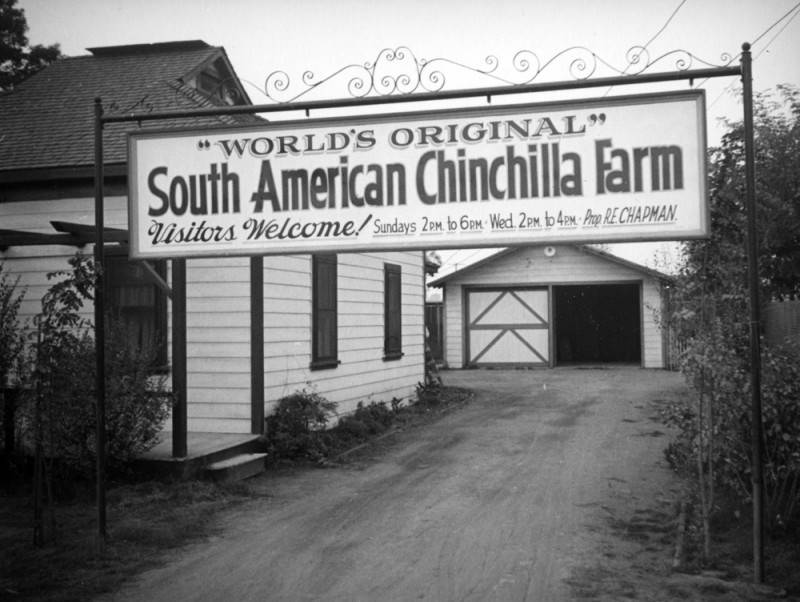
Chapman died on Dec. 28, 1934 at 52. His son, Reginald, took over the operation, and opened it up to visitors, calling it the “World’s Original South American Chinchilla Farm.” It became not only a popular local tourist stop, but also the largest chinchilla farm in the world at the time.
Chinchilla farming began to catch on, especially in the years following the end of World War II. The value of the animals skyrocketed, with a pair of breeding animals selling for as much as $3200. Chinchilla shows became regular community events, and, in 1952, El Camino College even began offering classes in chinchilla raising.
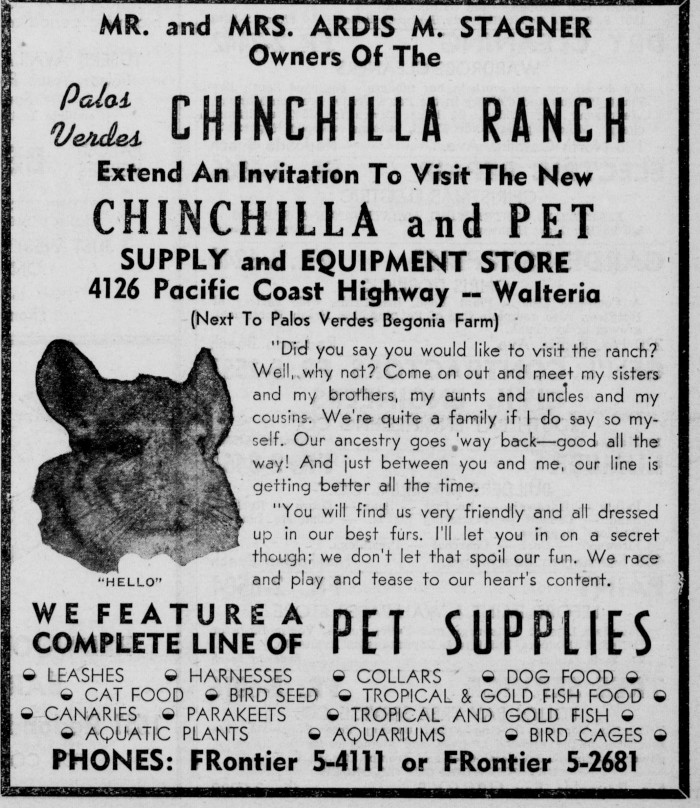
Farms started springing up all over the Los Angeles area. Several opened up in the South Bay and Harbor Area, including the Palos Verdes Chinchilla Ranch operated by Ardis Stagner in Walteria beginning in 1940, the Fur Farms (later Allied Furs) in north Torrance, The Harbor District Fur Farm, Cherry’s Chinchilla Ranch in Lomita and many others.
In fact, by the early 1950s, chinchilla farms had become something of an investment craze, like uranium hunting. For every successful farm, though, there were many more that couldn’t make it work.
The fad died down during the 1960s. By 1970, the Federal Trade Commission began issuing warnings about unscrupulous promoters selling the animals, falsely telling buyers they could be bred and raised at home easily for fun and profit.
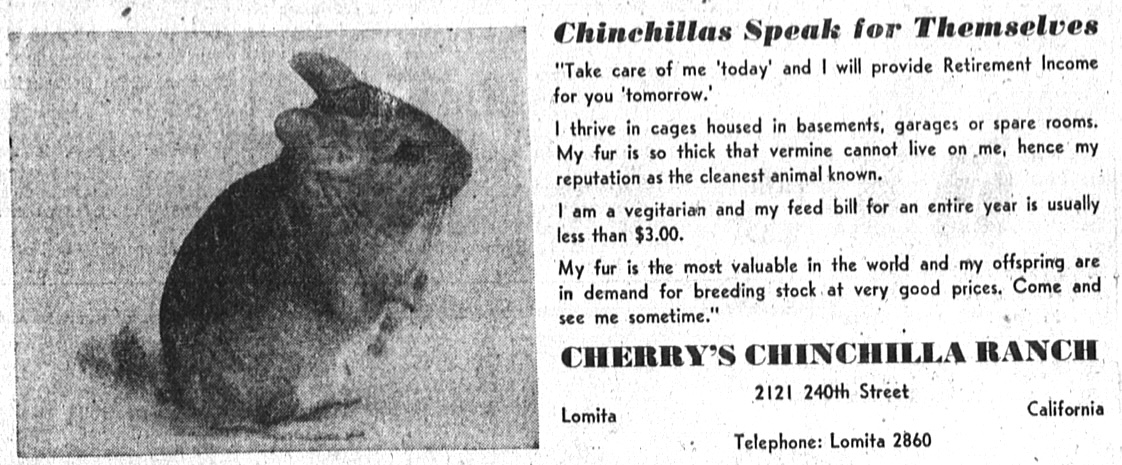
Buyers often found that chinchillas weren’t as easy to raise as they had been led to believe, and require considerable time, money and facilities in order to thrive. In addition, zoning regulations in most cities prevent the raising of animals for commercial sale.
Chinchillas continue to be raised on commercial farms for the fur industry, and, despite restrictions and their scarcity, poaching of them in the wild continues.
Chapman’s original Lennox chinchilla farm closed in the late 1950s, and an apartment complex now stands on the site.
Environmentalists and animal rights activists since have questioned whether his motives weren’t more strictly financial and exploitative than animal-friendly, but there’s little dispute that he was the first to bring the animals to the U.S. and breed them successfully in captivity.
Sources:
“Chinchillas,” Humane Society of the United States website.
Daily Breeze archives.
Find A Grave website.
“History of the Chinchilla,” Darren’s Chinchilla Haven website.
Los Angeles Times archives.
Palos Verdes Peninsula News archives.
Torrance Press-Herald archives.