When the city of Torrance was founded in 1911, it was considered a remote outpost, with little transportation infrastructure. But the city’s founder, Pasadena developer Jared Sidney Torrance, had very specific plans to remedy that.
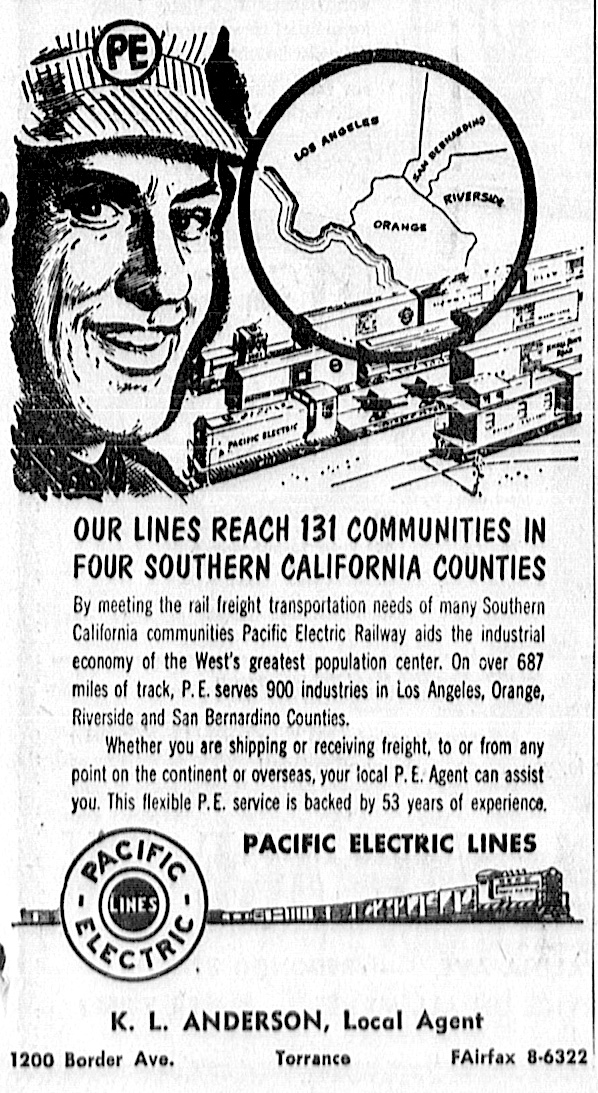
On Dec. 26, 1911, he made a deal with the Pacific Electric Railway under which the passenger railway system would get 125 acres of land to build a giant railcar construction and repair facility north of downtown Torrance. In return, the railroad agreed to build a Red Car passenger line to Torrance, which was completed in 1911. In May 1913, the city was added to the line that terminated in San Pedro.
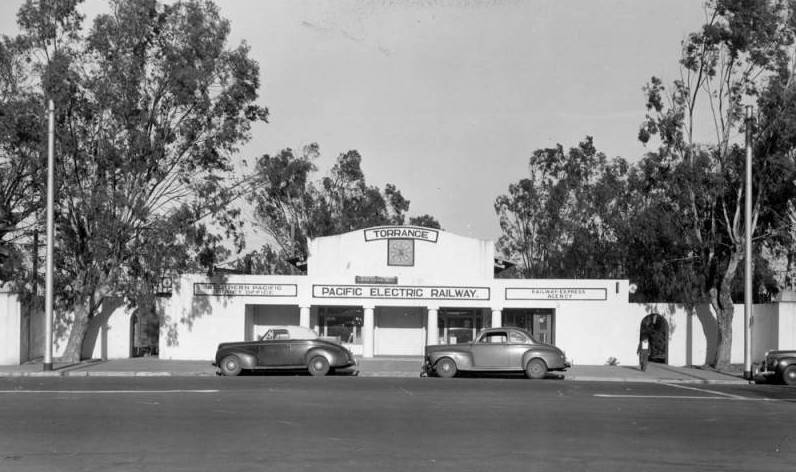
Architect Irving Gill designed the Pacific Electric depot that had been completed on Cabrillo Ave. in downtown Torrance in 1912. (It currently houses The Depot restaurant.) The Pacific Electric maintenance shops opened in the city in 1918. A special “shop train” began running that connected the Torrance depot to the Pacific Electric yards so that Pacific Electric employees could ride the trolley cars all the way to work from anywhere served by the Red Cars.
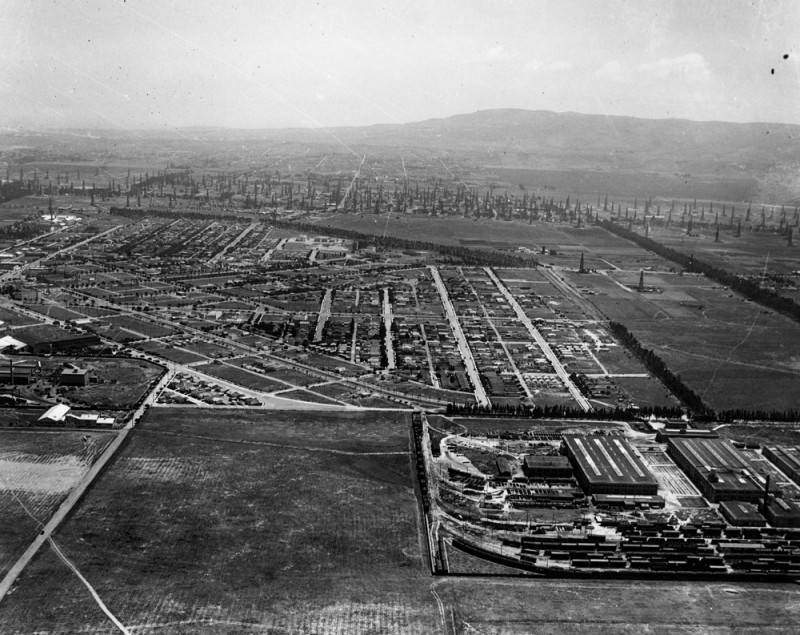
Sleepy little Torrance now had its connection to the greater Los Angeles area, and workers began to flood into the area as large manufacturing plants were enticed to establish plants in the city. Companies that built factories there included Union Tool Co., Llewellyn Iron Works, Pacific Metal Products and the Hendrie Rubber Co.
The worker influx increased with the Southern California oil boom of the early 1920s. Thickets of wooden derricks sprang up all over the South Bay, including those that ran in a large swath across Torrance. Workers for the oil wells and the factories producing oil well parts and equipment also began arriving in the growing city.
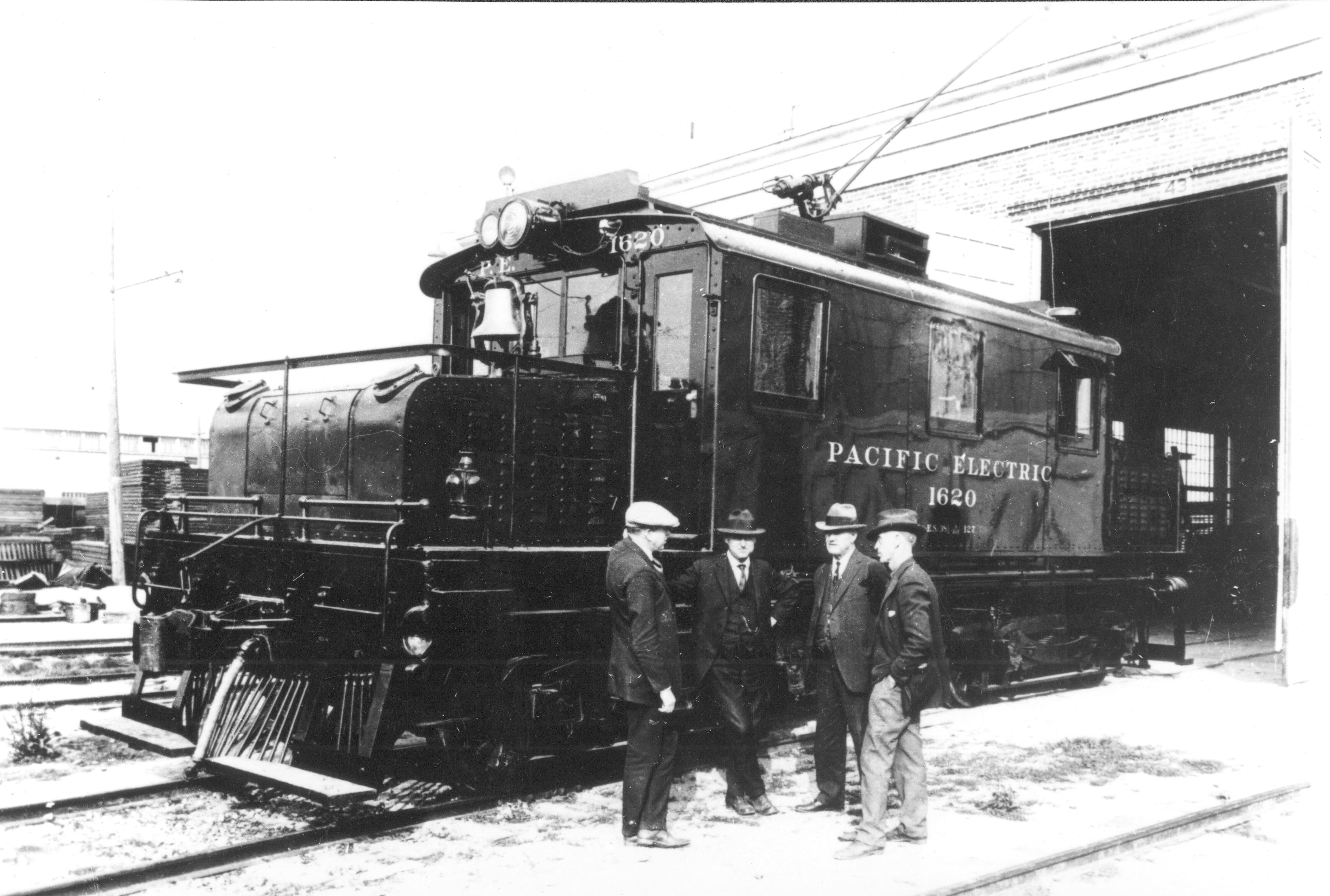
Through it all, the Red Cars ran efficiently, not only delivering workers to their jobs, but also to recreational outlets in Redondo Beach, San Pedro and Long Beach. A combination of the lingering effects of the Depression, the gradual rise of the automobile and Pacific Electric’s claim that the Torrance line was losing money led to the railway proposing its closure in 1938.
PE’s original proposal called for reducing the number of Red Car runs to two per day and substituting bus service for the rest of the schedule. Torrance and the other cities along the line objected vigorously, but by June 1938 the proposal was revised to cutting the service entirely.
Despite further protests, that’s what happened on Jan. 15, 1940, when Red Car rail service to Torrance stopped forever. The entire rail system would wind down during the 1950s until its final line closed in 1961, but the 1940 Torrance route closure seemed abrupt and premature to the communities it served. (PE’s Torrance maintenance shops in the city closed in 1955.)
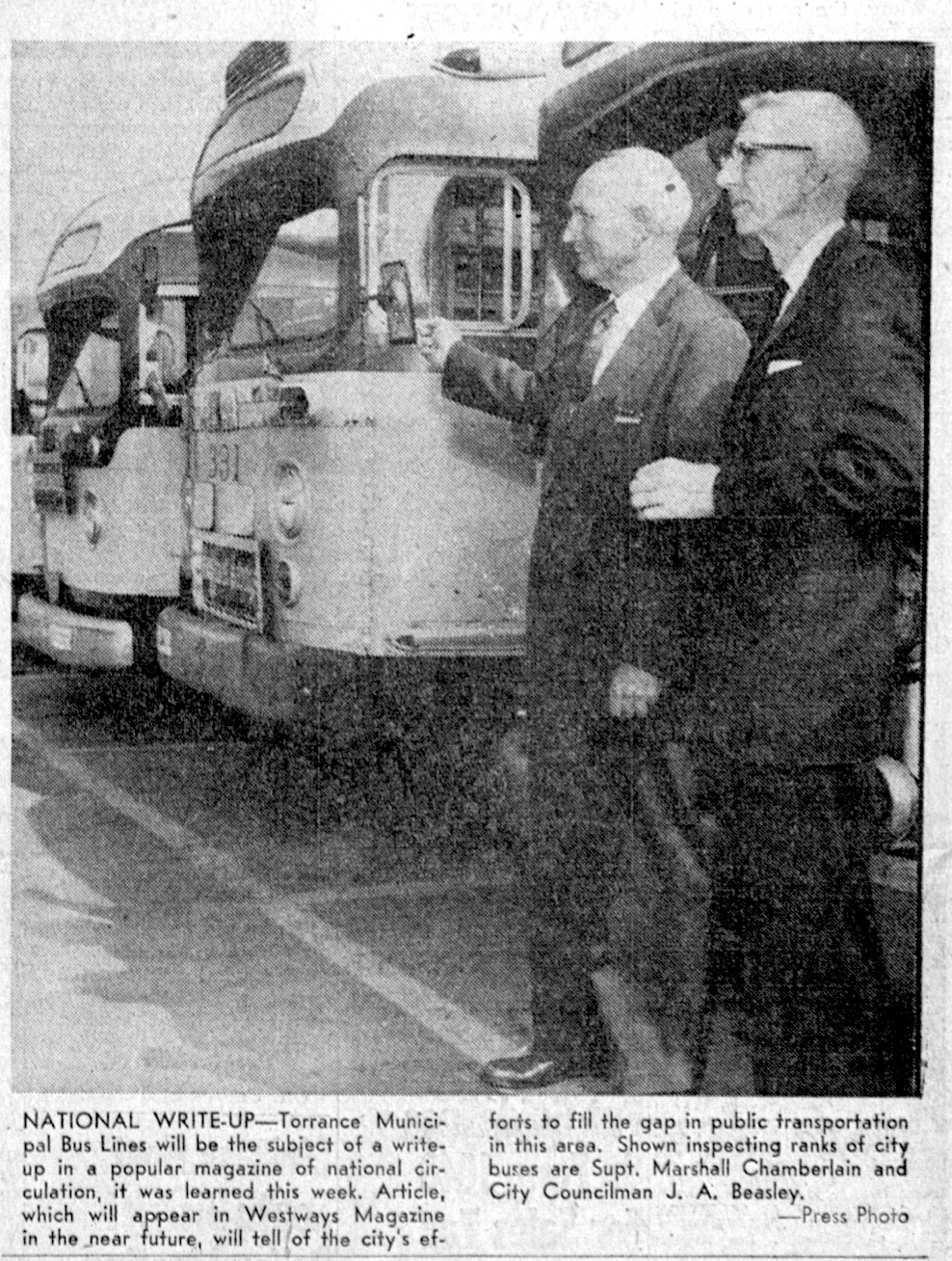
The city had to scramble to provide a link from Torrance to Los Angeles for the workers who commuted in daily. It began operating a free bus service the same day Red Car service ended, leasing buses through the private Asbury Rapid Transit Co.
The temporary arrangement lasted ten days before a 30-cent fare was imposed. By the end of the year, the city had formed its own transportation agency, Torrance Transit. By 1942, the agency was operating three 1931 Mack-33 buses daily on the Torrance to Los Angeles route.
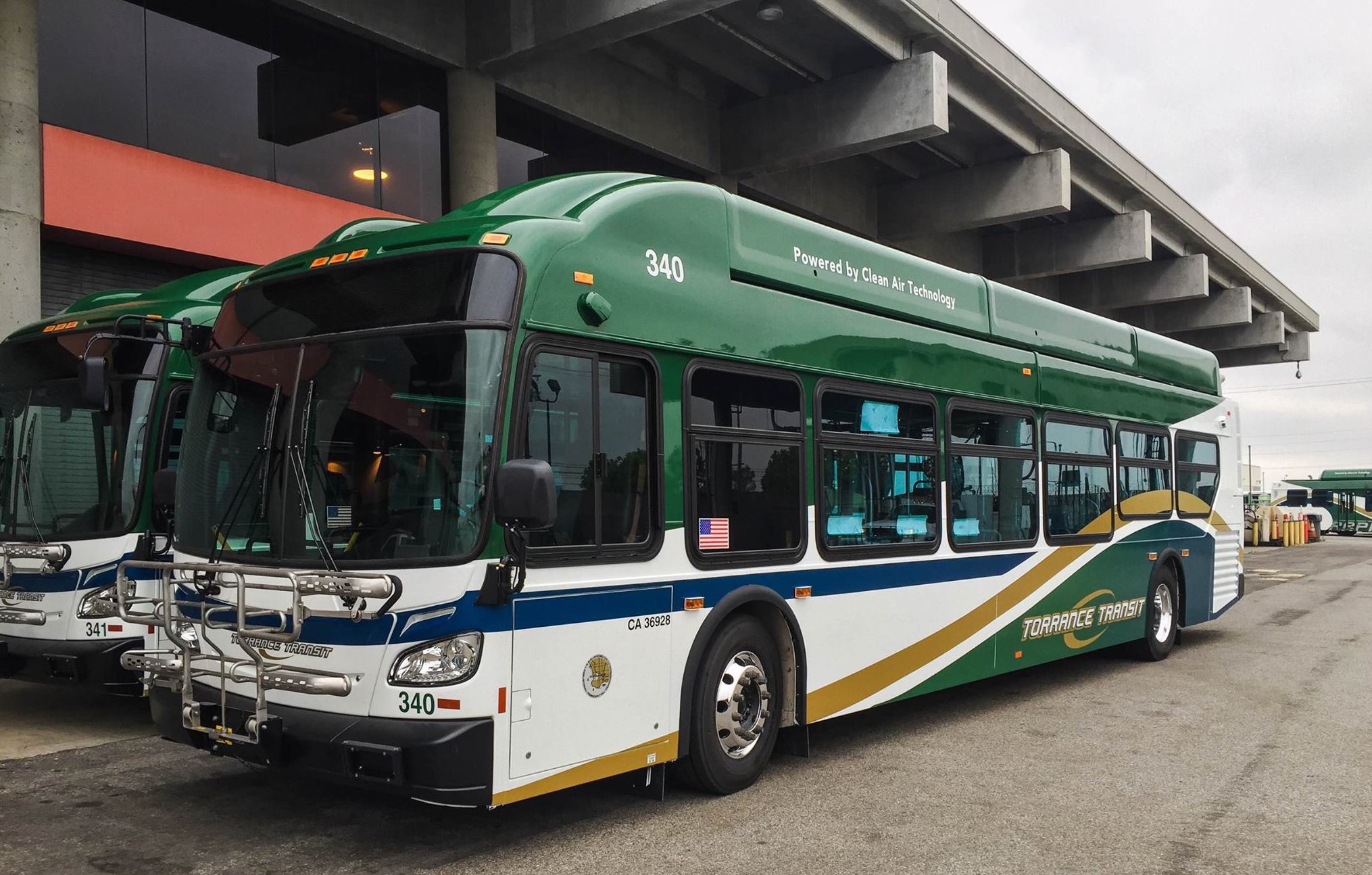
Today, Torrance Transit operates a fleet of 63 alternative-fueled (CNG) buses along a dozen routes.
The next major stab taken at bringing mass transportation to the city involved the automobile. In the early 1960s, the California State Division of Highways proposed building a new Torrance Freeway. Several proposed routes were debated over the next decade, but adamant opposition by the City of Lomita and various other public interest groups scotched the proposed roadway in the early 1970s.
The Los Angeles Metropolitan Transit Authority, or MTA in brief, formed in 1963 to manage the region’s bus system. By the 1980s, the need for some sort of public transportation system beyond buses and cars became irrefutable, and the agency began securing rights of way in order to start building light rail routes. The first MTA light rail line, the Blue Line, opened in 1990.
Over the next 30 years, several lines were completed, connecting outlying communities to the system. In the South Bay and Harbor Area, the only routes built were the Blue Line connecting Long Beach to downtown L.A., and the east-west Green Line along the Century Freeway, which stops mysteriously just short of LAX.
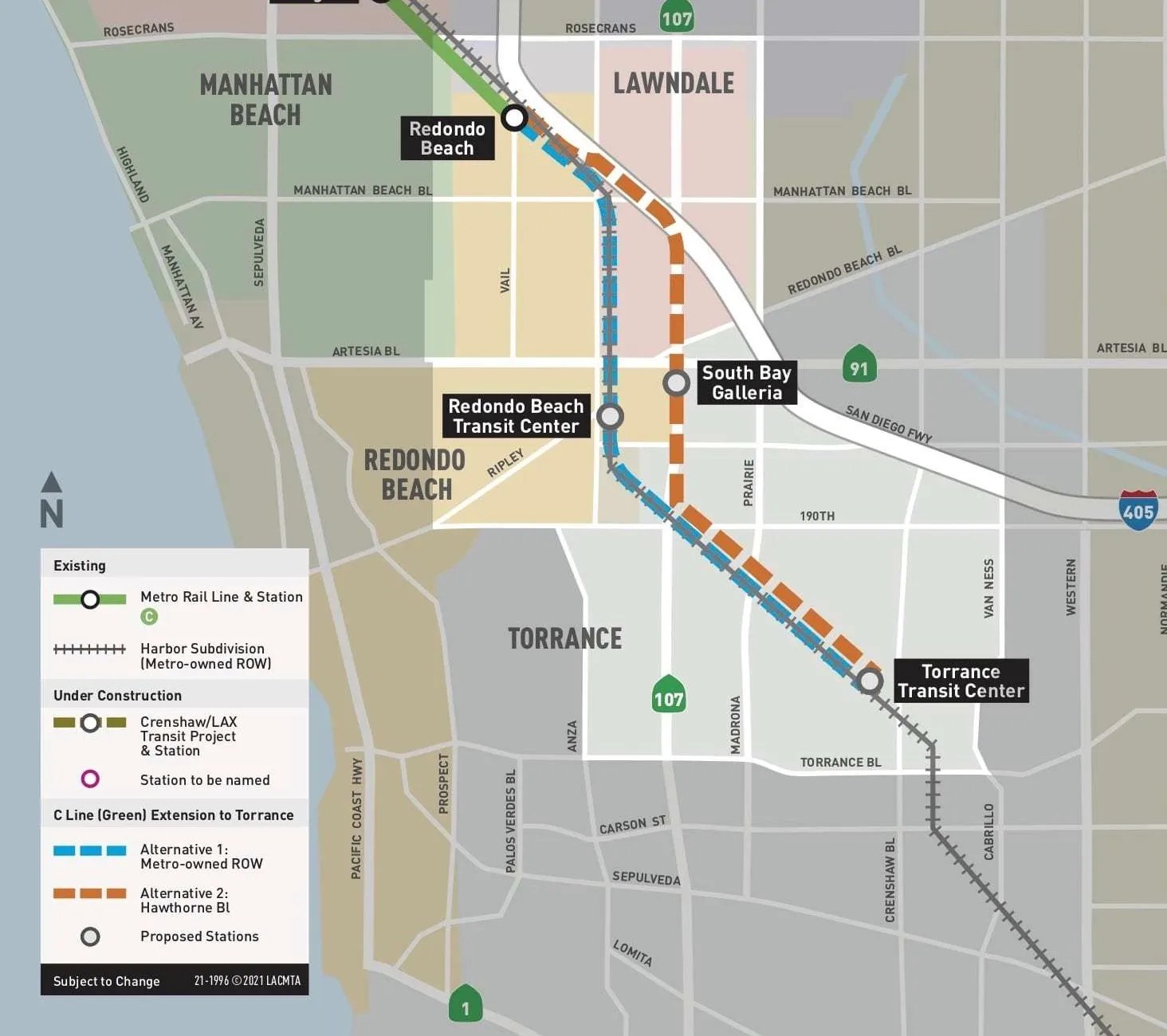
The possible implementation of a key piece of the South Bay transit puzzle began in 2010, when the MTA began planning a 4.1-mile extension of the C Line (formerly the Green LIne) from its Redondo Beach terminus south into Torrance. (The MTA changed the route names from colors to letters in 2019.)
The route would connect to the new transit center under construction at LAX, as well as to the entire MTA light rail system. A direct passenger rail connection from Torrance to LAX has never existed previously.
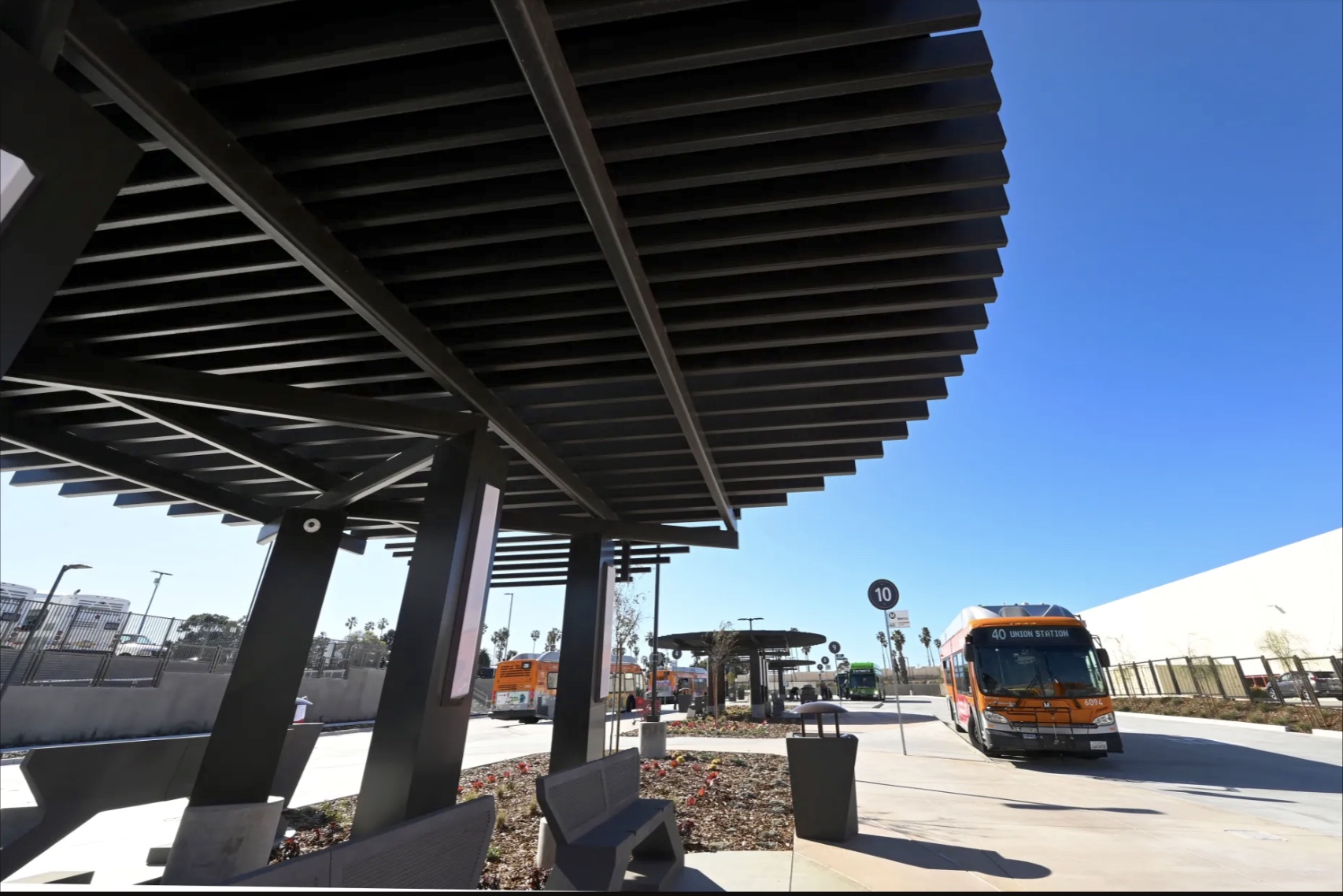
In preparation, both Torrance and Redondo Beach have opened new regional transportation centers. The Redondo Beach Transit Center at 1521 Kingsdale Ave. near the South Bay Galleria had been in the works since the early 2000s before finally opening on Jan. 29, 2023.
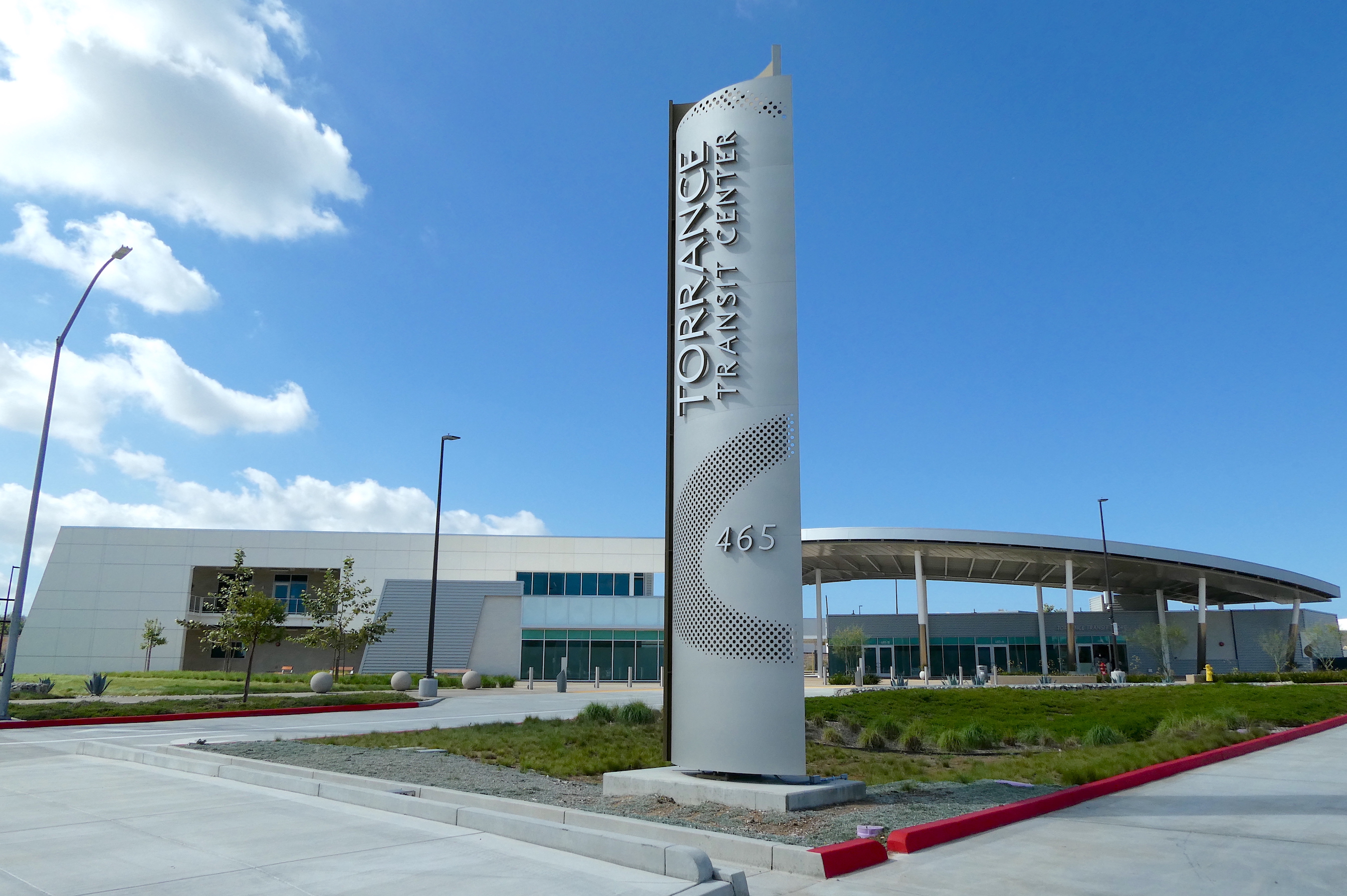
After a decade of planning and construction, Torrance opened its Mary K. Giordano Regional Transit Center on June 29, 2023. It replaces the much smaller transit hub at the Del Amo Fashion Center that closed in 2005, a victim of mall expansion.
The new $35 million center was named for the City of Torrance assistant city manager who died in 2019. She had arranged the purchase of the 15-acre site for the center at 465 Crenshaw Ave. in 2008.
The MTA and the communities affected by the proposed extension, namely Redondo Beach, Lawndale and Torrance, currently are in the process of hashing out proposed routes. The extension has an outside chance for completion in time for the 2028 Summer Olympics.
Sources:
Daily Breeze archives.
Historic Torrance: A Pictorial History of Torrance, California, by Dennis F. Shanahan and Charles Elliott Jr., Legends Press, 1984.
Los Angeles Times archives.
Pacific Electric Red Cars, by Bob Peterson, unpublished manuscript, February 1992.
San Pedro News Pilot archives.
Torrance Press-Herald archives.
Torrance Transit website.