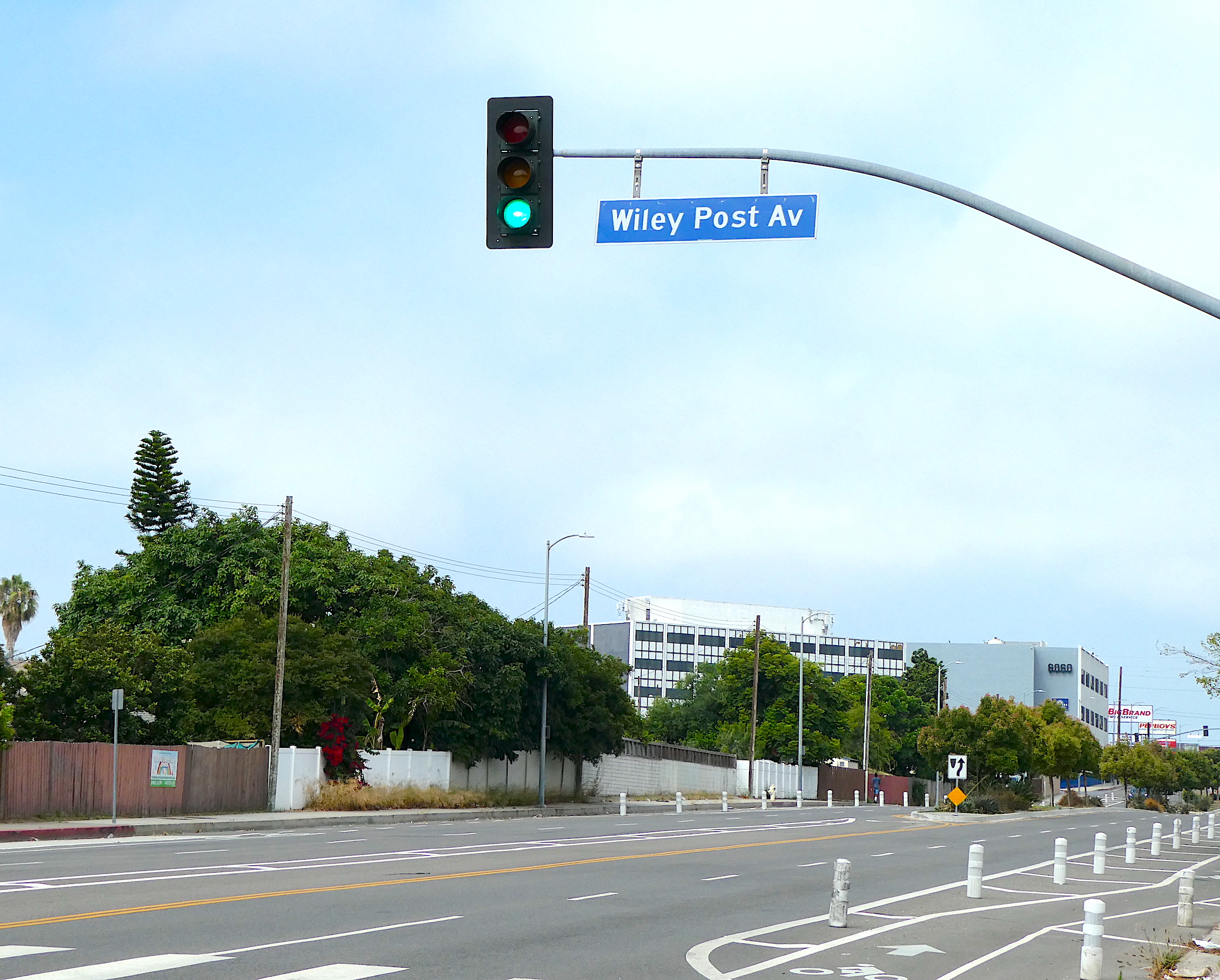
If you’ve ever driven through Westchester and wondered for whom Wiley Post Ave. was named, this column explaining a few South Bay/Harbor Area road names is for you.
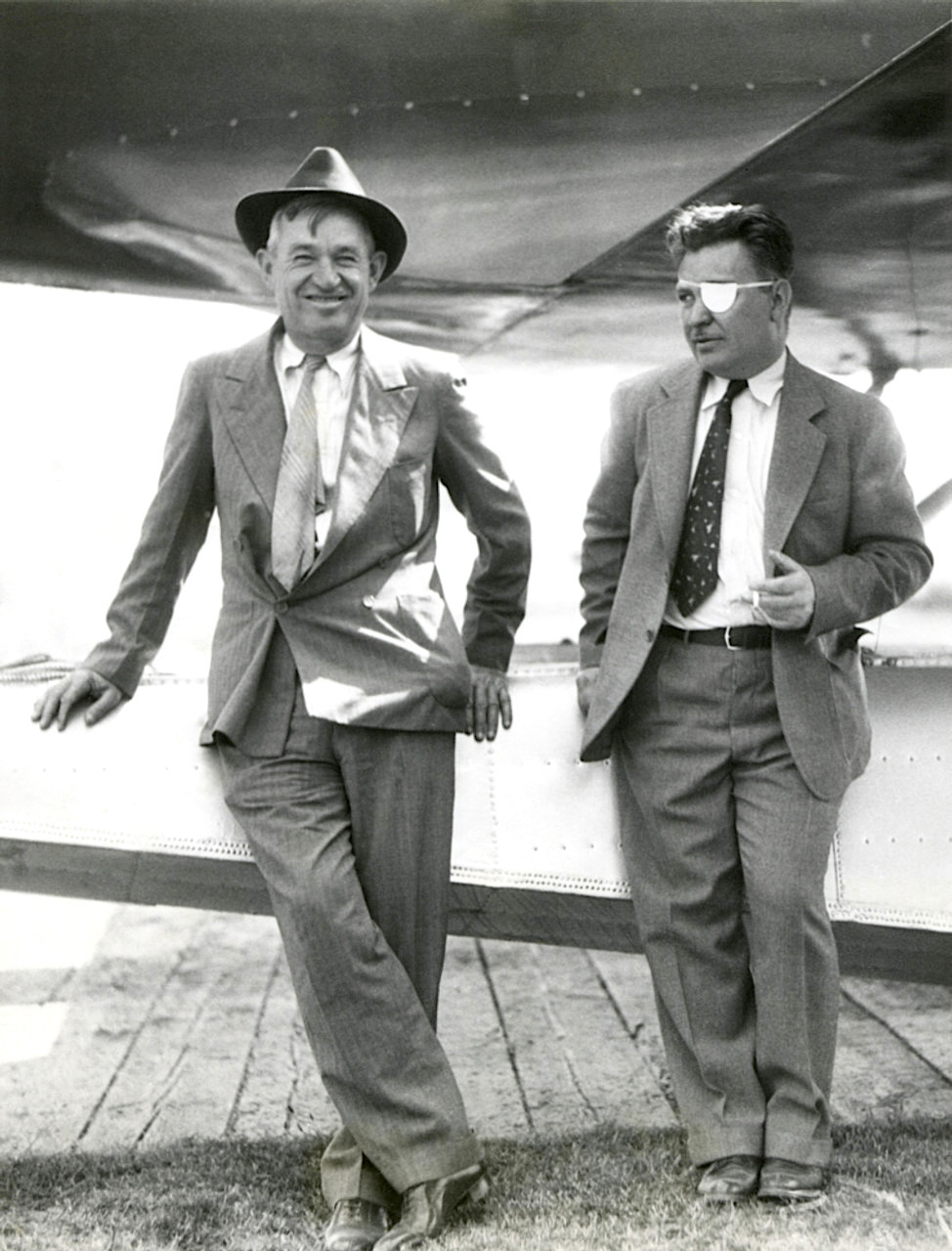
It’s fitting that Will Rogers St. becomes Wiley Post Ave. north of Airlane Ave. in Westchester. Just as the community has linked the two streets, so history has inextricably linked the two Oklahoma natives for whom they’re named.
Rogers became an American legend as a newspaper columnist, folksy humorist and movie star. He appeared in 71 films between 1918 and 1935, and over that span became one of Hollywood’s most popular entertainers.
Wiley Post also was very well-known during the same era. In an age when aviation was a popular obsession, Post reached an elite standing within the field by becoming the first man to fly an airplane solo around the world in 1933. Only Amelia Earhart and Charles Lindbergh had more renown among American aviators.
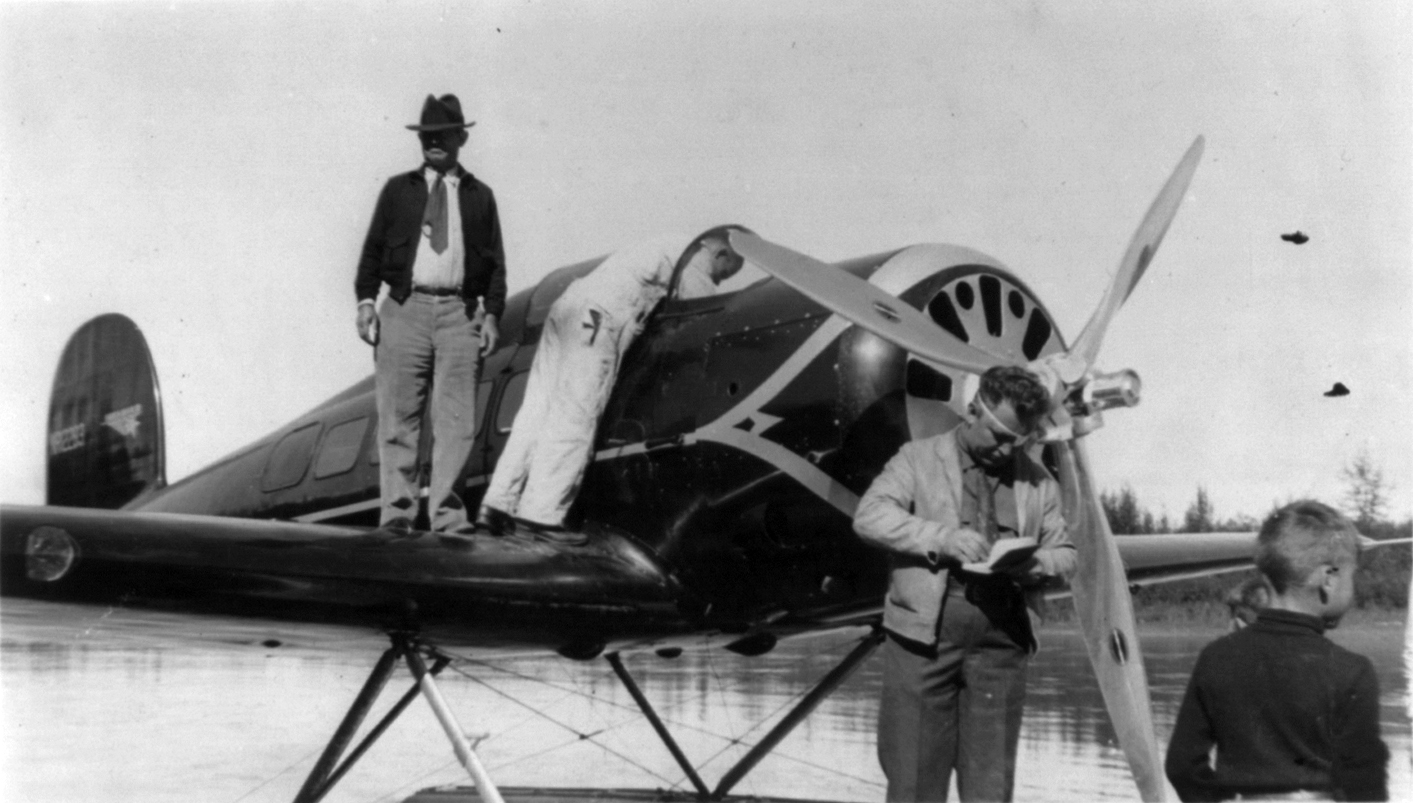
Rogers had become a proponent of aviation, having caught the flying bug through his friendship with Lindbergh. He later became friends with Post and the two flew in a small plane to Alaska together. On Aug. 15, 1935, their plane crashed a few miles from Point Barrow. Both men were killed instantly, and their deaths mourned on newspaper front pages nationwide.
Among the hundreds of posthumous tributes to both was their sharing the name of a Westchester street, which the City of Los Angeles authorized in 1941.
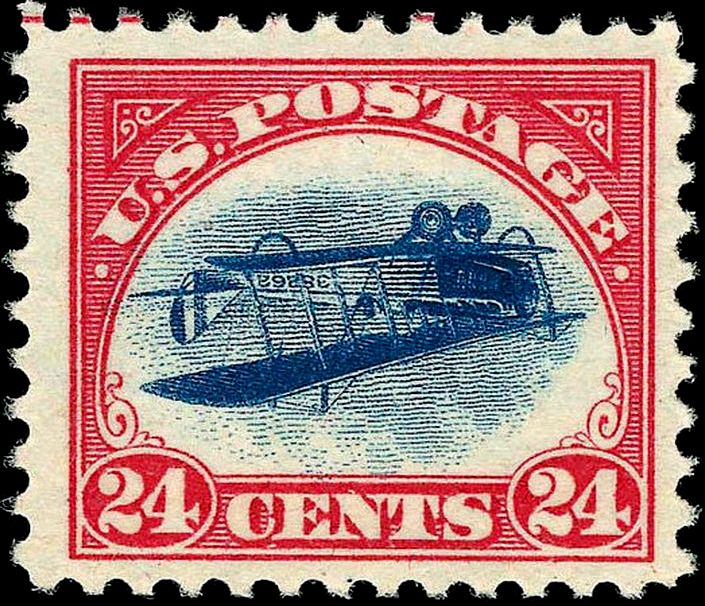
Another Westchester street name story involves two roadways named for aviation figures, as many of the streets there were. Present-day Jenny Ave. just east of LAX was not named after a woman, as it turns out, but rather after the Curtiss Jenny airplane designed by Glenn Curtiss.
At first, the street was named Junkers Ave. after the German aircraft manufacturer, but the outbreak of World War II made that a problematic choice. So the city quickly renamed it Jenny Ave. in January 1942.
At the same time, it changed the name of Westchester’s Fokker Ave., named for Dutch-born aviation pioneer Anton Fokker, to Fleetwing Ave for the same reason. Germany famously used Fokker-designed planes during World War I, including the Fokker triplane flown by flying ace Baron von Richtofen, the “Red Baron.”
Down in Redondo Beach, the war also brought about a name change to Voorsanger Ave. in Redondo Beach. Its residents petitioned the city in October 1942 to rename it Bataan Road in honor of the then-recent epic three-month battle in the Philippines. It remains Bataan Road to this day.
Several major South Bay arteries are named after military figures. Rosecrans Blvd. was named for Civil War Union Army Gen. William Starke Rosecrans, who later settled in the South Bay.
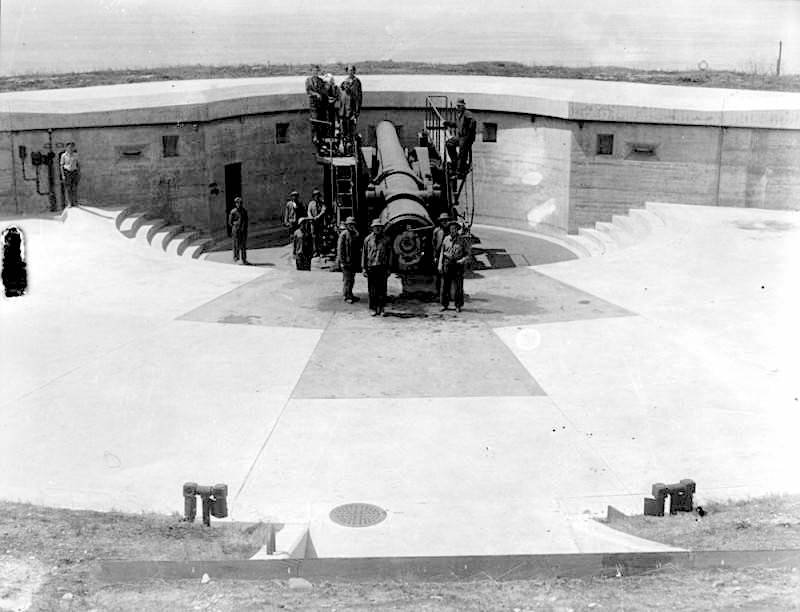
Fries Ave. in Wilmington honors Amos Fries, an Army Corps of Engineers captain who came to the Harbor Area to supervise construction of the port’s breakwater in 1906.
And what of this trio of streets in the Fort Macarthur area of San Pedro, Osgood Farley, Leary Merriam and Barlow Saxton roads? The names come from the names of the fort’s onetime military gun emplacements built nearby to protect the coast from invaders. The street and battery names honor six prominent military officers from the early 1900s, two for each road.
Arthur MacArthur Road at the former military base takes its name from Lt. Gen. Arthur MacArthur, the father of U.S. Army Gen. Douglas MacArthur. His son later commanded American forces in the Pacific during World War II, including during the defeat at the Battle of Bataan, after which he famously, and accurately, predicted, “I shall return.”
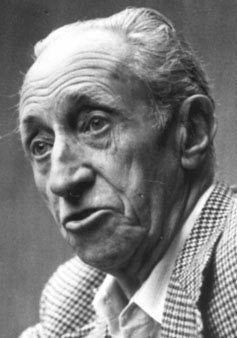
Labor leader Harry Bridges fought a different kind of war. After years of often-violent clashes with police and shipping bosses, the 1930s labor leader founded the International Longshore and Warehouse Union (ILWU) at the Port of Los Angeles in 1937. B Street in Wilmington was renamed Harry Bridges Blvd. in 1994.
Politicians often have a hand in how streets are named. According to the fascinating L.A. Street Names website (must reading for those interested in this topic), former Redondo Beach mayor Bill Czuleger wanted to have a short street named for his daughter, Mary Ann, when he was still a councilman in the 1950s.
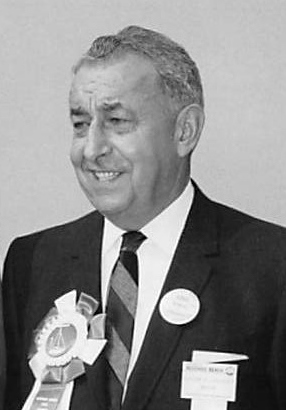
Then-mayor Charles Wortham repeatedly vetoed Czuleger’s request, so the councilman slipped the request through the City Council while Wortham was on vacation. And that’s how Mary Ann Drive, a narrow alley between Fisk Ave. and 190th St., got its name in 1960.
U.S. Senator Stephen M. White had a highly visible street in San Pedro named for him for his actions as a politician. White advocated brilliantly for the adoption of the harbor at San Pedro to become the official Port of Los Angeles and cleared the way for that decision to become official in 1897.
He took ill and died in 1901. The community honored his memory by naming the street leading from Pacific Ave. to Cabrillo Beach Stephen M. White Drive in 1932. They also had a statue of him moved there from the downtown Los Angeles County Courthouse building.
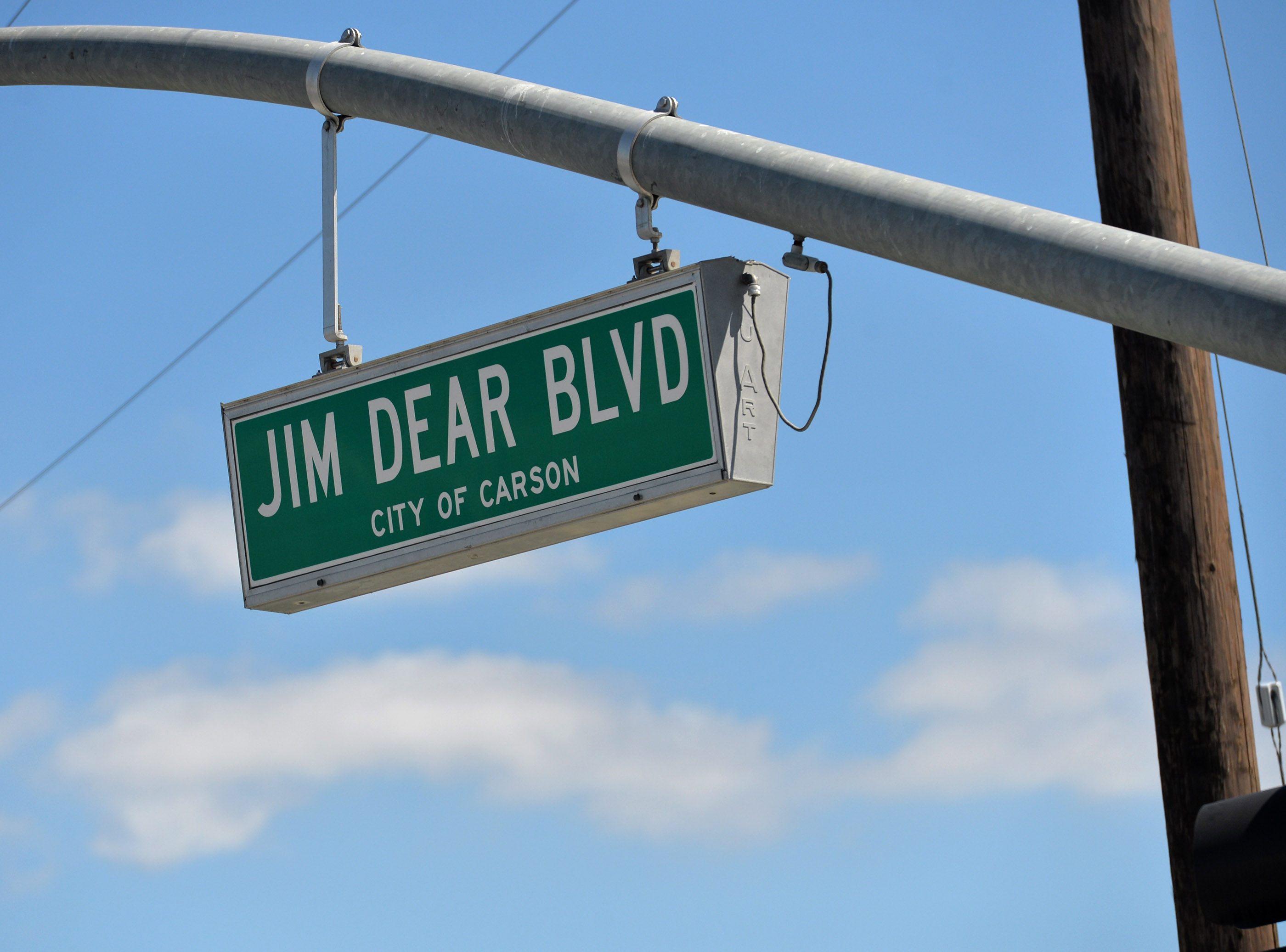
In 2013, former Carson Mayor Jim Dear had a street at the parcel in Carson once considered by the NFL as a stadium site renamed Jim Dear Boulevard. When Dear fell out of favor in city government, his name was removed from the street and it became Stadium Way. The NFL’s Rams and Chargers ended up building Sofi Stadium in Inglewood.
Sources:
Daily Breeze archives.
L.A. Street Names website.
Los Angeles Times archives.
“Remembering Wiley Post and Will Rogers,” by Roger Connor, National Air and Space Museum website, August 6, 2013.