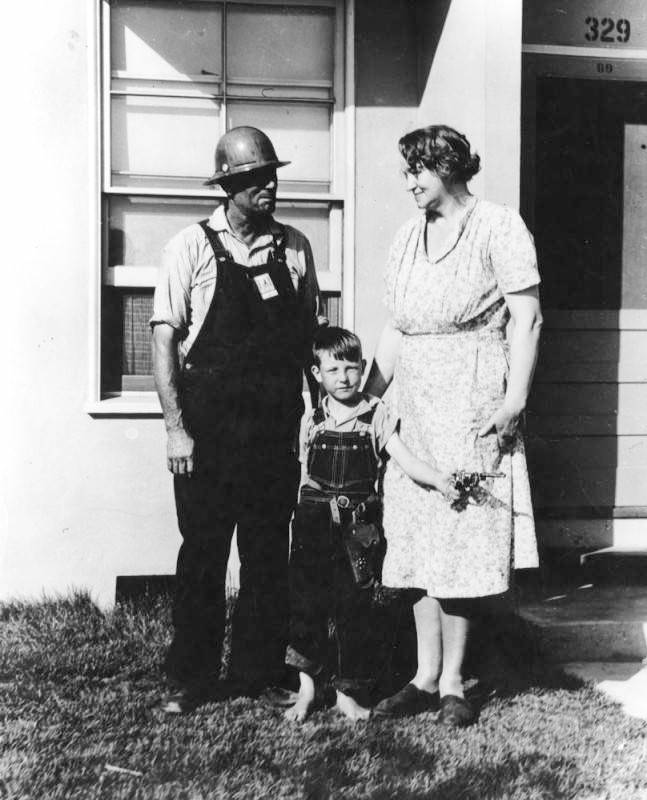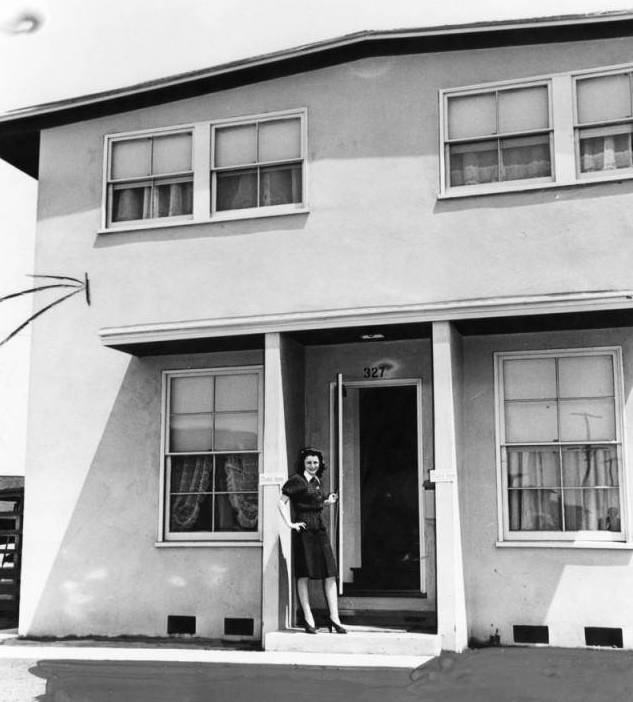
The Dana Strand housing project in Wilmington originally was among several such developments built by the federal government in the Harbor Area to provide homes for wartime defense industry workers in and around the Port of Los Angeles. Others included the Wilmington Hall complex, Normont Terrace in Harbor City, and Channel Heights and Banning Homes in San Pedro.
Even before World War II, the area’s growth as a nexus for defense industries, especially shipbuilding, had increased exponentially compared to the amount of places for the rapidly growing number of incoming defense workers to live.
The Pearl Harbor attack and America’s entry into World War II lit a fire under an already pressing need for more housing in the area. Construction on Dana Strand Village began on Feb. 23, 1942, just a couple months after Pearl Harbor. Architect Frederick Barlow Jr. designed it, and the Myers Bros. construction firm built it.
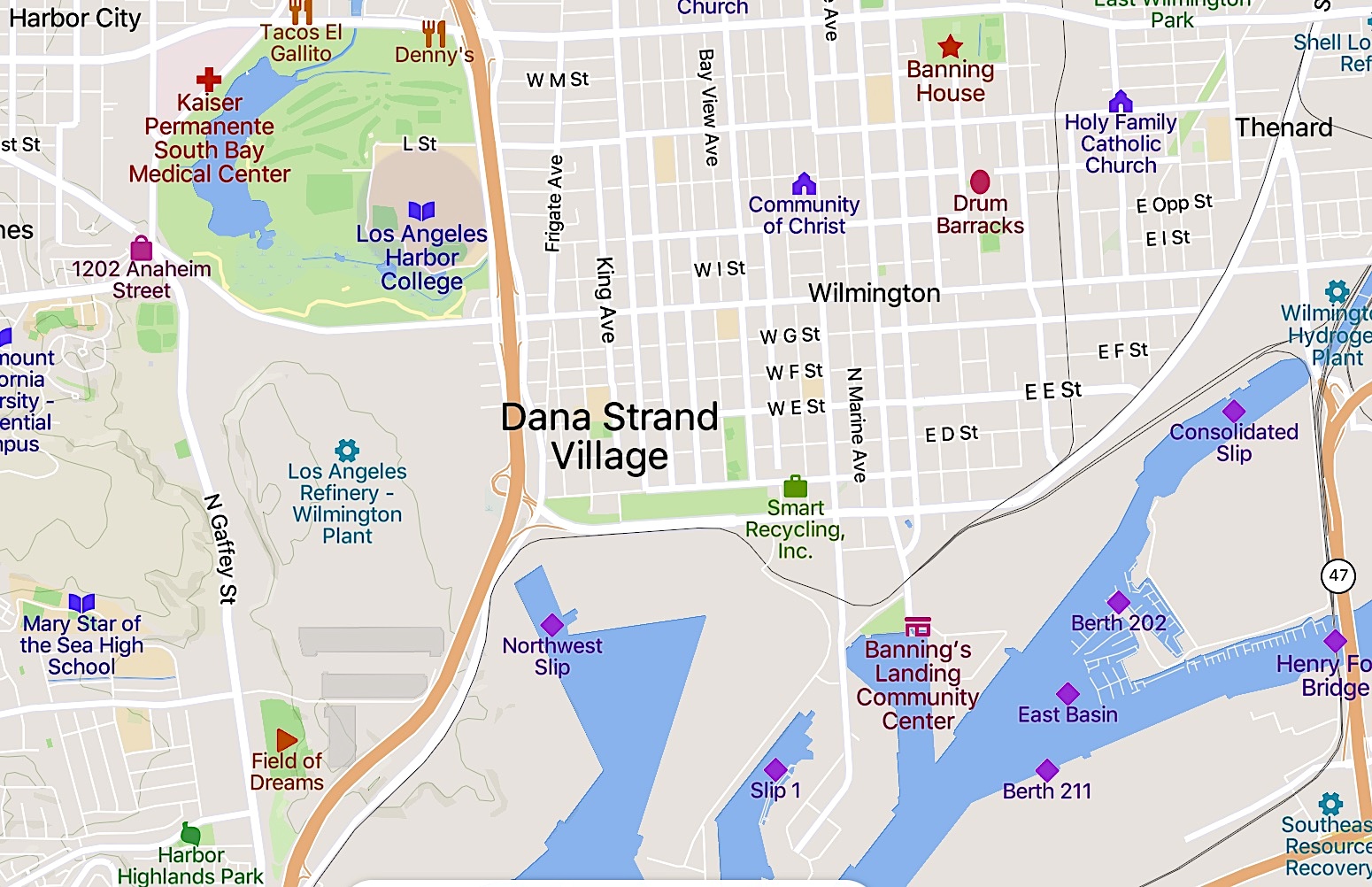
Dana Strand’s 384 units were erected on 20.7 acres of land along Wilmington Blvd. between C and D streets at a cost estimated at just over $1 million.
It was dedicated along with the other projects at a combined ceremony in Wilmington on June 20, 1942. Such was the housing demand that by mid-July all the units had been claimed. Temporary units had to be added over the next couple of years.
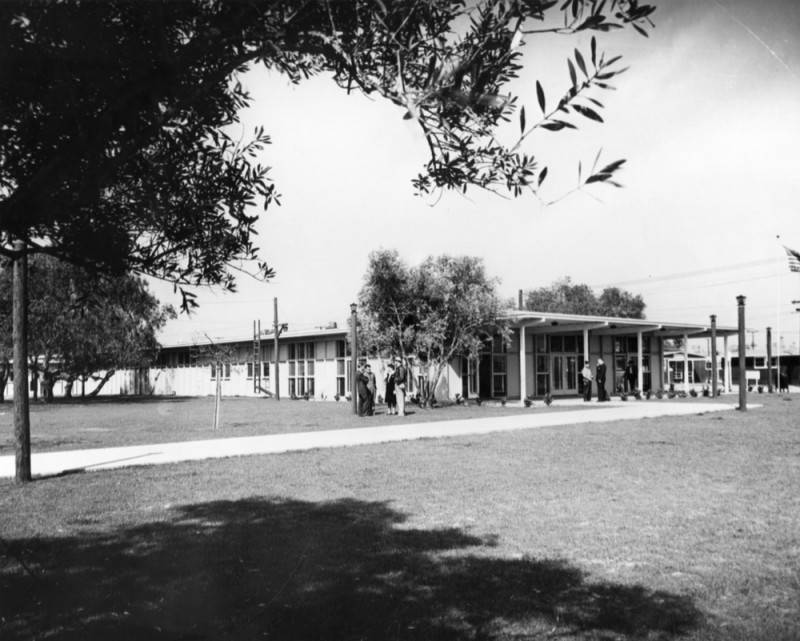
By the war’s end in 1945, the fate of the housing projects, including Dana Strand, seemed up in the air. Many of temporary structures added when the original units filled up during the war were destroyed and removed, but the original structures remained.
Ownership of Dana Strand Village reverted from the military to the federal Public Housing Administration (PHA). There were rumors in February 1946 that the U.S. Navy would take it over after the government declared it surplus property, but that did not come to pass.
In October 1946, more than 200 residents gathered at the complex’s meeting hall to discuss forming a mutual ownership corporation that could make a bid to purchase the property from the PHA. Fifty percent of its residents signed a petition backing the plan.
In June 1947, the federal government set a price of $1.1 million to the new ownership group. Negotiations continued into 1949, when a splinter group opposing the sale appeared. Amid the confusion, the original group was unable to raise the money to make a good-faith payment required to continue the sale process, and the offer was withdrawn.
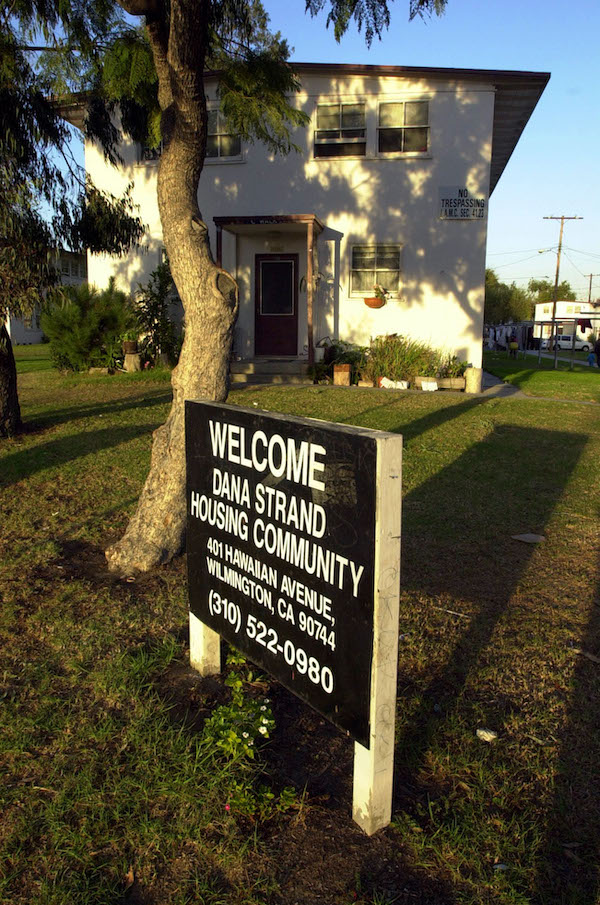
The PHA maintained possession while rumors swirled that Dana Strand would be shut down and razed. Finally, in August 1949, the Los Angeles City Housing Authority (CHA) announced that it would buy the Dana Strand, Channel Heights and Normont Terrace projects. The transactions became final in 1950.
Over the next few decades, the CHA’s benign neglect of the projects led to their gradual deterioration. Channel Heights was sold to a private developer in 1955, who built new homes on the site, but the others continued to become more rundown as the years passed.
They also became notorious as havens for drug dealers and gang members by the mid-1980s. Often the street criminals weren’t residents of the projects, but used their large, unpatrolled grounds to conduct business. Shootings between rival East Wilmas and West Wilmas gangs became commonplace at Dana Strand.
The city of Los Angeles finally took an active role in tackling the problem in the mid-1990s. In 1996, HACLA, the Housing Authority of the City of Los Angeles (formerly known as the CHA), announced a plan to tear down Normont Village and replace it with a new housing development. In 1999, the new Harbor Village opened.
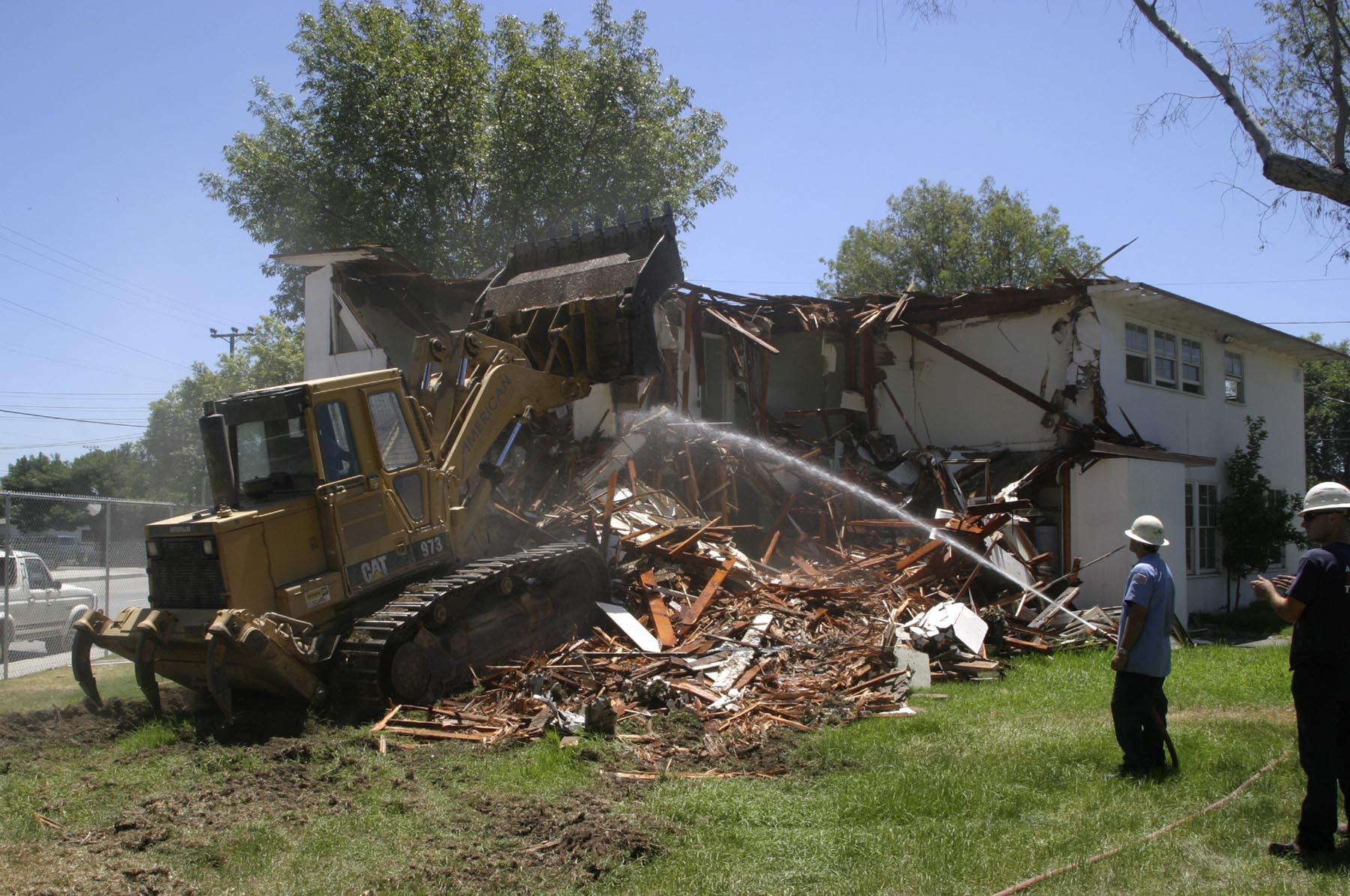
HACLA then turned its attention to the dire Dana Strand situation. In 2001, it announced plans to completely demolish the Wilmington project’s buildings and build new housing on the 20.7-acre site in four phases. The original Dana Strand buildings finally were razed in 2003.
Construction on the site began in 2005. The first three phases of what the city named the New Dana Strand Revitalization included a total of 336 senior housing, townhomes and rental units. They were completed in 2013.
The fourth phase originally was planned to include 77 single-family homes, but HACLA decided to go with more apartments instead, citing the high demand for housing in the area.
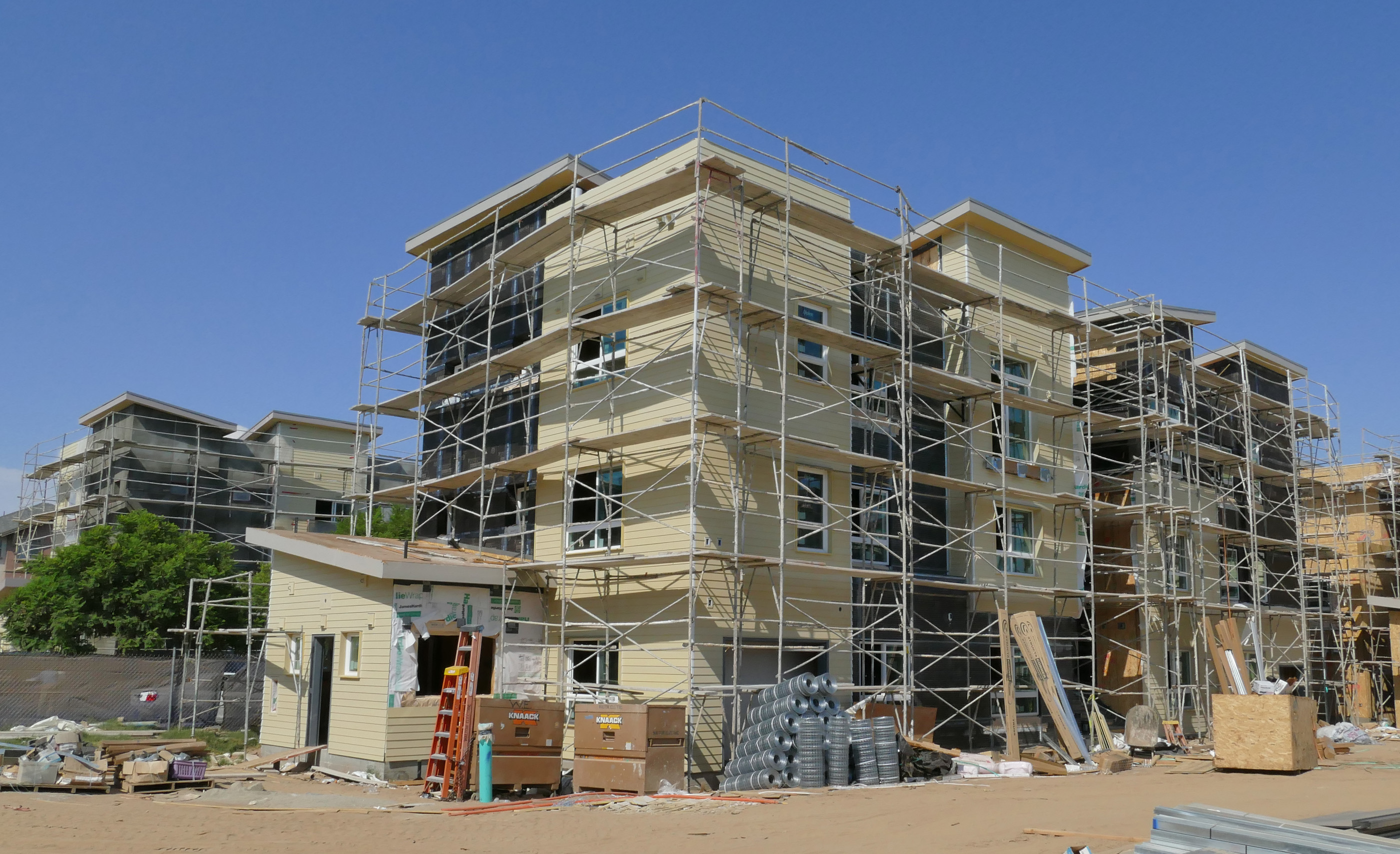
Ground was broken for the final phase in 2016. It included the Camino del Mar and Vista del Mar developments, adding 176 more units to the complex. 18 years after the reshaping of Dana Strand was approved, the grand opening for its final phase was held on Sept.20, 2018.
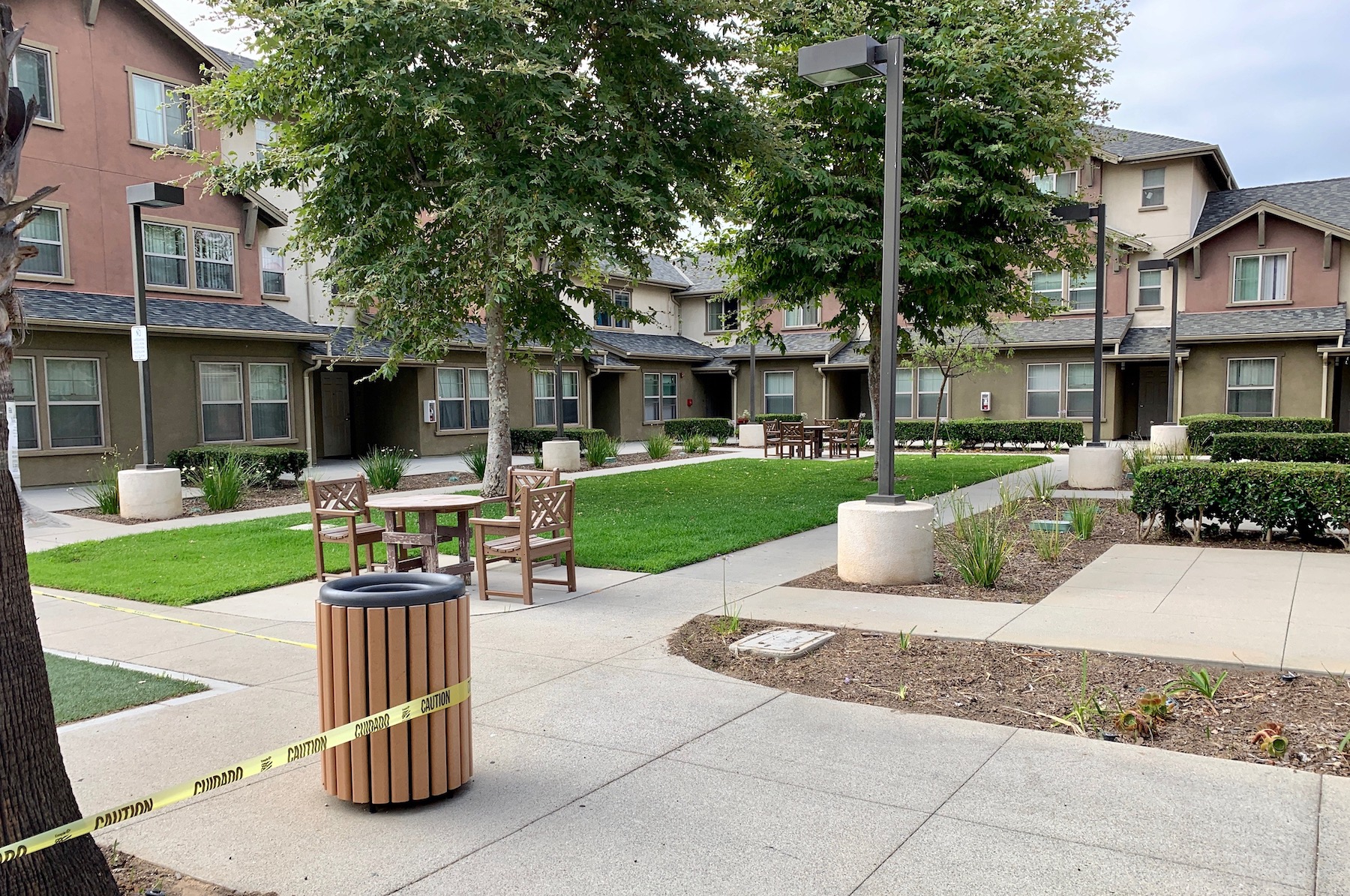
In addition to its 512 total units, the complex now includes landscaped courtyards, play areas, a coin-operated laundry, on-site property management, a computer lab, after-school and summer programs, adult workshops and other community activities.
Sources:
Daily Breeze archives.
“Final Phase of Dana Strand Development Breaks Ground,” by Steven Sharp, Urbanize Los Angeles website, Sept. 20, 2016.
“Garden Apartments of Los Angeles: Historical Context Statement,” prepared by the Architectural Resources Group for the Los Angeles Conservancy, October 2012.
Los Angeles Housing Department website.
Los Angeles Times archives.
San Pedro News Pilot archives.