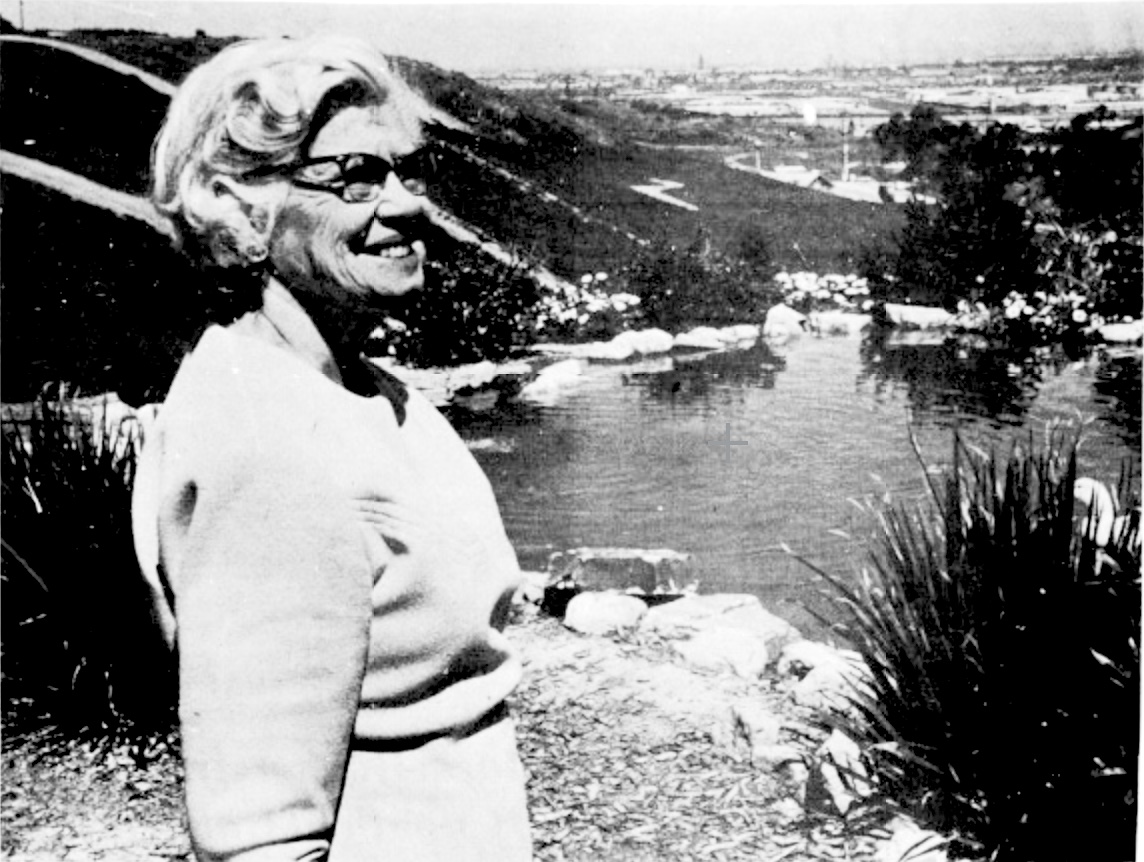
Frances Mason Young’s lifetime love of plants and gardening led her on a long and incredibly fruitful journey.
Born on Feb. 9, 1900, Young’s affinity for both stemmed from her childhood days roaming the woods near the family home in Memphis, Tennessee.
After marrying her husband, Richard, a highway construction engineer, the couple spent the early days living in various rental houses in Arizona, Nevada and California before settling in Hermosa Beach in 1935.
At every stop, she adorned their surroundings with a wide variety of plants and flowers. Once the couple settled in Hermosa, Frances immediately joined the South Bay Garden Club.
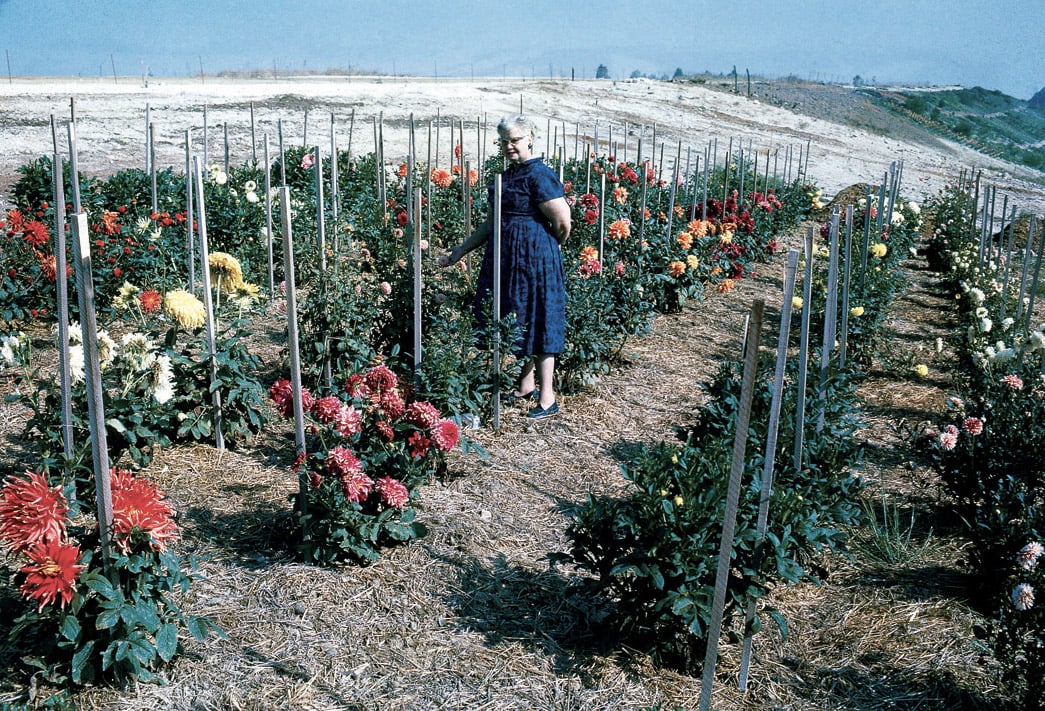
Their Second Street home became a well-known tour destination for aspiring gardeners. It was so popular she had to insist that visitors put their knives and scissors into a box before going in, to keep them from snipping too many cuttings and damaging her plants.
As an ardent gardening enthusiast, she paid frequent visits to the two major botanic gardens in the Los Angeles area, Descanso Gardens in La Canada and the Los Angeles County Arboretum in Arcadia.
In the days before the completion of the freeway system, it took much longer to get to those places, to her frustration. She told the Los Angeles Times in 1969 that, after one such lengthy commute to the Arboretum in the 1950s, “I got to thinking how ridiculous it was to have to travel that far to see an arboretum.”
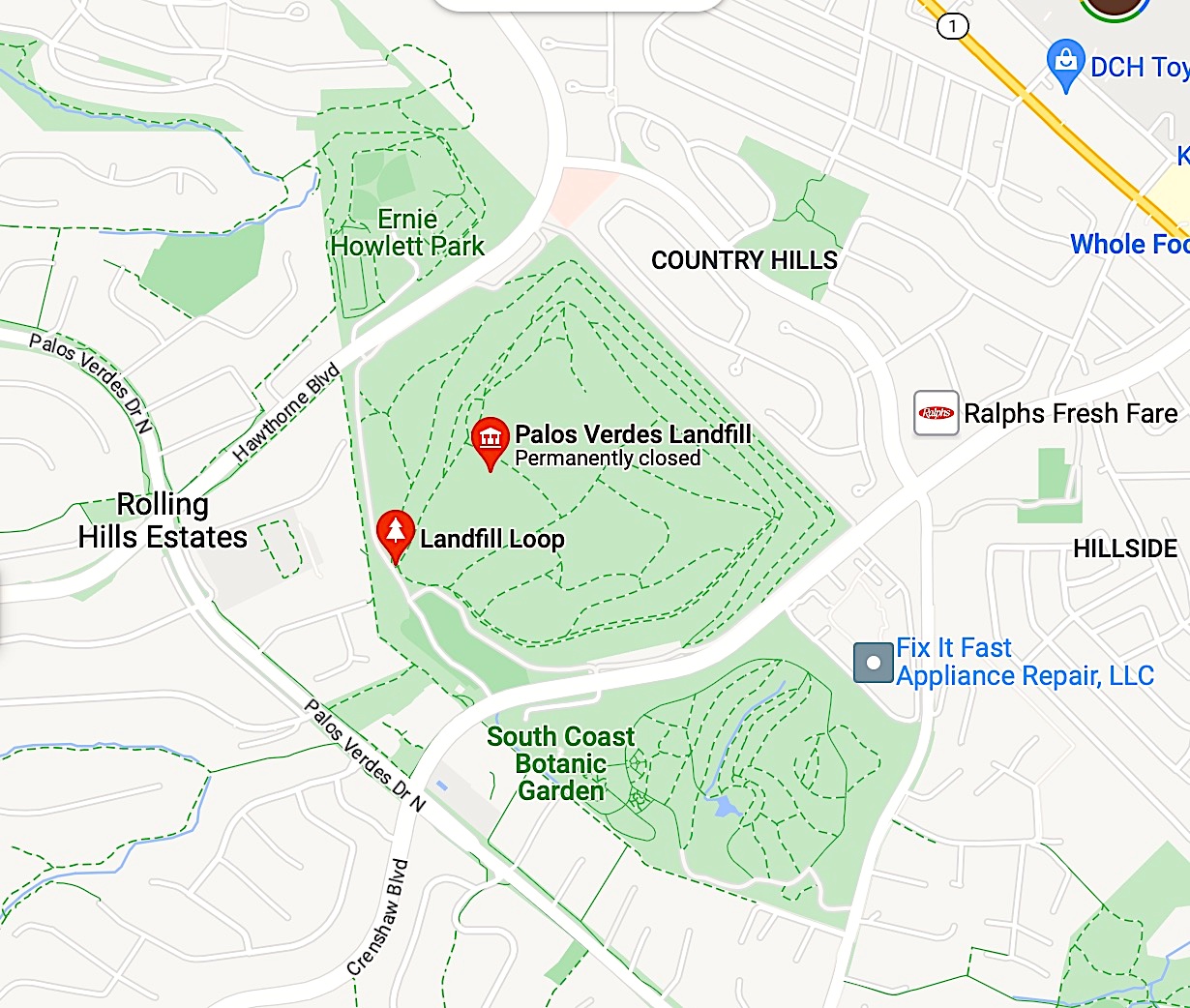
She set her sights on a piece of land that once had been a diatomaceous earth mine on the Palos Verdes Peninsula. In the early 1900s, the Dicalite Co. began harvesting the substance from a site near Crenshaw Blvd. and between Rolling Hills Road and Palos Verdes Drive North.
In 1929, open-pit mining began there, and in 1944, the Great Lakes Carbon Corp. purchased the site and began mining it intensively. By 1956, the mine had played out, and Great Lakes sold the land to Los Angeles County for $1.1 million.
The County long-range plan was to turn the site into a park, but first the decision was made to use it as a landfill before covering and converting it. The Palos Verdes Landfill operated on the site from 1957 through 1980.
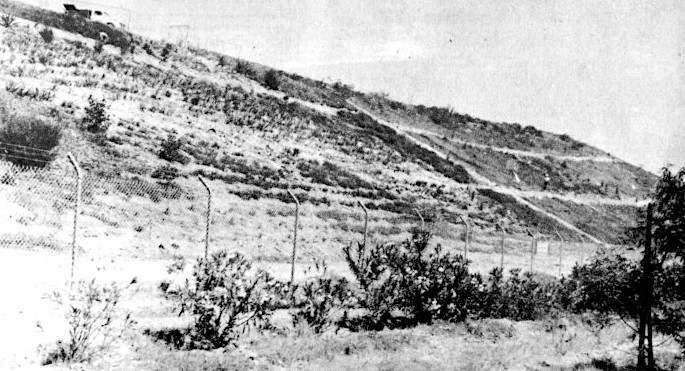
Young, along with her South Bay Garden Club cohorts and a widening group of area gardening enthusiasts, began petitioning the Board of Supervisors, specifically Supervisor Burton W. Chace, in 1958 to set aside a portion of the landfill site for the development of a regional botanic garden.
After much cajoling and convincing, the County agreed to the idea, officially designating the 87 acres of the landfill on the east side of Crenshaw as the South Coast Botanic Garden on April 1, 1960. An estimated 200 people attended the dedication of the Garden on May 20 of that year, a ceremony which included the Garden’s first plantings, three gingko trees.
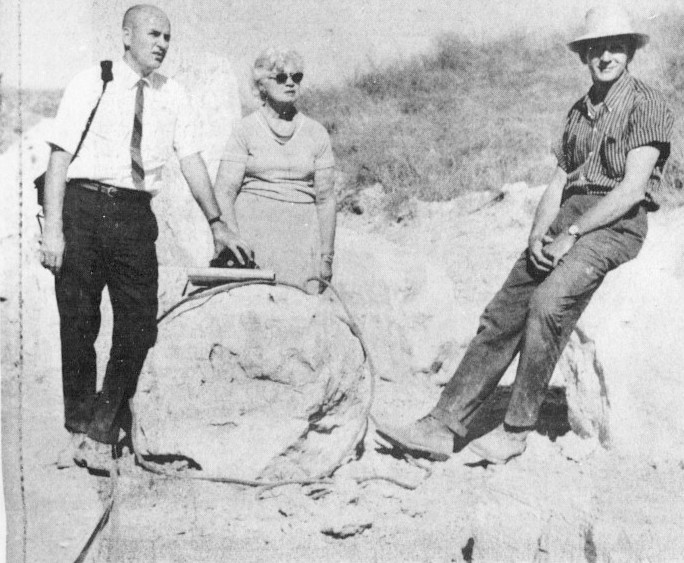
The County may have approved the plan, but it left most of the work of developing the new botanic garden to the South Coast Botanic Garden Foundation, the operating group founded in 1961 by Young and her gardening colleagues.
During 1961, the group planted approximately 40,000 plants they had acquired through donations from various sources, including the County Arboretum. The Foundation’s ambitious building plans included an information center and clubhouse, a weather station, comfort stations, an administration/library building and an auditorium.
Adding roads and structures to the garden proved problematic due to the settling of the landfill over the years. It was covered by only from three to five feet of soil, which led to unplanned dips on roads and trails and plumbing problems from pipes broken by shifting soil.
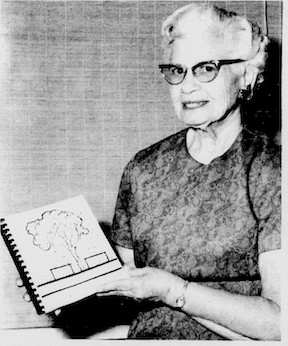
Young and her mostly volunteer support group rose to every challenge. By the time she retired as Foundation president in 1969, the only buildings yet to be built were the administration building and auditorium, and a stream and lake had been added to the grounds, in addition to thousands more plants.
That year, Young previously had a variety of rose named for her, and her locally published cookbook, Food, Flowers, Fancies, was issued. She was feted at a retirement ceremony in June 1969 that included the planting of three gingko trees commemorating her first such plantings at the garden in 1960.
Funding for the new administration building took several years, but construction on the one-story building finally began in 1975. The $868,000 structure included the auditorium, which was dedicated in 1976 after the project’s completion as the “Frances Young Hall of Horticulture.”
Through it all, she continued to live in Hermosa Beach, where she died at her home on April 8, 1978. She was 78.
The regional botanic garden that she worked tirelessly to bring to life continues to flourish, its plant population estimated to be in excess of 200,000. Its continued success stands as testimony to Frances Young’s vision and determination.
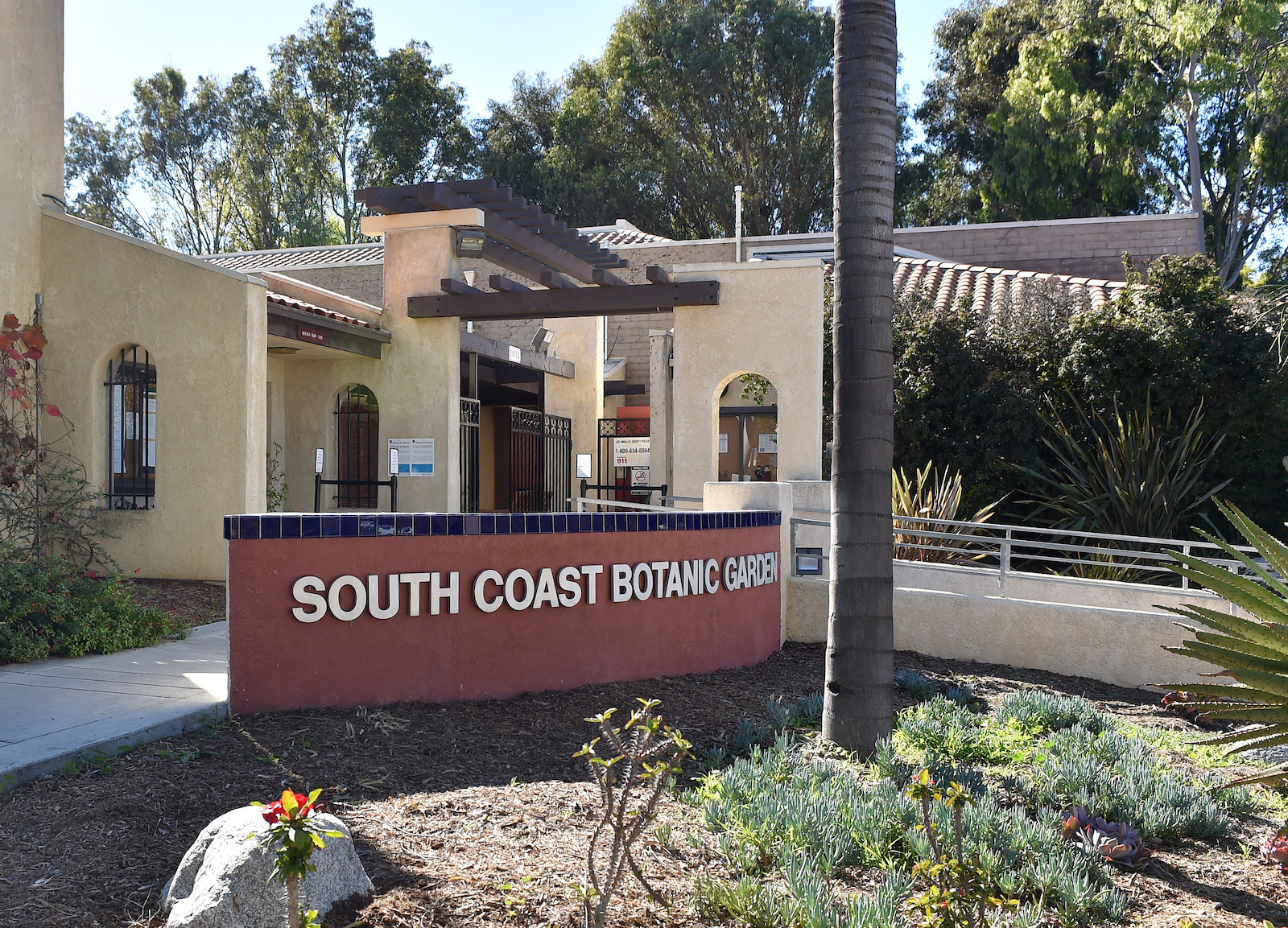
Note: The South Coast Botanic Garden is operated by the Los Angeles County Department of Parks and Recreation along with the South Coast Botanic Garden Foundation. It is located at 26300 Crenshaw Blvd, Palos Verdes Peninsula, CA 90274. For more information call 310-544-6815 or visit www.southcoastbotanicgarden.org.
Sources:
Daily Breeze archives.
FindAGrave website.
Los Angeles Times archives.
Palos Verdes Peninsula News archives.
South Coast Botanic Garden website.
“The South Coast Botanic Garden: From Landfill to Jewel of the Peninsula,” by Laurel Woodley, Pacific Horticulture website.
Torrance Press Herald archives.