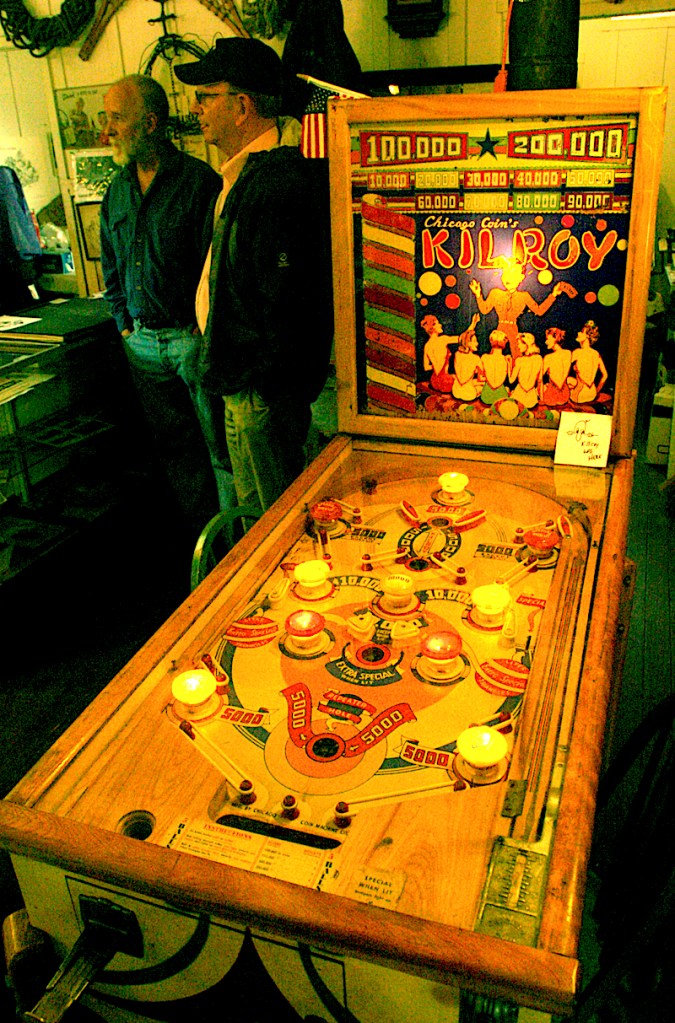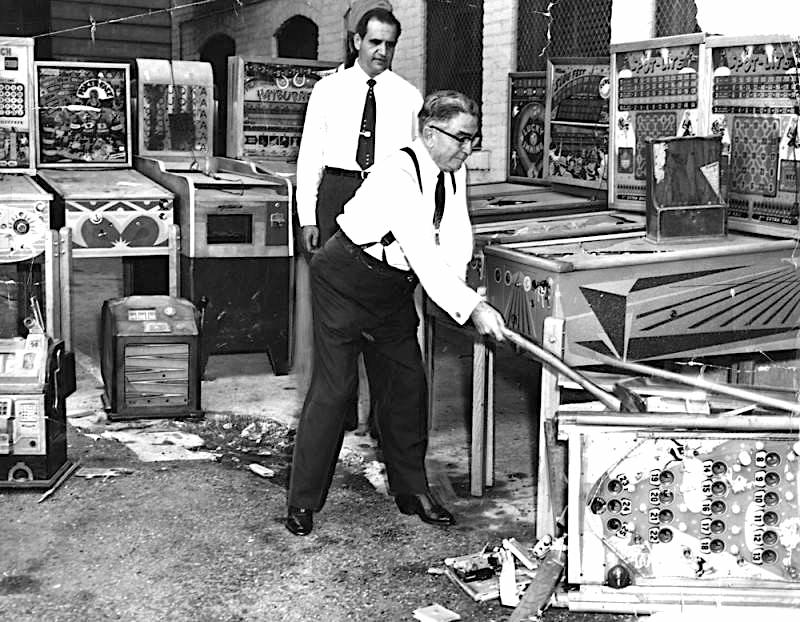
The pinball machines of the 1930s were different and far more primitive devices than the ones that became ubiquitous in bowling alleys and arcades during the 1970s and 1980s.
The first versions from the 19th century, known as bagatelles, were tabletop devices, and none of them had flippers, which weren’t invented until 1947.
The name “pinball” comes from these earlier machines. The “pins” were thin metal posts attached to the game board. Players attempted to steer a steel ball shot up into the top of the board into scoring holes, often using the metal pins to maneuver the ball.
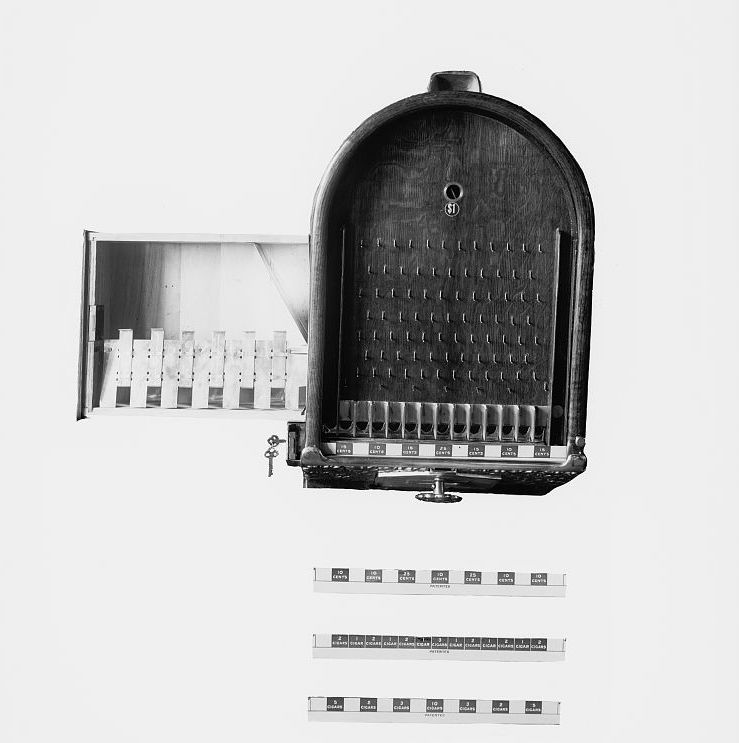
By the 1930s, innovations from the Gottlieb and Bally firms made the machines, now with their playing surfaces enclosed in glass, much more popular. These included coin operation (1931) and electrification (1933).
The games became common sights in bars, ice cream parlors, drugstores and other high-traffic businesses during the Great Depression. They were set up so that players could win free games by executing certain sequences, which mostly happened randomly. In some cases, the free games won could be converted into cash payouts.
That’s when law enforcement became involved. The random nature of winning turned pinball into a game of chance, not one of skill, and the law therefore considered the machines to be gambling devices.
The crackdowns on the machines began in the mid-1930s, when California Attorney General Ulysses Webb declared that pinball and related marble games were being used by organized crime for illegal gambling and called for local lawmen to enforce his edict against them.
Los Angeles County Sheriff Eugene Biscailuz became an enthusiastic advocate of the crusade, calling for a county-wide campaign against the games in March 1937. He faced some resistance from game operators, merchants and manufacturers, who argued that they should be considered games of skill.
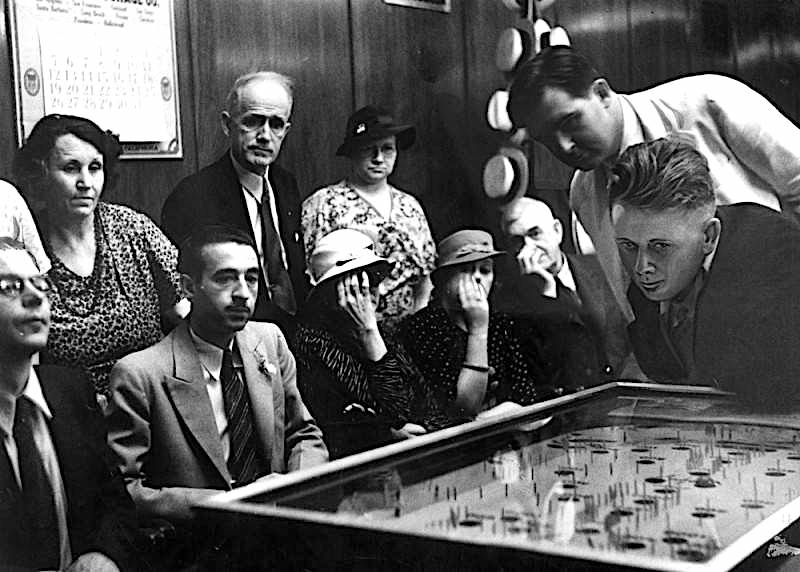
After all, trials attempting to prosecute owners and operators of the games in Los Angeles in 1934 and Hermosa Beach in 1936 had ended with innocent verdicts. The Los Angeles case turned dramatically when a defense witness successfully made a deliberate winning maneuver on a machine entered as evidence in the courtroom, convincing the jury that skill was indeed involved.
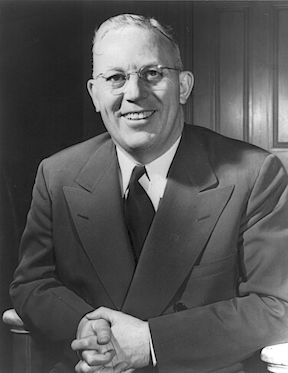
But cities soon began passing laws against the machines, especially when Webb’s state attorney general successor, Earl Warren, ratcheted up California’s campaign upon taking office in 1938. After several attempts, the city of Los Angeles passed an ordinance banning the games via a 1939 referendum election. The ban took effect in 1940. It took the county supervisors until 1947 to pass a similar law.
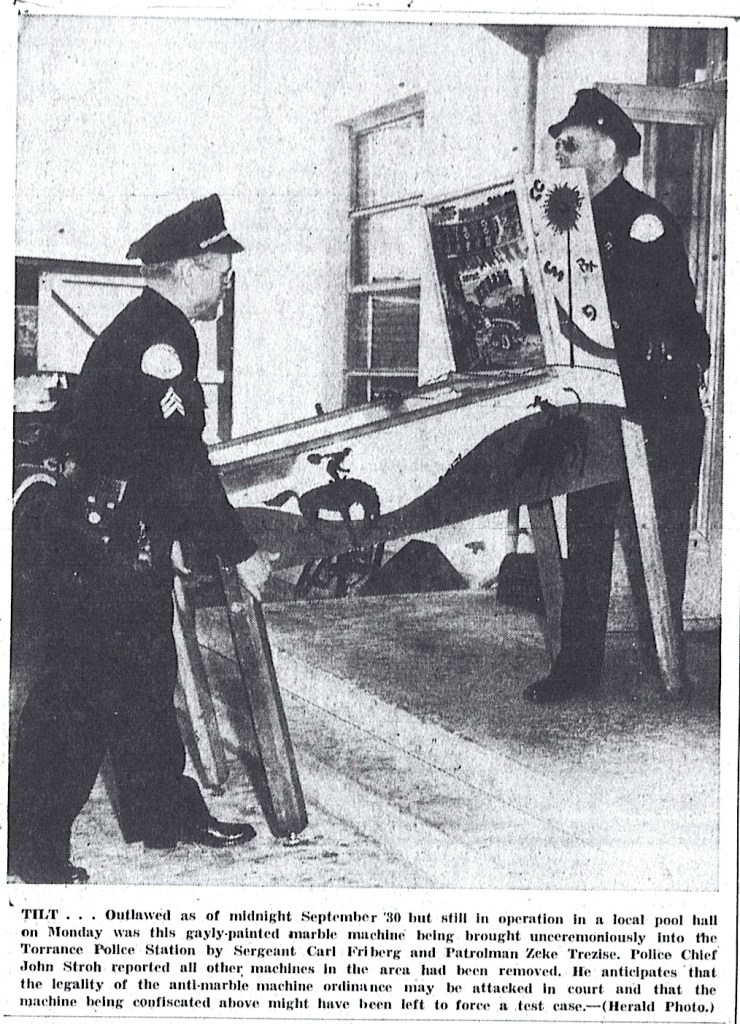
Manufacturers stopped making the games during World War II, turning their efforts instead toward helping the war effort. After the war, the machines returned to production. Anti-pinball forces resumed the seizing and smashing of the devices, and campaigned to have laws passed against them.
Cities from Long Beach to Monterey Park passed laws banning pinball during the 1950s, when the devices increasingly were painted as not only illegal, but immoral and corruptive to suburban youth.
According to the Torrance Herald, city resident, teacher and Torrance Council of Churches member Alan S. Moore told the council during its debate over them in 1950, “If we allow pinball machines to operate here solely because they are profitable, then we should by the same reasoning, allow houses of prostitution to operate in Torrance.”
The Torrance Press published a front-page editorial in the form of an open letter to the city council on May 25, 1950, urging them to pass the new law.
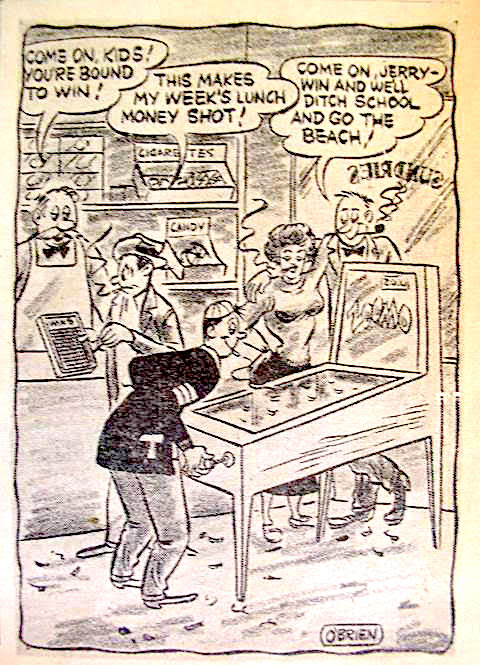
After several lengthy debates, the Torrance City Council passed its ban on the machines with a 4-1 vote in June 1950. Councilman Nick Drale was the only dissenter. A final version of the ordinance became law that November after its language was tightened up. Inglewood passed a similar law by unanimous vote in December 1954.
These laws remained on the books throughout the country for the next couple of decades. But manufacturers managed to update the machines by adding elements of skill to the games, allowing the players more control over outcomes.
U.S. Attorney General Robert F. Kennedy commented on this development in 1962, noting in an Associated Press story that changes being made in the newer machines made banning them as gambling devices more difficult.
In 1972, Los Angeles Superior Court Judge George Sax ruled that the pinball ban still in effect in the city of L.A. no longer was valid, due to the changes in the nature of the games since it took effect in 1940.
A year later, Torrance Police Chief Donald Nash recommended that the city rescind its 1950 ban on the machines, and the city council agreed. Many other municipalities had either dropped or were not enforcing similar regulations.
According to Wikipedia, most cities throughout the country did the same, though the city of Kokomo, Indiana, waited until 2016 to do so.
The machines enjoyed a resurgence in popularity during the 1970s and 1980s. They were marketed as amusements rather than gambling devices, allowing cities to regulate them and make money on them through licensing fees. The rise of home video gaming since then has turned the once-ubiquitous machines into curiosity pieces from a different era.
Sources:
“11 Things You Didn’t Know About Pinball,” by Seth Porges, Popular Mechanics, Sept. 1, 2009.
“The History of Pinball: A coin-operated arcade game,” by Mary Bellis, Sept. 19, 2019, Thought Co. website.
“The History of Pinball Machines and Pintables,” BMI Gaming website.
“Kilroy,” The International Pinball Database.
Los Angeles Times archives.
Torrance Press-Herald archives.