
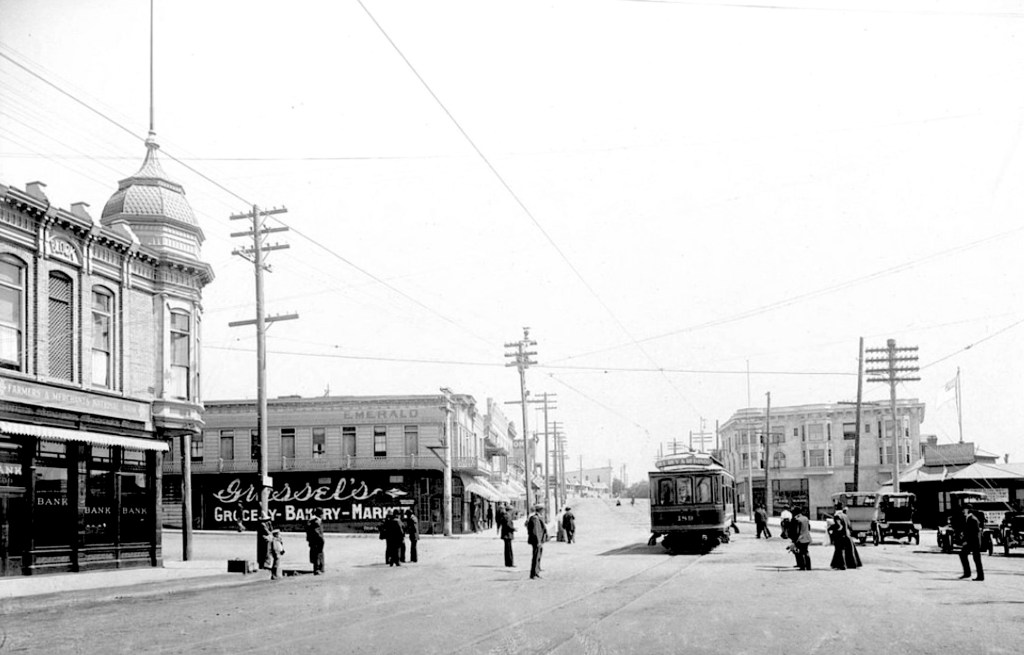
It’s hard to imagine Redondo Beach as a sparsely populated area without any surrounding communities. But, until the late 1880s, the resort town was considered an attractive but distant outpost.
In 1889, a couple of former Oregon riverboat captains, J.C. Ainsworth and R.R. Thompson, formed the Redondo Railway Co., the Redondo Hotel Co. and the Redondo Investment Co. All were part of their plan to monetize the seaside area’s vast tourist and real estate potential.
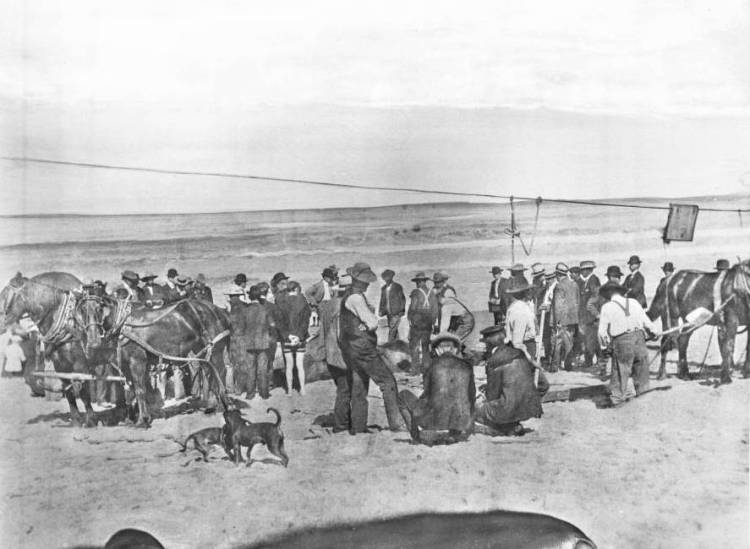
The Dominguez family granted the duo a 60-foot right-of-way through their land grants, allowing them to connect their steam-powered, narrow-gauge trains to existing Los Angeles rail lines in 1890. This allowed visitors from L.A. to connect, eventually, to a train that took them directly to the station behind the luxurious new Hotel Redondo, which opened on May 1, 1890.
Just up the line from the hotel lie the main Redondo Beach railroad depot. It was built at the intersection of Pacific Ave. and Emerald St. in 1888, in the middle of Redondo’s growing tourist/entertainment district. (Pacific Ave. disappeared during the King Harbor redevelopment of the 1960s.)
The Atchison, Topeka & Santa Fe Railway company built the depot for its line from Inglewood to Redondo Beach. Its right-of-way ran along present-day Valley Drive through Hermosa and Manhattan Beach before cutting inland. Its path was transformed into the beach cities greenbelt in the 1990s.
The Santa Fe line was the first railroad to carry passengers to Redondo when it opened in 1888, although it carried as much freight as human cargo back in the days when Redondo aspired to be a major seaport.
The Redondo Railway’s passenger trains made the trip faster, and became an immediate success soon after being launched in 1890. Tourists began flocking to the area, inspiring Ainsworth’s company to build a pavilion with a dance hall and auditorium in 1892. (A much larger pavilion replacing it opened in 1907.) Redondo Beach successfully incorporated that same year, by a vote of 177 to 10.
In 1896, the railroad was renamed the Los Angeles & Redondo Railway Co., and it continued to prosper until the end of the decade. As the new century dawned, the LA&RR plotted to consolidate its hold on Redondo Beach by switching its trains and routes from steam power to electric.
Two lines served the city. The Redondo via Gardena line ran inland from South Los Angeles to Redondo, while another line ran from Inglewood to Redondo.
The conversion to electrification for both lines was completed by May 1903.
A rival company, the Los Angeles Pacific Co., operated the Redondo Del Rey line. It ran from Culver City to Playa Del Rey, then south to Redondo, generally following the path of present-day Vista Del Mar.
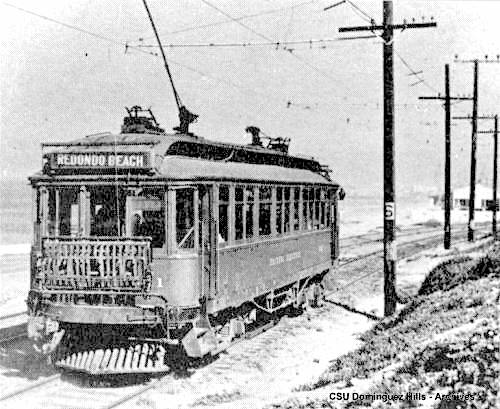
All of this activity attracted the attention of Henry Huntington, owner of the Southern Pacific Railroad Co. In 1901, he formed the Pacific Electric Railway. His plan: to consolidate all of the various Los Angeles rail transport companies under one umbrella. Along the way, the company’s Red Cars would become enduring symbols of the area’s beloved early 20th century rail transit system.

In 1905, Huntington’s firm first bought out the Redondo Investment Co., which controlled most of the city’s real estate inventory. Then, just four days later, he purchased the LA&RR. This gave him control of most of the city’s major business resources, with the exception of the Hotel Redondo. His actions brought about a short but frenzied land boom in the city.
Pacific Electric continued buying smaller operators for the next few years, including the Los Angeles Pacific Railway in 1906. Rail lines were expanded, including a 2.1-mile extension from the Redondo Beach terminus to Clifton By The Sea, the Redondo development where Huntington had built a residence for himself in 1906.
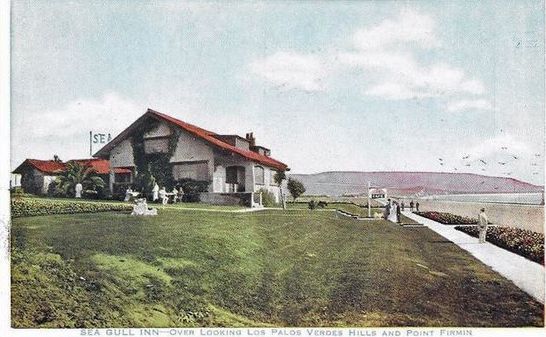
In addition to the city’s new Pavilion, Huntington also built the bathhouse and other attractions along El Paseo in the city’s entertainment district, as well as building the large $1.25 million steam-generated electric power plant used in part to power his trains. The plant opened in 1907.
In 1910, Huntington pulled out of Redondo. He decided to sell all of Pacific Electric’s operations to Southern Pacific, the company founded by his father, Collis Huntington. Southern Pacific reorganized in 1911, keeping the Pacific Electric name to operate the trolley system, and putting its freight operations under the SP banner.
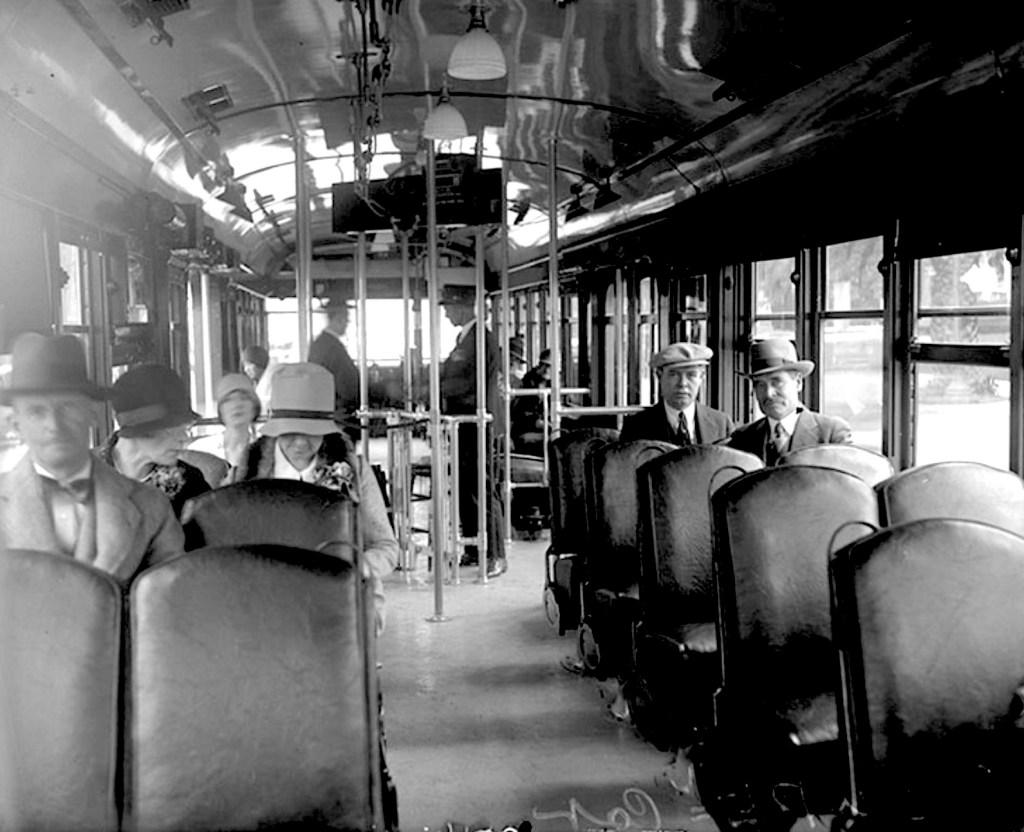
For the next three decades, the Red Cars operated under the Pacific Electric name in the South Bay and Harbor Area, offering cheap, reliable transportation to tens of thousands of people every year.
A variety of factors brought about the system’s gradual decline. Road and highway improvements fueled by the growing popularity of automobiles, followed by the development of freeways dealt a blow to the Red Cars.
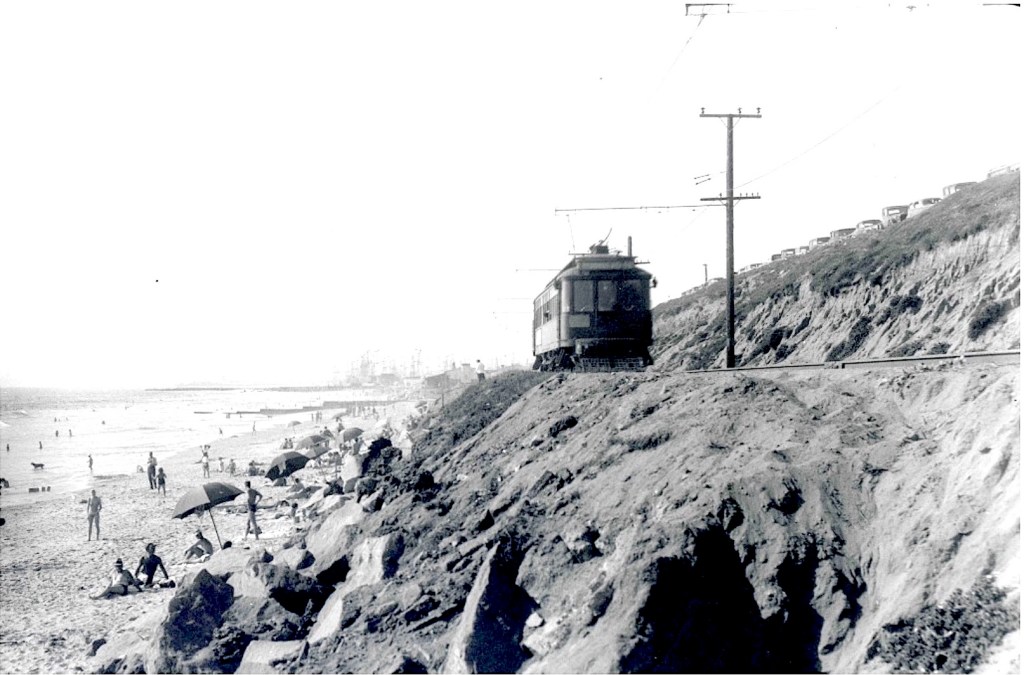
(Credit: Historical Photo Collection of the Department of Water and Power, City of Los Angeles)
Conspiracy theorists also point to the decision in the 1940s to replace downtown trolleys with diesel-powered buses, which benefited the auto, oil and rubber industries. Lifestyle changes caused by the rise of suburbia and the inability of the trolley system to serve these new neighborhoods efficiently also contributed to their demise.
The last remaining Red Car line closed after a final trolley from Los Angeles to Long Beach completed its run on April 8, 1961.
But the South Bay lines already had been abandoned two decades earlier. The Red Car lines serving Redondo Beach, Torrance, San Pedro and Gardena all closed during 1940. The last trolley to Redondo made its final run on Nov. 18, 1940.
Sources:
Daily Breeze files.
“The Los Angeles & Redondo Railway Company,” The Electric Railway Historical Association of Southern California website.
Los Angeles Times files.
Old Redondo: A Pictorial History of Redondo Beach, California, by Dennis Shanahan, Legends Press, 1982.
Pacific Coast Architecture Database.
The Pacific Electric Railway Historical Society website.
Pacific Electric Red Cars (unpublished manuscript), by Bob Petersen, Redondo Beach, 1992.
“Riding the Big Red Car: Work, Leisure, and Community in Multiethnic L.A.,” by Ryan Reft, Dec. 12, 2014, KCET website.
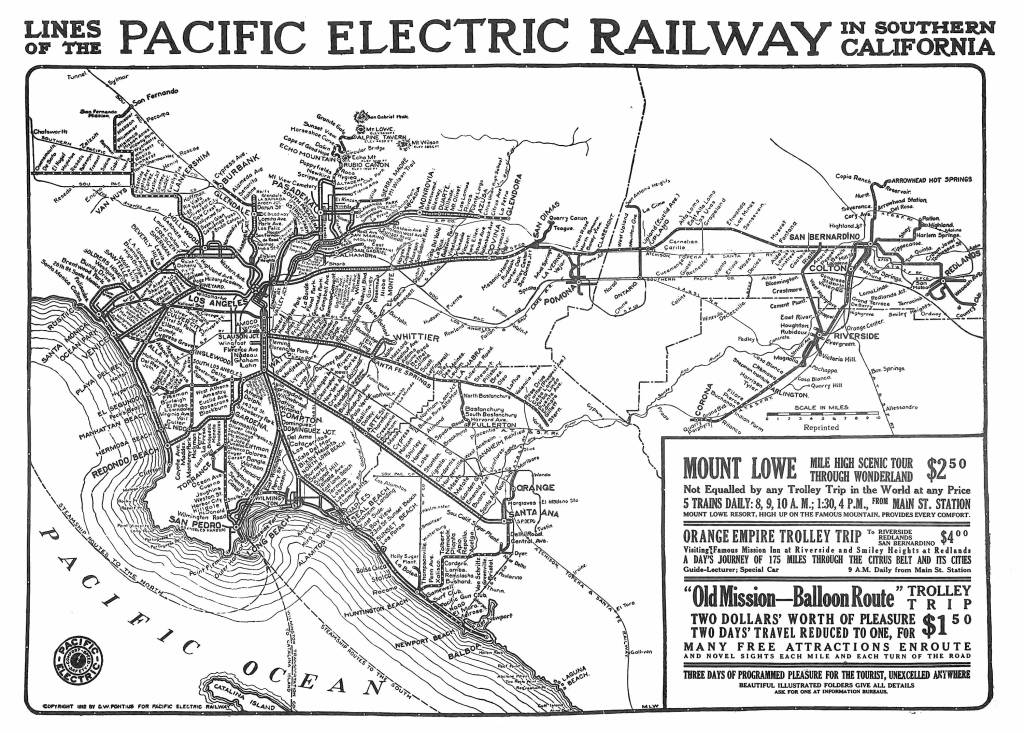


I have always assumed that the rail line ran down Catalina down to Ave I in Redondo Beach, based on the width of Catalina. Is that where the actual terminus was?
Re Clifton, I’d love to see a future post on that. I know that used to show up on Google Maps. Perhaps a future post on that?
LikeLike
Hi Michael,
The only map I have showing the end of the line shows it indeed going down Catalina after the Hotel Redondo stop and ending at Avenue I, just as you suggest.
I haven’t done a whole post on Clifton, that’s a good suggestion. I’ll put it on my list.
Thanks for reading!
Sam
LikeLike