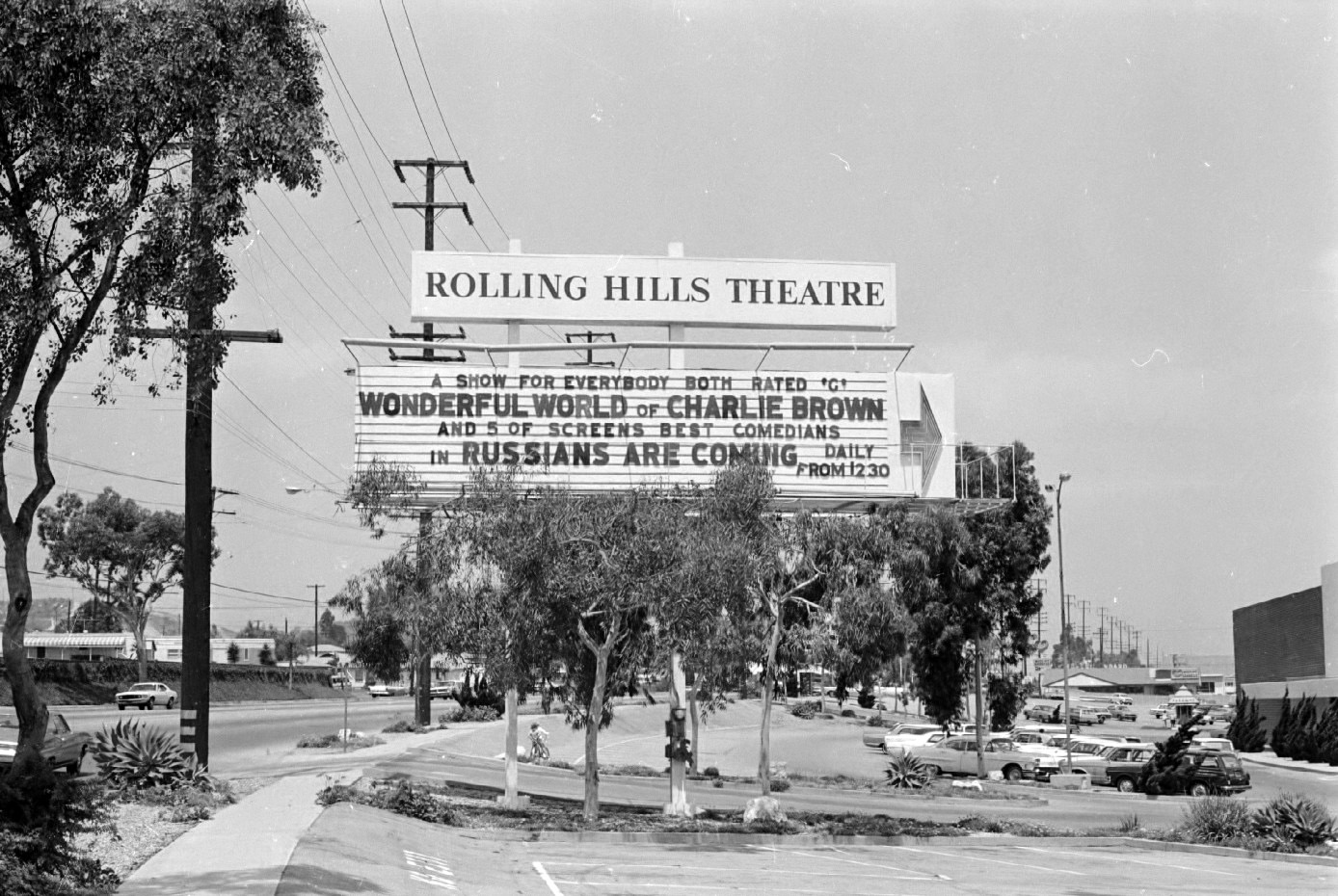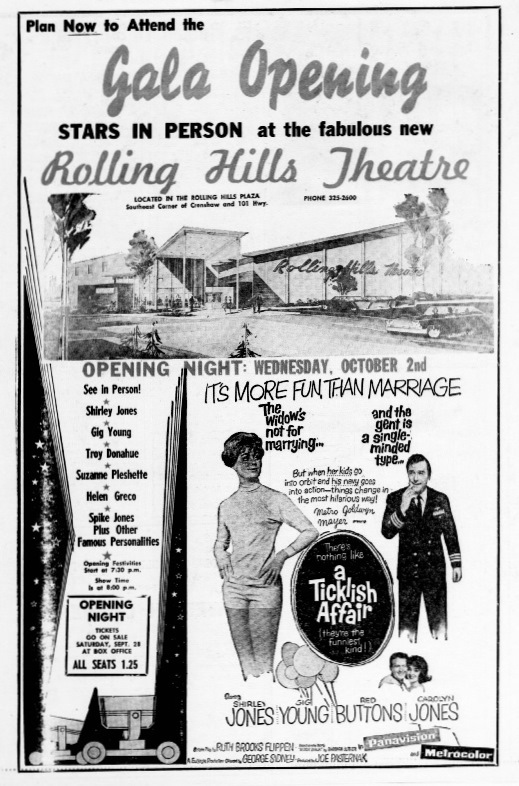
The grand opening of the Rolling Hills Theatre in Torrance on the night of Oct. 2, 1963 was a gala event for the city.
The new single-screen movie theater was a showplace, drawing customers to the Rolling Hills Plaza shopping center at the corner of Crenshaw Boulevard and Pacific Coast Highway, which had opened two years earlier.
The romantic comedy “A Ticklish Affair” screened at the theater’s debut, which featured personal appearances by the film’s stars, Shirley Jones and Gig Young.
In addition, Troy Donahue and Suzanne Pleshette, stars of “Rome Adventure,” also appeared, along with Helen Greco and musician and bandleader Spike Jones.
Other movies shown during the theater’s first month of operation included the thriller “Shock Corridor,” “Diamond Head” starring Charlton Heston and Jack Lemmon and Shirley Maclaine in “Irma La Douce.”
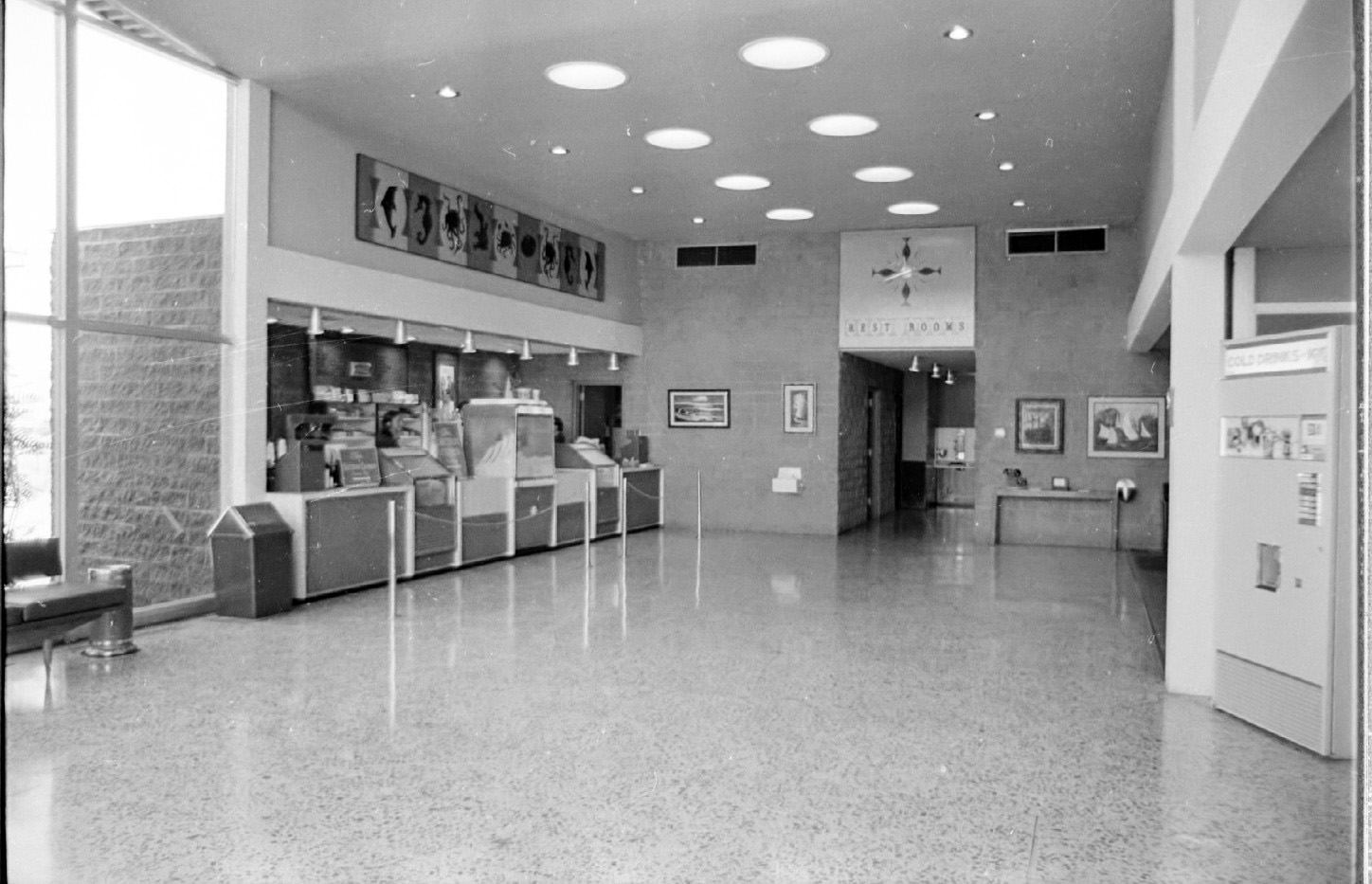
The theater, owned by the small Sterling Theatres chain, was an immediate success, and became known for its attempts to present family-oriented fare, with many special matinees and Saturday programs for children.
Sadly, the Rolling HIlls Theatre also would become known as the site of one of the most horrifying crimes in South Bay history.
Sometime after the theater closed on the night of Sunday, Feb. 11, 1973 at 11:45 p.m., a robber bound four theater employees, ushers George Cernik, 19, and Guy Brown, 29, projectionist Clyde Felts, 49, and assistant manager Lynda Rose Freeman, 31.
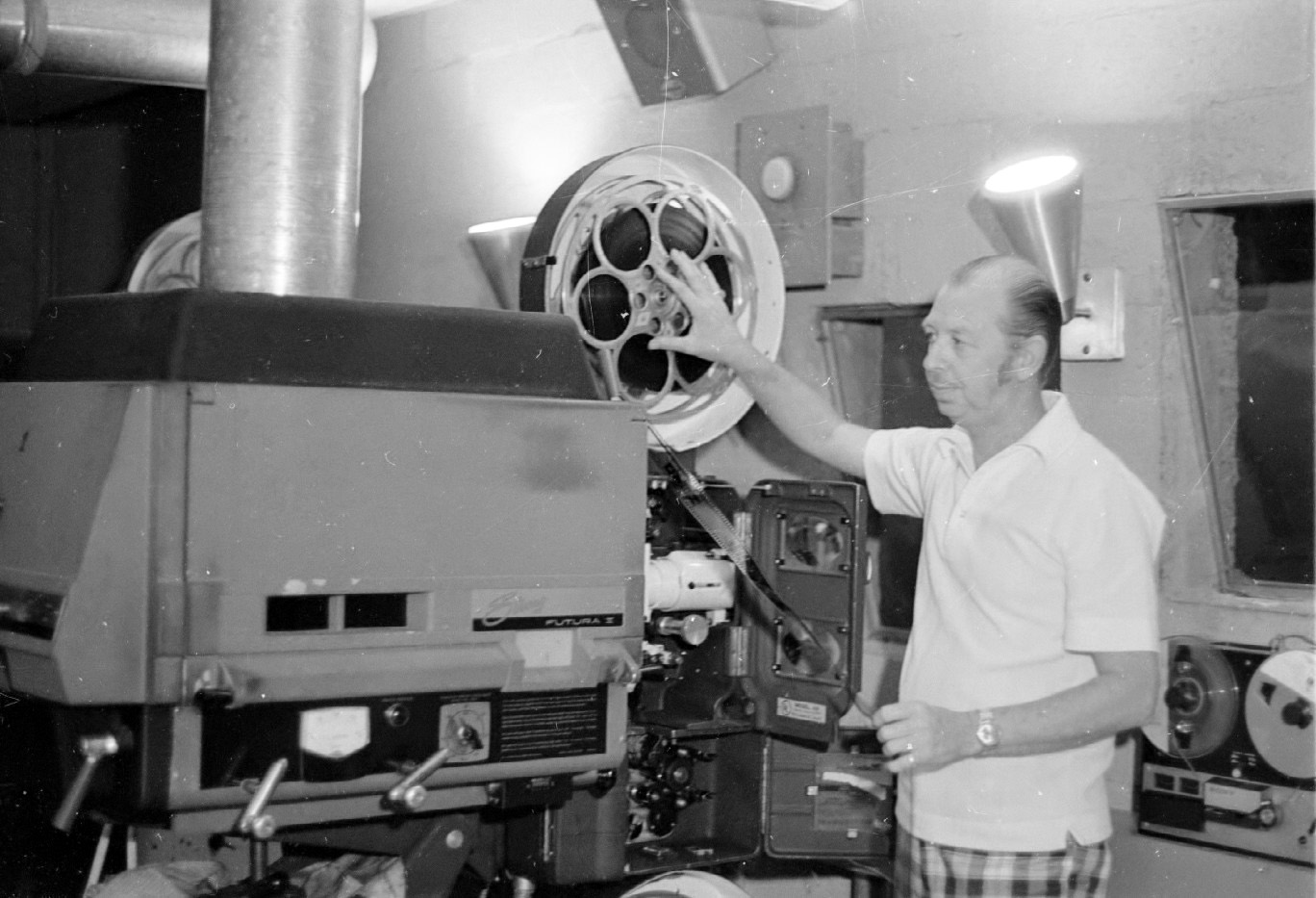
The robber stole $2,000 from the theater’s safe, then systematically cut the throats of the four employees, and also shot Felts in the shoulder.
Torrance police officers Gil Kranke and Tom Jarvis were let in by a custodian who arrived after the killings had taken place, and discovered the bodies in the manager’s office at about 6:30 a.m. Monday morning, February 12, 1973. A veteran officer described the murder scene as the most gruesome he had ever seen.
An immediate search for those responsible began, with a reward that rose to $45,000 offered for information leading to the arrest of the perpetrators.
At first, police believed that three men were responsible for the crime, and drawings and descriptions of the suspects were circulated. Several suspects were interviewed and cleared of involvement.
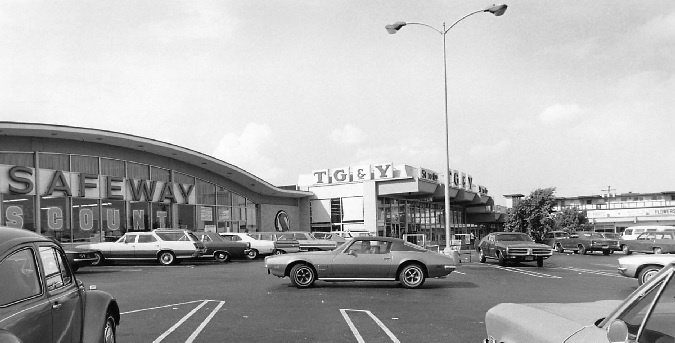
On March 27, 1973, Jack Sweeten, 52, the assistant manager of the TG&Y store at 4675 Torrance Boulevard in Torrance in the shopping center at Anza Avenue and Torrance, was killed during a robbery.
A few days later, on April 2, Torrance police arrested John Roy Maheu, 29, on outstanding misdemeanor traffic warrants. Maheu was an unemployed petty criminal with a long rap sheet who was known to police after his many arrests in the city.
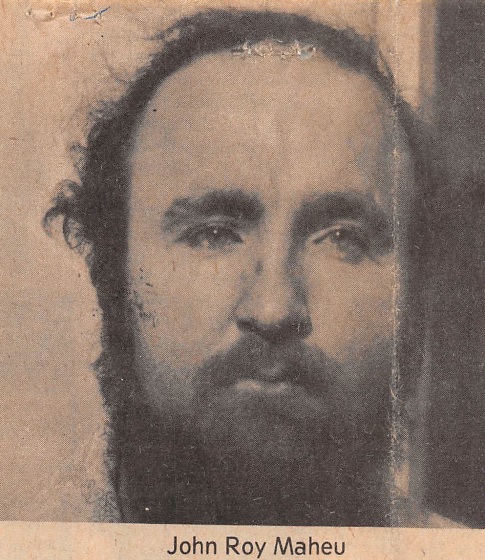
On the morning of April 3, Maheu was found unconscious in his cell and taken to Little Company of Mary Hospital, where he was pronounced dead due to an overdose of barbiturates.
Further investigation revealed that Maheu was responsible for both the Rolling Hills Theatre and the TG&Y killings. He never had to be held accountable for the crimes.
The theater continued to operate, starting up low-cost special programs for senior citizens, free “ladies’ matinees” and family-friendly screenings of Disney films and other wholesome fare.
In May 1975, Sterling, now renamed SRO, the Sterling Recreation Organization, remodeled the theater, turning it into a twinplex showing second-run films. The larger of the two showed “The Longest Yard” and “Bang the Drum Slowly,” while the smaller one played “Blazing Saddles” and “Portnoy’s Complaint.”
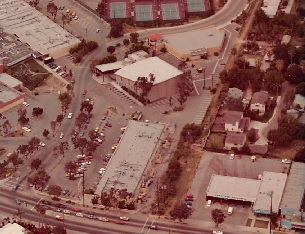
A major remodeling of the shopping center ultimately led to the demise of the Rolling Hills Theatre in the 1980s. During planning for the upgrade by developer Norm LaCaze, SRO was given the opportunity to build a new multiplex planned for an area just north of the old theater, but declined.
The theater closed for good after the Sunday, Sept. 9, 1984 showing of “The Jungle Book.”
AMC ended up building the Rolling Hills 6 multiplex at Rolling Hills Plaza, which opened on Friday, May 16, 1986.
That six-theater complex eventually was greatly expanded into the shopping center’s current theater complex, the AMC Rolling Hills 20, which opened on Friday, July 25, 1997 to massive crowds and a jammed parking lot.
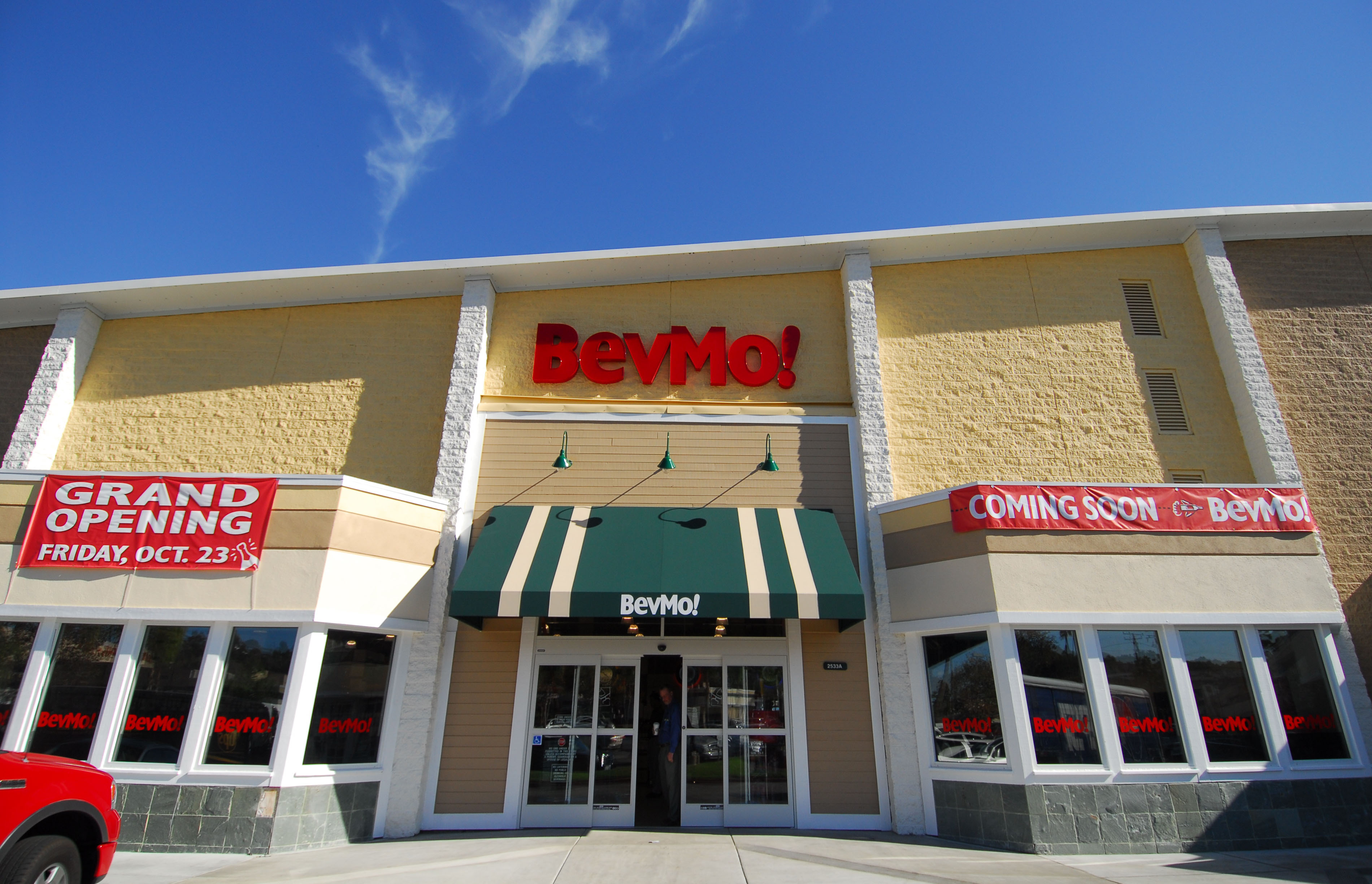
A succession of businesses have been housed in the still-standing Rolling Hills Theatre building, which retains its distinctive trapezoid-shaped roof after many remodelings. A Bev-Mo is among those tenants currently occupying the building.
Sources:
Daily Breeze files.
Torrance Herald files.