Erstwhile developer A. Richard Walters saw Walteria’s potential early on, decades before the charming neighborhood became part of the city of Torrance.
In the early 1880s, the then rather desolate area was nothing more than a stop along the twice-weekly stagecoach line that connected Wilmington and the Harbor Area to Redondo Beach.
Walters built a small hotel at the stop, and led visitors on carriage tours of the area at the northern base of the Palos Verdes hills. These included looks at the large seasonal water runoff area that would become known as Lake Walteria, which we wrote about in 2019.
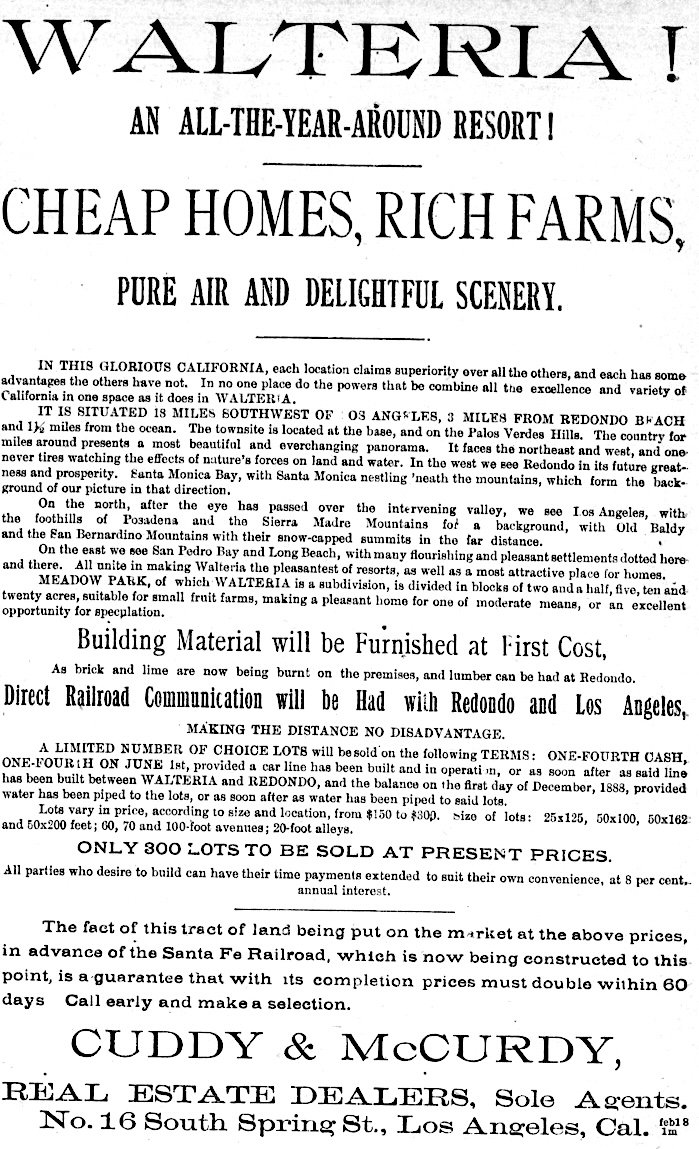
In 1886, he began offering lots for sale in the area, which originally was considered to be part of the Meadow Park district. Prices for the five, ten and twenty-acre lots ranged from $40-$75 per acre in the ads he placed in the Los Angeles Times over the next couple of years.
The vaguely Spanish-sounding Walteria name probably seemed more appealing and Spanish-sounding than “Walters” would have been.
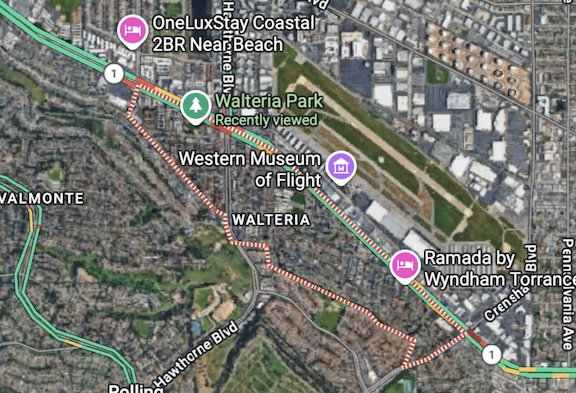
The still-unincorporated neighborhood continued to grow in the early 1900s. By November 1924, an estimated 225 families lived in Walteria. The area is bordered by Crenshaw Boulevard on the east, Pacific Coast Highway on the north, Vista Montana to the west; and roughly the Palos Verdes hills on the south.
This growth and the area’s strategic location made annexation by Torrance a real possibility, as the city had made many such annexations during the era. The city’s first attempt to annex Walteria’s .39-square-mile chunk of land in 1927 fell four votes short, but voters agreed to it after a second vote on March 12, 1928.
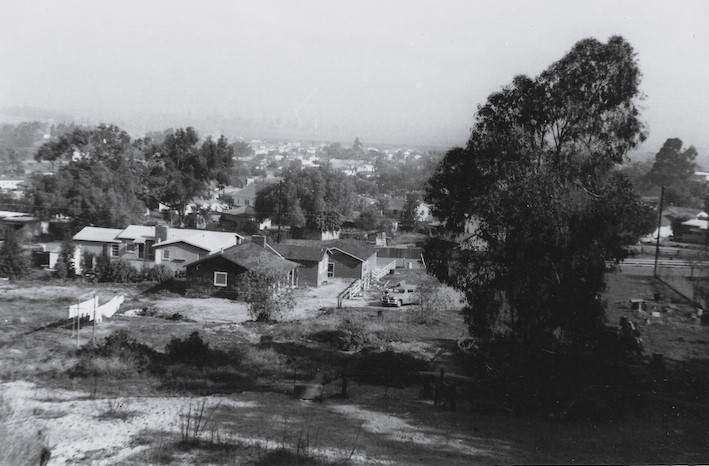
The original brick Walteria School had opened at 242nd and Park streets in 1925. For its first couple of years, it fell under the administration of the Redondo Beach school district.
In 1927, it was switched to the Los Angeles Unified School District. (It would not become part of Torrance Unified until that school district was formed in 1947.)
The school’s infrastructure was damaged by the Long Beach earthquake in 1933, and again by the 1941 Torrance quake. It finally was rebuilt at its present location at 24456 Madison St. in 1949 after becoming part of Torrance Unified.
The city finally tamed unruly Walteria Lake in 1964. It currently exists as a large sump, the Walteria Lake Retention Basin, located just west of Hawthorne Blvd. and a few blocks north of Pacific Coast Highway, at 238th St.
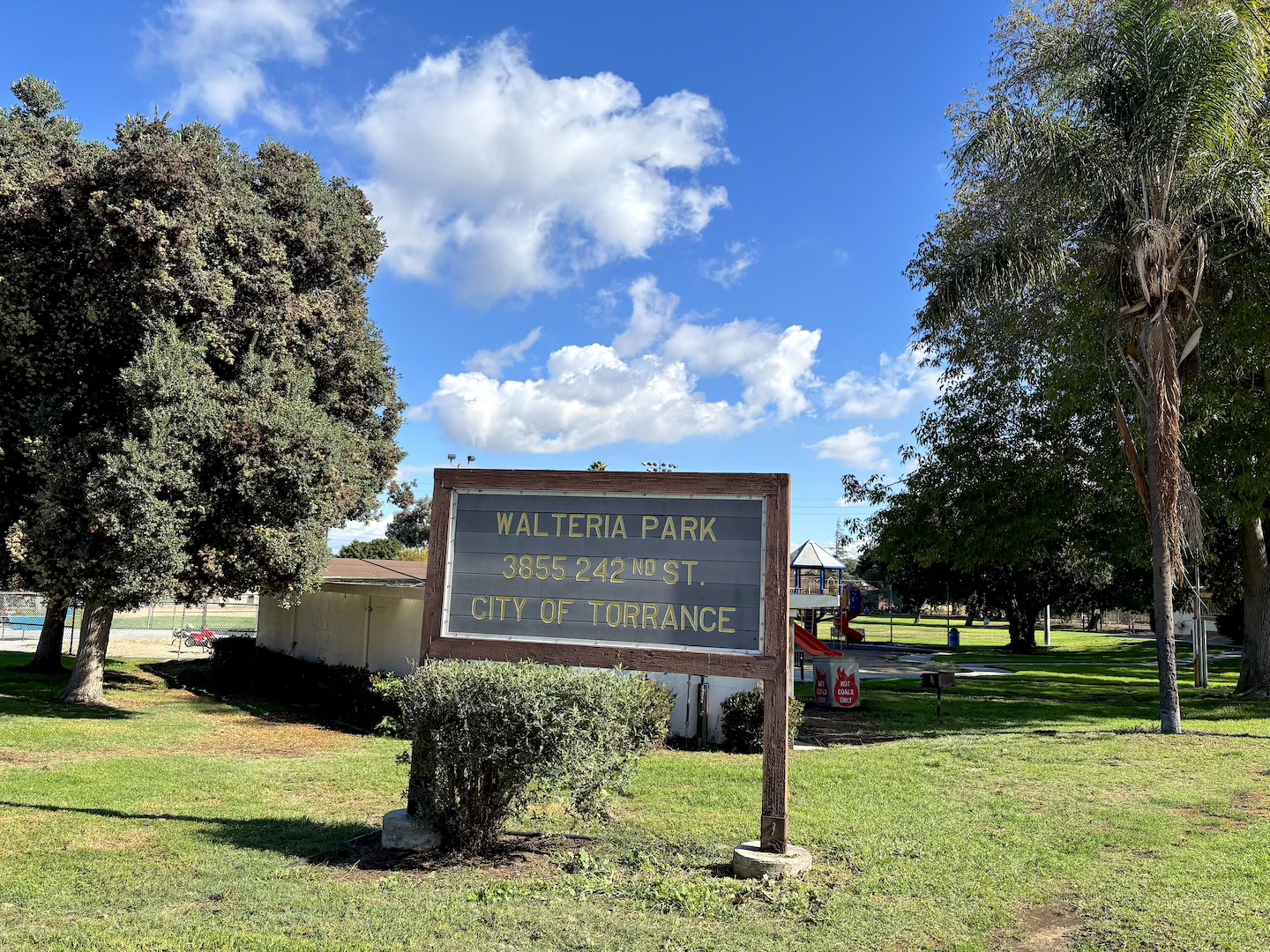
The 4.5-acre Walteria Park has been an important part of the community since the 1940s, though it didn’t become an official Torrance city park until the early 1960s when the city made some of its makeshift fixtures more permanent.
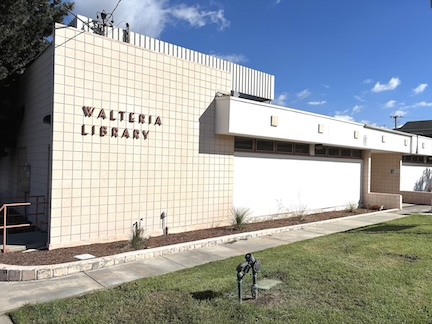
The park also is the permanent home of the Walteria branch of the Torrance Public Library system. The library branch originally was ensconced in a repurposed army barracks in July 1937, with a collection of 500 books.
The library lived in surplus U.S. Army buildings following World War II, including a quonset hut at one point. Finally, a permanent library building was built on land on the southwest corner of Walteria Park, where it opened in 1962.
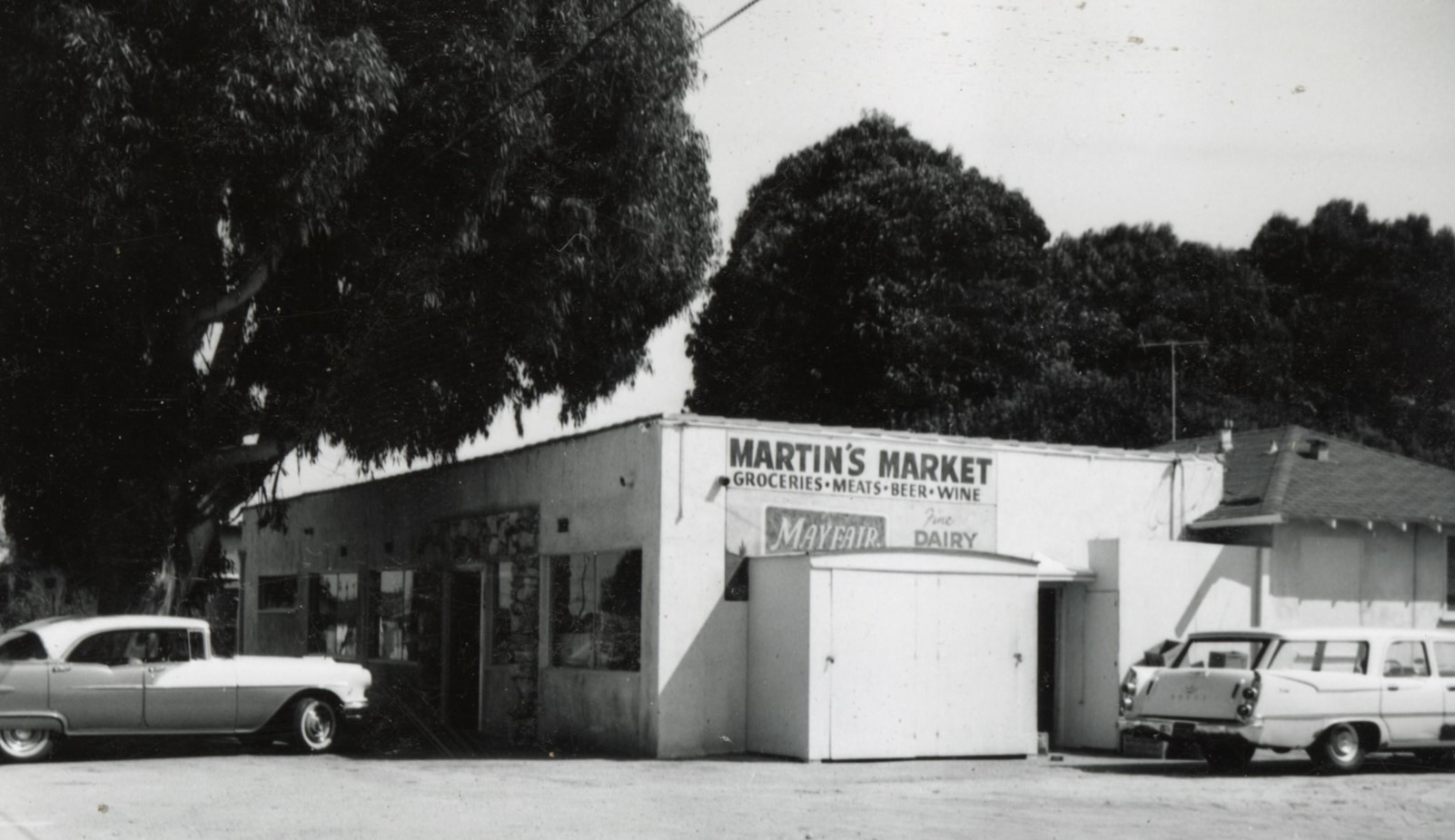
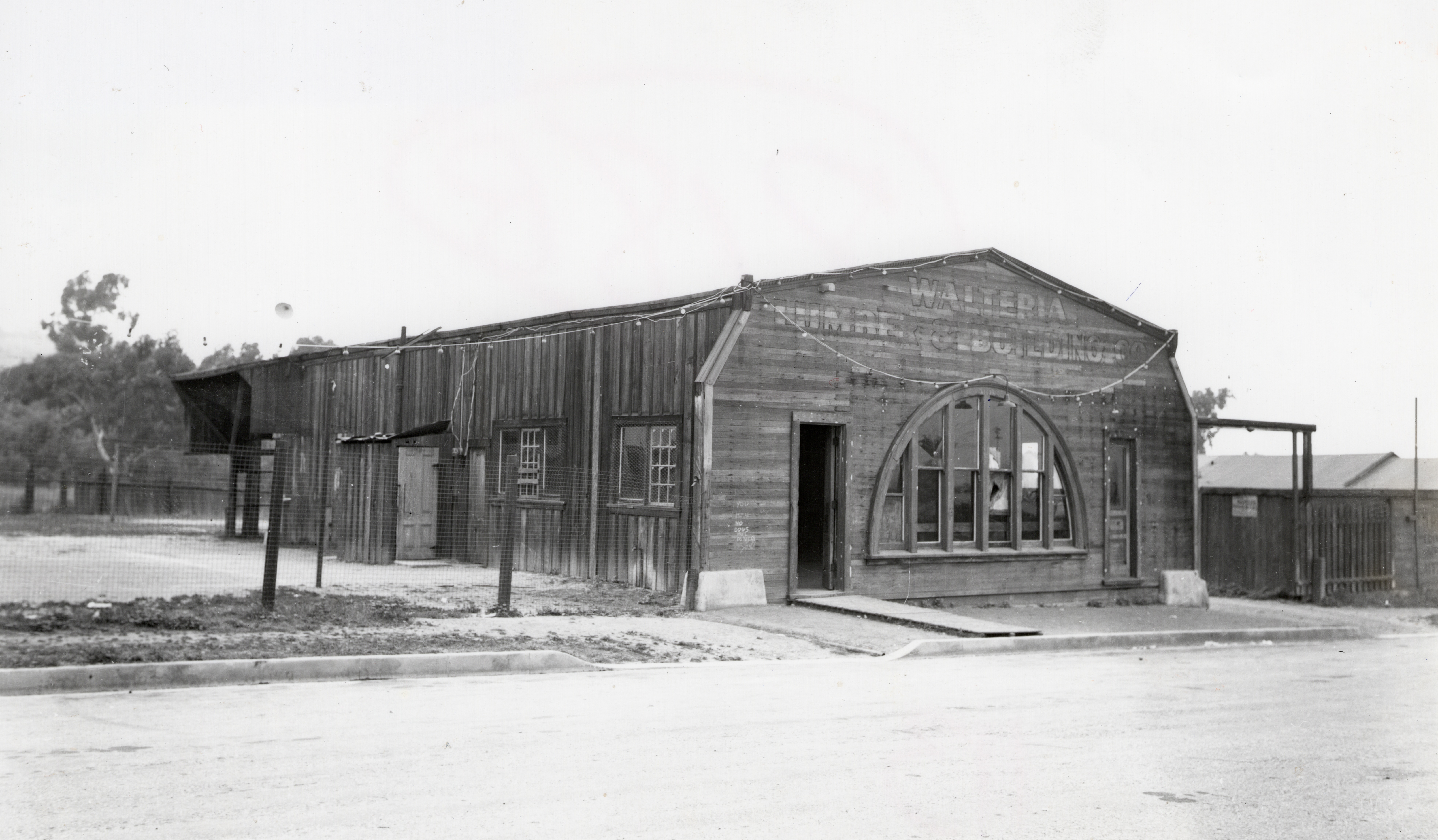
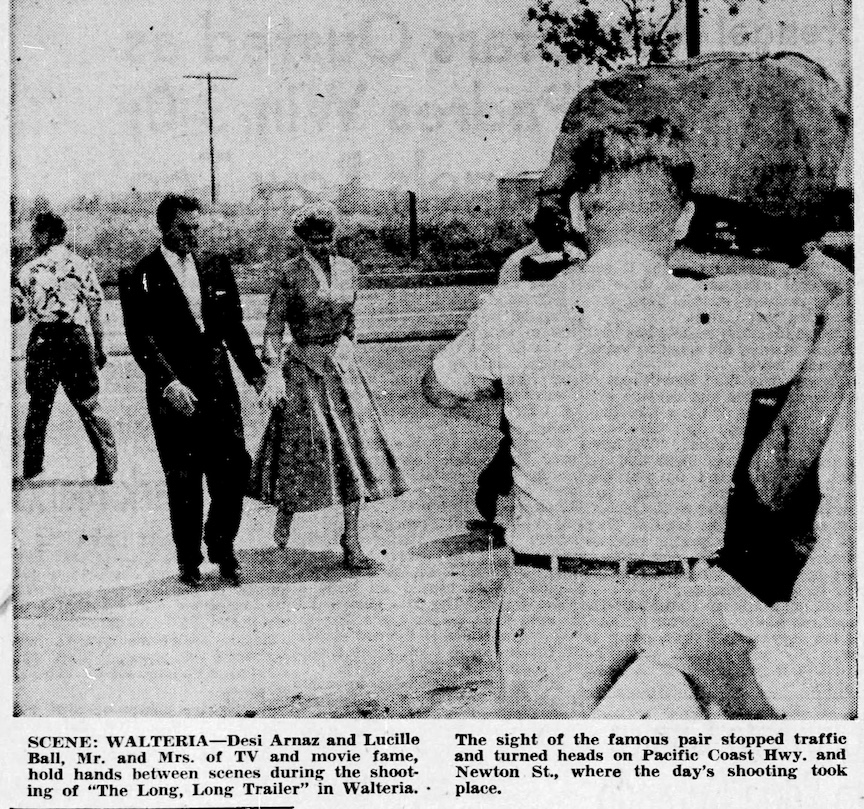
Walteria has evolved from being an isolated stagecoach stop to an island of small-town charm in the midst of high-density modern Torrance.
Note: Special thanks to the staff of the Torrance Historical Society & Museum.
Sources:
Daily Breeze archives.
The History of Torrance Schools, 1890-2000, by Thomas Rische, TUSD History Project, 2002.
Los Angeles Herald archives.
Los Angeles Times archives.
Palos Verdes Peninsula News archives.
San Pedro News Pilot archives.
Torrance Historical Society & Museum archives.
Torrance Press-Herald archives.