Japan’s surprise attack on Pearl Harbor in Hawaii on Dec. 7, 1941, was not an isolated act of war. Instead, it was just one part of a series of coordinated military attacks on Western colonies and outposts in the Far East on that day.
Japanese forces also attacked Indochina as Southeast Asia then was known. This included Vietnam, Myanmar, Thailand, Laos, Cambodia, and parts of Malaysia, as well as American outposts in Guam, Hong Kong and the Philippines.
As a result, by mid-1942, Japan controlled all the rubber growing, production and shipping operations in the region, which accounted for more than 90 percent of the world’s supply. Rubber was key to wartime operations, not just for vehicle tires but for ships, airplanes and just about every other implement used in warfare.
The Allies had stockpiles of rubber that would last for roughly 18 months, not nearly enough time to get any kind of natural rubber production started. They were in a real bind.
They found the answer in the newly rising industry of synthetic rubber production. A loosely organized, rather desperate plan implemented beginning in 1942 resulted in the construction of more than 50 factories doing just that over the next 30 months in the U.S. alone.
The effort succeeded. The amount of synthetic rubber produced rose from next to nothing to more than 900,000 pounds a year. Wartime crisis averted, but the roots of another slower-burning problem had begun to take hold.
As it turns out, the production of synthetic rubber relies upon three toxic ingredients: butadiene, styrene and lamp black.
Butadiene, an oil-based substance that turns out to be highly carcinogenic, styrene, which causes nerve respiratory and eye damage in large concentrations, and lamp black, the production of which coated towns near factories with black soot.
The problems were more severe in industrial areas such as Akron, Ohio, known for its rubber production. But it turns out the South Bay was not immune.
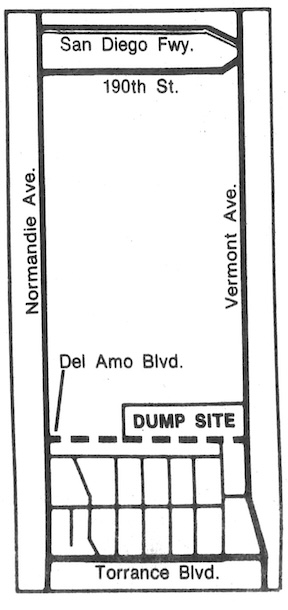
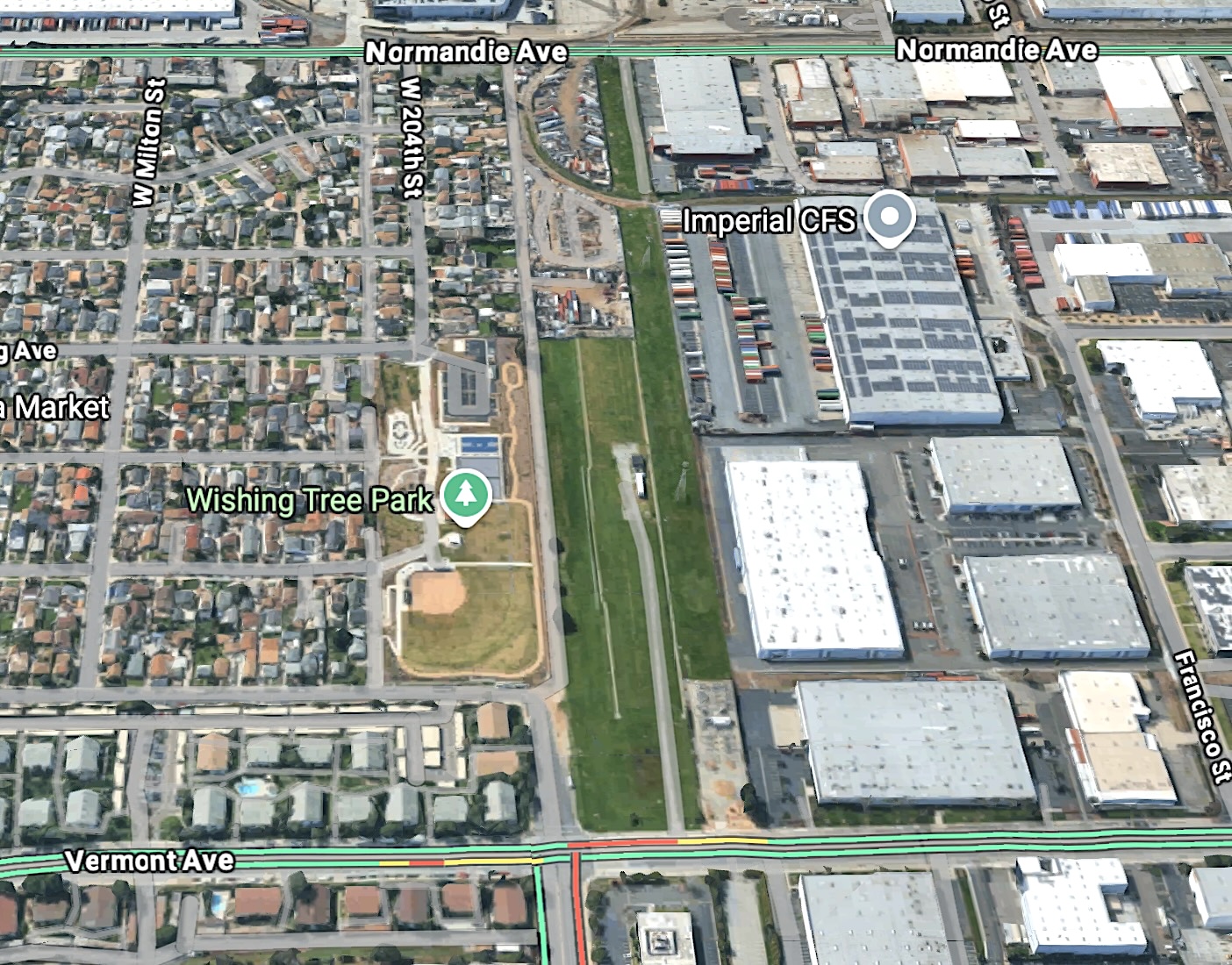
A synthetic rubber plant quickly was put into operation just east of the Torrance city limit, on Del Amo Blvd. between Normandie and Vermont avenues in the Los Angeles city strip.
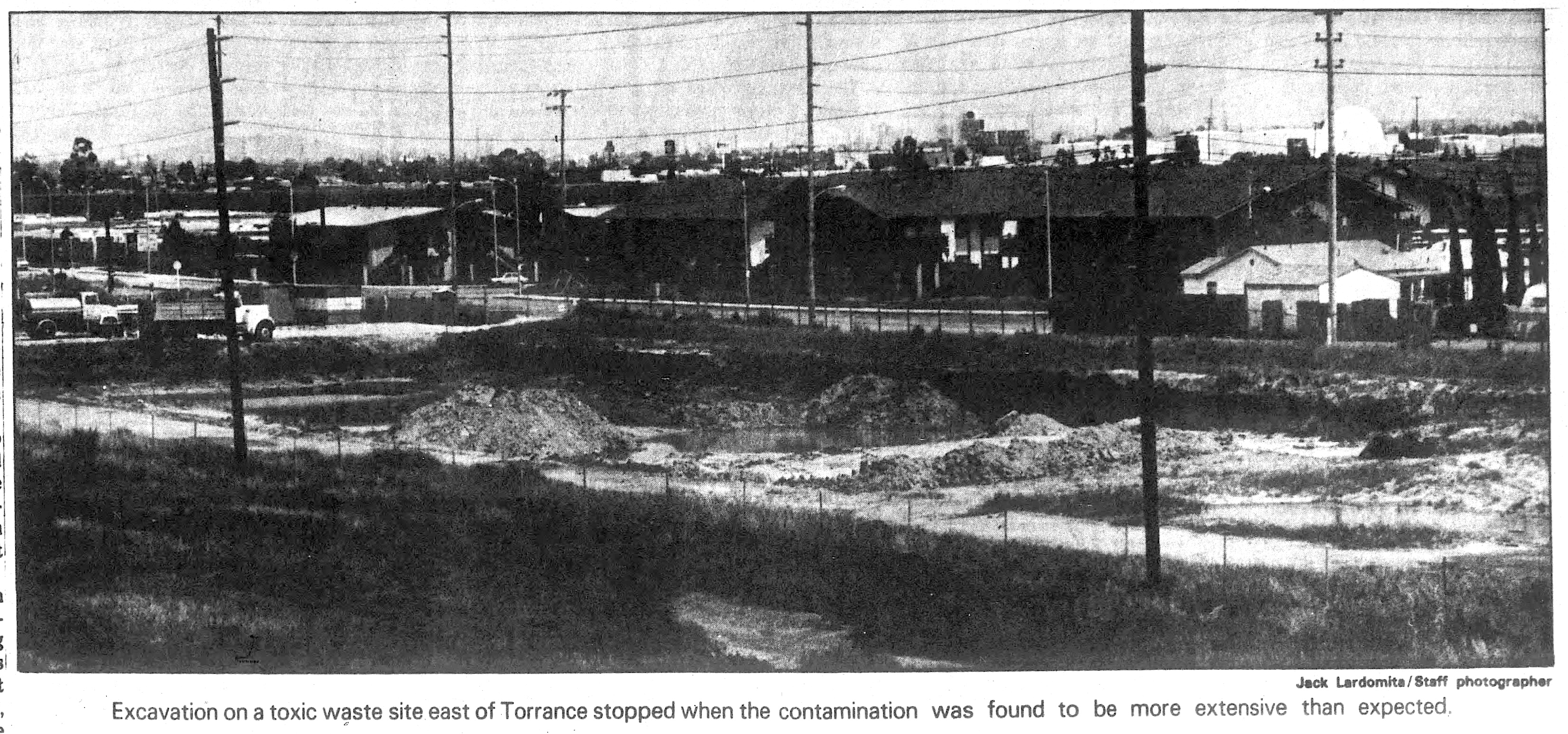
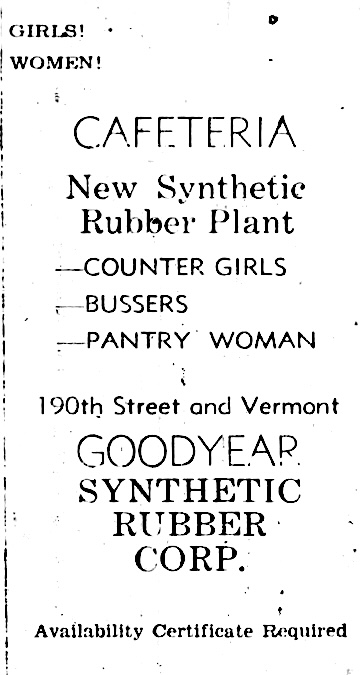
The U.S. Synthetic Rubber Co. opened on the 280-acre site in the summer of 1943. It was soon being operated by Goodyear Tire & Rubber and later Dow Chemical, with Shell Oil taking control of it in 1955. Shell closed the plant in 1966, and later demolished it.
The plant’s demolition still left six unlined pits and three unlined ponds on the site into which waste products had been deposited over the decades. They later were covered with soil, which did not solve the problem.
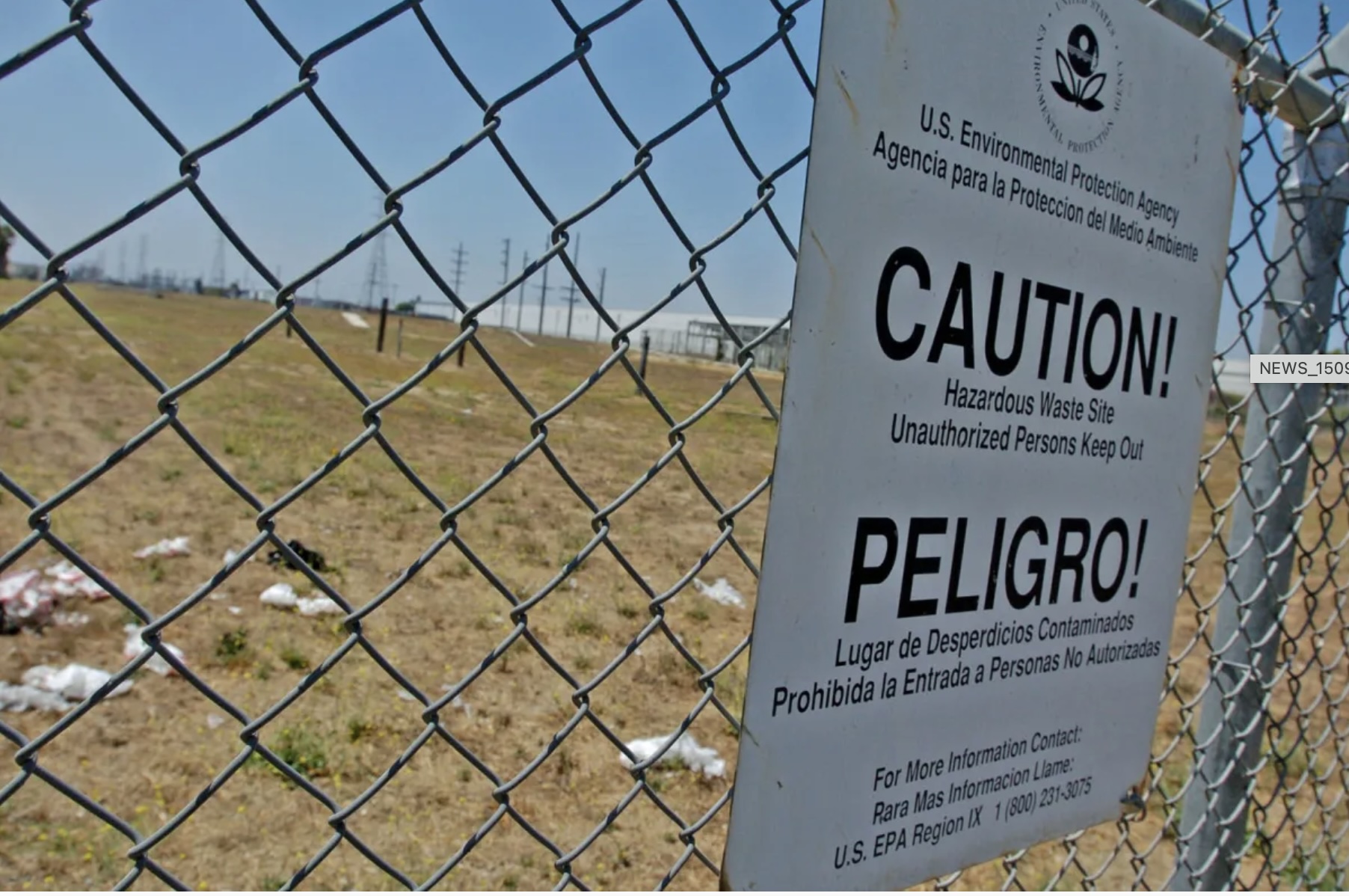
The property then was sold to development firm Cabot, Cabot & Forbes, who resold it to Cadillac Fairview/California, who owned the property when it was placed sixth on the U.S. Environmental Protection Agency’s Superfund list of the most dangerous sites in the U.S.
The high danger ranking was based mostly on its proximity to adjoining homes. Residents living in nearby residential neighborhoods complained of acrid fumes and burning eyes, and feared for the health of their children.
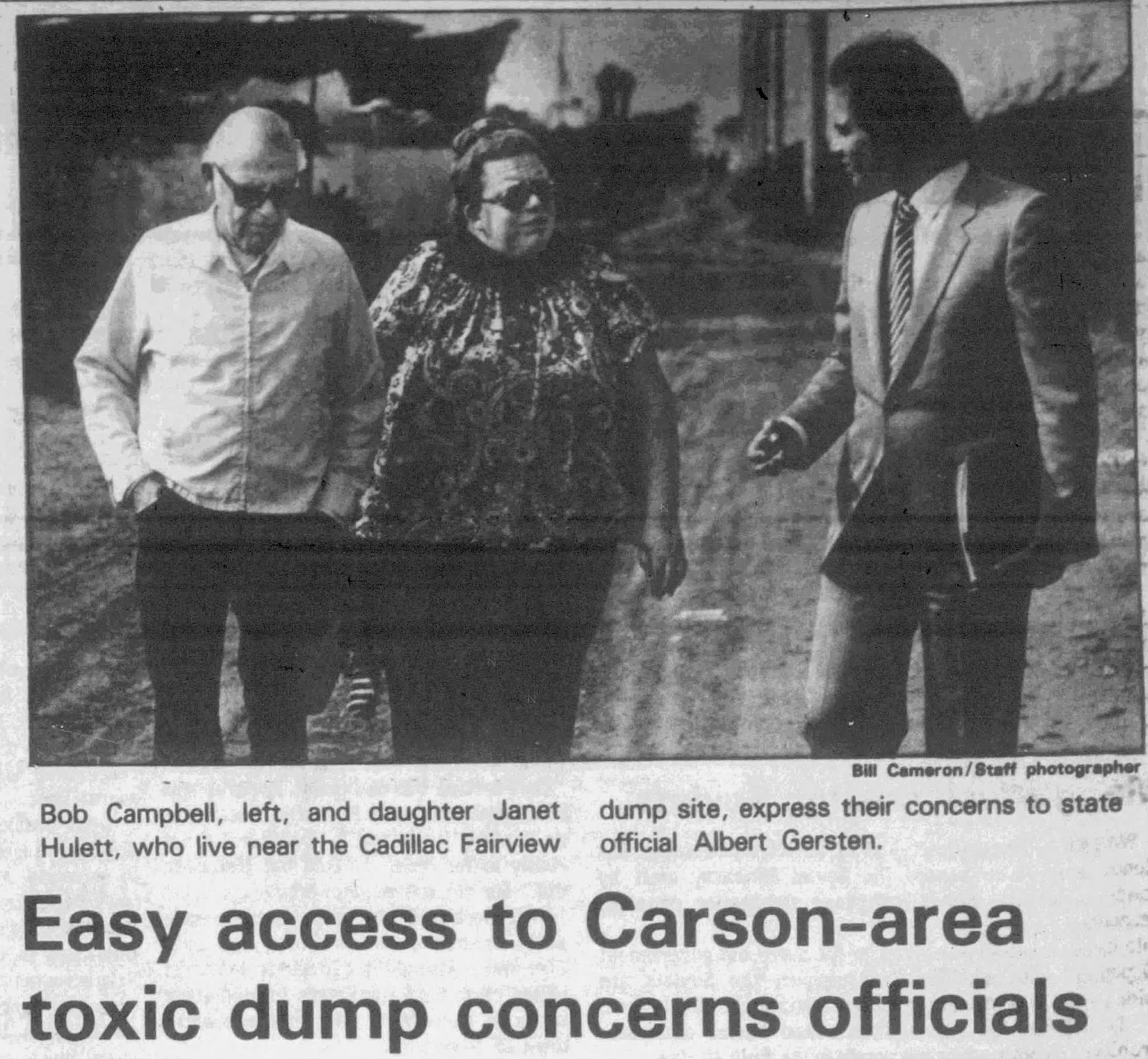
They expressed concern that the site was not sufficiently fenced off at the time, which posed another physical danger.
In addition, there existed the high potential for harmful chemicals from the unlined waste pit to leak out and contaminate underground water aquifers.
Once work began in earnest on remediating the site, its high negative rating began to fall. By 1984, it was number 76 on the Superfund list of most hazardous sites.
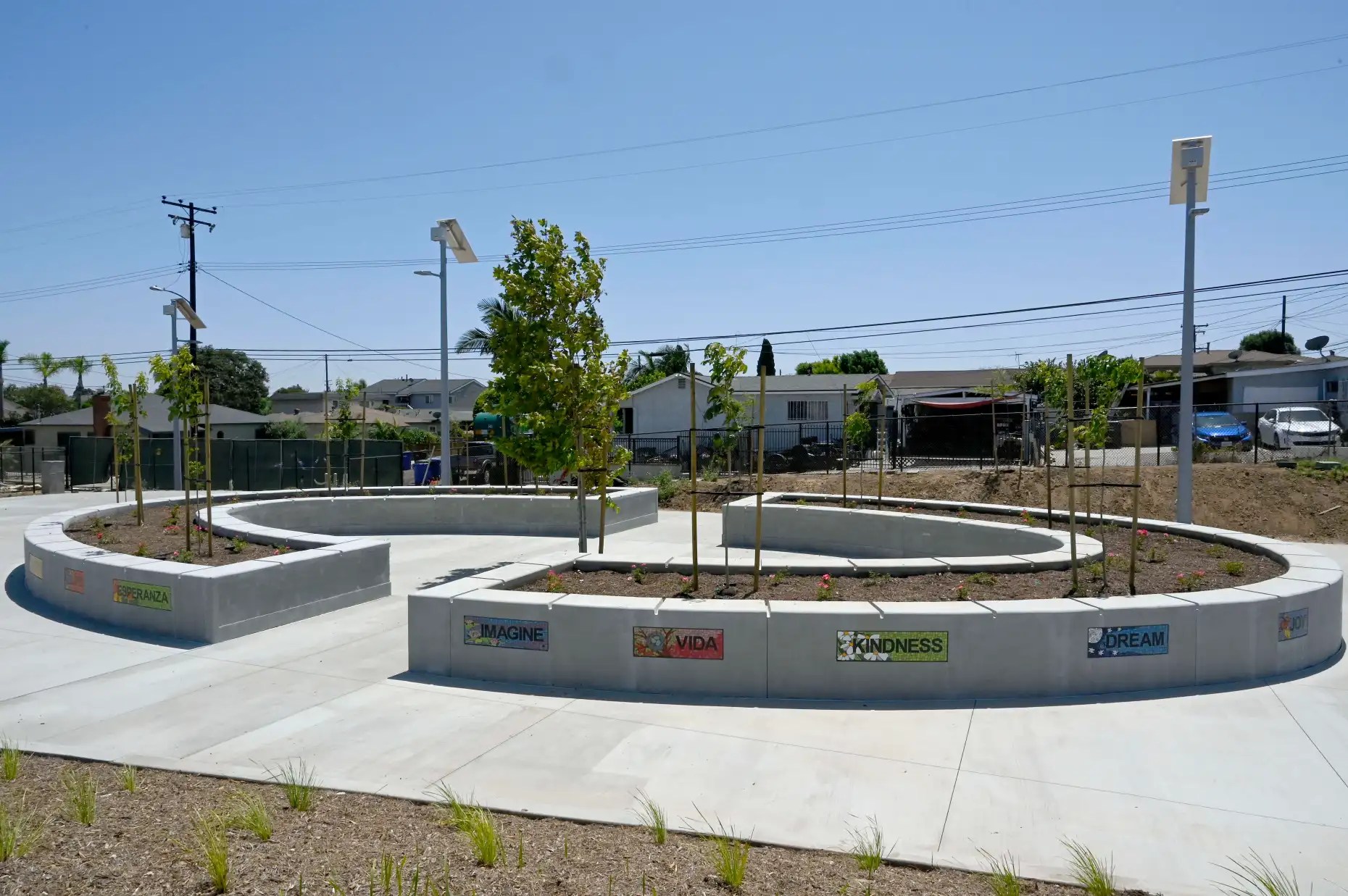
But cleanup still takes time. As of October 2023, the site still is undergoing long-term soil rehabilitation, according to the EPA. Corporate office parks have been built nearby, but the original narrow strip of polluted land remains empty.
Sources:
Daily Breeze archives.
United States Environmental Protection Agency website.