Claude Rains said it to Humphrey Bogart, owner of Rick’s Cafe Americain in the 1942 film classic “Casablanca”: “I’m shocked! Shocked to find that gambling is going on in here.”
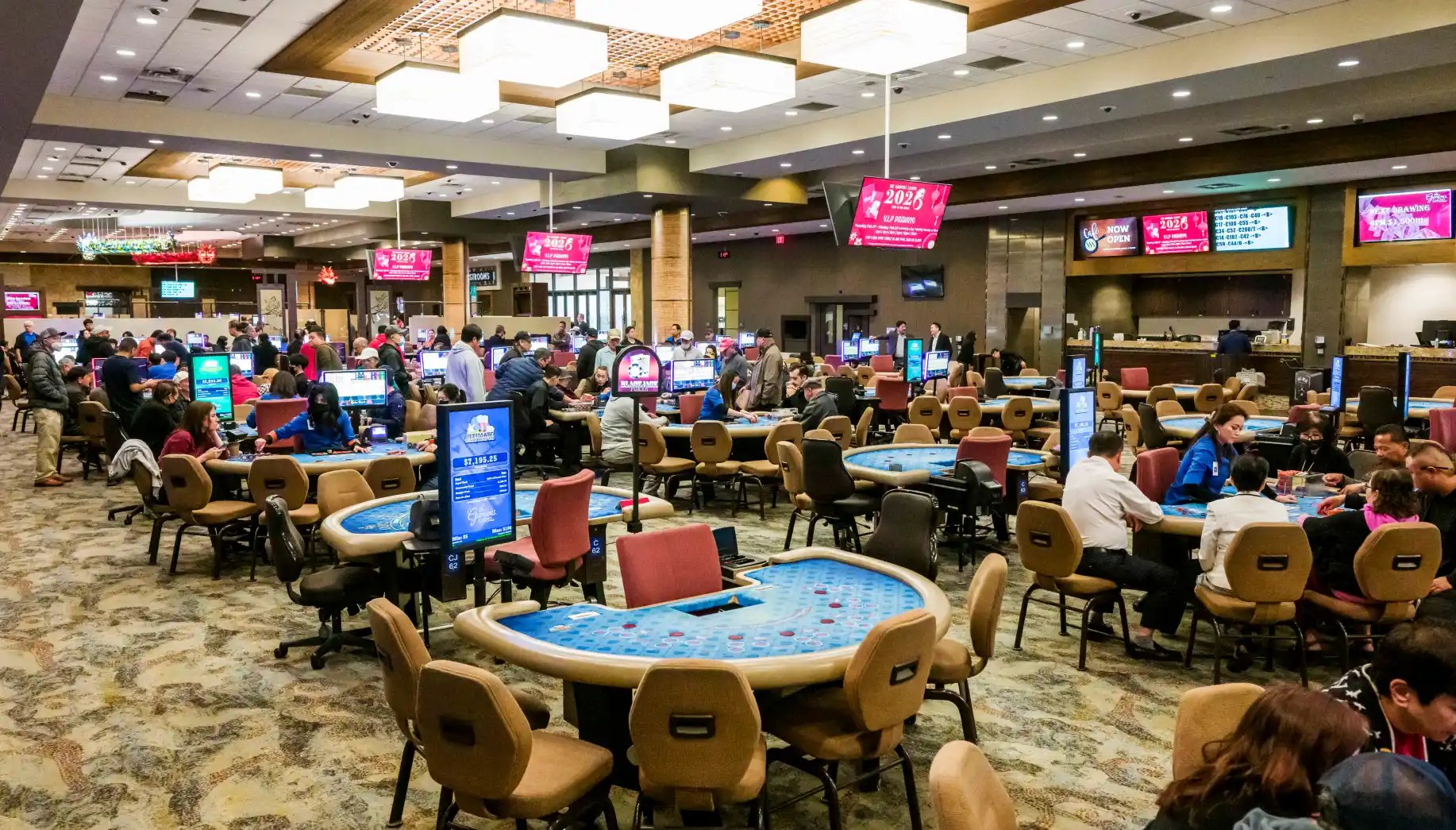
Nowadays, he could only say that in the South Bay in one of the two legal poker clubs left in Gardena, Larry Flynt’s Hustler Casino and Larry Flynt’s Lucky Lady Casino. After Hustler magazine publisher Flynt died in 2000, ownership of both was taken over by El Dorado LF, LLC, a company formed in part by Flynt’s daughter Elizabeth.
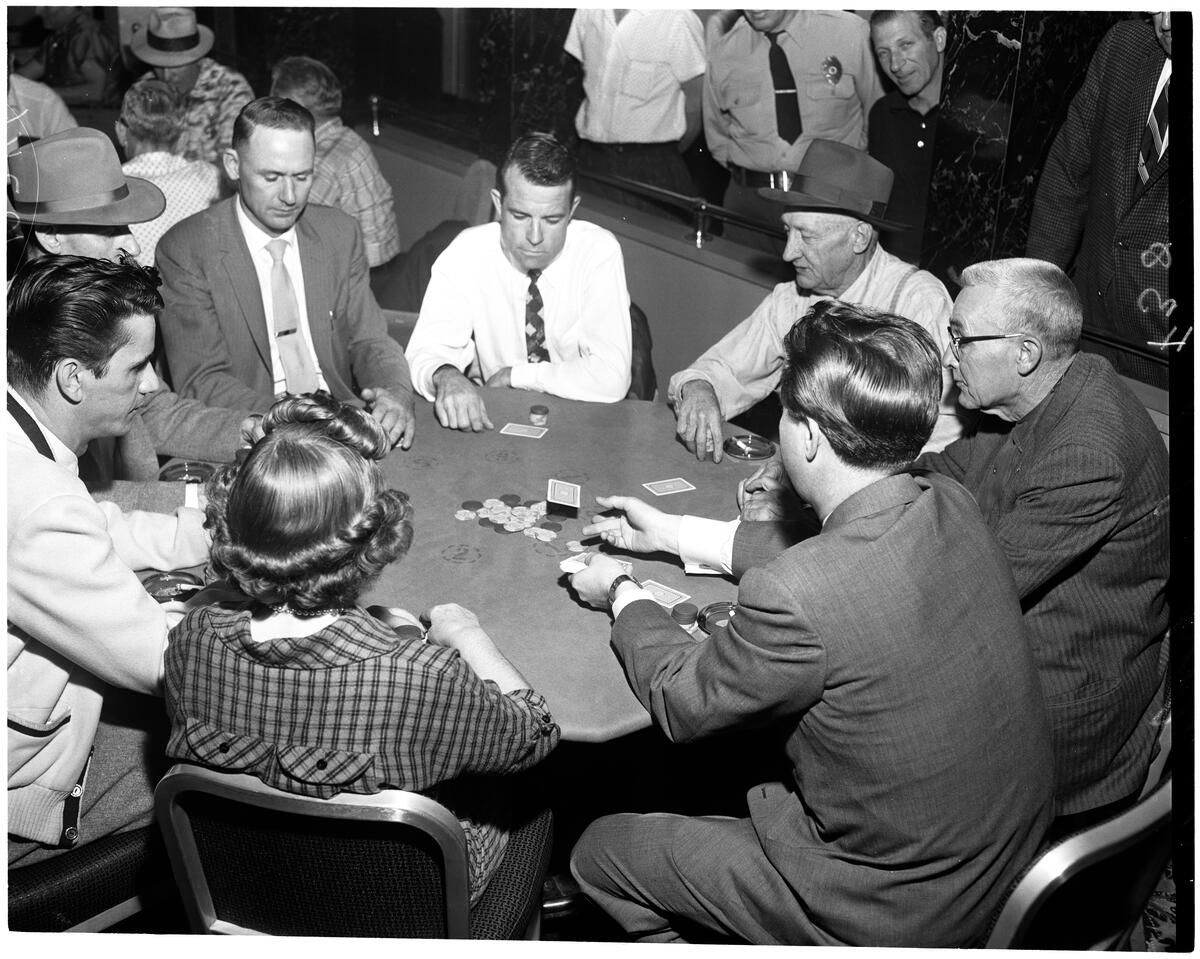
But for decades before that, gambling, and poker clubs in particular, as many as half a dozen clubs – the Normandie, Rainbow, Monterey, Embassy, Gardena and Horseshoe – flourished in the city.
They came about due to a loophole in California law. In 1891, the state legislature passed a law prohibiting all forms of gambling in the state. It listed banned card games by name, but notably left out draw poker.
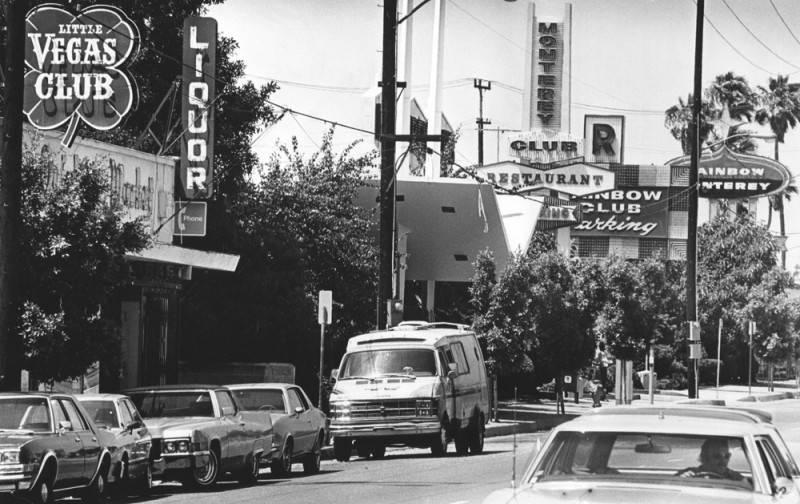
As we noted in a 2013 post, future gaming magnate Ernie Primm started the first card club in Gardena in 1936, the Embassy Palace, basing his decision on the fact that draw poker was not specifically outlawed by that 1891 law. He also may have considered the fact that Gardena was a recentlly minted city, having just incorporated in 1930, and as such, perhaps more amenable to the idea.
After four men were arrested in Gardena in June 1937 for playing draw poker, Primm took their case all the way to the state attorney general. His ruling in Primm’s favor made draw poker legal in the city, and it remains so to this day. The ruling made it clear that so long as operators made their money by renting space at the gaming tables to players instead of taking a direct cut from the pot, their businesses were legal in the city.
Many attempts have been made over the years to overturn the ruling. In fact, four such tries between 1946 and 1962 all went down to defeat at the polls in Gardena. The closest vote occurred in 1946, but the proposed ban lost. 1,522 votes were cast for keep gambling to 1,097 for banning it. Despite fervent further campaigns by gambling opponents, none of the other attempts to quash it were really close.
As a result, gambling interests weren’t discouraged from trying to replicate their Gardena success in other South Bay cities.
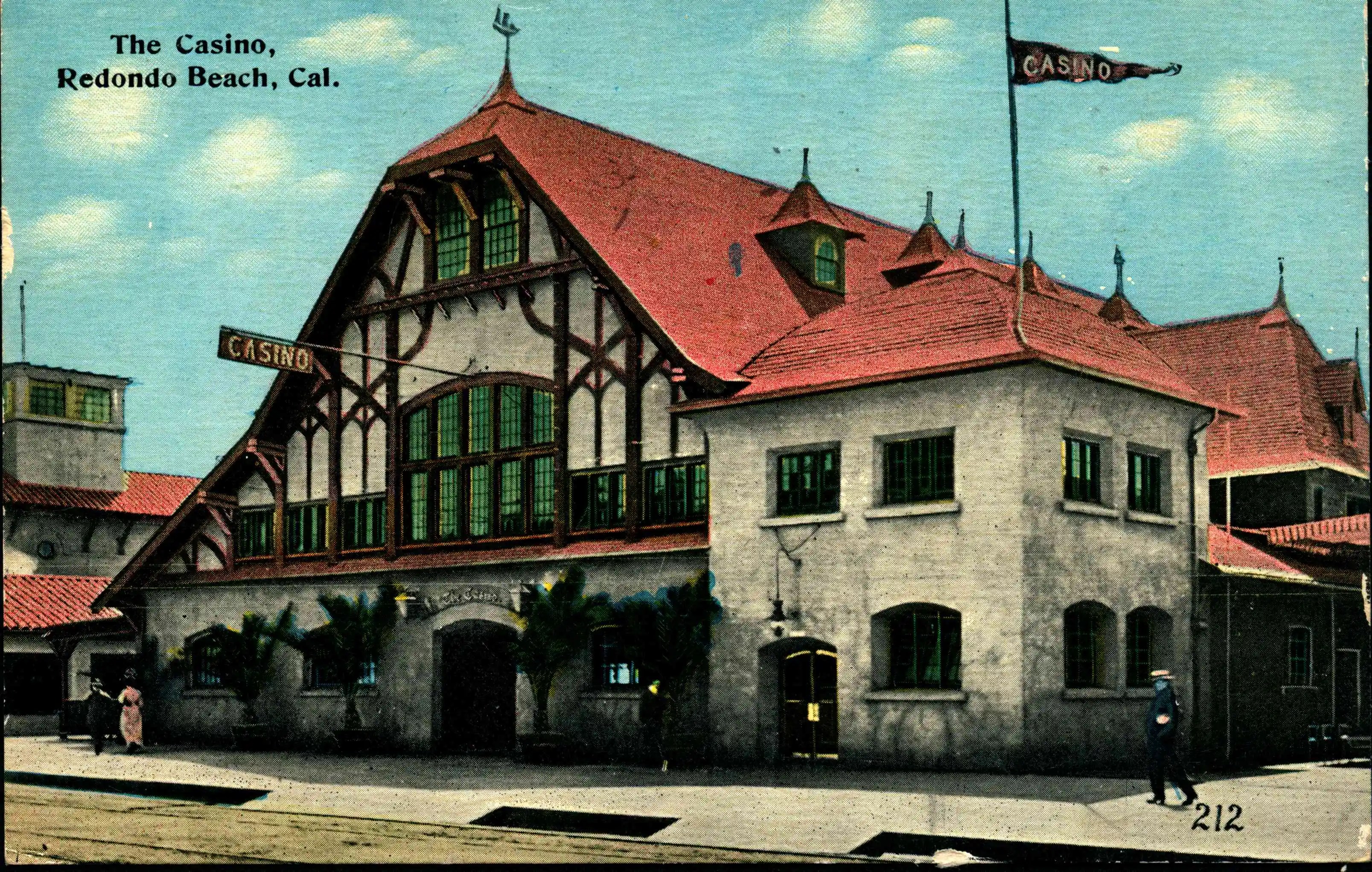
Redondo Beach already had a particular reputation for illegal wagering activities in its El Paseo district, which included the Pavilion, Saltwater Plunge and Casino buildings. Small-time operators ran bingo and other games under the relaxed eye of law enforcement, with higher-stakes games often taking place behind closed doors.
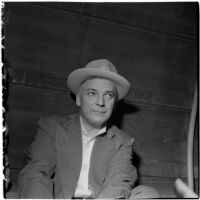
But when mobsters began moving in during the 1930s, authorities felt the need to crack down and clean up the area. The King Harbor redevelopment beginning in the late 1950s that cleared out the El Paseo district also cleared out most of the illegal activity for good.
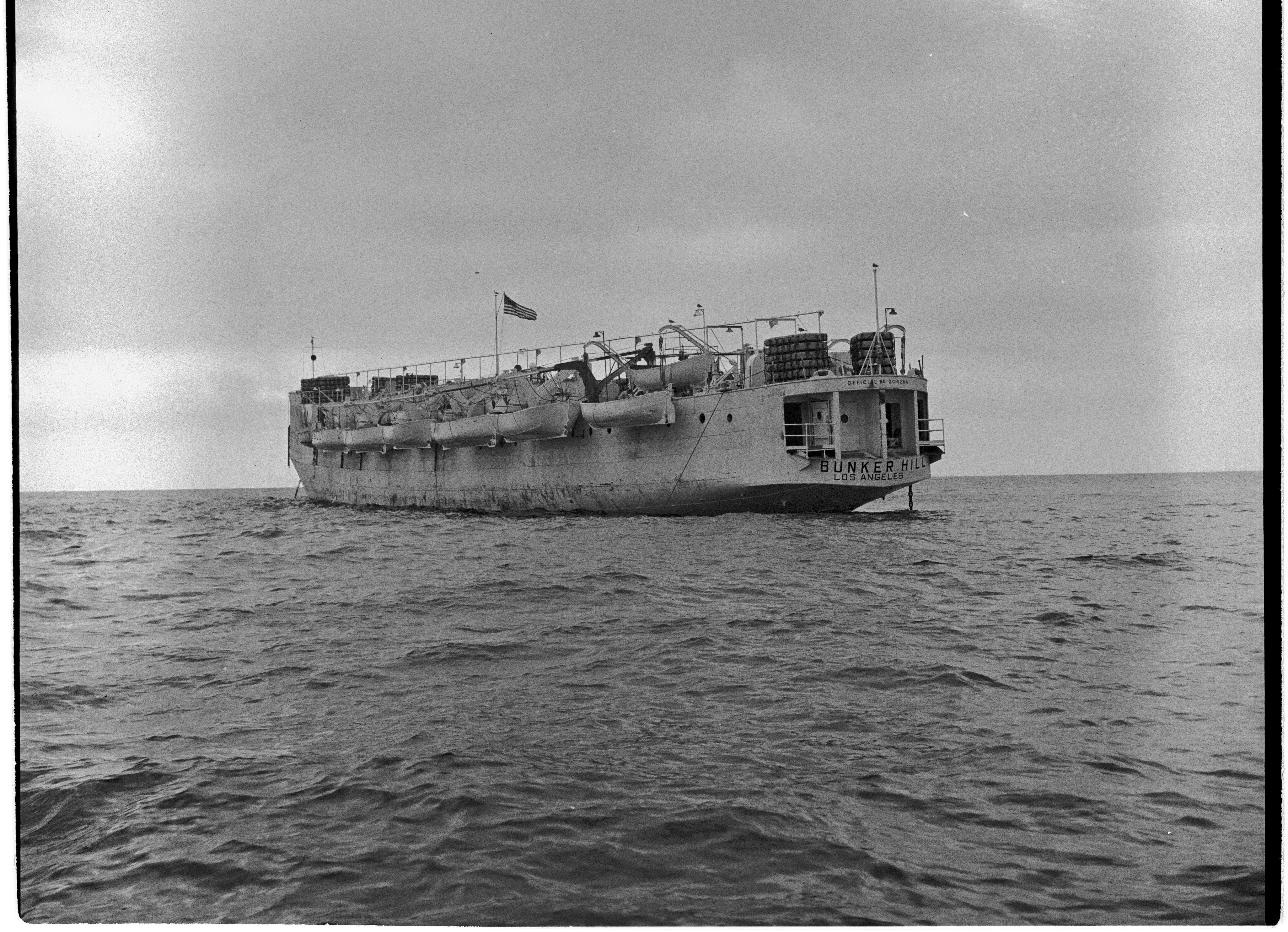
Gambling ship owner Tony Cornero operated his full-on offshore gambling operations aboard The Rex and other ships during the 1930s in international waters off of Redondo beyond the three-mile limit.
California Attorney General Earl Warren targeted those ships during his 1939 crackdown on gambling, and Cornero was forced to cease operations.
Cornero tried again in 1946 after World War II with a different ship launched out of Long Beach, the Bunker Hill, also known as the Lux. Warren, now the state’s governor, eventually shut him down again. Cornero gave up and moved to Las Vegas, where he died in 1955 after founding the Stardust hotel and casino in Las Vegas. He’s buried at Inglewood Park Cemetery.
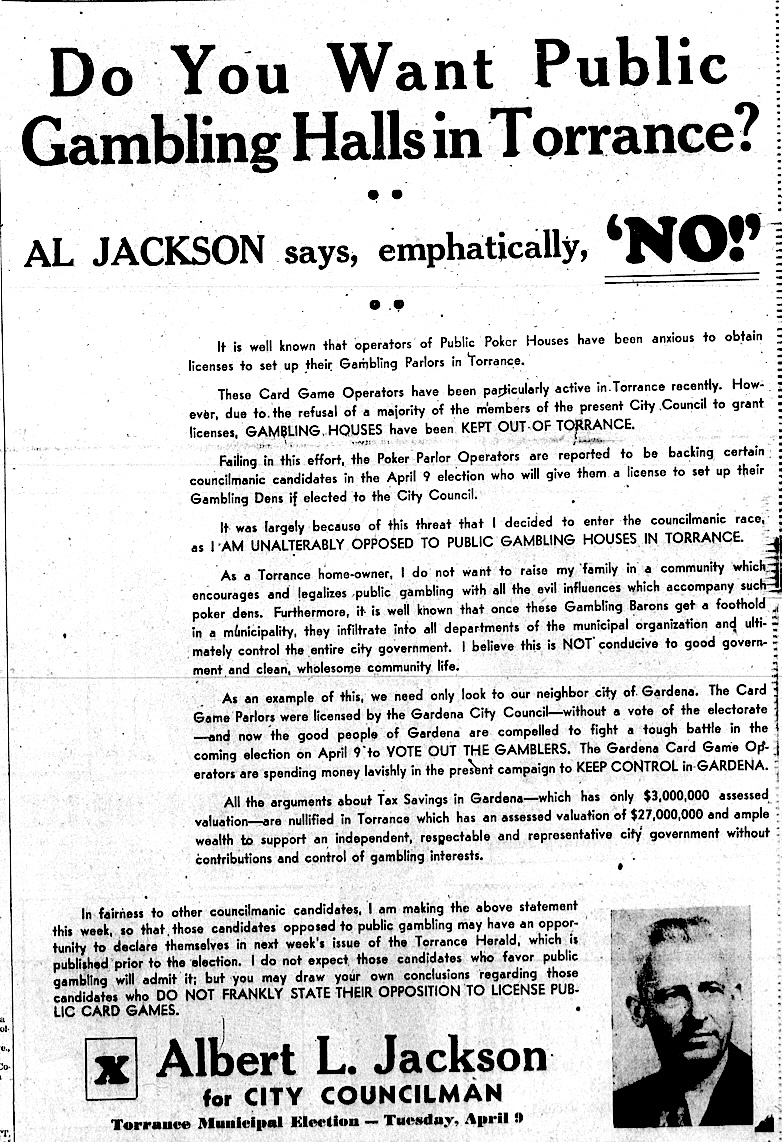
Gambling supporters probably figured that what had worked in Gardena might also fly in Torrance. But in October 1938, the city voted against entertaining the approval of dozens of applications for permits to allow wagering in the city. In October 1944, the council passed an ordinance banning draw poker, and in 1946, voters defeated another measure that would have allowed gambling.
When noises again were made for the legalization of draw poker following World War II, anti-gambling forces brought Charter Amendment 3 to Torrance’s voters in April 1948.
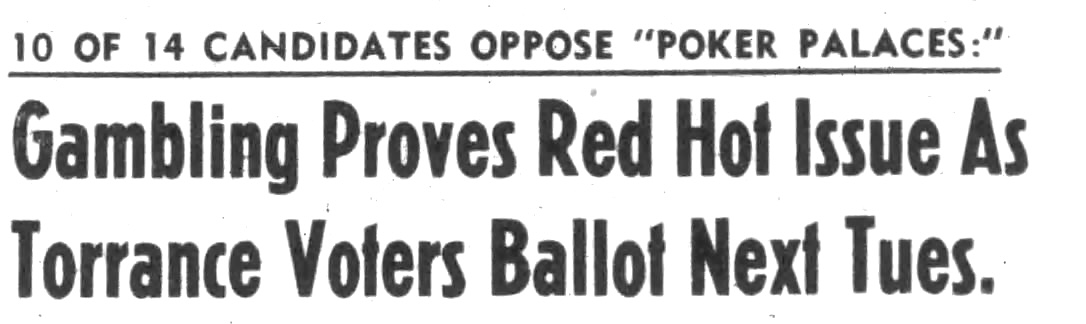
The measure called for voters and not the city council to have the power to decide the matter. It passed overwhelmingly, 1,924 for to 862 against. It was challenged in April 1950 by the pro-gambling Charter Amendment 9, which was defeated. The city never again entertained making gambling legal. Its neighbor, Lomita, voted to ban gambling as a part of its incorporation process in 1957.
In 1950, a pro-gambling statewide measure was placed on the California ballot. Proposition 6 would have set up a framework for licensing betting operations in the state. It was trounced at the polls, with 2,657,641 voting against and 729,297 in favor.
Several other Southern California cities have allowed card room operations over the years, including Bell Gardens, the City of Commerce, Compton, Hawaiian Gardens and Inglewood’s Hollywood Park Casino. Those are still in operation, in addition to the many Native American casinos in Riverside, San Bernardino, Ventura, Santa Barbara, San Diego and Imperial counties.
Sources:
Daily Breeze archives.
“Draw, Stud and Hold ‘Em: A Brief History of Poker in L.A.” by D.J. Waldie, PBS SoCal website, March 25, 2017.
Redondo Reflex archives.
Torrance Press-Herald archives.
Wikipedia.