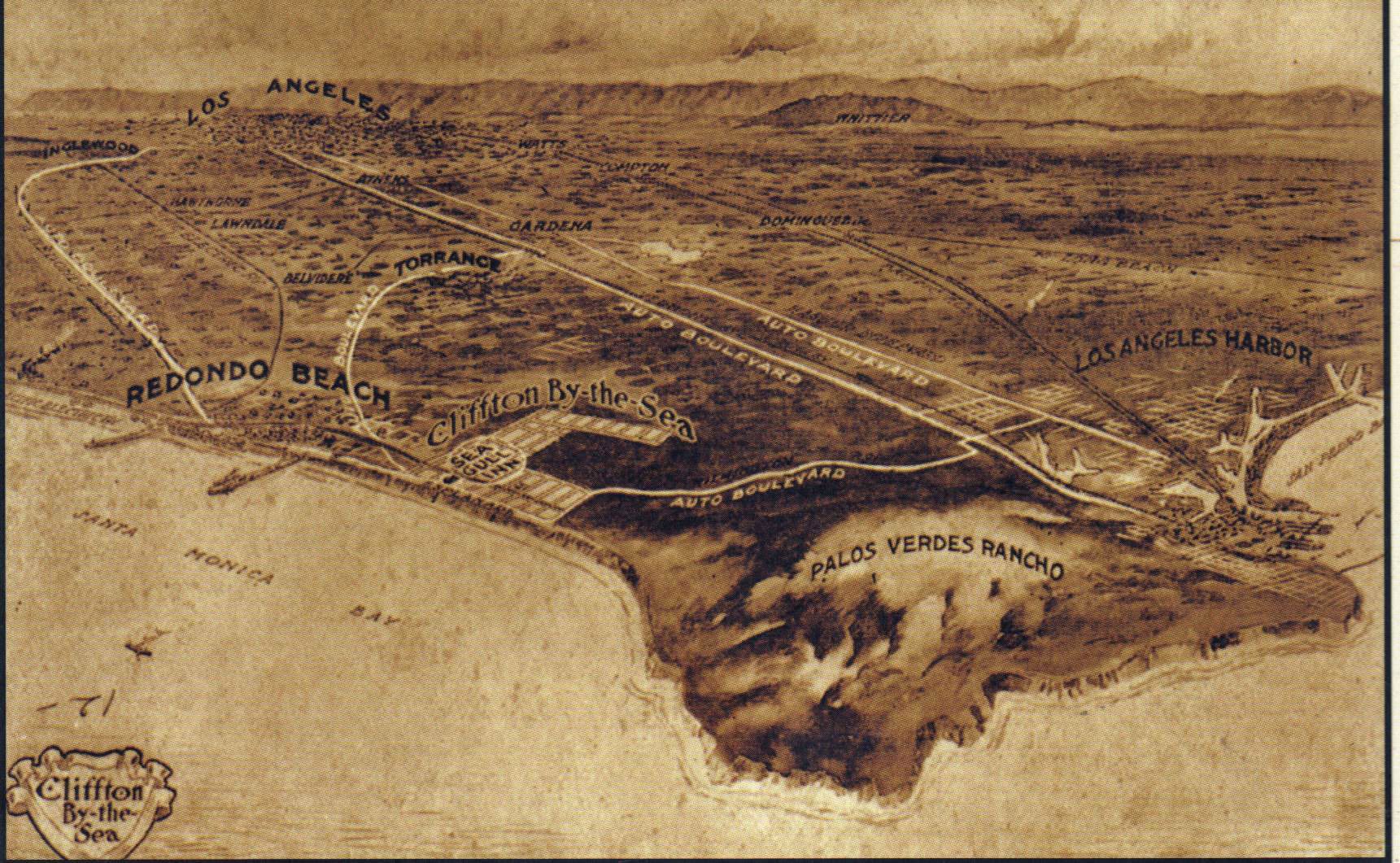
In late 1905, railroad magnate and entrepreneur Henry Huntington bought 1,010 acres of land south of Redondo Beach known as the Downey Ranch. The property once was owned by John Downey, California’s governor from 1860-1862.
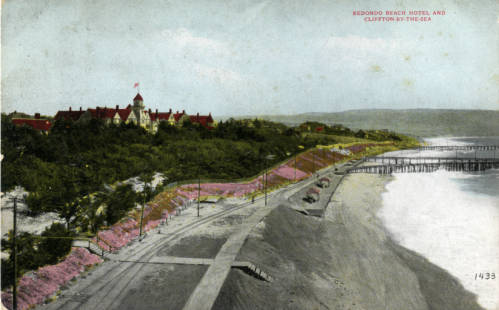
The Pacific Electric Railway owner planned to end his Redondo Beach Red Car line there at what he envisioned to be a first-class resort development aimed at well-to-do home buyers. Planned amenities would include a hotel, golf course, tennis courts and a clubhouse building..
In 1906, he named the new development “Clifton-by-the-Sea,” or Clifton for short. The name later became “Cliffton” with two f’s, and, somewhat confusingly, has reverted back to the single-f spelling in more recent times.
So if Huntington was the development’s owner, after whom was “Clifton/Cliffton” named? The answer is no one, as the name was a shorthand version of its description as a “cliff town by the sea.” Today the region is generally referred to as South Redondo.
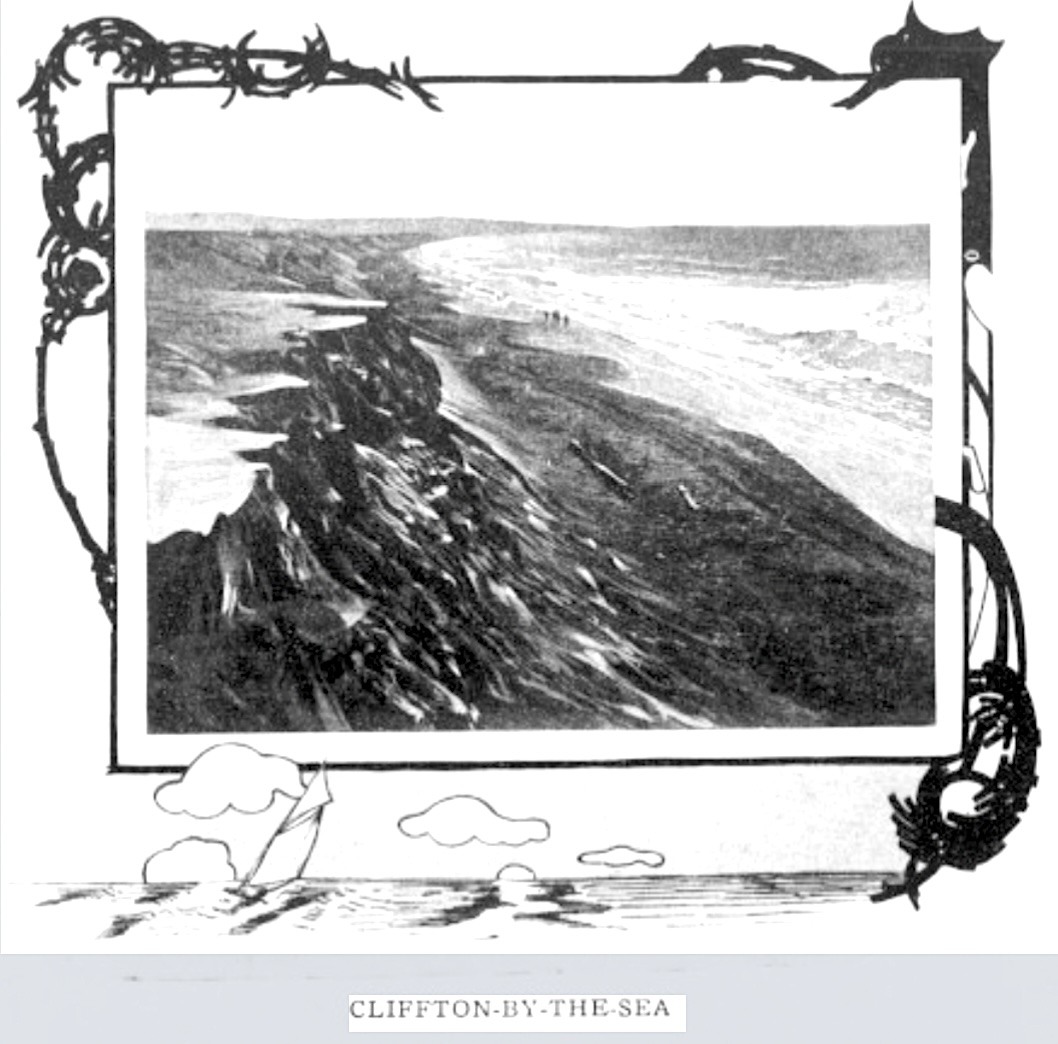
Huntington and his developers began laying out the U-shaped new settlement In 1907. Unlike the streets in nearby Redondo, the east-west streets were given letter names, Avenues A through I. Locals still refer to the area as “The Avenues.”
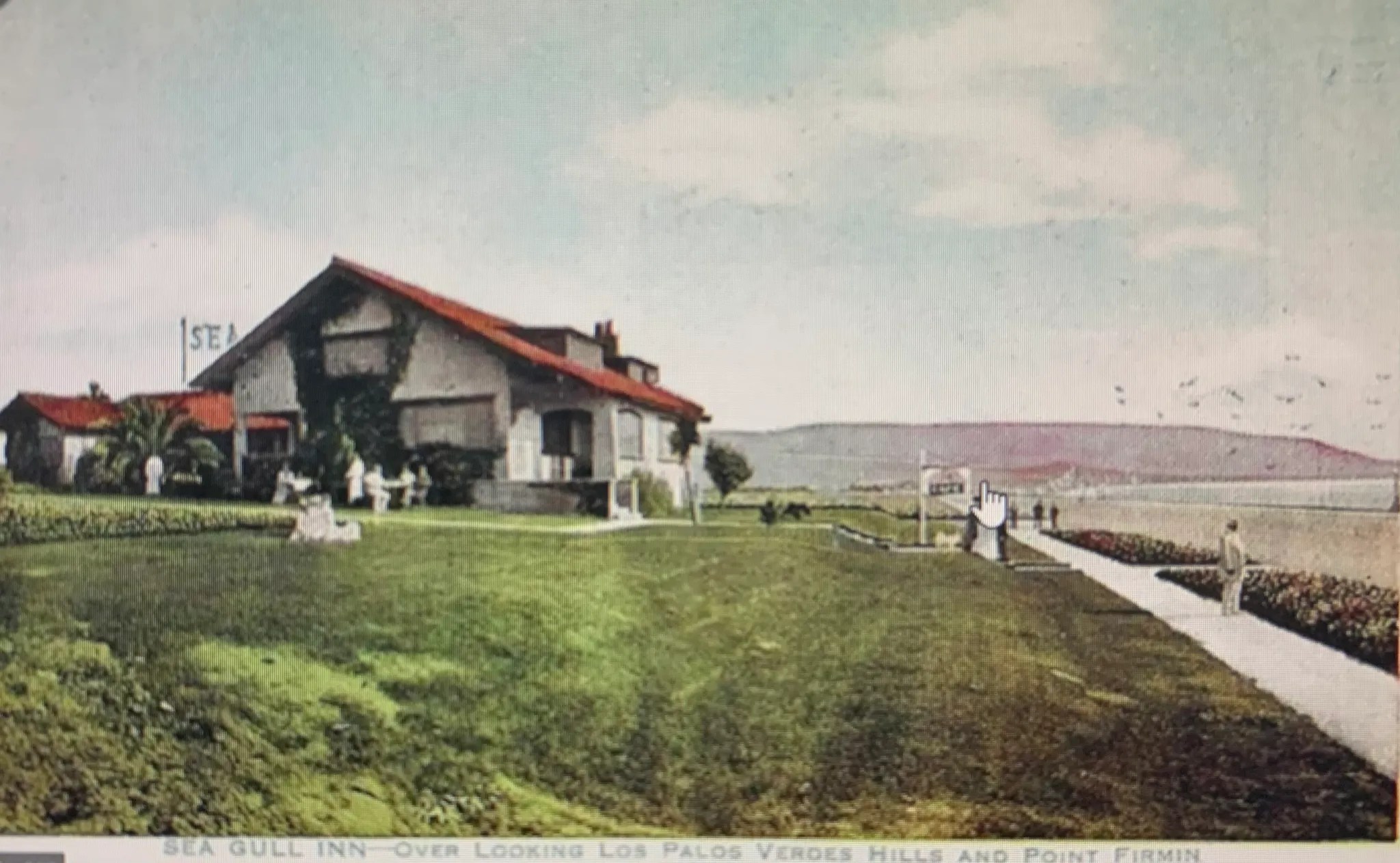
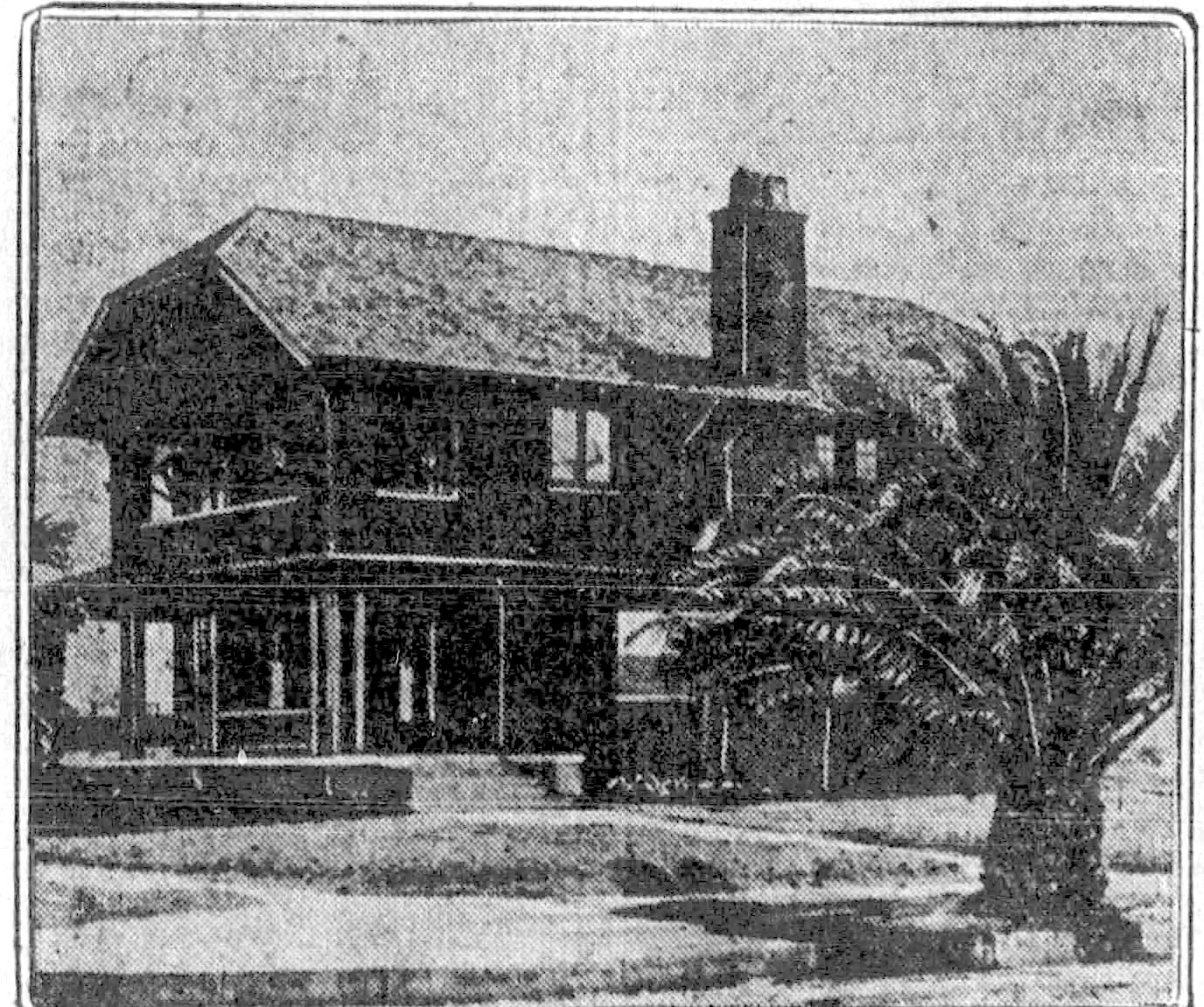
Huntington’s 14-room, two-story seaside house near the shoreline cliffs was designed by architects Myron Hunt and Elmer Grey, who also designed the Huntington Library in San Marino. The Cliffton residence was completed in 1907 on land he’d purchased earlier that year for $15,000.
He used the home at 826 Esplanade between Avenue A and Avenue B as a coastal getaway until April 8, 1914, when it officially opened after its transformation into the Sea Gull Inn restaurant.
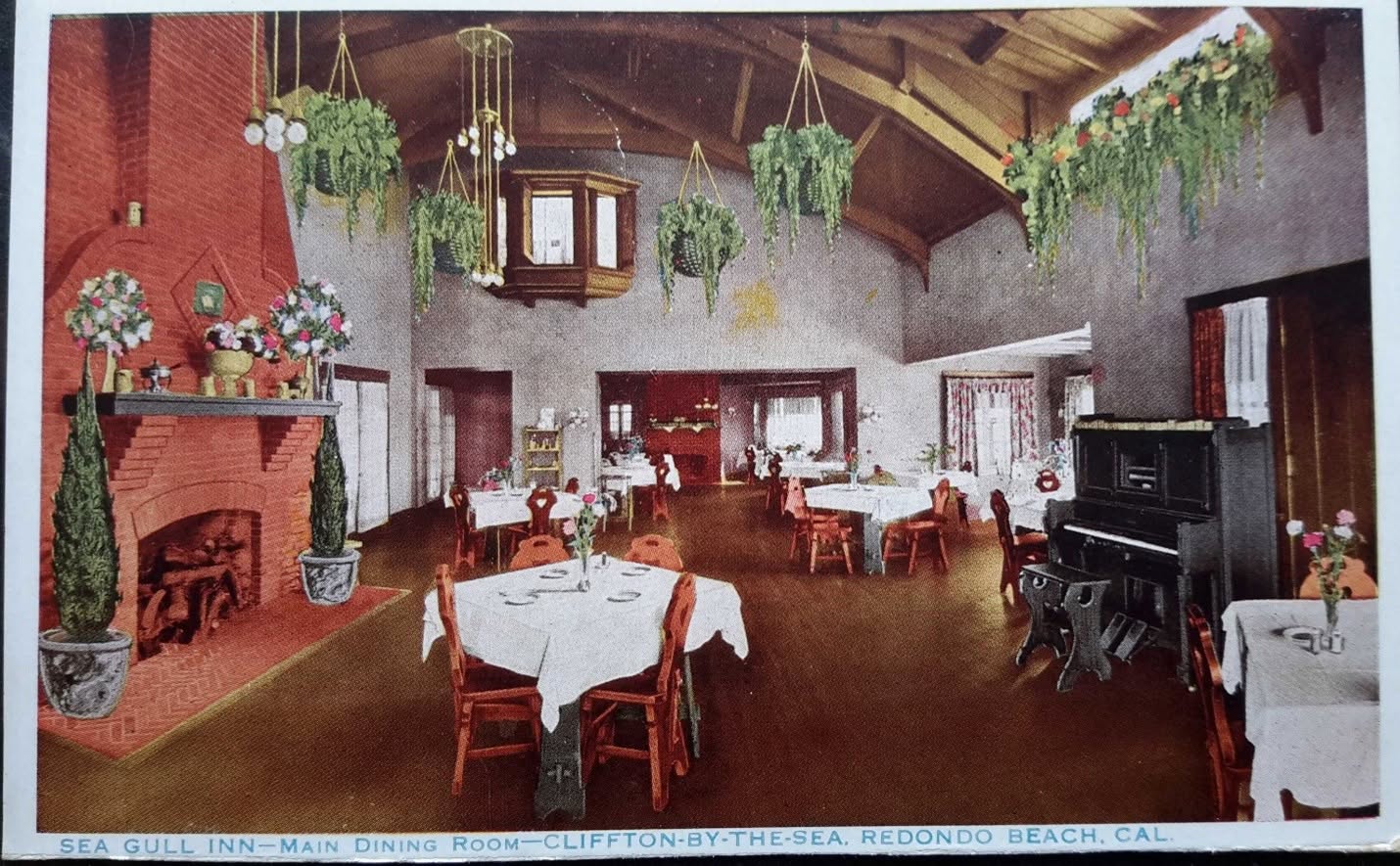
Frequently used for club meetings and other such community events, the Sea Gull Inn later became the Ocean View Rest Home, and eventually was replaced by condominium developments in the 1970s.
Interest grew in the widely promoted development, and Redondo’s leaders were quick to take notice. The first of a lengthy series of annexation attempts by the city that stretched all the way to 1982 failed in 1909. Smaller portions of Cliffton were annexed successfully in 1913 and 1914.
Work on the golf course and country club continued, and the course’s official opening was held on May 30, 1914. In June, the club began soliciting for new members and holding events in its facility. Tennis courts and a swimming pool also were added.
The Cliffton Country Club continued to stump for new members, but only 47 had been recruited by 1922. The golf course itself also was open to the public, which was somewhat unusual at the time.
The country club’s building on Avenue C made the news in December 1918, when it was transformed into an emergency hospital to treat victims of the then-raging Spanish flu epidemic.
Though golf tournaments and events apparently were held there into the 1930s, neither the golf course nor its clubhouse have survived to the present day.
Redondo Beach continued its efforts to annex all of Clifton-by-the-Sea, holding elections on the issue in 1926, 1930 and 1943. But the residents of the unincorporated area, now known as Clifton Heights, stood firm in resisting the city’s blandishments. (As time went by, the single-f spelling of the area, Clifton-by-the-Sea, seems to have become permanent.)
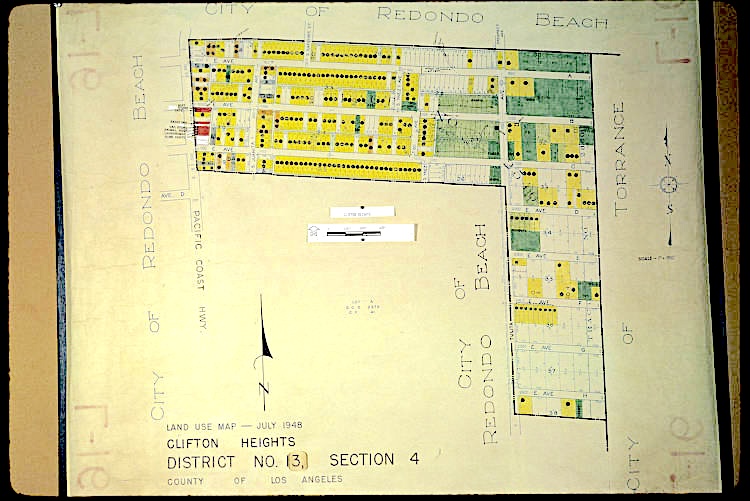
Redondo’s annexation of two small areas in 1951 and 1952 created a buffer zone that cut off any danger of Torrance claiming the area. But further Redondo annexation attempts in 1959 and 1968 also failed to sway Clifton Heights residents.
Finally, the passage of a new 1977 California law, the Municipal Organization Act, allowed larger cities to annex unincorporated “islands” of territory under a certain size without having to hold a vote. Fortunately for Redondo Beach, Clifton Heights barely met the size qualifications.
The Los Angeles County Board of Supervisors still had to approve the move, which they finally did in 1980. Redondo’s annexation of the last remnant of the original Clifton-by-the-Sea development, composed of 778 homes with 1,570 residents, became final in 1982.
Sources:
City of Redondo Beach Historic Context Statement, by Marguerite Duncan-Abrams and Barbara Milkovich, Ph.D, Historical Resources Management, 1995.
Daily Breeze archives.
“H. E. Huntington”s “Clifton-by-the-Sea” Cottage in Redondo Beach, CA (1907-1914),” by Nancy Armitage, Inside the Huntington’s Story website, June 15, 2022.
Los Angeles Herald archives.
Los Angeles Times archives.
Old Redondo: A Pictorial History of Redondo Beach, California, by Dennis Shanahan, Legends Press, 1982.
Redondo Reflex archives.