The dawn of the aviation age opened up a world of possibilities for the passenger transportation industry. The first American commercial airline flight in a fixed-wing plane took place on New Year’s Day in Miami in 1914.
Though excitement about aviation quickly reached a fever pitch, the early generation of airplanes had severe limitations when it came to distance flights.
Enthusiasm about transoceanic flight soared after Charles Lindbergh’s May 20-21,1927 flight from New York to Paris. But for several reasons, such lengthy excursions were still many years away.
Most airplanes of the day, including LIndbergh’s single-engine monoplane Spirit of St. Louis, were heavy, slow, and required large amounts of fuel to travel more than a few hundred miles.
Lindbergh had to add several heavy fuel tanks to his plane in order to complete his journey. Most planes had to be refueled after just a few hundred miles of travel.
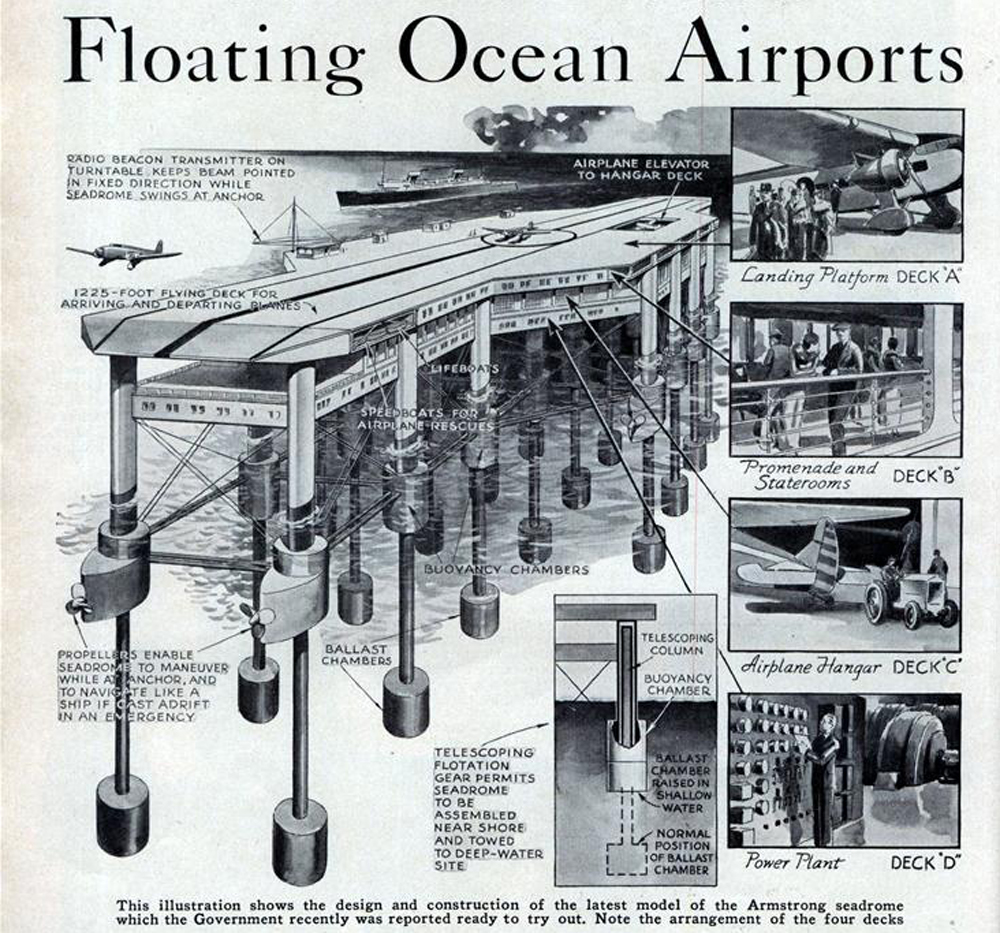
It was during this era that the concept of seadromes, landing strips for airplanes built on the ocean, began to gain traction.
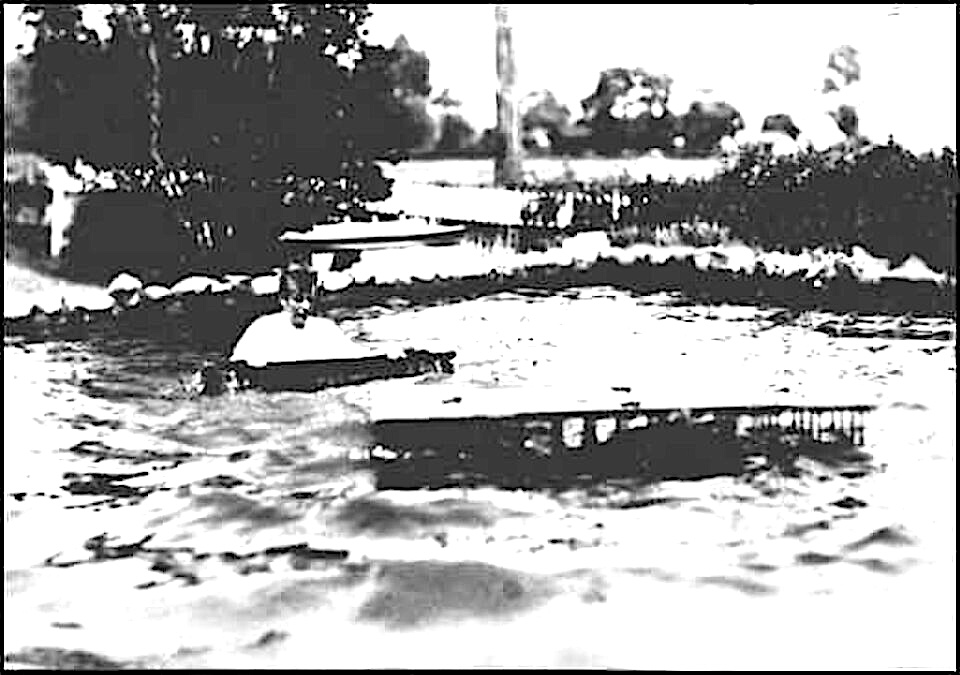
Enter American engineer Edward Robert Armstrong, a tireless promoter of the seadrome idea as far back as 1913. Armstrong insisted seadromes would work.
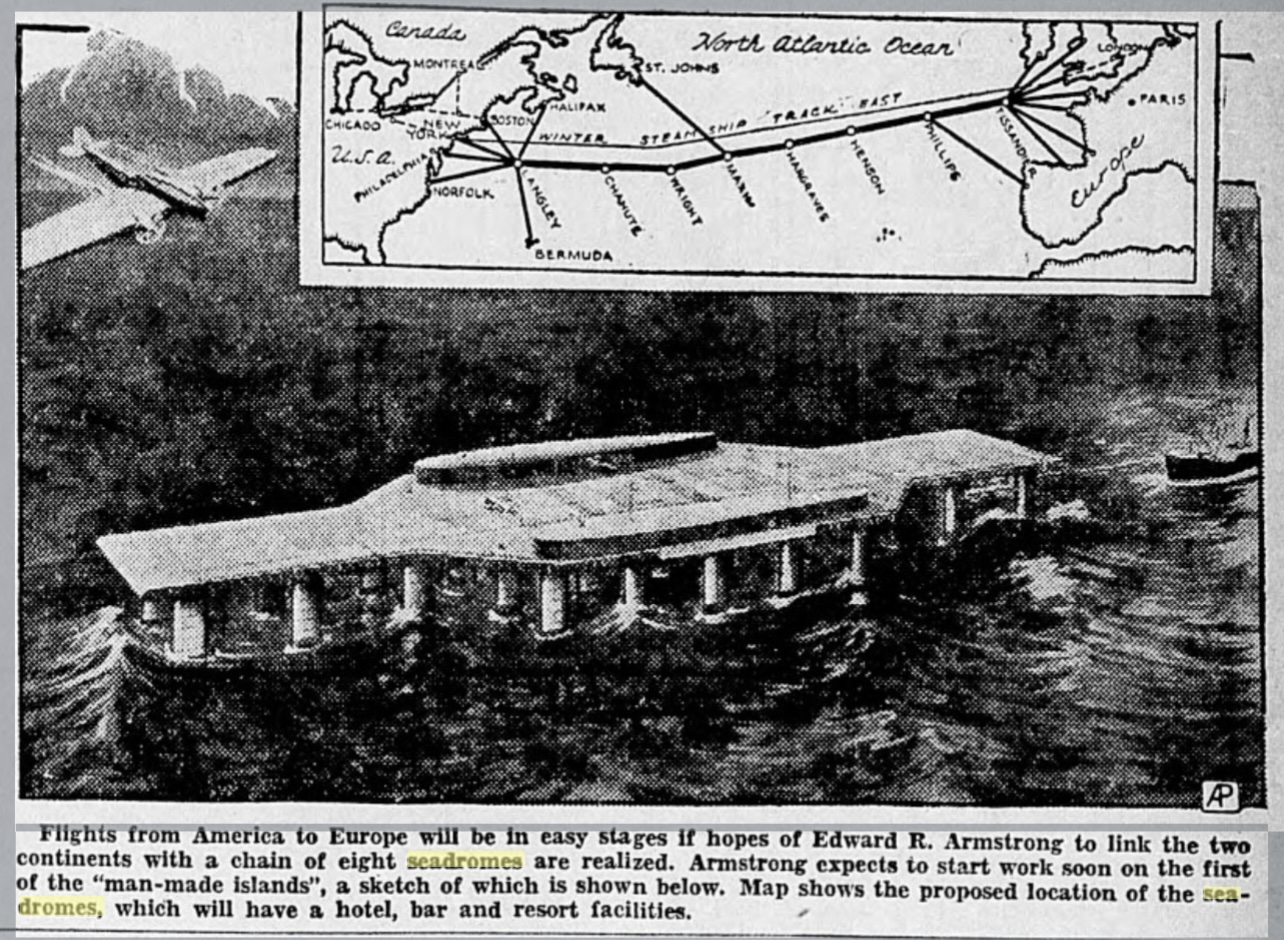
He envisioned a series of eight such structures stretching across the Atlantic Ocean at intervals of roughly 350 miles. Each leg of the flight would take about three hours.
The landing platforms would be built atop posts sunk into the ocean floor in a manner that would keep them from being destabilized by waves and ocean currents.
The seadromes would serve not only airplanes, but also zeppelins, which were considered a viable option as well in the late 1920s and early 1930s. In addition to accommodating landings and takeoffs, they would also have hotels, passenger lounges and other entertainment.
Some entrepreneurs even proposed using them to avoid the ban on alcohol during Prohibition, though this eventually was more economically achieved by using ships repurposed as floating taverns.
Armstrong’s plans for passenger aircraft seadromes seemed always to be just on the edge of coming to fruition in newspaper stories from the era. Work on the Atlantic stepping-stone project was “starting soon” according to a November 1931 Associated Press story.
Unfortunately, the timing was off. Seadromes were expensive to build, and major investors shied away while the country was in the throes of the Depression. At the same time, improvements in aviation technology led to longer flights and lighter planes able to carry more passengers.
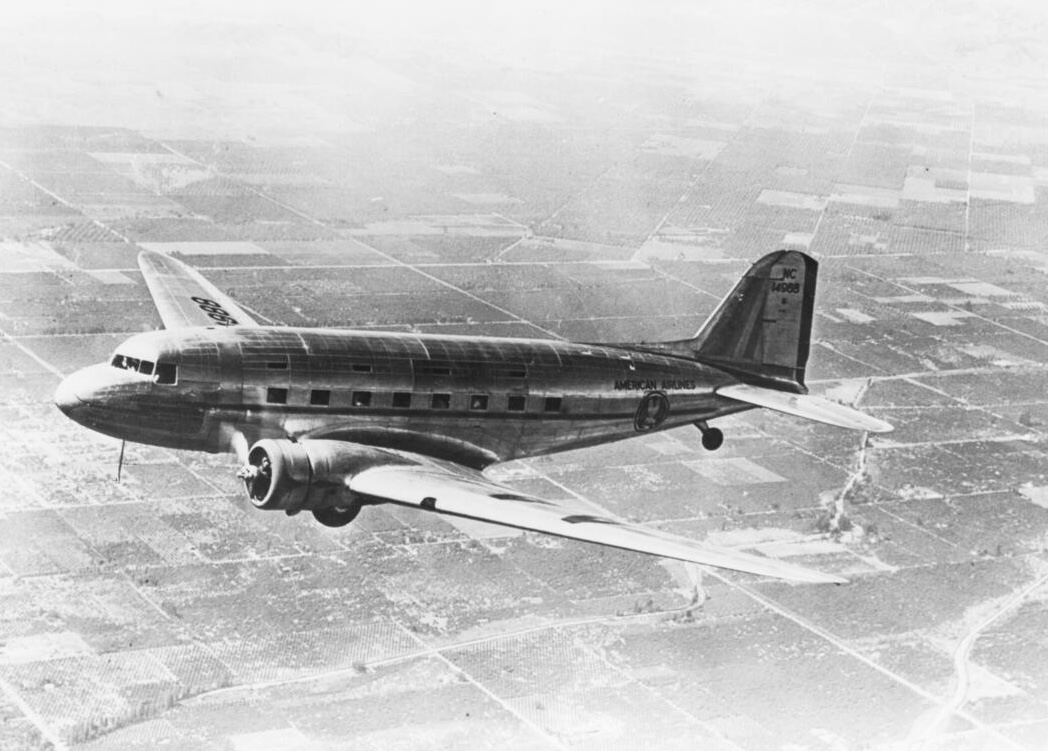
The arrival of the Douglas DC-3 passenger plane in 1936 revolutionized passenger flight. The planes could carry 20-30 passengers at much lower fares, and had a range of 1,500 miles.
The technological improvements began to render Armstrong’s ideas obsolete as World War II approached. The U.S. military deemed the idea too expensive, and the platforms themselves far too vulnerable to enemy attack.
Aircraft carriers performed the same function, and added portability and maneuverability to the equation. In the Pacific theater, Allied forces were able to use the ocean’s hundreds of small islands and atolls to “island hop” from one destination to another.
Armstrong’s plan never did come to fruition, but his ideas continued to intrigue aviation planners.
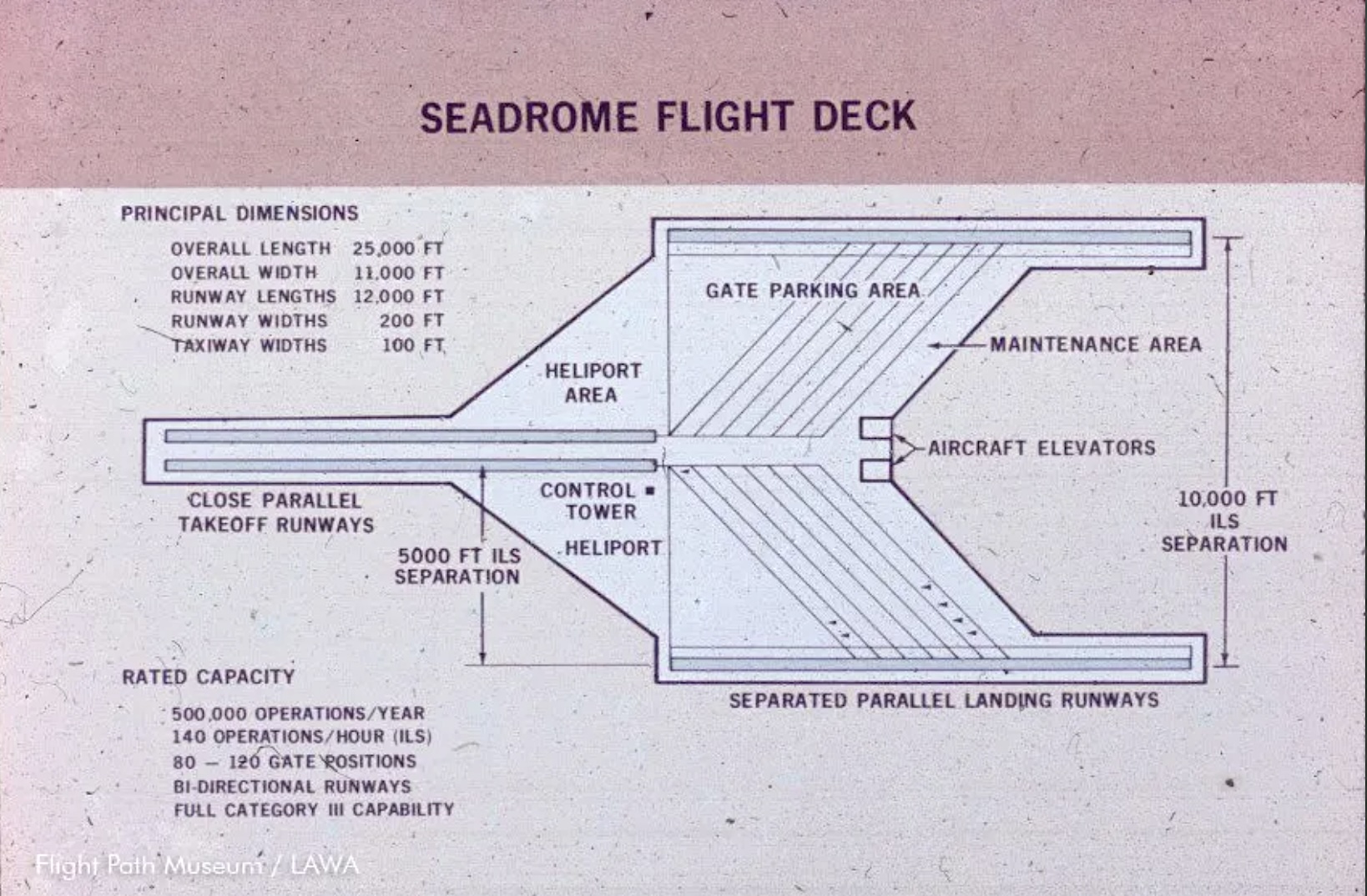
At some point in the early 1950s, Los Angeles International Airport planners authorized a $15,000 research study to evaluate the viability of constructing a seadrome in Santa Monica Bay.
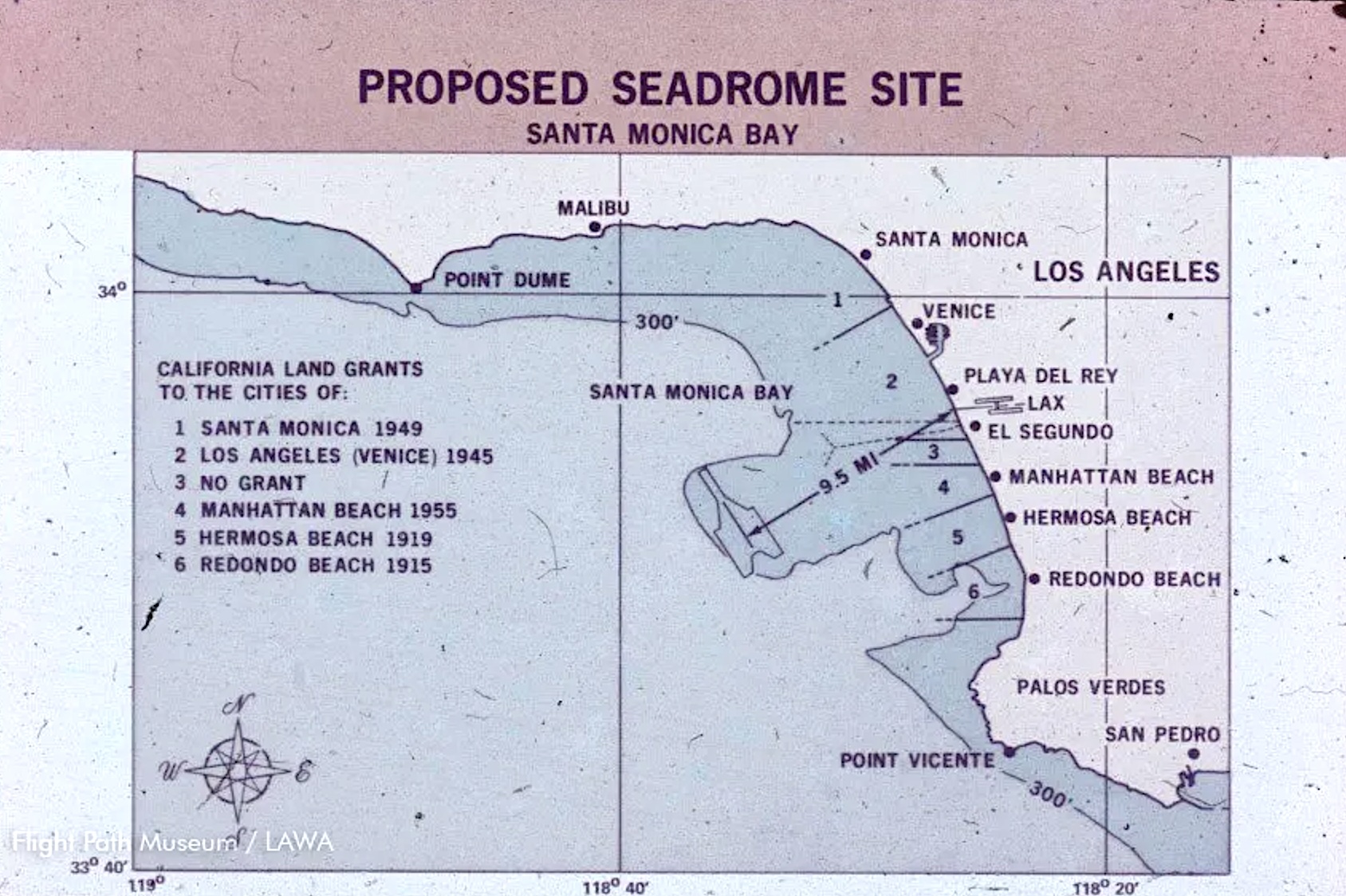
It would be used as an adjunct to the regular airport. Passengers would use commuter helicopters to travel the 9.5 miles offshore to reach the facility.
The idea never made it out of the study stage and was never part of any subsequent LAX master plans.
A seadrome also was proposed in 1967 in a feasibility study by Transportation Systems Corp. for the LAX Board of Airport Commissioners. The idea never got any further.
Armstrong died in 1955, but not before his later efforts with DuPont and Sun Oil led to his ideas and basic designs being used by the oil industry to create and deploy offshore oil rigs.
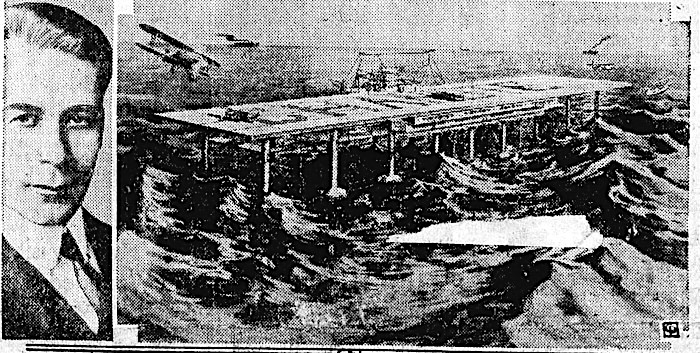
Note: Thanks to Mike George.
Sources:
“Airports Across the Oceans,” by Stewart B. Nelson, American Heritage’s Innovations and Technology website, Summer 2001.
Daily Breeze archives.
“LAX Alternate Universe,” Jean Christophe-Dick, Flight Path Museum LAX website, Jan 12, 2022.
Los Angeles Times archives.
San Pedro News PIlot archives.
“Seadromes… on Islands and Megastructures,” dpr-Barcelona website.
Wikipedia.