These days, we’re all accustomed to using the ubiquitous five-digit ZIP code. But it wasn’t always so.
In fact, there were no postal codes in use at all up until thousands of U.S. mail workers left their jobs temporarily to join the armed services during World War II.
Post office managers had to hire and train inexperienced replacement workers. Combine that with the increased volume of wartime mail – long-distance telephone calls were prohibitively expensive then – and you have an increasingly inefficient postal system.
In May 1943, U.S. Post Office Department Postmaster Frank C. Walker introduced a partial postal zone system to speed mail sorting. One and two-digit codes were assigned to individual regions of 132 larger cities, allowing workers to sort large amounts of mail without needing detailed knowledge of city areas.
The codes followed the city names in the address. For instance, the Hollywood area of Los Angeles, was given zone number 28, so its city address line read “Hollywood 28, California.” Only larger cities were assigned the codes.
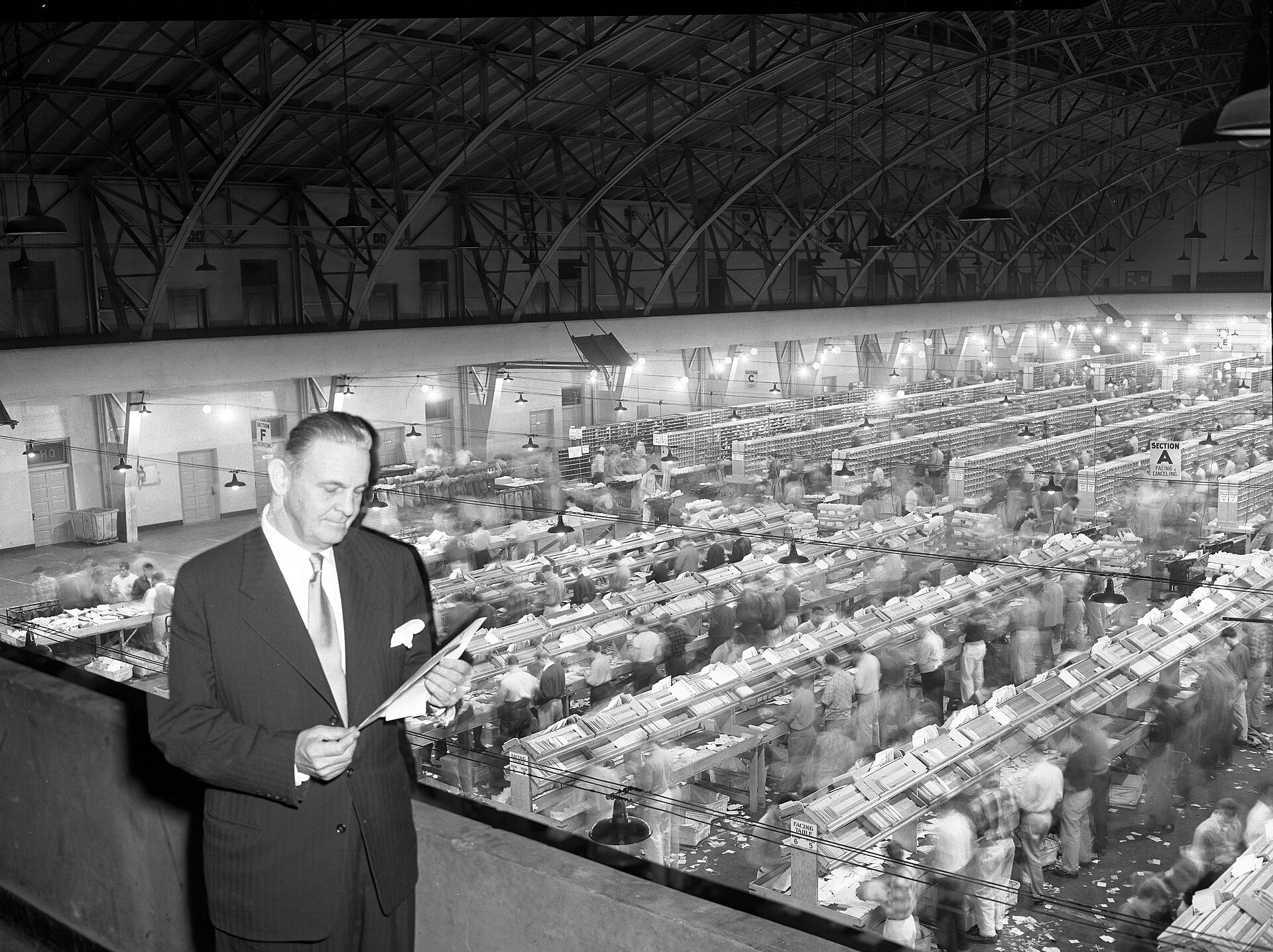
This rudimentary coding system worked for a while, but the postwar population explosion greatly increased the flow of mail. It became clear to J. Edward Day, appointed Postmaster General by President John F. Kennedy in 1961, that a universal system for all locations in the U.S. had become a necessity.
Day announced the adoption of the “Zone Improvement Plan” (ZIP) on Nov. 28, 1962. ZIP codes were based on a formula first put forth by postal inspector Robert Moon in 1944. Moon proposed the five-digit format, with the first three numbers representing the regional processing area and the last two, the destination code.
The ZIP codes officially introduced by Day in 1963 varied slightly. The first number represents a large region of the country. The second two numbers are code for regional postal centers in that area, and the final two numbers, the code number for the mail’s final destination within the region.
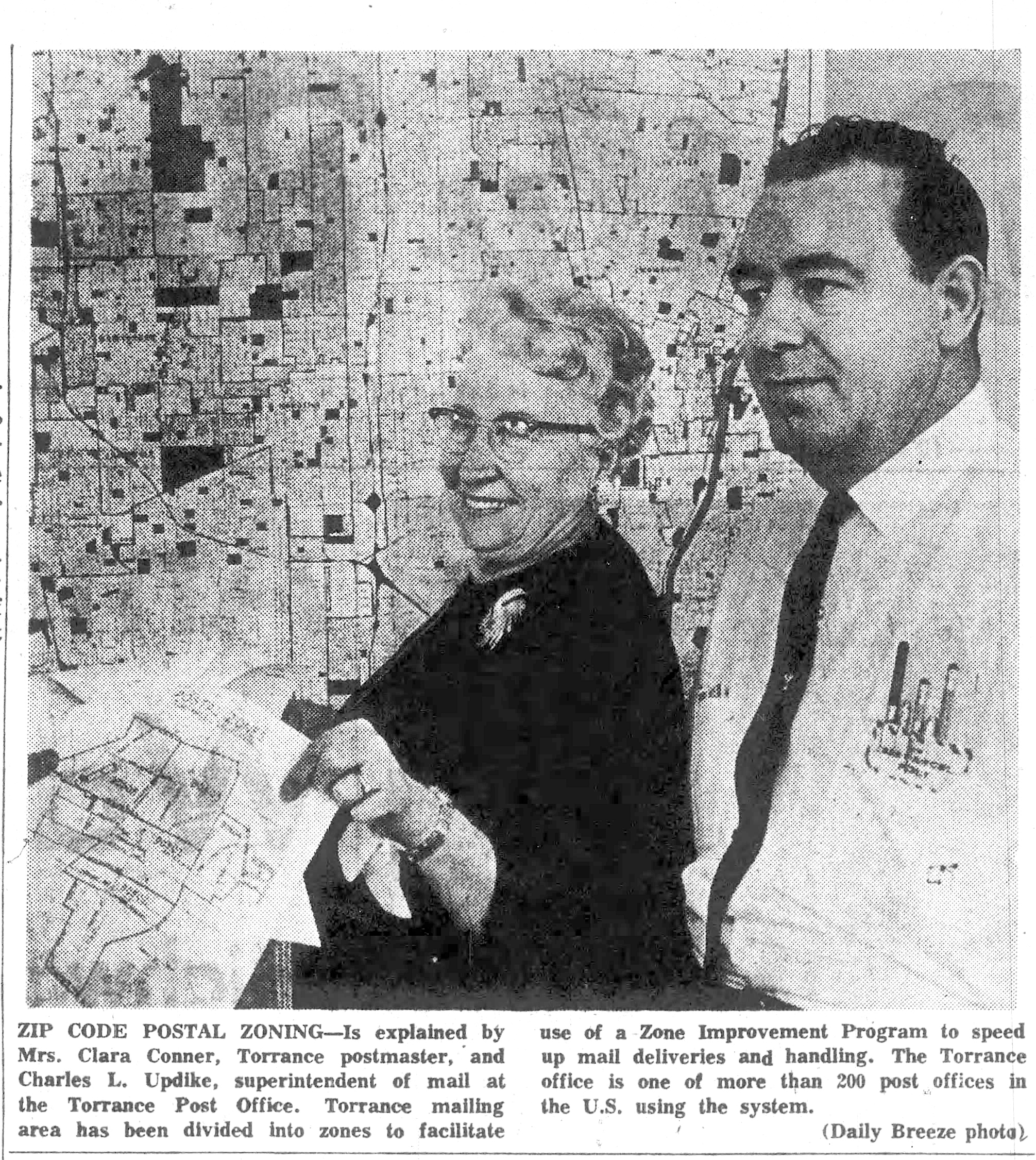
Torrance Postmaster Clara Conner announced that the city had been among more than 200 selected for early adoption of the new system.
A promotional campaign was launched to convince everyone to use ZIP codes, beginning on the official start date of the program, July 1, 1963. Bulk mail users, which made up 75 percent of mail at the time, had no problem being convinced, as the codes greatly improved the efficiency of large-scale mailings.
The average American Joe and Josephine would take more persuasion. Some people felt that it was one more instance of the government increasingly treating citizens like anonymous numbers.
This was understandable, since the ZIP codes mandate arrived as telephone companies were adding area codes and shifting from names for exchanges to all numbers and the use of Social Security and driver’s license numbers for identification had become ubiquitous.
Daily Breeze columnist Sam Stewart acknowledged as much in his column of July 18, 1963: “Like it or not, we are in an age of numbers. They are what identify us as individuals, not names.”
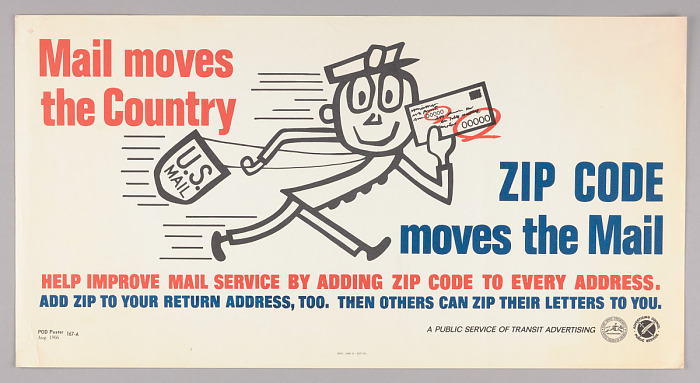
The promo campaign for ZIP codes included its own cartoon character, Mr. ZIP. Mr. ZIP appeared in ads and “in person” in the form of wooden statues installed in selected post offices.
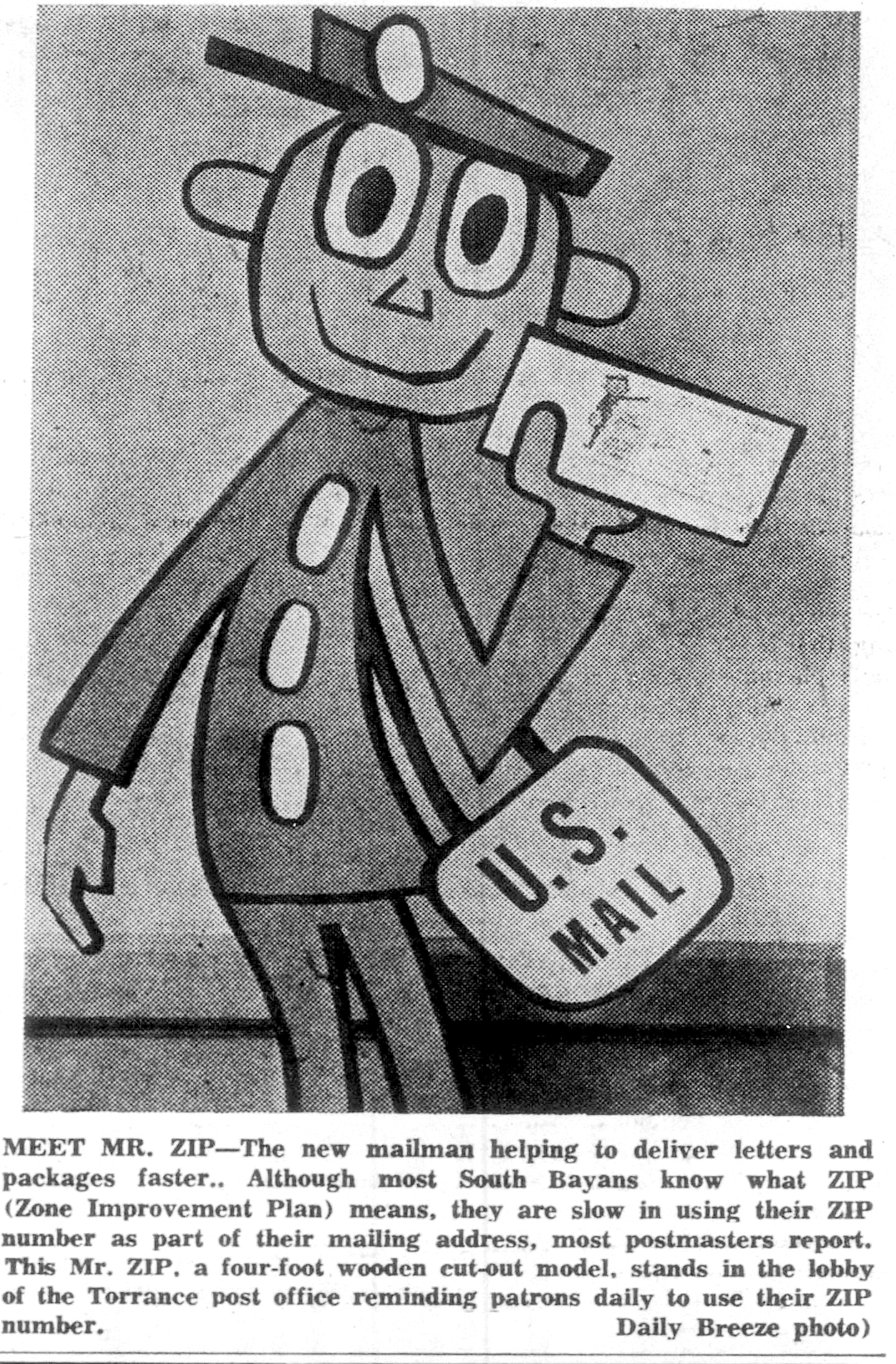
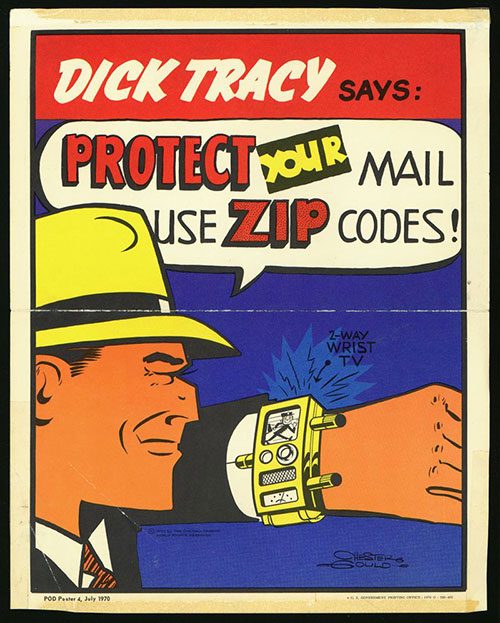
In addition, the national campaign included spots featuring the Ethel Merman recording of a pro-ZIP code song set to the tune of “Zip-a-Dee-Doo-Dah.” Later posters and ads featured Chester Gould’s comic strip detective Dick Tracy and Milton Caniff’s character Steve Canyon promoting the new postal numbers.
Postal authorities claimed that the use of ZIP codes would reduce delivery times for all types of mail by at least 24 hours by facilitating the widespread use of automated sorting machines to help speed mail to its destinations.
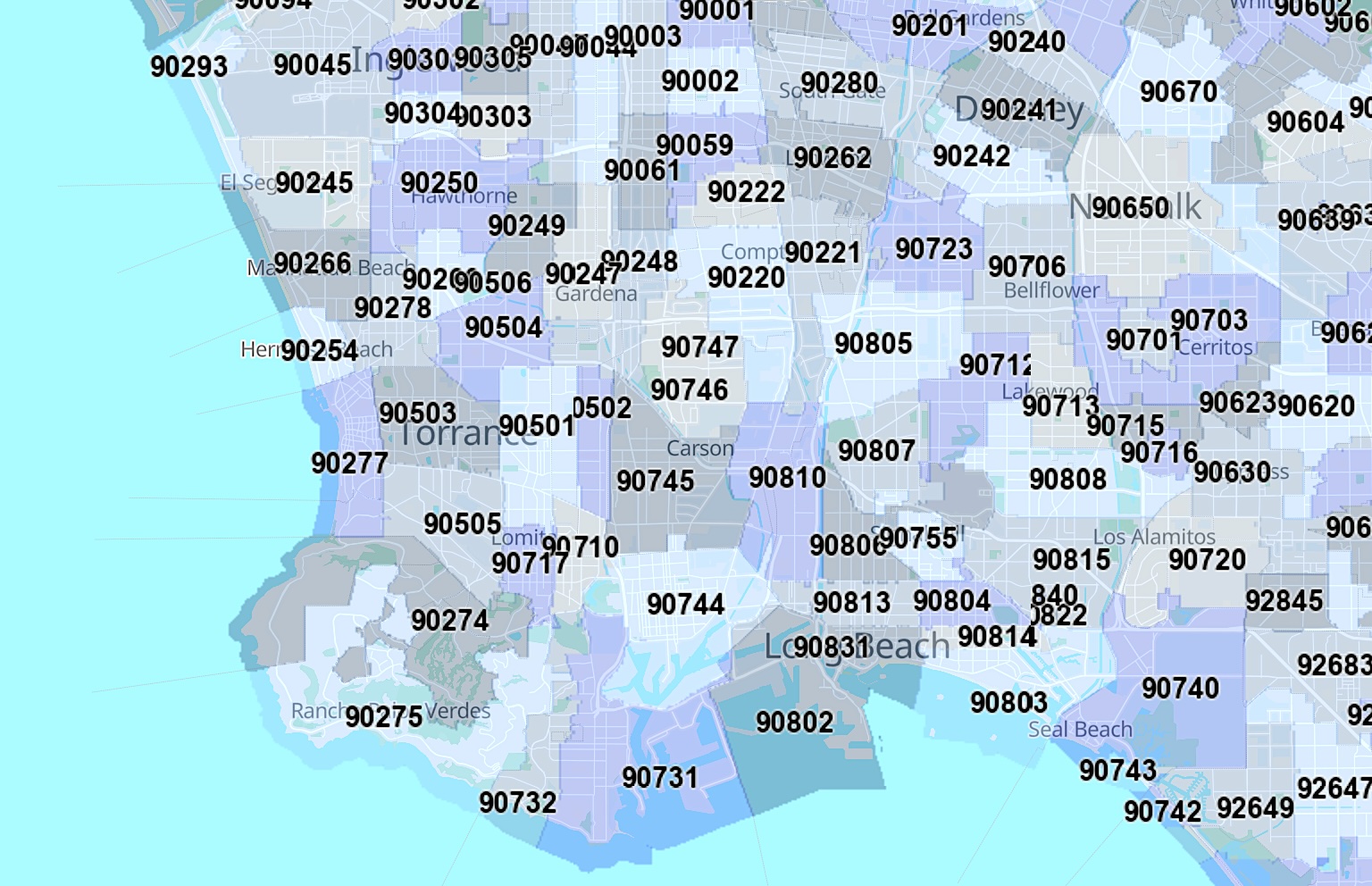
By the time July 1 rolled around, all local post offices in the South Bay and Harbor Area had received their numeric designations under the new system.
Despite some pushback from users and occasional delivery foul-ups after the roll-out, the codes generally were accepted by most. Processing bugs were corrected, and more sophisticated machinery was introduced that could read the codes with increasing efficiency.
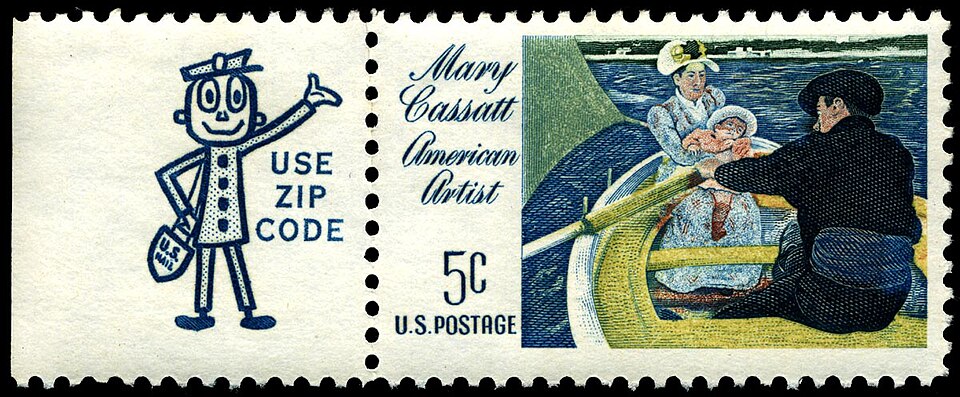
The ZIP code promotional campaign continued. ZIP code 99701 was assigned for letters to Santa Claus, and the wildly popular Beatles announced in 1964 that their fan mail ZIP code was 10019. By 1965, even Smokey the Bear had a ZIP: 20252.
A Roper public opinion poll conducted by the Postal Service in 1969 found that 90 percent of those surveyed favored the use of the ZIP code system.
As more and more kinks were ironed out, the use of ZIP codes soon became an automatic part of using the postal system. In 1983, four-number extensions were introduced for even more precise mail delivery. They are more commonly used by businesses than residential senders.
The Mr. ZIP character was retired in 1983. By then, ZIP codes had become a necessity for a variety of purposes besides mail, including demographic data analysis, credit card fraud prevention, insurance risk assessment, and real estate sales.
Sources:
“Curator’s Pick – Dick Tracy and Mr. ZIP,” by Nancy Pope, Smithsonian National Postal Museum website, March 11, 2010.
Daily Breeze archives.
“Don’t Know ZIP? The list: 5 Surprising Facts about ZIP codes,” United States Postal Service website, July 24, 2018.
San Pedro News Pilot archives.
Torrance Press-Herald archives.
The Untold Story of the Zip Code, U.S. Postal Service Office of Inspector General, April 1, 2013.