
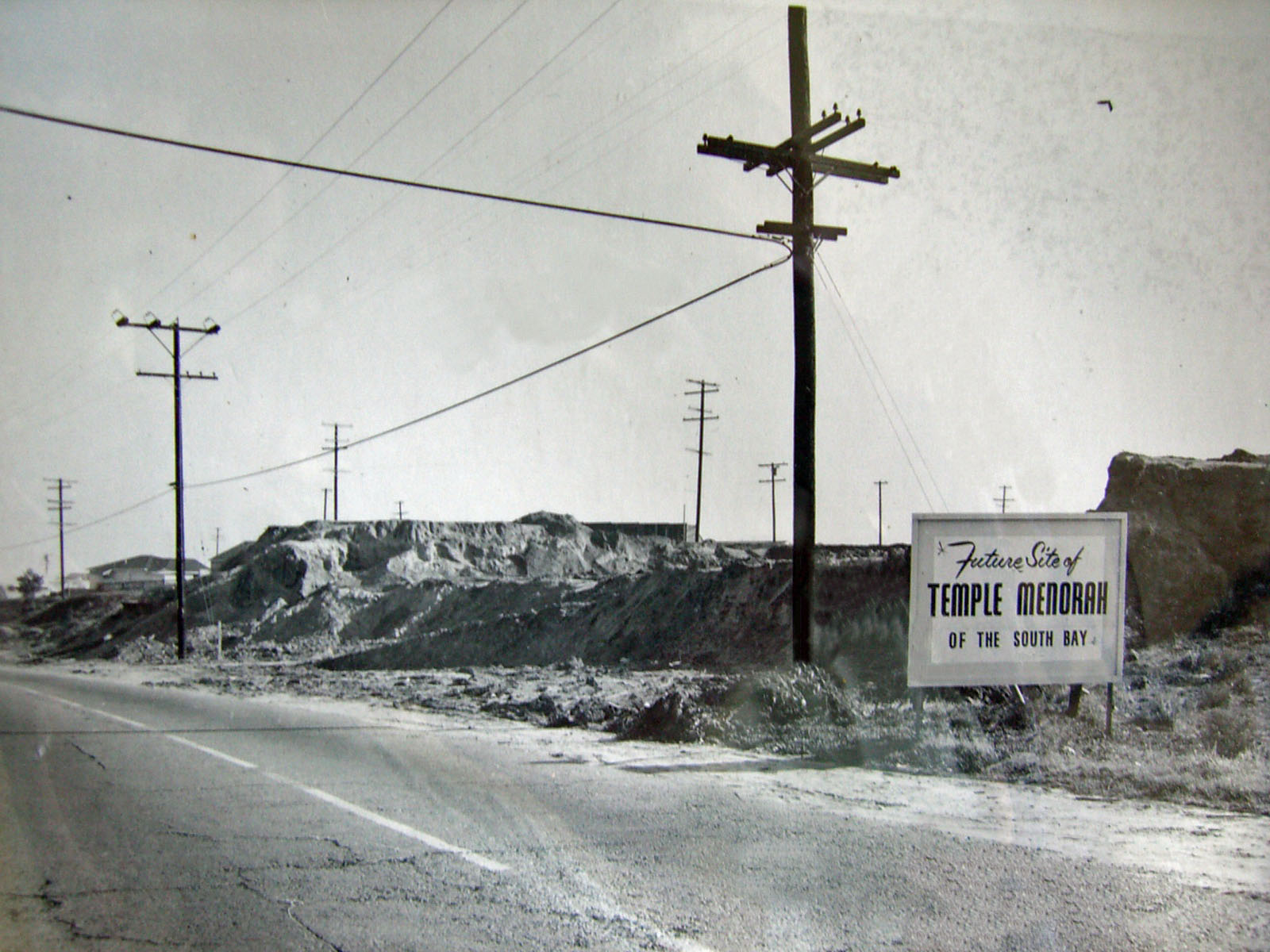
The South Bay’s largest synagogue, Temple Menorah in Redondo Beach, can trace its origin back to an open letter written in early 1946 by Isaac H. Grancell of Hermosa Beach.
Grancell and his wife, Anna, sent the letter out to selected local Jewish residents asking for their participation in the formation of a religious community to serve their spiritual and social needs. An initial organizational meeting for the fifteen families who responded was held at the Grancell house in Hermosa Beach.
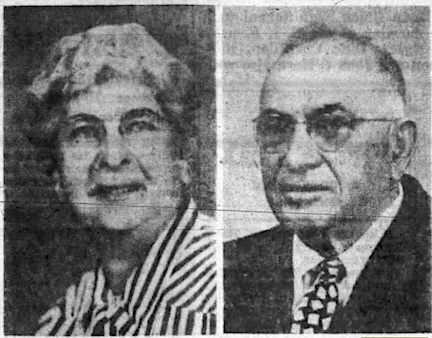
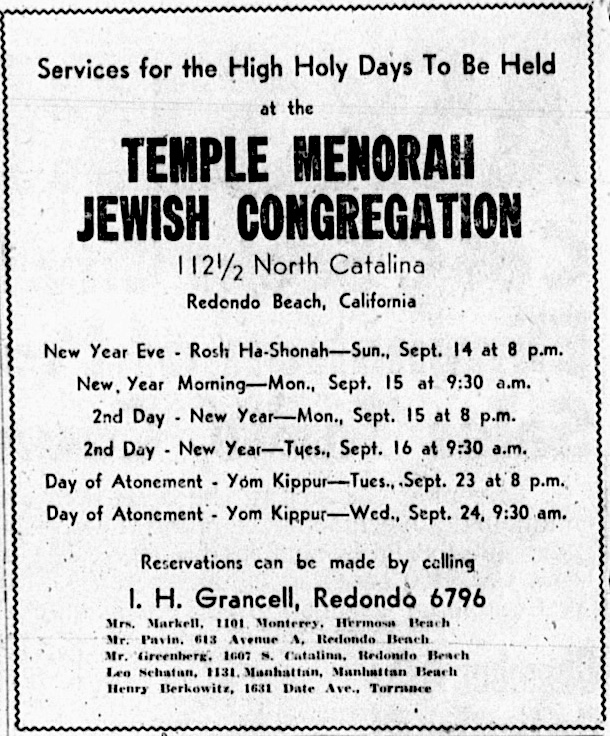
The Grancells then purchased the former Redondo Beach Odd Fellows meeting room at 112½ N. Catalina Ave. Renamed the South Bay Jewish Community Center, it would serve as the congregation’s home base for the next 14 years.
An installation dinner for new officers was held on Sunday, Feb. 2, 1947 at the center. Superior Court Judge Stanley Mosk was the speaker. He would later become a justice on the California Supreme Court and serve as California State Attorney General.
Almost immediately, subgroups were formed, including a religious school with 17 pupils in Sept. 1946, and Sisterhood and Youth groups in 1947. (A Men’s Club was added later.) In March 1947, the congregation adopted the name Temple Menorah.
The congregation grew quickly during the 1950s, and it became apparent that the Catalina Ave. meeting space was inadequate for its needs. In 1954, temple leaders purchased a three-acre site in Torrance as a site for its new complex, but they sold it when they found out that it would be surrounded by a planned shopping center.
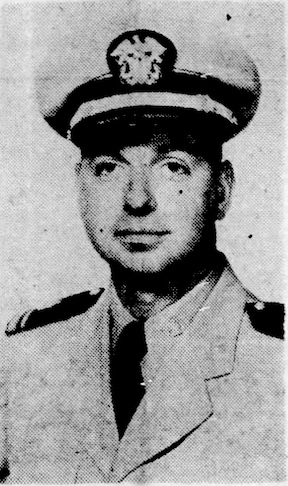
The temple’s first full-time spiritual leader, Rabbi Henri Front, was a driving force behind the quest for a new facility. Appointed on July 1, 1957, Rabbi Front had just recently returned from military service in Okinawa, where he served as a chaplain. He would serve in that position for five years.
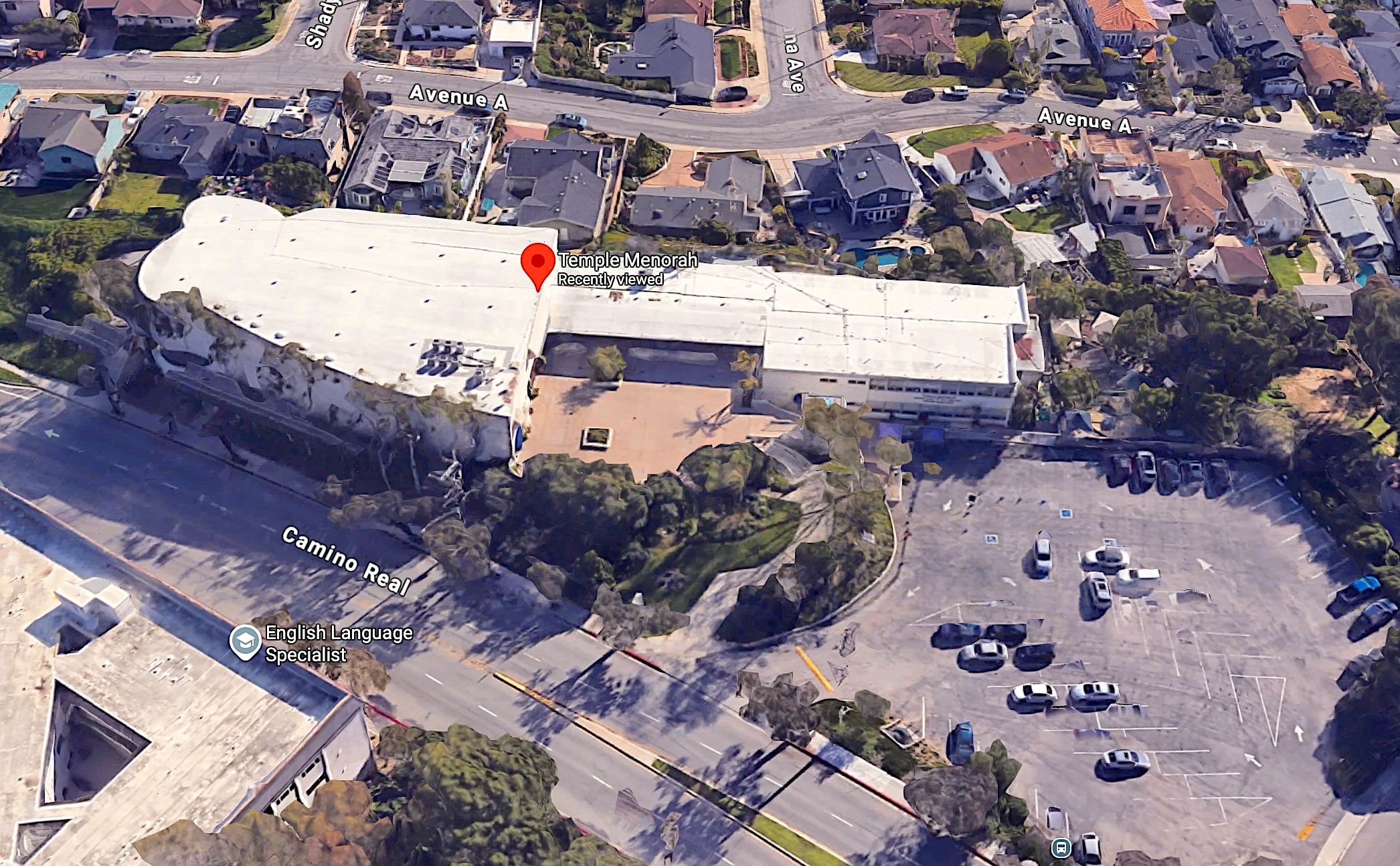
Under his leadership, the money from that sale was turned around to purchase a three-acre empty site just across the border in Redondo Beach, on Camino Real (Sepulveda) just east of Knob Hill Ave.
By 1958, the property had been rezoned in preparation for construction, and the temple’s members began serious fundraising efforts to pay for the new synagogue.
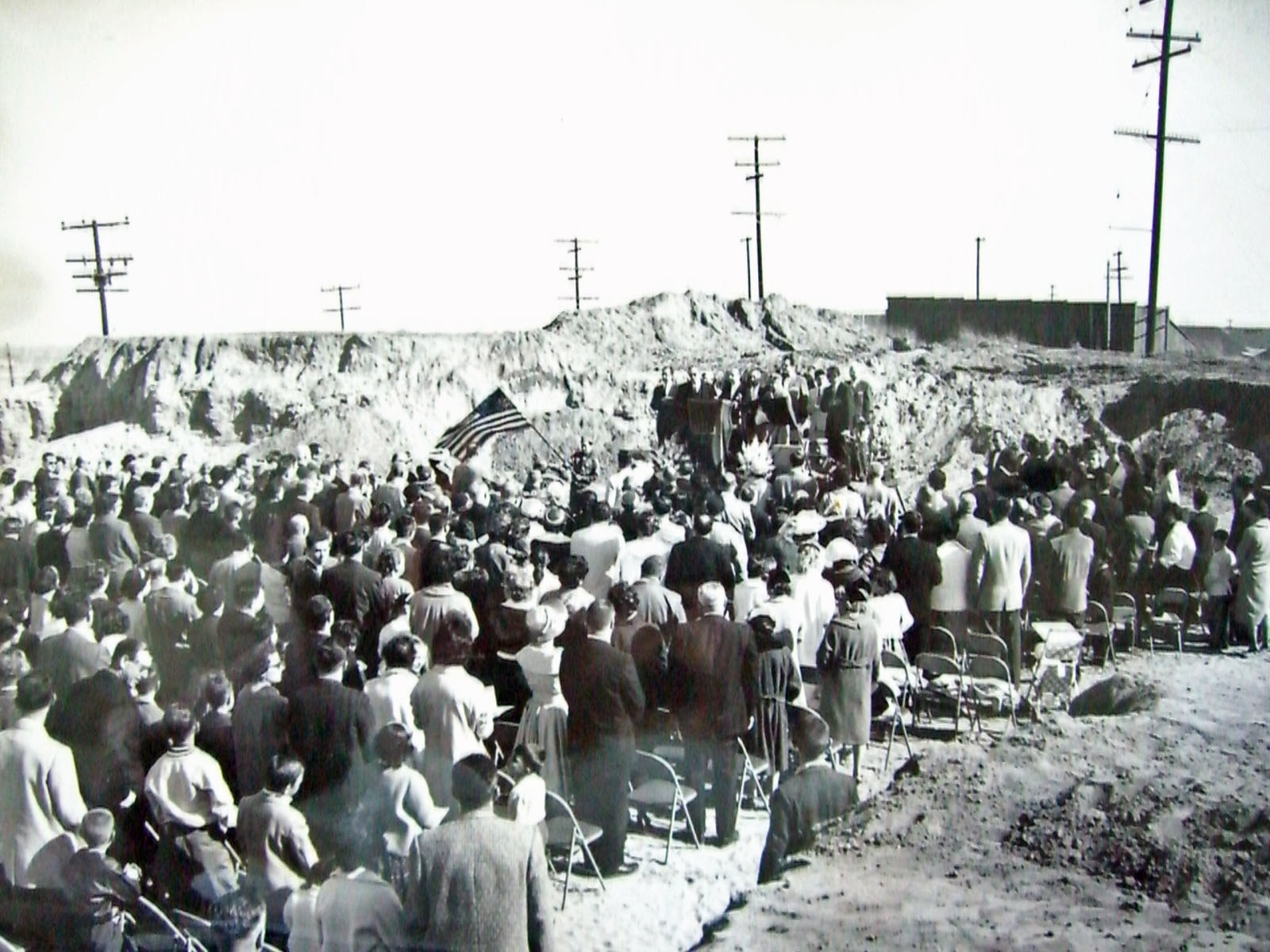
On Feb. 21, 1960, groundbreaking ceremonies were held at the undeveloped lot at 1101 Camino Real. Award-winning architect Kenneth Lind’s plans for the new temple and related buildings were revealed at the event.
The complex was slated to include a 400-seat sanctuary, a combination social hall/basketball court, a 16-classroom school wing, library and youth and adult lounges, a large kitchen and many other amenities. A smaller sanctuary also was planned.
Plans for the main sanctuary called for a round space, in keeping with traditional Jewish synagogue architectural design. The social hall and other rooms had movable walls that would allow for as many as 1,000 people to attend services in the main sanctuary.
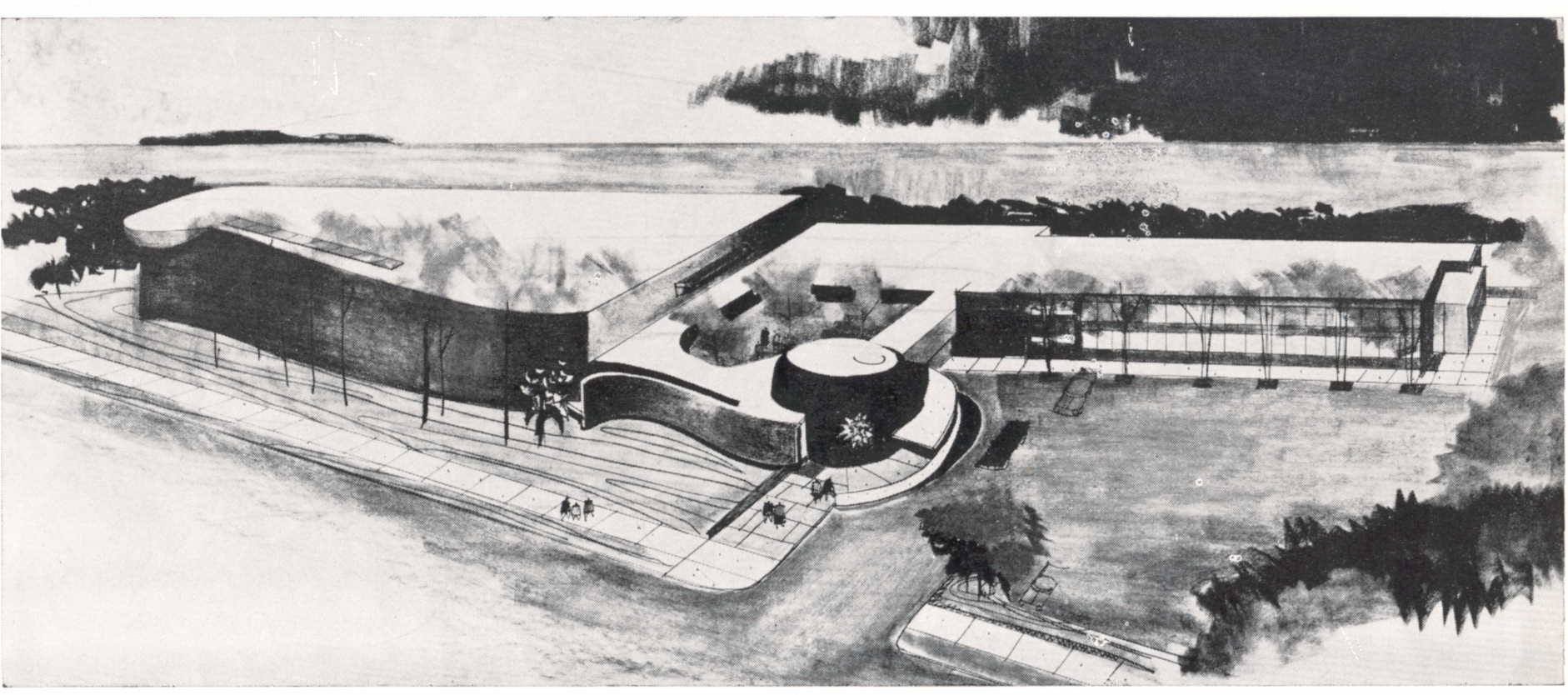
Construction of the new structures began on Jan. 30, 1961. After the project was completed, dedications for its various buildings were held on Oct. 6-8, 1961.
Years later, another sanctuary was dedicated during the weekend of Oct. 25-27, 1969. The ceremonies celebrated Anna Grancell and her late husband, Isaac, who had played a key role in Temple Menorah’s founding. The new addition was named the Grancell Sanctuary in their honor.
Over the years, Temple Menorah has become the largest Jewish congregation in the South Bay. It continues to serve the spiritual needs of individuals and families from South Bay communities, including El Segundo, Manhattan Beach, Hermosa Beach, Redondo Beach, Torrance and the communities on the Palos Verdes Peninsula.
Sources:
Daily Breeze archives.
Redondo Reflex archives.
Temple Menorah website.
Torrance Press-Herald archives.


I always enjoy your articles and often forward th
LikeLike