
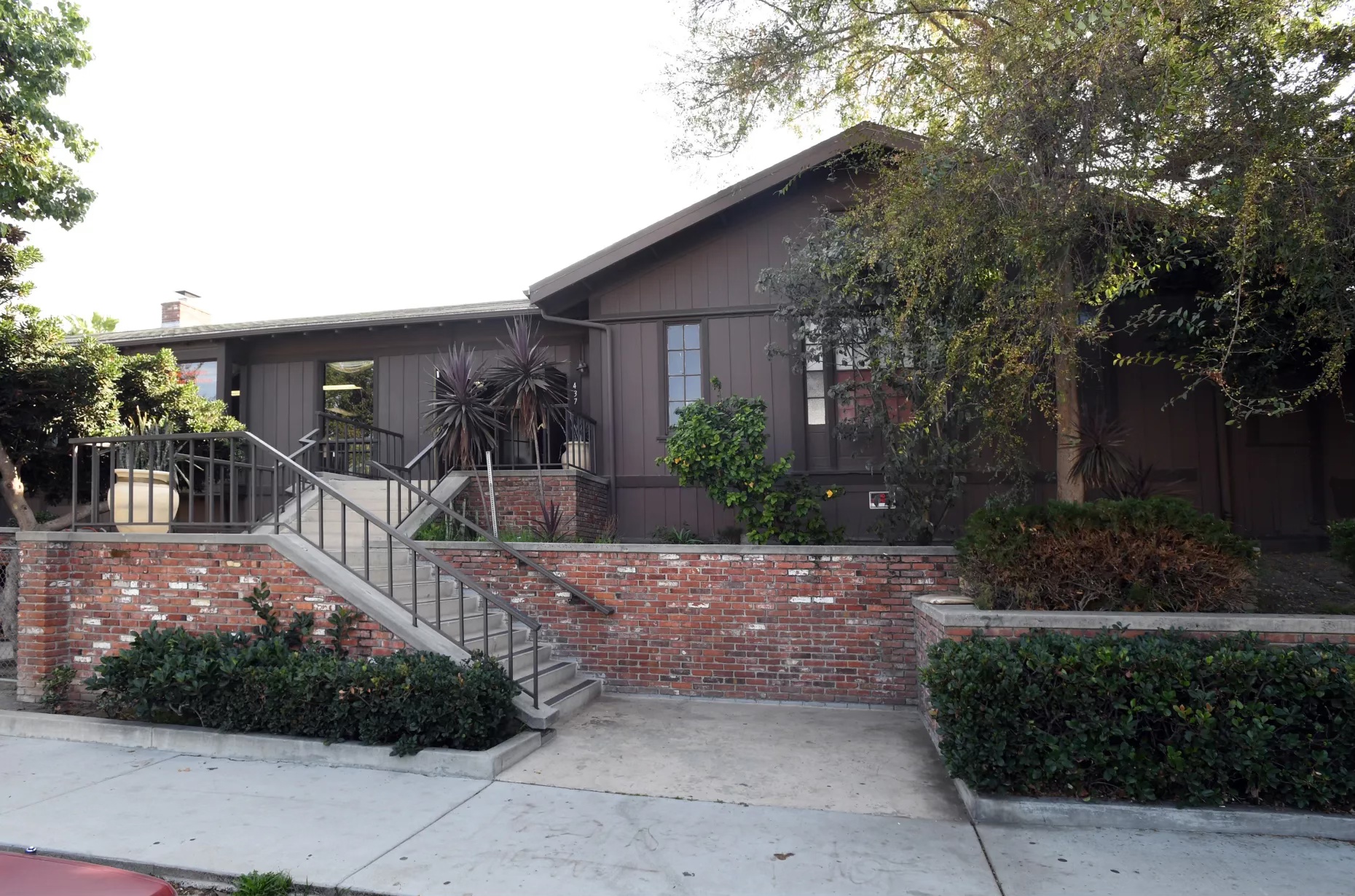
The San Pedro YWCA was formed during the World War I era to give young women devoting themselves to supporting the war effort a place to live and find community.
Those goals were totally in keeping with the ideals of the original Young Women’s Christian Assocation, which was founded in London, England in 1855. Philanthropist Lady Mary Jane Kinnaird began the group 11 years after the founding of the Young Men’s Christian Association (YMCA).
The YWCA offered lodging, education and fellowship to single women – nurses, factory workers and others – migrating from the English countryside to the big city in order to work in support of an earlier war effort, the Crimean War.
In 1884, the YWCA went international, with the addition of groups that had formed in Norway, Sweden and the United States.
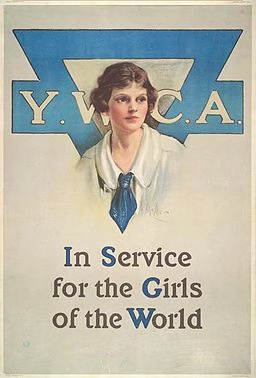
Kinnaird’s YWCA originally was aligned with organized religion, but by the time the San Pedro branch was founded, it was moving toward becoming a secular organization, which it mostly had become by 1920. Some branches still offered spiritual counseling, but the group was not affiliated with any one religion.
San Pedro’s standing as a major military industrial center, especially shipbuilding, led to the need for the support role played by the YWCA more apparent. Many women already had been working for a local group, the YWCA War Work Council of San Pedro. Its officers were the ones who got the ball rolling toward the establishment of a physical home for the YWCA.
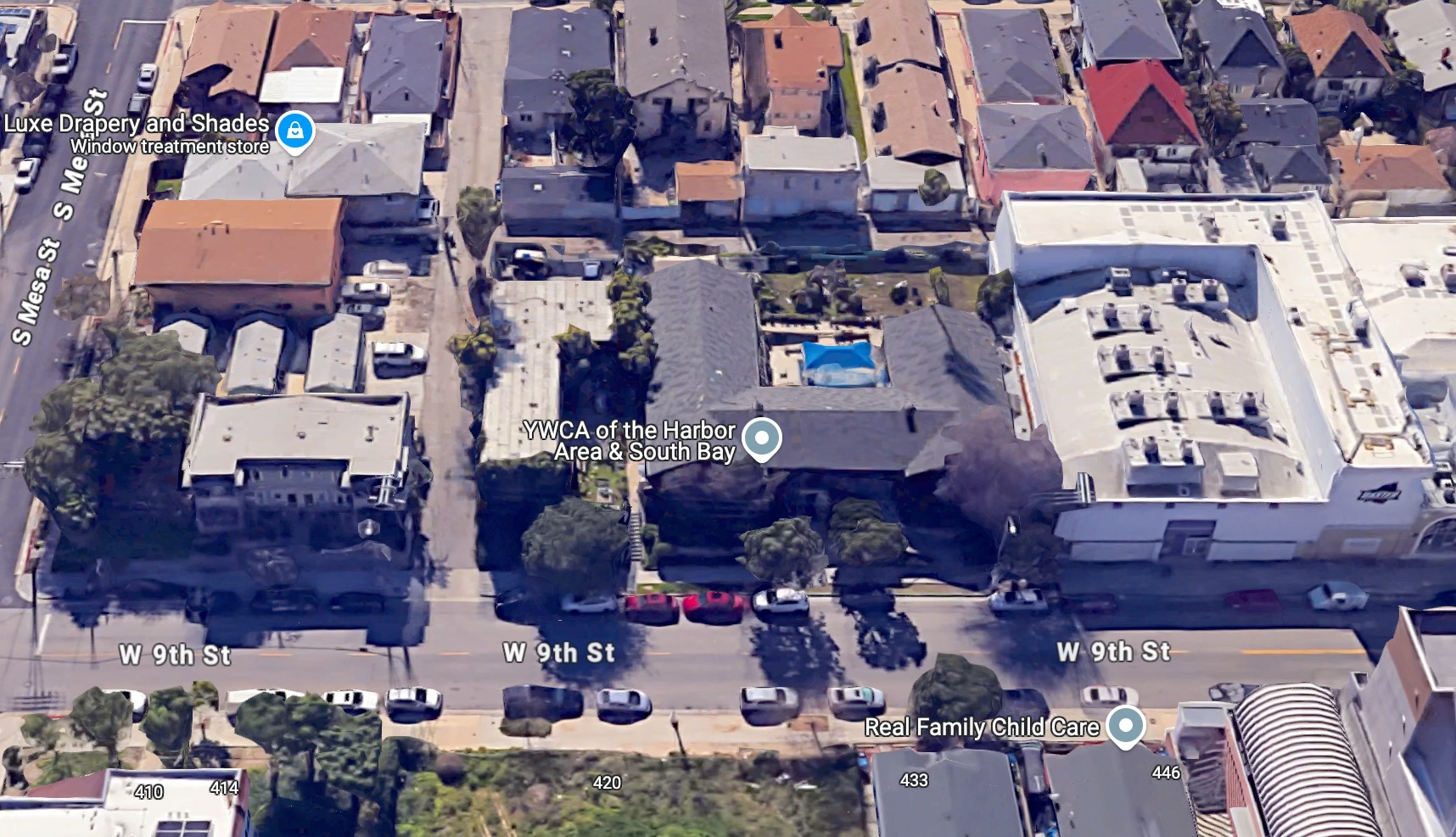
In March 1918, the War Work Council purchased three lots on the south side of Ninth Street, between Mesa St. and Pacific Ave., and the drive to build the headquarters building was underway.
It was a popular idea. According to the San Pedro News Pilot, Mrs. C.J. Golden went to a YWCA conference in northern California at Asilomar in Pacific Grove to petition leadership for $5,000 in funds for the project. She returned home with a $10,000 grant from the group.
Once financing was secured, details of the building project were announced in July 1918. Its total cost: $26,000. It would include living quarters, a large social room, a locker room and even an indoor swimming pool in the basement. (Unfortunately, the swimming pool had to be filled in later when the unstable ground beneath made it untenable. An outdoor pool was later added.)
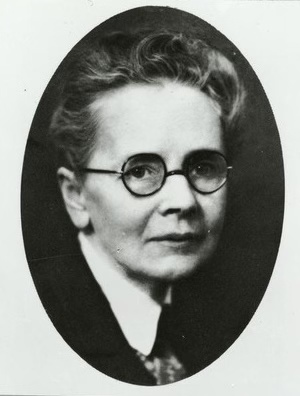
The group hired a highly regarded architect to design the facility: Julia Morgan of San Francisco. Morgan had designed several other YWCAs, including buildings in Long Beach, San Francisco and other YWCAs in Arizona, Hawaii and Utah.
Morgan’s affiliation with the group began in 1913, when Phoebe Apperson Hearst, William Randolph Hearst’s mother, recommended her to design the group’s Asilomar conference center mentioned above.
Morgan already had begun a distinguished career as architect and engineer. She was the first woman student admitted to the architecture program at the Ecole de Beaux Arts in Paris, and the first woman architect to be licensed in the state of California. She would later go on to design the main buildings of Hearst Castle in San Simeon.
Her reputation was secured by her 1904 design of the El Campanil tower at Mills College across the bay from San Francisco. Morgan’s pioneering use of reinforced concrete allowed the building to remain standing when most others in the area fell during the 1906 San Francisco earthquake. (It also survived the 1989 Bay Area quake.)
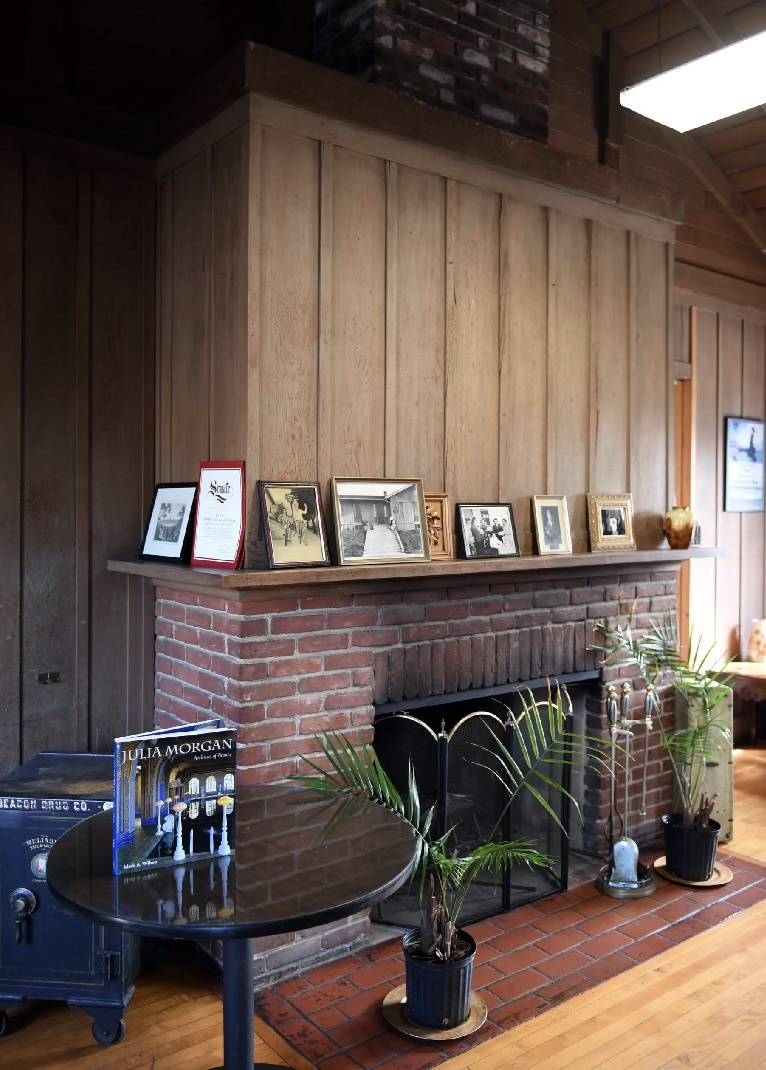
The Craftsman-style dark brown building she designed in San Pedro certainly was much less ornate than Hearst Castle. But its warm wood floors, crackling fireplace and other inviting decor elements made it a welcoming place for its members and inhabitants.
She also designed a more basic additional rectangular building in 1926, giving the facility much needed additional space.
No official dedication was held for the San Pedro YWCA building, but its occupants began moving in by late 1918, just as World War I was coming to a close. The first YWCA meeting was held there on Oct. 25, 1918. It quickly became a vital asset in the community, serving as a meeting center not only for the Y but for many other community groups.
Over the years, many additions have been made to the complex at 437 W. Ninth St., though none have quite as much charm as the original building. It remains a vital part of the community group’s operations.
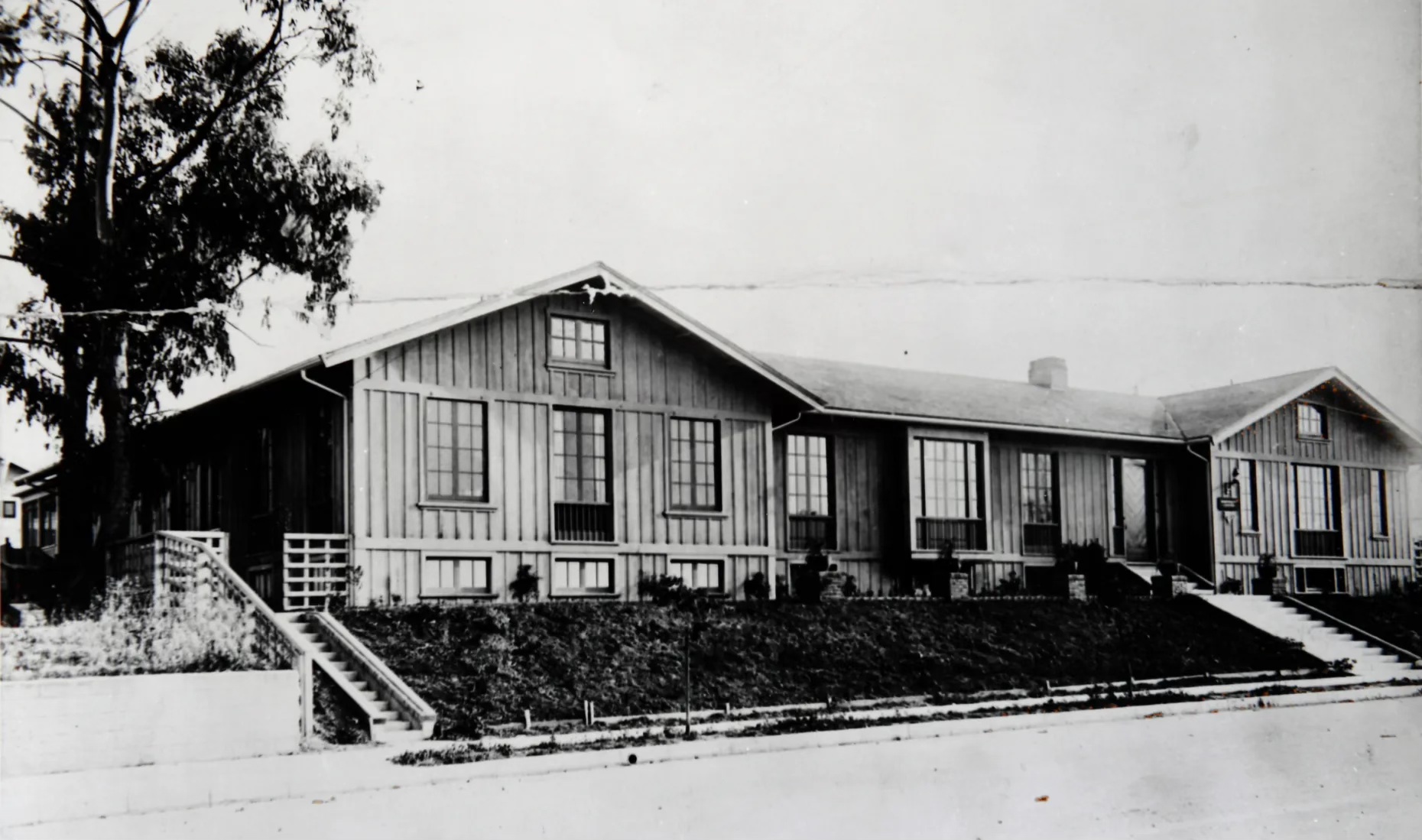
On May 3, 1978, the San Pedro YMCA original building, also known as the Morgan House, became Los Angeles Historic – Cultural Landmark #186, and the community celebrated its 100th anniversary in 2018.
As for Julia Morgan, she died in 1957 at 85. She was inducted posthumously into the California Hall of Fame in 2008. In 2014, she became the first woman ever to receive the American Institute of Architects’ highest honor, the AIA Gold Medal.
The San Pedro YWCA now operates as the enlarged YWCA of San Pedro and the South Bay, having assimilated members of the Torrance YWCA following that group’s dissolution during the late 1990s.
Sources:
Daily Breeze archives.
“Our Local Buried Treasure: The San Pedro YWCA – A Julia Morgan Building,” by Laureen Claire Vivian, San Pedro Pulse website, May 27, 2022.
San Pedro: A Pictorial History, by Henry P. Silka, San Pedro Bay Historical Society, 1993.
San Pedro News Pilot archives.
Wikipedia.

