
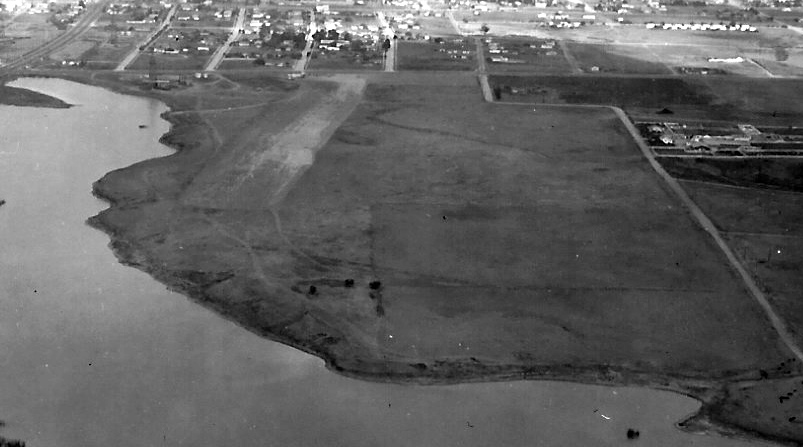
My recent post about Bay Cities Airport, a long-gone airfield in north Torrance, tipped me off to the presence of another one-time local airport further south in Wilmington.
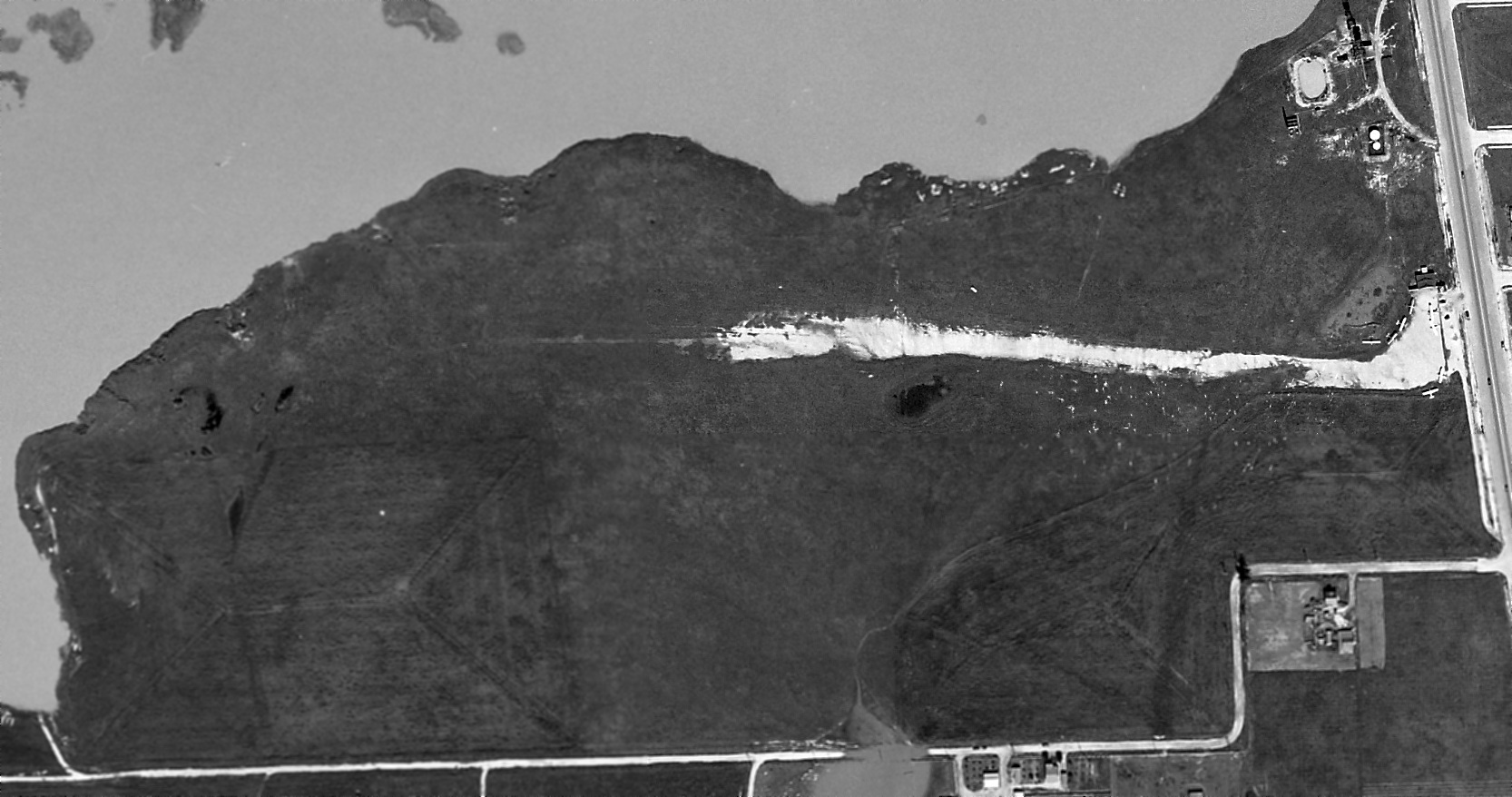
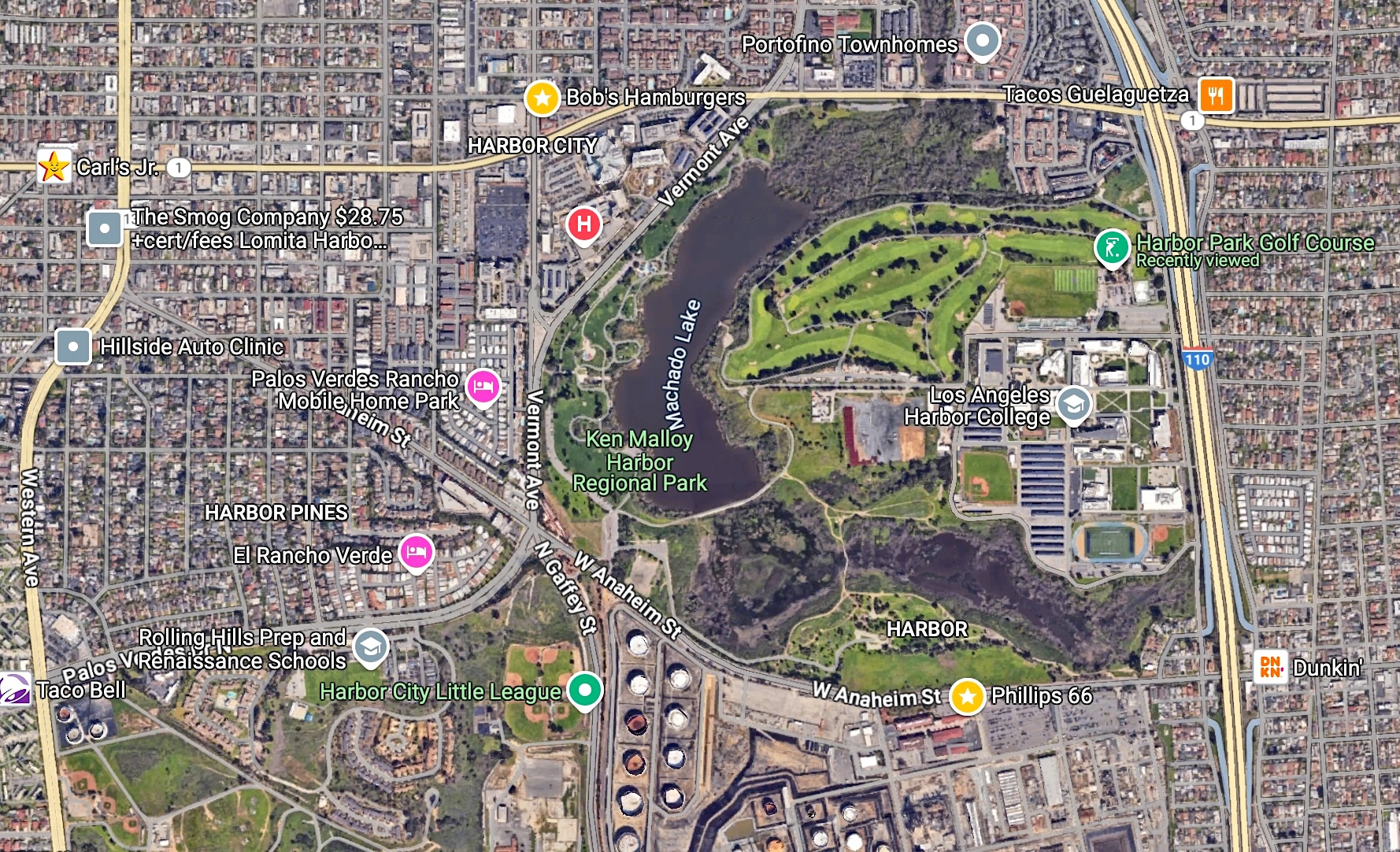
The Wilmington Airport opened in 1929 on roughly 80 acres of land west of Figueroa and L streets.The land was adjacent to Bixby Lake and the larger Bixby Slough, an untamed body of water whose size varied with the weather. Fortunately, the airport land was elevated, had good drainage and was not susceptible to flooding.
Flooding at the slough and its wetlands would be a huge problem until the mid-1960s, when the Dominguez Channel flood control project was completed. By then, Bixby Lake had been renamed Machado Lake and had become part of Harbor Regional Park.
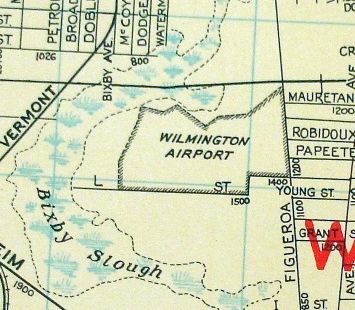
But all of that was barely a gleam in the eyes of Los Angeles city planners when Wilmington Airport was officially dedicated in late July 1929, roughly six weeks after it had opened to flyers in early June.
George Matteson was in charge of the facility, which was the home of the Wilmington Aerial club. The new airport also included a 17-member flight school operated by Bob Eccles.
The small airport had few amenities. Its airstrip was unpaved, and it only had one small hangar. It continued to operate as part of the informal network of small Los Angeles-area airfields until late July 1937, when the Carson Oil Co., the owner of an oil lease on the property, thought it detected a possible strike and closed the airport while it conducted a test drill..
It turned out to be a dry hole. The drilling equipment was dismantled, and the airport reopened for business In early October 1937.
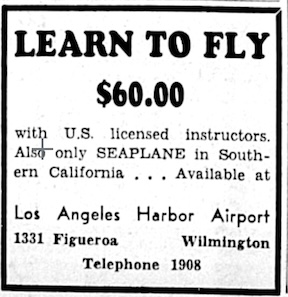
It would soon close again, this time for a longer stretch, following the Japanese attack on Pearl Harbor on Dec. 7, 1941. When news of the attack broke, all civilian planes were grounded by the Civil Aeronautics Administration, predecessor of the FAA.
Airport manager Stanley Woodman told the San Pedro News Pilot at the time that 12 airplanes, two of them seaplanes, were based there. In addition, he noted that more than 50 student pilots were then learning to fly at Wilmington Airport. Woodman took on a new role during the war, flying military planes from the airfield to battle zones all over the world.
The U.S. Army had taken possession of the field as part of the sprawling Los Angeles Port of Embarkation facility, known informally as Camp Ross, from which thousands of soldiers were shipped overseas to fight in World War II.
Part of Camp Ross consisted of a military encampment that was built on land just south of the former airport. These barracks housed a variety of occupants: troops stationed in the area, Army personnel headquarters, the Women’s Army Corps (WACS), and, for a time, foreign prisoners of war.
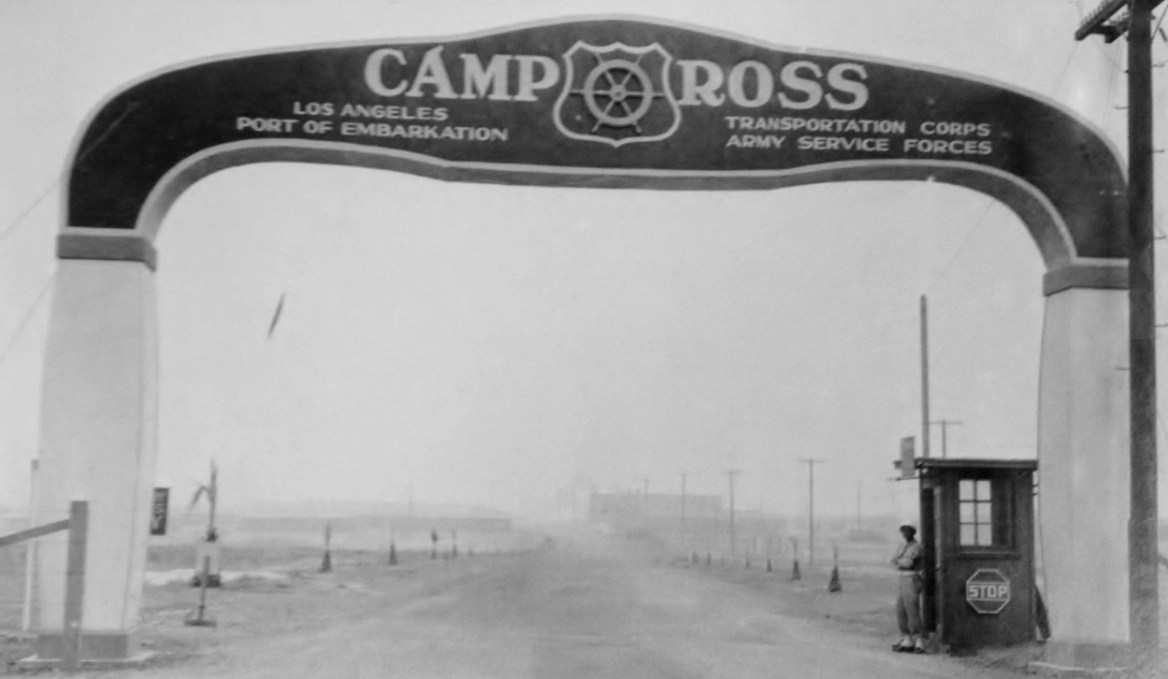
Barracks were also built on the airport site itself. Some were used for housing, while others provided entertainment and services for troops onsite. The former airport hangar was transformed into a post exchange and recreational building.
When it closed after the war, the various barracks were used for veterans’ housing, accommodating about 500 families. That arrangement was temporary, and ended when the Los Angeles Board of Education bought the land south of the airport to use as the location for its new junior college, Los Angeles Harbor College. The school opened in September 1949.
Recommendations to reopen and upgrade Wilmington Airport were made by the CAA in 1944, which proposed spending $342,000 on the project, and by the Los Angeles county planning commission in October 1945.
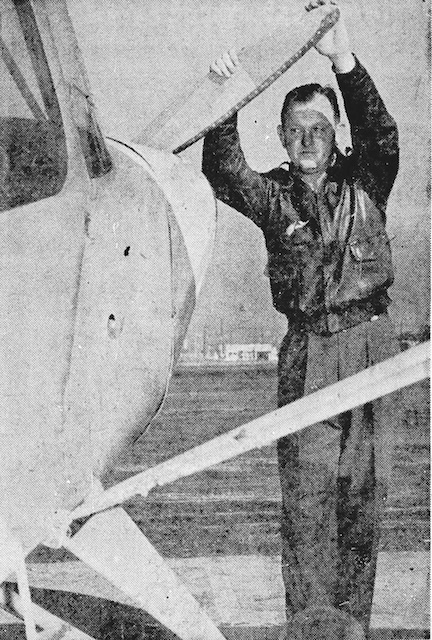
No action was taken immediately on the proposals. Enter former Air Force lieutenant Robert H. Wyckoff, who had taken over management of the field after the military returned the land to its owners in 1947. Wyckoff was determined to reopen the airport.
Unfortunately for Wyckoff, the city of Los Angeles had rezoned the parcel as restricted residential land in 1946. It had been formulating plans for a large recreational park that would include Bixby Lake and the surrounding lands that were being reclaimed from Bixby Slough.
A court battle ensued. On Nov. 30, 1948, the courts ruled in favor of Wyckoff, who had presented a letter during the trial from the city planning department authorizing him to re-establish the airfield.
Wyckoff began airport operations, but the city wasn’t done. It appealed the court ruling for months, claiming among other things that the presence of the airport would impair any plans to expand Harbor College, then under construction.
With no resolution to the dispute seemingly in sight, the city finally decided to just purchase the 80 acres of airport land outright from its owners in August 1949, putting an end to the court battle and, eventually, to the airport.
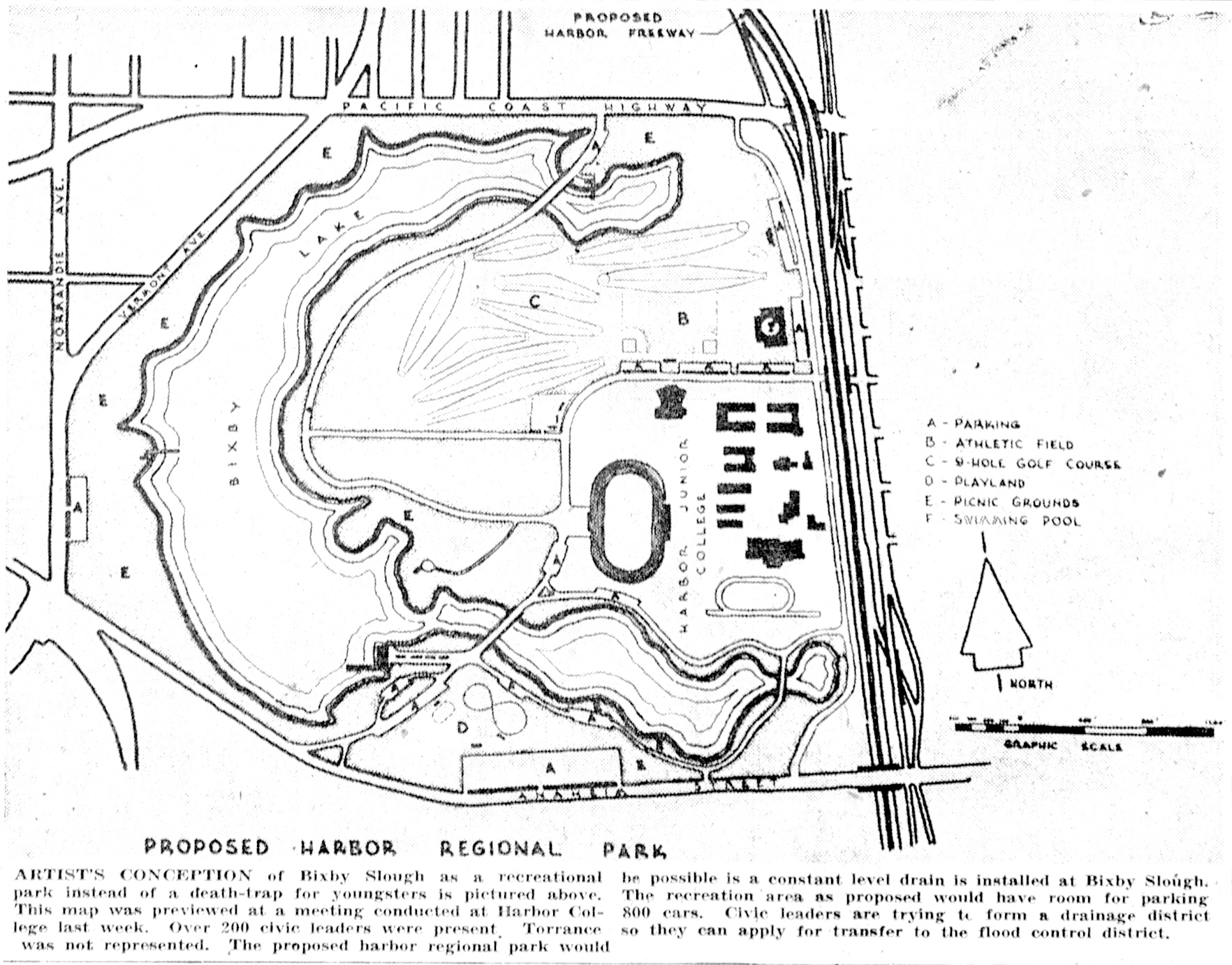
The city’s parks and recreations department announced various plans for recreational facilities on the former airport land, including a community swimming pool and perhaps a nine-hole golf course. No firm dates were given as to when these improvements would happen. All would be part of the proposed large park.
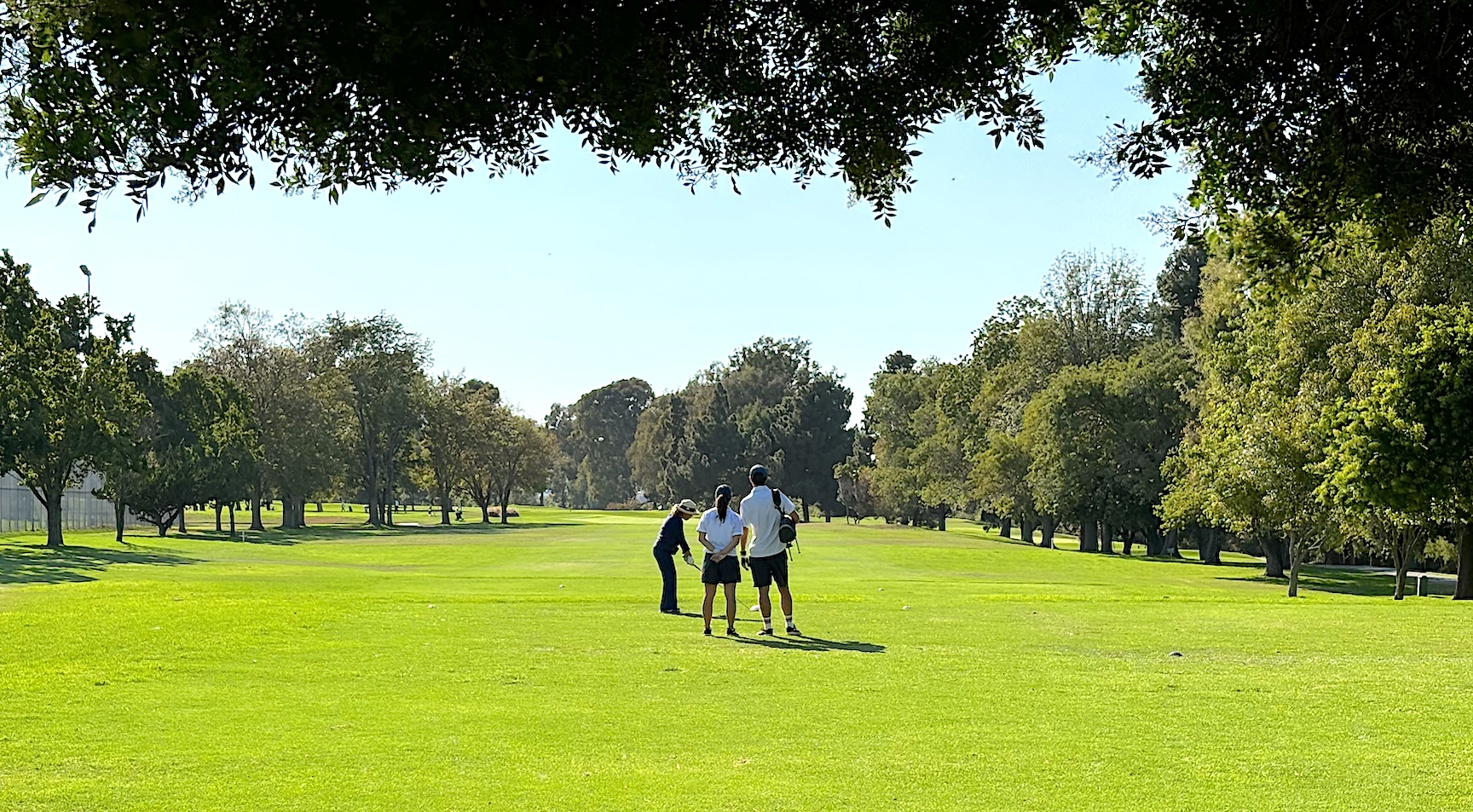
A few years later, on Oct. 12, 1958, the Harbor Park Golf Course opened for business on the former airport site. The nine-hole, tree-lined course designed by William F. Bell was lengthened in 1966. It remains one of the city’s most-played golf venues.
Harbor Regional Park, the fulfillment of the city’s desire to reclaim Bixby Slough as a public recreation area, was first dedicated in June 1971. It was renamed Ken Malloy Harbor Regional Park in 1992, and in 2017 reopened after major renovations.
Sources:
Abandoned & Little-Known Airfields website.
Daily Breeze archives.
San Pedro News Pilot archives.
The Southern California Golf Guide, by Daniel Wexler, MTIII Golf Media, El Segundo, 2017.
Torrance Press Herald archives.
Reader comments:
Sam,
Just read your article online at DailyBreeze.com about the history of Wilmington Airport.
I had no idea that an airport even existed in my old hometown. Fascinating article! I loved it.
Matter of fact, in the first black and white picture you included in the article circa 1938-41, you can see my old block where I grew up! It’s so cool.
I love reading about the history of Wilmington, it’s so rich and so gratifying to read. Thank you for all of your hard work and effort in researching this article and writing about the old Wilmington Airport.
Enjoyed it so much. Thanks again Sam!
Ray Samapaga
Redondo Beach

