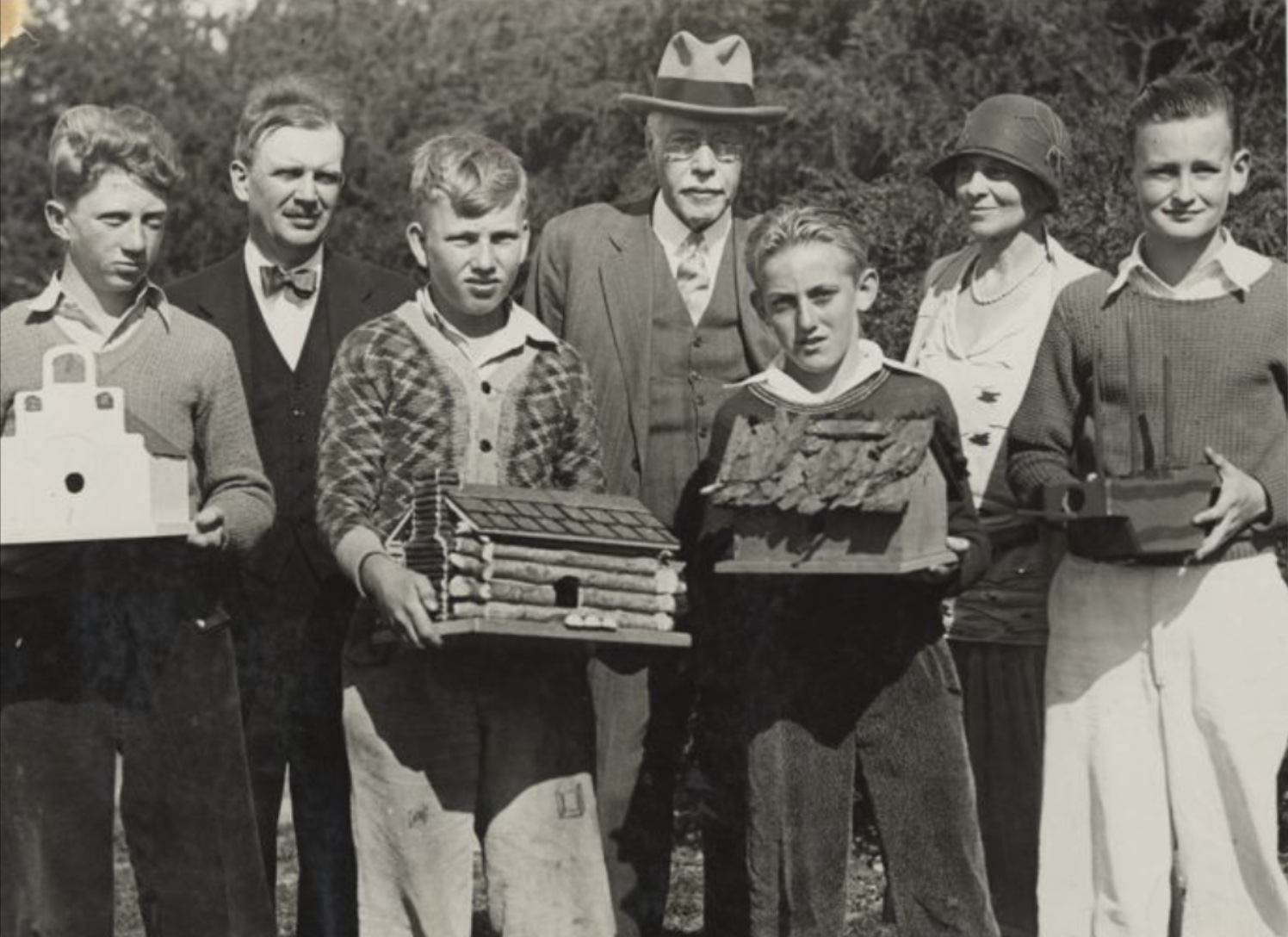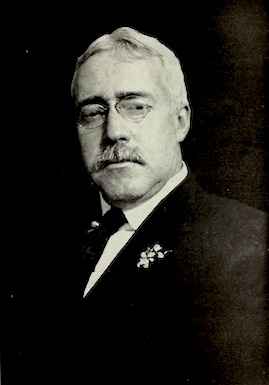
Somehow it’s not surprising that the man who felt awed by the unspoiled beauty of the rural Palos Verdes Peninsula when he first saw it in person in 1914 was raised on a farm.
Frank A. Vanderlip was born into a large family in Aurora, Illinois, on Nov. 17, 1864. His parents, Charles and Charlotte, ran a farm in neighboring Oswego, Illinois, until Charles died in 1878.
Depsite his mother’s best efforts, keeping the farm going became untenable, and it was sold in 1916. The family moved to the city of Aurora, where Frank, now 16 and a good student, quit school in order to find work to help support the family.
He worked in a lathe factory while taking classes at the University of Illinois. He then turned his attention to journalism, eventually becoming the city editor at the local Aurora Evening Post in 1885.
After that, he worked for a few years as a financial investigator in Chicago. His interest in the financial industry led to him becoming a business reporter, and then financial editor, at the Chicago Tribune.
While taking a class in political economics at the University of Chicago, he met Lyman J. Gage, who would go on to become Secretary of the Treasury under President William McKinley in 1897. Gage hired Vanderlip as his secretary, and was so impressed by him that he successfully petitioned for him to be named Assistant Secretary of the Treasury a few weeks later.
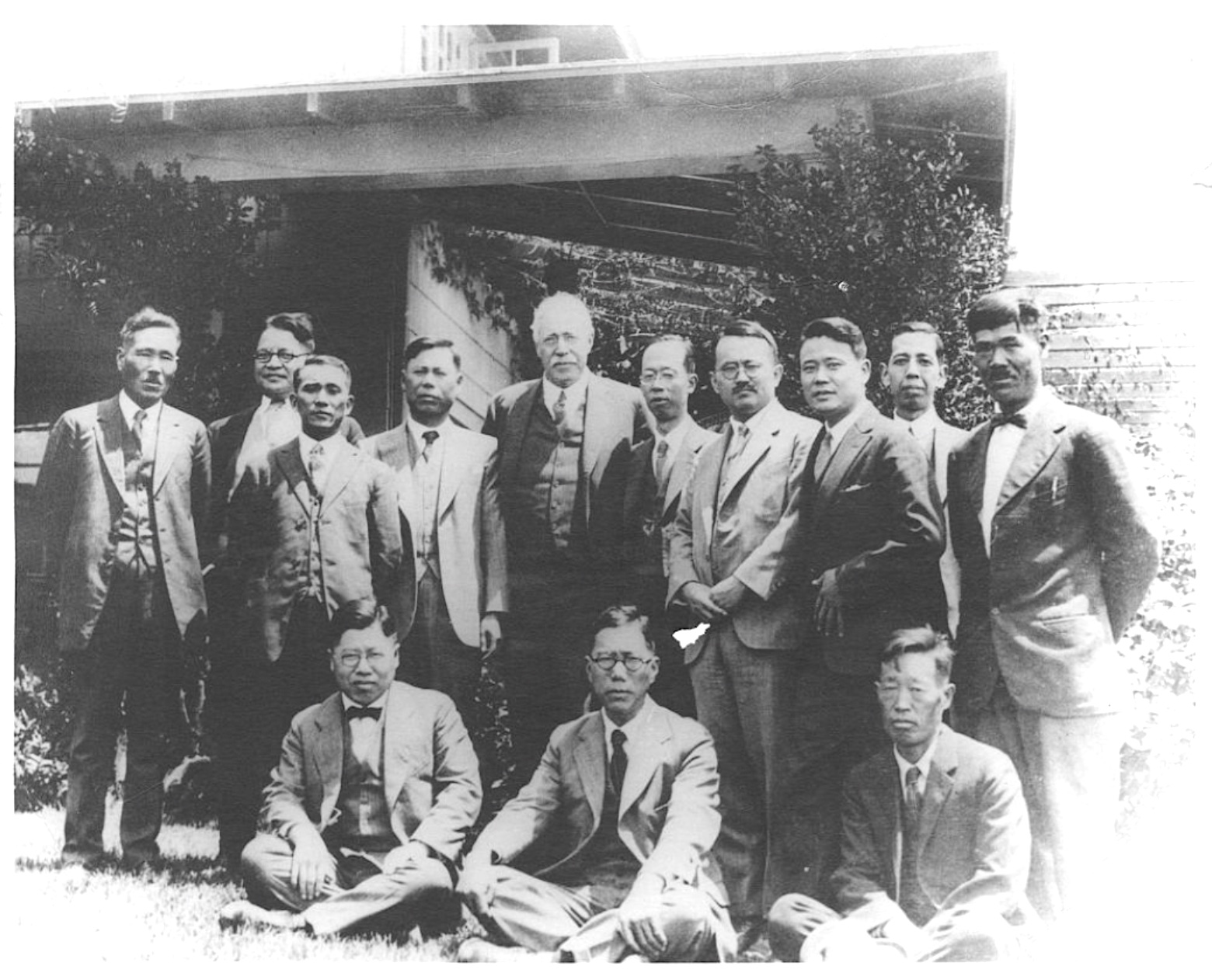
Vanderlip’s handling of the financing of the Spanish-American War in 1898 – he devised the system of war bond sales that would later be used in World War I and II – brought him to the attention of the president of the National City Bank of New York, James Stillman. Stillman hired Vanderlip at the firm which would later become Citibank, and he became a vice president there in 1902. He would serve as the bank’s president from 1909 to 1919.
He married Mabel Narcissa Cox in Chicago in 1905. (She dropped Mabel from her name, becoming Narcissa Cox Vanderlip.) The couple bought a home on the Hudson River near Scarborough, New York, in 1907. In 1913, the couple founded the Scarborough School, the first Montessori school in the United States.
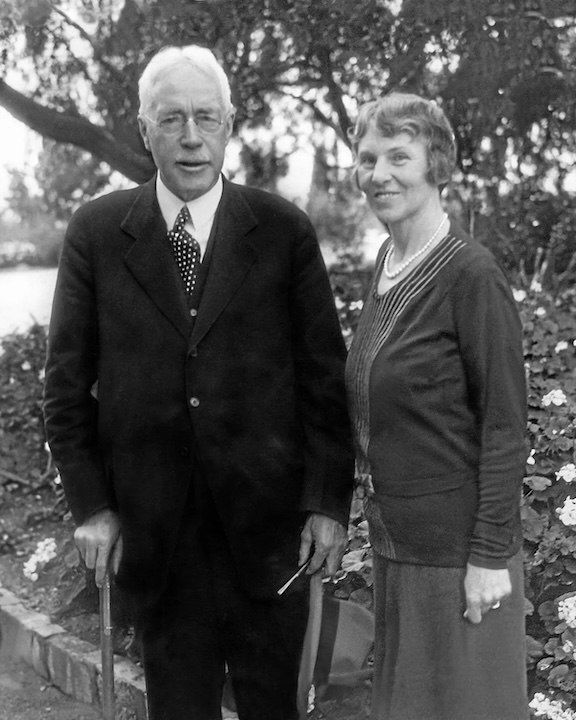
After years experiencing the ups and downs in the financial industry, Vanderlip became convinced that investing in land was the soundest choice, and he began to seek out opportunities in real estate.
By 1913, the Bixby family, who had been operating farming and ranching operations on the undeveloped Rancho de Los Palos Verdes they had received from the Sepulveda family in an 1882 land grant, were ready to sell. Owner George Bixby contacted a man named Carl Schader, who wanted to buy the 16,000 acres.
Schader didn’t have the wherewithal to pull off the deal, but he got in touch with Vanderlip in New York, seeking financing. Vanderlip ended up purchasing the acreage himself, sight unseen, in November 1913, after hearing back from two scouts he sent to examine it.
Intrigued by the possibilities of the land and its location, he paid his aforementioned first visit there in 2014. Looking at the barren hillsides with their spectacular ocean views, he envisioned a Mediterranean-styled open-air settlement enriched by lush vegetation and, yes, peacocks. Vanderlip was an ardent bird fancier who is credited with introducing the birds to Palos Verdes.
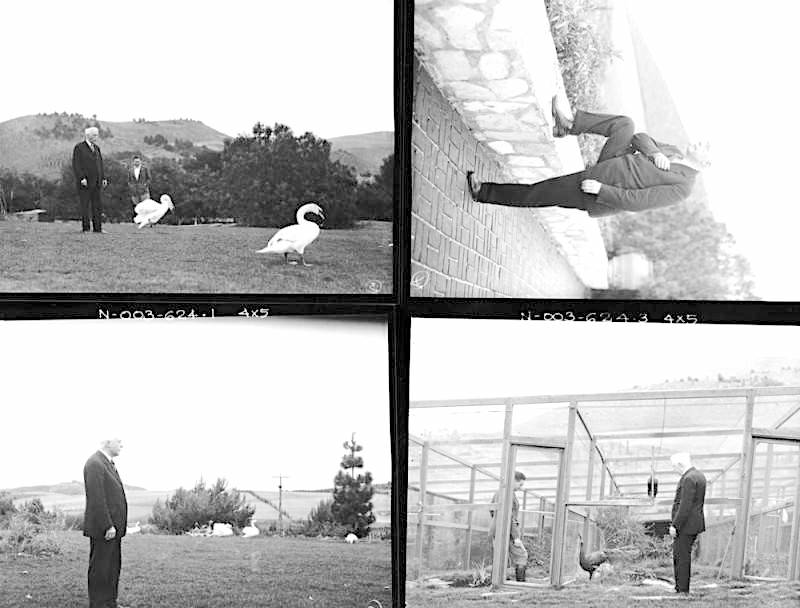
(Credit: Los Angeles Public Library Photo Collection)
In his autobiography, From Farmboy to Financier (Appleton-Century, 1935), he recalled: “The road over which I drove a I filled my eyes with a first sight of Palos Verdes Ranch was the corridor of one of the most exciting experiences of my life.”
One of his first moves was to hire the Olmsted brothers, who had designed downtown Torrance, to handle the landscape design, and architects Myron Hunt and Edward Shaw in 1914. But World War I led to the project being temporarily shelved.
After the war, Vanderlip hired real estate salesman E.G. Lewis in 1921. Lewis ran a highly successful operation to sell housing lots, until his sudden fall from grace in 1923. He would later declare bankruptcy and end up in prison for mail fraud unrelated to his Palos Verdes activities.
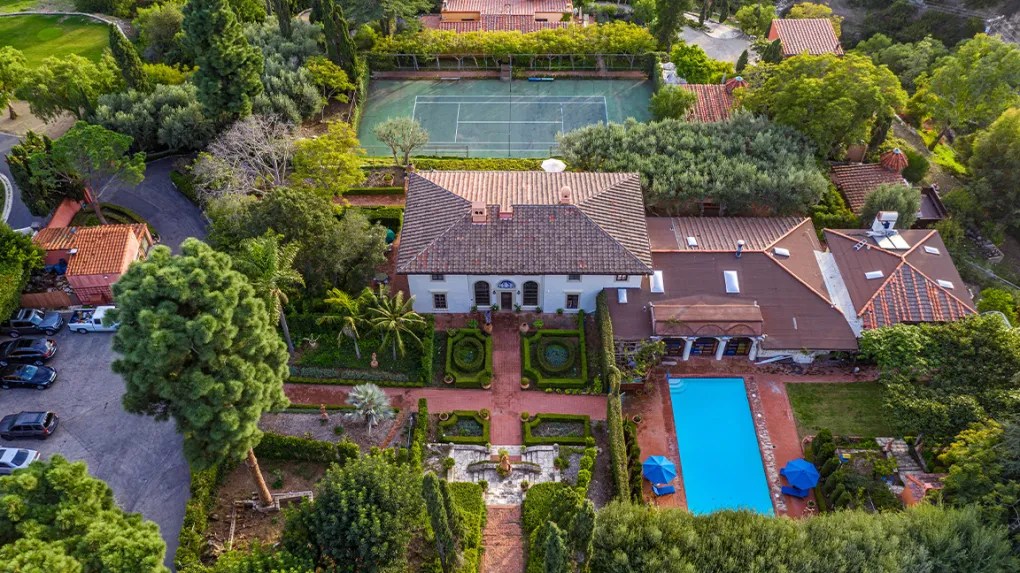
Vanderlip had built his first building, a cottage on a Portuguese Bend hillside overlooking Wayfarers Chapel in present-day Rancho Palos Verdes, in 1916. More structures were added to the 11.5-acre estate at 100 Vanderlip Drive in the 1920s, and it became known as Villa Narcissa, named for Vanderlip’s wife.
Vandelip began spending more time at Villa Narcissa and at Beechwood, his New York estate, during the 1920s. He lessened his involvement in business affairs, especially after his 1924 testimony before Congress outlining corruption during the Teapot Dome scandal alienated him from the corporate world. He was forced to resign from more than 40 boards of directors after speaking out.
He lived long enough to see his Palos Verdes vision blossom, however. He died in New York Hospital in Manhattan on June 20, 1937 at 72, two weeks after being hospitalized for an intestinal ailment.
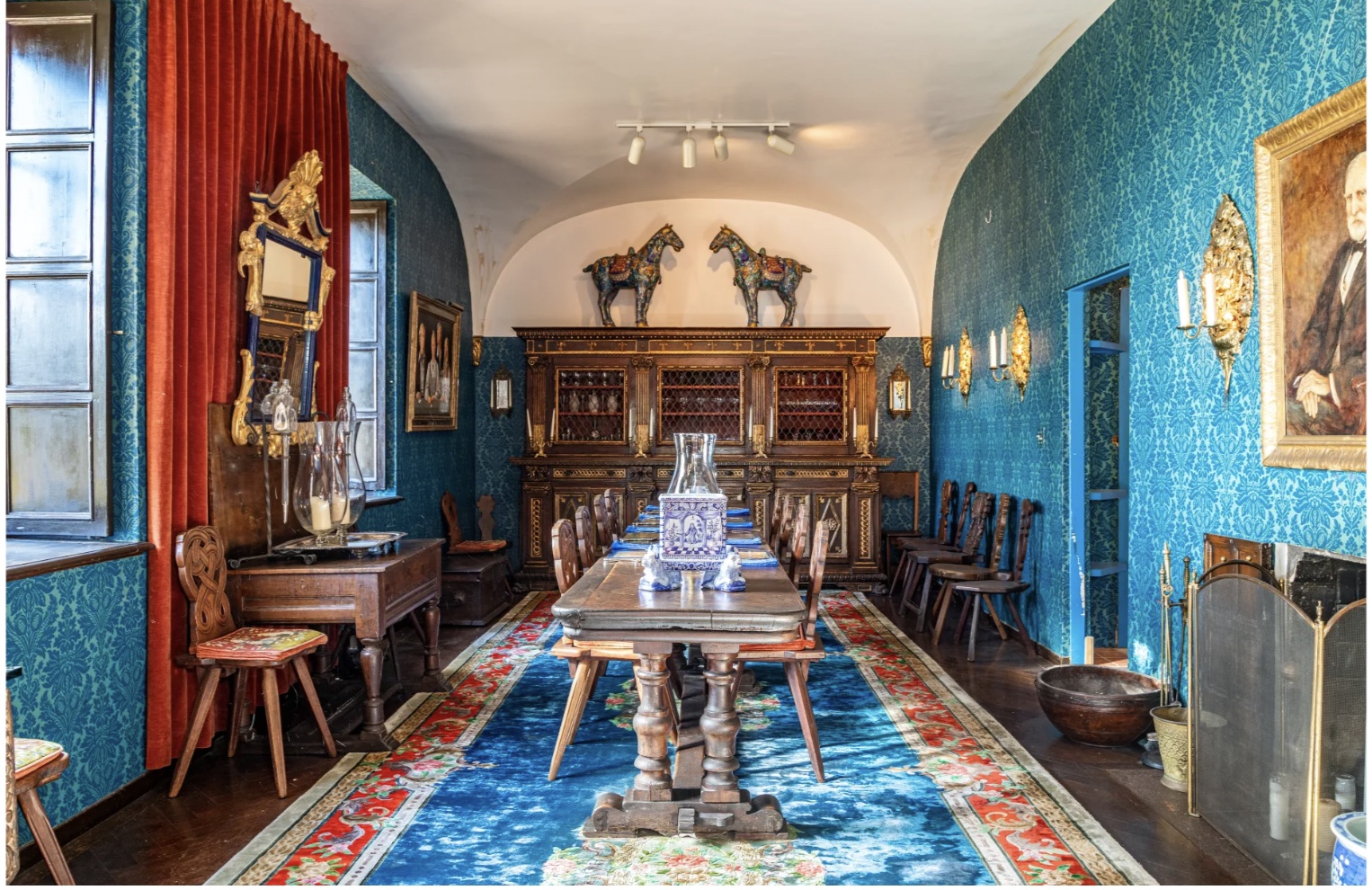
Villa Narcissa, which eventually grew to include a 7,700-square-foot mansion, 10 guest cottages, a swimming pool and a tennis court, was put on the market in 2020, after years of effort by Vanderlip’s descendants to maintain and restore it. It sold for $10.5 million.
Sources:
Daily Breeze archives.
Los Angeles Times archives.
Palos Verdes Peninsula News archives.
The Palos Verdes Story, by Delane Morgan, The Palos Verdes Review, 1982.
Further reading:
Frank A. Vanderlip: The Banker Who Changed America, by Vicki A. Mack, CreateSpace Independent Publishing Co., 2013.
From Farm Boy to Financier, by Frank A. Vanderlip and Boyden Sparkes, Dauphin Publications, 2017. (Originally published in 1935.)