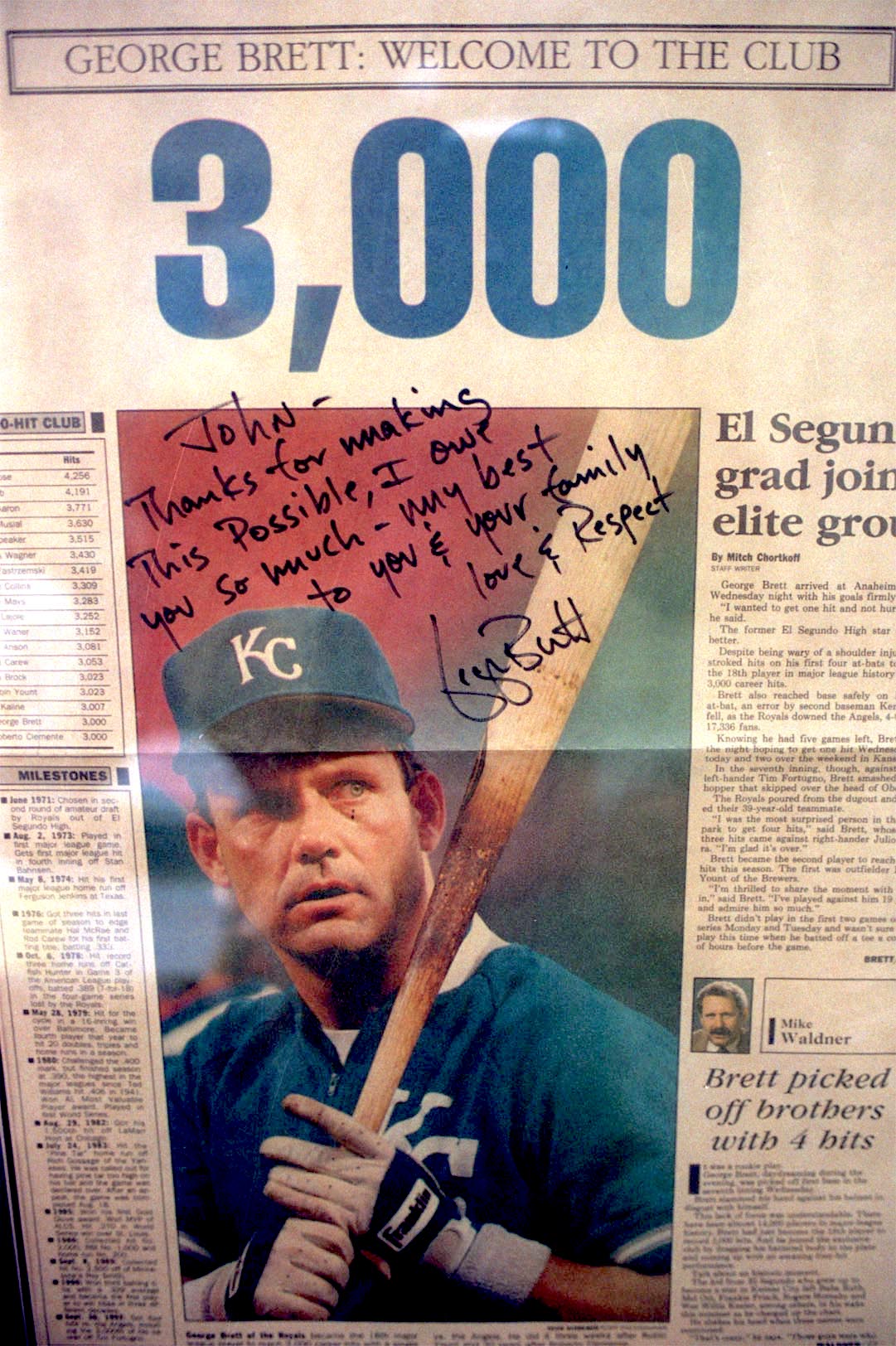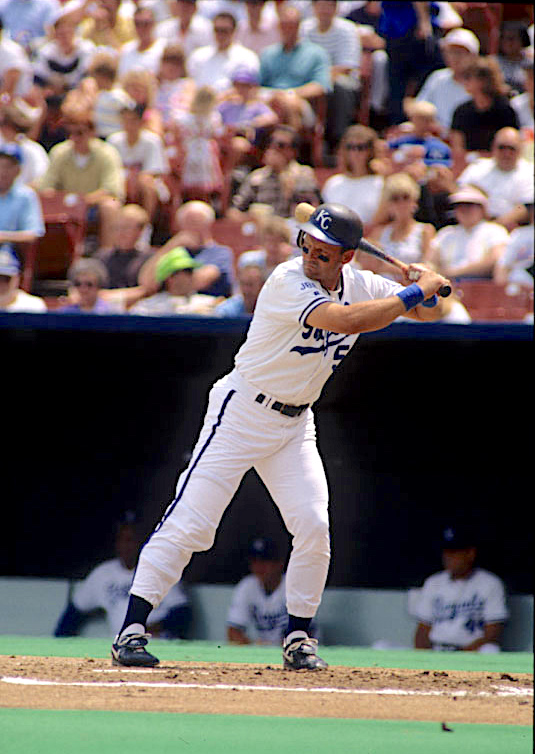
When George Brett tried out for the El Segundo High School baseball team as a ninth-grader, he was five-foot-one and weighed 105 pounds. Junior varsity baseball coach Dave Reed wanted to cut him from the squad, but head varsity coach John Stevenson insisted that he stay.
Stevenson, a legendary coach in South Bay prep baseball circles, had coached Brett’s three older brothers before him, and had an inkling that young George would develop similarly.
George’s father, Jack, dropped out of high school and was working in a factory when he enlisted in the Army during World War II. When he returned, he met and married bookkeeper Ethel Hansen in Brooklyn, New York, in 1945.
George’s brothers, John, Kemer (known during his baseball career as “Ken”), and Bobby all were born in Brooklyn. George was born on on May 15, 1953, after the family had moved to West Virginia.
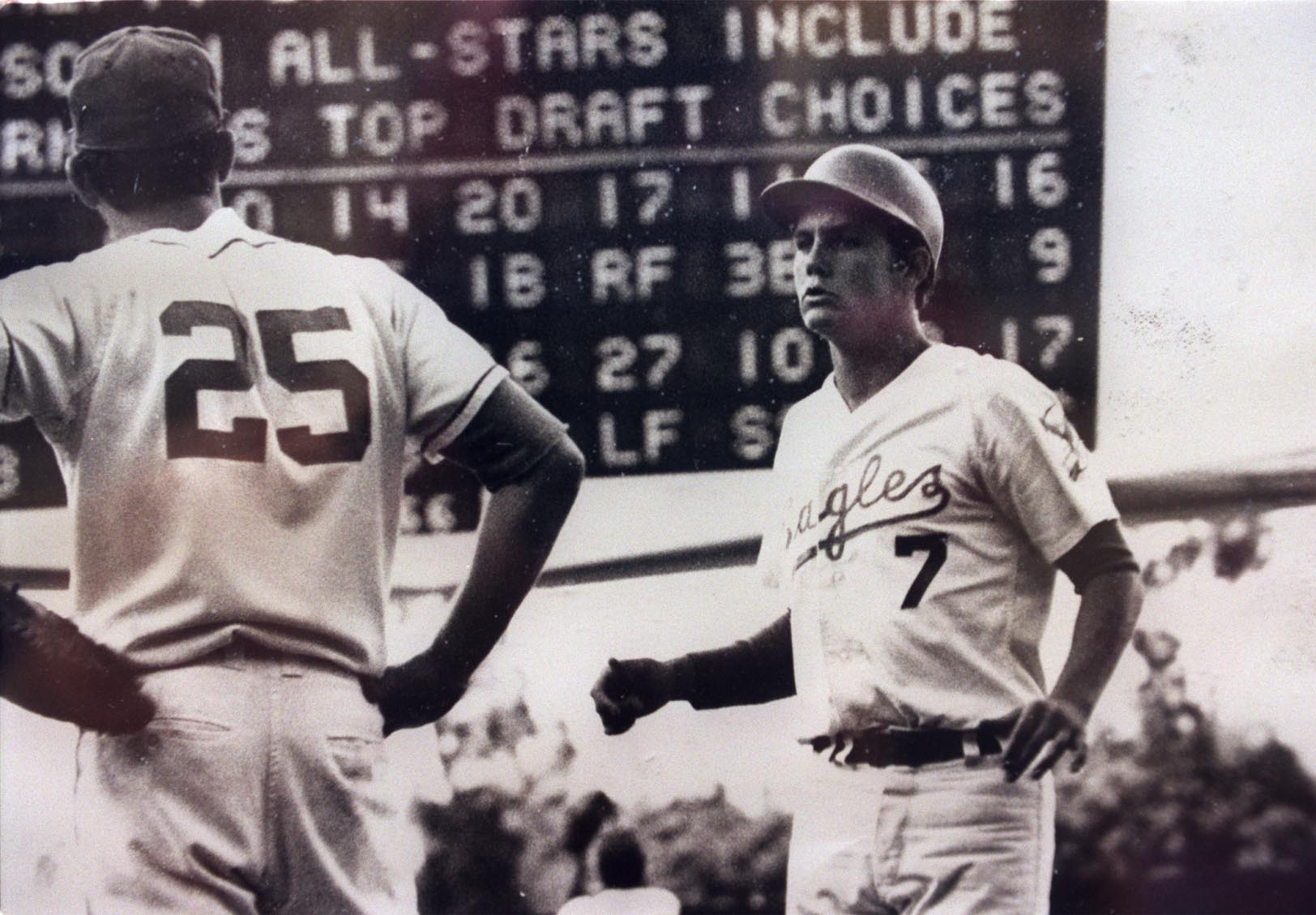
In 1955, the Brett family moved to California. In the years following the war, Jack had returned to school to become an accountant, and had found work with the Mattel toy company, then based in Hawthorne.
George greatly admired his brothers. All of the Brett boys played in Little League games at Recreation Park before excelling at El Segundo High. John would go on to play Class A ball in 1968. Bobby played a year of minor-league ball before going into real estate. And Ken pitched for ten different major league teams during a 14-year pro career, during which he also became known as one of the game’s best-hitting pitchers.
So George had a lot to live up to. A wrist injury ended up sidelining him as a freshman. By his sophomore year, he’d filled out considerably and had become a starting quarterback for the Eagles’ football team in addition to playing baseball.
It turned out that Brett, who began as a shortstop before moving to playing third, was in good company on the baseball team. He batted third in the lineup in front of clean-up hitter and star pitcher Scott McGregor, who would go on to a sterling career with the Baltimore Orioles.
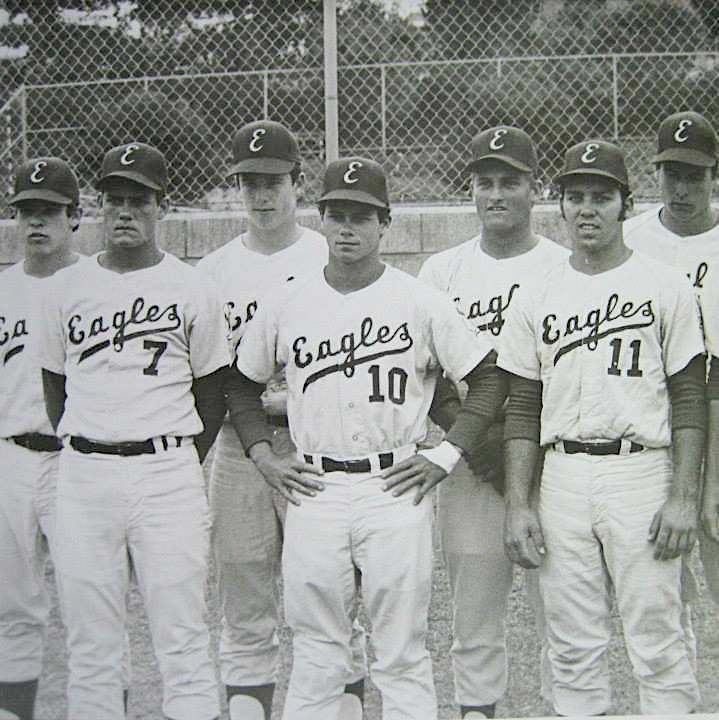
Under Coach Stevenson’s tutelage, El Segundo went 33-2 in Brett’s senior year, winning the CIF championship. In 2013, the Cal-Hi Sports website ranked that 1971 Eagles baseball team as the third best in California high school sports history, behind only the 2004 Chatsworth High team and the 1958 Fresno High squad.
Despite all the accolades, many major league scouts passed on Brett. But Rosey Gilhousen, a scout for the Kansas City Royals MLB expansion team, saw promise in him and convinced the team to draft him.
After a couple of years in the minors, Brett made his major-league debut with the Royals on Aug. 2, 1973. Manager Jack McKeon was unimpressed by the youngster, and Brett found himself back in the minors at the start of 1974.
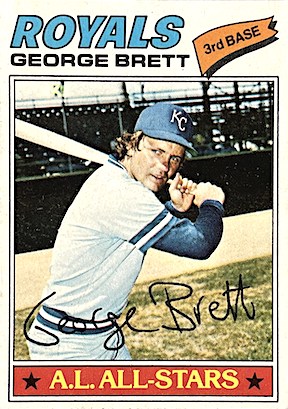
He was called up to the majors after a few weeks, but struggled at the plate until he began working with hitting guru Charley Lau. He blossomed under Lau and new manager Whitey Herzog, who took the reins in 1975.
The remainder of Brett’s 21-season career with the Royals is a litany of superlative hitting statistics. He recorded a total of 3,154 hits, won batting titles in 1976, 1980 and 1990, and was voted the American League’s 1990 Most Valuable Player award.
He went to the World Series twice with the Royals. The team lost in six games to the Philadelphia Phillies in 1980, but came back from a 3-1 deficit to beat the St. Louis Cardinals in seven games in 1985.
In 1980, Brett also made headlines by flirting with becoming the first major leaguer to hit for a .400 season average since Ted Williams in 1941. While spending a good part of the season battling injuries, he still managed to finish with a .390 average.
Brett also played the central role in one of baseball’s most infamous brouhahas, the “Pine Tar Incident” on July 24, 1983. Yankees manager Billy Martin knew that the pine tar that Brett used to help him grip the bat went above the legal height limit of 16 inches on the handle.
(Video Credit: MLB)
Martin said nothing about it until Brett smacked a two-run homer to give the Royals the lead in the ninth inning. Martin immediately protested to the umpires, who took away the home run and called Brett out.
Brett famously went ballistic, charging from the dugout in a frenzy to debate the matter with the umps. The league later overruled the call, and the Royals ended up winning a replay of the disputed game.
Brett retired from baseball on Sept. 25, 1993. The Royals retired his No. 5 uniform in 1994. In 1999, he was elected to the Baseball Hall of Fame in his first year of eligibility. Baseball experts have defined the group of three inductees that year – Brett, Robin Yount and Nolan Ryan – as one of the best of the modern era.
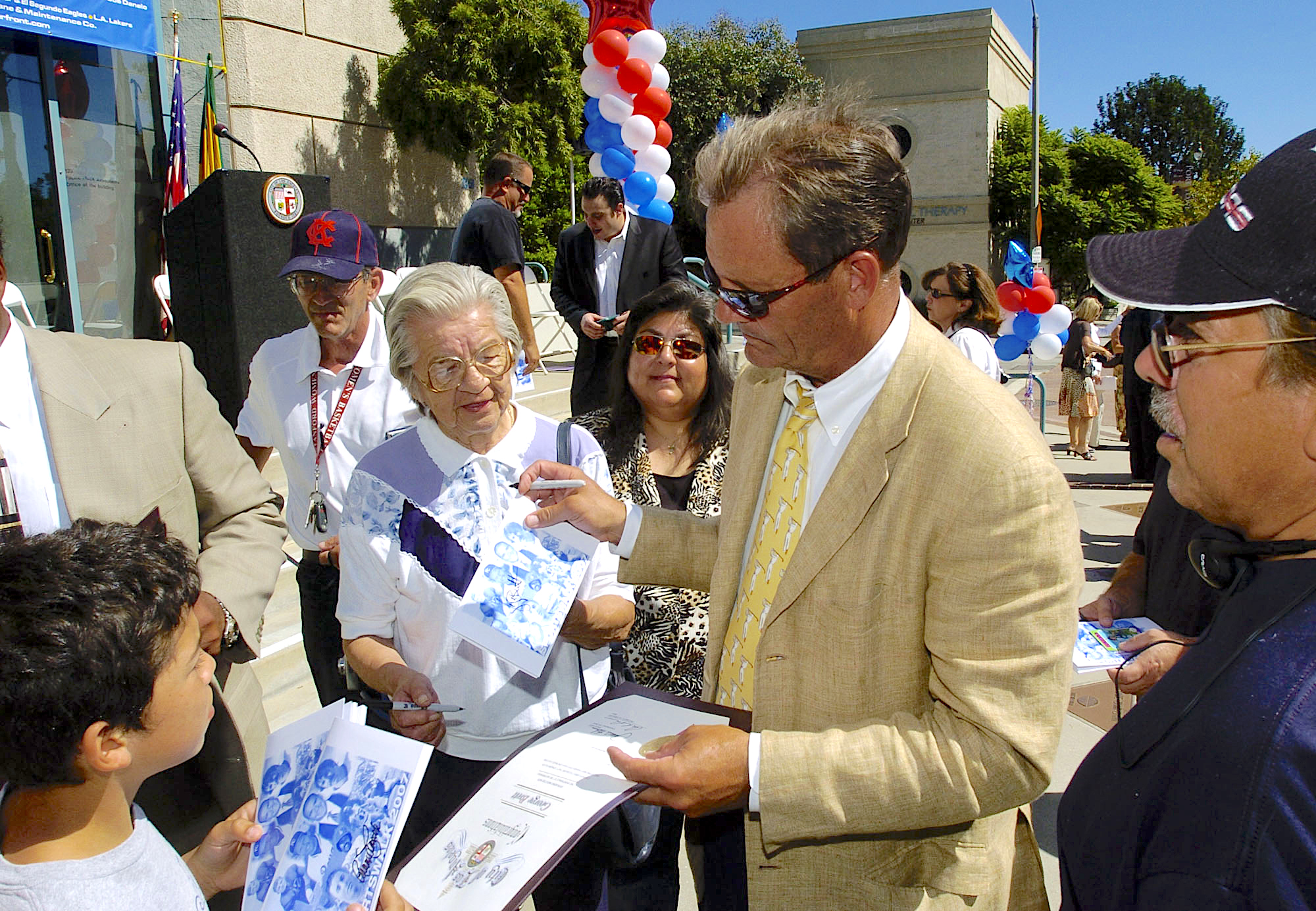
Through it all, Brett never forgot his South Bay roots. He returned to Recreation Park on April 24, 1999, the day the city officially renamed its Little League diamond as George Brett Field, and came to the Harbor Area in 2007 when he was awarded a plaque on the San Pedro Sportswalk of Fame.
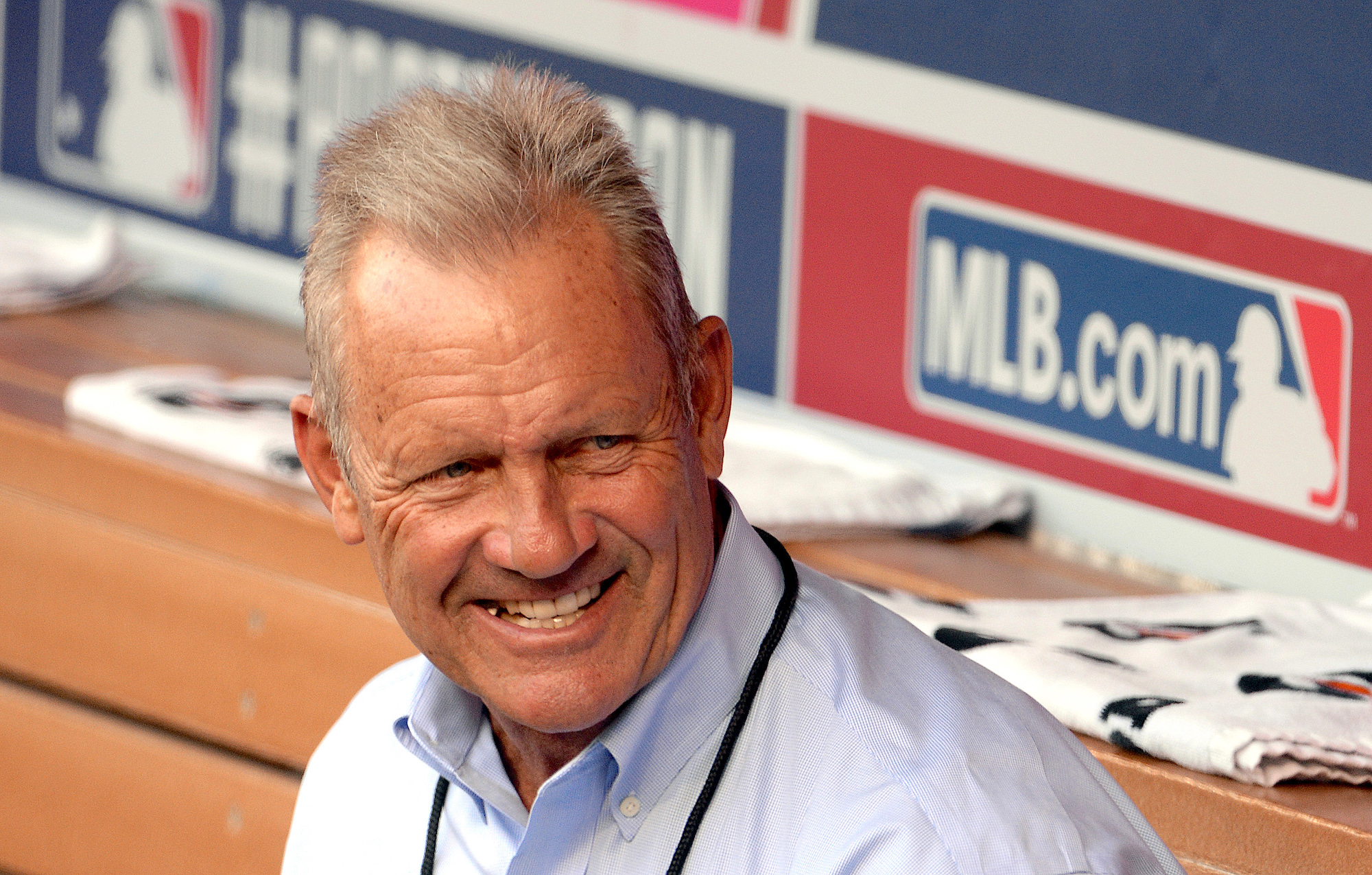
Shortly after retiring as a player, Brett took a job in the Royals front office as vice president of baseball operations, and he has remained with the team ever since. He currently lives in the Kansas City area with his wife, Leslie. They have three children, Jackson, Dylan and Robin.
Sources:
Daily Breeze archives.
“Front Office Directory,” Kansas City Royals website.
“George Brett,” by Russell Bergtold, Society for American Baseball Research website, July 15, 2019.
“Growing Into Greatness,” by Michael Austin, SchoolSports.com website via ESPN High School Sports website, 1999.
Wikipedia.