
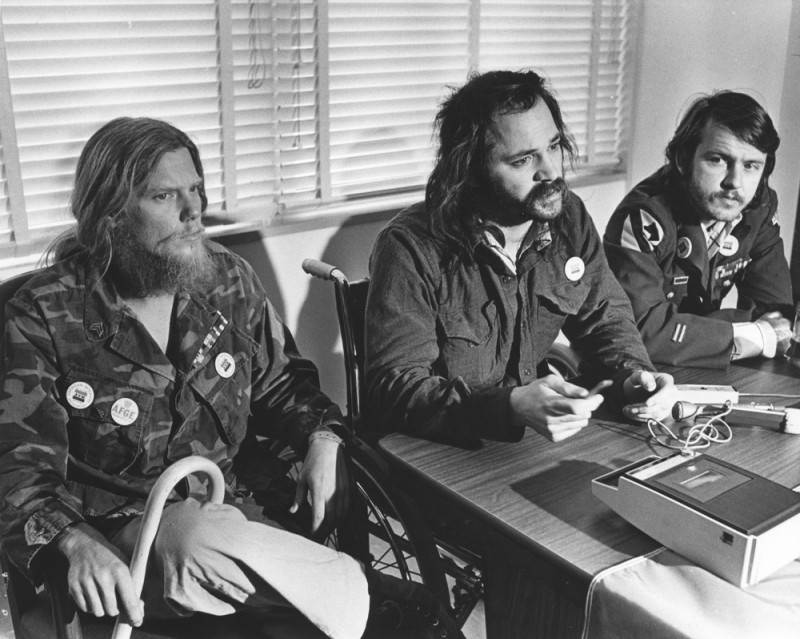
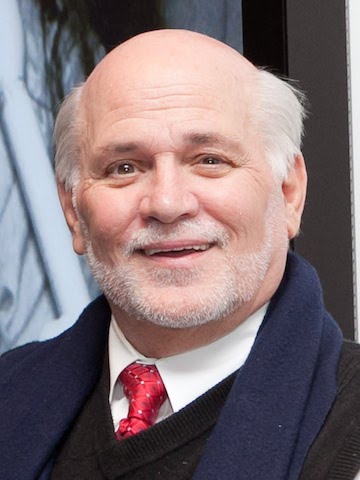
True to the title of his most famous book, Ron Kovic was indeed born on the Fourth of July, in 1946. Though born in Wisconsin, he grew up on Long Island in New York, graduating from Massapequa High School in 1964.
That fall, he volunteered to join the Marines in order to fight in the Vietnam War. He began his first stint in Vietnam as a member of the 1st Marine Division in December 1965, conducting reconnaissance missions into areas held by the North Vietnamese Army (NVA) and the Viet Cong guerrilla forces.
Kovic was awarded the Navy Commendation Medal for serving on 22 reconnaissance missions. He returned stateside after a 13-month tour of duty and was stationed in North Carolina in 1967 when he decided to volunteer for another hitch in Vietnam.

His life changed forever on Jan. 20, 1968. His reconnaissance squad encountered NVA and Viet Cong forces near the village of My Loc while trying to help South Vietnamese forces in the village.
During the ensuing battle, he was shot in the right foot, and again through his right shoulder. The second bullet caused a collapsed lung and an injury to his spinal cord that permanently paralyzed him from the chest down. He was sent home after a week in the ICU in Da Nang. In addition to the Purple Heart, he was awarded the Bronze Star for valor.
Speaking about his recovery to Newsweek magazine in 1983, he said, “It was a terrible period of time. It was an impossible period of time. It was a hellish period of time. Sometimes I’m amazed I made it.”
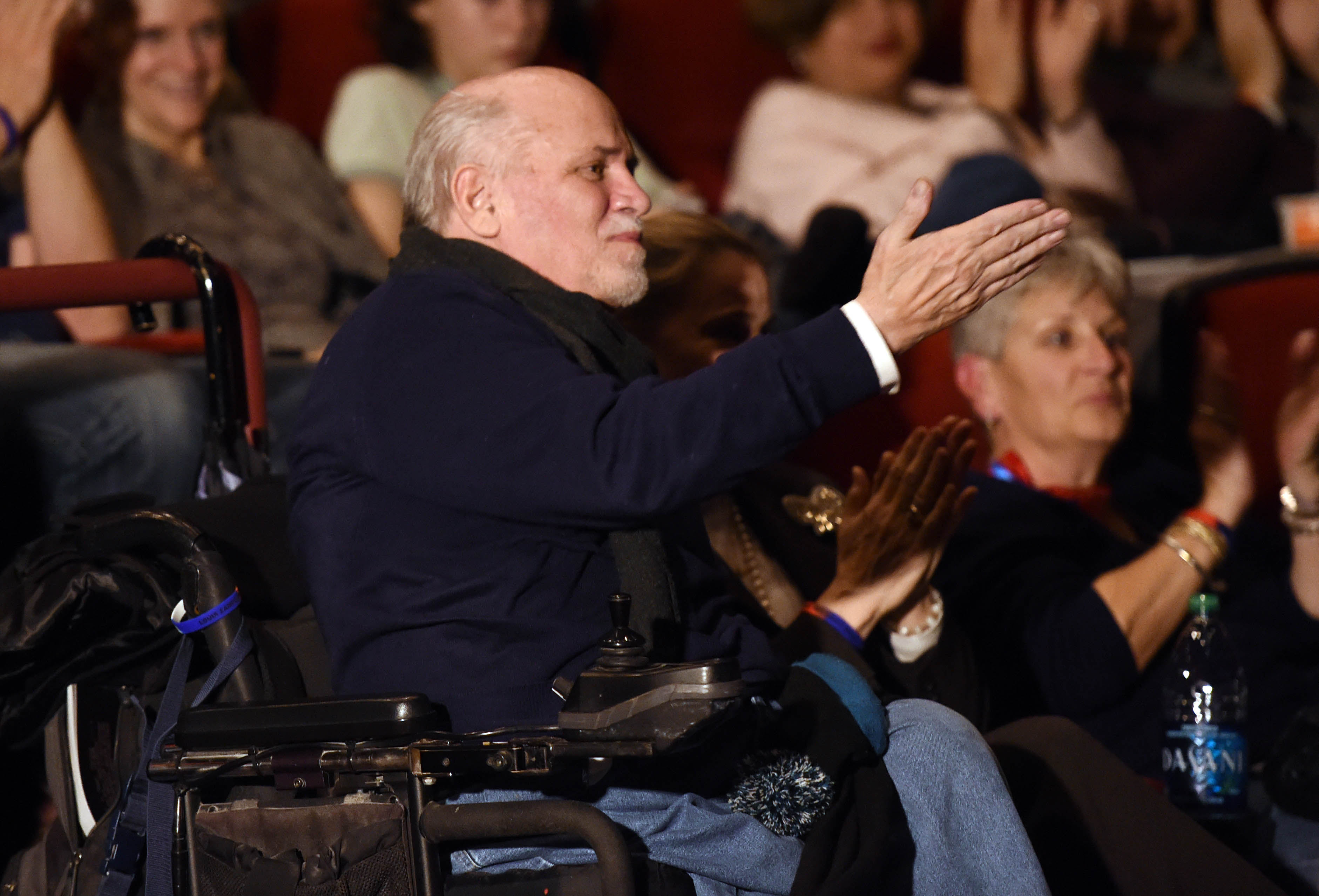
His life changed profoundly and permanently thereafter. Now confined to a wheelchair, he began to battle on new fronts. His antiwar activism has become well-known, but he was just as outraged by the poor, sometimes abusive treatment that returning injured veterans who had sacrificed for their country received under the Veterans Administration, specifically at the VA hospital in the Bronx..
Kovic first spoke out against the Vietnam War at a protest at Levittown High School on Long Island, not far from his home town of Massapequa, in 1969. Before he spoke, a bomb threat cleared out the auditorium there, and the protest had to move to the school’s football field. He’d never made a public speech before.
His activism increased after the Kent State shootings of May 4, 1970, when four student antiwar protesters were shot and killed by National Guard troops
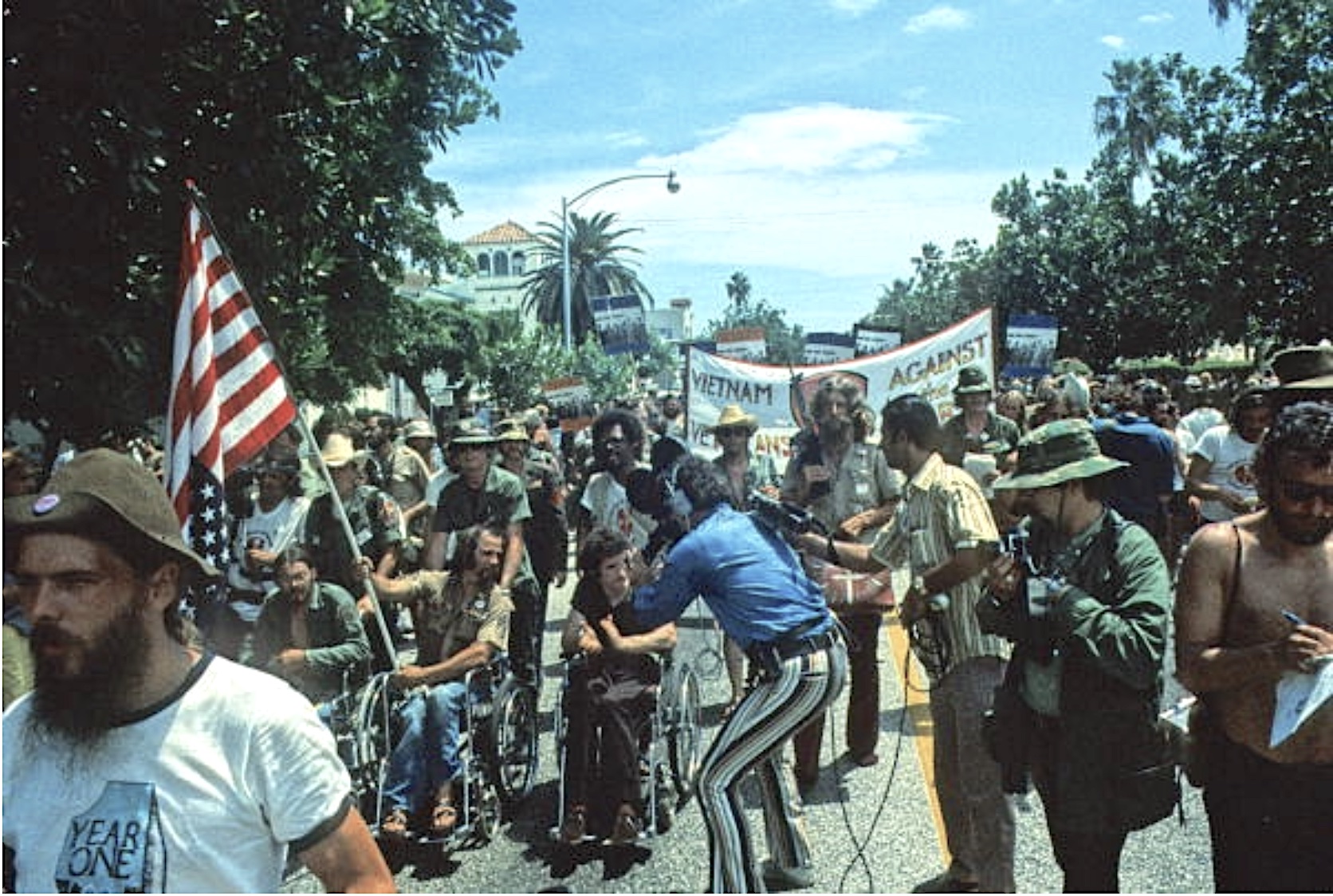
Kovic moved to Southern California in the early 1970s, where he continued to speak out against the war. He would go on to be arrested dozens of times. His first arrest came at a protest outside of a draft board office in Orange County in 1971.
Other notable protests included a 17-day hunger strike at the Los Angeles office of then-Sen. Alan Cranston over the VA’s treatment of wounded soldiers returning from the war and an arrest for speaking out against the war outside the 1972 Republican National Convention in Miami.
Inspired by blacklisted screenwriter Dalton Trumbo’s 1939 antiwar novel, Johnny Got His Gun, Kovic in 1974 began feverishly writing about his own experiences, after he met Trumbo and actor Donald Sutherland at the opening of the film based on the book.
It took him one month, three weeks and two days of nonstop writing to complete the autobiographical Born on the Fourth of July, which was published by McGraw Hill on his 30th and the country’s 200th birthday: July 4, 1976.
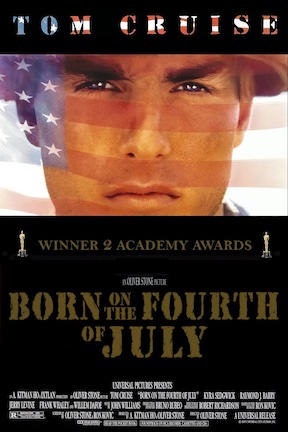
With the book’s success, Hollywood came calling. Director Oliver Stone worked with Kovic on a screenplay for a film adaptation, and Tom Cruise signed on to play the lead role. At the end of filming, Kovic gifted Tom Cruise with his Bronze Star medal in thanks for Cruise’s performance in the film.
Released in December 1989, the Born on the Fourth of July film went on to be the 10th highest grossing film of the year. It was nominated for eight Academy Awards, winning Oscars for Best Director (Stone) and Film Editing. It also won Golden Globes for best dramatic film, best actor, best director and best screenplay.
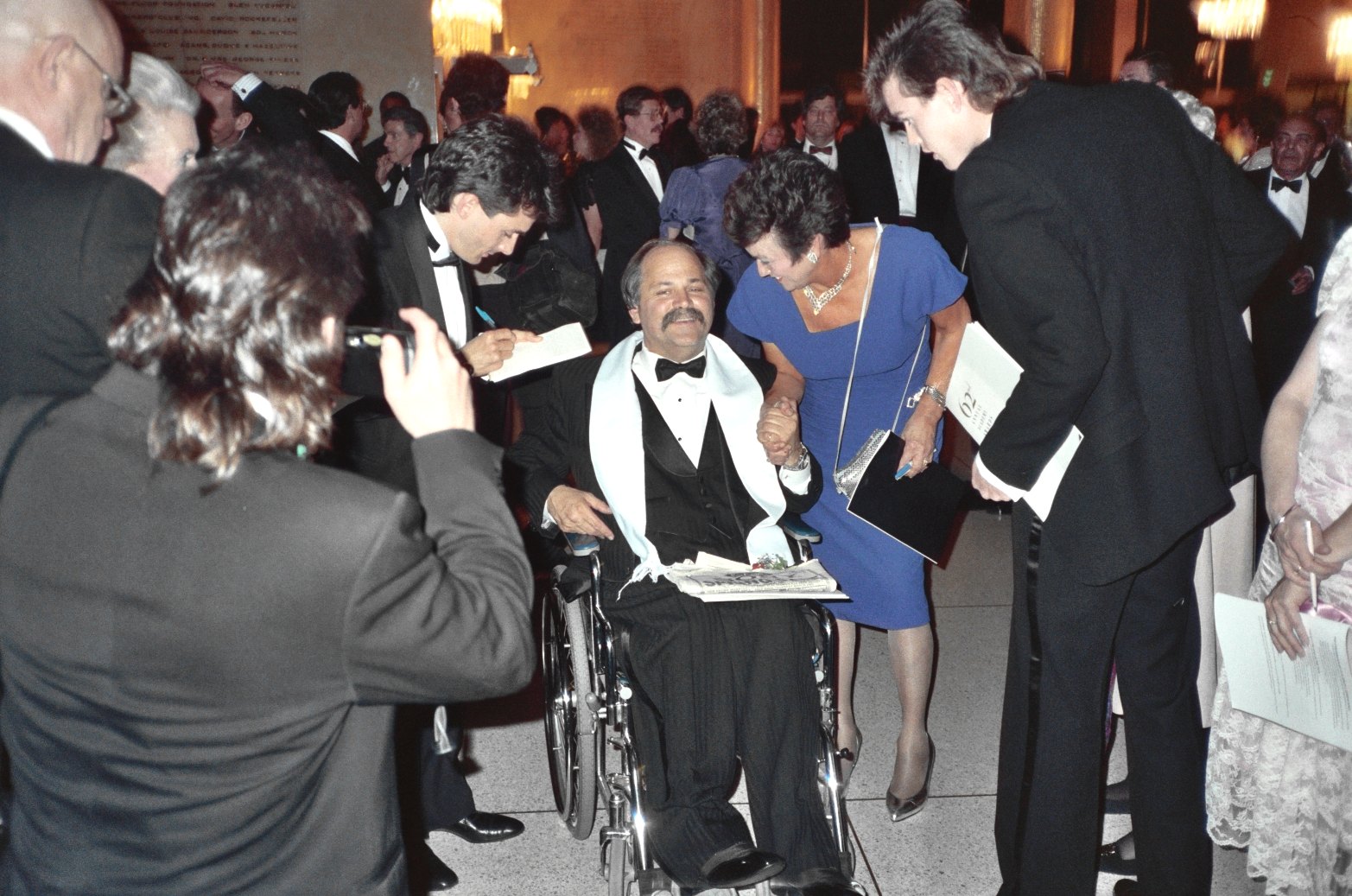
Kovic moved to Redondo Beach in the late 1980s. In 1990, he considered entering politics to oppose Republican congressman Robert K. Dornan, a staunch war hawk, but ultimately decided against it.
He has been arrested many times over the years, but has continued to oppose U.S. involvement in foreign wars, including frequent, vociferous criticisms of the first Gulf War in the 1990s and the 2003 invasion of Iraq.
Bruce Springsteen wrote a song, “Shut Out the Light,” about Kovic after befriending him in the 1970s, and wrote a new introduction to the 40th anniversary 2016 edition of the Born on the Fourth of July book.
Kovic’s second book, Hurricane Street, also published in 2016, detailed his efforts beginning with the hunger strike at Sen. Alan Cranston’s office in 1974 to organize the American Veterans Movement to advocate for better treatment of military veterans.
His third book, A Dangerous Country: An American Elegy, will be published in 2024. It will focus on the physical and mental traumas caused by war.
Now 76, Kovic still lives in Redondo Beach, where he counts writing, painting, music and gardening among his daily activities.
As he told Daily Breeze reporter Megan Barnes in 2016, ““I love to write — I feel like I forget about the paralysis, I forget about the wheelchair. When I write, I just feel free and I feel like I’m in another world.”
Sources:
Daily Breeze archives.
Born on the Fourth of July: 40th Anniversary Edition, by Ron Kovic, Akashic Books, 2016.
Los Angeles Times archives.
“Ron Kovic and the Continuing Struggle for Veterans,” interview by Robert Scheer for KCRW program Scheer Intelligence, Feb. 19, 2016.
“Ron Kovic Reborn,” by Tim Gilmer, New Mobility magazine, June 20, 2003.
Wikipedia.

