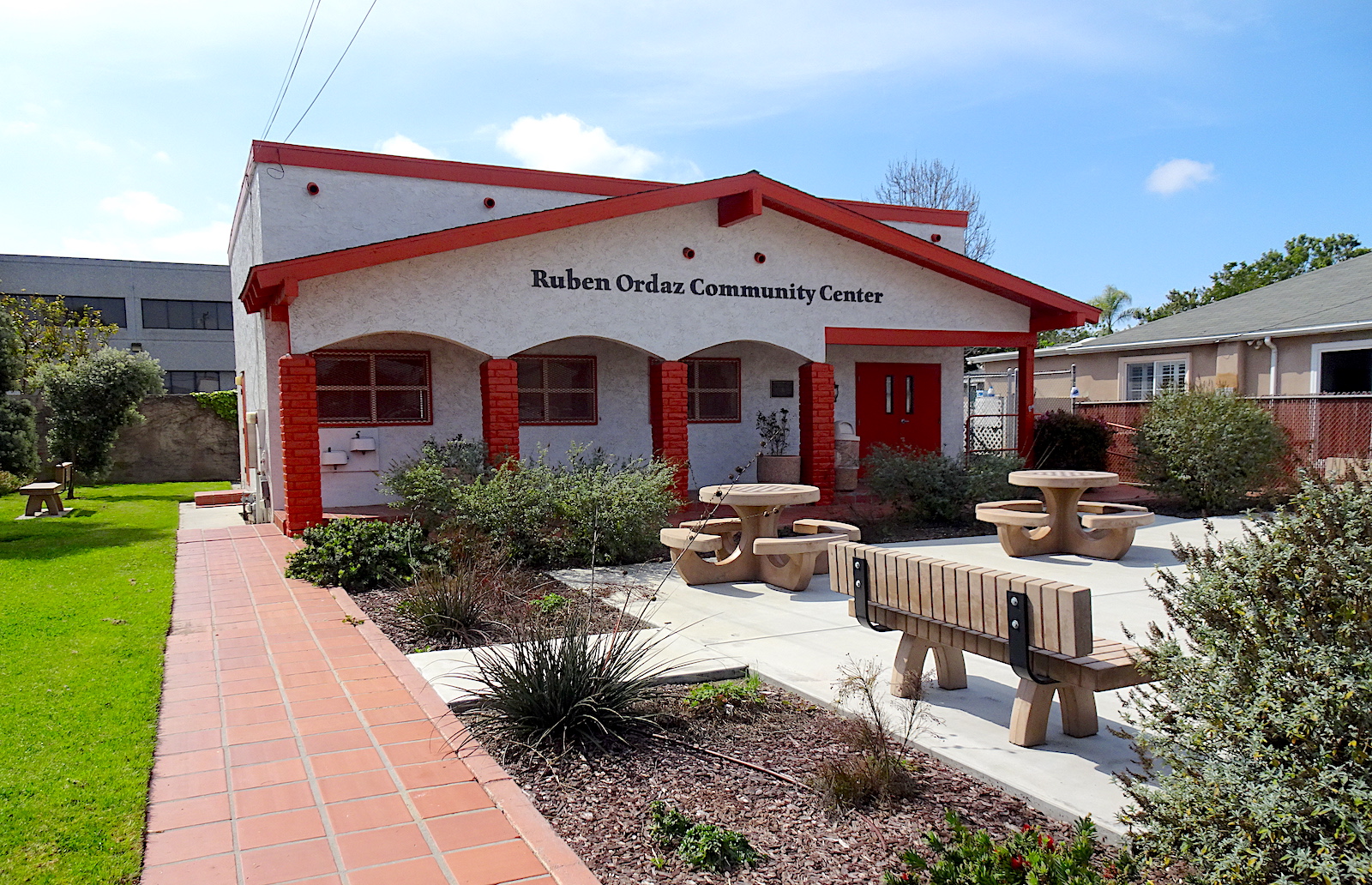
Modest, well-kept suburban family houses line the four-lane stretch of Del Amo Blvd. between Crenshaw and Van Ness boulevards in Torrance. The area sports a community center, a new public park and other amenities.
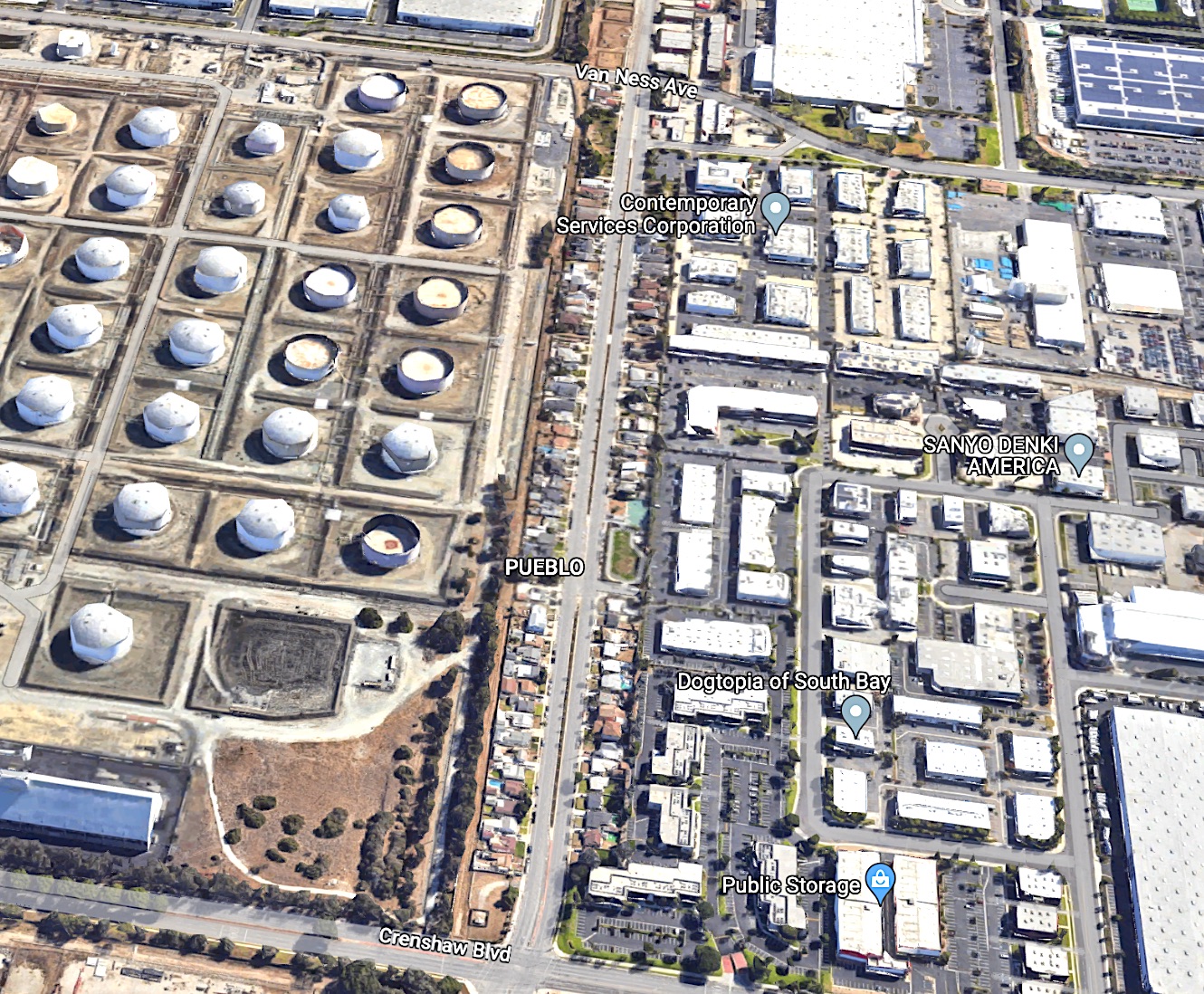
But it wasn’t always like this. When the first immigrants from Mexico settled in the area in 1908, it was undeveloped, a low, marshy area dotted with eucalyptus trees. Standing water would collect there after the rains, and a thriving community of frogs called it home.
“La rana” is Spanish for frog, and that’s the name the area was given by its residents. At first, city officials referred to it somewhat condescendingly as “the Mexican Village,” and later it became known as the Pueblo.
The immigrants who lived there came mostly from the state of Michoacán in western Mexico in search of a new life. They left behind a country torn by civil unrest that would culminate in the Mexican Revolution.
Their numbers would increase as Torrance began to develop its plan as a mixed industrial/residential city. Shortly after Jared Sidney Torrance founded the city in 1912, major industries began relocating there.
The Pacific Electric Railway company built its large maintenance shop there in 1911, and the Union Tool Co.and Llewelyn Iron Works also built a plant nearby. Llewelyn would later become Columbia Steel in 1923, and then became part of US Steel from 1929 until the plant closed in 1979.
All three large plants were located between the Pueblo and downtown Torrance, and all needed to hire workers.
At first, Del Amo Blvd. was nothing more than a two-lane dirt road between Crenshaw and Arlington Ave. which at the time was itself a dirt road from Del Amo to 190th St. (This portion of Arlington later became Van Ness Ave. when that roadway was extended southward to Torrance.)
The roughly one-half mile isolated stretch of road had no streetlights, curbs or sidewalks. Many of the immigrants lived in tents in the early days, and there was no electricity or sewage. Those niceties would not arrive for many years.
It seems that the new city had restrictions on how its land could be used and by whom. Its developers stipulated that “excepting in the Foreign Quarters, no portion of any of the property herein referred to shall be sold or conveyed to any person other than that of the white or Caucasian race.”
The Pueblo and its residents fell under the “Foreign Quarters” provision, and its basic needs were ignored by the city for years.

Torrance Herald stories referring to the area’s sewage problems began cropping up in the 1930s. A 1938 report in the paper revealed that the area still had no garbage collection services and remained unconnected to the city’s sewer system, its citizens forced to build and use cesspools.
In 1944, a committee was formed to address those basic needs, as well as residents’ requests for other services, including recreation facilities for their children. As a result of its recommendations, the Pueblo Center was opened in 1945 through the efforts of the Community Chest.
The tightly knit families living there continued to make the best of things. For many of them, social life revolved around St. Joseph’s Mission, a small church established in the Pueblo at 2314 Del Amo in 1920.
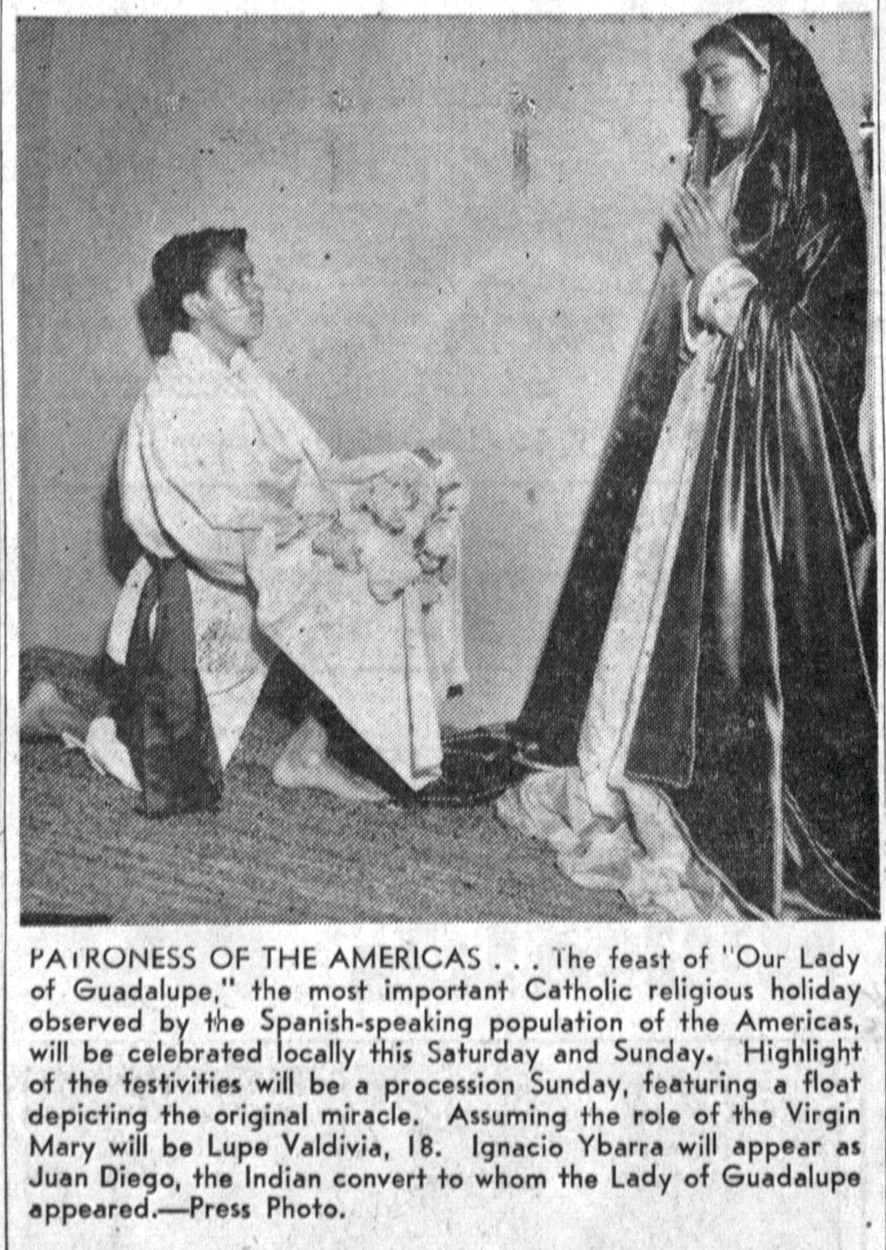
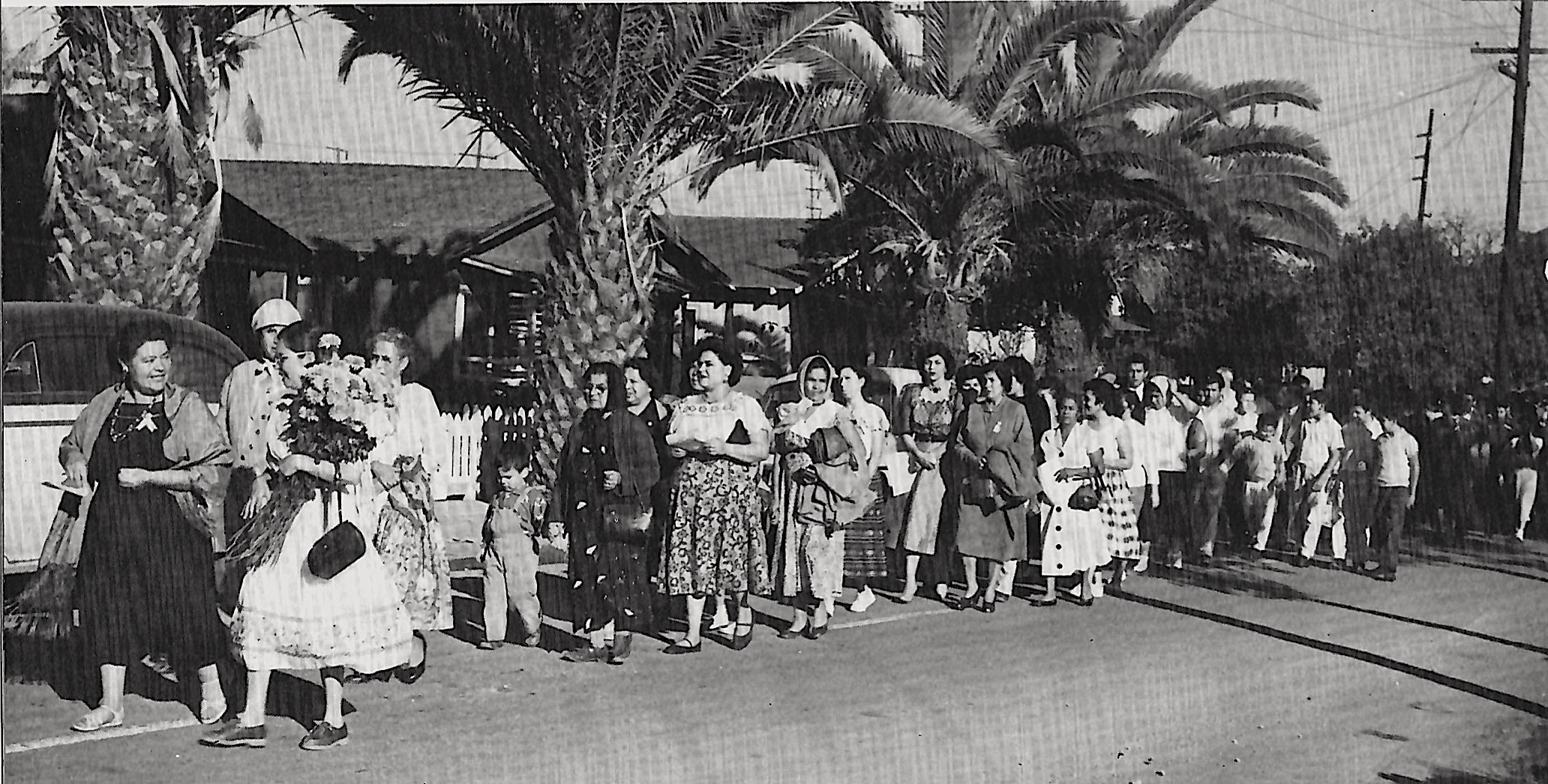
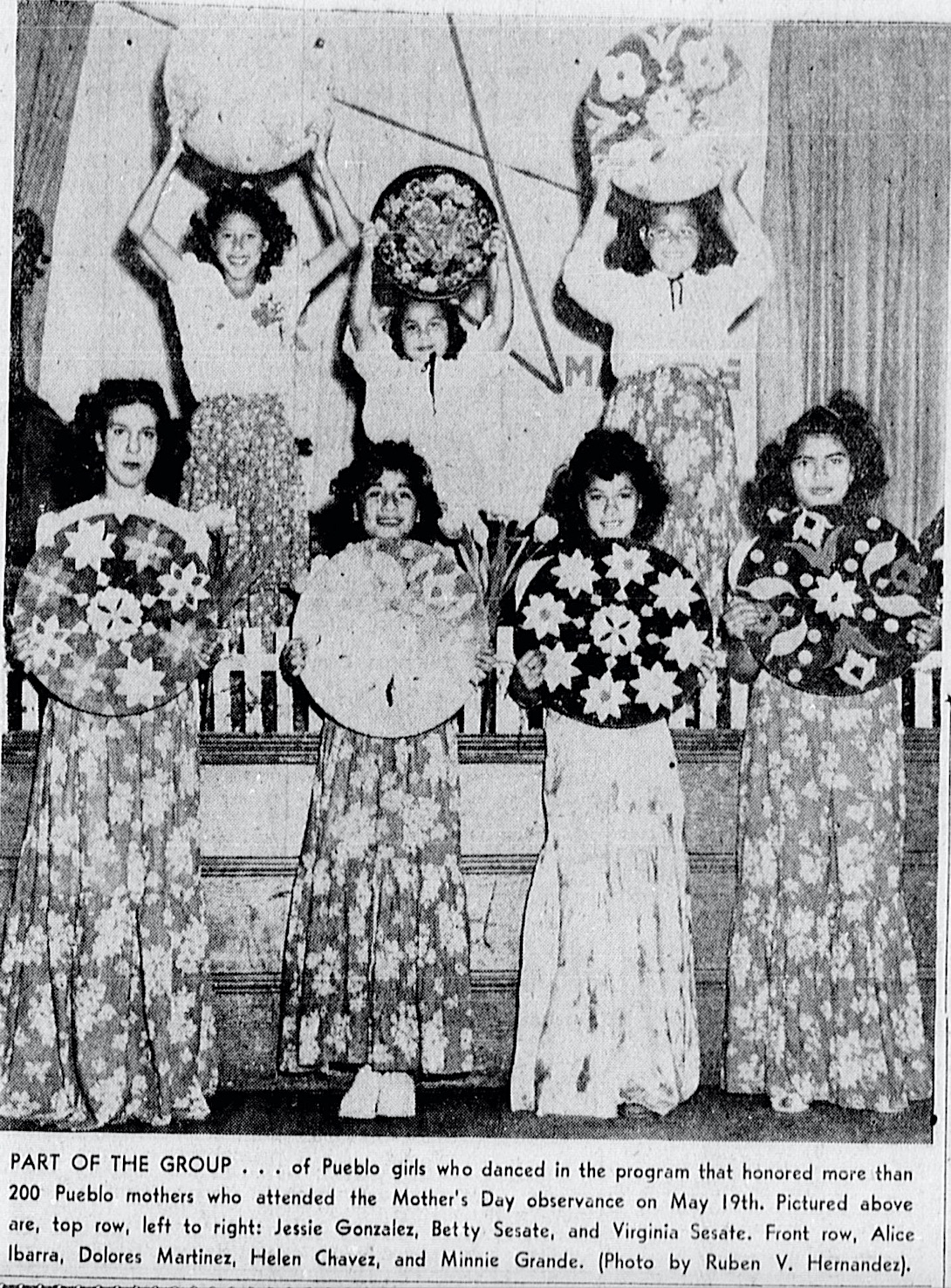
The church held heavily attended annual celebrations for Christmas, Easter, the May Crowning of the Virgin Mary, Mother’s Day and the Dec. 12 Feast of Our Lady of Guadalupe. Usually these included large parades and processions down Del Amo Blvd.
The church closed for good in 2000, and the building was razed a year later. Its members became part of Nativity Catholic Church in Torrance.
Pueblo residents often found themselves battling the area’s undeservedly unsavory reputation. Drugs and gang-related problems were a reality, but often exaggerated.
A 1965 Torrance Herald story described a Torrance Police Dept. drug raid that caused an “unruly mob” to form with “sticks, rocks and ball bats.” The “near riot” lasted 45 minutes. In this case, the newspaper overreacted to an admittedly tense situation. It later turned out that the dangerous “ball bats” were in the possession of children returning from a softball game.
Eventually, garbage and sewage services came to the area. By the dawn of the 1970s, Del Amo even had been widened to a four-lane road with a median dividing strip, and the community had begun to succeed in beating back its once-negative image.
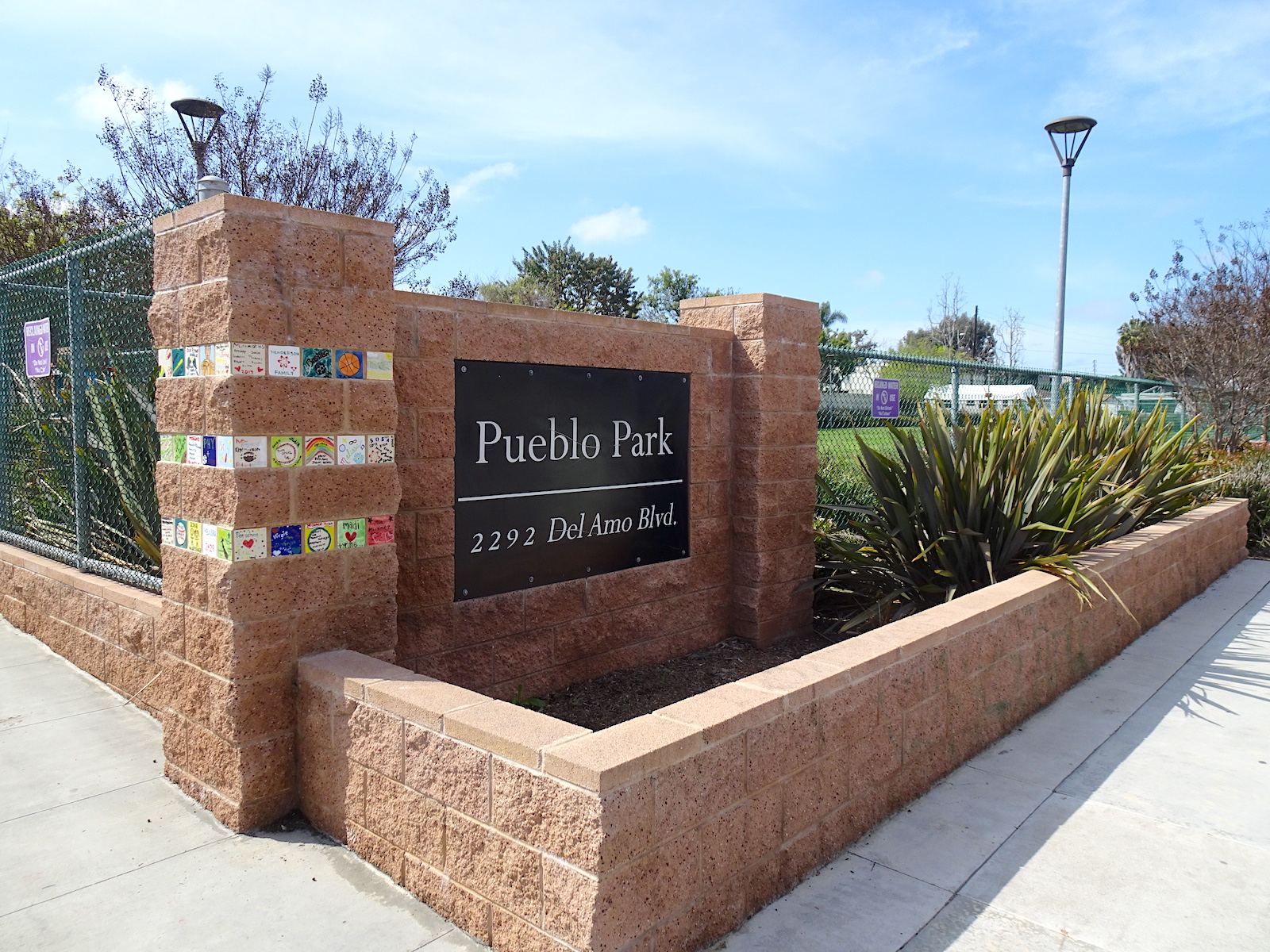
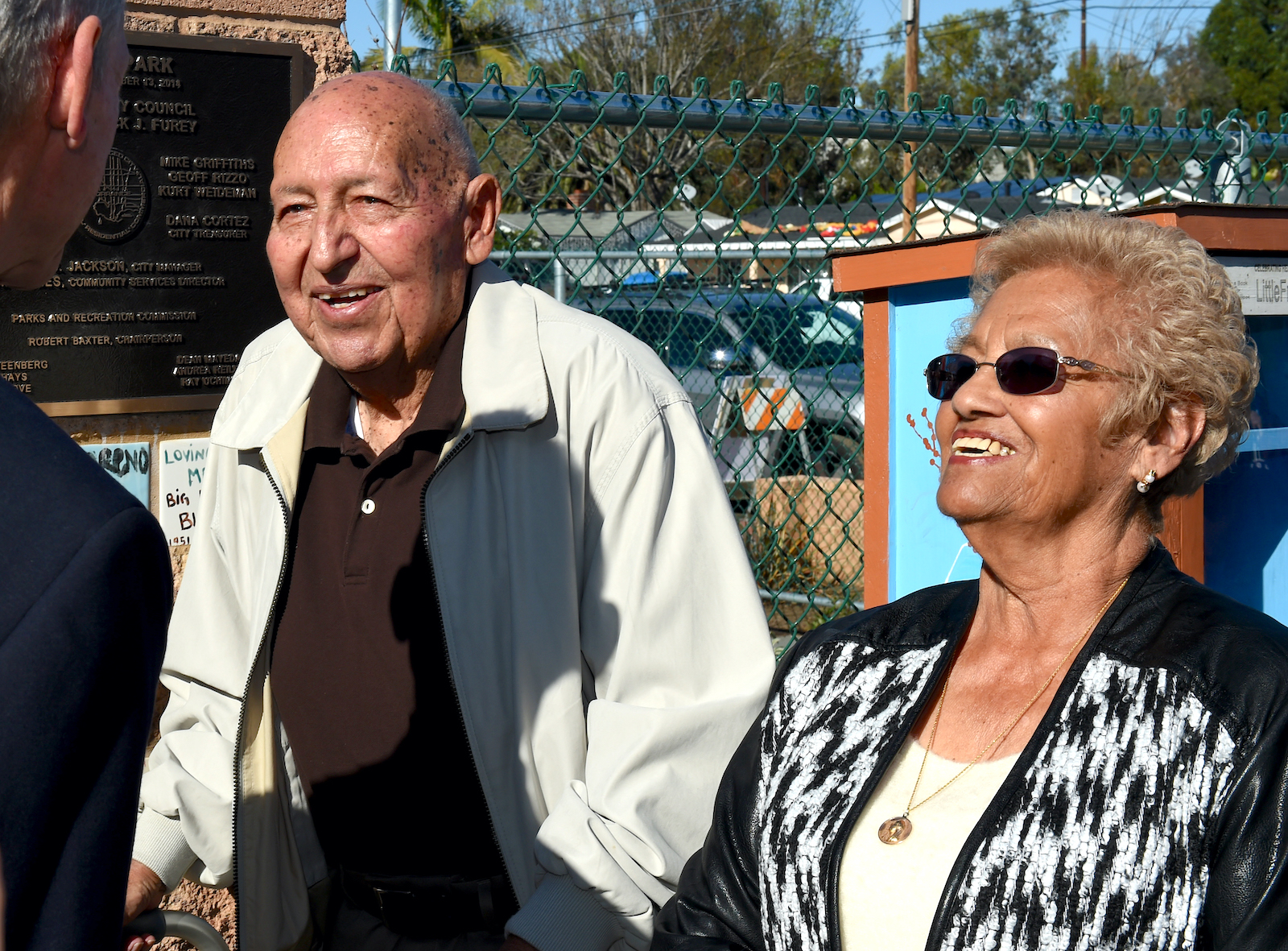
In 2014, Ruben Ordaz, who was born in the Pueblo in 1928, saw a dream of his come true when the city of Torrance dedicated Pueblo Park on Del Amo, built at a cost of $405,000.
Ordaz had spent a lifetime working to improve life in the Pueblo. After his death at 87 in March 2015, the city renamed the community building in Pueblo Park the Ruben Ordaz Community Center.
Sources:
Daily Breeze archives.
Historic Torrance: A Pictorial History of Torrance, California, by Dennis F. Shanahan and Charles Elliott, Jr., Legends Press, 1984.
Los Angeles County 1957 Street Atlas, Page 68, Thomas Bros. Maps, 1957.
Los Angeles Times archives.
Mexican Americans in Torrance, by Alice Duarte Solis, Arcadia Publishing Co. (Images of America series), 2018.
“Pueblo Park,” City of Torrance website.