When you mention Dalmatians to most people, they associate the word with the dog breed. The 1961 Disney animated feature “101 Dalmatians” brought the spotted canines, previously best known as fire station dogs, to wide popularity.
The breed is believed to have originated in the coastal area of modern-day Croatia known as Dalmatia. The name comes from the Dalmatae tribe which inhabited the area, and dates back to at least 100 B.C., when it was a Roman province.
The coastal area stretches along the eastern banks of the Adriatic Sea from Montenegro on the south to Croatia proper on the north. It’s not currently recognized as an independent state, but as a distinct historical region of Croatia.
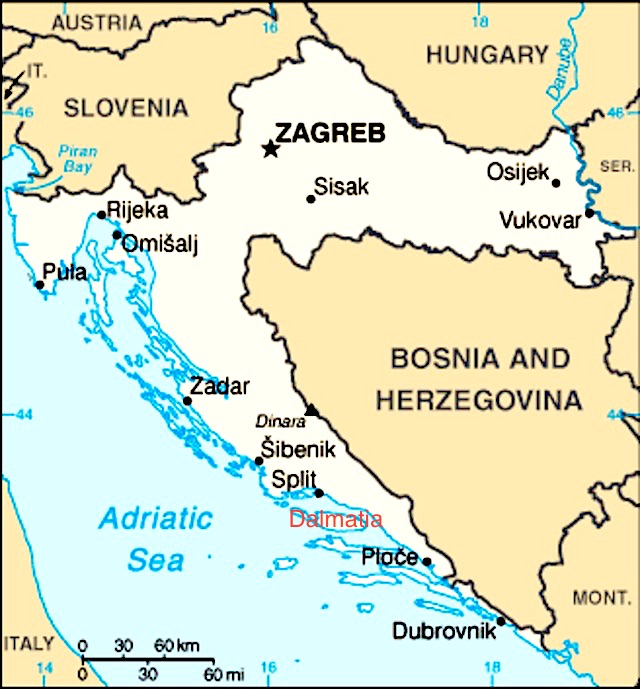
The Dalmatian coast has stunning natural beauty. Some 79 islands and more than 500 islets lie just off its shores, and therein lies its connection to San Pedro. Fishing among the islands is one of the area’s major industries.
So, when abundant schools of sardines and tuna were encountered by early San Pedro fishermen, the word eventually spread to Yugoslav immigrants who came to America in the early 1900s in search of a better life.
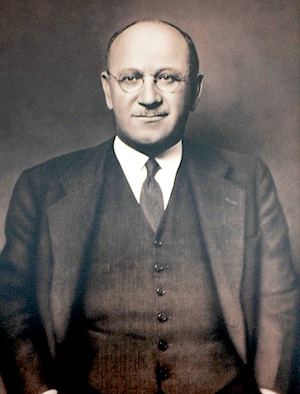
They operated fishing boats in the waters off San Pedro, and established a vibrant ethnic community onshore. I wrote about one of that community’s most influential members, Martin Bogdanovich, in 2015, and mentioned his role in forming what would later become known as the Dalmatian American Club.
Bogdanovich founded one of the earliest and largest fish canneries in San Pedro, the French Sardine Co., in the Fish Harbor area of San Pedro in 1917. The company would evolve later into Star-Kist Tuna.
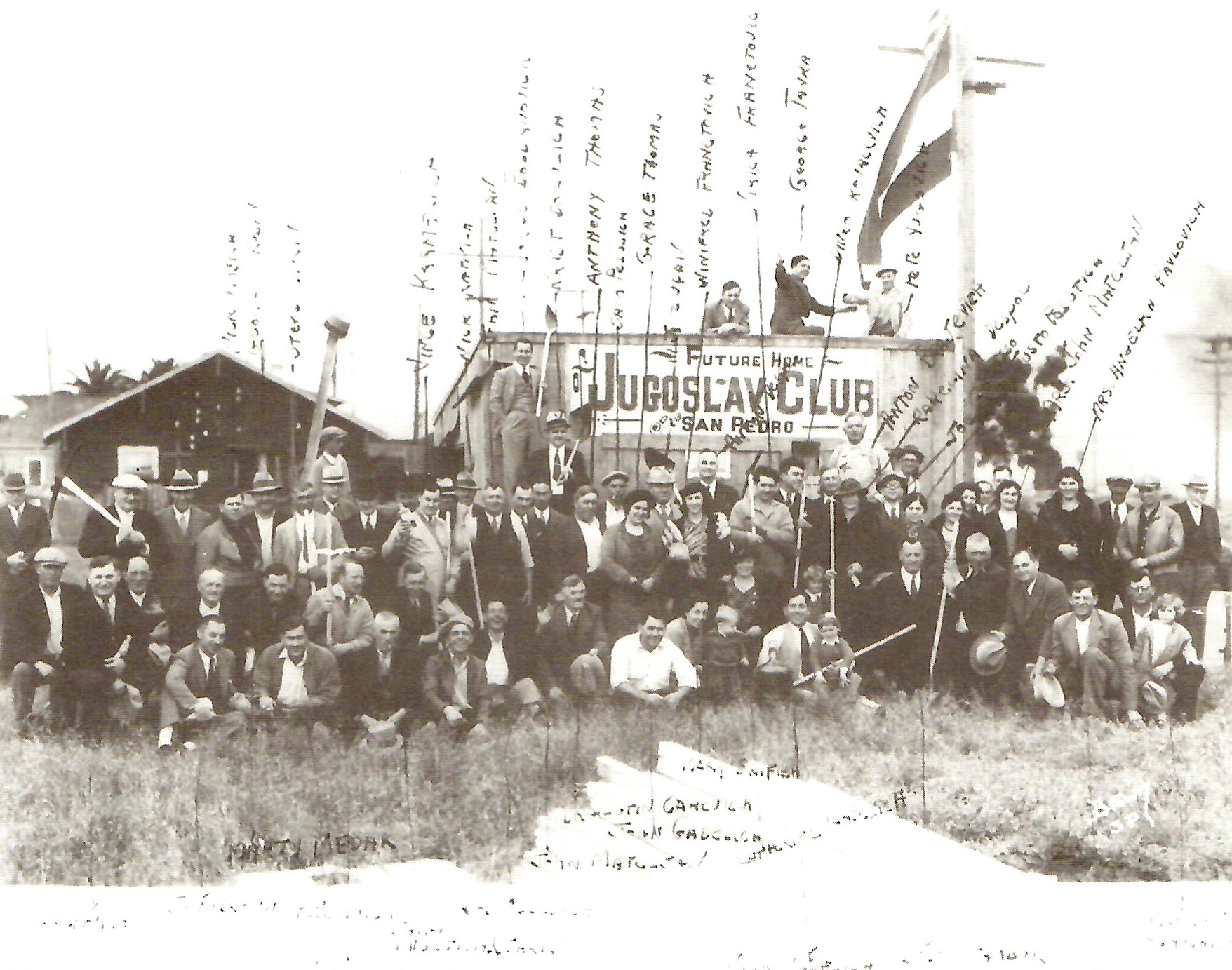
By 1926, an estimated 5,000 people of Slavic descent lived in San Pedro. In May of that year, 25 of its leading citizens held a meeting at Dr. Anton Sambuk’s office at 110 W. Seventh Street to form the Jugoslav Club.
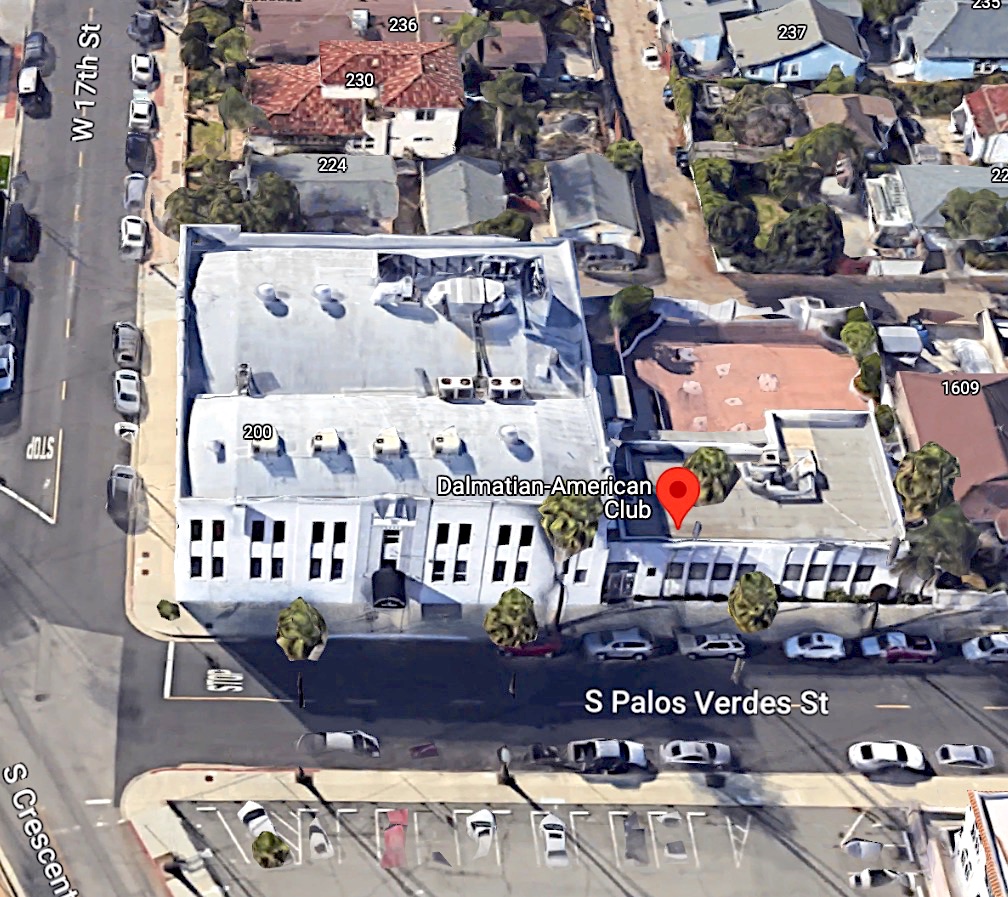
The group’s members also announced plans to build a Jugoslav Club building in San Pedro on land at 17th and Palos Verdes streets as its permanent meeting place.
They had been holding their meetings twice a month at Carpenters Hall on Ninth Street, the Knights of Columbus hall, and the Point Fermin Café in Point Fermin Park.
At the May 1926 meeting, the group defined its aims as “threefold, to promote intellectual spirit among the members, to establish patriotic relations and to hold allegiance to the United States of America,” according to the San Pedro News Pilot.
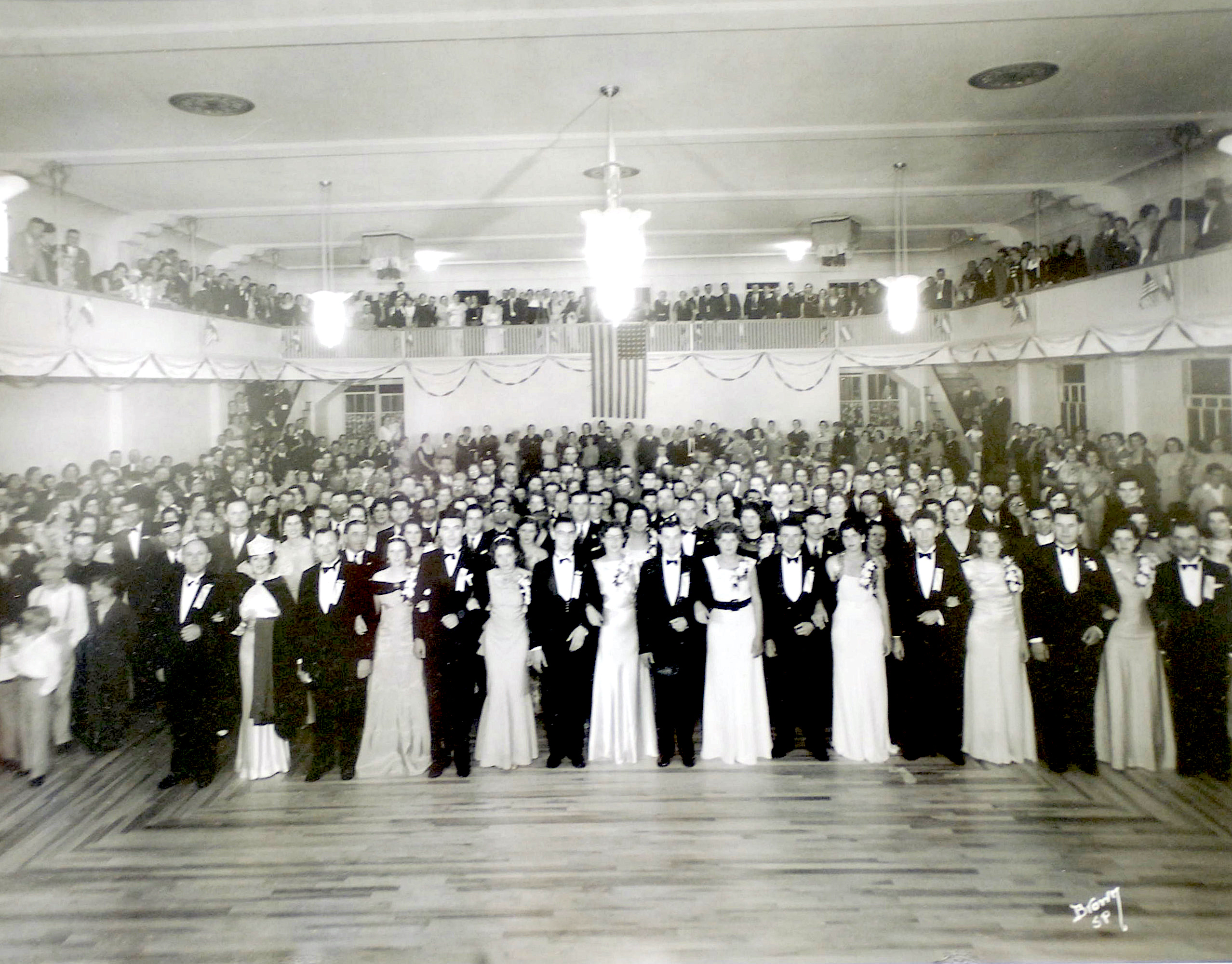
For the next few years, the group held dances and other fundraising events to raise the money for the hall. The Jugoslav women’s auxiliary of the club, formed in 1932, also participated in the fundraising efforts. The goal: to raise $100,000 to cover both the cost of the land and the $35,000 in construction costs.
After seven years as its honorary leader, Bogadnovich was elected the group’s official president in 1933.
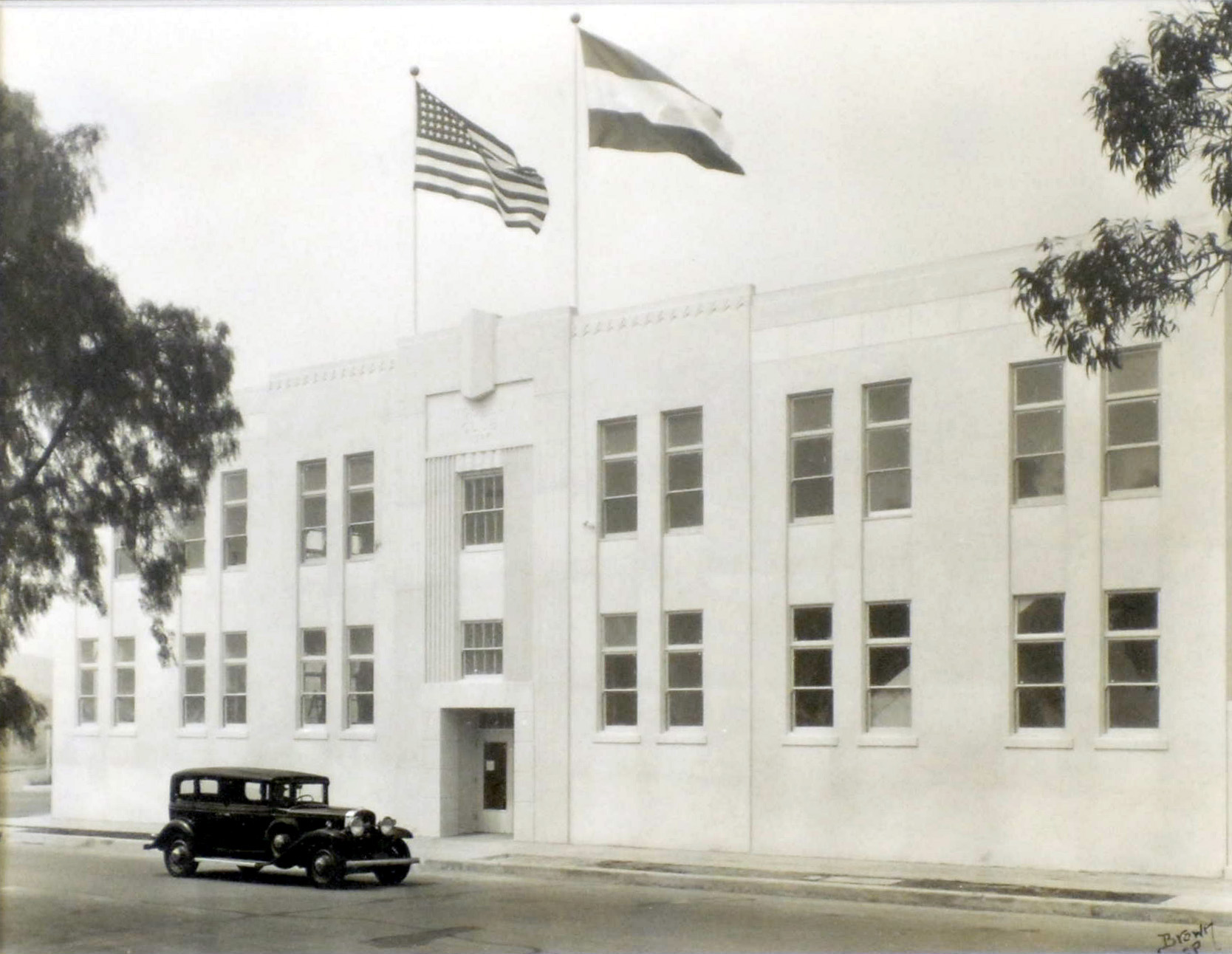
In December 1934, the Jugoslav Club announced its readiness to go ahead with the new structure. The two-story building would include a spacious auditorium that could 750 people, and its plans being drawn up by architect William F. Durr were just about complete.
Ground was broken at 1639 S. Palos Verdes St. in early 1935. Construction continued through the spring and summer, and the club opened in August 1935. It quickly became the social center of the Dalmatian community, hosting dances, band concerts and other entertainments as well as meetings.
Bogadanovich continued to serve as the club’s president until June 18, 1944, when he died suddenly from a heart attack just as a club meeting on war bonds was about to begin. He was 61.
The San Pedro News Pilot estimated that more than 1,000 people attended his funeral and at least 300 cars participated in the procession to his grave at Calvary Cemetery in Los Angeles.
In 1949, club members decided to change its name to the Yugoslav-American Club. Its current name, the Dalmatian American Club, was adopted in 1992.
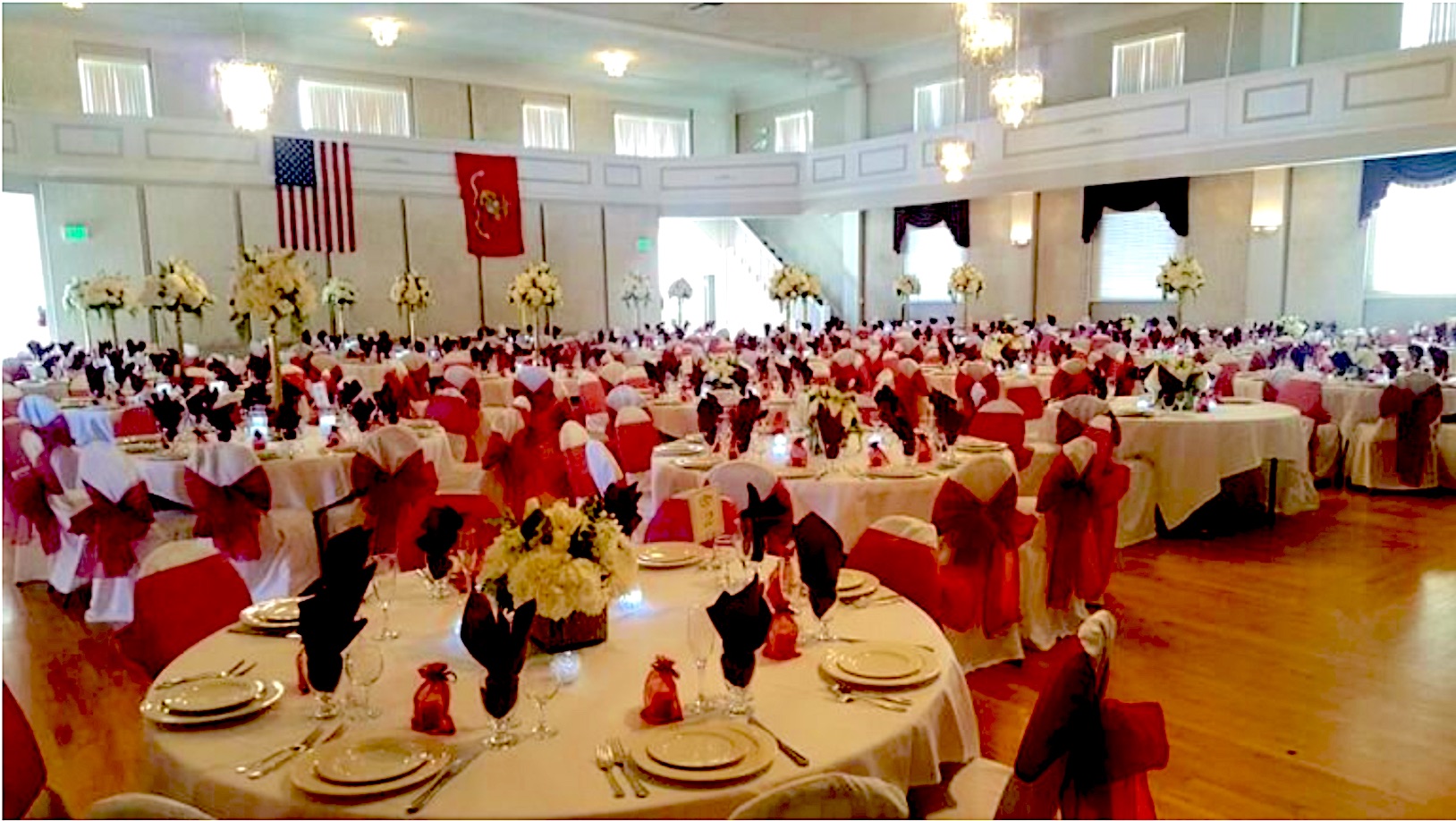
The breakup of Yugoslavia into separate countries from 1990-1992 meant the club could no longer lay claim to its all-inclusive name, and it needed to distinguish itself from the Croatian-American club founded in San Pedro in 1962. So the decision was made to honor the homeland of its founders by including Dalmatia in its new name.
One of the club’s best-known events is its monthly fish dinners, a tradition begun in 1964. Over the years, the fish dinners have attracted politicians, athletes and celebrities along with members of the community. In addition to the monthly Friday fish feasts, the club now offers weekly Tuesday lunches.
The members of the Dalmatian-American Club have worked hard to keep the club operating in recent years, especially when faced with the financial stress caused by the COVID-19 epidemic. Thanks to their efforts, it has survived with its traditions intact as it closes in on the 100th anniversary of its founding.
Sources:
Daily Breeze archives.
Dalmatian American Club website.
“Hub of Hometown Hospitality: The Dalmatian-American Club Turns 95,” by Joshua Stecker, San Pedro Today website, April 29, 2021.
Los Angeles Times archives.
San Pedro: A Pictorial History, by Henry P. Silka, San Pedro Bay Historical Society, 1993.
San Pedro News Pilot archives.
Wikipedia.