San Pedro had become a major location for defense plants before the U.S. entered World War II. Major shipbuilding operations such as Los Angeles Shipbuilding and the government-sponsored California Shipbuilding had ramped up production to aid the Allied war effort.
The defense buildup had a ripple effect. More defense plants and increased production created a need for more workers, and those workers needed places to live that were closer to their jobs. San Pedro in the late 1930s didn’t have nearly enough housing options to accommodate them.
The need became even more acute following Japan’s attack on Pearl Harbor on Dec. 7, 1941, and the subsequent U.S. declarations of war.
Prior to the war, the federal government already had authorized the construction of several major housing projects in the Harbor Area to remedy the shortage. These included Normont Terrace and Harbor Hills in Harbor City, Wilmington Hall and Dana Strand in Wilmington, and Rancho San Pedro, Banning Homes and Channel Heights in San Pedro, the subject of today’s post.
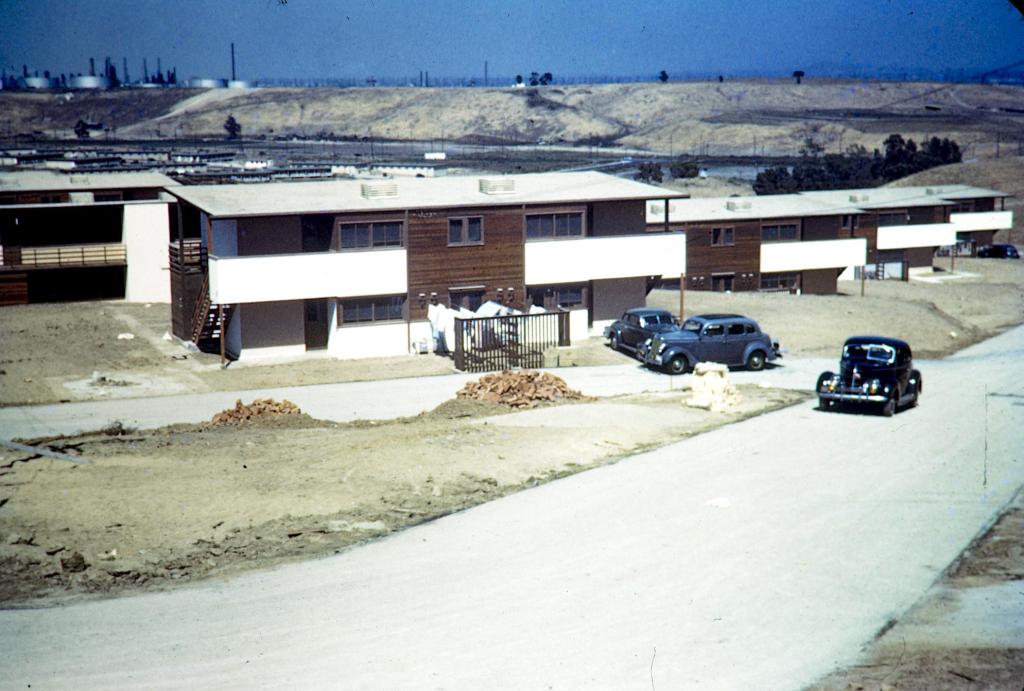
The Channel Heights Housing Project originally was scheduled to be built in Compton and called Amity Village, but wartime needs changed the plan. The amended project was laid out on 160 acres situated north of Peck Park and just east of Western Ave., with Channel St. connecting it to Gaffey St. on its eastern edge. The land was bisected by a canyon where a couple of horse ranches were located.
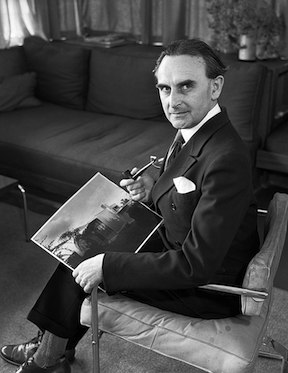
The contracting firm Baruch Corp. broke ground for the 600-unit project in early June 1942, looking to complete it by that October. Its architect, Austrian-born Richard Neutra, had studied under Frank Lloyd Wright and worked with Rudolf Schindler, and would go on to be an influential champion of the mid-20th century modernist style.
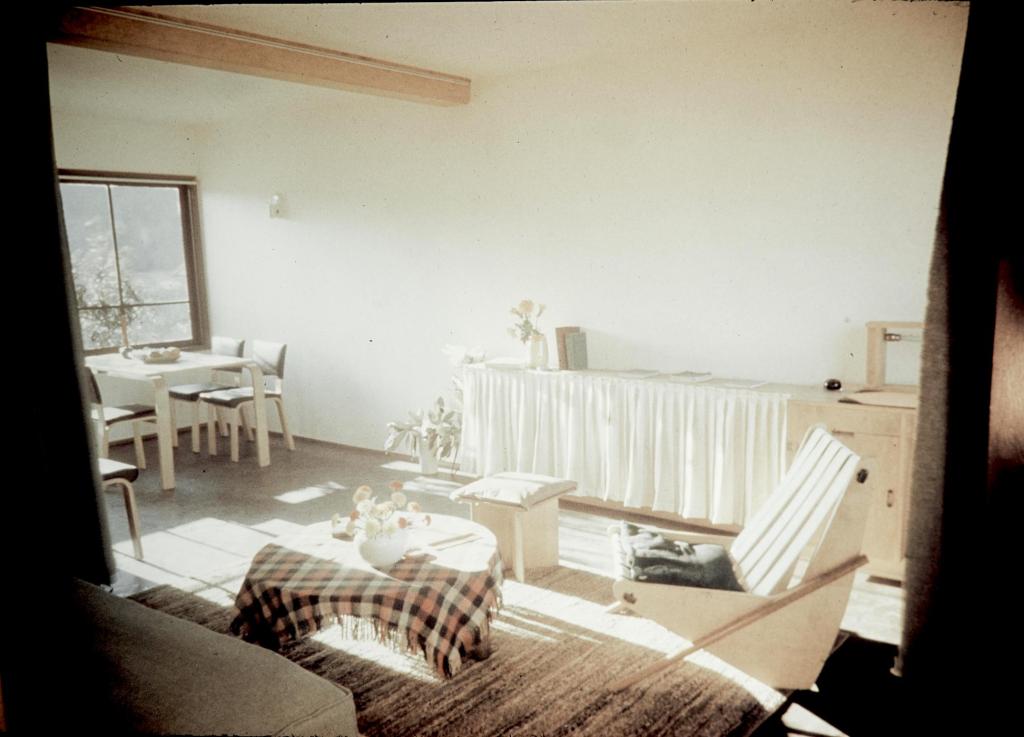
Neutra laid out the project’s sleek, low profile buildings on the canyon’s terraces, allowing for ocean views and ambient natural lighting. The units featured mostly open floor plans and about half of them were furnished, as many workers couldn’t afford to buy furniture.
The project had its own small shopping center, and, in August 1944, construction of the Channel Heights Elementary School, also designed by Neutra, was approved. (The school was remodeled and renamed Park Western Place Elementary in 1957.)
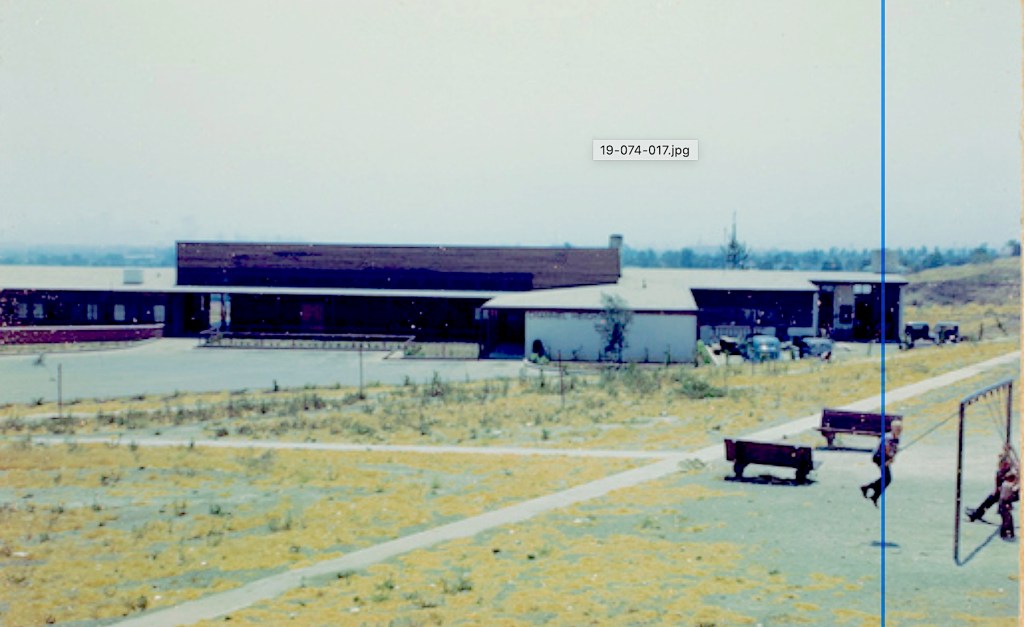
As for the project itself, its 1942 completion was delayed due to the wartime shortages of building materials, a problem that was remedied when defense housing projects were granted special priority to receive them. It would be completed at a cost of $3.5 million in 1943.
Channel Heights officially opened on May 18, 1943, when its first 40 units were made available to war workers and their families. By that August, all 600 units were occupied, a preschool (one of two) had opened, and the complex’s market was days from its grand opening.
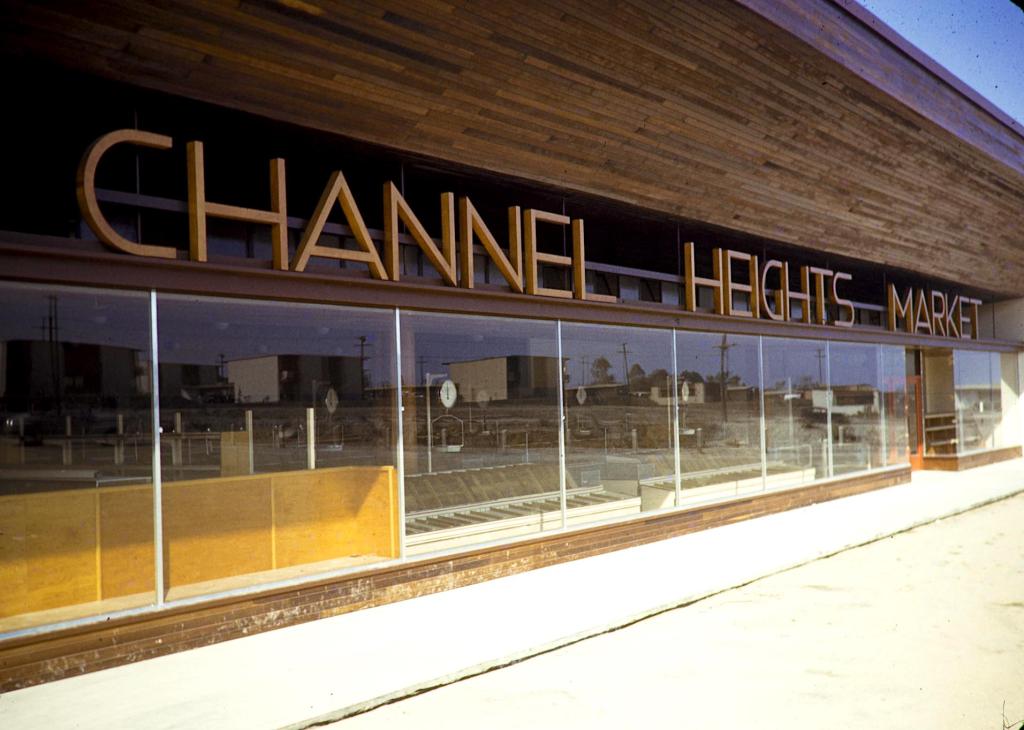
It thrived during wartime, but the federal government, which continued to own the project after the war ended, seemed to have lost interest in its upkeep. Eventually, the government declared the project surplus property.
By March 1949, the Los Angeles City Council had begun looking into acquiring ownership of Channel Heights, where hundreds of families still lived. Its tenants had tried to purchase their units through mutual home ownership corporations, but lacked the funds to pull off the maneuver.
In 1950, the federal government transferred ownership of the property to the Los Angeles City Housing Authority. The CHA’s attempts to get federal funding to renovate the project failed, however.
During the early 1950s, the CHA tried and failed to convert the project into low-income housing. In 1954, the Chamber of Commerce strongly suggested that the U.S. Navy move personnel it was about to transfer from the East Coast to California into the now mostly-empty Channel Heights units, but the Navy chose to house them in Long Beach instead.
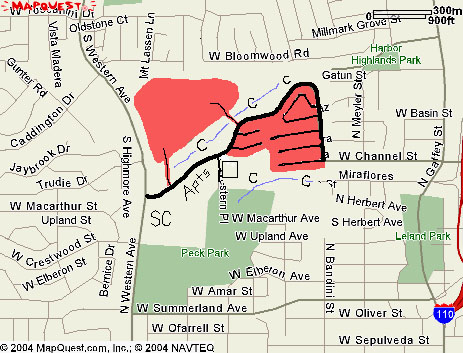
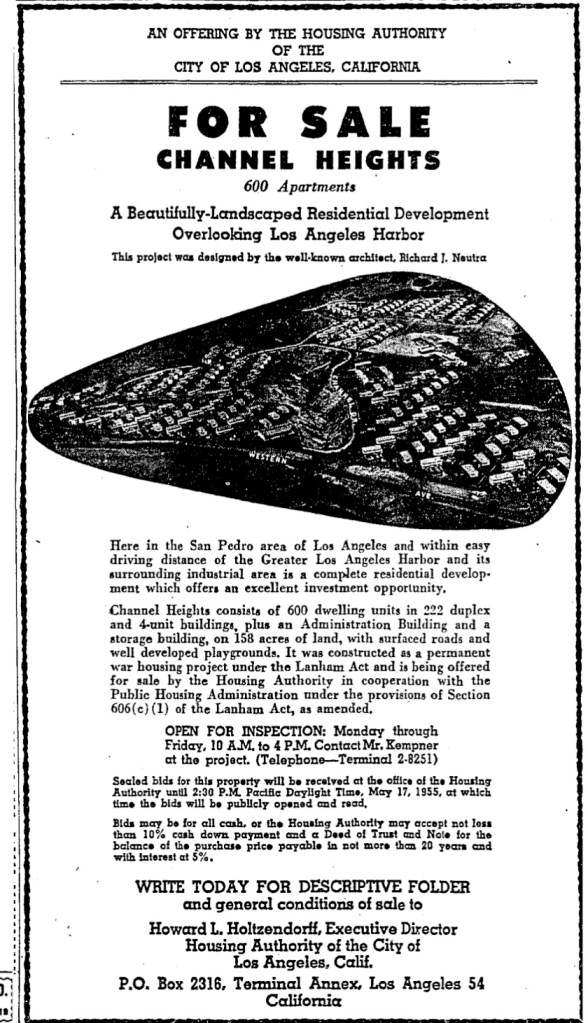
Finally, the CHA announced in January 1955 that it was closing Channel Heights for good, relocating the 263 low-income families still living there and putting the property up for sale to the highest bidder.
That turned out to be the Goldmar Corp., a Los Angeles-based developer who had offered $876,987 for the Channel Heights property. It was the beginning of the end. Goldmar ended up purchasing the property for about $1 million. It then invested $1.5 million in revamping the project into the Park Western Apartments, but later divested itself of the property.
That left the door open for various developers to transform the property piece by piece into various condo and townhouse developments along the newly completed streets Capitol Drive and Park Western Drive.
The last few tenants of the now-dilapidated housing project were evicted in 1981, and the final scant remaining traces of Channel Heights Housing Project were eradicated completely.
Richard Neutra went on to become an influential and highly successful architect. He died in 1970 at the age of 78. His architectural office in Silver Lake, the Neutra Office Building, has been declared a Historic Cultural Monument and is listed on the National Register of Historic Places.
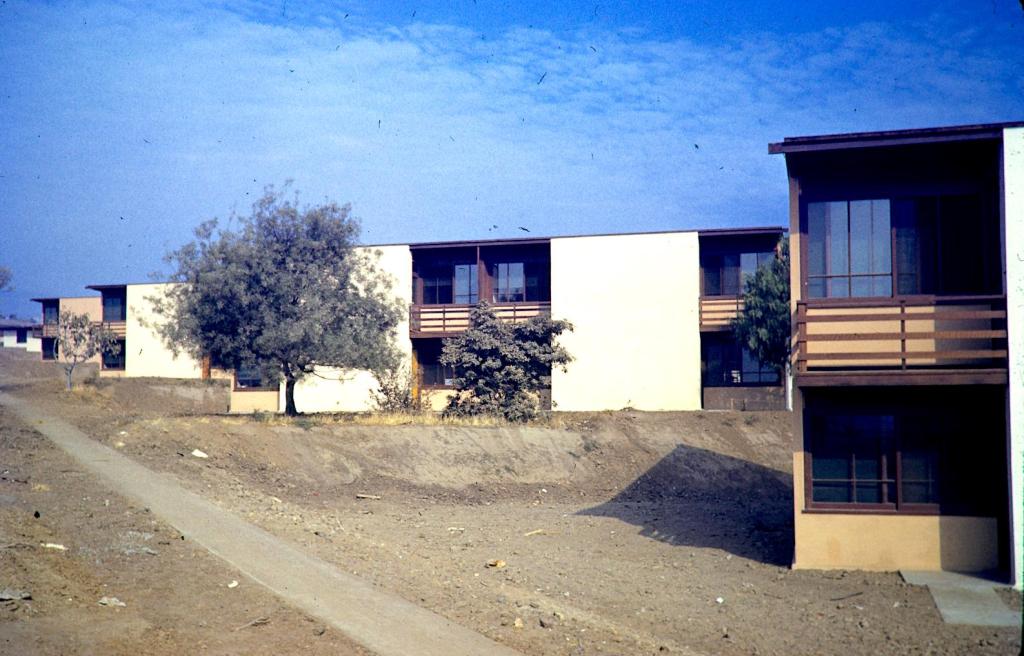
Note: Thanks to reader Robert DuPree for suggesting this topic.
Sources:
“The Channel Heights Housing Project” website.
“Channel Heights Housing Project,” Neutra website.
Daily Breeze archives, especially “Designer’s housing finally faded away,” by Stephanie Walton, May 21, 2006, Page A4.
Los Angeles Times archives.
“Richard Josef Neutra, 1892-1970,” US Modernist website.
San Pedro News Pilot archives.