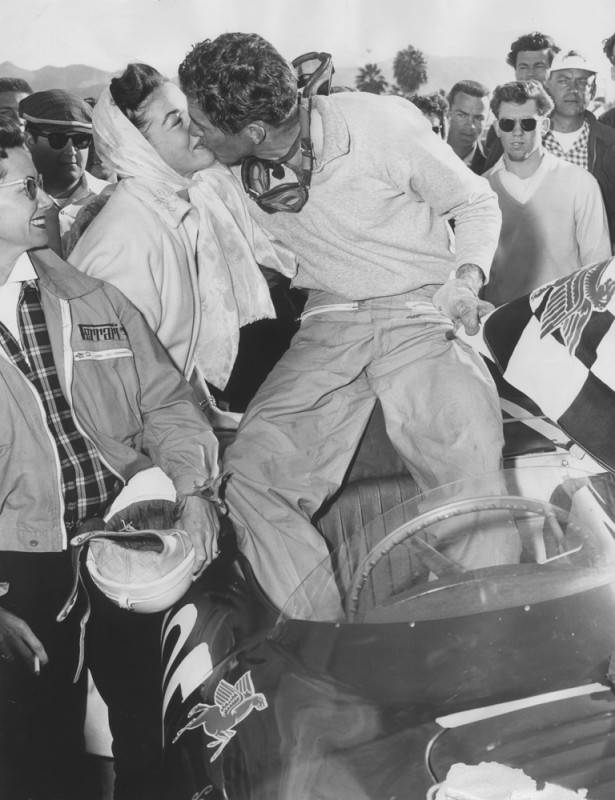
Automotive innovator Carroll Shelby’s career – race car driver, inventor, car manufacturer, chili salesman, chicken farmer – sounds like the life’s work of half a dozen men instead of just one.
The man celebrated in the 2019 Oscar-winning film, “Ford v Ferrari,” came from humble beginnings. Shelby was born Carroll Hall Shelby on Jan. 11, 1923, in the small east Texas town of Leesburg.
The family moved to Dallas, a bit over 100 miles west of Leesburg, when Shelby was 7. By then, he already knew he’d been born with a heart valve defect; it would trouble him for much of his life.
Shelby served as a flight instructor in the Army Air Forces during World War II. After the war, he worked in the Texas oil fields before becaming a chicken farmer. He caught the auto racing bug after an Army buddy visited him and took him for a ride in an MG sports car in 1952.
That year, he entered his first race, a local drag race. He continued racing successfully while still tending to his farm, and became famous in his early years for wearing a farmer’s striped bib overalls while competing.
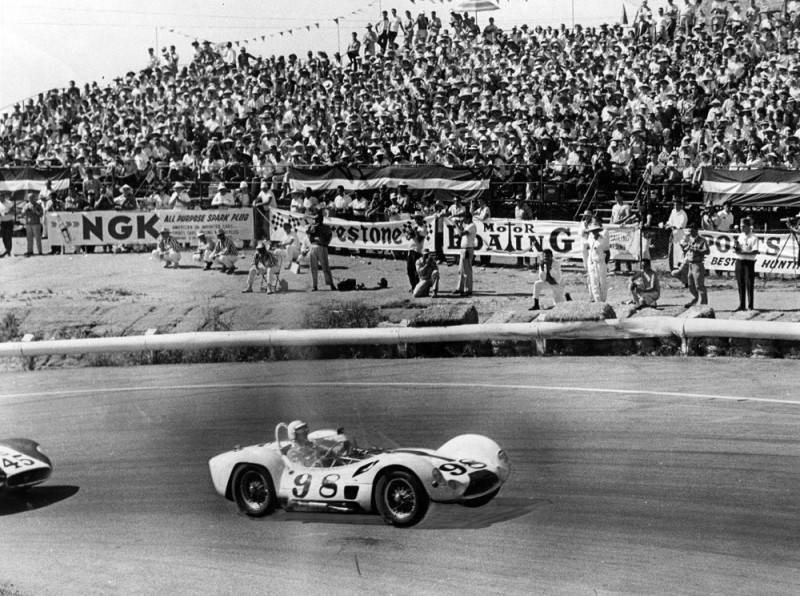
Eventually, he turned to racing full time, with increasing success in the 1950s, especially after joining the Aston Martin team in 1954. By 1957, he had become one of America’s top sports car drivers. In 1959, he became only the second American-born driver to win the 24-hour race at Le Mans, France. (Phil Hill was the first, winning in 1958.)
Shelby’s racing career ended in 1960. In February, his chest pains were diagnosed as angina, and doctors told him he would have to quit racing. He left his wife and three children in Texas – he would marry seven times during his lifetime – and moved to California, where he began operating a Goodyear Racing Tire franchise in La Mirada. The Los Angeles Times-Mirror Grand Prix that December was his final race as a driver.
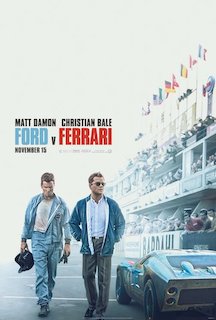
Faced with the end of racing, Shelby turned his attention to another one of his ambitions: creating high-performance autos that could rival those produced by Italian carmaker Enzo Ferrari. This new endeavor forms the basis of the “Ford v Ferrari” film, with Matt Damon portraying Shelby.
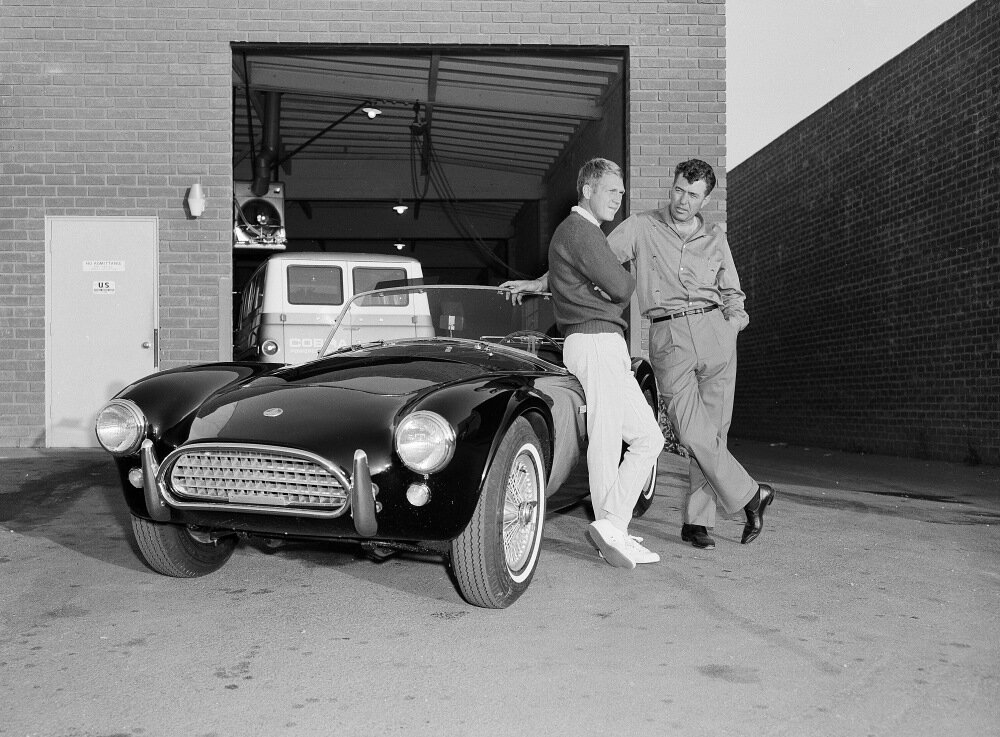
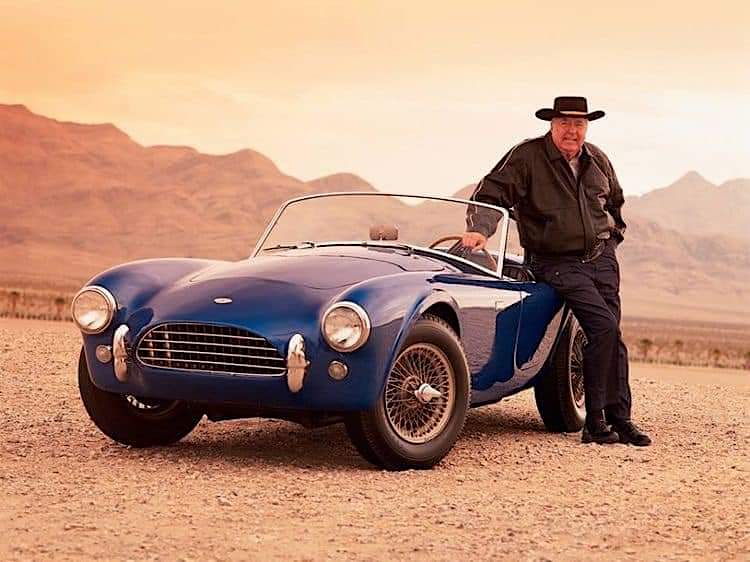
Shelby threw all his energies into the quest, forming the firm Shelby American in 1962. Shelby American completed its first car, the 260 Roadster, in February, and the firm’s owner renamed it the Cobra. In March, Shelby opened a garage and manufacturing shop in Venice at 1042 Princeton Dr. in March. (The area is now part of Marina del Rey.)
By June 1963, the first 125 Cobras had been built, and Shelby had begun to fashion a relationship with the Ford Motor Co. in order to begin the challenge to Ferrari’s supremacy. In 1964, a Shelby Daytona Coupe won the GT class at Le Mans, defeating Ferrari.
Shelby’s operations eventually outgrew the Venice location, and he moved Shelby American to a hangar on the south end of Los Angeles International Airport in 1965. The building at 6501 W. Imperial Hwy. still stands, and now houses the Japanese aviation firm Nippon Cargo Airlines.
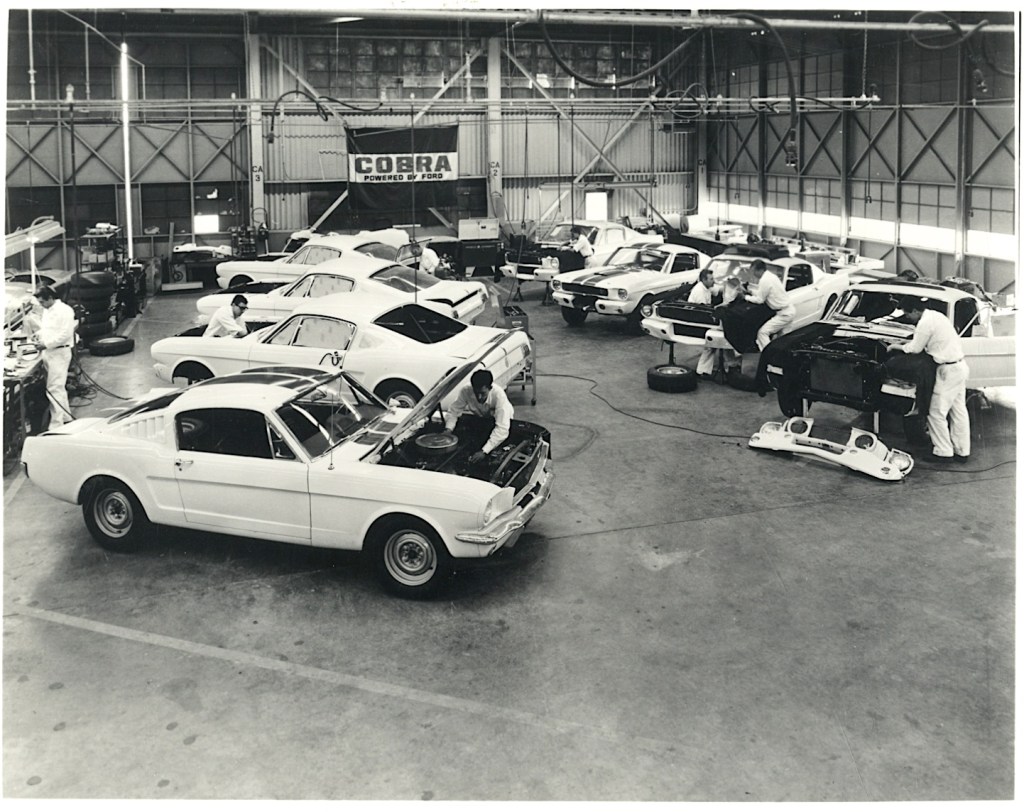
It would serve as the headquarters for the building of the Shelby Mustang GT350 in conjunction with Ford, which had introduced the commercial version of the Mustang in 1964. Despite occasional clashes with Ford’s corporate hierarchy, the partnership succeeded winning Le Mans four straight years with their cars from 1966-69.
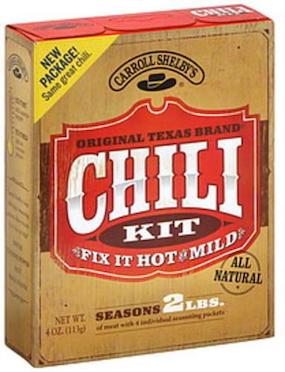
Shelby moved his operations again to Torrance in 1967, using a building near the Torrance Municipal Airport after losing his LAX lease. He “retired” from the racing world in 1970, and devoted his attention to traveling the world, including living for a time in South Africa, and promoting his chili brand via chili cookoffs. (He sold his food company to Kraft Foods in 1986.)
He’d held onto his Goodyear tire shop, and formed an auto parts division headquartered at 19021 S. Figueroa St. in Carson in 1971 that specialized in wheel rims. It remains Shelby American’s main presence in the South Bay, though the firm is now headquartered in Las Vegas.
He would, of course, return to the world of his first love, high-performance autos, several more times. In the 1980s, he collaborated with his old Ford contact Lee Iacocca, who had become the head of Chrysler Corp., on a series of Dodge autos, including serving as a consultant on the Dodge Viper sports car.
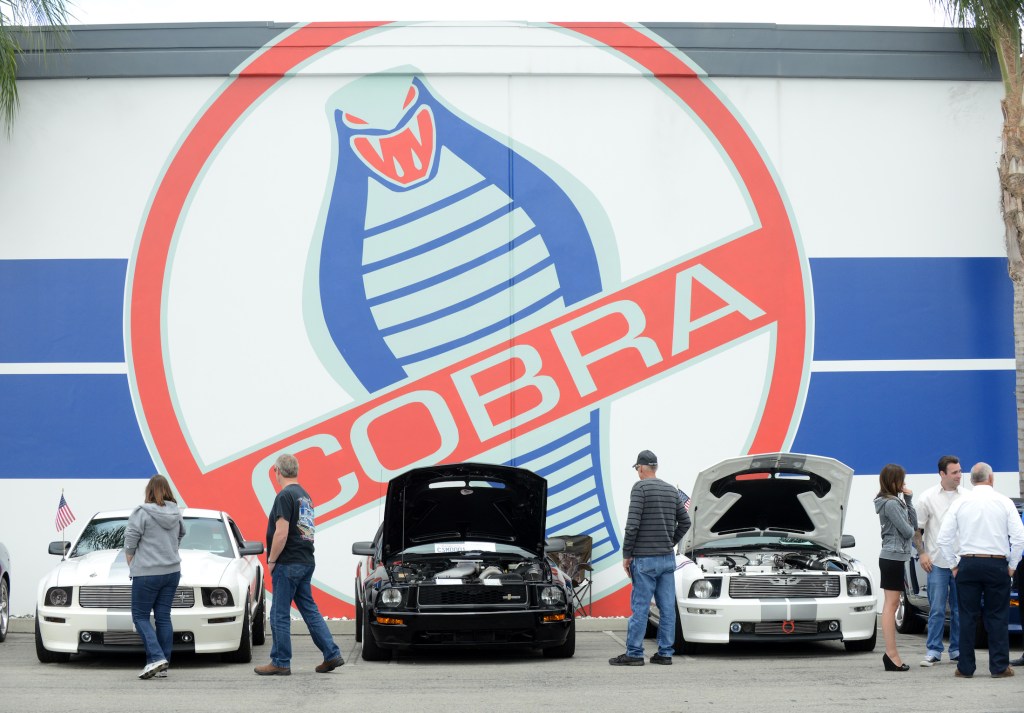
In June 1990, Shelby underwent a heart transplant operation. A year later, he formed the Shelby Heart Fund charity, later renamed the Carroll Shelby Foundation. Shelby also received a kidney transplant in 1996. The Carson-based Foundation continues to pursue its goal of providing assistance for acute coronary and kidney care for young people.
In 2003, he partnered again with Ford for the reintroduction of the Ford Shelby Mustang GT-500 model, which appeared in 2005 for the first time in 35 years.
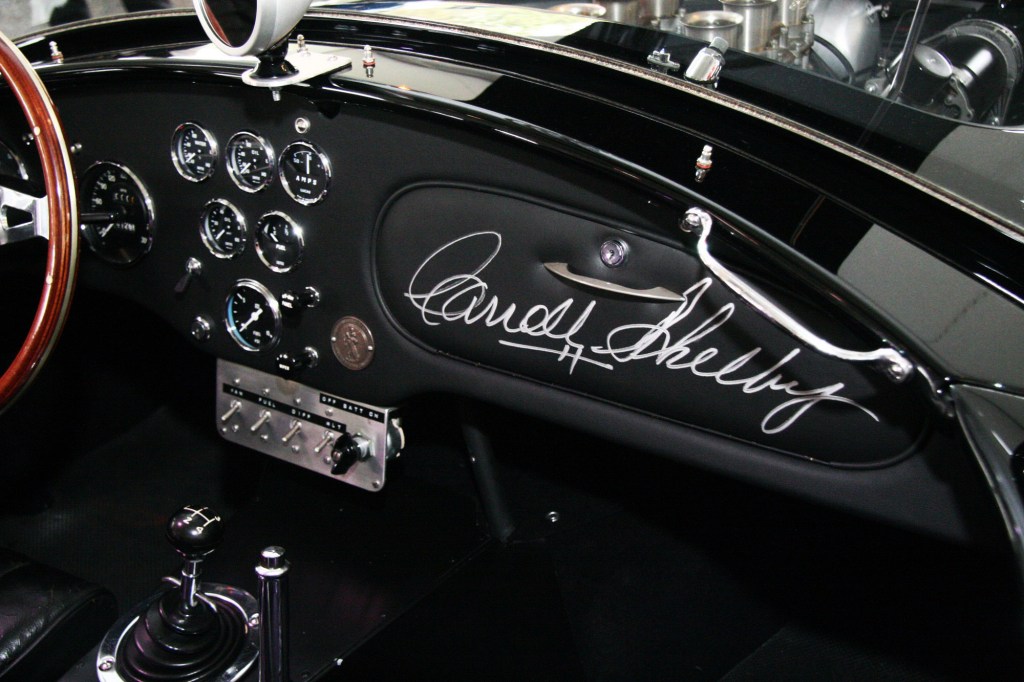
Shelby remained active throughout the 2000s, right up until his death on May 10, 2012, in Dallas, Texas, after being hospitalized with pneumonia. He was 89.
Shelby was named to the Automotive Hall of Fame in 1992, and received dozens of other honors for his creations, which revolutionized the automobile industry more than once during his long career.
The firm he began, Shelby American, moved its headquarters to Las Vegas in 2013, where it still operates and offers tours of its Shelby Heritage Center. In addition, a group of enthusiasts worked with Shelby to create the Shelby Museum in Boulder, Colorado, which also contains dozens of examples of his vehicles.
Sources:
Daily Breeze archives.
Daily News archives.
“From L.A. to Vegas, tracing the legacy of Carroll Shelby: Fifty years of Shelby, American,” by Sam Smith, Road & Track website, April 17, 2014.
“History: Carroll Hall Shelby, 1923-2012,” Shelby American Inc. website.
Los Angeles Times archives.
New York Times archives.
“Timeline: Carroll Shelby’s Life, 1923-2012,” by Christian Seabaugh, Motor Trend website, May 11, 2012.
Further reading:
Go Like Hell: Ford, Ferrari, and Their Battle for Speed and Glory at Le Mans, by A.J. Baime, Houghton Mifflin Harcourt, 2009.