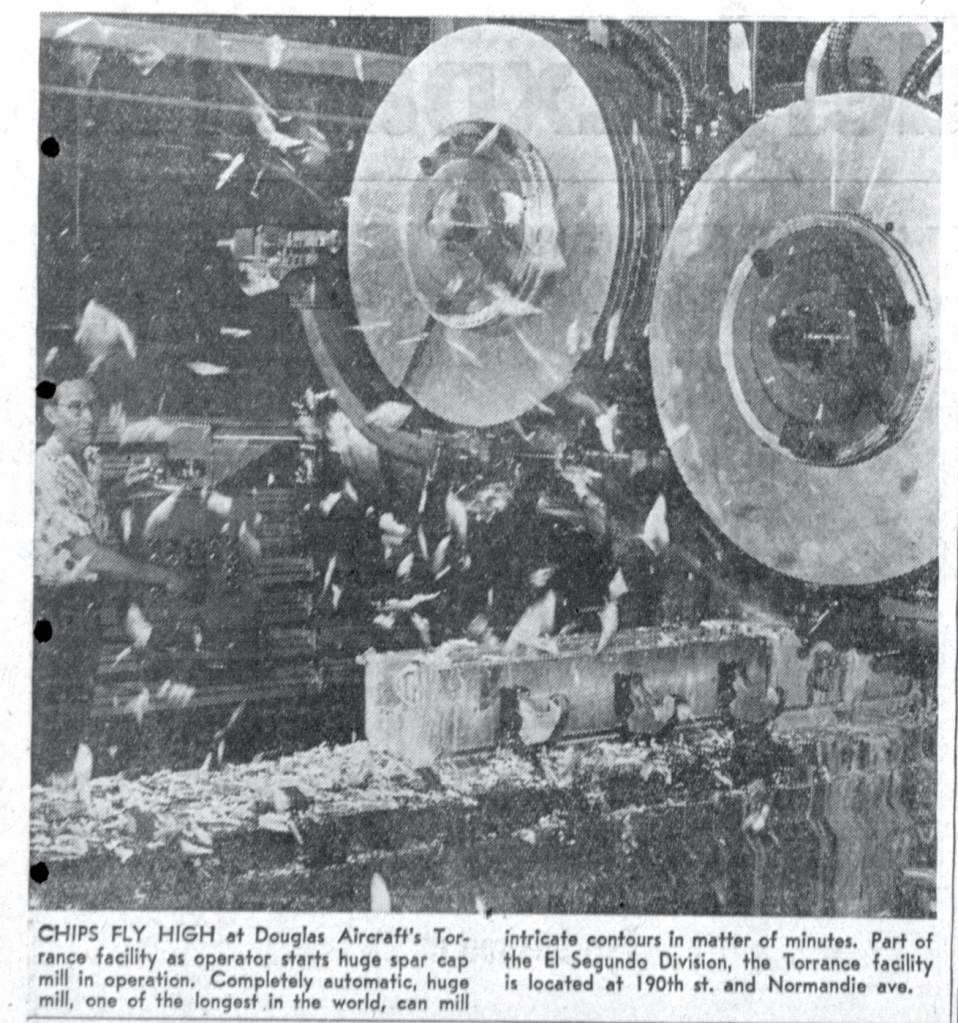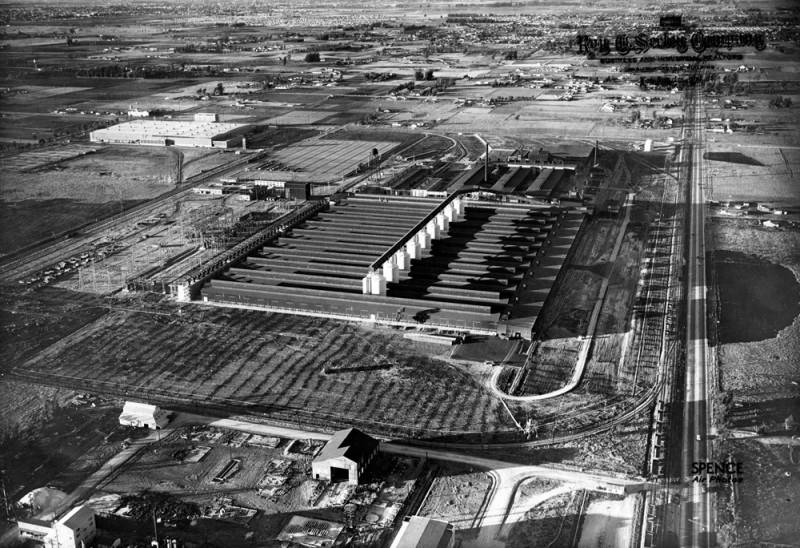
(Credit: Los Angeles Public Library Photo Collection)
The Aluminum Corporation of America began as the Pittsburgh Reduction Company in 1888. Its founder, Charles Martin Hall, formed it after pioneering a new process of creating the then-rare metal, aluminum, from bauxite ore.
53 years later, the need for aluminum to build airplanes for America’s war effort brought the company, renamed the Aluminum Corporation of America in 1907, to the South Bay. (The company, nicknamed ALCOA for short, introduced its household aluminum foil product three years later in 1910.)

Just three days before the Pearl Harbor attack that brought the U.S. into World War II, the company announced plans to build a major aluminum plant on 253 acres near 190th St. and Normandie Ave. in part of the Los Angeles “shoestring strip,” the area just east of Torrance now known as Harbor Gateway. Though the U.S. had not officially entered the war, wartime production already had been ramping up since the September 1940 passage of the Lend-Lease agreement to provide Allied powers with war resources.
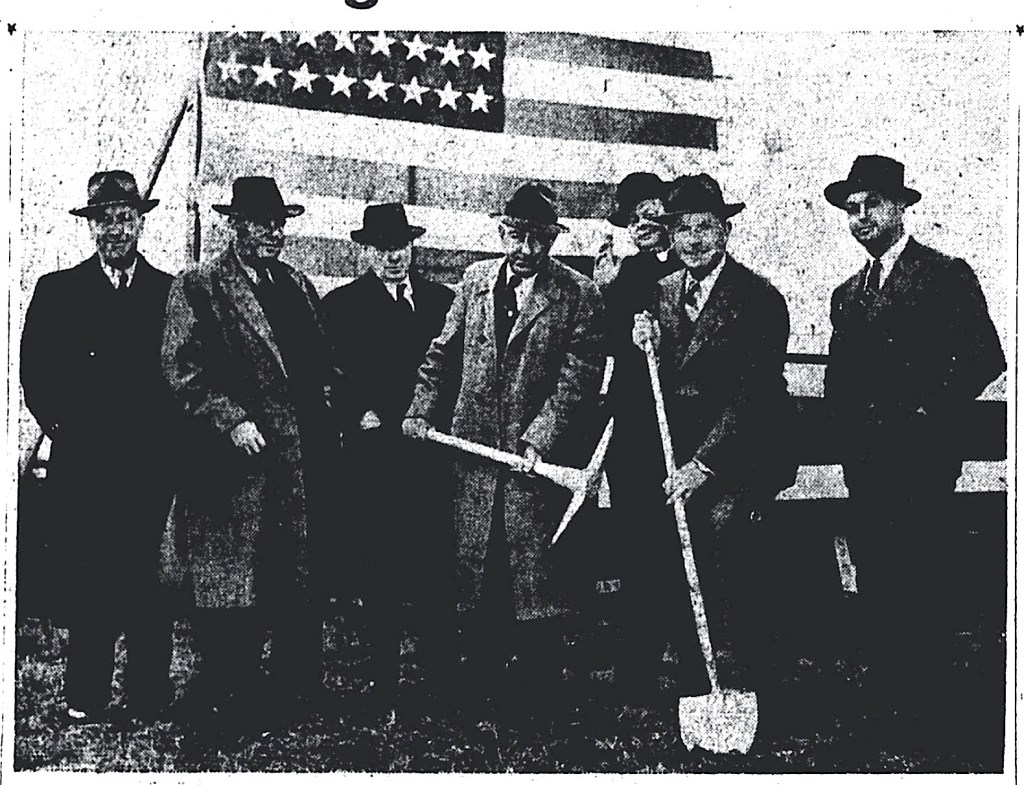
Eight days after the announcement, a groundbreaking ceremony for California’s first aluminum reduction plant was held. Money from the $24 million plant came through the government Defense Plant Corp., part of the New Deal Reconstruction Finance Corp. (RFC) agency, which then leased the plant to ALCOA.
The operation came online with the first pouring of the versatile metal in July 1942. By that time, the plant already had employed hundreds of workers. Production continued apace until Aug. 29, 1944, when the federal government ordered the factory shut down. Apparently it had performed too well by contributing to the overproduction of aluminum, and its 600 workers were needed for other wartime priorities such as shipbuilding and rubber production.
Just like that, ALCOA’s Torrance facility was idled. It would remain empty for the next eight years.
Enter Douglas Aircraft, founded by Donald Douglas in Santa Monica in 1921. During World War II, the company’s fortunes soared, and it had nearly 160,000 employees working for it. Looking for new markets following postwar cutbacks, Douglas looked to jet aircraft and missile production.
It had major plants in El Segundo and Long Beach, but was looking to expand production by adding another South Bay plant. The former ALCOA factory site was a natural choice. The deal was signed on April 23, 1952, with Douglas agreeing to rehabilitate the plant to fabricate airplane parts for the U.S. Navy.
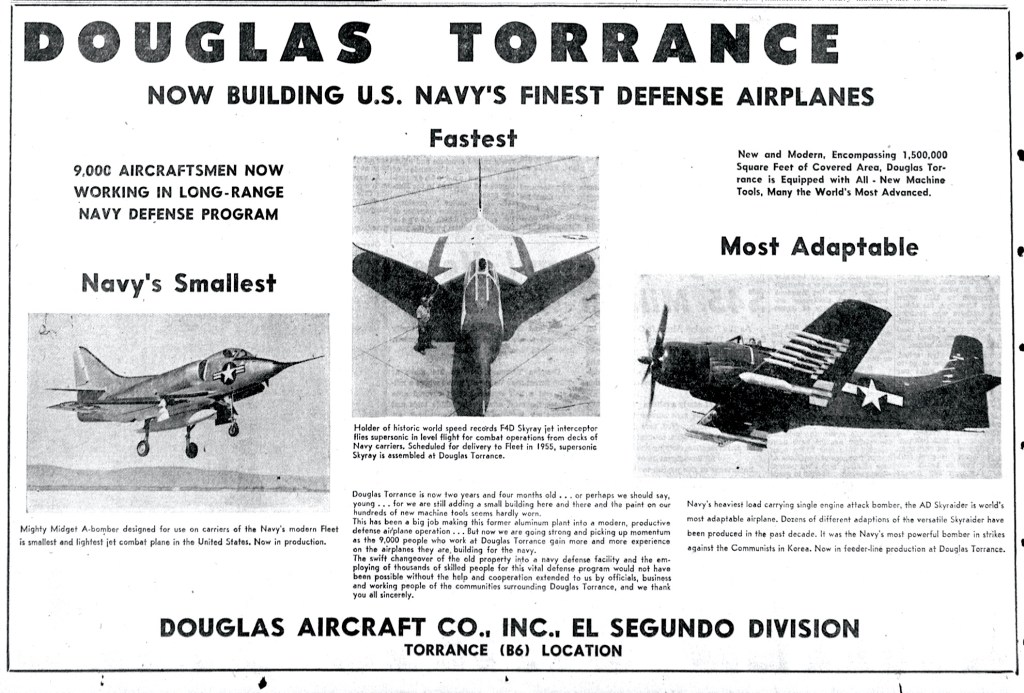
The company moved quickly, announcing on July 3 of that year that production had begun on jet aircraft for the Navy, including the F-4D Skyray, a supersonic interceptor plane launched from aircraft carriers. The Skyray was fast and maneuverable, and had recently had broken several airspeed records
In 1953, Douglas built a $1.5 million hangar and test building at LAX for aircraft built in its El Segundo and Torrance-area plants. The 15-acre site was located on the northwest corner of Imperial Hwy. and Sepulveda Blvd., not far from the then-new Sepulveda Tunnel under the airport’s southern runways, 25L and 25R. It was used to test the aircraft being turned out of the South Bay Douglas plants.
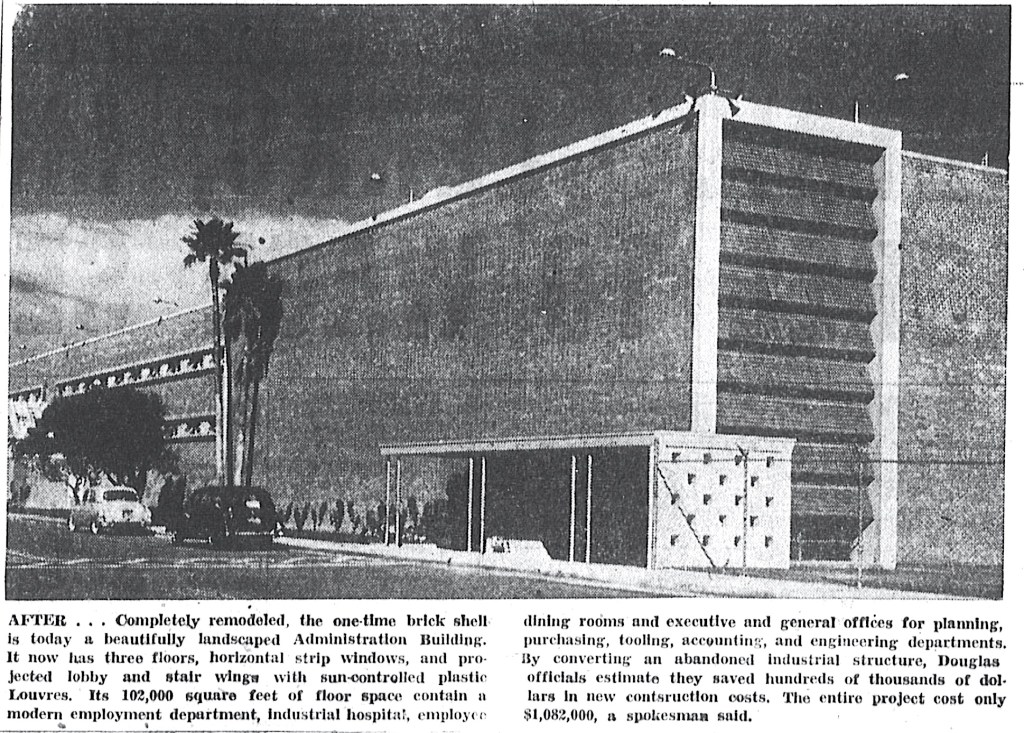
By 1954, the 190th St. Douglas location employed more than 9,000 workers. It continued to thrive even when the company began shifting final construction of aircraft to its new plant in Palmdale in 1958.
In addition to jets, the company also began working on booster rockets for space flights in 1961. That same year, the El Segundo plant began to be phased out, with its employees transferred to the Harbor Gateway and Long Beach locations.
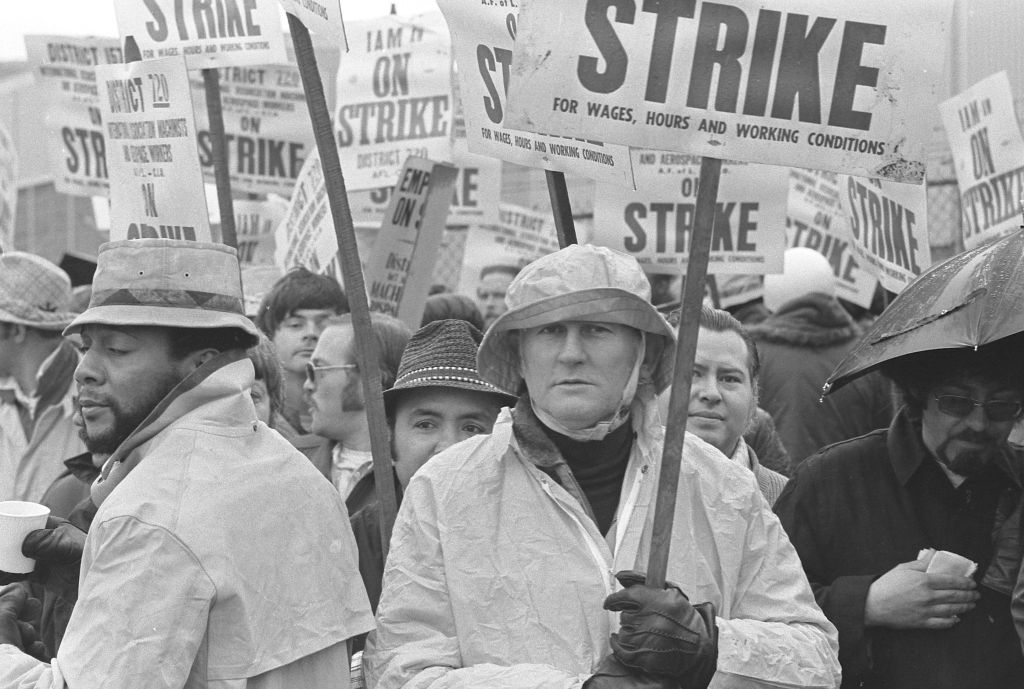
In 1967, Douglas merged with McDonnell Aircraft to form McDonnell Douglas, whose emphasis had turned more toward commercial aircraft. In 1969, production began on the DC-10 Airbus at the Harbor Gateway facility, though the bulk of its construction actually would take place at the company’s Long Beach factory, which by then had become its chief plane assembly site.
By 1979, a decade or so later, the company was battling the fallout over three deadly crashes of the DC-10 within six months. The company managed to recover from the negative publicity, and its 6,000 employees at the Harbor Gateway plant continued their work until the late 1980s, when the aerospace industry began to collapse financially.
Worsening economic conditions in the industry led to McDonnell Douglas acknowledging in January 1990 that it planned to sell the 190th St. plant. Layoffs continued for the next couple of years, and in April 1992, the company announced that it would close the plant and move its jobs out of state.
That July, a Daily Breeze story reported that Robert Hood, president of the company’s Douglas Aircraft unit, which included the Harbor Gateway plant, had sent a letter to its workers praising them for their “long record of excellent work.”
In the letter, Hood blamed the closing on overcapacity, poor worldwide economic conditions in the airline industry, the high cost of repairing and maintaining the 1940s-era plant and upgrading its obsolete equipment and the cost of complying with environmental regulations.
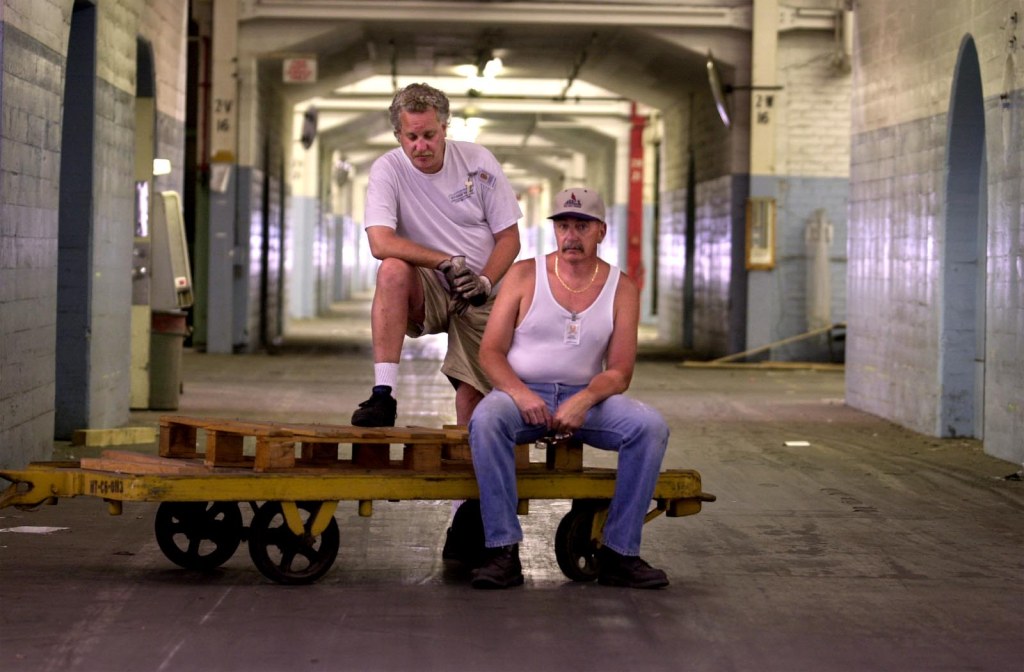
The 190th St. operation closed in May 1994, and its equipment was auctioned off. In 1996, McDonnell Douglas announced that it would sell the land to developers, who in turn planned to build a $35 million shopping center and industrial buildings on the site.
The last few remaining workers at what was essentially an empty warehouse left the building in June 2000, and soon after, the wrecking ball began to fall.
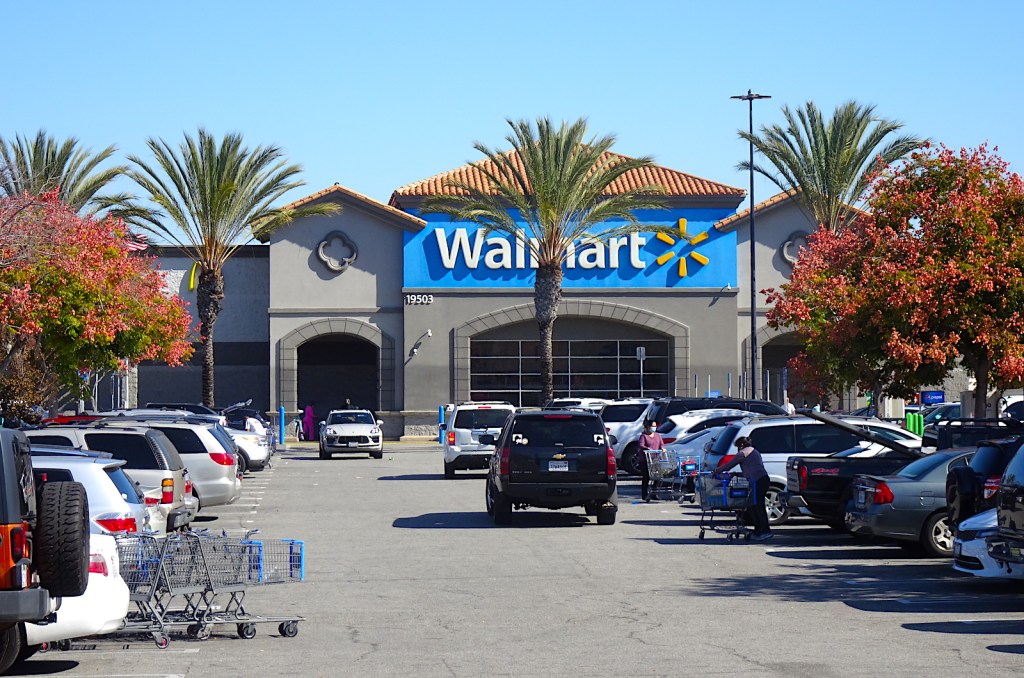
On June 15, 2005, the planned shopping center opened on the site. Its centerpiece? The South Bay’s very first full-size Walmart store.
Sources:
Daily Breeze archives.
Los Angeles Times archives.
“Our History (Timeline),” ALCOA website.
Torrance Press-Herald archives.
Wikipedia.