
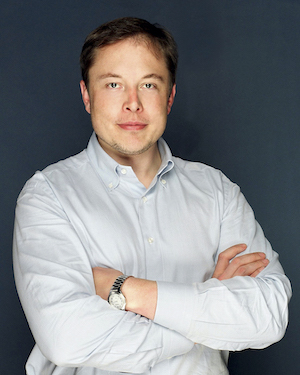
For a brief time in January 2021, Elon Musk inched ahead of Amazon’s Jeff Bezos as the richest man in the world, with a net worth of $185 billion. Bezos reclaimed the title a month later, but Musk’s flagship ventures — SpaceX and Tesla Motors — continue to prosper.
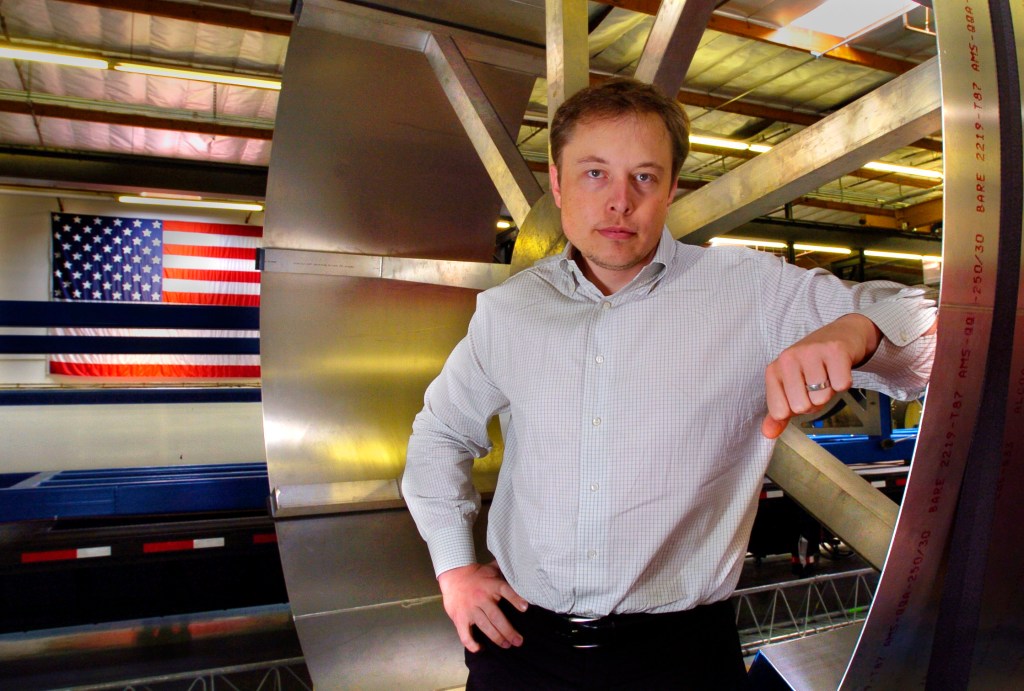
Musk’s pioneering rocket manufacturing company SpaceX has had a particularly strong impact on the South Bay. Its rise from a start-up firm scrambling to make the privatization of space a reality to the acknowledged leader in the field remains one of the great business success stories of the early 21st century.
Musk was born in Pretoria, South Africa, on June 28, 1971. He spent his childhood there before moving to Canada to attend college at age 17. He ended up transferring to the University of Pennsylvania, where he earned degrees in economics and physics.
He was accepted to the Stanford doctoral program in 1995, but the promise of the Internet boom enticed him into the business world after he’d attended just two days of classes in Palo Alto.
His first business venture was the development of a video game, which he sold for $500.

Next, he, together with his brother Kimbal and another investor, started Zip2, which produced Internet-based city guides. Compaq bought the service in 1999, bringing Musk his first fortune of $22 million.
Musk didn’t start the PayPal online payment service, but he did end up as the company’s CEO for a time. More importantly, he received a $100 million payout when eBay acquired PayPal in 2002.
He then used those funds to make another career U-turn, leaving the software industry for a different kind of venture: forming a private firm to manufacture rockets for space travel.
“I thought there was a significant opportunity to set a new benchmark for low-cost, reliable access to space,” Musk told Daily Breeze business reporter Muhammad el-Hasan in 2003. “The market is looking for an option that’s much better than what’s out there today.”
Musk had started Space Exploration Technologies Corp., later shortened to SpaceX, in El Segundo in June 2002 at 1310 East Grand Ave. The nondescript industrial building currently houses Lee Fish USA, which imports fish from New Zealand.
Musk originally had attempted to build his operation through recycling discarded Russian ICBMs, but when that failed to work out, he decided that manufacturing his own rockets, while challenging, would make more sense in the long run.
The privatization of space following years of government funded and controlled efforts through NASA still seemed like a novel idea at the time, but Musk committed to it fully.
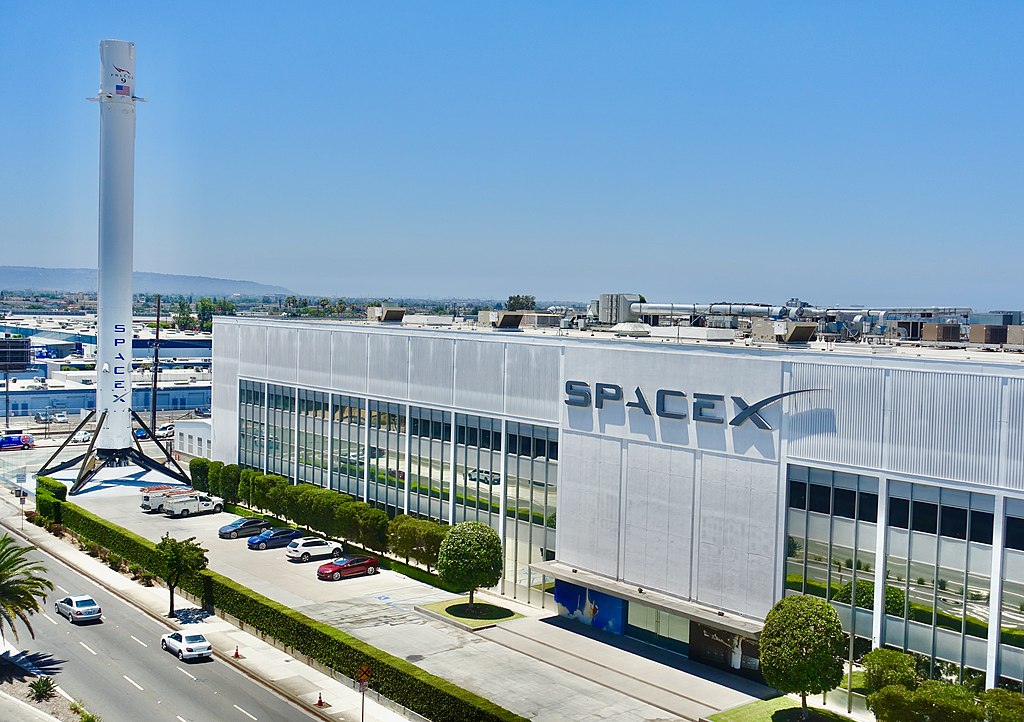
In February 2007, Musk announced plans to consolidate SpaceX’s operations in El Segundo and East Los Angeles into a former Northrup Corp. manufacturing site built in 1966 and located off Crenshaw Blvd. just south of the Hawthorne Airport. Its new address? 1 Rocket Road.
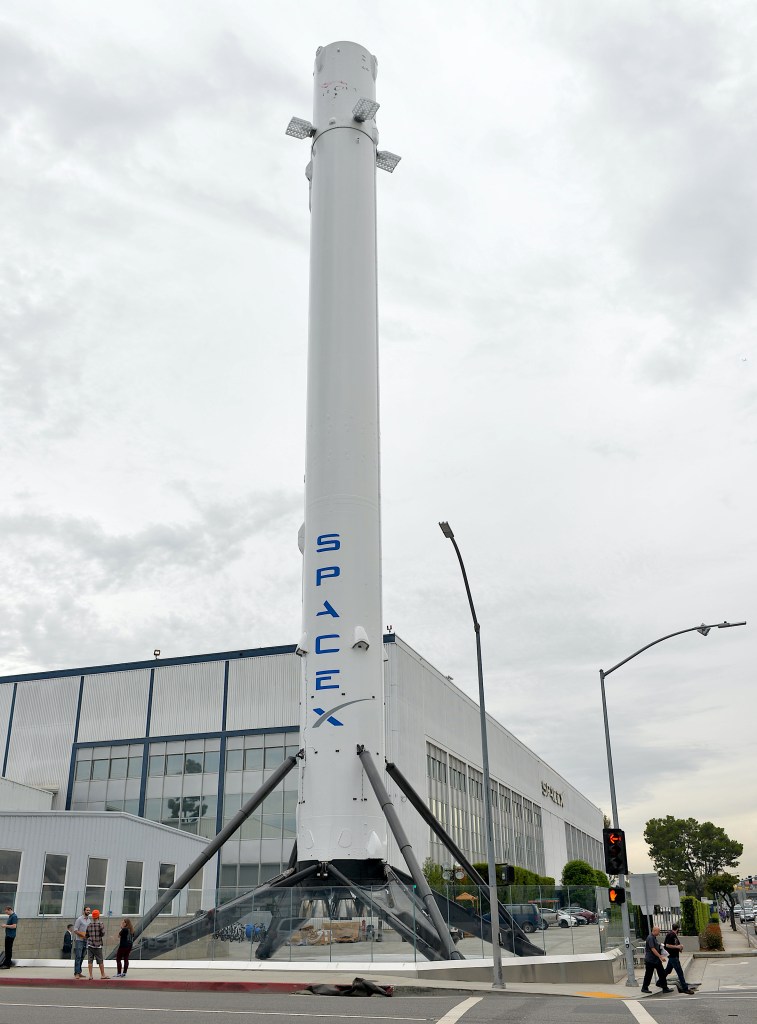
“You guys don’t realize how big this is for Hawthorne,” Hawthorne Mayor Larry Guidi told an audience of 600 businessmen and community leaders, and Daily Breeze reporter Doug Irving, at the time of the announcement. In hindsight, Guidi’s enthusiasm was not misplaced.
Unfortunately, it took the company several years to successfully launch one of its rockets into orbit. But Musk was persistent, and the company’s breakthrough successes began to come in 2008. After three previous attempts failed, the fourth one succeeded on Sept. 8, 2008.
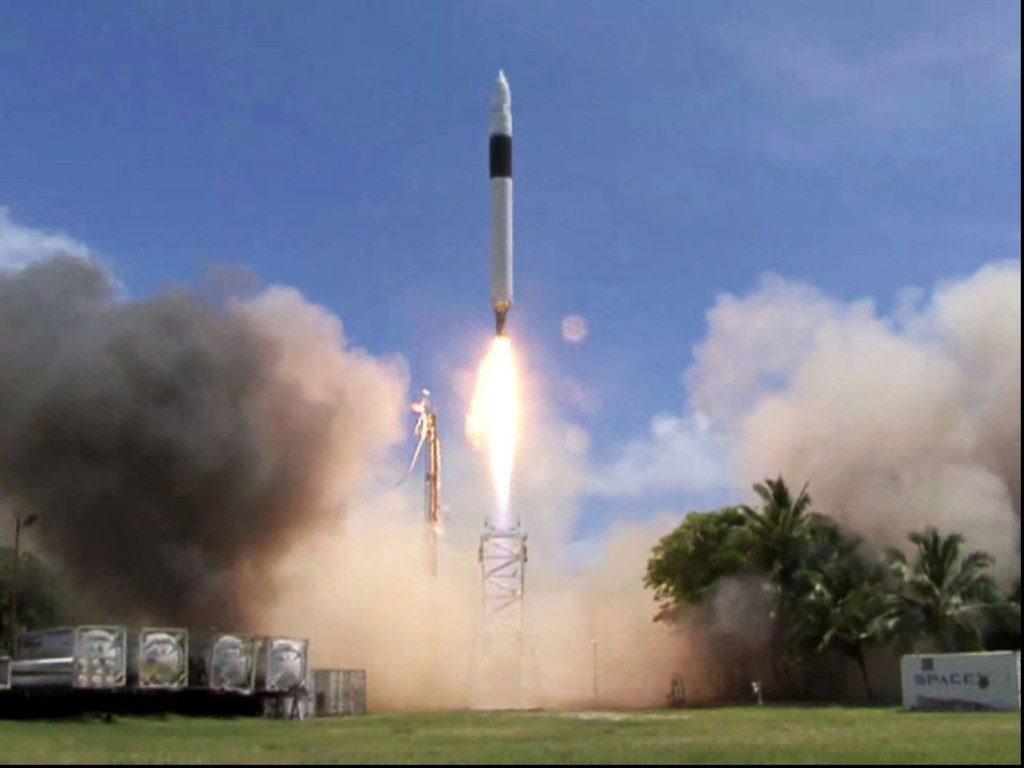
In addition to the launch success, the company also won a large contract from NASA to develop a program for supply flights from Earth to the International Space Station (ISS), becoming the first private space firm to take control of a NASA program.
After that, the company steadily began to assume its role as the primary provider for space travel in the U.S., recording a series of firsts for a private space firm throughout the 2010s.
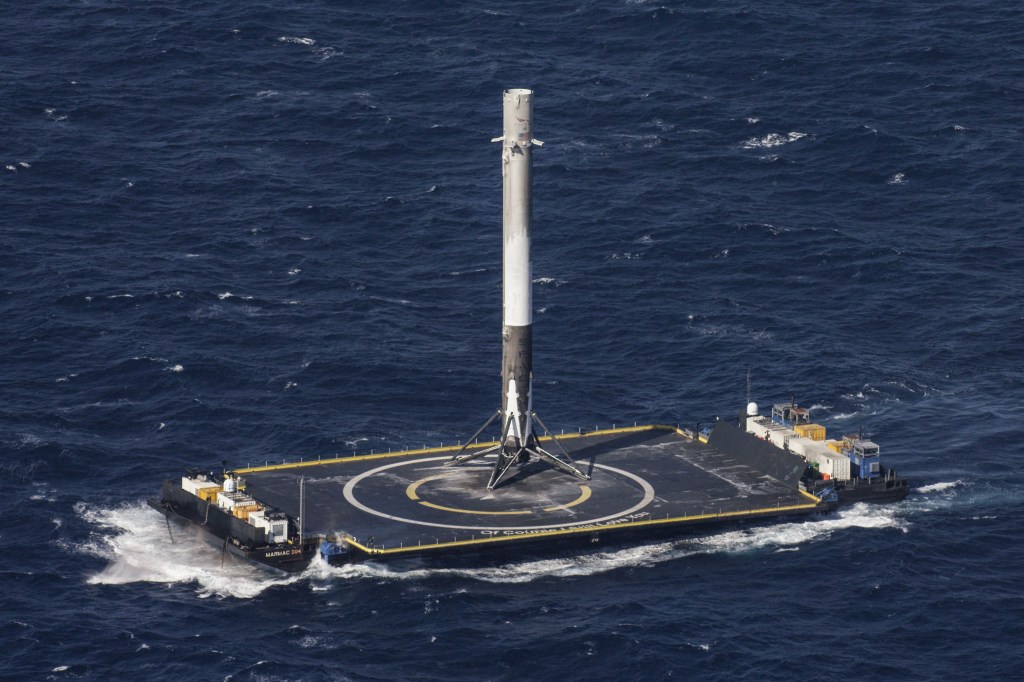
It also has pioneered the recycling of used rockets, crafting a system that returns them undamaged to earth, often onto a company barge landing platform in San Pedro. (The rocket recycling operation moved to the Port of Long Beach in 2021.)
By the end of 2008, the first Tesla automobiles had begun to be produced. The all-electric cars were considered an expensive novelty also at first, but, as prices fell and performance proved true to Musk’s promises, the cars have become increasingly common. (Musk didn’t found Tesla, but he bought into control of the company in 2004 and has been its CEO since 2008.)
Musk also has explored several other ventures, including tests of the Hyperloop mass transit system, tunneling operations using his Boring Co. firm, and work with the artificial intelligence company Neuralink and the solar energy firm SolarCity, among others. Tests and demonstrations of both Boring Co. and Hyperloop operations often take place at the Hawthorne facility.
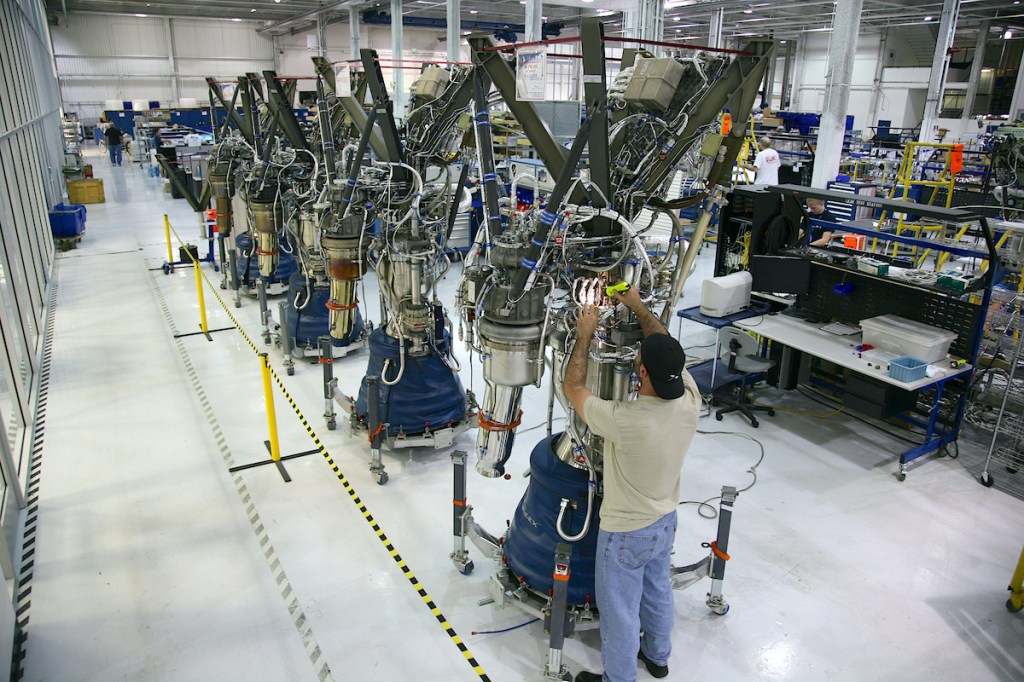
As for SpaceX, the company has gone from 20 employees in 2003 to more than 9,500 by early 2021. Musk has moved some of his operations to Austin, Texas, and is building a large rocket factory near South Padre Island at the southern tip of the state. Rumors persist that he will move SpaceX to Texas in the future; Musk himself now lives in Austin.
So far, the company’s headquarters remains in Hawthorne, where it contributes significantly to the city’s tax base — it paid more than $700,000 in property taxes for 2021-22 — but also receives many tax breaks. The company’s current 10-year agreement with Hawthorne expires in 2022.
The company’s latest success occurred on Sept. 18, 2021, when its Dragon spacecraft successfully completed Inspiration 4, the first-ever flight carrying only civilian passengers, returning the quartet safely to earth after three days in space.
Sources:
Daily Breeze archives.
El Segundo Herald archives.
Los Angeles Times archives.
“SpaceX closes in on West Coast Starlink launches with lease for drone ship dock space,” by Eric Ralph, Teslarati website, April 27, 2021.
SpaceX website.

