Stephen M. White excelled at everything he did. His stints as a successful lawyer and supremely effective politician brought him wide recognition in the late 1800s.
He was so highly regarded by colleagues, the public and the press that, within five days of his death in 1901, a fund to erect a statue of him in Los Angeles already had $3,700 in its coffers, the equivalent of $120,000 in 2021 dollars.
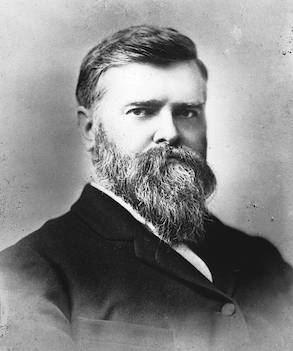
White was born on Jan. 19, 1853, in San Francisco to Francis and William F. White. White was a prosperous merchant who later became active in California state government. His son attended Bay Area private schools, then graduated from Santa Clara College in 1874. Studying with lawyers in the Santa Cruz area, he passed the state bar later that year.
He immediately moved to Los Angeles to set up his law practice. Working mostly as a defense attorney, he earned a strong legal reputation. He became a charter member of the Los Angeles County Bar Association in 1882.
He also began dabbling in politics during those years, losing races for Los Angeles County District Attorney in 1875 and 1879 before being elected to the post in 1882.
It was his campaign for D.A. in 1879 that would tarnish his reputation some 140 years later.
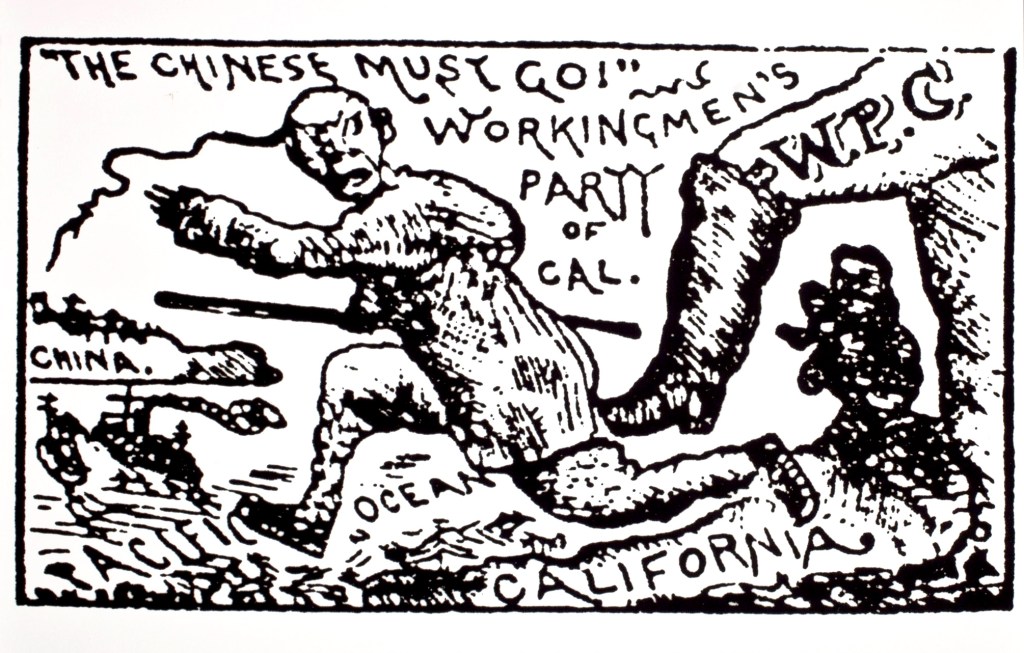
White associated himself with the Workingman’s Party of California, running on their ticket for the office.
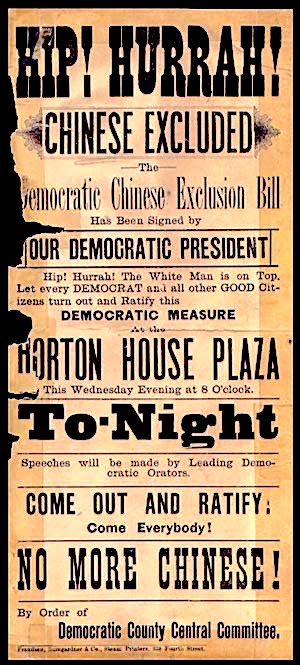
San Franciscan Denis Kearney had founded the party a year earlier as a vehicle to promote his anti-Chinese views. The Chinese who had come to California to help build the railroads had begun settling in its cities, much to the consternation of Kearney and others of his ilk.
The Workingman’s Party and its backers worked tirelessly to pass the Chinese Exclusion Act, the first U.S. law to bar a specific ethnic group from coming to its shores. They succeeded in pushing the bill through in 1882, and the racist law stood until 1943.
The association didn’t hurt White’s career. After his stint as D.A., he won election to the California State Senate in 1887. For most of his four-year term, he served as the state’s lieutenant governor.
But his greatest triumph, the one that forever endeared him to the city of Los Angeles, came after he was elected to the United States Senate in 1893. White’s tenure in the Senate came at the time of the political battle to determine whether Santa Monica or San Pedro would become the official Port of Los Angeles.
Otis Chandler and the Los Angeles Times favored San Pedro, while Southern Pacific railroad magnate Collis P. Huntington wanted Santa Monica.
White took the side of San Pedro, advocating for it during a three-day debate with Sen. William Frye of Maine, who supported Santa Monica. He won the day, managing to wrangle the passage of an appropriations bill for the new port. That cleared the way for San Pedro’s final approval as official port, which came in 1897.
Two years later, San Pedro celebrated, holding the Free Harbor Jubilee, which attracted thousands on April 26, 1899. They saw the first load of rock for the port’s new breakwater get dumped into the harbor.
White’s Senate term ended in 1899, and he didn’t run for re-election. Two years later, on Feb. 21, 1901, he died following a severe stomach hemorrhage related to his gastric ulcers.
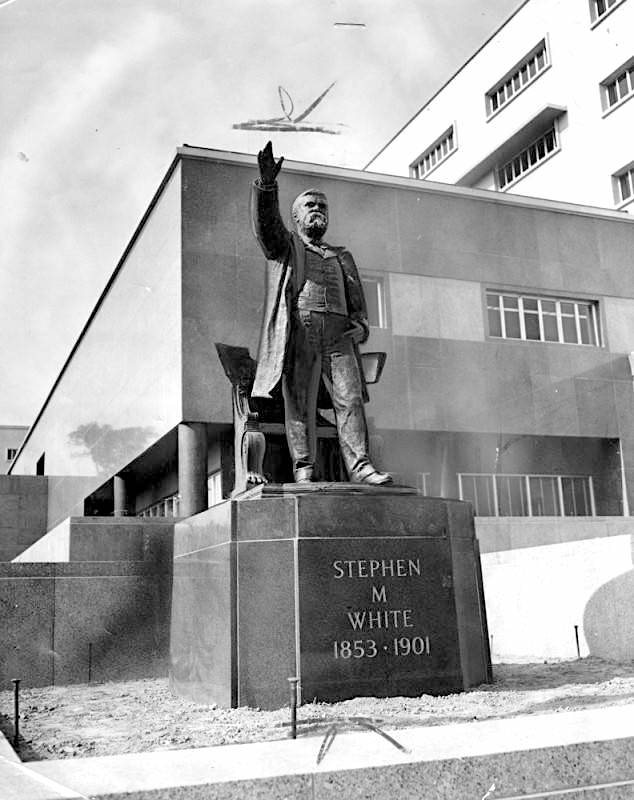
The outpouring of public affection and high regard for White filled the pages of the Los Angeles Times, Los Angeles Herald and San Pedro News Pilot for days following his death.
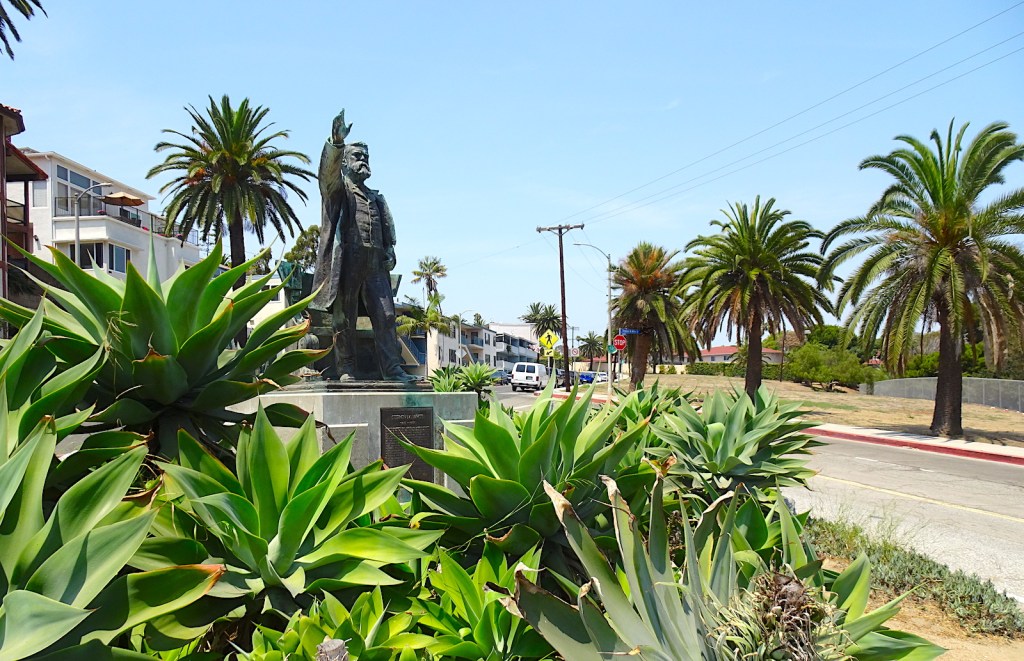
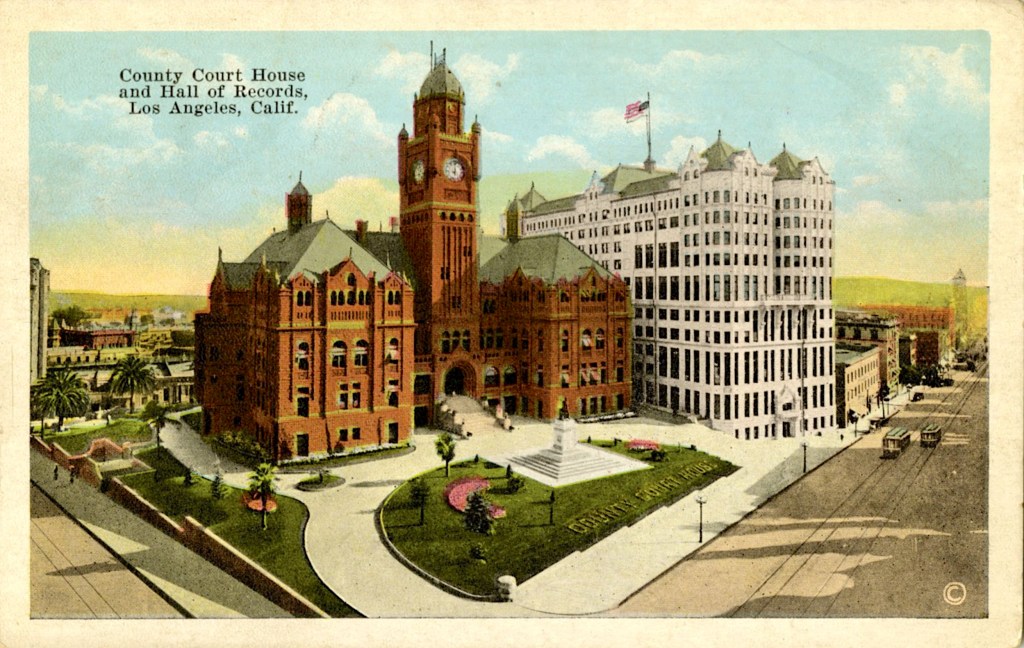
The money was raised for the statue honoring him, and it was installed prominently in front of the old red sandstone county courthouse in downtown Los Angeles. It was moved several times after that, first to the Hall of Records, then back to the new courthouse when it opened in 1958.
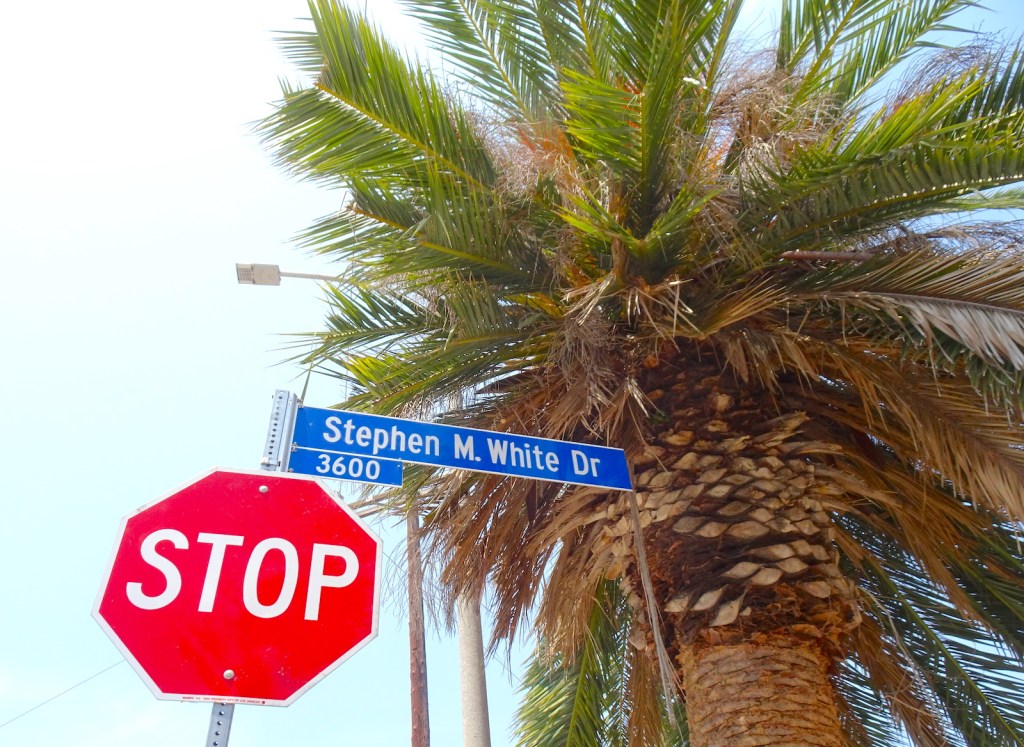
San Pedro began lobbying to have the statue moved to the Harbor Area at least as early as 1924. Community leaders renewed the proposal to move the statue upon the dedication of Stephen M. White Drive in San Pedro in 1932. The new road connected Pacific Ave. to Cabrillo Beach.
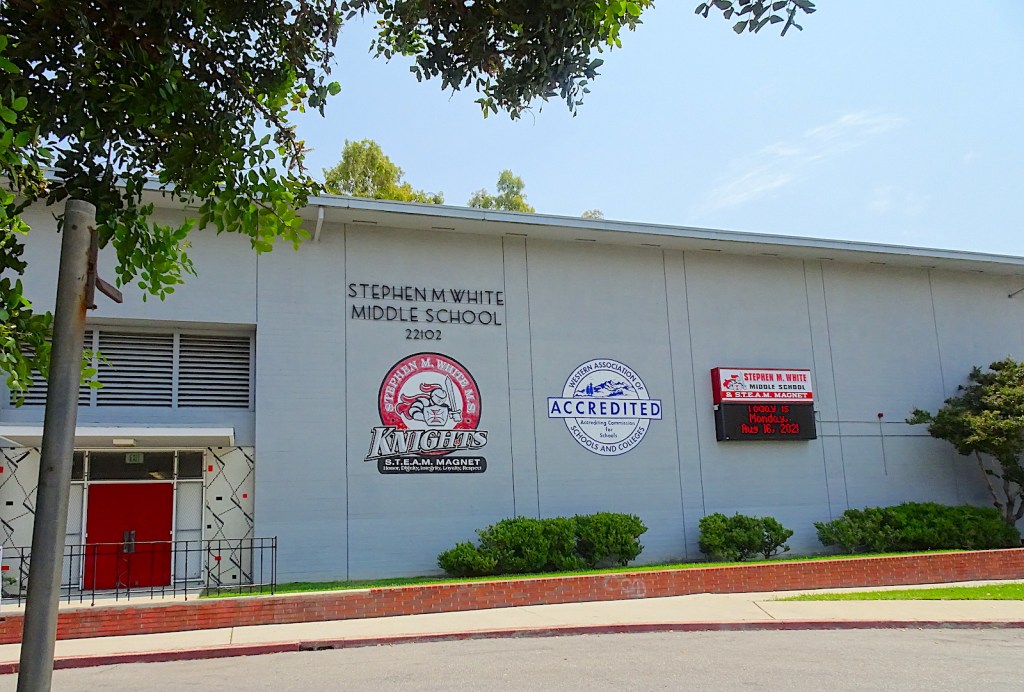
In addition to the roadway, the U.S. Maritime Commission named one of its Liberty ships the Stephen M. White in 1942. Fifteen years later, Stephen M. White Middle School opened to students on Figueroa Ave. in what would become the city of Carson.
In 1989, the city of Los Angeles relented, and agreed to move the statue of White to its present location on Stephen M. White Drive at the entrance to Cabrillo Beach. In 1995, the Port of Los Angeles christened one of its new pilot boats the Stephen M. White.
Now, some activists and historians are calling for the removal of the statue from Cabrillo Beach and the renaming of the Carson middle school, citing White’s involvement with promoting the Chinese Exclusion Act of 1882 that has sullied his once impeccable reputation. In June 2020, protestors doused his statue with red paint.
So far, no plans to remove the statute or rename the school have been announced.
Sources:
Daily Breeze archives.
“Looking at Statues: Public Protest or Vandalizing?”, by Brad Nixon, Under Western Skies blog, June 25, 2020.
Los Angeles Herald archives.
Los Angeles Times archives.
“Reckoning with the racist legacy of our Founding Fathers,” by Terelle Jerricks, Random Lengths, June 10, 2021.
San Pedro: A Pictorial History, by Henry P. Silka, San Pedro Bay Historical Society, 1993.
San Pedro News Pilot archives.
“The Two Sides of Los Angeles lawyer Stephen M. White,” by Michael L. Stern, Los Angeles Daily Journal, April 24, 2019.
Wikipedia.