So how did one go about starting up a major Pacific Coast passenger steamship line from scratch in 1920 offering passenger service from Los Angeles to Hawaii? It looked like no easy task, with a crowded field of competitors seemingly having the business sewed up.
Three companies already in operation — Matson Navigation, Oceanic Steamship and Pacific Mail Steamship — offered cruises to Hawaii from San Francisco. The Bay area also served as the hub for passenger transport between the major West Coast port cities.
That is, until Los Angeles began to assert itself, thanks to the selection of San Pedro harbor as the Port of Los Angeles, the opening of the Panama Canal in 1914, and the Southern California oil boom of the late teens and early 1920s.
With Chevron’s El Segundo plant the only local refinery in operation, the crude had to be shipped to East Coast plants for processing. The Port of Los Angeles became the logical hub of that operation, especially after a major dredging operation made it suitable to accommodate larger ships of all types.
Business was booming. With the infrastructure already in place, entrepreneurs began looking to make the Port a hub for passenger transportation as well. Hearing about the availability of two troop ships recently decommissioned after the end of World War I, a group of wealthy investors formed the Yale-Harvard Syndicate, with an eye toward transforming the wartime ships into cruise vessels.
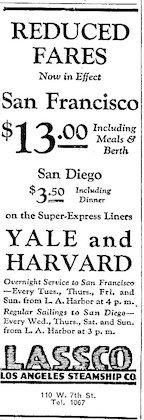
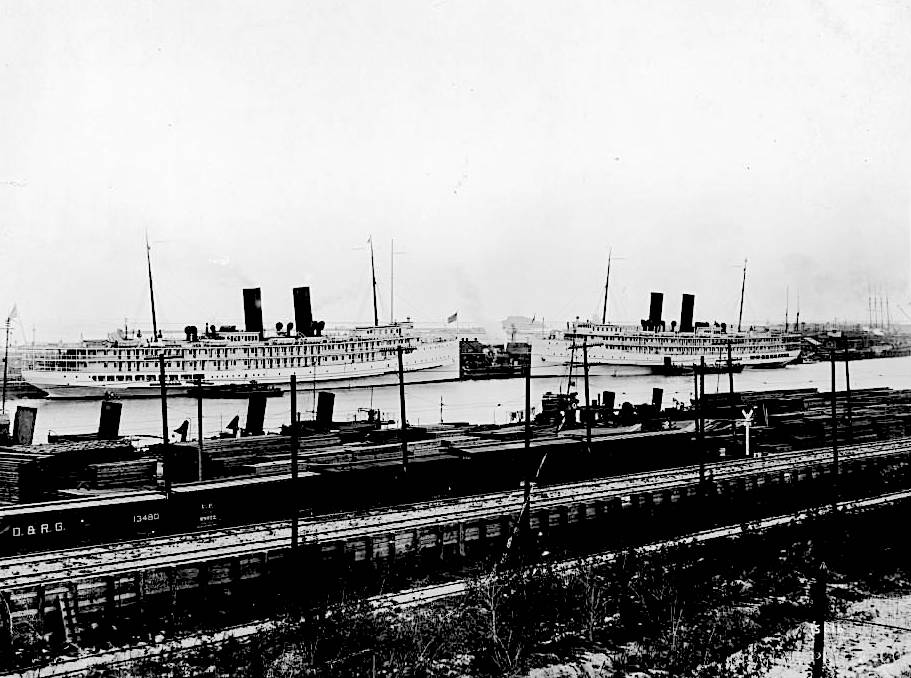
On June 2, 1920, the Syndicate was reorganized into the Los Angeles Steamship Company, known informally as LASSCO, headquartered at 517 S. Spring St. in downtown L.A. A month later, the SS Harvard and SS Yale arrived at the Port for refitting as passenger liners. The opening of the massive Los Angeles Shipbuilding & Drydock Co. in 1917 proved timely, allowing the ships to be refurbished locally.
The plan was to begin offering cruises to San Francisco, and then expand to San Diego, Portland and Seattle. LASSCO’s first trip, the maiden voyage of the Yale to San Francisco, began on May 2, 1921. The ship departed from LASSCO’s dock at Berth 155 at 3 p.m. with much hoopla. The coastal routes quickly became a very successful part of LASSCO’s business.
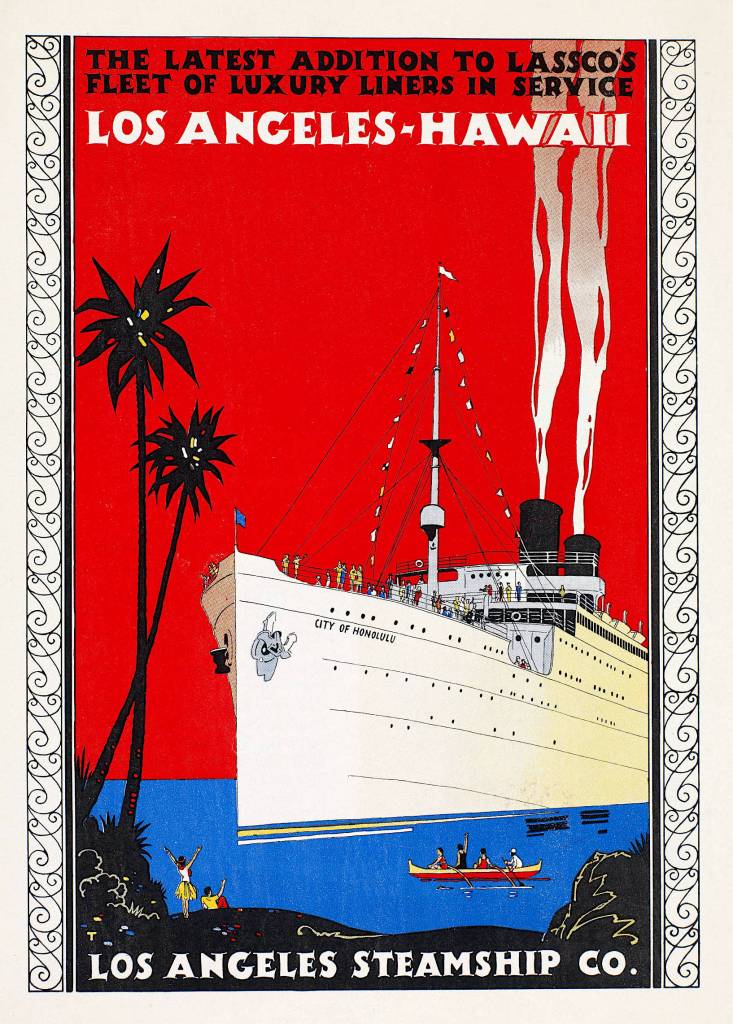
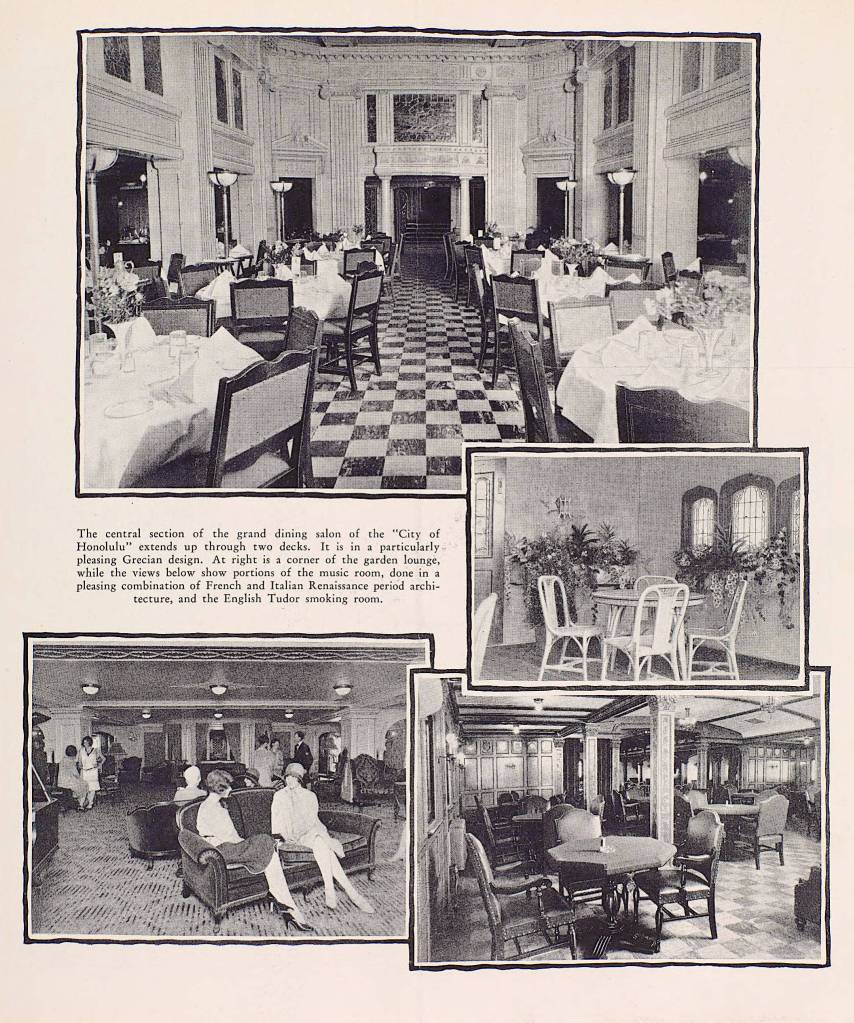
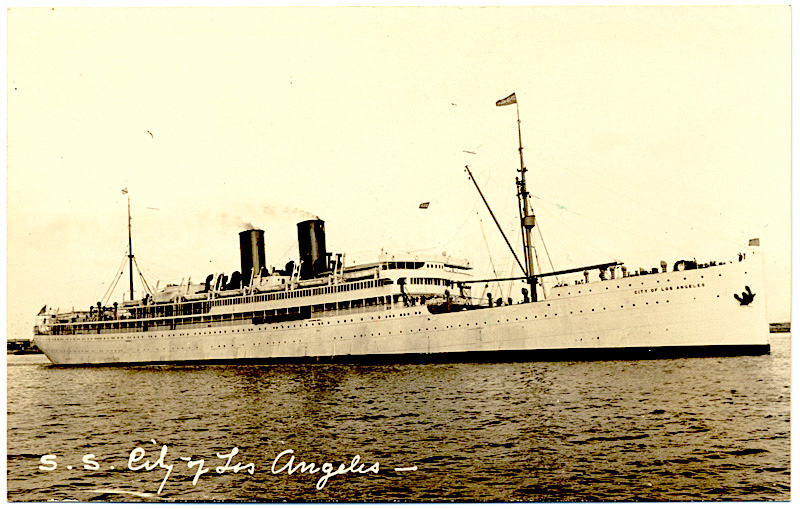
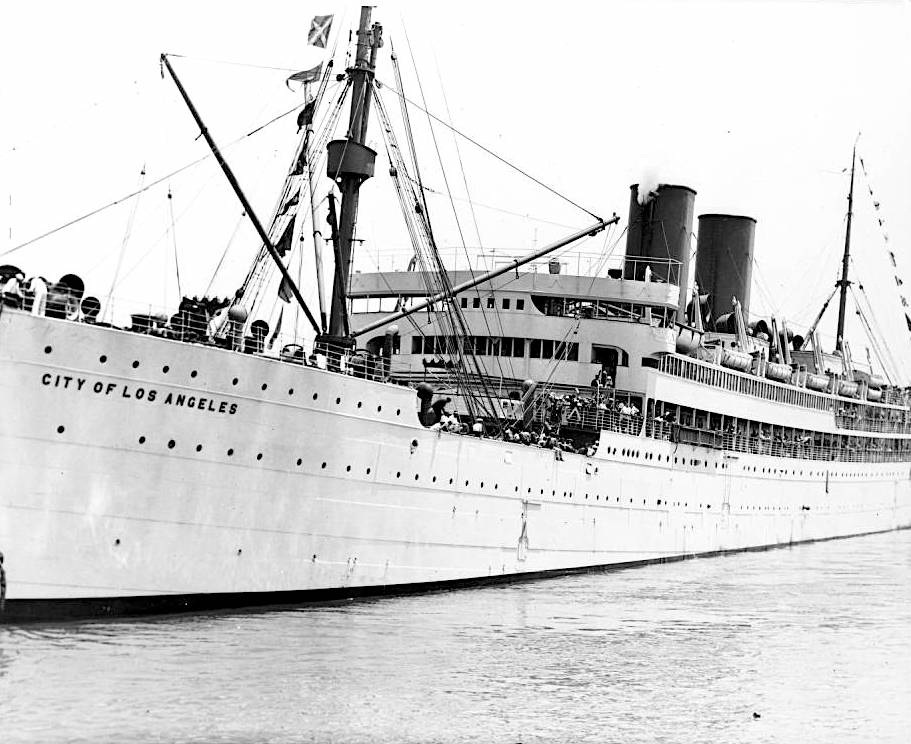
Even though the Yale had the speed to reach Hawaii in under five days, LASSCO ultimately decided not to use the Yale and the Harvard for its Hawaii runs. (At the time, the average transatlantic voyage, a longer trip by about 750 miles, took about four days.) Two German-built ships seized by the U.S. Navy during the war were deemed more suitable. After retrofitting, the Aeolus was rechristened the City of Los Angeles, and the Huron became the City of Honolulu.
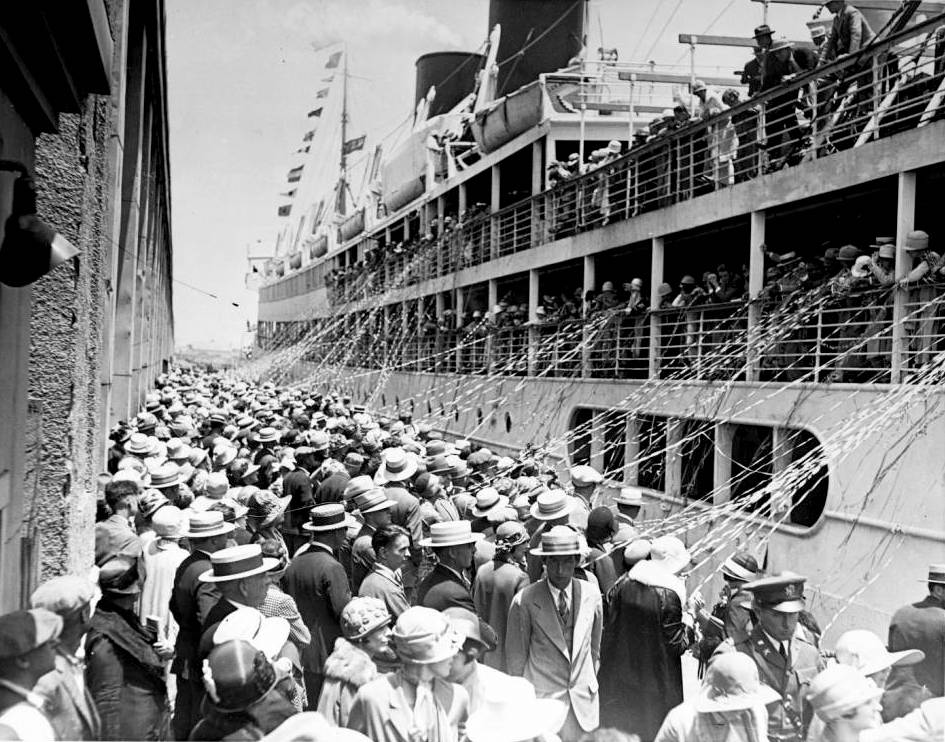
On Sept. 11, 1922, the City of Los Angeles left Berth 155 in Wilmington for its maiden voyage to Hawaii, with 264 passengers aboard. The guest list included company executives, Chamber of Commerce dignitaries and L.A. Mayor George Cryer and his family. The first trip went off without a hitch.
The City of Honolulu’s maiden voyage had a different outcome. On its return trip from Hawaii, the ship caught fire on Oct. 12, 1922. All 262 passengers were rescued, but the ship was swamped and unable to make the voyage back to port. Declared a total loss, it was sunk by a Coast Guard cutter five days later.
The incident could’ve been a public relations nightmare for the young company, but instead, the safe rescue of all its passengers and the bravery of its crew gave a positive spin to the disaster. The company acquired another ship, the President Harrison, to take over the route temporarily until a new City of Honolulu could be put into service in 1926.
The 1920s were boom times for LASSCO. It added several ships to its fleet, establishing a brisk commercial shipping business to go along with its increasingly popular ocean cruises. At one point, it had seven passenger ships in operation.
Hollywood came calling several times, with more than a dozen films availing themselves of LASSCO. Stars such as Harold Lloyd, Buster Keaton and Wallace Beery appeared in features shot aboard the company’s ships during the 1920s.
Of course, the 1920s were a boom time for all kinds of businesses, not just cruise lines. And the arrival of the Depression put all kinds of companies in financial jeopardy.
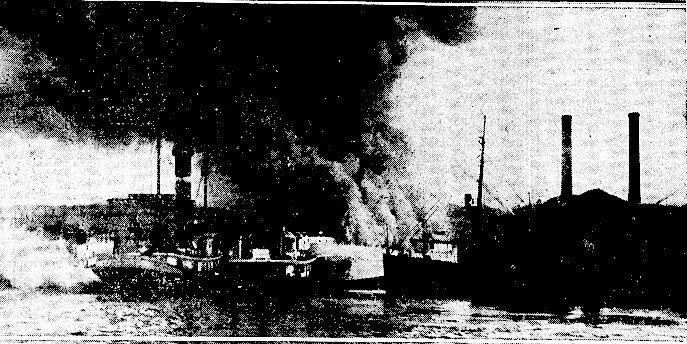
LASSCO’s cause was not helped by another fire aboard the second City of Honolulu. This time it occurred while the ship was berthed in Honolulu on May 25, 1930. Again, there were no casualties. The ship was able to make it back to Los Angeles, but plans to rebuild it were scrapped, as was the ship itself in 1933.
LASSCO couldn’t survive such calamities for long, especially as the full weight of economic gloom began settling in nationwide. In 1930, the debt-ridden firm began looking for a buyer, and on Oct. 31, its merger with rival Matson Navigation Co. was announced
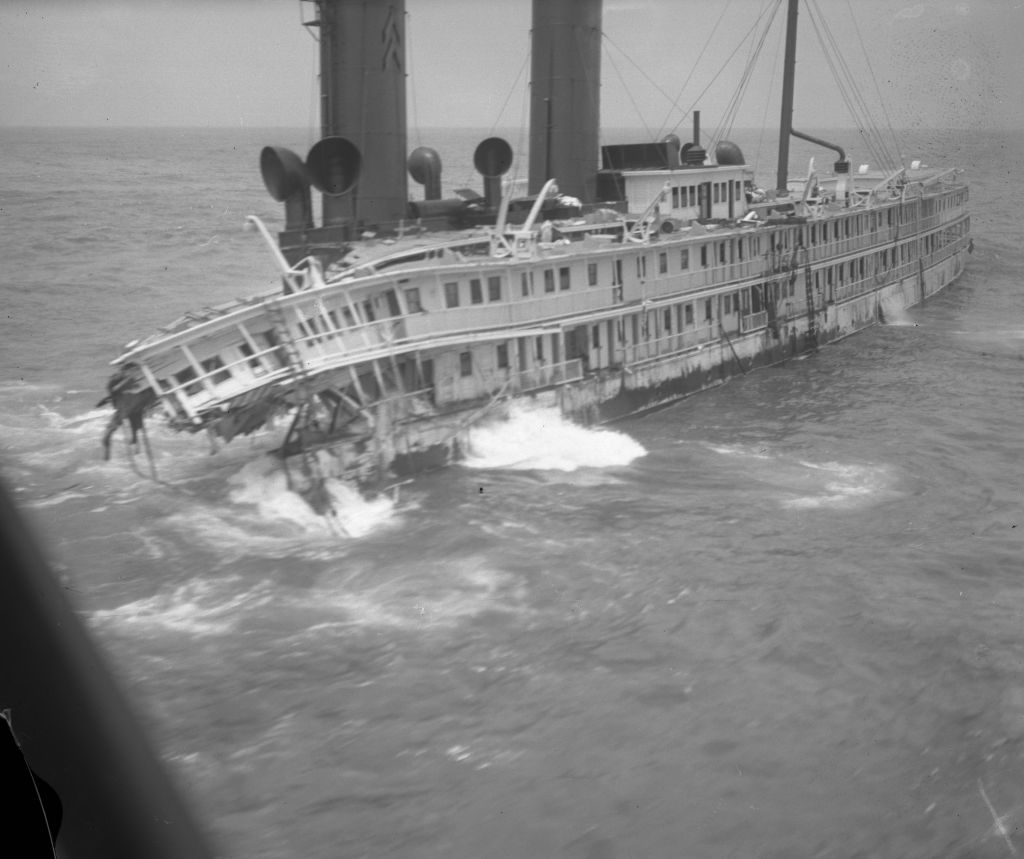
On May 30, 1931, little more than a year later almost to the day, the venerable Harvard ran aground on the rocks near Point Arguello on one of its coastal runs. This time, 497 passengers were rescued successfully. The Harvard could not be saved, however, and was left to sink.
LASSCO continued on as a division of Matson for the next few years, but finally ceased operations in 1937. That same year, the City of Los Angeles was sold to a Japanese metal company for scrap.
LASSCO’s name has lost its familiarity over the years, with people in Los Angeles more likely to wax nostalgic over the Great White Steamship to Catalina. That operation began in 1924, two years after the larger LASSCO steampships began their more wide-ranging passenger service.
Note: Gordon Ghareeb and Martin Cox, authors of Hollywood to Honolulu: The Story of the Los Angeles Steamship Company (2008), tell the definitive story of LASSCO in their fascinating book, a must-read for anyone interested in this topic.
Sources:
Hollywood to Honolulu: The Story of the Los Angeles Steamship Company, by Gordon Ghareeb and Martin Cox, published for The Steamship Historical Society of America by Glencannon Press/Maritime Books, 2008.
Los Angeles Times archives.
San Pedro News Pilot archives.
Wikipedia.