In the crazy quilt of jurisdictions that make up southwest Los Angeles County, one can at times detect some strains of logic to its street names.
Every incorporated city’s planning department has some control over how its streets are named, which helps to explain both the consistencies within city limits, and the inconsistencies in the area as a whole. County planning agencies also have something to say about it, and usually work to maintain some kind of conformity in naming.
The presence of the massive city of Los Angeles, parts of whose territory snake through the South Bay and Harbor Area, had great influence on street naming conventions in the region.
Part of the reason for its influence: the 1909 addition of San Pedro for the Port of Los Angeles, which was done with help from the city’s annexation of the continuous “shoestring strip” of land that connected the port to Los Angeles. This enabled major north-south arteries such as Western, Normandie and Vermont to keep their same names as they extended southward.
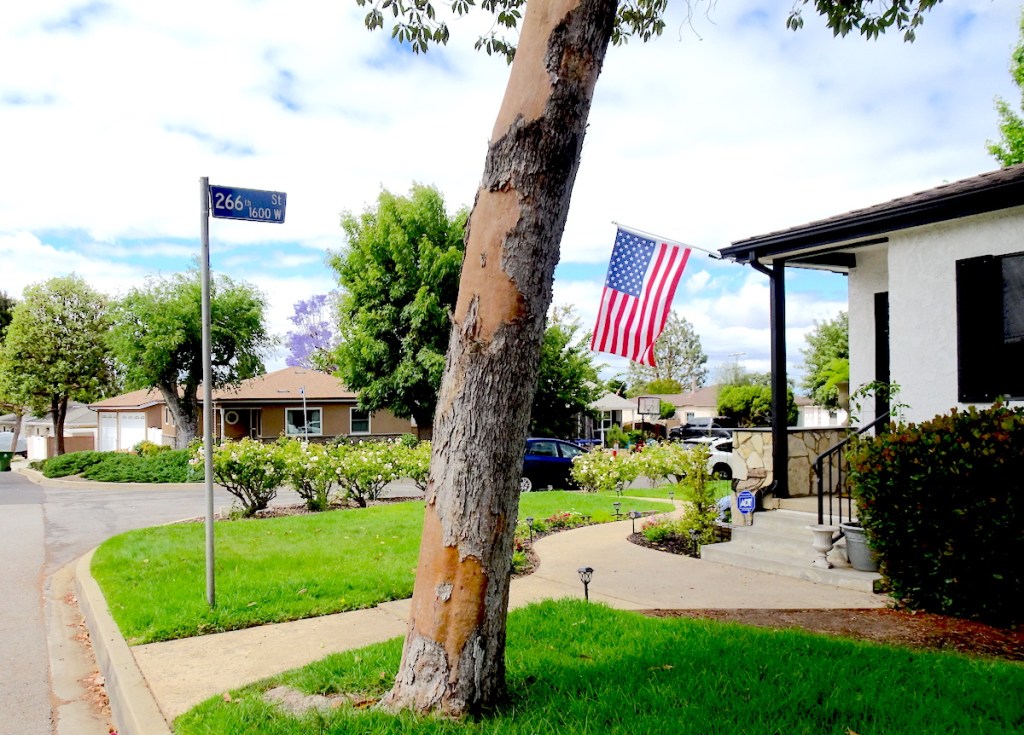
The numbered streets that begin with 1st St. in downtown L.A. eventually were extended down through the South Bay and Harbor Area as it developed. The numbered streets go all the way to Harbor City, where the final one, 266th St., lies just north of Palos Verdes Drive North.
So how come numbered streets start up again a couple miles south in San Pedro proper, where a separate set of numbered streets runs from 1st St. south to 40th St.? Because when the then-incorporated city of San Pedro voted to become part of L.A. in 1909, part of the deal included the larger city granting the annexed one autonomy in retaining the names of its streets.
L.A. city and county officials haven’t always been so generous when it comes to street names. Ever wonder why Redondo Beach doesn’t have numbered street names in conformity with L.A.’s system?
It’s because the beach city, incorporated in 1892, had grown rather fond of its colorful street names and didn’t want to change them. Groups of streets are named for gems (Emerald, Garnet, etc.), the female descendants of land grant owner Manuel Dominguez (Irena, Helberta) and even captains of industry/robber barons (Rockefeller, Carnegie, etc.).
When the Association of City Planners of Los Angeles County demanded that Redondo adopt numbered streets “in the interest of eliminating confused and duplicable street names in the southwest portion of the county,” Redondo turned them down flat, as had Manhattan and Hermosa Beach earlier, according to the Redondo Reflex report of Nov. 22, 1935.
Both Manhattan and Hermosa have their own independent sets of numbered streets, and Redondo has its lettered streets A through I, which were part of the Clifton-by-the-Sea development before it was annexed to the city.
Sometimes the smaller cities did cooperate, usually with regard to larger regional thoroughfares. California state highway officials worked to get more uniformity to the naming of Artesia Blvd., State Highway 91, during the 1950s before the building of the 91 Freeway.
Torrance agreed to change 174th St. to Artesia Blvd. in 1956 for just that reason, which explains why North Torrance’s numbered streets jump from 173rd to 175th, with Artesia running between the two. (Torrance had long since agreed to adopt L.A.’s numbered street sequence.)
In the 1960s, Redondo Beach also agreed to change a section of Redondo Beach Blvd. to Artesia Blvd. for the same reason. North Redondo merchants have lobbied to have the name changed back to Redondo Beach Blvd. in recent years, but neighboring Manhattan Beach and others objected, and Artesia it remains for now.
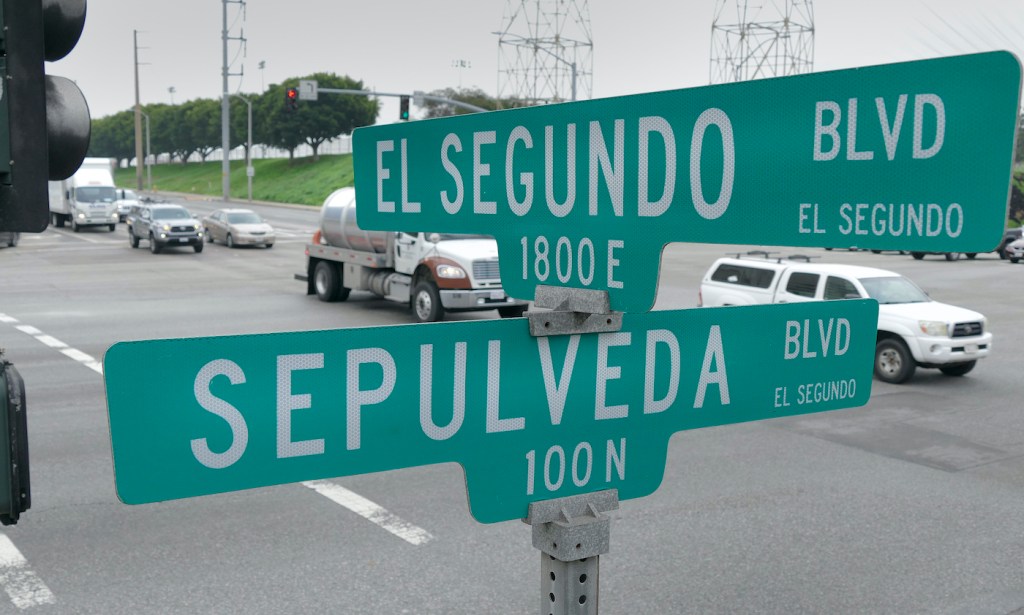
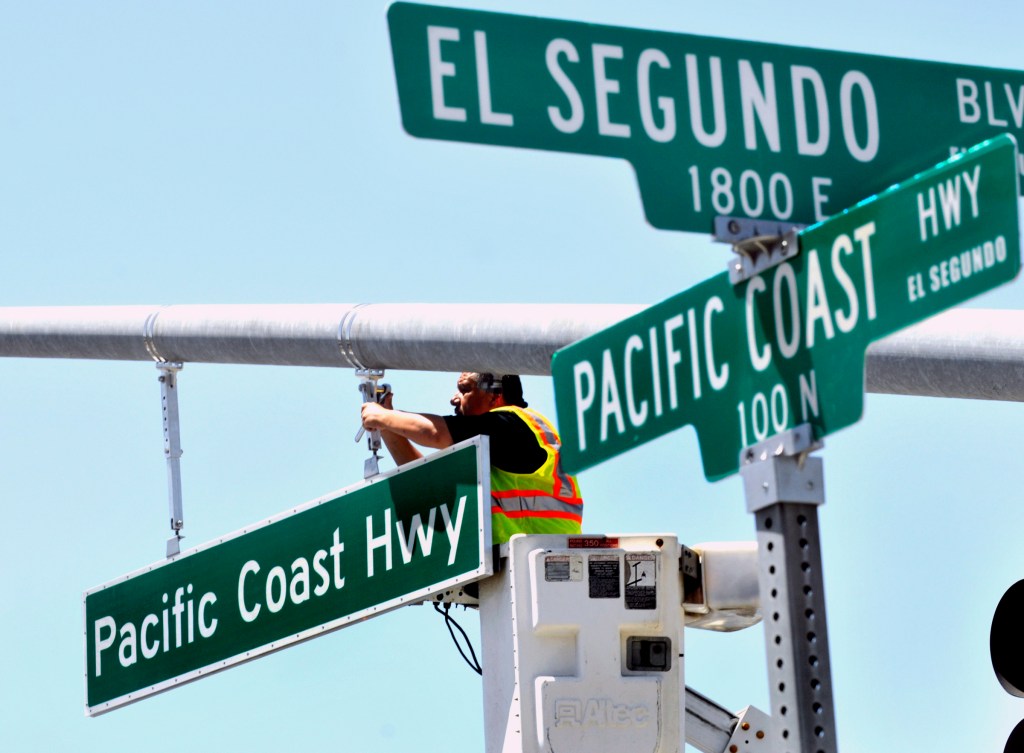
Sometimes cities change street names for aesthetic reasons. In June 2018, El Segundo became the latest city to change Sepulveda Blvd. to Pacific Coast Highway, in an attempt to enhance its identification as a beach city. That leaves only Manhattan Beach still using the Sepulveda name instead of PCH for Highway 1 through the beach cities.
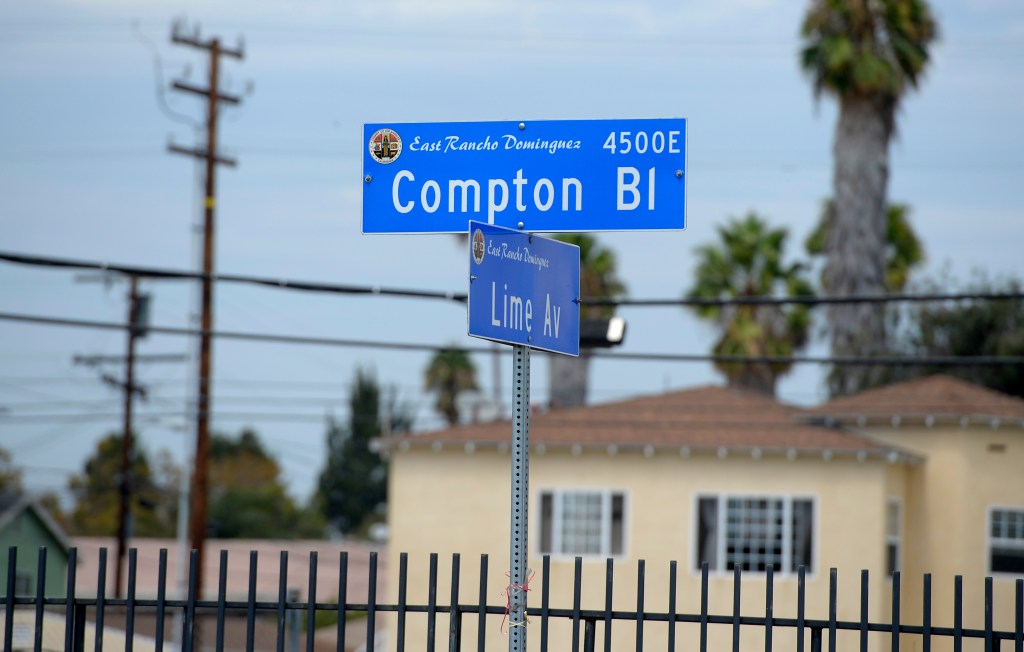
In 1986, a much more controversial street name change made headlines when the city of Paramount, just east of Compton, changed the name of Compton Blvd. to Somerset Blvd. That began a wave of street name changes from Compton to Marine Ave. to the west of the city, with Redondo Beach becoming the last to change the name in 1990.
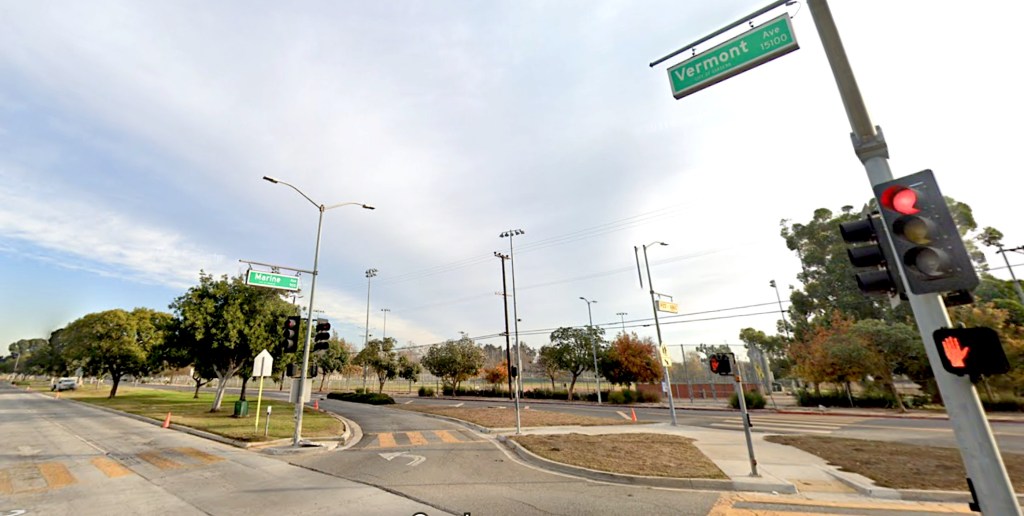
South Bay city officials tried to downplay accusations of racism by Compton city officials, who claimed the cities made the changes because they didn’t want to be associated with Compton’s negative image, especially then, as infested with crime and gangs.
They claimed that Marine Ave. was a more befitting name for a roadway that leads west almost to the Pacific Ocean, though that didn’t quite explain why inland cities such as Hawthorne and Gardena adopted the name. Marine Ave. now begins the journey west to its Manhattan Beach terminus at Vermont Ave. in Gardena.
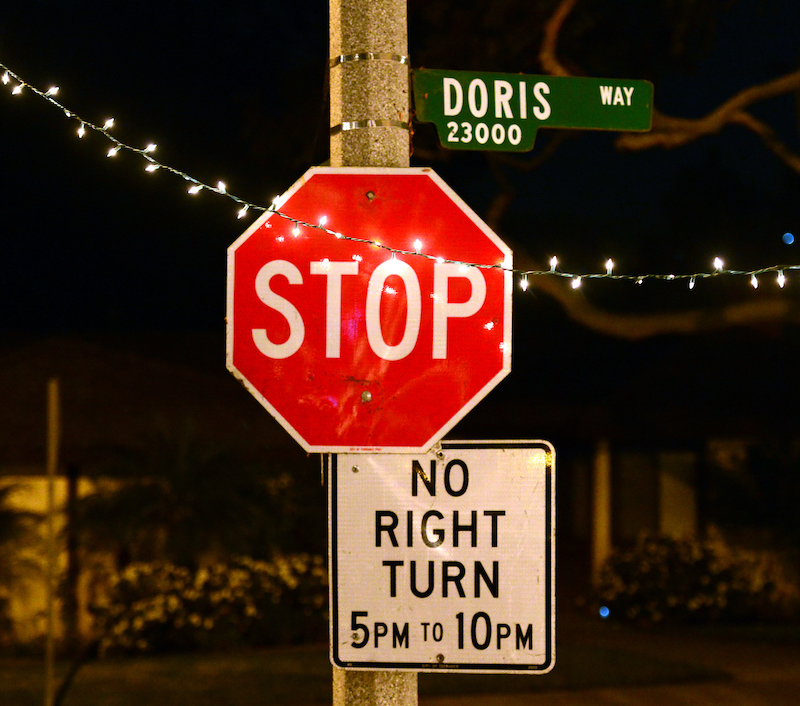
Developers have to submit new street names for their housing tracts to city and county planning agencies for approval, a process that Torrance developer Ben Haggott used in the early 1950s to give western Torrance its plethora of streets with female first names. They were named after his children and the children of friends and relatives.
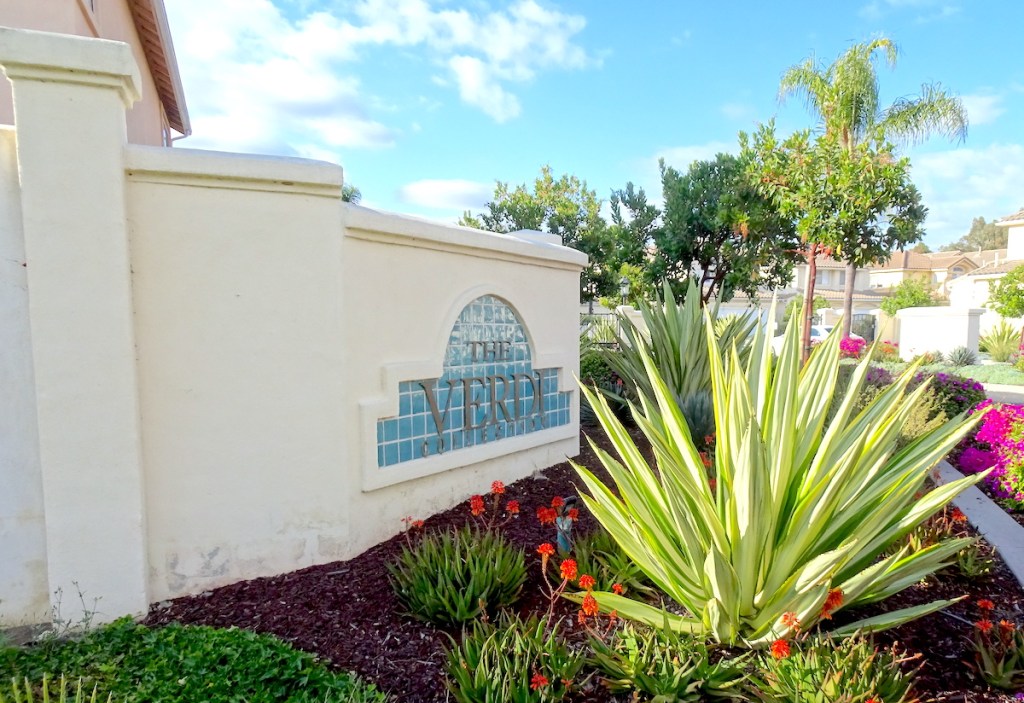
Decades later, the developer of The Verdi Collection gated community in Torrance was less successful in getting opera-themed names for its streets in 1991. The city turned down the Guiseppe Verdi-related Aida, Otello and Traviata names, requiring instead that the names inside the gates — Elm, Date, Dorset and Woodbury — agree with corresponding and existing city street names for clarity’s sake.
Note: Special thanks to Douglas Thompson of the Redondo Beach Public Library.
Sources:
City of Redondo Beach Historic Context Statement, by Marguerite Duncan-Abrams and Barbara Milkovich, Ph.D, Historical Resources Management, 1995.
Daily Breeze archives.
“The Entirely Readable City: Notes on Los Angeles Cartography and Street Grid(s),” The Asphalt Island blog, March 20, 2018.
Los Angeles Times archives.
Redondo Reflex archives.
San Pedro News Pilot archives.
Torrance Press-Herald archives.