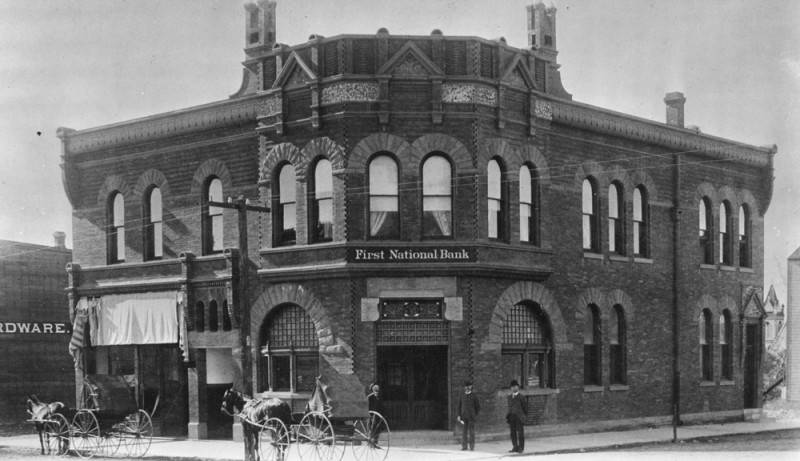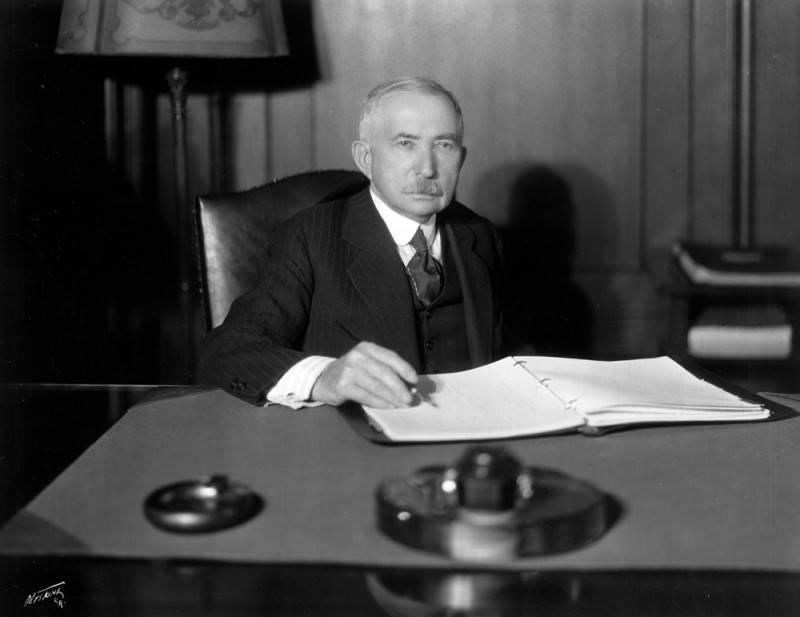
Jared Sidney Torrance, founder of the city that bears his name, needed a little help from his friends before he could announce Torrance’s founding in March 1912.
The Pasadena businessman envisioned an industrial city with amenities for workers that would keep them happy enough to avoid the labor-management violence plaguing Los Angeles at the time.
With help from some key investors, he purchased a total of 3,530 acres from the family of land grant holder Manuel Dominguez for the sum of $1.53 million.
Among those he chose for the board of his newly formed Dominguez Land Co. were two prominent bankers, John S. Cravens and Joseph F. Sartori.
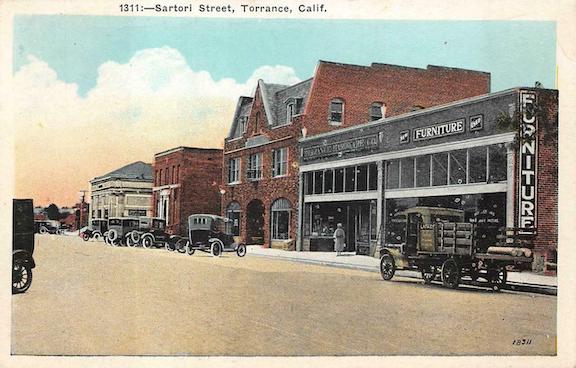
Cravens, who also had a Torrance street named for him, was a fellow Pasadenan who had served on boards with Torrance and was a vice president of the Los Angeles First National Bank.
Sartori had a higher profile in both business and society. He had become a prominent voice in the banking industry, and he and his wife earned frequent mentions on newspaper society pages.
He was born on Christmas Day, 1858, in Cedar Rapids, Iowa. His parents had emigrated from Germany a decade earlier. They sent young Joseph to Cornell College in Mt. Vernon, Iowa.
After graduation, Sartori went on to earn his law degree at the University of Michigan in 1881. He met his wife, born Margaret Rishel, while practicing law back in Iowa. They married in 1885.
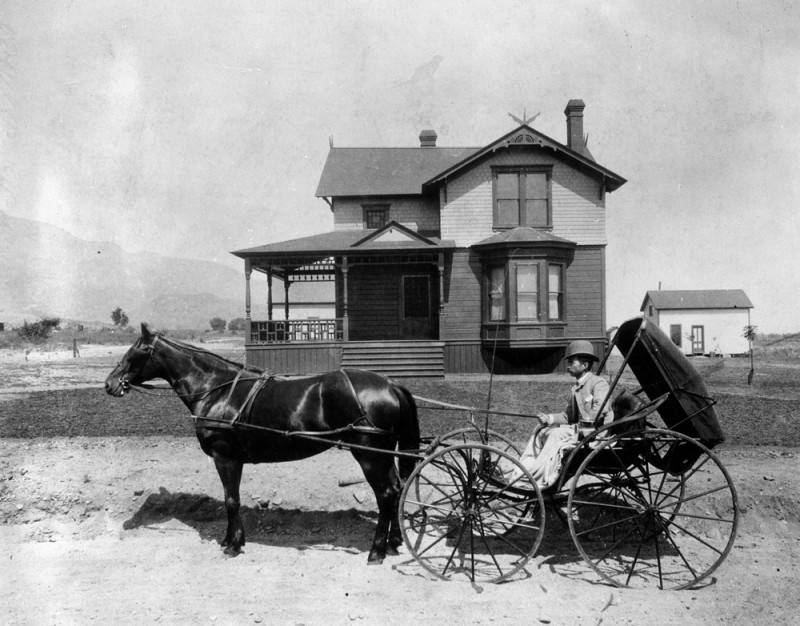
After the two of them took a wedding trip to California, they later decided to stay. In 1887, Sartori built one of the first residences in Monrovia. After settling in the newly incorporated city, he began his banking career, co-founding the First National Bank of Monrovia and serving as its first cashier.
Realizing that his ambitions reached beyond the small city, he helped found another, larger bank in Los Angeles, Security Trust and Savings, in 1889. The couple then moved to Los Angeles, and he became its president in 1895.
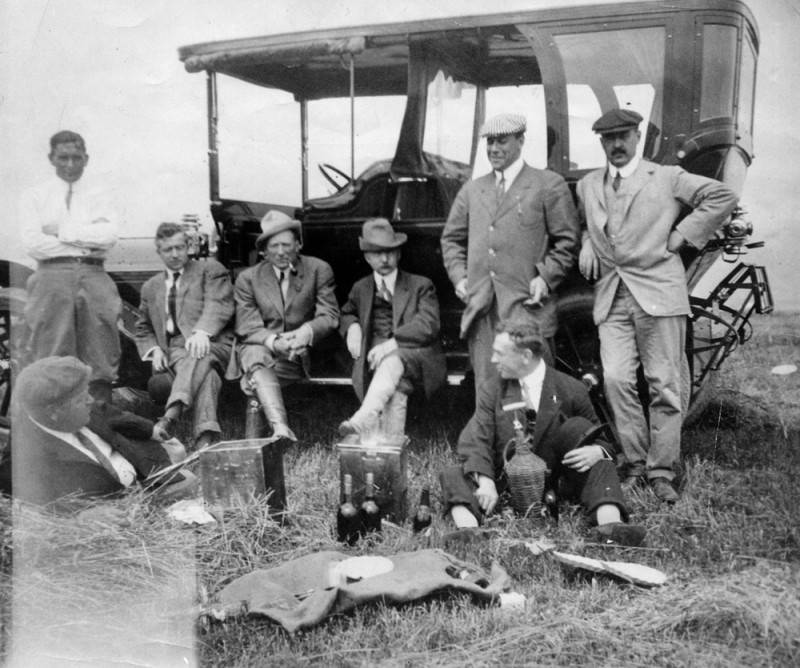
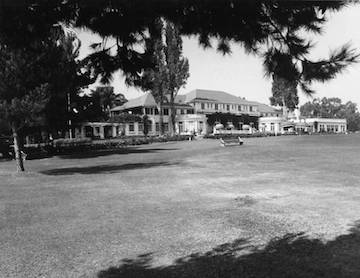
In 1897, he became a co-founder of the Los Angeles Golf Club, then located in Alvarado Terrace, just west of downtown. Sartori played a central role in relocating the club, now renamed the Los Angeles Country Club, to its more permanent home at 10101 Wilshire Blvd.
It opened in 1911, and has hosted championships ever since. Its North Course will host the PGA’s U.S. Open Tournament in 2023. Sartori served as the club’s president from 1912 until his death in 1946.
So, Jared Sydney Torrance scored a coup in securing Sartori’s involvement with the establishment of Torrance in 1912. In 1907, Sartori and Torrance had worked together to find the Los Angeles State Normal School a new home. The State Normal School would evolve into UCLA, which opened its Westwood campus in 1929.
Sartori’s financing and investing expertise played a key role in the early development of Torrance. Basic necessities such as streets and streetlights, water and sewage systems and other public utilities fell to Sartori and the Dominguez Land Co. board. All were needed in order to attract and keep industries in Torrance in the early years before its incorporation in May 1921.
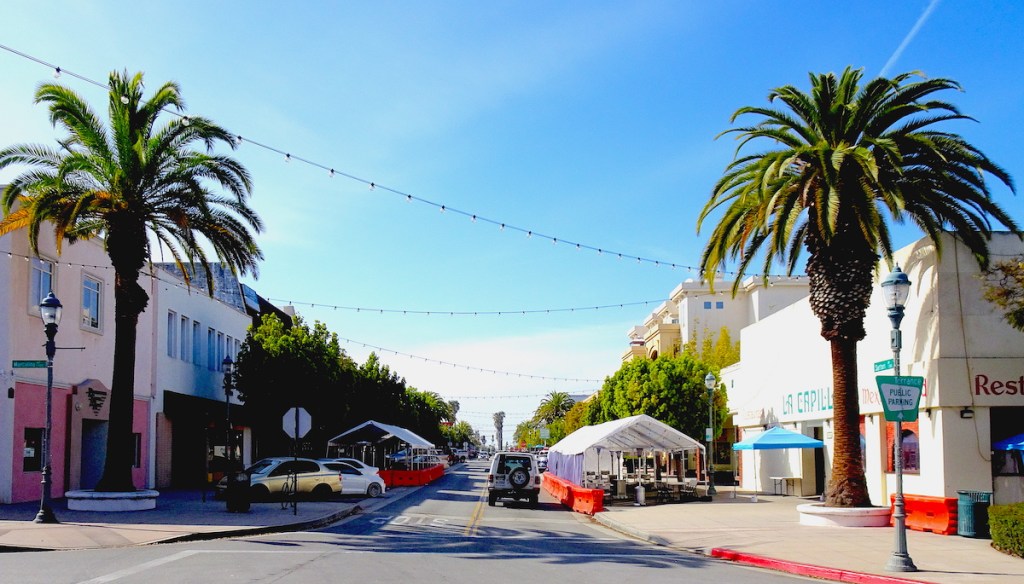
Jared Sydney Torrance honored both Sartori and Cravens by naming streets for them in his new city. Sartori and Cravens avenues were among the first named in the city’s original downtown layout. Sartori runs from Cota Ave. on the west, through Old Torrance to Cabrillo Ave. on the east. Cravens parallels it to the south downtown, running from Van Ness Ave. to Cabrillo.
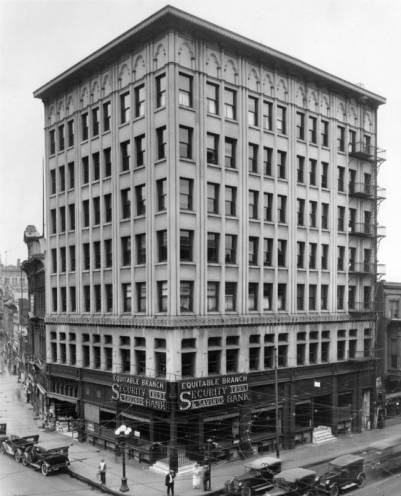
As for Joseph Sartori, his prominence in banking and finance circles continued to grow. In 1929, his bank, Security Trust, merged with the First National Bank of Los Angeles to form the Security First National Bank. It would eventually grow into the nation’s ninth largest bank, Security Pacific, before becoming part of the Bank of America in a 1992 merger.
Sartori also was involved in many other ventures, including the development of Porter Ranch in the San Fernando Valley. He was a prime mover behind the creation of the Biltmore Hotel on Pershing Square in Los Angeles, which opened in 1923. He also played a role in the development of City Hall in Los Angeles, which opened in 1928.
Sartori was named president of the new Security First bank in 1929, and served in that role until his retirement in 1934. He continued to serve as chairman of its board of directors until his death.
His wife, Margaret, died in 1937 after years of working for charitable causes. She also served as a member of the University of California Board of Regents for many years.
Sartori spent his later years as an elder statesman in the banking industry, and as a respected commentator on economic matters. He died at the age of 87 on Oct. 6, 1946, at his home in the Castellamare district just west of Pacific Palisades in Los Angeles.
Sartori never lived in Torrance, but his name remains known there thanks to Jared Sydney Torrance’s acknowledgement of his contributions to the city’s origin and early development.
Sources:
Historic Torrance: A Pictorial History of Torrance, California, by Dennis F. Shanahan and Charles Elliott, Jr., Legends Press, 1984.
“Joseph Francis Sartori,” Early Monrovia Structures Research (Monrovia Historical Museum) website.
“Joseph Francis Sartori,” Find A Grave website.
“A Look Back in Time: The Hope-Ware Collection at the LACC,” by Judd Spicer, Page 48, Fore magazine, Winter 2021.
Los Angeles Times archives.
San Pedro News Pilot archives.
Torrance Press-Herald archives.