Recently, in telling the story of Rudecinda Florencia Sepulveda de Dodson, daughter of Spanish land grant baron Jose Diego Sepulveda, I mentioned that she agreed to have the family’s house moved to make way for the construction of a large theater complex on her property in the heart of San Pedro.
The theater, to be built on Dodson’s land on 7th Street between Beacon and Palos Verdes streets, would seat just over 1,500 people and become part of the West Coast Theatres Co. William Fox would later transform that chain into the Fox West Coast Theatres group.
In addition to the large theater on the western end of the complex, storefronts facing Seventh also were part of the plans, which were made public in 1921.
The noted Los Angeles architectural firm of Meyer & Holler, creators of Grauman’s Chinese and Egyptian theatres, was hired by West Coast to design the structure at 115 W. 7th St.
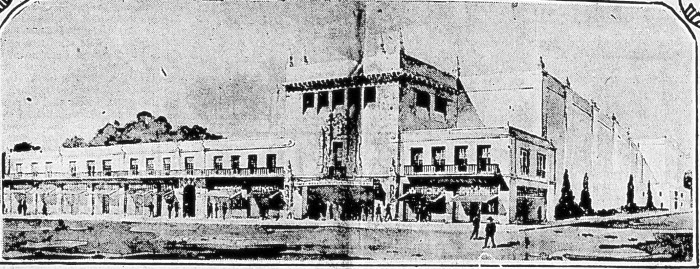
In addition to serving as a first-rate movie palace, the theater also would feature live shows, including touring stage shows and revues and vaudeville performances.
Construction began in earnest in June 1922 by Meyer & Holler’s Milwaukee Building Co. firm.
While under construction, the theater was referred to as the “Dodson Theatre” in newspaper reports.
The San Pedro News Pilot continually marvelled at the structure as it was being built, noting the sizable crowds attracted daily by the busy construction crews and earth-moving equipment.
The entire project, renamed the Cabrillo Theatre in July 1923, cost West Coast Theatres in the neighborhood of $500,000 to complete. By all accounts, it was worth it.
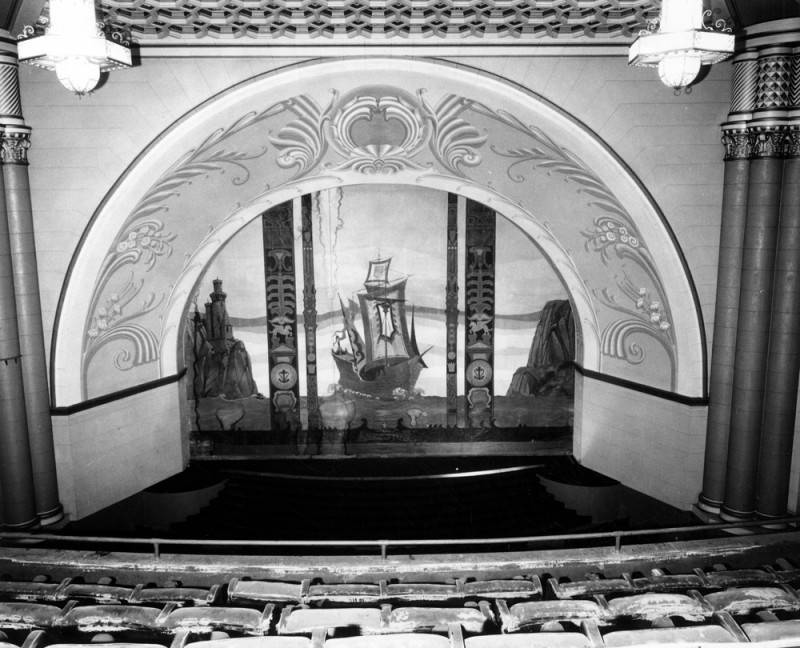
Opening night festivities on Nov. 15, 1923 drew an estimated 4,500 people, three times the capacity of the theater. The film “The Bad Man,” starring Holbrook Blinn in a satiric tale about a Mexican bandit, topped the evening’s program.
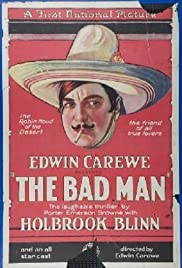
The vaudeville portion of the show preceding it included Edith Clifford, the Kirksmlth Sisters, Althea Lucts and Company, the Florentine Quartette and Wild and Bedalla. It was described in the News Pilot as “a whole show in itself.”
Theatergoers admired the lush Spanish-styled interior decor, which featured an alcove in the lobby where an oil portrait hung of Rudecinda Florencia Sepulveda de Dodson dressed in a traditional Spanish gown.
Mrs. Dodson was widely praised for her role in making the theater project a reality; it was just one of the many actions she undertook to improve San Pedro and the lives of its citizens.
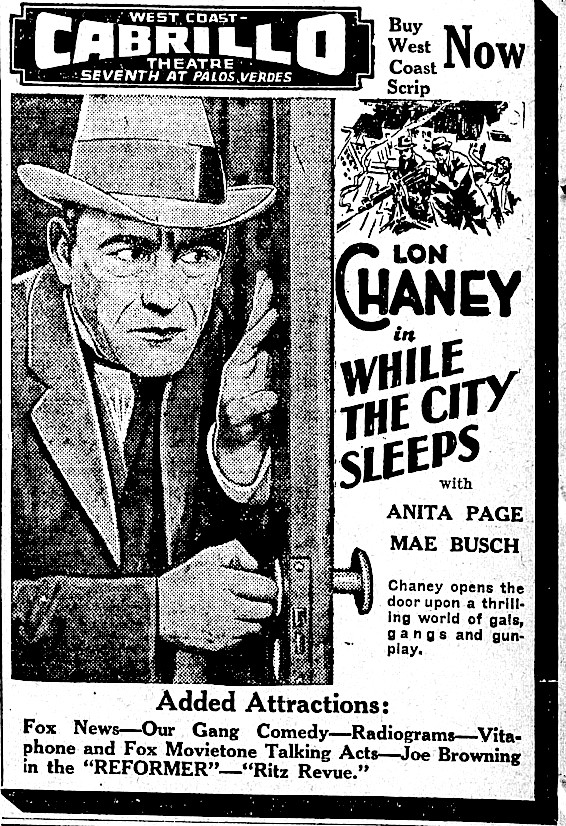
Under the deft management of C.S. “Doc” Crews, the Cabrillo Theatre did indeed successfully present both live entertainment and first-rate Hollywood films during the 1920s. Everything from Lon Chaney starring as “Phantom of the Opera” to Charlie Chaplin’s “The Gold Rush” screened there.
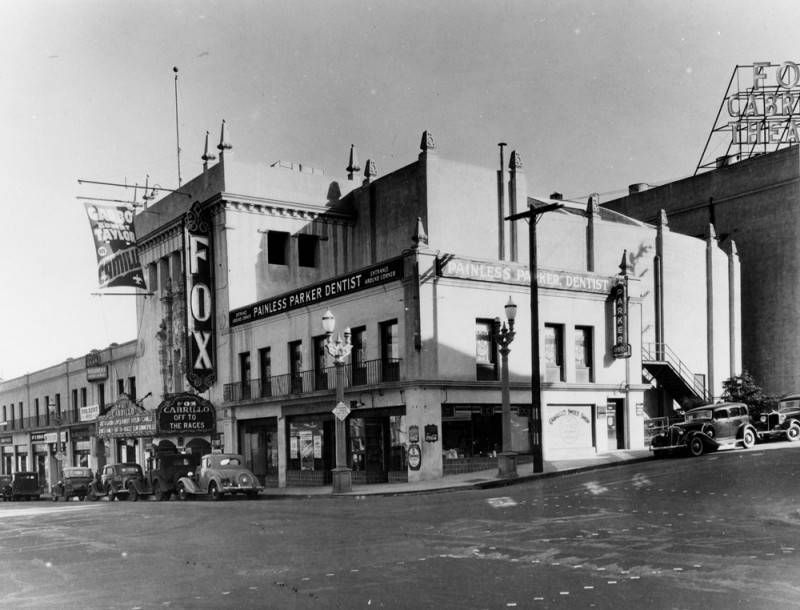
William Fox bought into the West Coast chain in the late 1920s, which led to the rebranding of the Cabrillo as the Fox Cabrillo Theatre in March 1929.
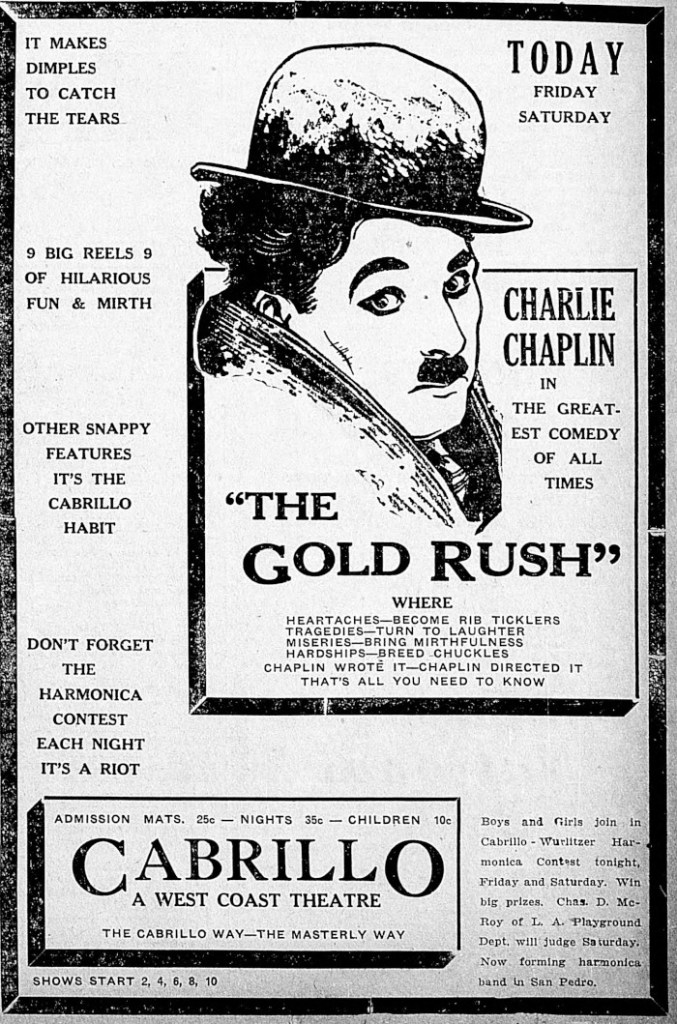
Vaudeville offerings eventually died out, but between the Fox Cabrillo and the Warner Grand, San Pedro moviegoers could enjoy two of the more opulent movie palaces in the area for the next two decades.
But business began to decline in the 1950s. Its final double bill, the western “Gun Glory” starring Stuart Granger, and “Man on Fire,” featuring Bing Crosby in a rare dramatic role, played on Aug. 13, 1957.
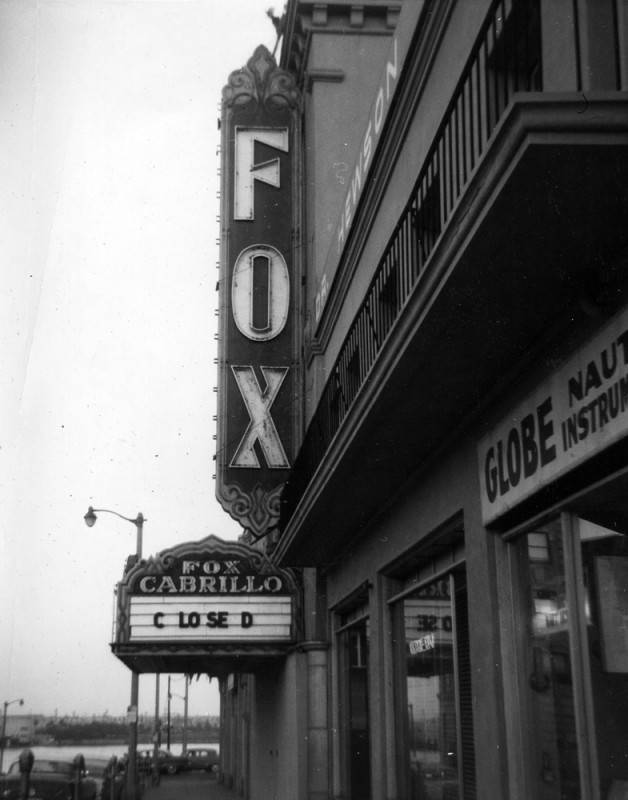
The theater then closed. Four years later, demolition began in two phases. First, the storefronts and offices that made up the complex’s east wing were razed in January 1961. The theater itself then was demolished in 1962.
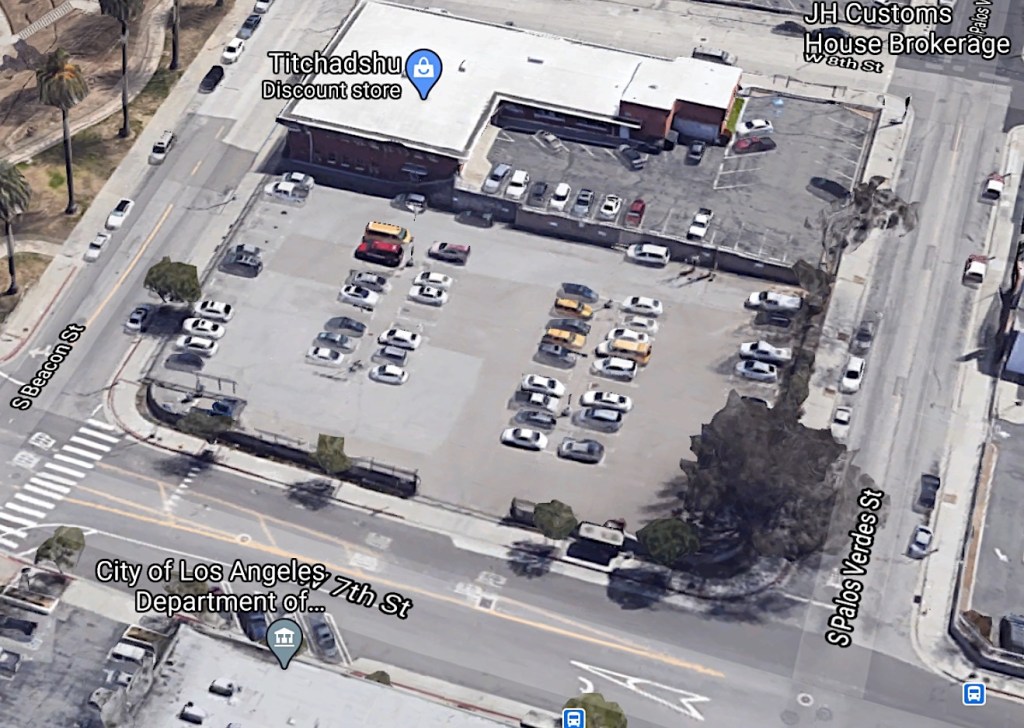
“They paved paradise and put up a parking lot,” Joni Mitchell sang in her 1970 song “Big Yellow Taxi,” and in this case, it was true. The Fox Cabrillo site was paved over and became a permit parking site for municipal employees of the City of Los Angeles.
The lot continues to operate there some 60 years later, with not a trace of the grand entertainment complex that once stood there.
Sources:
“Fox Cabrillo,” Los Angeles Theatres website.
“Fox Cabrillo Theatre,” Cinema Treasures website.
Internet Movie Database (IMDb) website.
Los Angeles Times archives.
San Pedro News Pilot archives.
Wikipedia.org.