
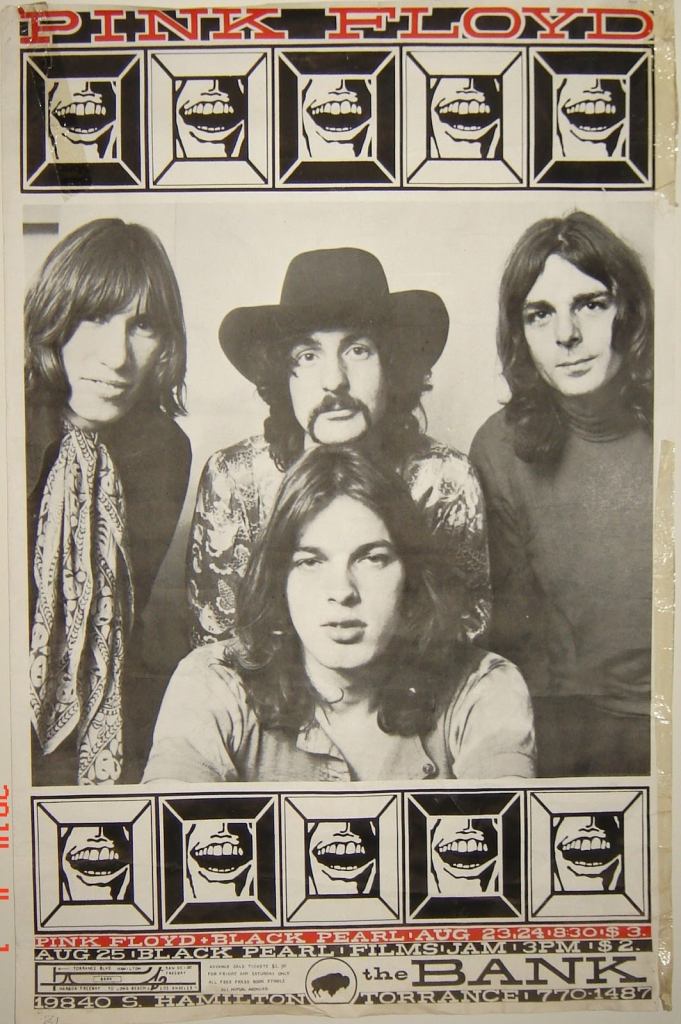
A recent post on Jim McDonald’s Facebook private group, “Growing Up in Torrance, CA,” calls attention to the days of yore when a short-lived Torrance concert venue called The Bank hosted concerts by some of rock music’s biggest stars.
McDonald based his post on information from the Rock Prosopography 101 website administered by Corry342, which began providing valuable documentation on the venue in 2009, and this post is based mostly on those same accounts.
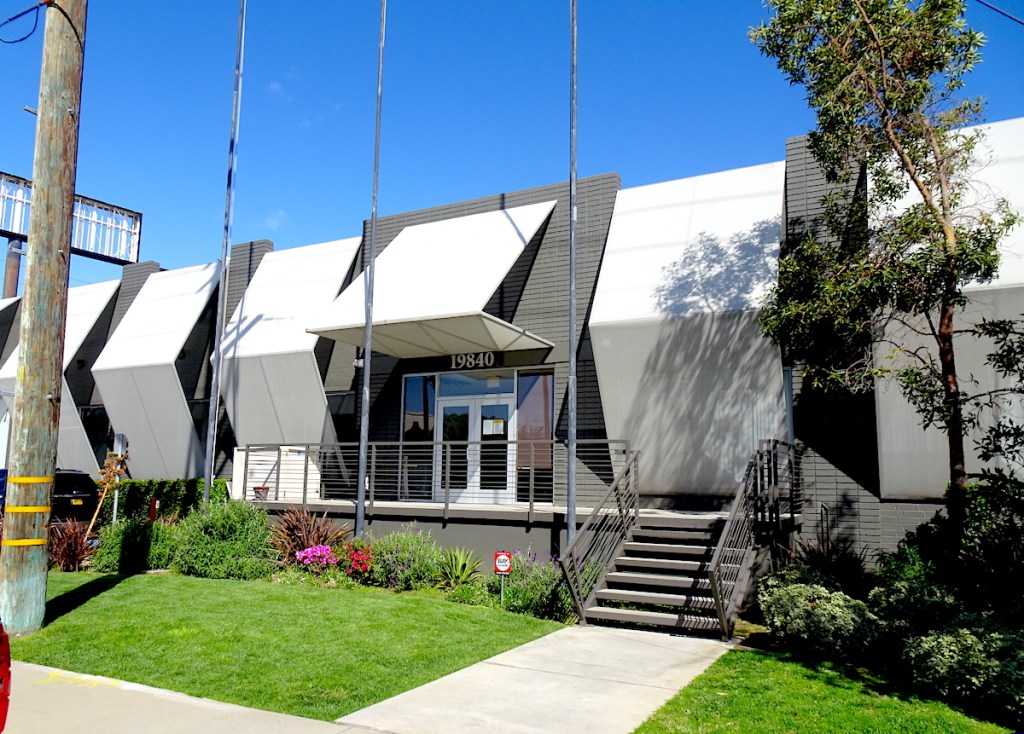
A note about geography: The Bank, originally known as the Blue Law Ballroom, was built in 1967 and located at 19840 Hamilton Ave., the street one enters onto after taking the Torrance Blvd. exit from the southbound 110 Freeway. Though posters and news accounts consistently refer to its location as Torrance, it’s actually situated in Harbor Gateway.
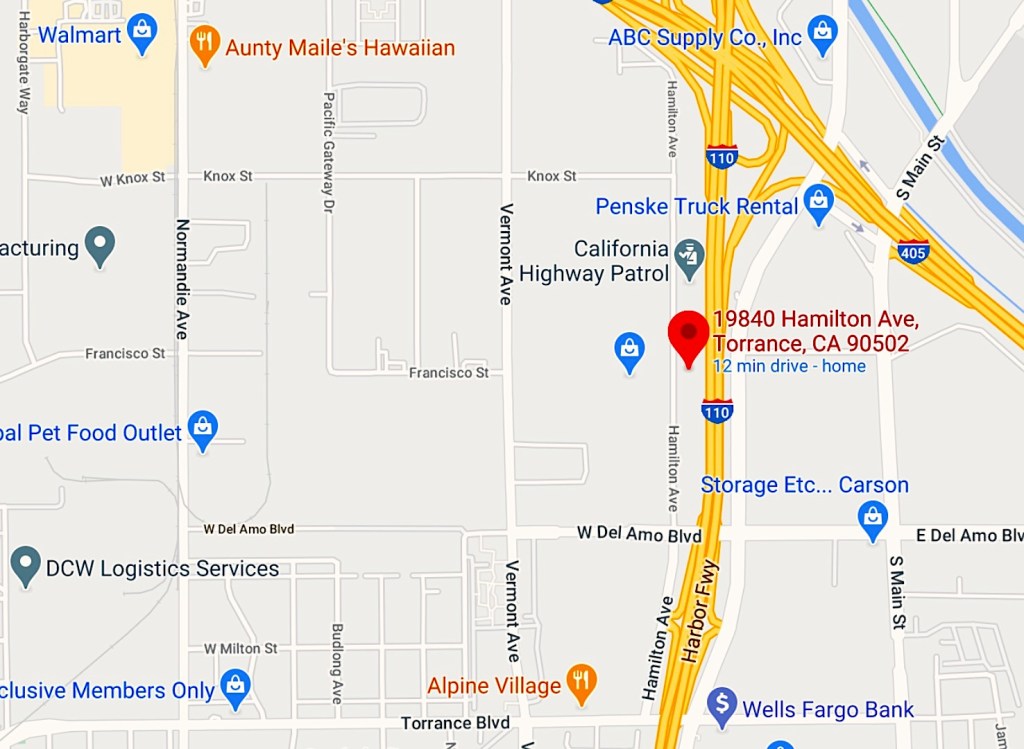
The Blue Law Ballroom began hosting shows in the 22,500-square-foot rectangular brick warehouse on the east side of Hamilton Ave. in late 1967. Information on its ownership is somewhat sketchy, but a post on the Rock Prosopography 101 site by commenter Stephena310 indicates that its owner was a local doctor, an older “bearded gentleman” who loved music.
Most of the shows were booked by the San Francisco-based West-Pole Agency, which handled many of the bands associated with the San Francisco music scene who often played at the Fillmore and other Bay Area venues.
On Dec. 15, a triple bill of Love, Canned Heat and the Hour Glass played the Blue Law in what was possibly the venue’s first show. The Hour Glass was a transplanted Southern blues band that featured future Allman Brothers Duane and Gregg Allman.
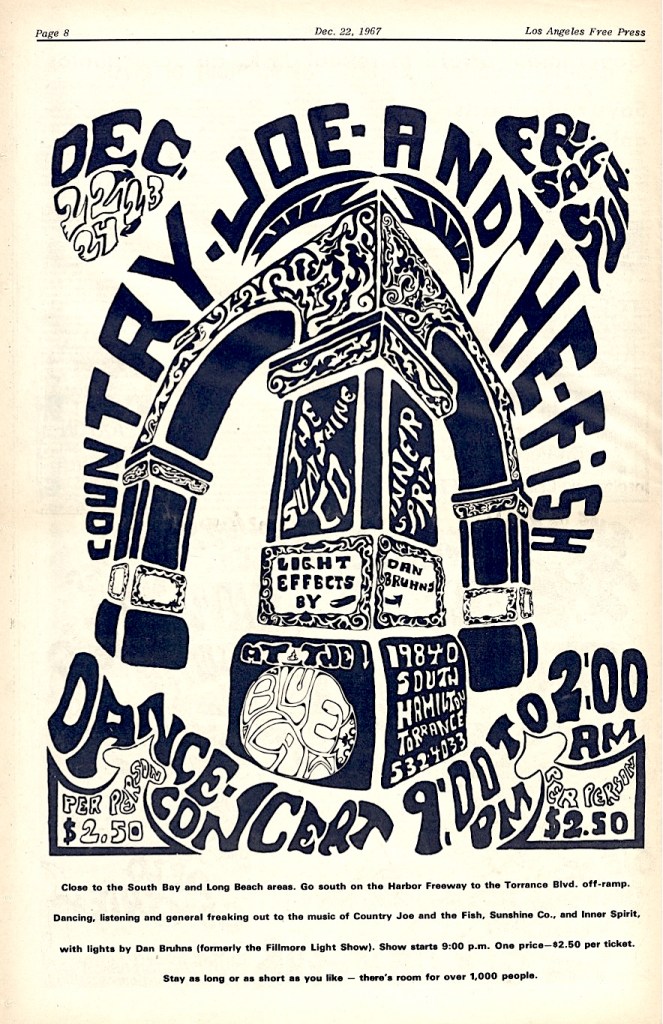
Another high-profile show featured Country Joe and the Fish, The Sunshine and Inner Spirit (who later dropped the “Inner” and recorded as Spirit). It took place on Dec. 22, 1967, and on two successive nights.
Michael Stuart-Ware, then drummer for the much-revered Los Angeles band Love, described playing at the Blue Law in his book, Behind the Scenes on the Pegasus Carousel with the Legendary Rock Group Love (Helter Skelter Books, 2003):
“The stage had no private rear entrance or dressing rooms, and the groups that were scheduled to perform simply walked through the front door, past the people that had come to see them play, and right up the stage steps.”
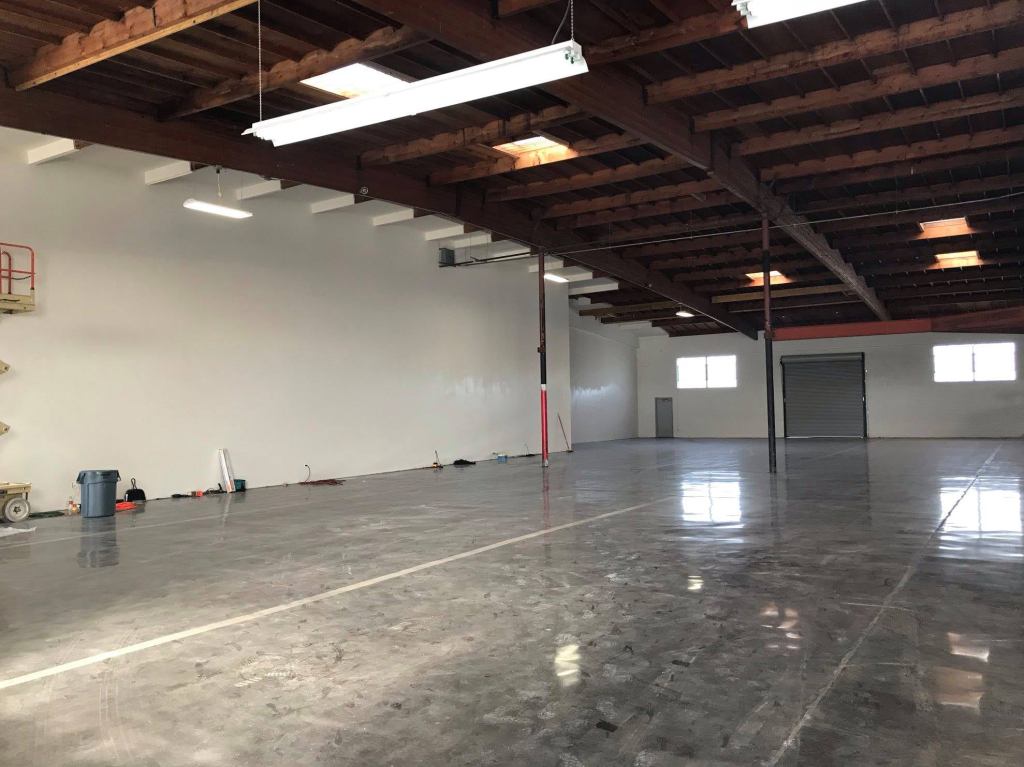
The room had no seats; concertgoers often brought blankets and sat or stood on the concrete floor. Some would paint on the floor with fluorescent paint, as the interior often was lit with black lights. There was a snack bar along one side of the building that sold soft drinks, but no alcohol. Its capacity was estimated at 700-800 persons.
The venue drew the attention of police agencies, who suspected drug activity and often presented a strong presence outside the venue.
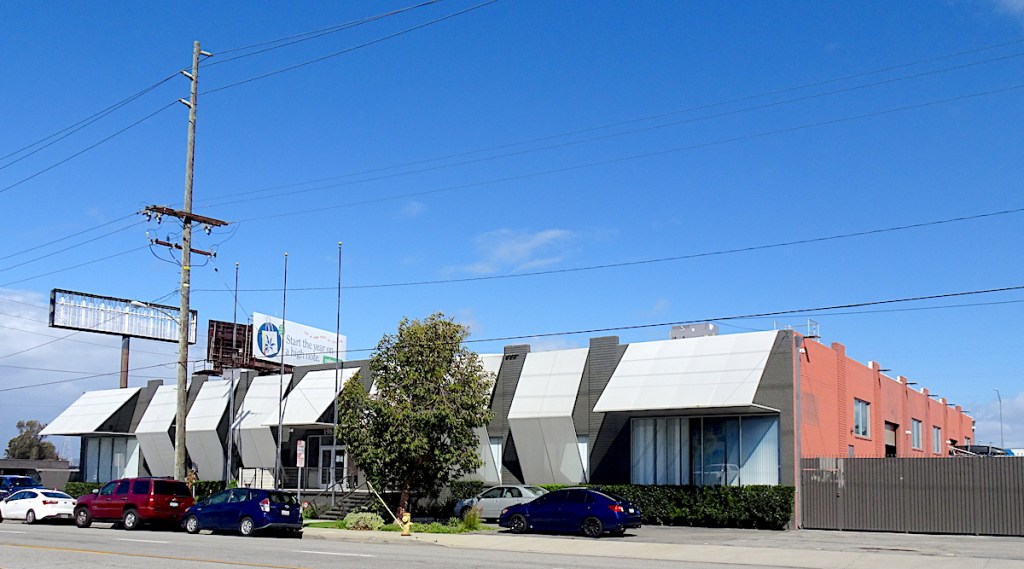
Some ascribe the The Blue Law’s eventual closure to pressure from law enforcement, but it’s more likely that the owner faced financial difficulties with the club. A three-day event called the Blue Law Survival Benefit was held on May 17-19, 1968, to benefit the Blue Law, but it apparently closed shortly afterward. A May 19 poster announcing Quicksilver Messenger Service, the Mothers of Invention and Iron Butterfly seems to be the last advertised show for the club under the Blue Law name.
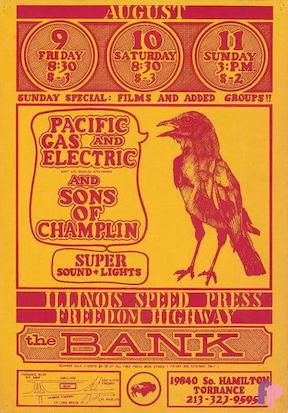
A group of investors, one of whom had inherited a large sum of money, was looking for an empty bank building for their new club, to be called The Bank. They were made aware of the Blue Law’s recent closure, and decided to mount their operation there instead.
The first show at the newly christened club appears to have been held on Aug. 9, 1968, and featured Pacific Gas & Electric, the Sons of Champlin and the Illinois Speed Press.
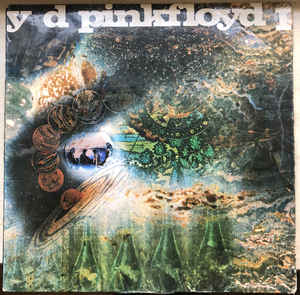
A couple of weeks later, Pink Floyd did indeed play two dates at The Bank, on Aug. 23-24, 1968. A foursome after the departure of Syd Barrett that March, they played their lengthy psychedelic works “Interstellar Overdrive” and “Set the Controls for the Heart of the Sun,” the latter from their just-released A Saucerful of Secrets album. The Britishers wouldn’t hit the big time until “Dark Side of the Moon,” five years later.
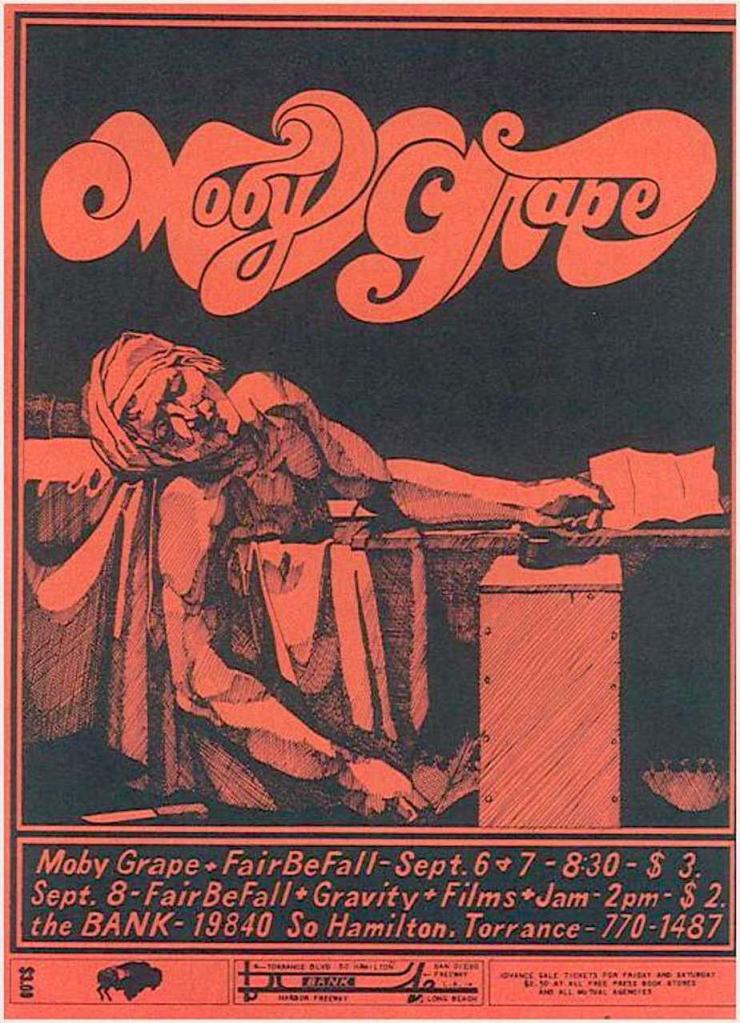
A long list of rock and blues notables followed: Moby Grape, John Mayall, Charlie Musselwhite, Chicago Transit Authority (later shortened to Chicago), Lee Michaels, Three Dog Night, an embryonic pre-first album Alice Cooper, Canned Heat, Ten Years After (a year before Woodstock), Bo Diddley, Harvey Mandel, the Flamin’ Groovies, The Turtles, and, on two separate occasions, The Grateful Dead. (Consult the Rock Prosopography 101 site for a fuller list of performers and dates.)
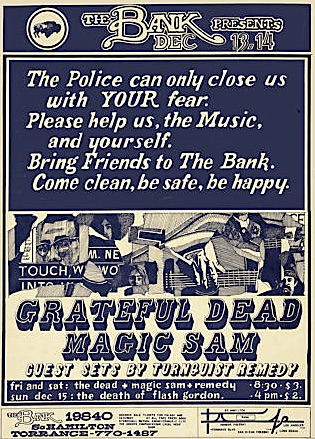
The Dead played its first date on Oct. 18, 1968; its second album, Anthem of the Sun, had just been released in July. By the time the band returned for two shows on Dec. 13-14, The Bank’s days were numbered. This time, police pressure tactics — many who shared memories of the club online recalled being hassled after shows — seems to have been a factor in the club’s closure.
The poster for the Grateful Dead’s December shows prominently states the following:
“The Police can only close us with YOUR fear. Please help us, the Music, and yourself. Bring friends to The Bank. Come clean, be safe, be happy.”
No evidence of any further shows after the Grateful Dead appearances have come to light, indicating that The Bank’s short but brilliant run ended for good in December 1968.
The brick building has been used mainly for industrial purposes ever since, and still stands, with some exterior modifications, just off the 110 Freeway on Hamilton. But no signs remain of its role as a venue hosting big-time rock concerts more than half a century ago.
Note: Special thanks to Jim McDonald’s “Growing Up in Torrance” Facebook group and the Rock Prosopography 101 website, which provided the bulk of the information and poster photos in this post.
Sources:
“The Bank,” Facebook site.
“The Bank,” Growing Up in Torrance, private Facebook group moderated by Jim McDonald.
“The Bank aka The Blue Law’s Concert History,” Concert Archives website.
“The Bank, Torrance CA 1968 Show List,” Rock Prosopography 101 website, by Corry342.
Los Angeles Free Press files.
Los Angeles Times files.

