Longtime readers and local history buffs may recognize some of these city name origin stories. Some of them were familiar to me, but others, like Westchester’s, not so much. Today we put all of them together in one place in an alphabetical list.
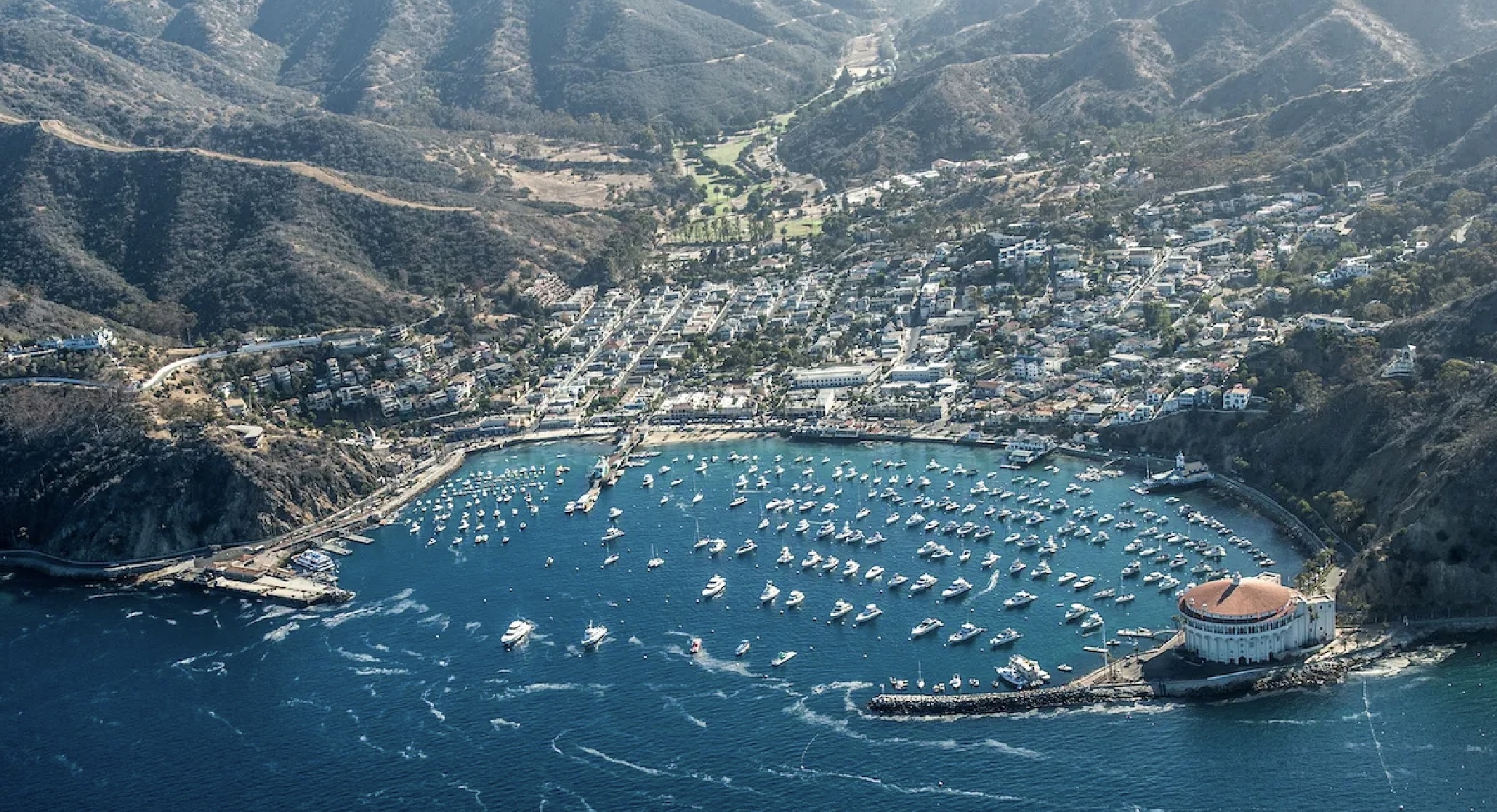
Catalina Island’s Avalon is the only incorporated city on any of the Channel Islands.Its name comes from the island utopia described by poet Alfred Lord Tennyson in his epic work “Idylls of the King,” which was based on the medieval legends of King Arthur. Developer George Shatto gave the city its name in the late 1880s. It was incorporated in 1913.
The city of Carson takes its name from George Henry Carson, who married into the land-grant-owning Dominguez family in 1857, becoming manager of the rancho in the process. At the time of the city’s incorporation in 1968, voters also were asked to choose between naming the new city Carson or Dominguez. They narrowly chose Carson.
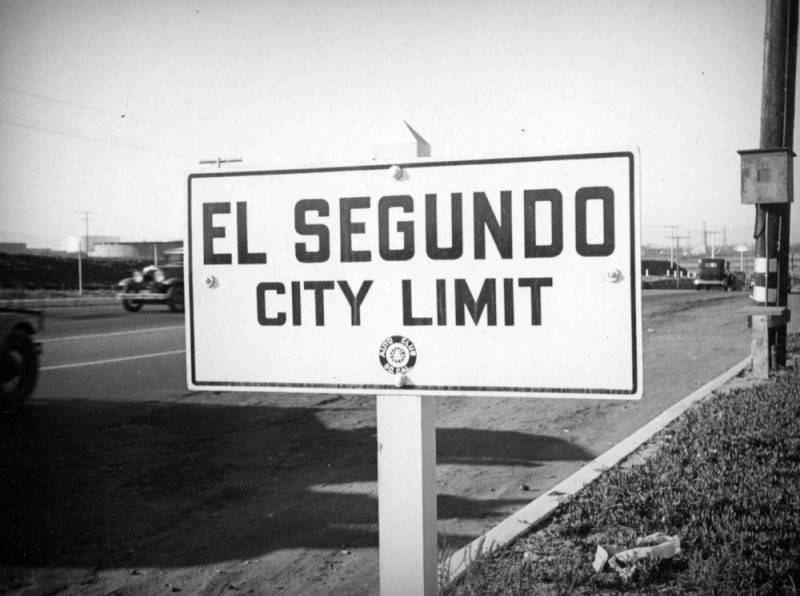
Standard Oil bought land near the west-facing South Bay coastline in 1911 for the purpose of establishing its second oil refinery on the West Coast. (Its first was built in Richmond, Ca., in the Bay Area.) Virginia Hanna, wife of the new plant’s general manager, suggested El Segundo, which means “the second” in Spanish.
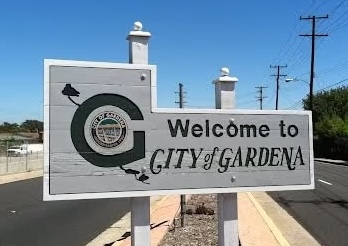
Gardena’s name comes from its garden-like lush greenery, in contrast to most of the rest of the mostly dry, dusty South Bay in its pre-development era. It continued to serve as rich farmland well into the 20th century, from which its alternate names Berryland and Strawberry Park derive. No one person is credited with the city’s name. The alternate names still were in common usage even after it incorporated in 1930.
So why is there no harbor in Harbor City or Harbor Gateway? Both are part of the City of Los Angeles. The two communities take their name from being part of the narrow 16-mile-long 1906 annexation strip stretching from L.A. southward to San Pedro in order to make its harbor a part of the city.
Hawthorne did indeed take its name from American author Nathaniel Hawthorne. Laurene Woolwine, daughter of one of the two men who founded the city in 1905, has been credited with suggesting the name. The city decided to keep it permanently when it was incorporated in 1920.
Real estate developers chose the Hermosa Beach name in the early 1900s, using “Hermosa,” the Spanish word for “beautiful” to market the picturesque seaside locale. It was accurate, and a no-brainer for the city, which incorporated in 1907.
Inglewood got its name from its founder and chief landowner Daniel Freeman. After purchasing the land from the Rancho Aguaje de la Centinela’s owners in the 1870s, he named the burgeoning city after his home town of Inglewood, Ontario, Canada. Inglewood incorporated in 1908.
Real estate developer Charles B. Hopper gave Lawndale its name, after a residential neighborhood in Chicago, Illinois. Hopper founded the South Bay town in 1905, but it wasn’t incorporated until 1959, when it was threatened by annexation attempts from neighboring cities.
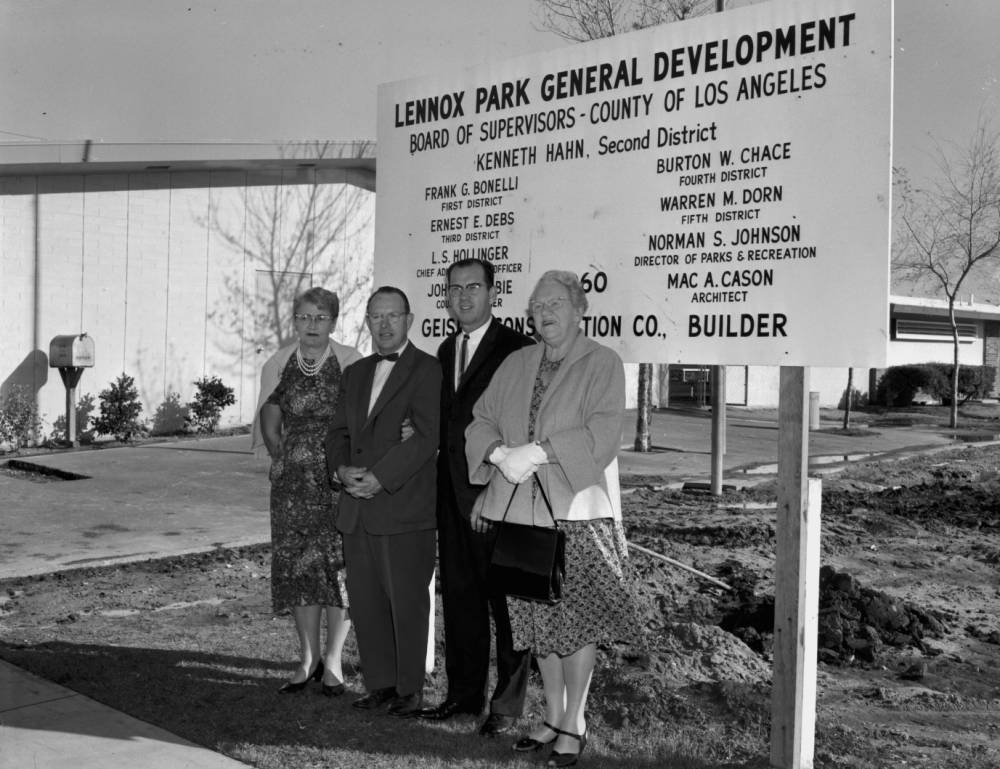
The generally accepted but unverified story behind the name of the unincorporated area of Lennox in the Inglewood/LAX area is that it came from a farmer from Lenox (one-”n”), in western Massachusetts who moved to the area in the early 1900s. Local farmers settled on the name in 1912, hoping that would set their enclave apart from neighboring communities. It worked.
Lomita is Spanish for “little hills.” The city’s website speculates that surveyors may have misidentified it with the neighboring Kettler Knolls area of southwest Torrance that lies just north of the city. The name stuck, and was adopted when Lomita was incorporated in 1964, after being threatened with annexation by its larger neighbors.
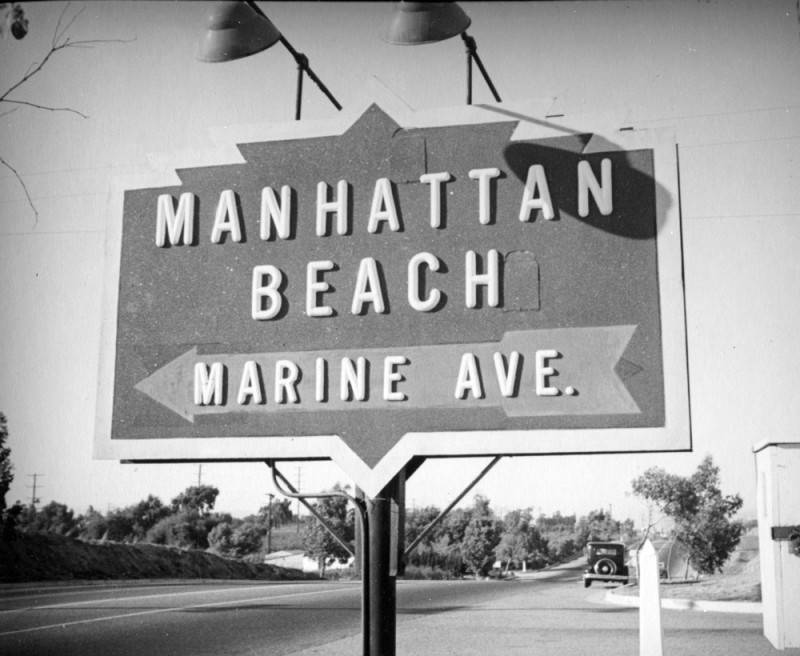
Manhattan Beach’s name comes from either the New York City borough of the same name, or an exclusive resort at Coney Island in Brooklyn. There’s a possibly apocryphal story about a coin flip determining the name. Developer George Peck called his part of the coastal development “Shore Acres,” while fellow developer John Merrill named his portion “Manhattan.” A 1902 coin flip between the two went Merrill’s way, and the area became “Manhattan Beach” permanently when the city incorporated in 1912.
Palos Verdes Estates was the first city founded on the Palos Verdes Peninsula. “Palos verdes” means “green sticks” or “’green trees” in Spanish. The name was adopted when the planned development opened in 1923, and kept when it was incorporated in 1939. The similarly named Rancho Palos Verdes became its own city in 1973.
Playa del Rey, the coastal area west of Westchester, got its name from developer Henry Barbour in 1902 when he began selling lots there. “The king’s beach” remains a part of the City of Los Angeles to this day.
The Rancho Dominguez area east and southeast of Carson takes its name from the Dominguez family, the owners of the Spanish land grant with that name. The unincorporated area is where the Dominguez Adobe, the oldest still-standing house in the South Bay and Harbor Area, is located.. Now a museum, it was built in 1826.
Redondo Beach takes its name from the Rancho Sausal Redondo land grant. The word “redondo” means round in Spanish, and the Rancho’s whole name translates as “round willow grove ranch.” The “round” part also may refer to the curved topography of the city’s shoreline. The Redondo name was used during the city’s late 1880s development phase, and in 1892 when it was incorporated.
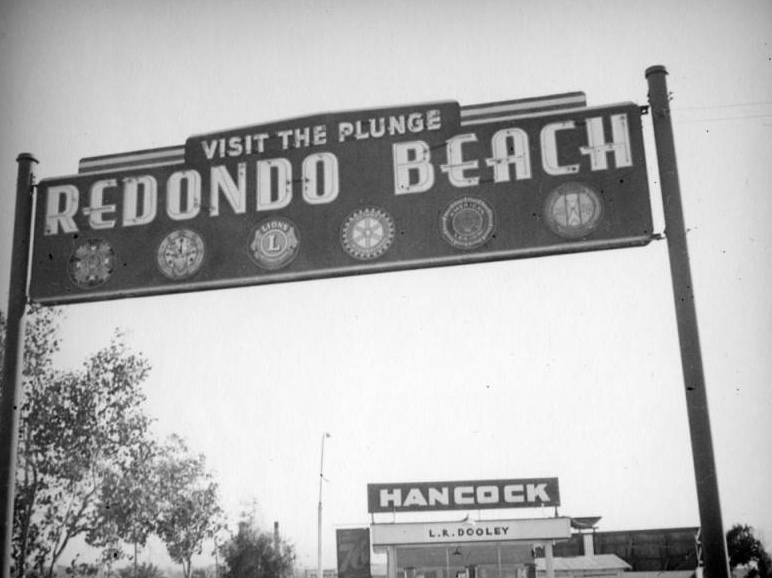
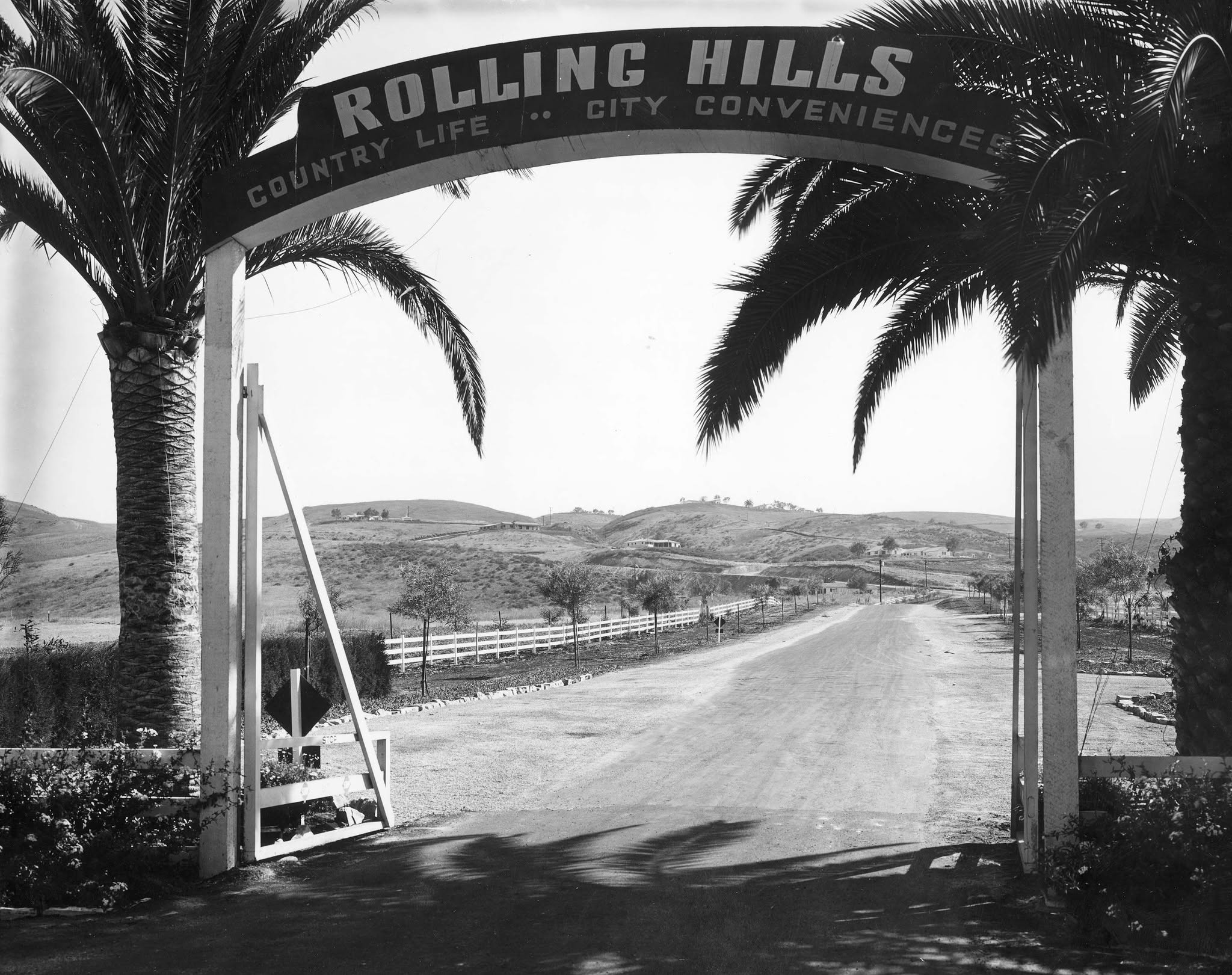
Developer A.E. Hanson originally wanted to call Rolling Hills “Folded Hills” when he began sales of lots there, but wisely decided against that name in the wake of the 1933 Long Beach earthquake. So Rolling Hills it was when the city incorporated in 1957. The unimaginatively named Rolling Hills Estates incorporated that same year.
San Pedro’s name came about as a kind of luck of the draw. The Spanish conquistadors who explored the area in the 1600s often named land features and areas after the name of the saint whose feast day was celebrated on the day the new locations were encountered. It turns out that the San Pedro area was surveyed on the feast day of Saint Peter of Alexandria in 1734. The name was shortened to San Pedro, and it stuck even after the area became a part of the City of Los Angeles in the 1909 port consolidation.
Terminal Island in San Pedro got its name in 1891 when it became the southern terminus of railroad lines connecting it to downtown Los Angeles, Before that, it was known as Rattlesnake Island.
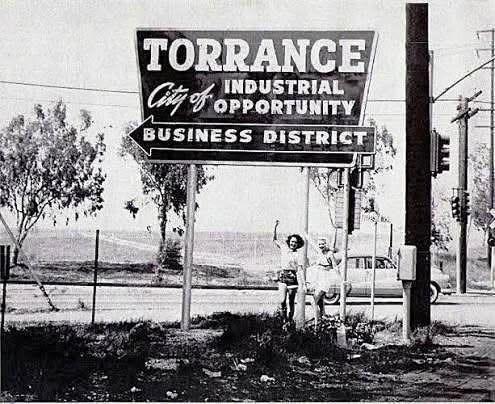
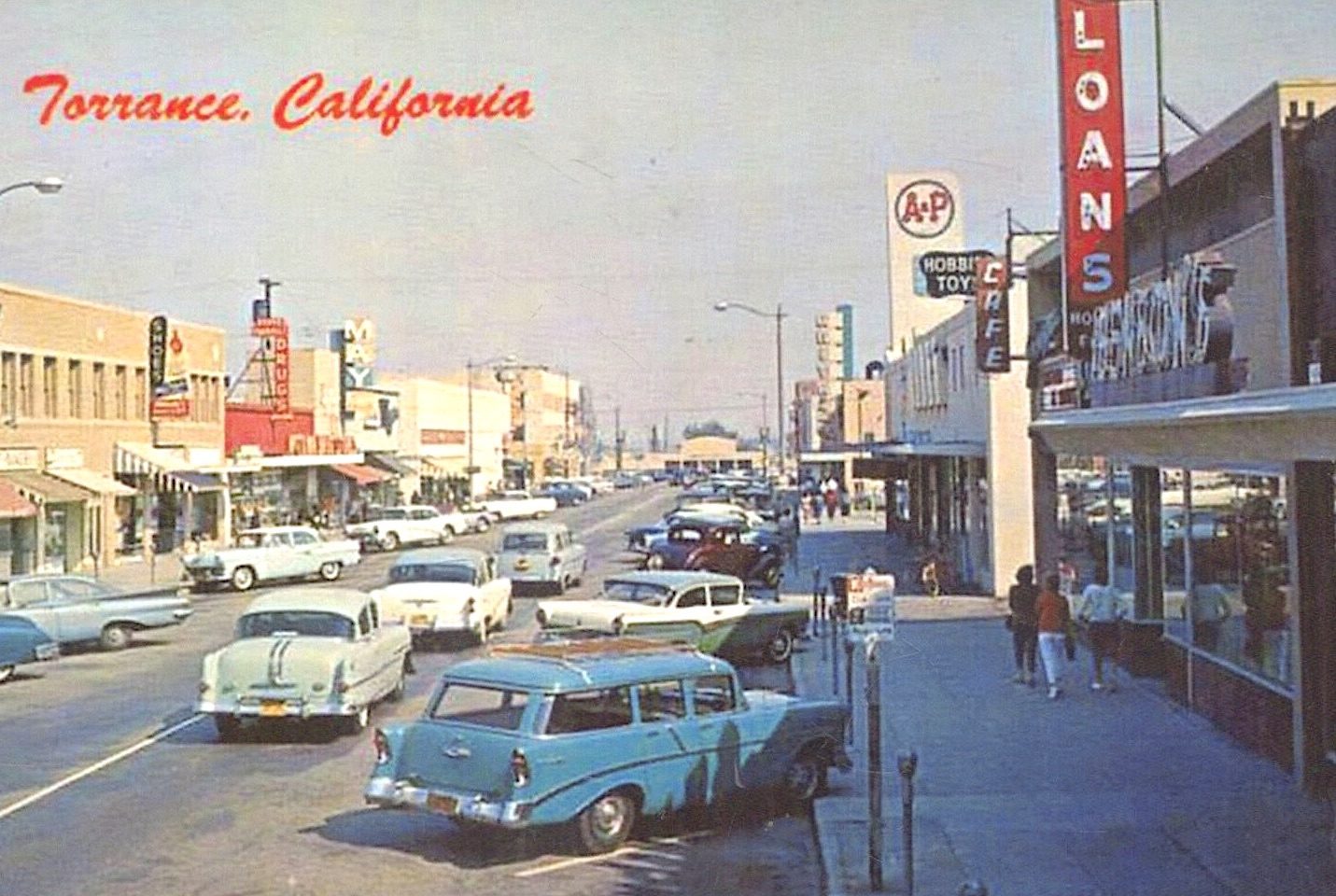
It’s been said that the founder of Torrance, wealthy Pasadena businessman Jared Sydney Torrance, wasn’t crazy about naming the South Bay city after himself. The other choice, Dominguez, was rejected as too prevalent in the area already. So, over his objections, Torrancecbecame its name when the city was founded in 1912. It was incorporated in 1921.
Westchester, the residential community north of LAX and east of Inglewood, got its name in February 1942, when developers combined “west” with east-west thoroughfare Manchester Boulevard to describe the housing tract’s location, west of Manchester Voila, Westchester was born.
Wilmington owes its name to shipping magnate Phineas Banning, He named the portside city after his home town of Wilmington, Delaware, but only after first naming it “New San Pedro” when he acquired it in 1858. By 1863, it had been renamed Wilmington, and remains so to this day. Once an independent city, it was annexed by the City of Los Angeles in the 1909 port consolidation.
Sources:
Carson Chamber of Commerce website.
City of Gardena website.
City of Inglewood website.
City of Lawndale website.
Daily Breeze archives.
Hawthorne Historical Society website.
L.A. Street Names website.
Los Angeles County Library website.
Los Angeles Times archives.
Palos Verdes Peninsula News archives.
Port of Los Angeles website.
Wikipedia.

