
The idea of the United States having to create an infrastructure to defend itself from possible aerial attacks on its homeland did not become a front-burner issue until the mid-1930s.
Several factors brought the possibility to the forefront. Most prominent was the development of larger, longer-range aircraft capable of executing bombing strikes from long distances, or from shorter distances using aircraft carriers, which were first developed near the end of World War I.
The rise of the German and Japanese empires during the 1930s presented President Franklin Delano Roosevelt with the growing possibility of air strikes on American shores from foreign adversaries.
That possibility was heightened by increasingly aggressive empire building by Japan and Hitler’s Germany in the late 1930s. The Blitz attacks by Germany on England’s mainland in 1940 caused particular alarm.
On May 20, 1941, nearly seven months before Japan’s Pearl Harbor attack, Roosevelt issued an executive order creating the Office of Civil Defense (OCD). New York City Mayor Fiorello La Guardia was named its first national director.
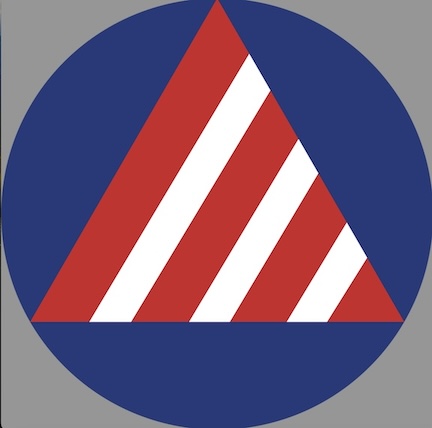
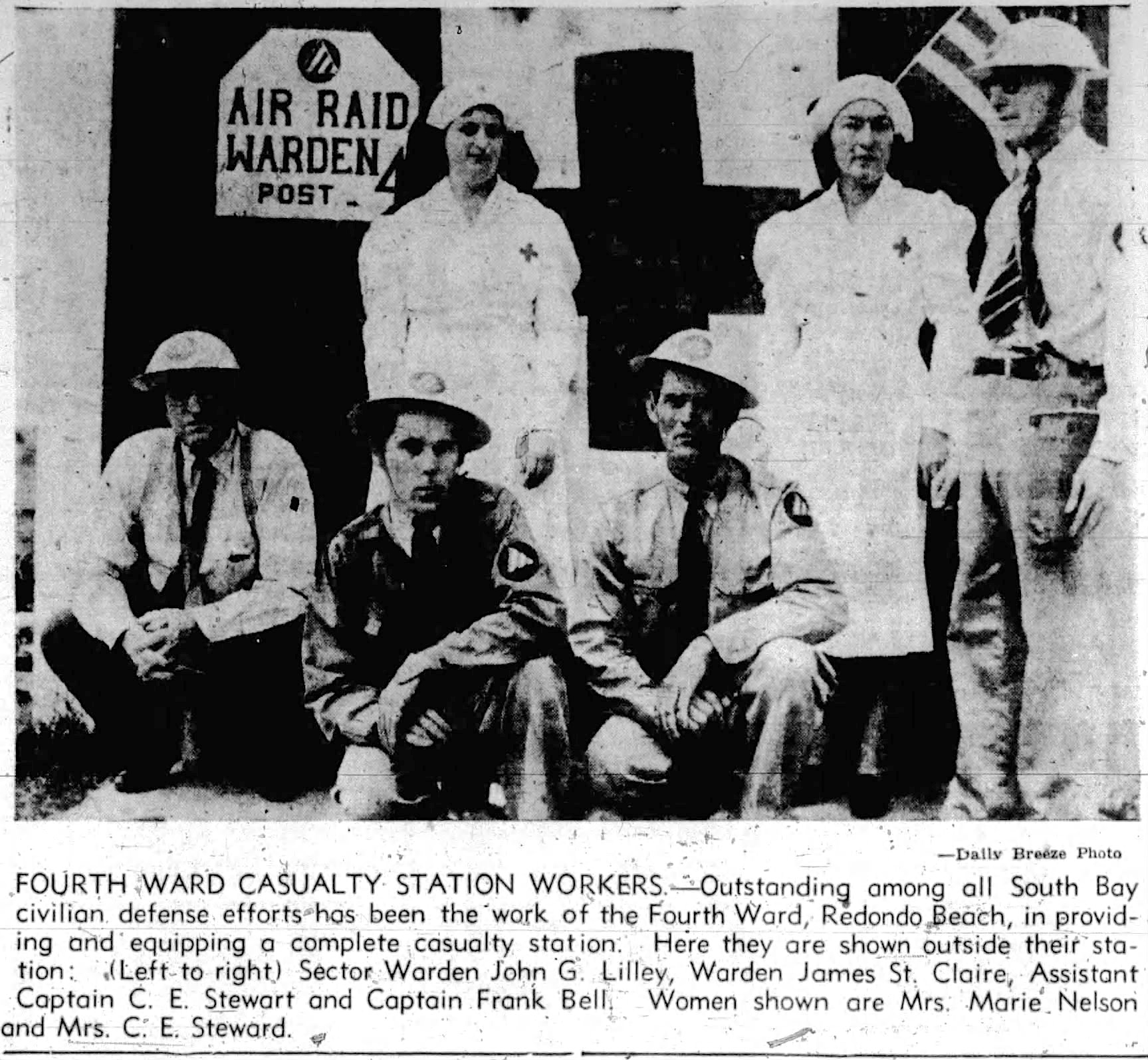
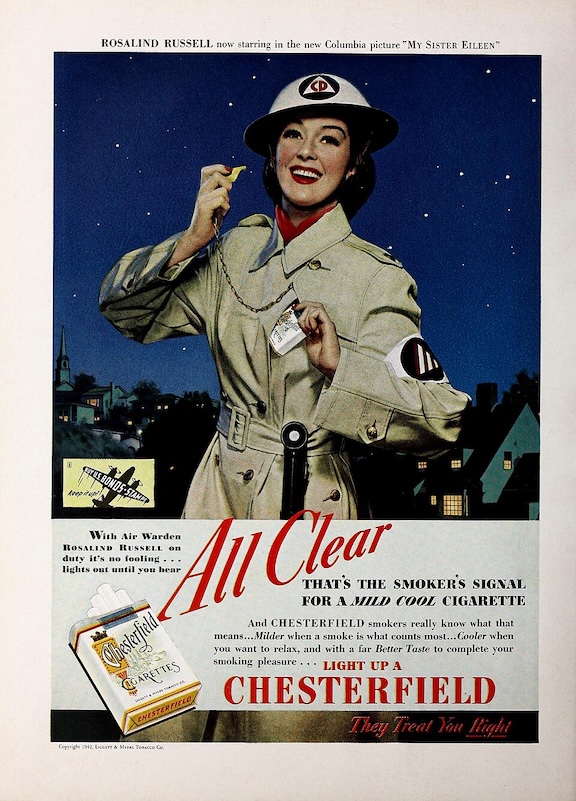
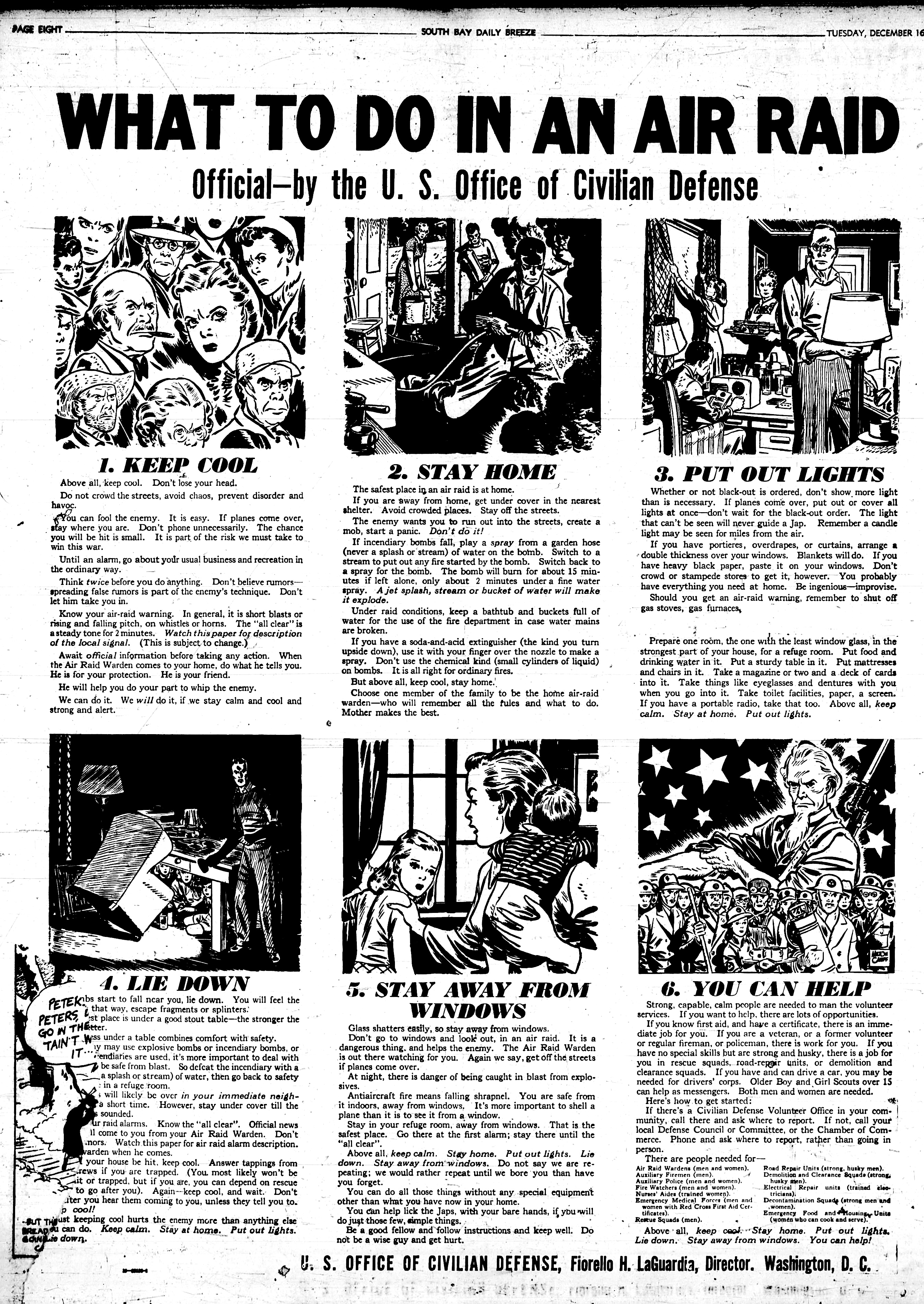
The OCD was charged with creating the Citizens Defense Corps, a massive civilian effort to help cope and respond to the threat of enemy attack on the homeland. This included training more than a million air raid wardens, each in charge of individual zones containing roughly 500 people.
Each warden was responsible for warning those in the sector about potential attacks, clearing streets, enforcing blackouts and guiding citizens to shelters if necessary. Each warden operated out of an often makeshift headquarters office within its sector.
Wardens were trained in first aid, firefighting techniques, recognizing dangerous war gases and training citizens in the use of gas masks, and educating citizens on preparing their homes for attacks. This included installing blackout windows, instructing them not to overload the phone lines with unnecessary calls and teaching them what actions to take in case of emergency.
Air raid wardens were in charge of making sure blackout drills ran smoothly, especially in coastal areas such as the Palos Verdes Peninsula and the Port of Los Angeles in San Pedro, a potential target du to its wartime shipbuilding activities.
The OCD reported in July 1942 that more than 600,000 air raid wardens had been trained and were on duty in the U.S. By 1943, more than 1 million citizens had become wardens, with an additional 5 million participating in other civil defense support efforts.
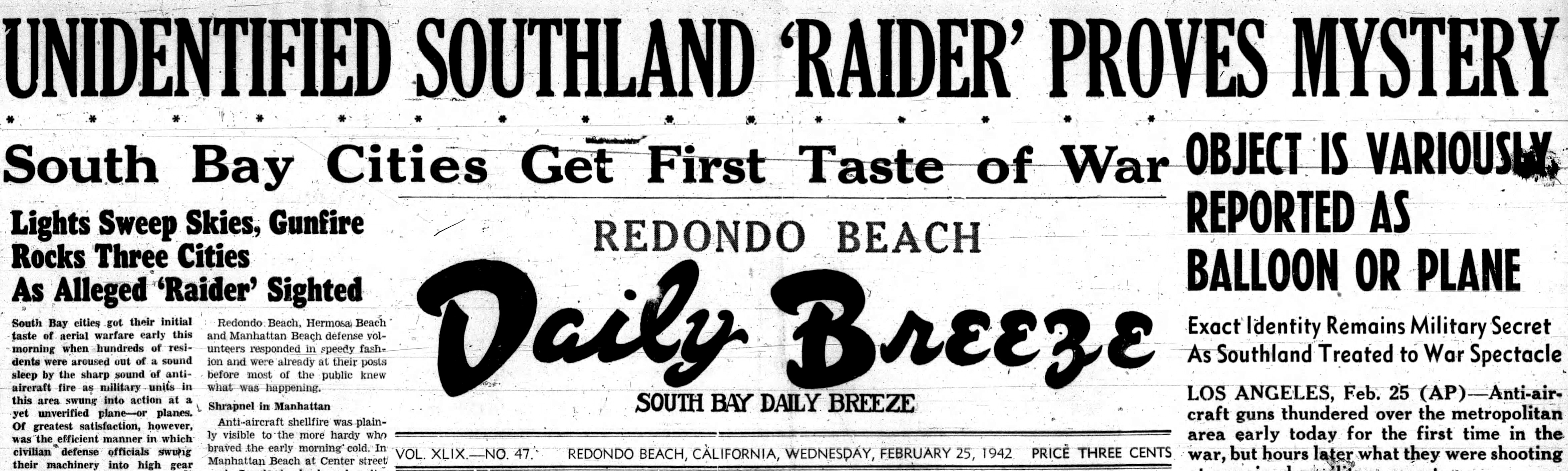
An early test of the new early warning system occurred on the night of Feb. 25, 1942. The event later was dubbed, facetiously, as “The Battle of Los Angeles,” and was lampooned in the 1979 Steven Spielberg comedy “1941.”
Rumors of a Japanese aerial attack began swirling on the evening of February 24th. Suspicious lights spotted near defense plants led to a 7:18 pm alert being called. It was cancelled at 10:23 p.m. A few hours later, at 2:25 a.m. on Feb. 25th, an unknown object in the sky later identified as a weather balloon with a red flare attached was mistaken for an enemy plane, triggering a second, more intense alert.
This time, anti-aircraft guns, including those fired from Fort MacArthur in San Pedro, illuminated the night sky until the barrage was silenced at 4:14 am. As many as 1,400 anti-aircraft shells were estimated to have been fired.
During both incidents, air raid wardens performed their duties as they had been trained to do, mostly by attempting to herd people and cars off the blacked out streets and into their hopefully blackid-out homes and shelters. But the prospect of an actual attack brought elements of panic and hysteria to the operation.
When the smoke had cleared, three people had died in traffic accidents on the chaotic streets, and two more had died from stress-induced heart attacks.
No enemy bombers were ever found, and the Japanese government insisted after the war that no warplanes had ever been sent anywhere near the California mainland.
Air raid wardens continued to perform their needed duties for the remainder of the war. As hostilities began to wind down, the threat of domestic attacks diminished significantly. In June 1945, the Office of Civil Defense was shut down.
It would return with different goals and activities in the 1950s during the Cold War and the perceived threat of nuclear war.
Sources:
Daily Breeze archives.
Palos Verdes Peninsula News archives.
“Protecting the Home Front,” American Rosie the Riveter Association” website, May 14, 2021.
San Pedro News Pilot archives.
Wikipedia.
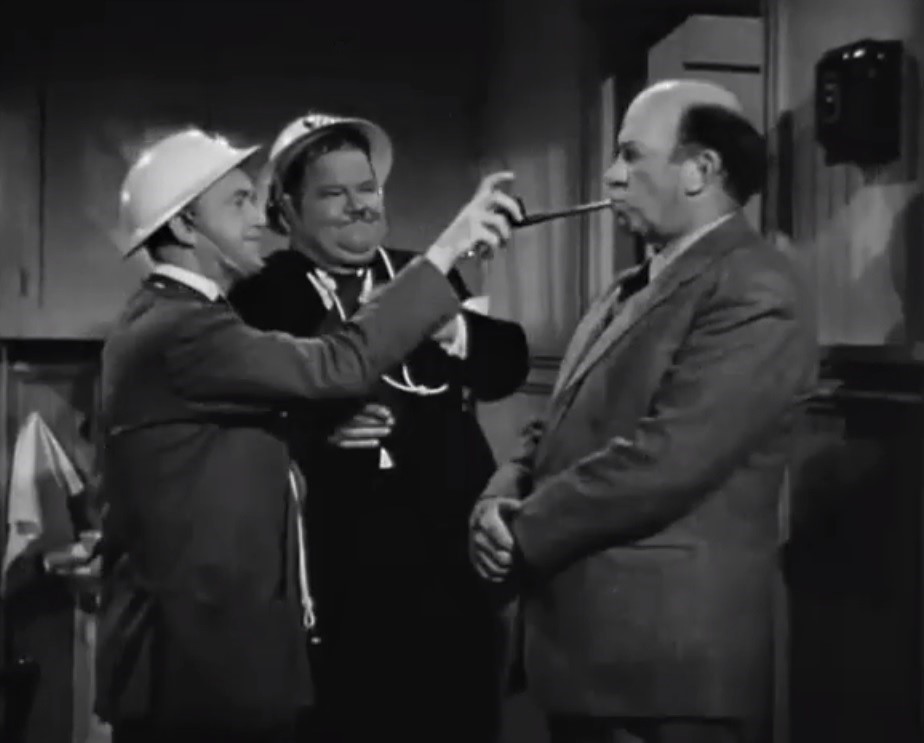
This 1942 short film describes the role of air raid wardens:

