Modern filmmakers – and not just Quentin Tarantino – have often used South Bay and Harbor Area locations as cinematic backdrops.
Ten years ago, I wrote about some of the notable films that have been filmed here, including “Pulp Fiction,” “Jackie Brown,” “Gone in 60 Seconds,” “The Usual Suspects” and many more.
Countless television episodes also have been filmed in the region.
It turns out not to be such a recent phenomenon. Silent films by Charlie Chaplin (“A Busy Day,” 1914) and Harold Lloyd (“Lonesome Luke’s Wild Women,” 1917) were filmed in San Pedro, the latter on the no-longer-existing Deadman’s Island.
Today we’re looking at selected films made in the 1940s, a particularly interesting era for location shoots in this neck of the woods.
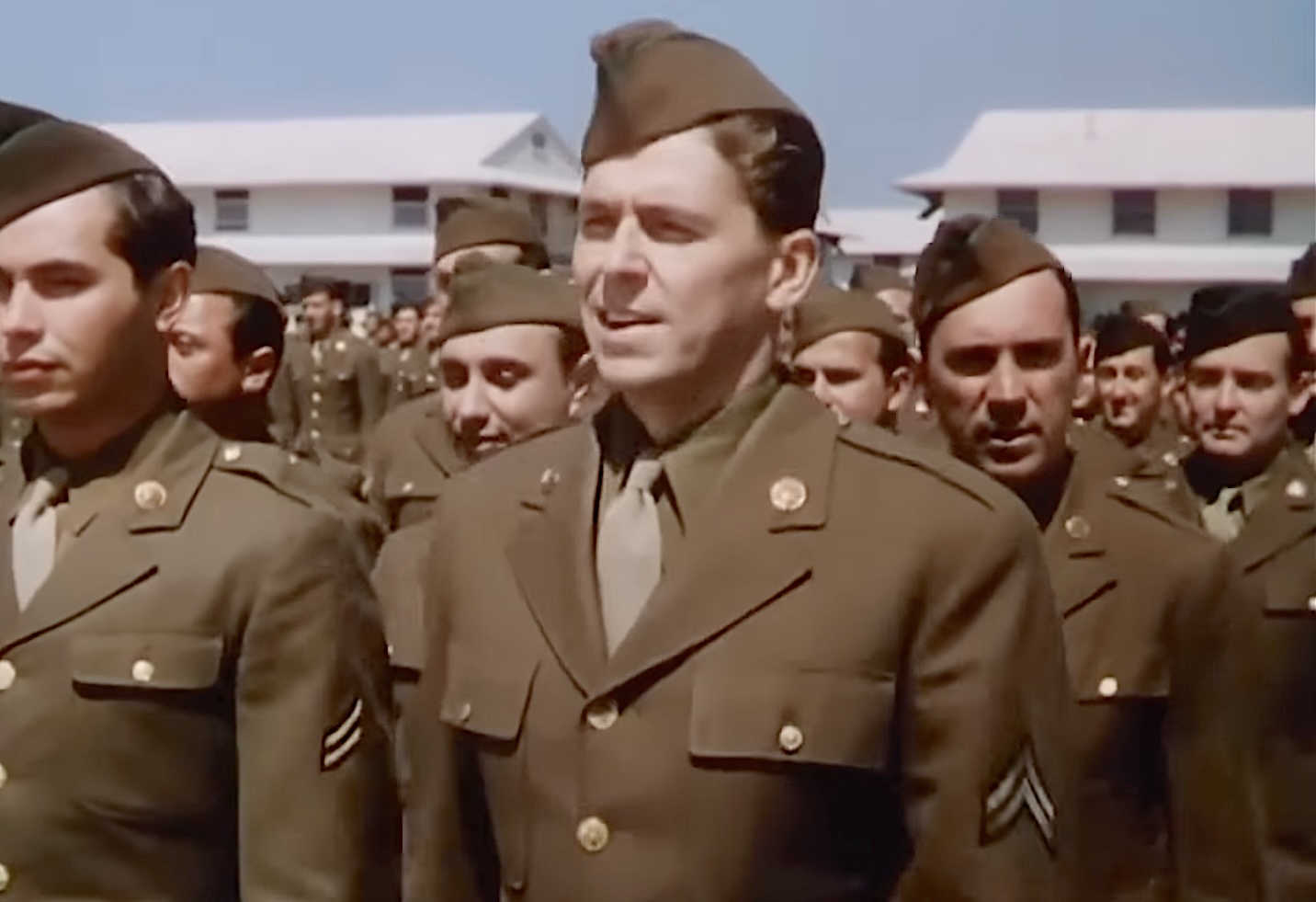
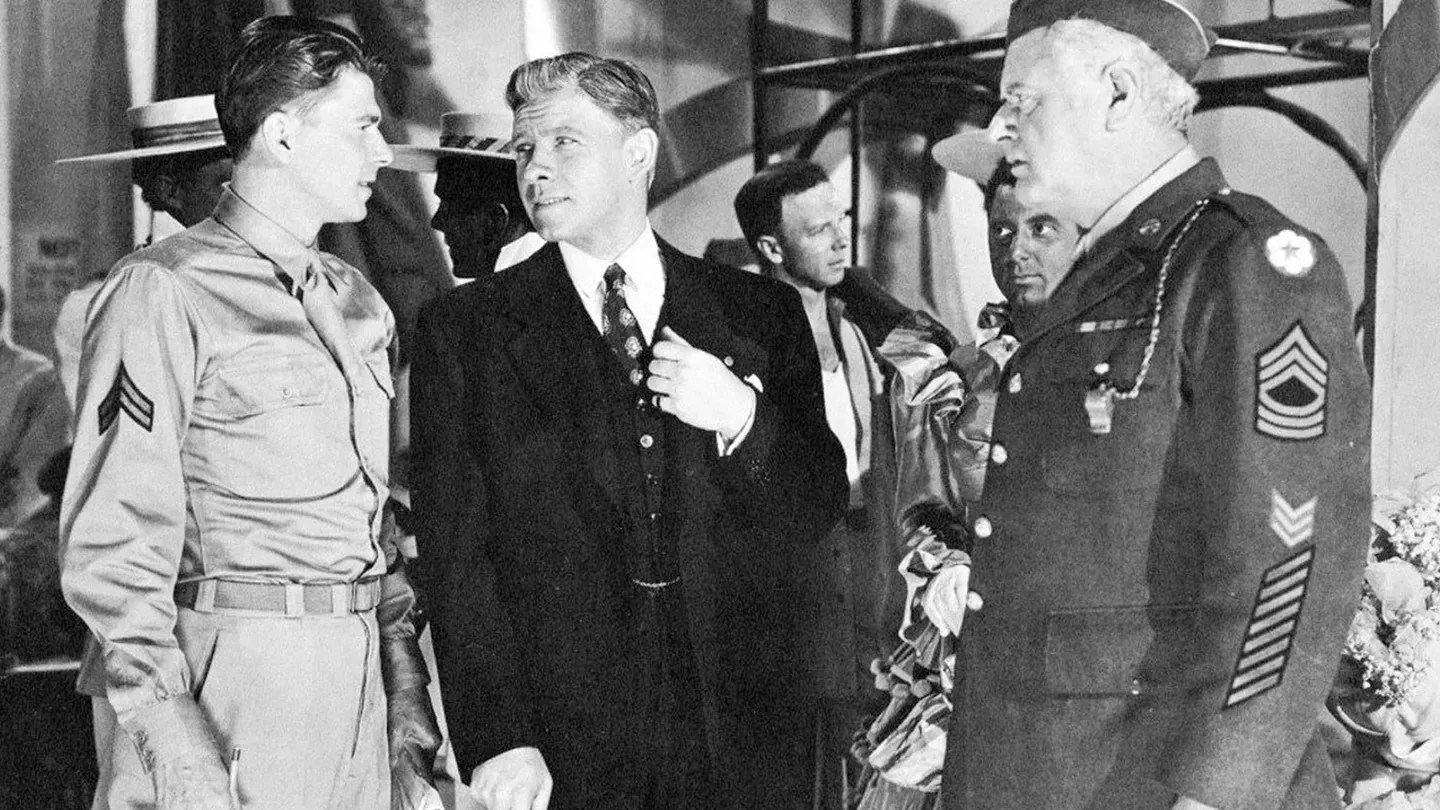
San Pedro became a popular filming spot during the 1940s for a number of reasons. One was the presence of Fort MacArthur. The U.S. Army base proved an ideal setting for service comedies such as the Irving Berlin-written musical revue “This Is the Army” (1943), which featured George Murphy and a young Ronald Reagan alongside hundreds of actual troops.
Mr. Winkle Goes to War” (1944), a service comedy starring Edward G. Robinson, also was filmed at Fort MacArthur.
The Army base’s seaside gun emplacements and batteries also were popular filming location for war films.
Pat O’Brien hunted saboteurs in the 1944 drama “Secret Command,” filmed chiefly at the California Shipbuilding Company, a government-owned warship manufacturing firm on Terminal Island.
The film provides an accurate cinematic record of the actual Calship shipyards during the height of wartime production, its ships lined up for construction. The plant closed with the end of the war in 1945.
Film noirs often used South Bay and Harbor Area locations. Director William Keighley shot the 1948 noir film, “The Street With No Name,” starring Richard Widmark and Lloyd Nolan, mostly on location in downtown Los Angeles. But its memorable chase scene was filmed in and around the San Pedro Municipal Ferry Building.
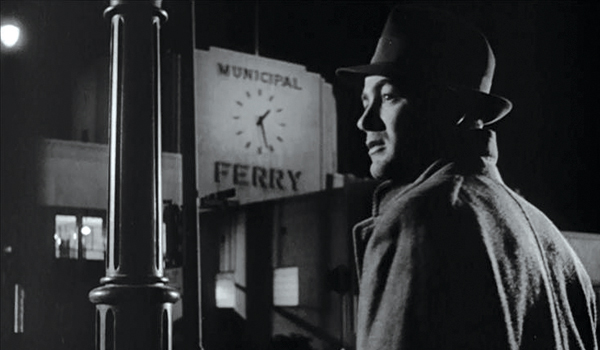
The ferry stopped running on Nov. 14, 1963 after the Vincent Thomas Bridge, which opened the next day, rendered it obsolete. Its main building was preserved, however, and was refitted to house the Los Angeles Maritime Museum in 1977.
By the 1940s, metro area Los Angeles coastal sites had become less useful for certain types of films due to their rapid urban development.
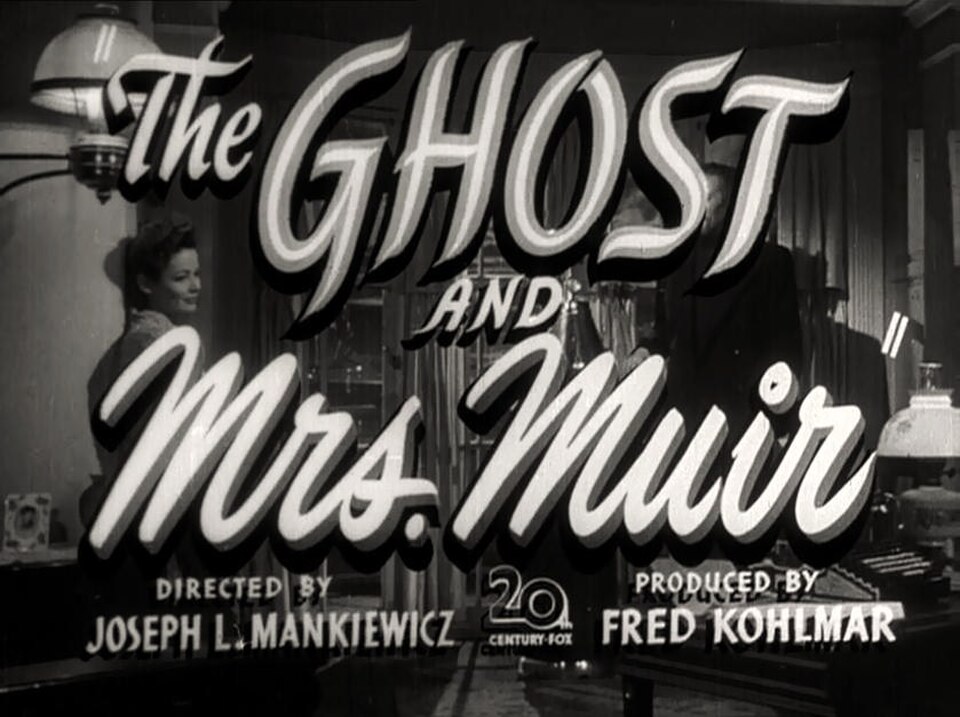
If Joseph Mankiewicz, director of the memorable 1947 film “The Ghost and Mrs. Muir,” say, was seeking a stretch of undeveloped rocky coastline as the setting for a remote English seaside cottage, the Palos Verdes coastline was seen as a better option than Santa Monica.
The completion of the Palos Verdes Drive roadway in 1926 made the developing, then relatively sparsely populated area accessible by automobile. The southern section of the Peninsula in current-day Rancho Palos Verdes seemed the perfect place for the filmmakers to build their outdoor movie set, Gull Cottage.
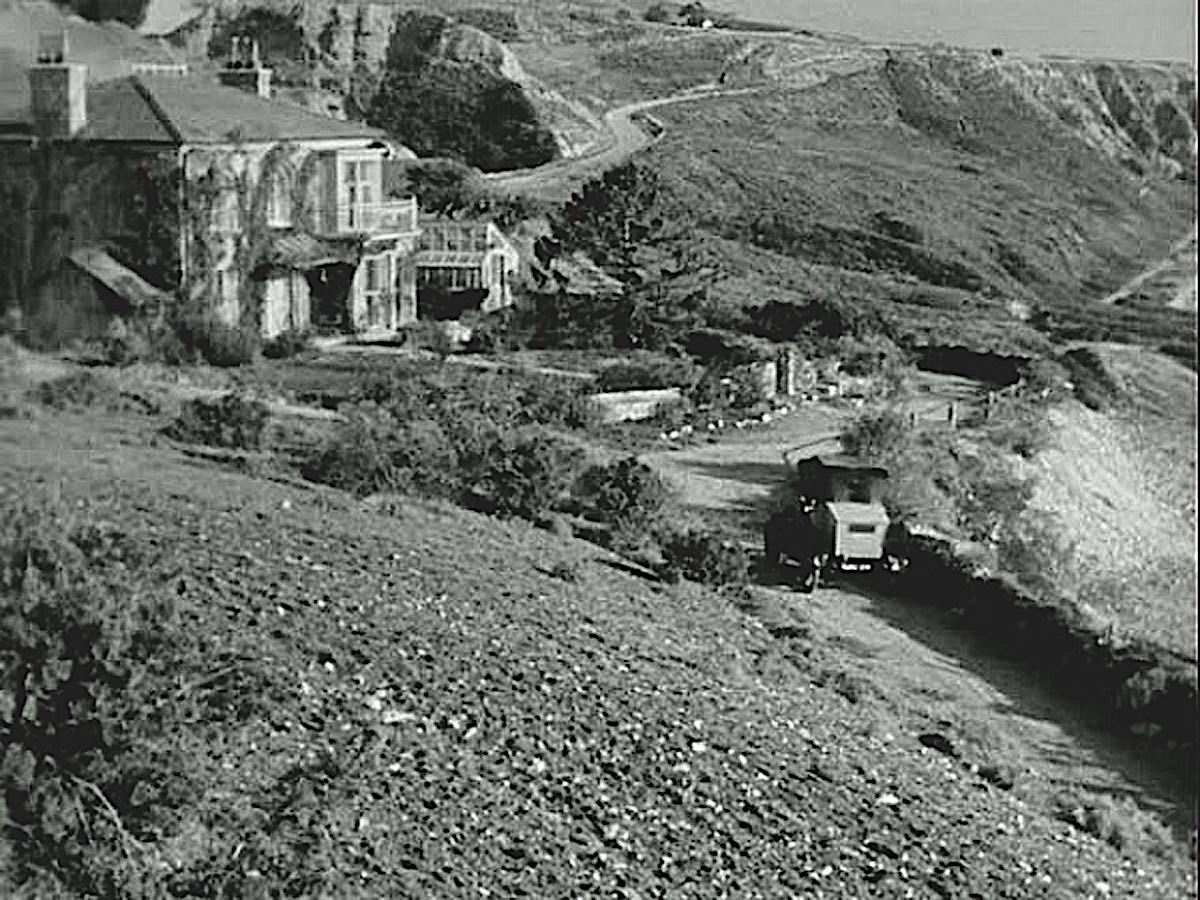
Exterior establishing shots showed the rocky coastline as well as the house. Though not exactly a perfect match for the Cornwall coast, it was a much cheaper choice than an actual location shoot in Cornwall would have been. The Gull Cottage set, which had cost $25,000 to construct, no longer exists; it was completely taken down after filming wrapped.
Santa Catalina Island also became a popular locale for film shoots. Its varied and rugged terrain and scenic shoreline proved an attractive choice for filmmakers.
The 1940 adventure film, “Typhoon,” with Dorothy Lamour and Robert Preston, used the island’s lush vegetation as a backdrop for its South Seas tropical storm tale.
Director Howard Hawks wanted to use Catalina to double for coastal Florida in the 1944 film “To Have and Have Not.” Unfortunately, the U.S. Army said no due to wartime security concerns, and Lauren Bacall and Humphrey Bogart were left to re-create the tale on a Warner Bros. sound stage in Burbank.
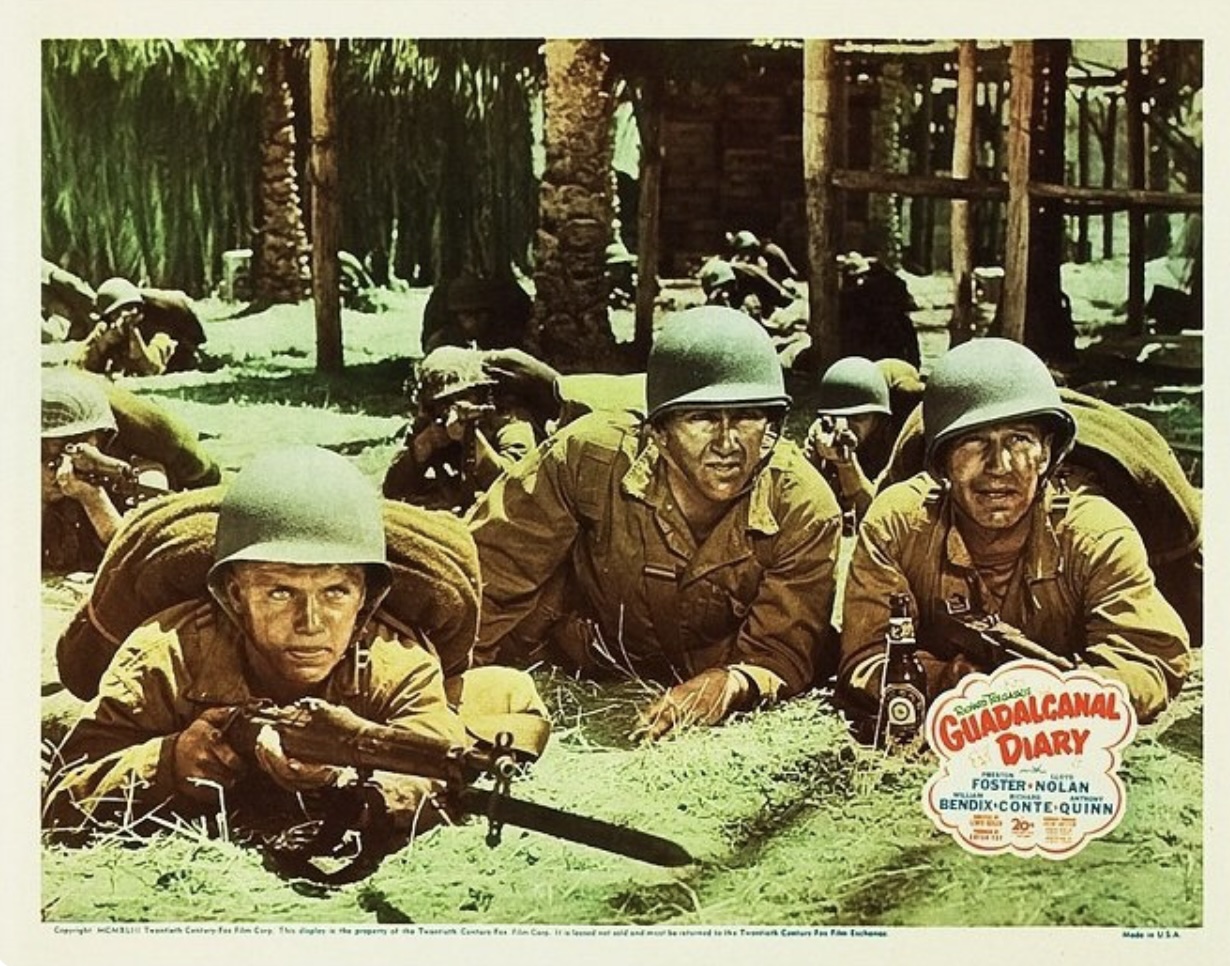
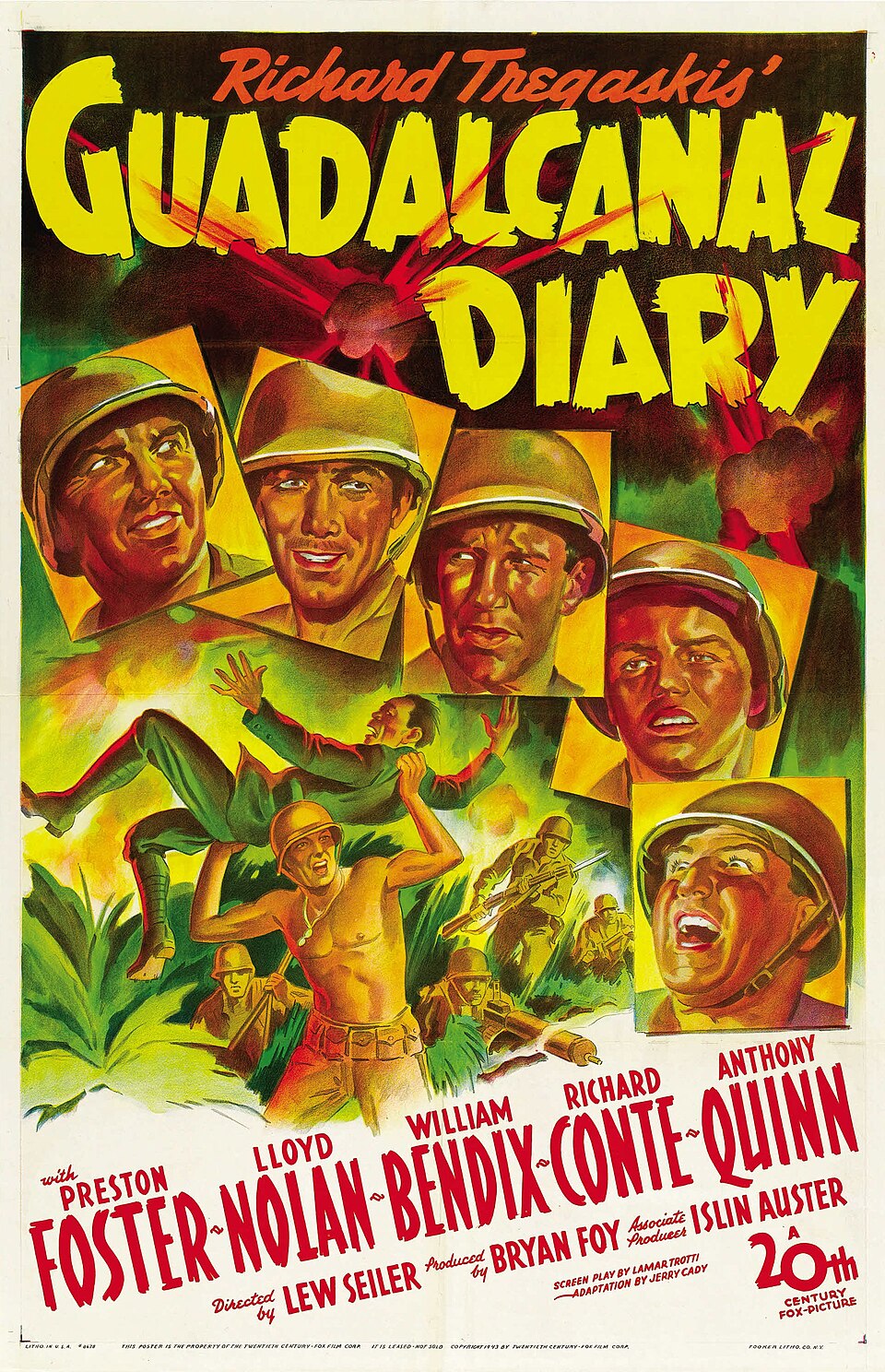
Though it was closed to the public from 1942 to 1945, the U.S. government did grant the filmmakers of the 1943 film “Guadalcanal Diary” permission to film at Little Harbor on the west side of the island. The popular film’s propaganda value was deemed to be important enough to wartime morale to make the exception.
Legendary B-movie director Edgar G. Ulmer (“Detour”) used Catalina’s remote Toyon Bay for his 1948 film noir “Ruthless,” starring Zachary Scott and Sydney Greenstreet. The cove is only accessible by foot or by boat and is currently the site of the Catalina Island Marine Institute and Catalina Sea Camp.
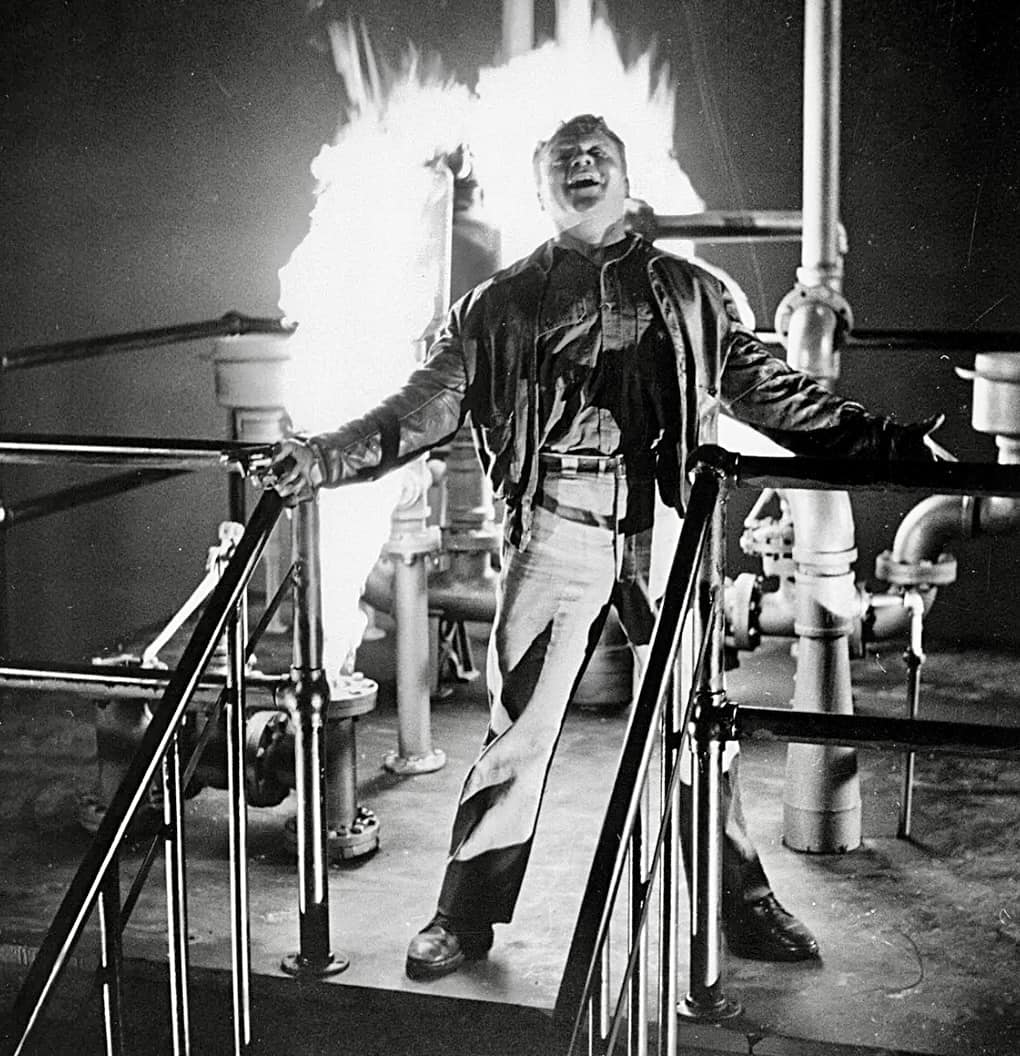
Finally, we need to re-mention that one of the most iconic final scenes of the decade was filmed at the former Shell Oil rubber plant in Wilmington. James Cagney goes up in a blaze of glory at the site, then owned by the federal government, after hollering his immortal last words, “Made it, Ma! Top of the world!”
Sources:
Classic Movie Ramblings website.
Daily Breeze archives.
Filmed In San Pedro and Wilmington Facebook page.
Internet Movie Database.
San Pedro News Pilot archives.
Wikipedia.